• HOME
  • RELATIONSHIPS
  • HOLIDAYS
  • WELLNESS
  • CAREER & FINANCE
  • FASHION
  • BEAUTY
  • LIVING

Advice From Nobody

You are here: Home / Archives for BEAUTY

How to Apply Self-Tanner Properly: 12 Sunless Tanning Tips

Filed Under: Body // 04/19/2024

Are you dreaming of that golden, sun-kissed glow without subjecting your skin to harmful UV rays?

Look no further than self-tanners!

With the right techniques, you can achieve a natural-looking tan that will leave you feeling confident and radiant.

Self-tanning can be a game-changer when it comes to achieving that sun-kissed glow without the harmful effects of UV radiation.

Here are twelve essential tips to ensure a flawless application every time.

How To Apply Self-Tanner Like A Pro

1. Prep Your Canvas

Preparation is key to a flawless self-tanning experience.

Start by exfoliating your skin to remove any dead cells and create a smooth surface for the tanner to adhere to.

Pay extra attention to rough areas like elbows, knees, and ankles.

After exfoliating, moisturize your skin, focusing on dry areas, to prevent the self-tanner from clinging to patches.

I love to use DIY exfoliators, here’s my recipe for homemade coconut lime body scrub, but if you don’t like to DIY or are short on time, here are my fave body exfoliators from Amazon.

  • Should You Shave Before Or After You Fake Tan

2. Choose the Right Formula

Self-tanners come in many formulas, including lotions, mousses, sprays, and serums.

Consider your skin type and the level of color you desire when selecting a formula.

Lotions are great for dry skin, while mousses and sprays are ideal for oily or acne-prone skin. Serums offer a more gradual tan and are perfect for beginners or those seeking a subtle glow.

If you’re unsure what to choose, here is my blog post on how to choose between tanning lotion and spray tan, there are some great tips in there on how to choose the best tanning option for you.

  • Does Self-Tanning Lotion Expire? +How To Make It Last Long
  • What’s The Best Time To Tan Before or After My Workout?

3. Apply with Care
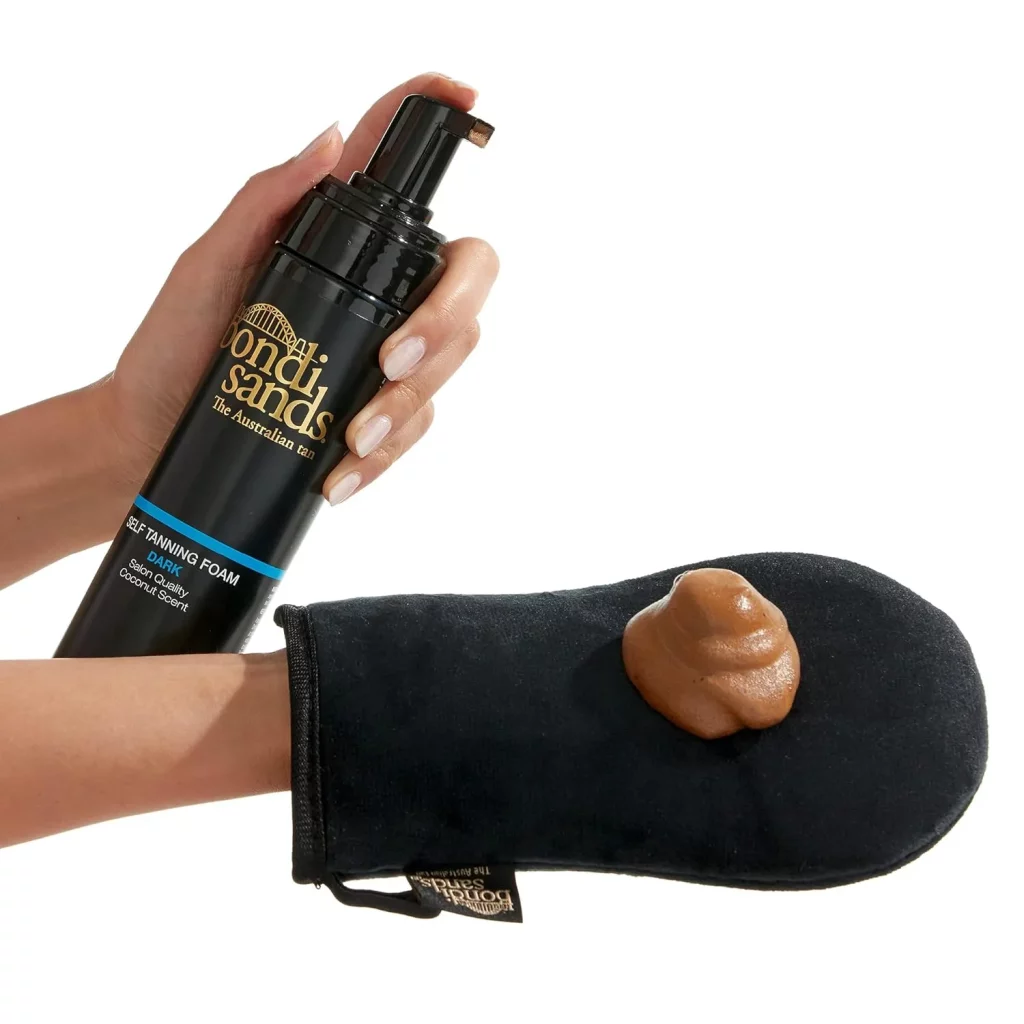
When applying self-tanner, more is almost always less.

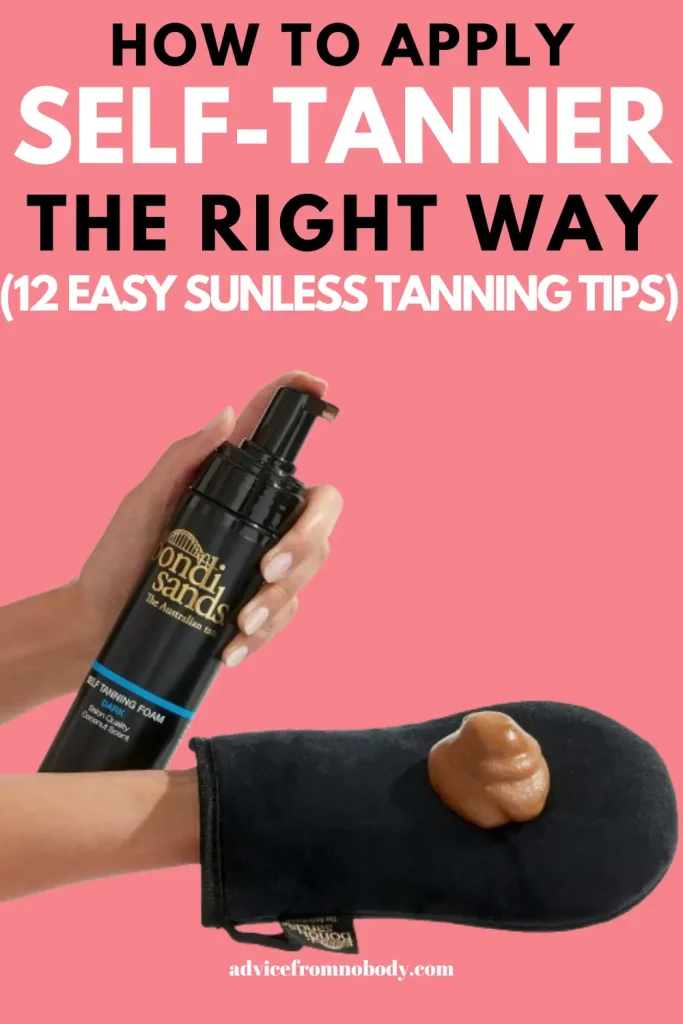
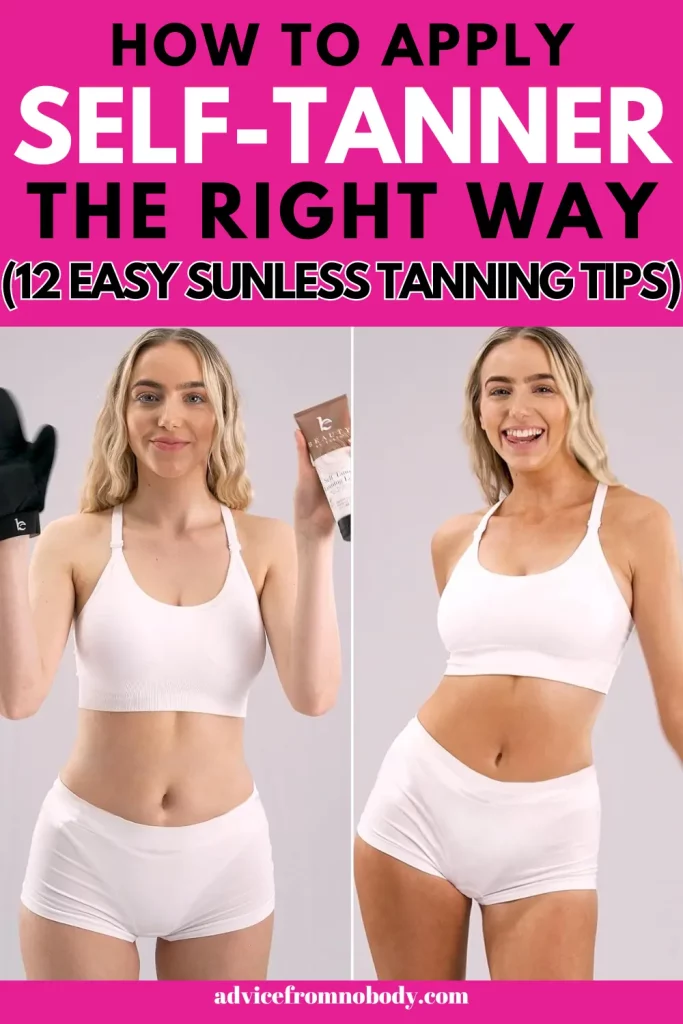
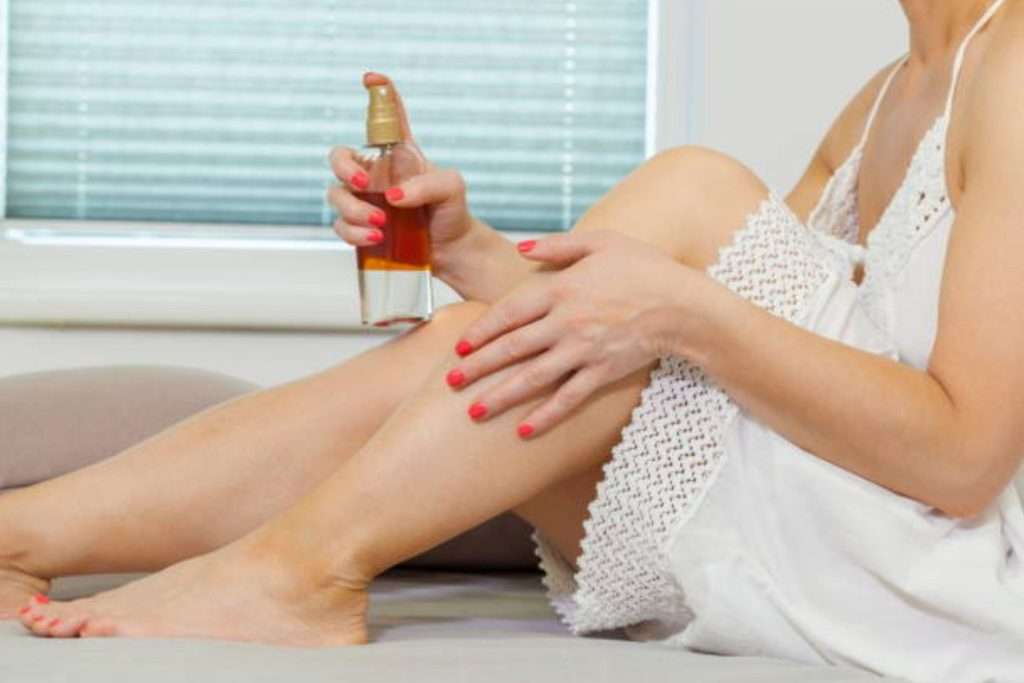
Start by putting a small amount of product onto a tanning mitt or glove to avoid streaks and uneven patches.

Begin at your ankles and work your way up, using long, sweeping motions to ensure even coverage.

Don’t forget to blend into areas like wrists, elbows, knees, and ankles for a seamless finish.

  • Will Spray Tanning Protect You From a Sunburn?

4. Take Your Time

Rome wasn’t built in a day, and neither is a flawless tan.

Take your time when applying self-tanner to ensure thorough coverage and avoid mistakes.

Start with a light layer and gradually build up the color to achieve your desired shade.

Remember to wait for each layer to dry completely before applying the next to prevent streaking or smudging.

  • The Best Way to Tan Legs in a Tanning Bed or Sun Fast

5. Wash Your Hands

One sign of a self-tanning failure is orange palms.

To avoid this common pitfall, be sure to wash your hands thoroughly after applying self-tanner to remove any product residue.

Pay special attention to the areas between your fingers and under your nails to prevent staining.

  • Can You Use Indoor Tanning Lotion Outside?

6. Maintain Your Glow

To prolong the life of your self-tan, moisturize your skin daily and avoid exfoliating until you’re ready to remove the color.

Opt for gentle, hydrating formulas to keep your skin looking radiant and healthy. When it’s time to say goodbye to your tan, exfoliate regularly to ensure an even fade.

Here are my favorite moisturizers for after self-tanning.

7. Use a Barrier Cream

Suppose you have dry areas or areas prone to excessive absorption, like elbows, knees, and ankles.

In that case, applying a thin layer of barrier cream or lotion can help prevent the self-tanner from clinging too heavily to these areas, resulting in a more even application.

8. Invest in a Back Applicator

Applying self-tanner to your back can be challenging, especially when you’re on your own.

Investing in a back applicator or enlisting the help of a friend can make this task much easier and ensure that you achieve seamless coverage from head to toe.

9. Pay Attention to Product Ingredients

Before purchasing a self-tanner, take a moment to review the ingredients list.

Look for products that contain hydrating ingredients like hyaluronic acid, glycerin, or aloe vera to help keep your skin moisturized and nourished while you tan.

10. Customize Your Shade

If you prefer a lighter or darker tan, consider mixing your self-tanner with a moisturizer to customize the intensity of the color.

This allows you to tailor your tan to suit your preferences and achieve a more natural-looking result.

11. Touch Up as Needed

Even with the best application techniques, your self-tan may fade unevenly over time.

To maintain a seamless glow, touch up any areas that have faded or become patchy using a gradual tanning lotion or a tinted moisturizer.

12. Practice Patience

Self-tanning is a process that requires patience and practice. Don’t be discouraged if your first attempt doesn’t turn out perfectly.

With time and experience, you’ll learn what works best for your skin and be able to achieve a flawless tan with ease.

With these easy tips in mind, you’ll be well-equipped to achieve a flawless, sunless tan that will have you feeling confident and radiant all year round.

Say goodbye to harmful UV rays and hello to a natural-looking glow!

Pin For Later!
how to apply self tanner the right way (12 easy sunless tanning tips)
[jetpack-related-posts]

Does Self-Tanning Lotion Expire? +How To Make It Last Long

Filed Under: Body // 02/26/2024

does tanning lotion expire

You’ve likely rummaged through your beauty products, finding that bottle of tanning lotion from last summer, or perhaps even earlier, and you may ask yourself, “Can I still use this expired tanning lotion?” or “How long is tanning lotion good for?”.

However tempting it may be, maybe you should check the expiry date on these products before using them.

Using expired tanning creams not only jeopardizes your skin health but can lead to skin irritation or more severe skin damage.

Understanding the shelf life, from manufacturing date to expiration date, ensures you achieve the best results without compromise.

Embracing proper care and storage conditions, such as avoiding heat sources and keeping the bottle in a dark, dry place, can also extend the longevity of your tanning lotions. 

  • What to Wear During & After a Spray Tan
  • Should You Shave Before Or After You Fake Tan
  • Self-Tanning Lotion Vs. Sunless Spray Tan: Which Is Best?

Understanding Tanning Lotion Expiration Dates

does tanning lotion expire

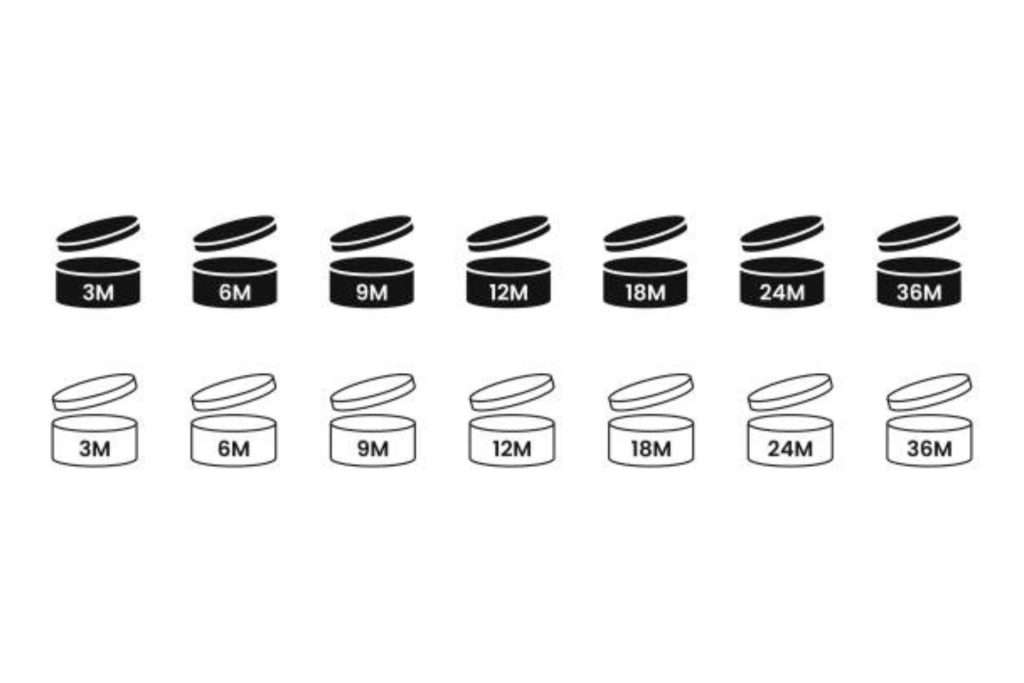
Finding the expiration date on your bottle of tanning lotion often feels like a treasure hunt, but it’s important for your skin health.

Most brands print the expiration date on the side or bottom of the tanning bed lotion bottle. It’s usually near the manufacturing date.

Contrary to popular belief, the expiry date is not just a suggestion; it tells us when the lotion’s key active ingredients, like amino acids and hyaluronic acid, lose their potency.

Spoiled lotion poses risks, from skin irritation, and reduced sun protection that exposes you to excess heat exposure to uneven tanning results.

So, not using expired self tanner ensures an effective, natural-looking tan, safeguarding your skin’s surface from adverse reactions. 

  • Can You Use Indoor Tanning Lotion Outside?
  • Self Tanning Aftercare: Best Moisturizer to Use After a Spray Tan
  • Everything You Need To Know About Tanning & Laser Hair Removal

Does Tanning Lotion Expire?

Ever wondered how long your bottle of tanning lotion is good for?

It turns out, the shelf life of self-tanner can swing between 2 to 4 years. These dates aren’t just numbers; they’re your first line of defense against skin irritation and patchy tan nightmares.

Factors like exposure to direct sunlight, heat sources, and not stored at room temperature can speed up self-tanning product expiration.

The manufacturing date serves as a starting point, but remember, proper care extends your lotion’s effectiveness. 

How Can You Tell If Your Tanning Lotion Has Expired

So, you’ve discovered an unopened tanning lotion bottle shoved in the back of your beauty products stash.

Before you plan your next tanning session, take a moment to inspect the bottle.

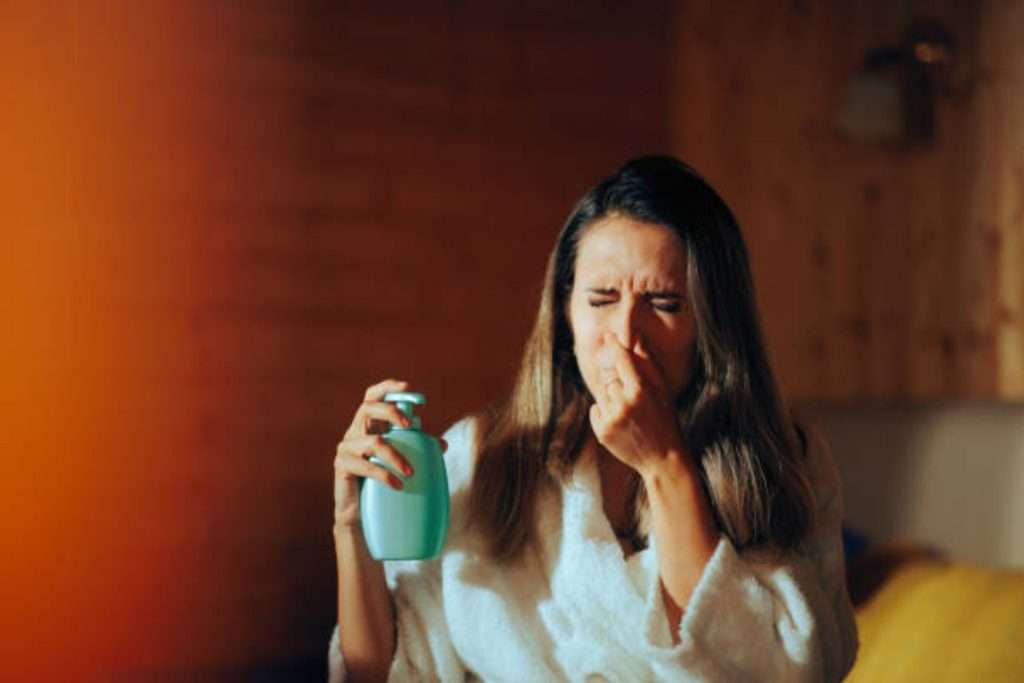
An unpleasant smell can tell you that your sunless tanner is past its expiry date. If you get that strange smell, it’s time for a new product.

Next, feel the lotion’s texture and color. Expired lotion may separate, becoming patchy, or change in color, far from its original hue.

This suggests the key active ingredients have degraded, diminishing the level of protection against UV rays and potentially leading to uneven tanning results or, worse, skin irritation.

A patch test on a small area of skin can help you avoid adverse reactions, but investing in a new bottle ensures peak performance for your desired results. 

  • The Best Way to Tan Legs in a Tanning Bed or Sun Fast
  • What’s The Best Time To Tan Before or After My Workout?
  • Will Spray Tanning Protect You From a Sunburn?

What Happens If You Use Expired Tanning Lotion?

does tanning lotion expire

Thinking of using expired tanning lotion? Bad idea.

The temptation might grip you, especially if you find an unopened bottle neatly tucked away in a dark place.

But beware, the expired self-tanner can unleash a bunch of skin problems rather than giving you that coveted sun-kissed glow.

The key active ingredients in tanning bed lotions degrade over time, causing uneven tanning results that look anything but natural.

Skin irritation and allergic reactions are not uncommon results, caused by the destabilization of amino acids and preservatives.

When you use that expired lotion, expecting a perfect tan, you’re instead risking causing damage to your skin’s surface.

Proper care and timely disposal of expired products make sure your skin stays safe and your tan looks it’s absolute best.

Trust me, buying a new unopened self tanner is always the best way to avoid any negative effects and maintain your desired results. 

How To Properly Store Your Self Tanning Lotion?

Storing your tanning lotion properly could be the key to extending its shelf life.

You must keep it away from direct sunlight and heat sources; they can degrade the key active ingredients.

An ideal spot would be a cool, dry place, perhaps a cabinet that doesn’t catch much natural light. This simple step ensures the lotion retains its effectiveness and reduces the risk of causing skin irritation or an uneven tanning result. 

Tight sealing of the open jar after the last time you use it will keep it from going bad too quickly. It prevents the breeding ground for bacteria and maintains the product’s integrity.

By following these tips, you extend the shelf life of self tanner that you use.

Can You Still Use Expired Tanning Lotion?

So you just found the bottle of tanning lotion you bought a long time ago.

You may have stored it properly, hidden it in a dark, cool place, far from direct sunlight and extreme heat sources.

So you may wonder, is it a good idea to use this expired tanning lotion?

The tanning lotion bottle still looks fine, and there’s no unpleasant smell coming from it.

Despite these observations, using expired beauty products, especially on sensitive skin, isn’t the best thing to do.

Expired self-tanner or any tanning cream, for that matter, might have degraded key active ingredients even for unopened products. This degradation can lead to skin irritation, patchy tan results, or worse, adverse reactions.

The level of protection from UV rays may also decrease, leaving your skin vulnerable to direct sunlight and skin cancer.

So, while it might seem tempting to get every last drop out of your tanning lotion, opting for a new bottle ensures peak performance, safety, and the best results for your skin type. 

So, if the question “Can I use expired tanning lotion without negative effects?” ever finds you again, by now, it should be clear that the answer is definitely no.

Expired products, especially beauty products like self-tanning lotions, can cause damage to your skin.

From allergic reactions to patchy tan, the risks far outweigh any perceived benefits of holding onto that old bottle of sunscreen or tanning cream. 

Your skin deserves the best care, and that includes using products that are safe and will actually get the job done.

Whether it’s a bottle of lotion, sunscreen, or self-tanner expiration dates should be taken seriously.

Keep your tanning essentials away from direct sunlight, heat sources, and any area where they might be exposed to extreme temperature changes.

Ideally, you’d store them at room temperature in a dark, dry place. This way, the main ingredient, amino acids, and all the key active ingredients maintain their integrity and deliver the desired results. 

The next time you wonder about using an unopened bottle way past its expiration date, think about the risks it offers your skin.

It’s always a good idea to air on the side of caution and get a new unopened bottle of tanning lotion. Your skin will thank you for it. 

FAQ About Self-Tanner And Expiration Date

Q: Can you still get a tan from expired lotion?

Using expired tanning lotion may not provide the desired results, as its key active ingredients may have degraded over time.

Q: Is it bad to use expired tanning lotion once or twice?

It’s not recommended to use expired tanning lotion, as it can lead to uneven tanning results, skin irritation, and negative effects on the skin’s surface.

Q: Does tanning lotion expire if never opened?

Tanning lotion can still expire even if unopened, so it’s important to check the expiration date and adhere to proper storage guidelines.

Q: Can I Use an Expired Self-Tanner

Using an expired self-tanner is not recommended, as it may lead to uneven tanning results, skin damage, and negative reactions.

Q: What is the shelf life of self-tanners?

The shelf life of self-tanners varies, but they generally have a limited effectiveness over 12-18 months, this can get decreased due to factors like exposure to direct sunlight and room temperature.

Q: Can you mix expired tanning lotion with new lotion?

It’s not advisable to mix expired tanning lotion with new lotion, as the expired product may have lost its effectiveness and could lead to adverse reactions on the skin.

Q: Does tanning lotion expire after opening?

Yes, tanning lotion can expire after opening, and using it past its expiration date may result in skin problems and an unpleasant smell.

Q: Does tanning lotion expire if not refrigerated?

Tanning lotion should be stored in a cool, dark place at room temperature to maintain its efficacy; refrigeration is not necessary.

Q: But it Looks and Smells Fine!

Even if it looks and smells fine, using an expired self-tanner is not a good idea as it may lead to patchy tan, skin damage, and negative reactions.

Q: Do They All Expire?

Yes, self-tanners have a shelf life, and their effectiveness diminishes over time due to various factors like exposure to direct sunlight and room temperature.

Q: Will an Expired Self-Tanner Ruin My Tan?

Using expired self-tanner may result in uneven tanning results, and it’s best to replace it for the desired effect.

Q: How Often Should I Replace My Self-Tanning Lotion?

As a general rule, replacing self-tanning lotion periodically ensures the best results and prevents skin damage.

Remember to always perform a patch test, especially for individuals with sensitive skin, before using any expired or new tanning products to avoid allergic reactions.

[jetpack-related-posts]

What’s The Best Time To Tan Before or After My Workout?

Filed Under: Body // 02/09/2024

tanning before or after workout

Maintaining a healthy body is undoubtedly important, and regular exercise not only keeps you fit but also gives you a natural glow from within.

However, have you ever wondered how working out might affect your skin’s golden glow after a fake tan?

Let’s explore whether it’s better to exercise before or after your tanning session, whether sun tanning, using a self tanner, or self-tanning spray to avoid getting an uneven tan.

  • How to Apply Self-Tanner Properly: 12 Sunless Tanning Tips

Sun Tanning & Working Out

Working Out Before Sun Tanning

When considering a sun tanning session on a workout day, it might be a good idea to plan your fitness routine before your tan session.

Increased blood circulation during exercise can enhance the absorption of the tanning solution, giving you a deeper and more even tan. 

So working out before sun tanning is beneficial. Exercise increases blood circulation and opens pores, allowing them to absorb UV rays for a deeper tan.

However, intense workouts may lead to fatigue and dehydration, so make sure to drink plenty of water stay hydrated while under the sun’s heat, and make sure to wear broad-spectrum sunscreen to minimize the risk of sunburn.

Working Out after Sun Tanning

On the other hand, if you’ve already caught some sun rays for the day, engaging in a workout session afterward is a great way to maintain a healthy glow.

Opt for light exercises to avoid excessive sweating, which could lead to a patchy tan.

Outdoor activities can further complement your tan, but it’s advisable to engage in indoor workouts to avoid sunburn.

Make sure to remove any tanning oil before hitting the gym, stay away from intensive exercise, and maintain hydration.

  • What to Wear During & After a Spray Tan
  • Everything You Need To Know About Tanning & Laser Hair Removal
  • Does Self-Tanning Lotion Expire? +How To Make It Last Long

Spray Tanning & Exercise

Working out Before Spray Tanning

Planning a spray tanning session? It’s a great idea to work out before.

As we mentioned before, exercise opens your pores and increases blood circulation, open pores are perfect for an even and flawless tan. 

Ensure you’re comfortable and sweat-free before your spray tan appointment.

Workout After Spray Tan

Post-spray tan, opt for light exercises and avoid saunas or hot tubs to prevent sweating.

This will ensure your tan sets in perfectly, giving you that golden glow without any side effects.

Avoid hitting the gym immediately after a spray tan to prevent the tan from washing off. Sweating can lead to a splotchy tan, reducing its longevity.

Make sure to wear loose-fitting outfits, and apply baby powder to minimize tan transfer.

  • Self-Tanning Lotion Vs. Sunless Spray Tan: Which Is Best?
  • Should You Shave Before Or After You Fake Tan
  • The Best Way to Tan Legs in a Tanning Bed or Sun Fast

Tips for Working out After a Spray Tan

tanning before or after workout

Wearing loose, protective clothing during your workout is a good thing to minimize the risk of tan transfer onto your clothes.

Additionally, remember to drink plenty of water to stay hydrated, as well as make sure to keep your skin hydrated by using a good moisturizer after your spray tan.

Here are some essential tips to ensure your fitness regimen doesn’t compromise your tan:

  1. Wear loose-fitting outfits: Opt for loose clothing to prevent the tint from washing off, minimizing friction and ensuring a more even tan. This is particularly important to maintain the longevity of your spray tan.
  2. Choose light exercises: Engage in light exercises that don’t induce excessive sweating. This helps prevent the tan from becoming splotchy and ensures a more consistent and natural-looking result.
  3. Apply talcum powder: Before hitting the gym, apply talcum powder to areas prone to sweating the most. This acts as a protective barrier, minimizing the risk of the tan being affected by sweat. Baby powder also works well for this.
  4. Wait 2-3 days after your spray tan if you can: Give your spray tan ample time to set before engaging in intense workouts. Waiting a couple of days allows the tan to fully develop and adhere to your skin, reducing the risk of it washing off prematurely.
  5. Consider self-tanning products for touch-ups: If your workout routine is frequent, consider using self-tanning products for touch-ups as needed. This ensures a consistent and fresh tan even if your workout routine demands regular sessions.

Remember, these tips are essential for maintaining the quality of your spray tan, providing you with a flawless and long-lasting golden glow.

  • Self Tanning Aftercare: Best Moisturizer to Use After a Spray Tan
  • Can You Use Indoor Tanning Lotion Outside?
  • Will Spray Tanning Protect You From a Sunburn?

Tanning Bed and Gym

Working out before UV Tanning

Are you considering a tanning bed session before hitting the gym? Exercising before a UV tanning session can increase blood circulation, resulting in a deeper tan.

Just ensure to shower and follow the pre-tanning rituals for best results.

However, be cautious about dehydration; shower and exfoliate before the session, use indoor tanning lotions, and stay hydrated.

Working out after Tanning Bed

Post-tanning bed, opt for light exercises and avoid tight sports bras to prevent any residue product from affecting your tan.

Prioritize moisturizing to keep your skin hydrated and maintain that golden tan. Unlike spray tans, tanning bed sessions allow you to work out freely afterward.

The natural darkening process eliminates concerns about tan products washing off. Increased blood circulation may even enhance your tan.

Tan Before or After Workout: What is Recommended?

Ultimately, whether you choose to tan before or after your workout, the perfect time depends on your skin type, preference, workout routine, and fitness goals.

Whichever route you take, following these tan tips ensures a flawless next tan, enhancing your overall fitness journey with a radiant, sun-kissed glow and giving you your desired results.

Exercising before and after a spray tan may not be ideal, as it can impact the tan’s longevity, and sweaty clothes can cause your tan to bleed.

Instead, we recommend opting for the contoured look provided by spray tans and consider taking a break from the gym for a few days.

For other tanning methods, exercising before can enhance results, but precautions like hydration and proper skin care are important.

Ultimately, whether you choose to exercise before or after your tan depends on personal preferences and the type of tan you opt for.

FAQ About Tanning Before Or After Working Out?

Q: Should I tan before or after working out?

It’s generally recommended to schedule your tanning session before working out as it increases blood circulation and open pores during work outs can enhance the tanning process, whether it be spray tanning, sun tanning, or a tanning bed session.

Q: Does excessive sweating affect the tanning process?

Yes, excessive sweating and sweaty clothes especially immediately after tanning, can lead to a patchy tan reduce the intensity of a fresh tan, and give you an uneven tan.

Q: Does exercise make you more tan?

Yes, exercising before tanning can increase blood circulation and open pores, resulting in a more vibrant and deeper tan.

Q: Should I use tanning accelerators before a workout?

It’s advisable to use tanning accelerators before a workout as they can enhance the tanning process by stimulating melanin production.

[jetpack-related-posts]

Will Spray Tanning Protect You From a Sunburn?

Filed Under: Body // 02/09/2024

does spray tan prevent sunburn

Understanding Spray Tanning

Year after year, spray tanning has become more popular for those looking for that perfect sun-kissed glow without having to go out into the sun’s UV rays.

It is the best sunless tanning solution for achieving a fake tan, sunless tanners do not involve spending time under UV exposure which has often been linked to premature aging and, skin cancer.

How spray tans work is because of the reaction between active ingredients like Dihydroxyacetone (DHA) and the amino acids in the dead skin cells on the outer layer of your skin.

This chemical reaction gently darkens the skin’s surface, mimicking a natural tan without any UV radiation from the sun or tanning beds.  

  • How to Apply Self-Tanner Properly: 12 Sunless Tanning Tips

The Common Misconception of a ‘Base Tan’

Many believe that achieving a darker skin tone through a base tan or spray tanning can give you an added advantage for that sun protection factor.

This thought has led many people to sunbeds or sunless tanning products to achieve darker skin tones, which gives them false security and they don’t wear sunscreen.

Scientific research has deemed this a myth. There’s little evidence to support the idea that indoor tanning provides any protection against UV radiation. 

In reality, the Skin Cancer Foundation reminds us that any tan is a sign of skin damage.

This uncovers the dangers of assuming that a base tan or an artificial tan from a tanning salon can offer much protection against sunburn or the risk of skin cancer.

It’s important to remember that while these methods give you a sun-kissed glow, they don’t offer any protection against UV exposure. 

  • What to Wear During & After a Spray Tan
  • Everything You Need To Know About Tanning & Laser Hair Removal
  • Does Self-Tanning Lotion Expire? +How To Make It Last Long

The Science of Skin and UV Exposure

UV rays have no mercy on your skin. They penetrate deeply, causing damage to the delicate layers.

Over time, this exposure can lead to premature aging, characterized by fine lines and age spots. Skin cancer, the deadliest form, often stems from such damage.

The American Academy of Dermatology and the World Health Organization have both sounded the alarm. They advocate for sunless tanning products as a safer alternative. 

The allure of a sun-kissed glow doesn’t need to come with a side of risk.

Spray tanning, a favorite method for achieving that golden tan, involves no UV exposure. It works through a chemical reaction on the skin’s surface, interacting with dead skin cells to darken the skin temporarily.

This process, unlike bathing in direct sunlight or lying in a tanning bed, offers a healthy tan without the harmful effects of UV radiation.

Essentially, spray tanning shields your skin from the potential for DNA damage, premature aging, and, most critically, skin cancer. That’s a win in our book. 

  • Self-Tanning Lotion Vs. Sunless Spray Tan: Which Is Best?
  • Should You Shave Before Or After You Fake Tan
  • What’s The Best Time To Tan Before or After My Workout?

Maximizing Protection: Spray Tan and Sunscreen

does spray tan prevent sunburn

Many think a perfect tan shields them from the sun’s wrath. Reality tells a different story. Spray tans offer a sun-kissed glow without inviting UV radiation’s harmful effects.

This fact leads to a vital strategy for outdoor lovers. Combining a spray tan with broad-spectrum sunscreen forms a powerful duo against UV damage. 

Spray tans work by reacting with amino acids in the dead skin cells, granting you that golden tan without needing a tanning bed or direct sunlight.

Despite the beautiful, natural-looking tan, spray tans lack any UV protection factor. That’s where sunscreen steps in.

Broad-spectrum sunscreen, true to its name, guards against both UVA rays responsible for premature aging, and UVB rays, notorious for causing sunburn. 

To ensure your skin stays as radiant and healthy as possible, heed this advice. Embrace the golden glow a spray tan offers, but never skimp on sunscreen for every outdoor venture.

This combination promises the best of both worlds: a beautiful tan and a robust defense against the deadliest form of skin cancer.

This approach has long been recommended by the Skin Cancer Foundation and the American Academy of Dermatology for anyone seeking a healthy tan with UV protection. 

  • Self Tanning Aftercare: Best Moisturizer to Use After a Spray Tan
  • Can You Use Indoor Tanning Lotion Outside?
  • The Best Way to Tan Legs in a Tanning Bed or Sun Fast

FAQ About Spray Tanning And UV Protection

Q: Does a spray tan prevent sunburn?

A: No, a spray tan does not have any sun protection factor against sunburn.

While it enhances the appearance of a base tan, it’s essential to use a broad-spectrum sunscreen to shield your skin from harmful UV rays and wear sun-protective clothing to prevent sunburn.

Q: Do sunless tanners act as a barrier to sunburn?

A: Spray tans do not create a physical barrier against UV light, therefore not preventing sunburn. Although they offer a natural-looking tan, they don’t protect from UV rays.

It’s important to wear sunscreen for your sun protection routine when exposing yourself to direct sunlight for effective prevention of sunburn.

Q: Will a spray tan reduce the risk of sunburn?

A: While spray tans can visually mimic a tan, they do not reduce the risk of sunburn. To prevent sunburn, it’s advisable to use sunscreen spray alongside any sunless tanning products like spray tans.

Q: Should I skip sunscreen if I have a spray tan?

A: No, even with a spray tan, it’s important to wear sunscreen. Spray tans just provide a darker skin color, but do not increase the production of melanin and therefore do not offer any UV protection.

Sunscreen is crucial for safeguarding your skin against sunburn and long-term sun damage.

Q: What happens if you sunbathe with fake tan on?

A: Sunbathing with a fake tan does not provide sun protection, and it won’t prevent sunburn.

It’s crucial to use broad-spectrum sunscreen or sunscreen sprays to protect your skin from harmful UV rays, even when you have a fake tan.

Q: Is it a good idea to get a spray tan before a vacation?

A: While a spray tan enhances your tan’s appearance, it doesn’t offer sun protection. It’s advisable to wear sunscreen during your vacation to prevent sunburn and protect your skin from UV damage.

Q: Why do I just sunburn and not tan? What causes sunburns?

A: Sunburn occurs when the skin is exposed to excessive UV radiation, and is a sign of skin damage.

Some people may be more prone to sunburn than tanning due to varying skin types and levels of melanin production. To prevent sunburn, wear sunscreen and sun-protective clothing.

Q: How do you prevent sunburn naturally?

A: Sunburn prevention involves wearing broad-spectrum sunscreen, wearing sun-protective clothing, and always having a select amount of shade options when tanning.

While there are natural remedies like aloe vera for soothing sunburned skin, they don’t replace the importance of sunscreen and sun safety measures.

Q: Why is it important to protect your skin from the sun?

A: Protecting your skin from the sun is crucial to prevent sunburn, premature aging, age spots, damaged skin cells, and reduce the risk of skin cancer.

Sunscreen, sun-protective clothing, and avoiding excessive sun exposure contribute to overall skin health.

Q: Does a spray tan prevent you from getting a real tan?

A: No, a spray tan does not prevent you from getting a real tan. It provides a temporary golden tan but does not offer sun protection. Sunscreen is essential to prevent sunburn and protect your skin while tanning.

Q: What is the safest way to tan?

A: The safest way to tan involves using sunscreen, gradual sun exposure, and avoiding prolonged periods in the sun.

Alternatives like spray tans provide a tan appearance without UV exposure, promoting safer tanning practices.

[jetpack-related-posts]

Self-Tanning Lotion Vs. Sunless Spray Tan: Which Is Best?

Filed Under: Body // 02/07/2024

self tanning lotion vs spray

For many looking for that perfect, sun-kissed glow has led them away from the harmful rays of the sun and into the world of sunless tanners.

Among these, self-tanning lotions and sunless spray tans have emerged as the frontrunners.

Both these sunless tanning products offer a golden glow without the risk of skin cancer or skin damage and premature aging associated with UV radiation.

But the choice between the comfort of applying self-tanning lotion at home or the coverage promised by a professional spray tan session can be a hard one to make. 

  • Everything You Need To Know About Tanning & Laser Hair Removal
  • The Best Way to Tan Legs in a Tanning Bed or Sun Fast
  • Does Self-Tanning Lotion Expire? +How To Make It Last Long

What Is Self-Tanning Lotions

Self-tanning lotions, featuring DHA as their active ingredient, interact with amino acids within your skin to create a perfect tan.

This fantastic reaction gifts you with that sought-after sun-kissed glow, minus the sun damage.

For the DIY girlies, self-tanner lotions are a great option over going to the beauty salon or the heat of a tanning bed.

They offer the golden glow of a natural-looking fake tan, without having to spend too much or even leave the house.

What Are The Pros of Self-Tanning Lotion

Self-tanning lotions are a great option for achieving that perfect glow from the comfort of your own home.

For those with pale skin or sensitive skin, it’s seen as the best way to get a natural-looking tan.

Unlike the sun bed, these self-tanning lotions keep your skin safe from sun damage, making it a safer alternative overall.

Not to mention, you dodge the unpleasant odor often associated with spray tans. 

What Are The Cons of Self-Tanning Lotion

Self-tanning lotions, despite their convenience for home use, can leave you with uneven patches if not applied perfectly.

Achieving a streak-free tan requires patience and experience. Some self-tanners may result in an orange hue, far from the natural-looking tan you aimed for.

Additionally, the scent of certain lotions can be off-putting, lingering on your skin longer than you’d like. Given these cons, while self tanners present a safer alternative to UV exposure, they’re not perfect. 

How to Use Self Tanning Lotion

Achieving that perfect glow at home has never been easier with self-tanning lotions.

However, preparing your skin is important; make sure your skin is cleansed and exfoliated to remove dead skin cells for an even tan.

For the application process, using an applicator mitt helps spread the lotion smoothly across your entire body, avoiding any streaks or patches.

Finally, aftercare involves keeping your skin moisturized to extend the tan’s lifespan and wearing broad-spectrum sunscreen to protect the newly tanned skin. 

  • Should You Shave Before Or After You Fake Tan
  • What’s The Best Time To Tan Before or After My Workout?

Recommended Sunless Tanners And Applicator Mitts 

For achieving that desired golden glow from the comfort of your own home, consider these exceptional sunless tanners and their perfect companions. 

  • L’Oreal Paris Sublime Bronze Self-Tanning Water Mousse: Ideal for those with pale or sensitive skin. 
  • Eight Saints Island Time Body Spray Lotion: A fantastic option for those with dry skin.
  • Australian Gold Moisture Lock Tan Extender Lotion: Perfect for extending the longevity of your tan, this lotion works wonders for oily, dry, or combination skin types. 
  • Bronze Tan Self Tanning Mitt for Self Tan: Ensure an even application without the unpleasant odor or risk of sun damage. Its soft texture is suitable for every skin type. 

What Is Sunless Spray Tanning

self tanning lotion vs spray

Professional spray tanning is nothing new to the beauty world, it offers a safer option compared to the hazardous UV rays of the sun or tanning bed.

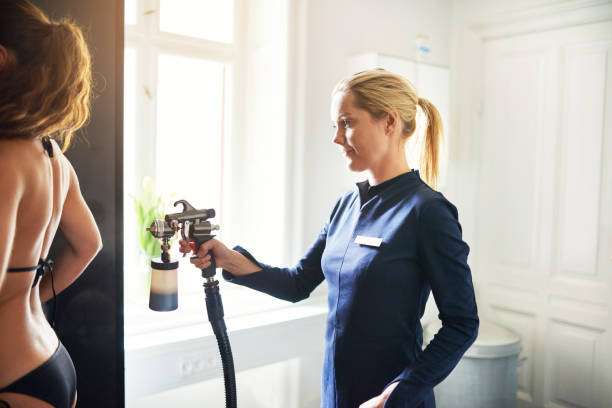
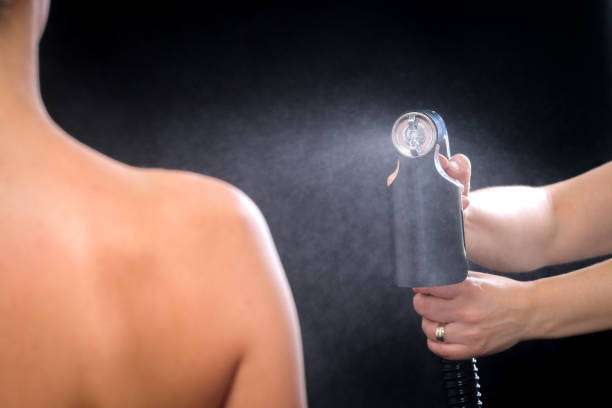
Here, a tan artist wields a spray gun or guides you into a tan booth, where a mist covers your entire body, creating a flawless, sun-kissed glow.

It’s the best option for a special occasion or a uniform tan without sun exposure.

The process is quick, the results stunning, making it a great option for those with little time but high expectations for their faux glow. 

What Are The Pros of Professional Spray Tans

Professional spray tans promise a golden glow you might have thought only the sun could provide. 

They allow for an even, full-body tan, ideal for special occasions or when you desire a flawless sun-kissed glow.

The expertise of a tan artist ensures you avoid the common pitfalls of self-application, such as streaks or uneven color. 

For many, it’s a great option, combining the ease of a salon visit with the safety of UV-free tanning. 

What Are The Cons of Professional Spray Tans

Professional spray tans often come with a steep price and require making appointments that might not fit into a busy schedule.

The process, involving a tan booth or a spray gun wielded by a tan artist, can feel less personal and somewhat clinical.

For those with sensitive skin, the broad-spectrum formulations used might cause reactions or just simply not agree with their skin type, making this a risky option for achieving that sun-kissed glow. 

How To Get The Best Results From Your Salon Spray Tan

For the golden glow of your dreams, booking a session at a beauty salon is only the start. A great outcome will depend on a few smart moves.

First, exfoliate your skin to shed dead cells; this ensures an even coverage.

Moisturize, especially on dry areas like elbows and knees, since these spots absorb more tan solution.

Wear loose clothing post-session to avoid tan lines.

With these steps, a perfect, sun-kissed look isn’t just possible; it’s guaranteed. 

  • What to Wear During & After a Spray Tan
  • Can You Use Indoor Tanning Lotion Outside?

Ease of Application: Self-Tanning Lotion vs. Spray

Applying a self-tanning mousse at home is super convenient.

You’ll find the control you have hard to give up if you choose to switch to spray tans. It beats the hassle of arranging a tan session at a beauty salon every time.

On the flip side, professional spray tans require special equipment you can’t use on your own.

These spray guns and tan booths need a skilled tan artist to ensure a faux glow free of tan lines or uneven patches. 

Cost and Accessibility: Self-Tanning Lotion vs. Spray

Diving into the expense of achieving that perfect glow, you’ll find self-tanning lotions and mousses to be your wallet’s best friend.

While enticing for their even and full-body tan, professional spray tan sessions demand a heftier price tag and commitment.

The appeal of self-tanning options lies in their convenience and cost-effectiveness, a single bottle offers multiple uses.

For those seeking a sun-kissed glow without burning through their savings, self-tanners and applicator mitts emerge as the superior choice. 

Skin Health and Safety: Self-Tanning Lotion vs. Spray

Choosing between sunless tanners and spray tanning should always involve considering your skin health.

Products approved by the Skin Cancer Foundation present safer alternatives to UV radiation exposure. Be mindful of skin type, as dry or sensitive skin might react differently.

A common misconception revolves around a quick fix without consequences. It is pivotal to conduct a patch test, ensuring the chosen method doesn’t aggravate skin sensitivities or pose a risk of skin cancer.

Both options have their benefits, yet caution and care are still important. 

  • Will Spray Tanning Protect You From a Sunburn?
  • Self Tanning Aftercare: Best Moisturizer to Use After a Spray Tan

Aftercare: Self Tanning Lotion vs Spray Tanning 

Once you’ve achieved that sun-kissed glow, what comes next is just as important. The longevity of your tan, be it from a salon spray tan or self-tanner lotions, heavily depends on aftercare practices. 

Moisturizing your skin is key; it will keep your skin hydrated and help maintain that golden glow.

Avoiding long baths and too much time in the water helps prevent your tan color from fading too fast.

For both spray tanning and self-tanning lotion applications, gentle patting instead of harsh drying post-shower can extend the life of your tan.

Remember, a broad-spectrum sunscreen is still necessary to protect your skin from sun damage, even with a self tan.  

[jetpack-related-posts]

How To Prepare Before A Chemical Peel Treatment

Filed Under: Skin // 02/05/2024

what to do before a chemical peel

I’ve always been curious about cosmetic treatments that promise younger-looking and healthier skin. That’s when I stumbled upon the world of chemical peels.

The peeling process intrigued me, it uses a chemical solution to remove dead skin cells on the surface of the skin, revealing the fresher, more healthy skin beneath.

Depending on your desired results, like battling fine lines with glycolic acid or enhancing skin texture with salicylic acid, there’s a chemical peel out there suited for nearly every skin type and concern.

Whether you’re looking into light peels for a subtle glow or deep chemical peels for more dramatic results, understanding your options is the first step to achieving that glowing, youthful skin you’re after. 

Selecting the Right Peel for Your Skin

Choosing the type of peel you go with may be the most important part of the chemical peel procedure. From glycolic acid, salicylic acid, lactic acid – it can all be overwhelming.

But, I learned that each carries its strengths.

Whether you desire to get rid of fine lines, fight the effects of sun damage, or improve your skin texture, consulting a skincare expert will be a game-changer for you.

They will assess your skin conditions and consider any medical history to recommend the best type of chemical peel.

This customization allows for the best results but also minimizes the chance of side effects like excessive heat sensitivity or unwanted irritation.

Opting for the right type of chemical peel, whether it be a light peel for a subtle glow or a deep chemical peel for more optimal results, will help you achieve longer-lasting results. 

  • The Ultimate Guide to Sunscreen After Chemical Peels
  • How Long Does Skin Peeling Last After A Chemical Peel

What To Do Before A Chemical Peel Treatment

what to do before a chemical peel

Feeling a bit uneasy about my upcoming chemical peel treatment, we did the homework for you.

We learned that the secret to a glow that could quite literally stop traffic starts way before stepping into the treatment room:

  • Hit pause on the retinoid cream and any other skin care products containing glycolic acid or salicylic acid at least a week ahead. These powerful components could interfere with the chemical solution. 
  • Stay out of the sun to avoid sun damage. Direct sun exposure can make the skin more sensitive, so make sure to slather on a broad-spectrum UVA and UVB sunscreen of SPF 30 or higher daily, even on cloudy days. 
  • Hydrating your skin is a non-negotiable step. Load up on moisturizers that contain hyaluronic acid to ensure your skin is plump and resilient. Drinking plenty of water will also help. 
  • Preparing the treatment area means keeping it free from any cuts or infections. Make sure the surface of the skin is pristine, treat any small whiteheads, and avoid picking at the skin at all costs. 
  • 15 Best Spa Facials & Facial Treatments For Acne-Prone Skin
  • How is Dermaplaning Facial Different From A Chemical Peel

Chemical Peel Treatment Don’ts

Avoid direct sun exposure at all costs. That tan might seem tempting, but it can compromise the results of your treatment.

I learned the hard way that excessive heat and steam are just big no-nos the week before your Chemical peel. 

Stay away from harsh skincare products. This includes abandoning your beloved facial masks and retinoid creams. Inviting these back into your routine too soon could lead to unwanted irritation or even derail your skin’s healing process.

Above all, avoid activities that might irritate your skin like visiting hot tubs or using a hair dryer on the treated area. Trust me, the sacrifice is slight compared to the rewards. 

  • Is HydraFacial Skin Treatment Good for Acne-Prone Skin?
  • Benefits of A Dermaplane Facial (Dermaplaning Effects On Your Skin)

What To Do On The Day Of The Chemical Peel

The morning of the treatment is a very important part of your Chemical peel process. The success of your chemical peel relies heavily on how well you prep your skin on the day of.

Do not apply makeup, lotion, or other products to your skin.

This makes sure that your pores aren’t clogged and that your skin is clean and open to receiving the treatment, crucial for the peel’s effectiveness. 

I cannot stress enough how important it is to follow all these pre-treatment guidelines to ensure a chemical peel that’s safe and gives you the best results.

From selecting the right chemical peel that works well with your skin type to making sure to prep your skin the day of, all these steps are important. 

[jetpack-related-posts]

The Best Nail Polish Color For A Red Dress

Filed Under: Nail Ideas // 02/02/2024

red nail polish with red dress

In the dynamic world of fashion, where every detail can make or break your look, choosing the perfect nail color to complement your outfit is almost as important as the outfit. 

And when it comes to red dresses, finding the best nail polish color is a great way to elevate your look.

Whether you lean more into the classic color and go for red polish or prefer exploring the spectrum of neutral colors for some subtle contrast, finding the best color for your red outfit is essential for achieving a polished and elegant look. 

From bold red nails to subtle pink nails or the contrasting olive green and the timeless charm of a French manicure.

Discover how the right nail color matched with the right shade of red dress, can elevate and enhance your red dress ensemble, and leave a lasting impression on your overall look.

  • Red Christmas nail Ideas
  • 35 Holiday Nail Ideas That Aren’t Red
  • 47 Best Valentine’s Day Nail Art Ideas for 2024
  • Spooky Halloween Nails
  • Herbal DIY Nail Soak Recipe To Strengthen Your Nails Naturally

The Perfect Nail Polish Color for Red Dresses

Classic Red Nail Polish:

View this post on Instagram

A post shared by LECHAT Nail Care (@lechatnails)

Red nails are the perfect match for red dresses, it give off a classic look and complement a red dress effortlessly.

The monochromatic look is a bold look, and makes well, a bold fashion statement. This timeless combination will take your red outfit to the next level.

Add on some red shoes and red lipstick to tie in this monochromatic look.

Pink Nails:

Opting for pink nail polish introduces a playful and feminine touch to your red dress ensemble.

The soft contrast between the vibrant red and light pink adds a charming element, balancing the intensity of the outfit.

Pinks and reds are very complementary colors and is perfect for those seeking a lively and youthful vibe without compromising on style.

Metallic Nail Colors:

Elevate your red dress look with metallic nail colors, such as gold nails or silver nails. The reflective shine of metallics adds a touch of sophistication and luxury to your look. 

Beige Nails:

Neutral hues are also a perfect match for your formal event, beige nails offer a subtle complement to a red dress. 

Deep Purples:

Deep purples match well with deep reds.

The rich color complements the vibrancy of red, creating a captivating and harmonious blend.

This combination adds a layer of sophistication and drama to your overall appearance, making it an excellent choice for special events.

French Manicure:

The timeless elegance of a French manicure brings a refined and sophisticated touch to a red dress ensemble. The combination of neutral color white nail polish adds a classic and polished look. 

  • How To Do Your French Manicure At Home

Olive Green:

Embrace a touch of earthy sophistication with olive green nails paired with a bright red dress.

The muted and natural tones of olive create a subtle contrast, offering a unique and unexpected twist to your overall appearance. 

White Nail Polish:

Crisp and clean, white nail polish provides a fresh and modern contrast to a red dress.

The high contrast between the bright white and bold red creates a striking visual impact. White nails are a popular choice for formal occasions.

Black Nail Polish (especially with black shoes):

For a bold and edgy look, opt for black nail polish to complement your red dress, especially when paired with black shoes.

This combination is perfect for evening events or occasions where you want to make a bold and memorable impression.

Black nail polish is a great choice not only for a black dress but also when you wear a darker shade of red.

Silver Nails:

Enhance the glamour of a red dress with silver nails, adding a touch of sparkle and sophistication.

The metallic shine of silver complements the vibrancy of red, creating a dazzling and eye-catching combination.

When opting for red nails, we suggest adding on some silver jewelry to really complement the look.

Gray Nail Polish:

Choose gray nail polish for a modern and understated complement to a red dress.

The neutral color provides a subtle backdrop, allowing the red outfit to stand out while maintaining a chic and contemporary aesthetic. 

Brown Nail Polish:

View this post on Instagram

A post shared by Tina V (@cristina.villegas)

Infuse warmth and earthy charm into your red outfit with brown nail polish. The rich and natural tones of brown create a harmonious balance, adding a touch of sophistication and depth.

This combination is perfect for those who prefer a muted and understated yet stylish look.

Gold Nails:

Add a touch of luxury and opulence to your red dress with gold nails. The warm and radiant tones of gold complement the richness of red, creating a cohesive combination.

This choice is especially great when paired with gold jewelry.

Deep Maroon Nail Colour:

Embrace a monochromatic and rich color scheme by pairing a deep maroon nail polish with a red dress.

The subtle variation in shades adds depth and sophistication, creating a cohesive and polished overall look. 

Navy Nail Polish: 

Elevate the elegance of a red dress with navy nails. The deep, sophisticated tones of navy create a stunning contrast against the vibrant red, offering a classic and refined aesthetic.

This combination is particularly suitable for dark skin.

Teal Nail Polish:

One of the more vibrant colors, teal nail polish is one of the more different colors to choose from.

The cool tone of teal adds a playful and contemporary twist to the overall look, creating a fun yet visually interesting look. This choice is perfect for those who want to make a bold statement.

Burgundy Color Nails:

Embrace a monochromatic and luxurious palette by pairing burgundy color nails with a red dress.

The subtle variation in shades adds depth and richness, creating a cohesive and polished appearance. 

Choosing The Right Nail Color For Different Undertones

Choosing the right nail color to complement your red dress involves considering different undertones of the skin, a crucial factor that can significantly impact your overall look.

For individuals with warm undertones, the richness of navy or the earthy charm of brown nail polish can create a harmonious balance, seamlessly blending with the warmth of the red outfit.

Teal, with its vibrant and cool undertones, serves as an excellent choice for those with cool tone skin, adding a pop of refreshing color to the ensemble.

Additionally, burgundy and deep maroon, with their deep and sophisticated hues, can suit many different undertones, offering a touch of luxury to any red dress look.

Experimenting with silver nails or gold nails can be versatile choices that complement different undertones.

The key lies in understanding your skin’s undertones and selecting nail colors that not only harmonize with your red dress but also enhance your natural beauty.

[jetpack-related-posts]

Everything You Need To Know About Tanning & Laser Hair Removal

Filed Under: Body // 02/01/2024

can-i-spray-tan-after-laser-hair-removal

Can You Wear Fake Tan When Having Laser Hair Removal?

You might think combining a spray tan with laser hair removal is a great idea, I get it, you want to have silky-smooth skin while showing off that “natural tan”.

But, spray tans and laser hair procedures just don’t go well together.

Laser hair removal zeroes in on pigment within the hair follicles. A spray tan complicates this process. It adds an artificial layer of color, misleading the laser.

The laser target might target the tan rather than the hair.

This confusion not only makes your laser hair procedure less effective but also increases the risk of skin reactions and skin irritation.

Knowing the risks of wearing a spray tan when you get a laser hair treatment keeps you informed, helping you make decisions that align with the health of your skin and the success of your laser hair procedure.

  • Can I Shave, Wax, or Tweeze The Day of Laser Hair Removal?
  • What to Wear During & After a Spray Tan
  • Waxing Or Laser, Which Hair Removal Method Is Better

Why You Shouldn’t Do Laser Hair Removal With Fake Tan

You decided to get laser hair removal, but love to step out of the house rocking a fake tan, now we tell you, no fake tan before the laser hair procedure. Why, you ask?

The science behind it is quite straightforward. Fake tans discolor the skin, tricking the laser into targeting the wrong pigment. This means the laser’s focus shifts from hair follicles to the tan on your skin’s surface.

This not only makes the laser hair treatment null and void, but it can also have many side effects like blisters, burns, and discoloration if you ignore this advice.

These side effects last longer than the satisfaction of your spray tan.

One must consider the aftermath of mixing fake tan with laser treatments.

Experts agree, that removing your fake tan so your skin returns to its natural color ensures the laser works as intended.

This precaution prevents serious side effects and guarantees the best results.

Give your skin a break from any form of tanning products for at least two weeks before your laser session.

This grace period allows traces of the fake tan to fade, minimizing the risk of an uneven reaction.

So, before booking your next laser session, you don’t only need to avoid getting spray tan, but also make sure you remove any fake tan from your skin.

  • Should You Shave Before Or After You Fake Tan
  • Self-Tanning Lotion Vs. Sunless Spray Tan: Which Is Best?
  • Can You Use Indoor Tanning Lotion Outside?

Tips On How Best To Remove Fake Tan Before Your Session:

Removing fake tan before a laser session starts with a simple step. For exfoliation, use a gentle, yet effective, body scrub to get rid of dead skin cells and any lingering fake tanner.

This process not only removes the superficial layer but also ensures silky-smooth skin for the laser treatment.

Avoid moisturizers or lotions post-exfoliation.

They can leave residue on the skin, leading to potential issues during the laser process.

Opt for a soap-free cleanser to wash the area on the day of your appointment. It strips away oils without leaving anything behind.

Clean, product-free skin is the perfect canvas for effective and safe laser hair removal treatments.

  • Does Self-Tanning Lotion Expire? +How To Make It Last Long
  • When Can You Shower After Laser Hair Removal?
  • Can You Get Laser Hair Removal Over A Tattoo?

Can I Use Instant/Wash-off Tan Before My Laser Hair Removal Session?

Instant or wash-off tans present may seem like a viable option. You might think they’re easy to wash off before zapping away unwanted hair.

Yet, dipping into that bottle before laser treatments complicates things more than you’d expect.

Laser hair procedures require clean skin. They need to ‘see’ the hair, not the faux glow your instant tan provides.

This misunderstood step could lead to less effective treatments, or worse, skin irritation you hadn’t bargained for.

So the answer is no, you cannot use instant or wash-off tanner before you go for a laser hair removal procedure.

Getting that smooth, hair-free skin demands sacrifices, and sometimes, that means putting off the instant tan.

Waiting until after your laser hair session is over allows your skin to heal properly.

Then, reaching for that bottle of temporary tan won’t just be safer, it’ll also sit better on your newly smooth skin, enhancing your glow rather than complicating your care.

  • The Best Way to Tan Legs in a Tanning Bed or Sun Fast
  • What’s The Best Time To Tan Before or After My Workout?
  • Will Spray Tanning Protect You From a Sunburn?

Can You Wear Spray Tan After Laser Hair Removal Sessions?

After your laser hair removal treatment, you may wonder “Can I spray tan after laser hair removal?” The short answer is yes, but there is more to it. Your skin needs time to recover from laser treatments. Typically, waiting a couple of weeks is wise. This period lets your skin heal and reduces the risk of irritation.

Choosing the right spray tan product becomes your next step.

Look for ones specifically designed for sensitive skin. These products are less likely to cause any adverse reactions on your recently treated skin.

Applying a small amount of moisturizer before the spray tan can act as a barrier, providing an extra layer of protection and promoting an even application.

When applying the spray tan, even coverage is crucial. Start from one area and move seamlessly to the next to avoid patches or streaks.

Remember, spray tans don’t offer sun protection. So, if stepping out, applying a broad-spectrum sunscreen is essential. This practice helps maintain both your skin health and the freshness of your tan.

By following these guidelines, you ensure a beautiful and safe tan, complementing your laser hair removal results.

Can You Tan In The Sun After Laser Hair Removal?

can you tan after laser hair removal

Sun tanning yourself on the beach after getting laser hair removal is just an awful idea. Direct sunlight has a complicated relationship with freshly lasered skin. It’s not as straightforward as slapping on some sunscreen and calling it a day.

Laser treatments work by targeting the pigment in your hair follicles. This process can leave skin more vulnerable to the sun’s harsh rays.

Post-treatment, your skin acts like a sponge, soaking up more UV than usual. This can lead to sunburn or, even worse, hyperpigmentation. Not exactly the goal, right?

For those itching to catch some rays, give it some time. Dermatologists recommend staying out of the sun for a good while, at least two weeks before exposing treated areas to direct sunlight.

And when you do brave the outdoors for some sun tanning, a broad-spectrum SPF is your best friend. Layer it on like your skin’s very survival depends on it, because, in a way, it does.

Reapply every two hours, or more frequently if you’re swimming or sweating.

So, can you enjoy sunbathing after laser hair removal? Yes, but timing and protection are key. Give your skin the time it needs to heal. When the time is right, embrace the sun responsibly. Your skin will thank you, and you’ll still step out looking and feeling fabulous.

How Long Should I Wait Before Going Back To Tanning After Laser Hair Removal?

The answer is not immediate, but rather a waiting game that rewards those who are patient. It is recommended to wait a minimum of ten days before even thinking about a spray tan.

This timeframe allows your skin to fully heal, a crucial period where it’s vulnerable and more susceptible to irritation.

We recommend stretching this period to a full two weeks, especially if your skin type is on the more sensitive side. This extended break serves as a buffer zone, ensuring your skin has thoroughly recovered.

It’s not just about avoiding skin irritation; it’s about safeguarding the long-term health and radiance of your skin.

What about tanning in the sun? The stakes are similar, if not higher.

As mentioned previously, the added risk of UV exposure makes holding off for at least two weeks becomes non-negotiable.

During this time, always apply a broad-spectrum sunscreen to protect your skin after it has undergone laser hair removal. Lather on an SPF 30 or higher diligently, even if stepping outdoors for a few minutes.

This protects your skin from UV rays, allowing it to heal and avoid sun damage.

Following these guidelines to a tee will give you the best results from your laser hair removal sessions.

[jetpack-related-posts]

What to Wear During & After a Spray Tan

Filed Under: BEAUTY // 02/01/2024

should you wear a bra to get a spray tan

What You Wear to a Spray Tan Matters

It’s winter, you’re as pale as can be, you need to book a spray tan appointment ASAP, and wonder, what on earth should I wear for this spray tan?

What you wear to get a spray tan plays a bigger role than you’d think in the quest for a natural-looking tan.

But what do you wear when getting a spray tan? And what do you wear after a spray tan to protect your sunkissed skin?

Tight clothes, like leggings, are your enemy here, they can ruin a freshly applied tan faster than you can say “streaky mess.”

Loose and dark clothing will be your best friends during and after your session.

They help avoid those dreaded tan lines and protect your skin from rubbing the tan off prematurely.

I learned this the hard way, showing up in leggings once and leaving with a less-than-stellar tan.

You don’t want to make the same mistake. Trust me, opting for that baggy t-shirt and loose-fitting shorts will make all the difference.

After the session, the same rules apply. Patience and the right clothes ensure your tan develops into that even, golden hue that makes it look like you just came from vacation.

And here’s a hot tip, ditch the bra during your spray tan. Going without wearing your bra when you go get a spray tan helps avoid unsightly tan lines around your shoulders and back.

Also, hold off on wearing those tight leggings right after your spray tan or anything that clings too much. Giving your skin ample room to breathe and your tan time to set is crucial.

What you wear before, during, and after your spray tan significantly impacts not just your comfort but the quality of your tan. Go for roomy, dark outfits to come out looking and feeling your best.

  • Should You Shave Before Or After You Fake Tan
  • Everything You Need To Know About Tanning & Laser Hair Removal
  • Does Self-Tanning Lotion Expire? +How To Make It Last Long

How To Prepare For A Spray Tan

Getting your skin ready for a spray tan isn’t just about the tan itself; it’s about maximizing the results.

First off, exfoliating is key. Grab a gentle scrub and work away the dead skin.

This smooth canvas helps the tan apply evenly, giving you that flawless glow.

Next up, shower with cold water before your appointment. It sounds chilly, but this step closes your pores, preventing them from getting clogged with tanning solutions.

Now, let’s talk about what to wear.

Loose-fitting clothes are your best friends here.

Tight clothing can rub against your freshly tanned skin, leading to uneven spots or streaks – not what you signed up for.

Also, opt for darker colors. They’re less likely to show any solution that might transfer from your skin.

Remember, your choices in preparing your skin and selecting your outfit can make a huge difference in your tanning experience.

  • Self-Tanning Lotion Vs. Sunless Spray Tan: Which Is Best?
  • Can You Use Indoor Tanning Lotion Outside?

What to Wear to a Spray Tan Session

Walking into a spray tan appointment, you might wonder about the best outfit choice.

Loose clothing takes center stage here.

Tight outfits can lead to uneven lines and streaks, disrupting that flawless tan you’re aiming for. Dark colors are your allies since the tanning solution might stain light fabrics.

It’s a simple choice but crucial for a stress-free session.

As for the burning question, “Do I wear a bra for a spray tan?” the answer leans towards no. Going braless during the session ensures an even tan across your chest, without the risk of unwanted lines.

If not wearing one makes you uneasy, opt for an old, dark one ready to sacrifice for the cause.

Footwear is another detail you can’t overlook. Leave behind those tight sneakers or heels.

Flip-flops serve as the perfect option, keeping your feet comfortable and free from pressure-induced tanning mishaps.

You step into that room, and it’s just you, your flip-flops, and the promise of emerging with a beautifully even tan.

After all, planning what to wear to a spray tan session is about getting the best results while keeping accidents at a minimum.

  • The Best Way to Tan Legs in a Tanning Bed or Sun Fast
  • What’s The Best Time To Tan Before or After My Workout?
  • Will Spray Tanning Protect You From a Sunburn?

What to Wear After A Spray Tan Session

You just walked out of your spray tan session, looking like a sun-kissed goddess. The next step? Keeping that glow perfect.

Clothes can make or break a fresh tan.

Did I mention that loose clothing is your best friend? Tight clothes? Not so much.

They rub against your skin, risking your tan. Imagine putting effort into getting that natural-looking tan, only to spoil it by tight jeans or leggings.

Not worth it, right? Opt for oversized shirts, flowy dresses, or anything that doesn’t cling to your body. Your tan will thank you.

Now, about leggings. Can you wear them after a spray tan? Short answer: it’s better not to. Leggings, though comfy, tend to be snug. They can leave marks and, worse, strip your tan off where it’s tightest.

If you must slip into something leg-hugging, wait a day at least. By then, your tan has set, and the risk is lower.

Color choice matters too. Dark colors are the way to go. They’re less likely to show any tan that might rub off.

While you might love your white yoga pants, they’re not the best choice right now. Imagine those turning a lovely shade of bronze—on the outside. Stick to blacks, navies, or deep greens.

Footwear is another crucial choice. Flip-flops or sandals are ideal. They allow your feet to breathe and don’t rub against your ankles or toes.

Even a slight rub can lighten a tan. That’s what we’re avoiding here.

Countless loose, chic options complement your tan. This post-tan period is a great time to experiment with styles you might not usually consider. Flowy doesn’t mean frumpy. It’s all in how you wear it.

Choosing the right clothes after a spray tan isn’t just about maintaining your tan; it’s about comfort too. Tight clothes can feel restrictive on freshly tanned skin.

Looser options feel like a soft hug—a perfect end to your spray tan experience.

[jetpack-related-posts]

Should You Shave Before Or After You Fake Tan

Filed Under: Body // 01/31/2024

do you shave before or after fake tanning

Can You Use Self Tanner Without Shaving?

When looking to get a radiant faux tan, I’ve found shaving to be a double-edged sword.

On one hand, removing unwanted hair creates a smooth surface, ensuring the tanning solution glides evenly across the skin.

This action not only helps you get that coveted, perfect tan but also minimizes the appearance of fake tanner settling in hair follicles, which can lead to an uneven tan.

There is no doubt that shaving is important, but the timing and how you shave are vital for the perfect spray tan that will always get mistaken for a natural tan. 

Shaving opens up pores and can cause skin irritation, especially if done right before applying self-tanner or self-tanning products. This frequently results in blotchy tan results, as the product may seep into these open pores.

Therefore, I’ve learned to give my skin some breathing room, allowing those pores to close and the skin to calm down.

Ideally, shaving should occur at least 24 hours before the tanning session. This golden rule has served me well, providing a flawless canvas for the tanning solution to work its magic. 

However, life’s unpredictability sometimes throws a wrench in our plans, and we fall short of the ideal pre-tan prep time. In such scenarios, a gentle shave post-tanning has been my saving grace, done no sooner than 8 hours after application to safeguard the tan’s integrity.

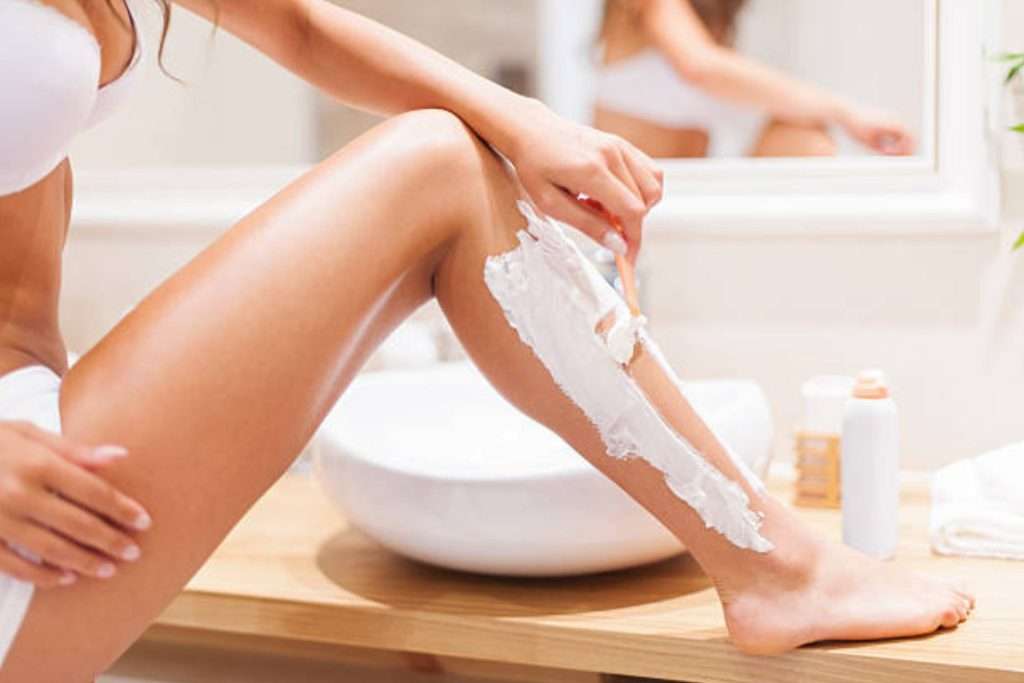
The key lies in using a sharp, new razor and opting for oil-free shaving products that don’t strip away the fake tan product. 

  • What to Wear During & After a Spray Tan
  • Everything You Need To Know About Tanning & Laser Hair Removal
  • What’s The Best Time To Tan Before or After My Workout?

Why Shaving Can Make Or Break Your Fake Tan

I get it. Shaving seems like just another step in the already finicky process of fake tanning.

But believe me, it’s a step you don’t want to skip, not shaving is one of the most common self-tanner mistakes.

It plays an important part in whether you end up with that new glow or a patchy mess. Shaving can either be your best friend or your worst enemy when it comes to fake tanning. 

First off, shaving exfoliates the skin by removing dead skin cells. This leaves you with a smoother surface that’s more receptive to the tanning solution.

A smooth canvas ensures the tan applies evenly, and you get a deeper tan, setting the stage for a flawless, natural-looking tan that will be mistaken for a professional spray tan.

Shaving too close to your fake tan application can lead to irritation and those dreaded dark dots, where the tanning solution settles into open hair follicles.

To avoid this, I always shave at least a day before applying a fake tan.

This gives my skin ample time to recover, ensuring that the size of the pores has decreased and avoiding dry skin to allow for an even tan application. 

Moreover, the technique and tools you use for shaving matter too.

A sharp, clean razor and a gentle, oil-free shaving cream can make all the difference. These ensure that you remove stray hairs without leaving shave product residue that could interfere with your spray tan application.

So, in the quest for that perfect golden glow, never underestimate the power of a good shave. Done right, it paves the way for tan development, an even base, and the overall tan color you’re aiming for. 

  • Will Spray Tanning Protect You From a Sunburn?
  • Does Self-Tanning Lotion Expire? +How To Make It Last Long

Shaving Tips Before A Spray Tan

Shaving before a spray tan looms big in our prep routines, yeah? I’ve learned a couple of tricks here.

First off, you’ve got to time it right. Aim for shaving 24 hours before your tan appointment. This window gives your skin ample time to recover from any irritation and ensures those pores are snugly shut.

Found yourself in a tight spot? The absolute latest I’d shave is four hours before slathering on that tanning solution. 

Next up, don’t skip on exfoliating. I grab my trusty exfoliating mitt and go to town on my entire body during the shower.

But here’s my secret trick, finish with a blast of cold water. This nifty trick does more than wake you up; it helps close those pores, creating the smoothest canvas possible for your fake tan to glide onto. 

As for the shave itself, using a sharp, clean razor is non-negotiable, I prefer an electric razor but that is all up to preference.

What I can say is though, never use old razors just before a spray tan, because they don’t have a sharp blade you can’t get a very close shave which will affect your tan results.

Pair it with a gentle, oil-free shaving cream to avoid any buildup that might mess with your tan.  

  • Self-Tanning Lotion Vs. Sunless Spray Tan: Which Is Best?
  • Can You Use Indoor Tanning Lotion Outside?
  • The Best Way to Tan Legs in a Tanning Bed or Sun Fast

How Long After Shaving Can You Fake Tan

I’ve found that the sweet spot for embarking on a fake tanning adventure post-shaving is waiting a minimum of 8 to 24 hours.

This pause allows my skin ample time to recover from any irritation caused by the razor.

During this waiting period, I steer clear of exfoliation to ensure that my skin remains primed and not overly sensitive to the tanning product.

Jumping into fake tanning too soon after shaving or exfoliating can result in less than stellar results, with the tan potentially adhering unevenly due to the skin’s heightened sensitivity. 

Can You Shave After Tanning

do you shave before or after fake tanning

Shaving after tanning is a delicate process that requires attention to detail to maintain that golden glow. Razor drag over the skin can risk stripping away some of the tan, leading to uneven patches.

This occurs because layers of tanned skin may be removed along with the hair.

Moreover, many shaving creams and gels contain oils and other ingredients that might cause the tan to break down faster, fading unevenly, and diminishing the overall look and longevity of the fake tan.

To navigate this, use a gentle, oil-free shaving foam and a fresh razor to minimize the friction and preserve the tan’s integrity.

It’s best to wait at least 8 hours after tanning before shaving to allow the tan to fully develop. This practice helps maintain an even tan while managing body hair after the fake tanning session. 

  • How to Apply Self-Tanner Properly: 12 Sunless Tanning Tips

Shaving Tips After A Spray Tan

After your spray tan has set in and you’re eyeing that razor for a touch-up, keep these pointers in mind to maintain your tan results without any mishaps.

First, give your tan at least 8 hours, or ideally a full day, to fully develop before you even think about shaving. This waiting period allows the color to settle evenly across your skin. 

When you do shave, opt for a sharp, new razor to minimize drag and reduce the risk of nicking your skin. A dull blade isn’t just ineffective; it’s a quick route to uneven shaves and potential tan disruption.

Use a light touch, letting the razor do most of the work without applying extra pressure. This gentle approach helps protect the integrity of your tan. 

Choose a shaving cream that’s hydrating but oil-free to avoid stripping away your tan. Remember, oils can break down the tanning solution, leading to patchiness.

Look for products specifically designed for sensitive skin, as these are typically less harsh and better suited for tanned skin. 

Avoiding exfoliation is crucial post-tan as you don’t want to accelerate the fading of your golden layer. Save any scrubbing for when you’re ready to prep for your next spray tan session.

Finally, pay extra attention to drier areas like knees and elbows. These spots can catch more color and are more prone to flakiness, so be extra gentle when shaving around them. 

Cons Of Shaving After A Spray Tan

Shaving after a spray tan comes with notable downsides.

Razor burn, a common issue, can become more pronounced on tanned skin, leading to discomfort and an uneven appearance. Dark spots may also emerge where the blade disrupts the tan, creating a patchy look.

Most importantly, the action of shaving can strip away the uppermost layer of your tan, reducing its depth and longevity. This means the golden glow you worked for might fade faster, leaving you with an uneven tan sooner than anticipated.

These factors combined can significantly compromise the overall look and quality of your spray tan. 

Can You Use Self Tanner With Hairy Legs

Tackling the task of self-tanning with hairy legs presents a unique set of challenges and considerations.

Hair follicles act as tiny wells, trapping tanning solution and potentially leading to an uneven application. This often results in a dotted or streaky appearance, undermining the goal of achieving that flawless, sun-kissed look.

To manage body hair effectively, I advocate for shaving or utilizing another hair removal method before the application of a fake tan. Shaving ensures the tanning solution can glide smoothly over the skin, covering the entire surface evenly without getting caught in hair. 

For those who may find shaving a challenge, alternative hair removal methods such as waxing or using depilatory creams could provide a better option, offering a smoother finish for a more extended period.

These methods, when done in advance, also prepare the skin in a way that promotes a more seamless and lasting tan application.

While self-tanning with hairy legs is possible, preparing the skin properly through effective hair management significantly enhances the quality and appearance of the faux tan. 

[jetpack-related-posts]
  • « Previous Page
  • 1
  • …
  • 10
  • 11
  • 12
  • 13
  • 14
  • …
  • 18
  • Next Page »

Copyright © 2026 · Theme by Marketing Templates Co.

We use cookies on our website to give you the most relevant experience by remembering your preferences and repeat visits.Read More By clicking “Accept All”, you consent to the use of ALL the cookies. However, you may visit "Cookie Settings" to provide a controlled consent.
Cookie SettingsAccept All
Manage consent

Privacy Overview

This website uses cookies to improve your experience while you navigate through the website. Out of these, the cookies that are categorized as necessary are stored on your browser as they are essential for the working of basic functionalities of the website. We also use third-party cookies that help us analyze and understand how you use this website. These cookies will be stored in your browser only with your consent. You also have the option to opt-out of these cookies. But opting out of some of these cookies may affect your browsing experience.
Necessary
Always Enabled
Necessary cookies are absolutely essential for the website to function properly. These cookies ensure basic functionalities and security features of the website, anonymously.
CookieDurationDescription
cookielawinfo-checkbox-analytics11 monthsThis cookie is set by GDPR Cookie Consent plugin. The cookie is used to store the user consent for the cookies in the category "Analytics".
cookielawinfo-checkbox-functional11 monthsThe cookie is set by GDPR cookie consent to record the user consent for the cookies in the category "Functional".
cookielawinfo-checkbox-necessary11 monthsThis cookie is set by GDPR Cookie Consent plugin. The cookies is used to store the user consent for the cookies in the category "Necessary".
cookielawinfo-checkbox-others11 monthsThis cookie is set by GDPR Cookie Consent plugin. The cookie is used to store the user consent for the cookies in the category "Other.
cookielawinfo-checkbox-performance11 monthsThis cookie is set by GDPR Cookie Consent plugin. The cookie is used to store the user consent for the cookies in the category "Performance".
viewed_cookie_policy11 monthsThe cookie is set by the GDPR Cookie Consent plugin and is used to store whether or not user has consented to the use of cookies. It does not store any personal data.
Functional
Functional cookies help to perform certain functionalities like sharing the content of the website on social media platforms, collect feedbacks, and other third-party features.
Performance
Performance cookies are used to understand and analyze the key performance indexes of the website which helps in delivering a better user experience for the visitors.
Analytics
Analytical cookies are used to understand how visitors interact with the website. These cookies help provide information on metrics the number of visitors, bounce rate, traffic source, etc.
Advertisement
Advertisement cookies are used to provide visitors with relevant ads and marketing campaigns. These cookies track visitors across websites and collect information to provide customized ads.
Others
Other uncategorized cookies are those that are being analyzed and have not been classified into a category as yet.
SAVE & ACCEPT