• HOME
  • RELATIONSHIPS
  • HOLIDAYS
  • WELLNESS
  • CAREER & FINANCE
  • FASHION
  • BEAUTY
  • LIVING

Advice From Nobody

You are here: Home / Archives for BEAUTY / Body

Waxing Or Laser, Which Hair Removal Method Is Better

Filed Under: Body // 07/24/2024

waxing vs laser hair removal

When faced with the option of laser vs waxing, many struggle to decide on what is the best choice for them. It’s not easy, but making an informed decision will allow you to reap the best results from the hair removal option you go with.

Laser hair removal promises permanent results, while waxing, on the other hand, stood out for its immediate but temporary results.

Both hair removal methods aim to get rid of unwanted hair and cater to very different individual needs.

Costs, pain, and how effective both options are should play an important role in which option you choose. 

  • Can I Shave, Wax, or Tweeze The Day of Laser Hair Removal?
  • Everything You Need To Know About Tanning & Laser Hair Removal
  • When Can You Shower After Laser Hair Removal?

Understanding Both Hair Removal Options

Hair grows from follicles deep within the skin’s surface. These tiny structures serve as the root of the hair. Every hair follicle passes through cycles of hair regrowth and rest.

Waxing rips hair directly from these follicles. This method leaves the follicle intact, allowing new hair growth.

On the other hand, laser hair removal treatments target follicles with a concentrated beam of light. It aims to damage the root of the hair to prevent future hair regrowth.

Each method interacts with the follicle, allowing you to have smooth skin for longer than when you shave.

Knowing this helps in making an informed decision between waxing and laser removal for unwanted hair.

What Is Waxing

Hot and cold waxes have served us for years in the battle against unwanted body hair.

The wax grips hair right from the root and pulls it out by the root, but only temporarily.

Cold wax often comes in pre-coated strips, it’s easier to handle but might not grip onto the hair as fiercely as hot wax does.

Hot wax is melted and spread over the skin and encases each visible hair tightly. Once hardened, it takes hold of hairs more effectively than its cold counterpart, promising smooth skin for longer than cold wax.

The hair follicle, nestled deep under the surface of the skin, remains untouched, priming it for future hair growth.

Waxing doesn’t provide long-term results, rather it provides immediate results. When waxing, regrowth is inevitable, as the process does not affect the hair follicles’ ability to produce new hairs.

  • Top Benefits Of Waxing (Why Waxing Is Better Than Shaving)
  • Benefits of Sugar Waxing (Why Sugaring Is Better Than Wax)
  • Can You Get Laser Hair Removal Over A Tattoo?

What Is Laser Hair Removal

Laser treatment targets the hair follicles with a concentrated beam of light. Different types of lasers are used, depending on skin types and hair types.

Light energy penetrates the skin, aiming directly at the pigments in the hair follicles. This process destroys the root of the hair.

Your skin tone, skin color, and hair color play a significant role in the effectiveness of the laser treatment.

Dark hair absorbs the laser light more efficiently, leading to better results. Lasers are chosen based on the contrast between skin and hair colors.

Light skin with dark hair will experience the most success, while dark skin does struggle more to offer optimal results.

Choosing the right type of laser ensures both the safety and effectiveness of the procedure.

Pain Level Of Laser Vs Waxing

Laser hair removal offers minimal pain, it’s comparable to a rubber band snapping against the skin. The sensation occurs each time the laser targets a new area of the body.

Waxing has its own level of discomfort. It has a sharp pull, to remove hair from the root. This method can cause more pain, especially in sensitive areas.

I found laser treatments more bearable over time.

The pain of waxing seemed consistent with every visit, you need a high level of pain tolerance for waxing.

So if you have a low pain tolerance, laser hair removal works best for you. 

Average Cost Of Waxing Vs Laser Hair Removal

After trying out both waxing and laser hair removal. Initially, waxing seemed kinder to my wallet. A single waxing session demanded less upfront, usually staying within a modest range.

Over time, the cost did begin to add up though.

A single session set me back anywhere between $50 to $60 just for my bikini area.

And then I tried laser hair removal, initially, the cost was a hard pill to swallow. Yet, the promise of less frequent visits did sound promising.

The long-term savings became apparent after the first few laser hair removal sessions, coming out at about $250 per session, with only 4 sessions needed, that comes out to about 17 waxes, but you won’t have to return for maintenance for at least 12 months.

In the end, the cost of laser hair removal emerged as the more cost-effective solution for those seeking a more permanent solution to unwanted hair.

Pros and Cons Of Laser Hair Removal And Waxing

  • Pros of Waxing: Waxing provides instant results. It is easily accessible and suitable for various skin and hair types. The instant gratification from seeing immediate hair-free skin is unmatched. Waxing also provides a certain level of exfoliation, removing dead skin cells and unwanted hair. It requires no complex machinery, just some wax and fabric strips. This allows for flexibility in hair removal routines, a crucial aspect for a busy schedule.
  • Cons of Waxing: It is very painful, you need a high pain tolerance to get through your waxing appointment. And the risk of ingrown hairs is still there. It also doesn’t offer permanent results meaning you have to go for monthly waxes, straining both schedule and wallet. Waxing may seem like the best option at first. It is accessible and promises quick results. When waxing redness and irritation should be expected, and it can also lead to long-term damage to the skin. It wasn’t the gentle solution I had hoped for.
  • Pros of Laser Hair Removal: The promise of longer-lasting results is the biggest pro for laser. Advances in laser technology allow a broader spectrum of skin tones, for a more universal appeal. Moreover, a single session does not last that long. The thought of minimal regrowth thrilled me. Reduced hair density over time meant fewer concerns about unwanted body hair. Ultimately, these advantages provided compelling reasons for considering laser over waxing.
  • Cons of Laser Hair Removal: It is expensive in the short run. Additionally, the results are not instant; you have to be patient to see the results with laser treatment. Adverse effects can also be a concern. I’ve known some people to experience redness, which eventually subsided. Yet, others mentioned rare instances of blistering or changes in skin pigment. These potential risks can introduce a level of uncertainty. Finally, the commitment required for laser treatments proved daunting. Multiple sessions were needed, spreading over months. This demanded a level of time investment that can clash with an ever-changing schedule.

How To Choose Between Laser Hair Removal And Waxing

In the ongoing debate between laser hair removal and waxing, the decision ultimately hinges on personal preferences, needs, and priorities.

Laser hair removal promises a more permanent solution by targeting hair follicles with a concentrated beam of light, offering longer-lasting results and reduced regrowth over time.

On the other hand, waxing provides immediate but temporary outcomes by ripping hair from the root, catering to those seeking instant gratification.

The choice between the two should be guided by factors such as cost, pain tolerance, and desired outcomes.

Understanding the mechanisms of both methods, where waxing temporarily removes hair from the root without affecting follicles and laser treatment aims to damage follicles for lasting results, is crucial.

Waxing, with its immediate but short-lived benefits, is a more painful process, requiring a higher pain tolerance, while laser hair removal is comparatively less painful, akin to a rubber band snap.

The average cost of both options plays a significant role, with waxing seeming initially more budget-friendly but accumulating expenses over time, while laser hair removal requires a higher upfront cost but proves more cost-effective in the long run.

In weighing the pros and cons, waxing offers accessibility and quick results but comes with pain, potential skin damage, and the need for frequent maintenance.

Laser hair removal, though more expensive initially, provides longer-lasting results, reduced hair density, and a broader appeal across skin tones.

The commitment to multiple laser sessions over months may be a drawback, along with potential side effects.

Ultimately, the decision rests on individual priorities, whether it’s immediate results with waxing or the promise of a more permanent solution with laser hair removal. Consideration of pain tolerance, budget, and long-term goals will guide one toward the most suitable hair removal option.

[jetpack-related-posts]

12 Benefits of Sugar Waxing (Advantages Of Sugaring Vs Wax)

Filed Under: Body // 07/24/2024

benefits of sugaring

What Is Sugaring?

The sugaring process is a natural method for removing unwanted body hair, leveraging a simple mixture of sugar, lemon juice, and water.

Unlike regular waxing which often relies on harsh chemicals, the sugaring process sticks to minimal, natural ingredients.

This difference not only promises a gentler experience on the area of skin, with minimal skin irritation but also aligns well with those seeking eco-friendly beauty solutions.

One of the main benefits of sugaring is its gentle nature which makes it an ideal choice for all skin types. 

Benefits of Sugaring

The sugaring treatment stands out for its effectiveness and skin health benefits compared to shaving and laser hair removal treatments.

Sugar waxes encompass advantages that align closely with maintaining the skin’s integrity while offering a reliable solution for hair removal.

The approach is recognized for its gentle impact on the skin and efficiency in hair removal tasks. 

  • Top Benefits Of Waxing (Why Waxing Is Better Than Shaving)
  • Waxing Or Laser, Which Hair Removal Method Is Better
  • Can I Shave, Wax, or Tweeze The Day of Laser Hair Removal?

It Uses Natural Ingredients

Sugar wax uses ingredients like lemon juice and water in combination of sugar.

This simple mix provides a gentle alternative to the harsh chemicals found in traditional waxes like hard wax and soft wax.

Sugar nourishes, lemon juice acts as a natural astringent, and water keeps everything clean and pure, making sugar paste great for smooth skin feeling.

Altogether, these natural ingredients offer a kinder touch to our skin. 

Safe For Sensitive Skin

My skin, like so many others, often reacts badly to harsh hair removal options, leaving me with redness and skin irritation.

But sugar waxing has been a game-changer.

Its gentle approach, using natural ingredients, significantly lessens the likelihood of unwanted reactions, making it the ideal choice for those of us with sensitive skin, you’ll leave your sugaring session with less redness and a more smooth skin feeling. 

Exfoliates the Skin

One of the joys of sugar waxing is its natural exfoliating effect.

Unlike other hair removal services, sugar waxing services gently lift away dead skin cells along with unwanted hair.

This leaves your skin not only hairless but also remarkably smoother and more radiant. It’s like getting a two-for-one deal on skin care making sugaring the best hair removal method. 

Sugaring Is Not As Painful As Waxing

Many dread the sting of traditional waxing. With sugar waxing, though, I’ve discovered the experience is far gentler.

This is due to its lower temperature, preventing the shocking burns often associated with hot wax.

Additionally, sugar wax adheres only to the hair, not the skin, making the pull significantly less painful. 

More Hygienic Than Waxing

Sugar waxing raises the bar for hygiene in hair removal.

Each application uses a fresh batch of sugar paste, eliminating the risks tied to reusing wax.

This approach contrasts sharply with traditional waxing, where double dipping sometimes occurs, creating the potential for cross-contamination.

Less Likely To Burn Yourself

One of the perks of sugar waxing that I appreciate is the low risk of burning myself.

Unlike traditional hot wax that has to be heated to higher temperatures, sugar wax operates at a much safer, almost body temperature or room temperature level.

This feature seriously cuts down on the anxiety of ending up with a painful burn instead of hairless, smooth skin. 

Sugaring Is Much Cheaper

One of the standout advantages of sugar waxing is its affordability.

Making the sugar wax at home requires just a few ingredients, like sugar, lemon juice, and water, that don’t break the bank.

Even if you choose professional sugaring services, they often cost considerably less than other hair removal treatments. This makes sugaring not only skin-friendly but also wallet-friendly. 

Sugar Waxing Causes Slower Hair Regrowth

One of the best things about sugar waxing is that it not only removes unwanted hair but also discourages it from coming back too soon.

Regular sessions actually slow down the regrowth process, and you’ll notice your hair growing back finer and less densely over time due to its long-lasting results.

This means smoother skin for longer periods without constant maintenance. 

Sugaring Is FoolProof

I find the simplicity and ease of the sugaring technique incredibly welcoming, especially for those of us trying it for the first time.

This straightforward method minimizes errors that are often seen with other waxing approaches. What stands out is its forgiving nature; the sugaring paste is water-soluble.

This means any accidental application can easily be rinsed off with water, making it virtually foolproof. 

Sugar Waxing Does Not Cause Ingrowns

One standout benefit of sugar waxing is its kind approach to your skin, notably leading to fewer ingrown hairs.

Unlike traditional methods that often cut the hair follicle below the skin’s surface – a prime cause for ingrowns – sugar waxing gently removes hair in the natural direction of hair growth.

This method significantly minimizes the likelihood of these pesky ingrown hairs, making your skin smoother and more hassle-free in the long run.

Using another method of hair removal that does not consider the direction of the hair growth is what causes ingrown hairs.

Sugar Waxing Is Very DIY Friendly

One of the best things about sugar waxing is how friendly it is for DIY enthusiasts.

You can easily whip up the wax with just sugar, lemon juice, and water – all things you likely already have in your kitchen.

The application process is just as simple. Spread the paste, layer a cloth, and zip it off in the direction of hair growth.

Clean-up? Just water.

It’s user-friendly and fuss-free, making it perfect for those at-home spa days.

Sugar Waxing Is Environmentally Friendly

One of the lesser-known yet incredibly crucial advantages of sugar waxing is its friendliness to the Earth.

The sugar paste used in this process is 100% biodegradable, breaking down without leaving any harmful residue behind.

You can find peace knowing that what goes onto your skin isn’t just good for you but for the planet as well.

Additionally, sugar wax lacks harsh chemicals that are often found in traditional waxing products.

These substances can not only be damaging to your skin but when washed away, they pose a threat to wildlife and ecosystems.

Choosing sugar waxing means you’re opting for a method that respects your health and the planet’s well-being. 

[jetpack-related-posts]

Self Tanning Aftercare: Best Moisturizer to Use After a Spray Tan

Filed Under: Body // 07/24/2024

best lotion to use after spray tan

Why Moisturize After Tanning?

Moisturizing after a spray tan is essential to keeping your bronzed glow.

It extends the duration of your tan, keeping your natural-looking tan for longer.

Foregoing the lotion after tanning causes faster fading and uneven patchiness, undermining the effort you put into achieving that perfect tan.

This basic aftercare step not only seals the deal on your self-tan but also hydrates your dry skin, nurturing its overall health and texture.

  • What’s The Best Time To Tan Before or After My Workout?
  • Will Spray Tanning Protect You From a Sunburn?
  • Does Self-Tanning Lotion Expire? +How To Make It Last Long

Ingredients to Look For and Avoid

Finding the best lotion after tanning relies on understanding the key ingredients that nurture your skin.

Shea, vitamins, cocoa, and aloe vera stand out for their hydrating powers. They ensure your skin remains supple, enhancing the tan’s longevity.

However, steer clear of lotions with exfoliating agents and mineral oil. These ingredients might affect your tan by peeling away the self tanner prematurely.

Emphasizing hydration without stripping the skin is essential for the best moisturizer for after tanning, ensuring a radiant, lasting tan.

  • Should You Shave Before Or After You Fake Tan
  • What to Wear During & After a Spray Tan
  • Can You Use Indoor Tanning Lotion Outside?

Top Recommended Moisturizers

After getting in a spray tan, picking the best moisturizer for after tanning becomes paramount.

This choice ensures the longevity of your sun-kissed glow.

Among the best lotions to use after a spray tan, Hempz Original Herbal Body Moisturizer, and Aveeno Active Naturals Daily Moisturizing Lotion stand out for their hydrating ingredients.

Vaseline Intensive Care Body Lotion and SheaMoisture Coconut & Hibiscus Deep Moisturizing Lotion also make the list.

Each product, rich in essential nutrients like shea, vitamins, cocoa, and aloe vera, promises to nurture your skin without compromising your tan.

Remember, these are not tan extenders but the best moisturizers for spray tan care.

  • Everything You Need To Know About Tanning & Laser Hair Removal
  • Self-Tanning Lotion Vs. Sunless Spray Tan: Which Is Best?
  • The Best Way to Tan Legs in a Tanning Bed or Sun Fast

How To Extend Your Self-Tan

Choosing the best lotion after tanning isn’t just a step; it’s important to how long your spray tan will last. The right moisturizer for spray tan acts like a sealant, locking in the color and preventing premature fading.

Your skin, now bright with color, deserves the best moisturizer for self-tanning, something designed to work with your tan, not strip away your new color.

Keeping your skin moisturized is super important for locking that spray tan in.

Pin For Later!

[jetpack-related-posts]

Can You Use Indoor Tanning Lotion Outside?

Filed Under: Body // 07/24/2024

can you use tanning bed lotion outside

When looking for that perfect tan results many of us have had the idea of using indoor tanning lotions outside.

It might seem like a great tan is just a bottle away, whether you’re stepping into a tanning salon or lounging by the pool.

However, not all self-tanning lotions are made equal, and those designed to work outside, do not work well in direct sunlight.

In this blog post we aim to answer that very question, Can you use tanning bed lotion outside?

What Is Indoor Tanning Lotion Used For?

Indoor tanning lotions, or indoor lotions, are made to be used in a controlled environment.

Designed to intensify the effects of UV light, these lotions stimulate melanin production, giving you a deeper tan.

Unlike their outdoor self-tanning lotion, which works to protect the skin, indoor tanning solutions enhance your body’s natural tanning process.

They often contain ingredients like coconut oil, vitamin E, and aloe vera to nourish the skin, but notably lack sun protection factors, making them unsuitable for direct sunlight exposure. 

  • What to Wear During & After a Spray Tan
  • Everything You Need To Know About Tanning & Laser Hair Removal
  • Does Self-Tanning Lotion Expire? +How To Make It Last Long

What Is The Difference Between Indoor And Outdoor Tanning Lotion?

The differences between indoor tanning lotions and their outdoor counterparts are very obvious. 

Indoor lotions are made to be used in controlled environments, focusing on melanin production and often lacking in sun protection factors.

They work wonders in a tanning salon under UV light but fall short in direct sunlight.

On the other hand, outdoor lotions are equipped with broad-spectrum sunscreen, offering protection against both UVA and UVB rays, essential for safeguarding your skin from harmful UV rays.

This difference is important in choosing the right tanning lotions to avoid too much or not enough UV exposure.

  • Self-Tanning Lotion Vs. Sunless Spray Tan: Which Is Best?
  • Should You Shave Before Or After You Fake Tan

Does Sunbed Tanning Lotion Work In The Sun?

Wearing indoor tanning lotions before stepping under the sun may seem like a great idea, but that could cause you more harm than good.

Most tanning products meant for a UV bed do not have SPF protection, leaving your skin defenseless against direct sunlight’s harsh beams.

These lotions won’t do much without a tanning bed.

They’re crafted to accelerate melanin production under controlled UVA rays, not the unpredictable UV spectrum outdoors.

Using them under the sun is a dangerous gamble with your skin’s health, ramping up the risks for burns and long-term damage.

Mixing the lack of sun protection of indoor lotions with the hot steaming sun is just a no-no! 

  • Self Tanning Aftercare: Best Moisturizer to Use After a Spray Tan
  • The Best Way to Tan Legs in a Tanning Bed or Sun Fast

Is There Sun Protection In Tanning Bed Lotions?

Most indoor tanning bed lotions are sunless tanners, which means they do not have any SPF protection.

These lotions are made to be used in a controlled environment, using UV light to give you a darker tan, not to ward off the sun’s rays.

The absence of broad-spectrum sunscreen exposes your skin to potential risks, including the acceleration of skin damage and an increased likelihood of skin cancer.

So no, there is no sun protection in tanning bed lotions, they are meant to be used as sunless tanners.

  • What’s The Best Time To Tan Before or After My Workout?
  • Will Spray Tanning Protect You From a Sunburn?

Are There Any Benefits To Indoor Tanning?

Indoor tanning has its upsides. It allows for melanin production, leading to a desired golden glow without having to rely on the unpredictability of the sun.

This method often includes products like tanning intensifiers and accelerator lotions designed specifically for UV beds.

These aim not only for a darker tan but also to condition the skin, thanks to ingredients such as aloe vera and coconut oil.

It’s important to remember that indoor lotions should pair with sunscreen lotion when stepping outdoors to protect you against sun damage. 

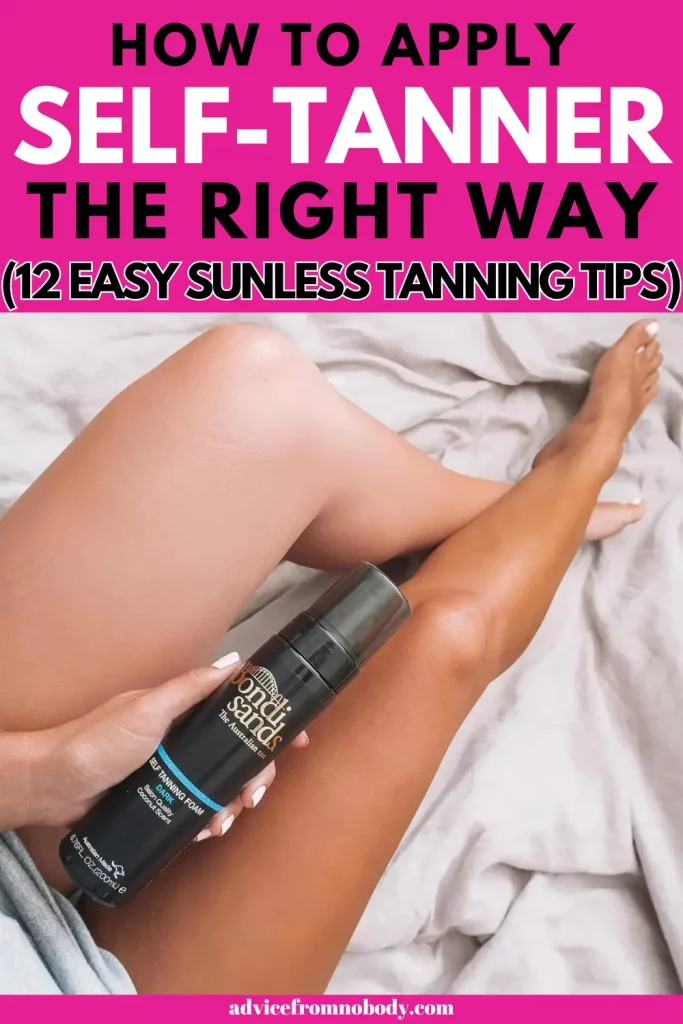
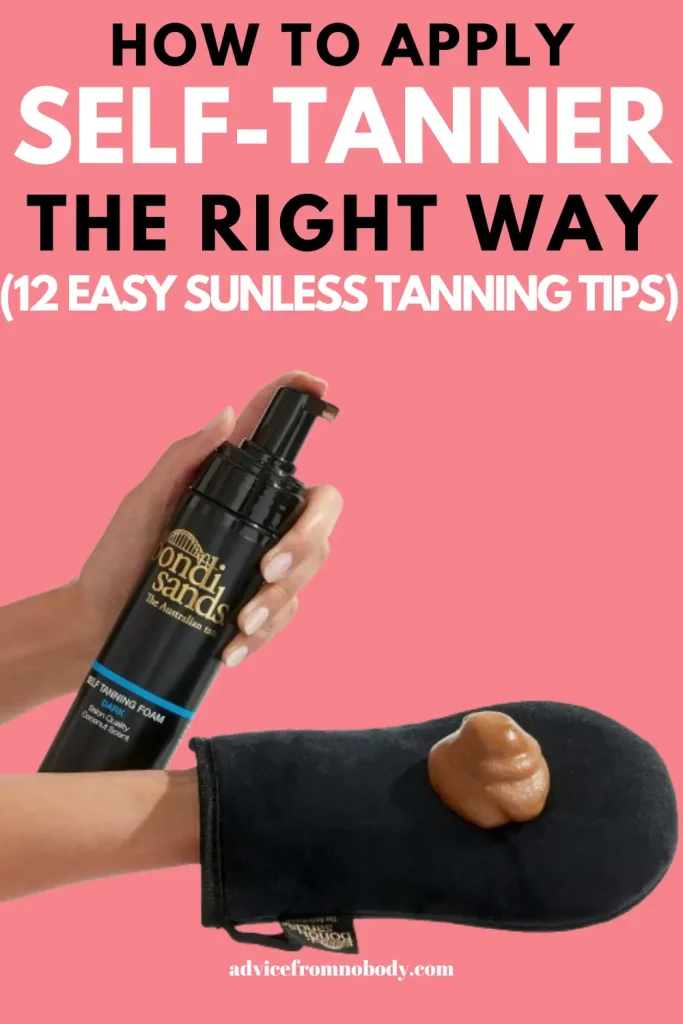
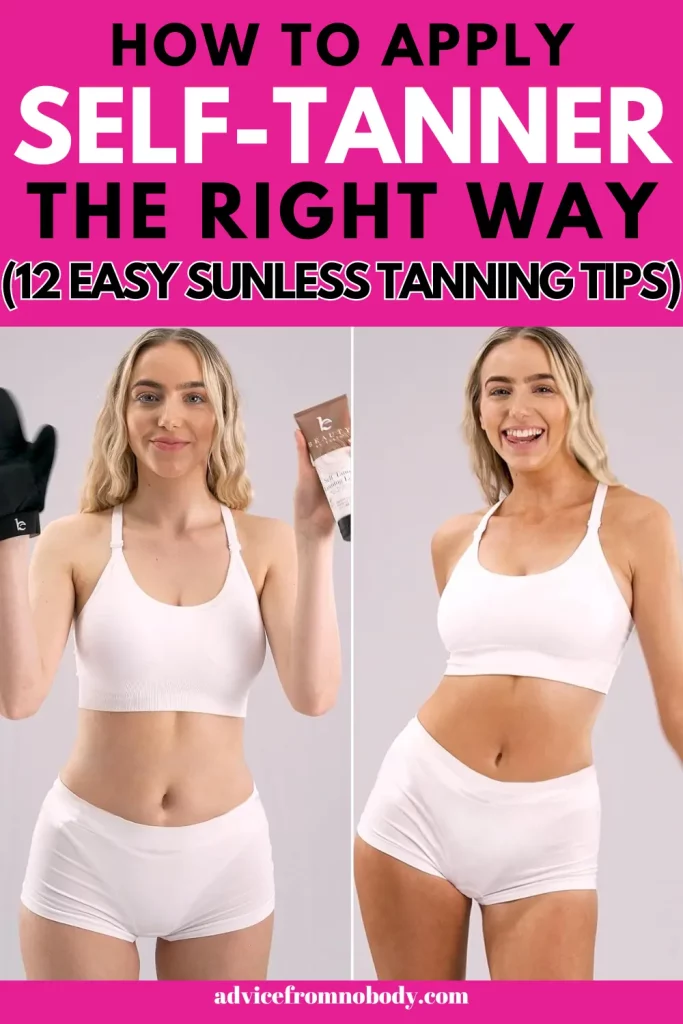
  • How to Apply Self-Tanner Properly: 12 Sunless Tanning Tips

What Is The Best Tanning Lotion For Sunbeds?

Finding the best tanning lotion for sunbeds might have seemed like a hard task.

From tingle lotions promising a deep, sun-kissed glow to those with natural ingredients like aloe vera and coconut oil.

Over time as I tried many different tanning lotions, Devoted Creations stood out as one of the best outdoor tanning lotions for its blend of tanning accelerators and bronzers, plus its skin-nourishing vitamin E and glycol stearate SE.

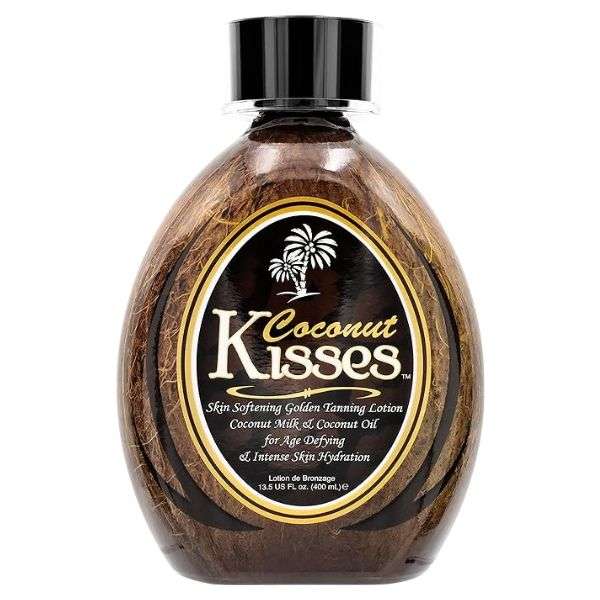
This lotion, ideal for a range of skin types, helped many achieve their desired golden glow without risking skin damage. A second contender for me is the coconut kisses golden tanning lotion. Either one of these indoor tanning lotions will give you that perfect natural-looking tan.

Can You Use Indoor Tanning Lotion Outside?

How Best To Use An Indoor Tanning Lotion Outdoors
can you use tanning bed lotion outside

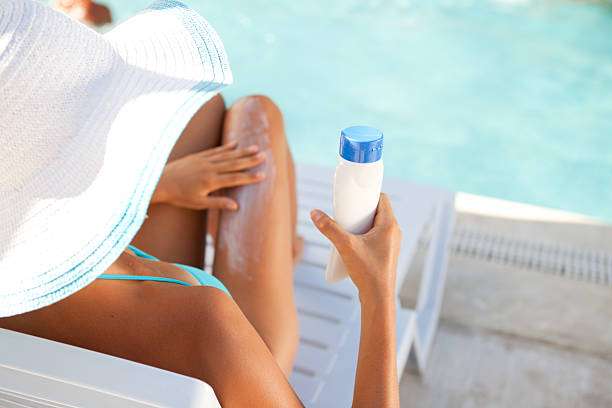
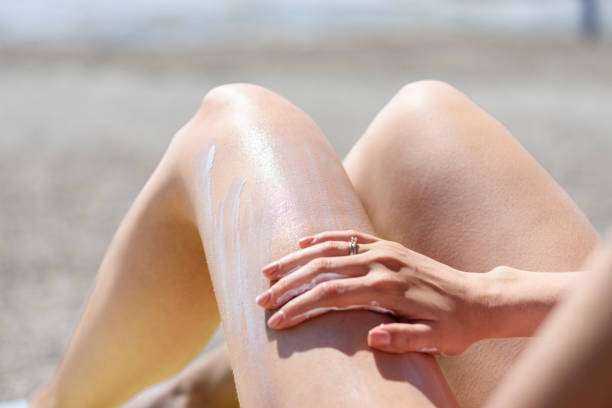
Using an indoor tanning lotion outside is an absolute no, these lotions lack SPF protection that’s important for screening out the sun’s harmful UVA and UVB rays.

Now, should you find yourself without any outdoor tanning lotion and you’re going out by the pool, there’s a workaround.

Combine your indoor lotion with a broad-spectrum sunscreen. This duo will ensure your skin gets a golden glow while protecting it against direct sunlight and UV radiation.

It’s not perfect, but it’s a stopgap for maintaining that beautiful tan without risking sun damage or skin cancer. 

The Risks of Misusing Tanning Lotions

There is a great risk when switching out your indoor tanners for the outdoors, which is the increased risk of skin cancer and premature aging. 

Dry skin needs to stay hydrated, yet, when exposed to direct sunlight with only an indoor lotion, your skin gets further dried out.

These products do not contain any SPF protection required to protect against harmful UVA and UVB rays, thereby increasing the chances of skin damage.

So, this one mistake that you thought would give you a deeper tan, might just accelerate aging,  causing wrinkles and fine lines far sooner than you would like. 

How To Tan Safely

Self-tanners are by far the safest way to tan, offering an amazing color without UV warfare.

If these are not your speed, broad-spectrum sunscreen is for you, coupled with sun tanning this is another great option. It’s a winning combo for your skin. 

Can I Mix Indoor And Outdoor Tanning Lotion?

Can you mix indoor and outdoor tanning lotion? It may seem like a good idea at first.

After all, combining the deep hydrating properties of indoor lotions with the sun protection factors of outdoor lotions might offer the best of both worlds.

Each type of lotion serves a specific purpose, designed for specific uses. Indoor tanning lotions, rich in ingredients like aloe vera and coconut oil, focus on melanin production under UV light in a controlled environment.

They lack water-resistant sunscreen, which is essential for outdoor activities.

While, outdoor tanning lotions block harmful UV rays, often containing broad-spectrum SPF protection to shield your skin from premature aging and skin damage.

Combining these lotions won’t guarantee better protection; you might end up minimizing the effectiveness of both. For that beautiful tan without the negative effects, choosing the right product is important. 

Choosing The Right Product For Outdoor Tanning

Finding the perfect product for sun tanning involves steering clear of indoor tanning lotions.

These are not equipped with SPF protection, leaving your skin vulnerable to harmful UV rays.

Devoted Creations may promise a sun-kissed glow or a deeper tan, but without SPF, you’re exposing yourself to potential risks like skin cancer and premature aging. 

Outdoor lotions, however, are made with sun protection in mind.

They often contain ingredients like aloe vera, vitamin E, and coconut oil, which not only protect but nourish your skin.

Whether you go for a broad-spectrum sunscreen or a specific outdoor tanning lotion, ensure it offers protection against UVA and UVB rays.

This is crucial for preventing skin damage while achieving that beautiful tan. 

The best option for outdoor activities is always a water-resistant sunscreen with an appropriate SPF level. It’s the best way to enjoy the sun safely.

Keep this in mind: a golden glow should never come at the expense of your health. Choose wisely, and you can have both a beautiful tan and healthy skin. 

My favorite outdoor tanning lotions are the Australian Gold Bronzer Accelerator and the Maui babe Browning Lotion. They both offer great tanning power while protecting your skin from the sun.
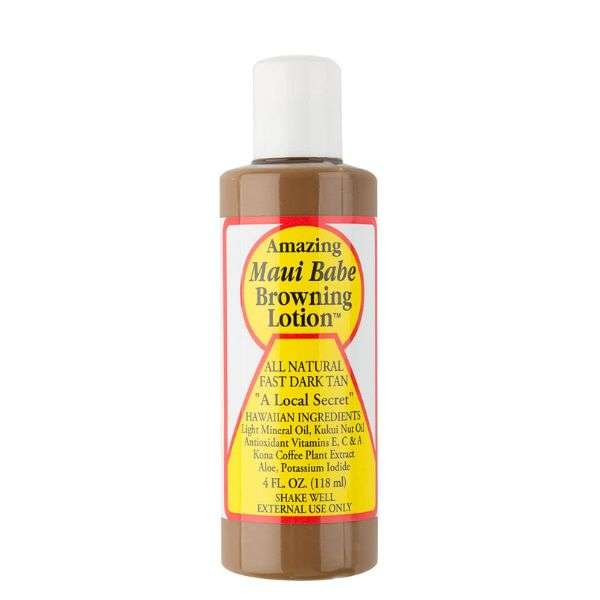
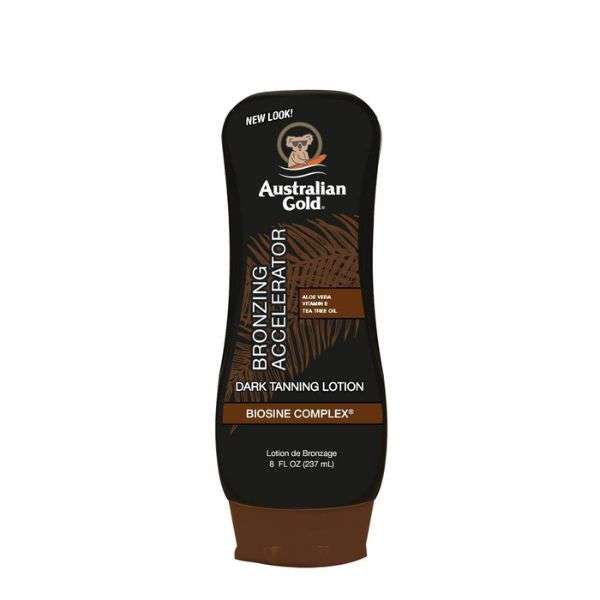
can you use tanning bed lotion outside

Pin For Later!
[jetpack-related-posts]

The Best Way to Tan Legs in a Tanning Bed or Sun Fast

Filed Under: Body // 07/24/2024

how to tan legs in tanning bed

Achieving that perfect, fake tan can be a hard task, especially when it comes to our legs.

For many of us, they just seem to resist the tanning process, stubbornly remaining paler than the rest of our body.

This has led to countless hours in the tanning salon, under UV rays, or basking in natural sunlight, all in pursuit of even, flawless tan legs.

But, there’s hope. With the right approach, you can get the best tan for your lower legs, that complements the rest of your body perfectly. 

Understanding the unique challenges your legs face during the tanning session is important for getting that great tan.

They have less melanin, making them harder to tan. Dry skin and the buildup of dead skin cells can make it even harder on the tanning process.

By mastering the art of tanning your legs, you can get a better tan whether you use sun beds or tanning lotions in the sun. 

Why Don’t Legs Tan As Much As The Rest Of My Body?

Have you ever wondered why, after a tanning session, your legs don’t seem to match the rest of the body?

This leads many to the tanning salon, seeking the best results from their UV light therapy or spray tan. This is caused by the natural composition and behavior of skin on different parts of the body.

Legs, especially, have less melanin production compared to other areas which makes the tanning process for them unique. 

Dry skin is more prevalent on the lower legs, making it harder for them to retain the kind of tan you might achieve on your upper body.

This is further compounded if you have fair skin, where the base tan is already lighter, requiring more careful management of tan lines and evenness.

Plus, dead skin cells can build up, providing yet another barrier to those UVB rays we sometimes rely on. Yet, understanding these challenges allows us to change our approach.

With a focus on removing dead cells through proper exfoliation and moisturizing the skin, we can enhance blood flow, improve melanin production, and therefore, absorb more of the tanning energy we so need. 

So, next time you prep for a sunbed session or decide to go sun tanning, remember to prep your legs. With dedicated care, achieving that glowing, even, and healthy tan will be so much easier. 

How To Tan Legs In Tanning Bed

Preparing your legs for a tanning session demands attention to detail.

First, you need to get rid of dead skin cells using a high-quality exfoliator. This not only gives you a clear canvas for UV rays to work their magic but also promotes blood flow, enhancing the production of melanin.

Following this, make sure to hydrate your skin. A moisturizer rich in Vitamin E helps in maintaining soft skin, ensuring the UV light penetrates evenly and deeply. 

Correctly positioning your legs in a tanning bed is also important. You must aim for a posture that exposes all parts of your legs equally to the UVB rays.

Occasionally adjusting your position makes sure no tan lines form, giving you a flawless tan. It’s also wise to employ tanning accelerator creams, designed specifically for leg tan.

These products amplify UV absorption, securing a rich, golden tan. 

When looking to get that natural-looking tan for sexy legs, you should gradually increase how long your tan as well as how often.

Start with short, and far between tanning bed sessions, and watch how your legs react. This gives you a healthy tan without risking skin damage or burns.

  • What to Wear During & After a Spray Tan
  • Everything You Need To Know About Tanning & Laser Hair Removal
  • Does Self-Tanning Lotion Expire? +How To Make It Last Long

Common Tanning Bed Mistakes to Avoid

When tanning beds are not used right, the skin of the legs tends to suffer more than the rest of the body.

Overlooking the importance of even coverage from UV light exposure often leads to tan lines or uneven shades.

You might think spending long hours under UV rays guarantees better tanning results. It doesn’t. It only boosts the risk of skin cancer and causes premature aging. 

Skipping exfoliation is another mistake you’ll want to avoid. Dead skin cells can block UV radiation, leading to patchy tans, did anyone say leopard print?

Make sure you’ve exfoliated, especially on parts of your body like the lower legs that have thicker skin, to prepare you for an even tan. 

And one of the most important things to consider is proper hydration. Dry skin reflects UV light and does not absorb it.

Applying a high-quality indoor tanning lotion can make all the difference. It keeps your skin soft and ready to soak up all that tanning energy. 

  • Self-Tanning Lotion Vs. Sunless Spray Tan: Which Is Best?
  • Should You Shave Before Or After You Fake Tan

The Best Tanning Lotion For Legs

Achieving that sun-kissed glow on your legs requires more than just spending time under UV rays or in a tanning bed. It demands the right tanning product to speed up the tanning process.

We’ve gathered the best lotion types designed for leg tanning to ensure maximum absorption of UV light and promote even melanin production. 

A tan accelerator is highly recommended.

These lotions are infused with ingredients that stimulate your skin’s melanin production, allowing for a deeper tan with less UV exposure. 

Carrot Sun is a favorite among tanning experts, packed with natural ingredients that not only boost melanin but also nourish the skin.

Another key product to include in your tanning routine is a gradual tanning lotion.

Ideal for fair skin or parts of the body like the legs that may tan more slowly, these lotions build a base tan over time, reducing the contrast between tanned and untanned areas. 

 When it comes to sunbed sessions, opt for a high-quality indoor tanning lotion.

These products, rich in moisturizers and vitamins like Vitamin E, prepare your dry skin for UV light exposure, increasing blood flow to deliver essential nutrients and oxygen to the skin of the legs. A tan extender should follow up every tanning session.

These lotions maintain hydrated soft skin, extending the life of your golden tan. 

How Can I Tan My Legs Fast In The Sun Naturally?

how to tan legs in tanning bed

Tanning your legs fast under the sun’s natural glow is an easy task. First off, clearing away dead skin cells is important.

A good exfoliation session before sun tanning rids layers of dry skin that obscure fair skin from the kiss of UV rays. 

Next, increase the blood flow to your legs, activities like a brief walk or light jog get the blood pumping, enhancing the tanning skin response to sunlight. It’s fascinating how increased circulation can pave the way for a more even tan. 

Once you’ve prepped, finding the perfect spot under the natural sunlight is your next step. Make sure the sun’s beams graze your legs directly.

Here, the angle of your body and parts of your body receiving sunlight matters. Switch positions every 20-30 minutes to prevent tan lines and achieve an all-around golden tan. 

Post-sunbathing, moisturizing is just as important as the tanning itself. Make sure to coat your skin with Vitamin E and natural ingredients to soothe and hydrate your skin.

This will not only preserve your lovely tan but also promote healthy, soft skin. 

  • Self Tanning Aftercare: Best Moisturizer to Use After a Spray Tan
  • Can You Use Indoor Tanning Lotion Outside?

How To Make Your Tan Last Longer

After hours spent under UV rays, either in a high-pressure tanning bed or tanning under the sun, proper aftercare is important to lock in that sexy tan and ensure your skin remains healthy. 

First off, moisturizing should be the first thing you do. UV exposure can leave your skin dry.

Choose a moisturizer rich in natural ingredients, like Vitamin E, which not only nourishes the skin but also helps in maintaining a long-lasting tan.

Hydrated skin retains tans better and for longer, transforming your efforts into a stunning, even tan across every part of your body. 

Next, consider investing in a quality tan extender. These specially formulated lotions work by providing gradual tanning lotion benefits, slowly deepening your natural tan while keeping the skin soft. For best results, apply after every shower. 

By following these aftercare tips, rest assured, your efforts will result in a healthy, gorgeous tan that stands the test of time. 

  • What’s The Best Time To Tan Before or After My Workout?
  • Will Spray Tanning Protect You From a Sunburn?

FAQ on Tanning Your Legs

Frequently asked questions around the topic of achieving that perfect leg tan, whether it’s within the controlled environment of a tanning bed or under the golden rays of natural sunlight.

The allure of bronzed legs can tempt anyone into a tanning salon, but a few questions often stand out. 

  • How long does a leg tan last? Generally, a tan on the legs lasts for about 7 to 10 days. However, this can extend if you practice proper aftercare. Make sure your skin remains hydrated and nourished to prolong the effects of your tanning session.
  • How can I tan my legs naturally? For those longing for a natural tan, while avoiding stepping foot in a tanning salon, the sun’s ultraviolet rays serve as a natural tan accelerator. Start with early spring sessions, progressively extending your sun exposure to develop a base tan. Tips for the best results include using sunscreens to protect your skin while enhancing its natural tanning capacity. Additionally, engaging in exfoliation sessions removes dead skin cells, which can otherwise block the sun’s tanning energy. This makes way for an even tone throughout. 
  • Why are legs the hardest to tan? The skin on your legs lacks as much melanin production capacity as the rest of your body, making them less responsive to UV rays from the sun or a tanning bed. Moreover, tighter clothing and frequent hair removal sessions can decrease blood flow to the area, resulting in less melanin. Overcoming this hurdle demands a tailored strategy during your tanning process, prioritizing hydration, and possibly enlisting the assistance of tan accelerators designed specifically for these stubborn areas. 
[jetpack-related-posts]

When Can You Shower After Laser Hair Removal?

Filed Under: Body // 07/24/2024

can you shower after laser hair removal

Can You Shower After Laser Hair Removal?

Laser hair removal is always a good idea if you want silky smooth, hair-free skin.

This advanced technology targets hair follicles with laser light, disrupting future hair growth.

Once you’ve had your first laser hair removal session, a common question arises: can you shower after your laser hair removal appointment?

Showering post-laser hair removal might not cross your mind in the beginning.

Yet, it plays an important role in your skin’s healing process and the effectiveness of your laser hair removal treatments. 

After your laser hair removal procedure, and you’re finally rid of unwanted body hair, the treated area becomes quite sensitive.

The urge to hop into a hot shower or bath might seem tempting.

However, taking a cool shower with lukewarm water instead of hot baths or showers can prevent additional skin irritation, but even that has its disadvantages.

This simple aftercare step ensures the treated area heals properly, safeguarding the investment you’ve made in your quest for hair-free skin. 

  • Shower Routine: Steps and Products For Healthy Skin
  • The Best After-Shower Body Care Routine For Glowing Skin
  • Elevate Your Shower Routine: The Top 8 Must-Have Bath Products

How Soon Can You Shower After Laser Hair Removal?

After your laser hair removal appointment, you need to be patient before taking that shower.

The advised waiting period before taking a shower can be between just a few hours to an entire day or two. 

You can take a shower after laser hair removal, but we recommend using cool water for the first few days after your laser hair removal procedure.

It is best to avoid hot water, hot tubs, and saunas for at least 2 days after the treatment.

You should wait at least 6-8 hours after the session before taking a shower.

Following the laser session, the skin starts its healing process and needs a certain amount of time to ensure skin health.

Therefore, splashing it with water too soon can interrupt this delicate phase. 

Avoiding hot showers is important. Hot water can irritate sensitive skin and intensify any discomfort.

For those of us who need a hot, steamy shower to unwind, this might sound disheartening. Minding the temperature of the water is super important.

Lukewarm or cold water, although not as comforting, will keep your skin safe and on the right track towards full recovery. 

As much as we like quick results and hate downtime, laser hair removal demands a little time from us.

Adhering to aftercare instructions will not only amplify the effectiveness of your laser treatments but also secure optimal results. 

  • 8 Mistakes You Might Be Making When You Shower
  • 10 3-Ingredient DIY Aromatherapy Body Washes For Luxurious Self-Care
  • The Ultimate Guide To The Best Body Washes For All Skin Types

Can You Take a Hot Shower After Laser Hair Removal?

can you shower after laser hair removal

After laser hair removal, the treatment area feels sensitive and hot water is far from the best way to care for your skin, especially when it comes to showering. 

Indulging in hot showers, steam rooms, saunas, or hot tubs might not be the best idea following your laser session.

These can cause skin irritation and slow down the healing process in the treated area, turning your eagerly awaited hair-free skin outcome into a less pleasant experience. 

Engaging in such activities invites many side effects, not the least of which includes exacerbating sensitive skin conditions or even causing unwelcome skin irritation.

Laser-treated skin is, after all, sensitive and undergoing its recovery to bring you the silky smooth skin you desire. 

Instead, take lukewarm or cool showers. These alternatives significantly reduce the chances of disrupting the healing process, ensuring your skin recovers as intended.

By avoiding hot water, you’ll not only support your skin’s health journey but also safeguard the integrity of the recently treated areas. 

  • The Optimal Shower Temperature For Healthy Skin
  • Soothing Oatmeal Shower Gel Recipe for Eczema-Prone Skin

Dos and Don’ts of Laser Hair Removal Aftercare

To ensure optimal results and avoid the common side effects of this procedure, it’s crucial to follow a set of aftercare instructions.

These guidelines support the healing process and protect the treated area from unwanted irritation or possible skin complications. 

First, let’s tackle the key question: can you shower after laser hair removal?

Well, the answer isn’t straightforward.

While a shower isn’t entirely off-limits, avoiding hot water is necessary.

This means trading those steamy hot showers or hot tub indulgences for cooler alternatives.

Hot water can heighten skin irritation, making your treated area feel worse and potentially stalling the healing process.

Opt for lukewarm water instead, ensuring the temperature of the water doesn’t provoke extra heat on your sensitive skin. 

Other Dos And Don’ts Of Laser Hair Removal:

Avoid direct sun exposure.  The UV rays could harm laser-treated skin, increasing the risk of sun damage. Structure your outdoor activities wisely, only getting sun exposure for a short time, and choosing protective clothing or a wide-brimmed hat for any necessary outings. 

Embrace the soothing touch of aloe vera.  This wonder plant can significantly reduce skin irritation in sensitive areas like your bikini line or upper lip. Its cooling effect helps calm the skin, promoting a faster recovery. 

Choose your skincare products wisely.  Fragrance-free cleansers and unscented body washes should become your new best friends. Avoid any beauty products that may contain irritating substances or could clog your hair follicles, hampering the healing process. 

Wear loose-fitting clothes.  Aerated, light fabrics aid in the skin’s recovery by minimizing friction on the treatment areas, roughly translating to less chance of inducing skin irritation or even ingrown hairs. 

Use unscented body wash. Using fragrance-free soap for at least 2 days after your laser hair removal process keeps your skin from getting irritated or inflamed.

Use cold compresses to reduce inflammation. Shortly after your treatment, you can reduce any swelling, redness, or irritation by icing the affected area with an ice pack or cold compress.

Avoid using self-tanning products. The skin that was treated will be sensitive after treatment, so we advise you to wait at least four to five days to apply any self-tanner or spray tan on the targeted area.

Sticking to these aftercare tips not only secures your investment in laser hair removal technology but also paves the way to achieving that dream of permanent, hair-free skin.

From cool compresses to avoiding fragrance-free soaps, every little action contributes to the effectiveness of your laser hair removal treatments.

As your skin undergoes this transformation, remember that consistency in aftercare rituals will lead you to the ultimate goal: a lifetime of smooth, flawless skin. 

  • Top Benefits Of Waxing (Why Waxing Is Better Than Shaving)
  • Waxing Or Laser, Which Hair Removal Method Is Better
  • Can I Shave, Wax, or Tweeze The Day of Laser Hair Removal?

FAQ About Laser Hair Removal And Showering

can you shower after laser hair removal

Q: How long after laser hair removal can I shower?

It is generally recommended to wait at least 24 hours before taking a shower after a laser hair removal session to allow the treated area to heal.

Q: What not to do after laser hair removal?

Avoid hot showers, hot tubs, steam rooms, and direct sun exposure for the first 24-48 hours post-treatment to prevent skin irritation and optimize the healing process.

Q: Can I wash my hair after laser treatment?

Yes, you can wash your hair after laser treatment, but it’s important to use lukewarm water and gentle, fragrance-free cleansers to prevent any irritation in the treated areas.

Q: How long after laser hair removal can I put on deodorant?

Wait at least 24 hours before applying deodorant to the treated area after laser hair removal to avoid irritation and ensure the best possible results.

Q: Can I shower 2 hours after laser hair removal?

It’s advisable to wait at least 24 hours before showering after a laser hair removal session to promote optimal results and minimize the risk of skin irritation.

Q: What are the rules after laser hair removal?

After laser hair removal, avoid hot baths, hot tubs, and exposure to direct sunlight for the first 24-48 hours.

Use tepid water for showers, wear loose-fitting clothes, and follow any specific aftercare instructions provided by your laser hair removal specialist to ensure the best outcomes.

Q: What should I do immediately after laser?

After laser hair removal, apply aloe vera or a fragrance-free moisturizer to soothe the treated area. Avoid hot showers, hot tubs, and direct sunlight for the first 24-48 hours to minimize skin irritation.

Q: Can you use at-home laser hair removal on pubic hair?

While some at-home laser hair removal devices are designed for body use, it’s essential to check the specific product guidelines.

Generally, at-home devices may be suitable for pubic hair removal, but professional treatments are often recommended for more effective and safer results in sensitive areas.

Q: How can I speed up shedding after laser hair removal?

To accelerate shedding after laser hair removal, exfoliate the treated area gently during the first week.

Additionally, maintaining good hydration and following post-laser care instructions can help promote faster shedding of treated hair.

Q: How do you get the best results from laser hair removal?

To achieve optimal results with laser hair removal, follow pre-treatment guidelines, ensure the treated area is clean and free of lotions or makeup, and attend all scheduled sessions.

Avoid sun exposure, adhere to aftercare instructions, and consult with a laser hair removal specialist for personalized advice on your specific skin type and hair removal needs.

Remember to always consult with your laser hair removal specialist for personalized advice based on your skin type and the specifics of your treatment.

  • Everything You Need To Know About Tanning & Laser Hair Removal
  • 12 Benefits of Sugar Waxing (Advantages Of Sugaring Vs Wax)
  • Can You Get Laser Hair Removal Over A Tattoo?
[jetpack-related-posts]

Can You Get Laser Hair Removal Over A Tattoo?

Filed Under: Body // 07/24/2024

can you get laser hair removal on a tattoo

Understanding Laser Hair Removal and Tattoos

Embarking on the journey of laser hair removal treatment brings a host of benefits.

Especially if you find traditional methods cumbersome. But, what about those of us adorned with body art?

A collision between lasers and tattoos unfolds a tricky terrain.

The concentrated beam of light, designed to target dark pigment, doesn’t discern between the dark hair and the ink particles sitting proudly beneath your skin.

Therein lies the crux; the potential for severe skin damage and the distortion of your beloved body art looms large. 

Yet, it’s crucial to draw a line between laser hair removal and laser tattoo removal — they’re siblings, not twins in the realm of laser technology.

Where one leverages light energy to halt future hair growth, the other focuses its might on breaking down ink pigments into particles small enough for the body to absorb.

Hence, understanding this distinction is key to navigating the procedures safely around your tattoos.

Pre-Treatment Considerations

Before you consider laser hair removal on tattooed skin, a consultation with expert laser technicians is crucial.

They assess key aspects like your skin type, the pigment of your tattoo, and the color of your hair.

These elements play a pivotal role in determining if you’re a good candidate for this procedure. Safety and efficacy hinge on these assessments.

For those with darker skin tones or tattoos with certain ink colors, the type of laser and treatment plan must be carefully chosen.

Professional guidance ensures the best laser for your situation is used, reducing the risk of permanent damage or distortion of your body art.

Making informed decisions starts here, with expert advice steering you toward the best option for hair-free, unblemished skin. 

  • Top Benefits Of Waxing (Why Waxing Is Better Than Shaving)
  • Waxing Or Laser, Which Hair Removal Method Is Better
  • Can I Shave, Wax, or Tweeze The Day of Laser Hair Removal?

Safe Practices Around Tattoos

You’ve pondered whether to kiss goodbye to unwanted body hair for good.

Laser hair removal seemed like the best option. Then, you remembered the ink adorning your skin.

Frustration might have set in, thinking these two choices—maintaining your body art intact and achieving that smooth, hair-free skin—were at odds.

Fear not. To dodge damaging your cherished tattoos during laser treatment, the use of templates comes into play. These act as precision-guided shields, keeping your artwork safe from the concentrated beam of light aimed at those pesky hair follicles.

Equally crucial is timing. Opting for a treatment plan involving laser beams before etching new tattoos in those areas assures your body art won’t suffer from untimely distortions or fading due to severe skin damage.

Let this strategy be your guide, navigating the laser precision path with care. 

  • Everything You Need To Know About Tanning & Laser Hair Removal
  • 12 Benefits of Sugar Waxing (Advantages Of Sugaring Vs Wax)
  • When Can You Shower After Laser Hair Removal?

Pros and Cons

Deciding to undergo laser hair removal when you have tattoos presents a mixed bag of outcomes. 

For those yearning for hair-free skin, this method stands as a popular choice. It eradicates unwanted body hair, curbing future hair growth with a precision that outmatches other hair removal options.

Nevertheless, the process is not without its cons, especially for the inked. 

Dark hair and light skin have often been deemed the ideal pairing for these treatments, primarily due to the laser’s affinity for dark pigment.

However, this same principle complicates matters for tattooed areas. The risk of severe skin damage or a distorted body of artwork looms large.

Alternative methods, such as electrolysis treatments, may offer a safer route, sparing the ink under your skin from unwanted alterations.

Therefore, prudent discussions with an expert team, considering your specific skin type, hair color, and tattoo placement, become indispensable. 

Alternatives and Recommendations

You might have etched your skin with ink, conjuring a masterpiece that tells your world in vibrant hues.

But now, you’re pondering hair removal, and lasers spell trouble for your treasured art. Fear not, for alternatives abound, paving the way to smoothness without risking your ink. 

  • Electrolysis treatments have emerged as a beacon for those adorned with body art. This medical procedure targets each hair root with precision, leaving tattoos unscathed. It promises a path to hair-free skin, though patience is key, as sessions tally up over time. 
  • Shaving and waxing, while not permanent, offer quick fixes. They’ve stood the test of time, catering to urgent needs or a change in aesthetic desires. These methods respect your ink, steering clear of the severe skin damage laser options might provoke. 

For patches of skin untouched by ink, lasers stand as a steadfast option, marrying efficiency with enduring results.

However, selecting the right type of laser and experienced hands make all the difference. In areas where the skin remains a canvas yet to be painted, this might just be the best option. 

Final Thoughts on Laser Precision

In the quest for hair-free skin, laser hair removal has shone as a beacon of hope.

Yet, for those adorned with body art, the journey seemed fraught with perils. The laser technology, a marvel tailored for zapping away unwelcome strands, held the unnerving potential to warp or fade the cherished ink that marks your skin.

This guide aimed to demystify the convergence where laser hair removal technology meets tattooed terrain.

By now, you’ve grasped that while lasers offer a path to smooth skin, the type of laser and how it’s used matters greatly when tattoos are part of the equation. 

Diligent consultations with seasoned laser technicians emerged as crucial.

These expert team members excel in navigating the intricate dance between light energy and ink particles, ensuring your tattooed skin remains unscathed.

We urged considering alternative hair removal methods, like electrolysis treatments, especially for etched areas.

The ultimate takeaway? The importance of bespoke treatment plans.

Each tattoo pigment, skin type, and hair color beckons for a tailored approach, ensuring the laser’s energy targets only the unwanted hair and spares the art that tells your story. 

[jetpack-related-posts]

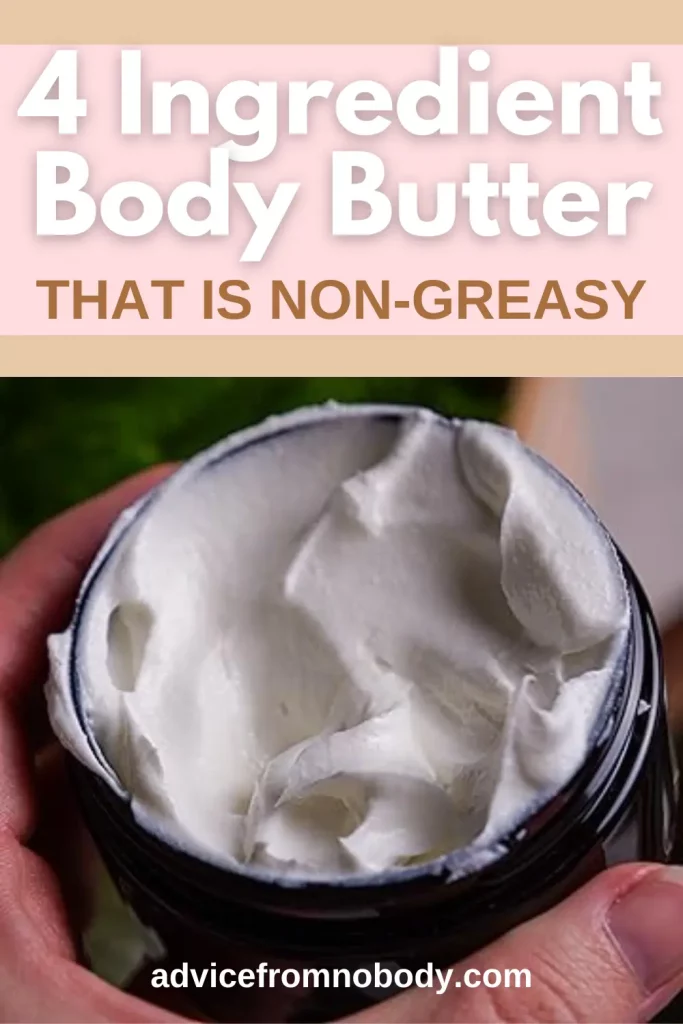
My Super Simple, 4 Ingredient DIY Body Butter Recipe!

Filed Under: DIY Beauty, Body // 07/24/2024

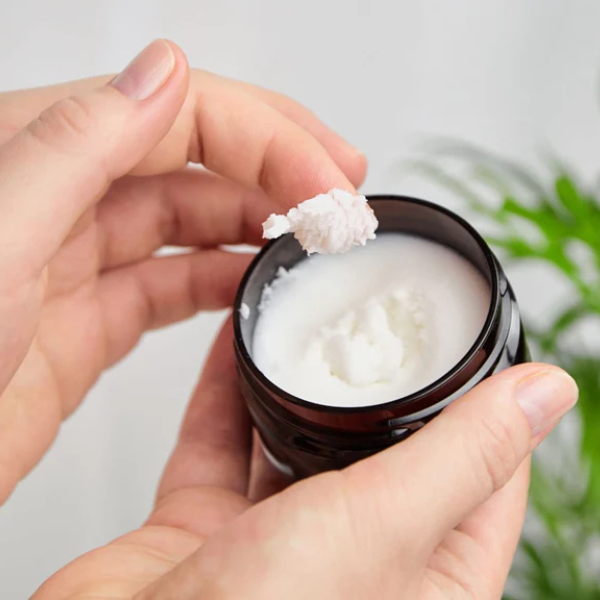
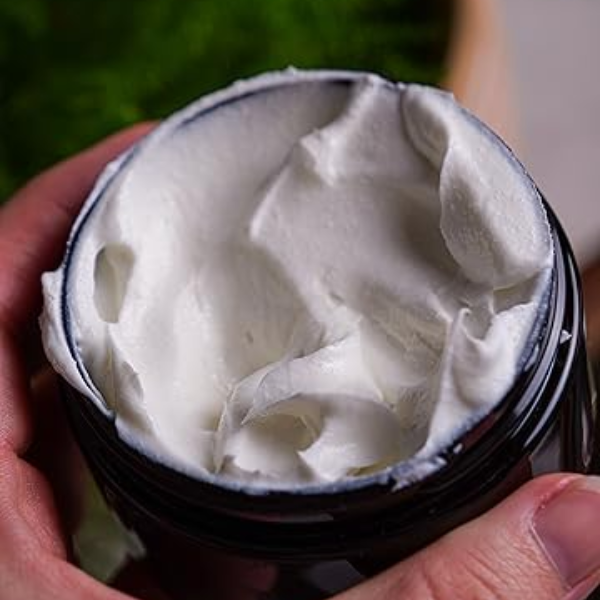
homemade body butter

I have been using this DIY Homemade Body Butter Recipe for the last couple of years! It’s the only lotion that I ever use when I’m not using this whipped body butter that I love for winter!

It is perfect for dry and sensitive skin, and it only uses 4 ingredients!

This Body Butter is easy to make and it lasts for a long time. Plus, you can grab all of the ingredients on Amazon so that you don’t even have to leave your house to find everything!

If you have sensitive skin, you can try out my Colloidal Oatmeal Whipped Body Butter Recipe that soothes itchy skin and eases inflammation.

What Is Body Butter?

You’re in for a surprise if you’ve never used body butter!

It is similar to butter for your skin, well it’s exactly butter for your skin. Anyone can easily make their own body butter at home.

It’s so easy; all you have to do is combine your favorite oils by melting and whipping them together and you’ll have a lovely body butter.

You can choose to experiment with some of your favorite plant-based butters because we all need a decent moisturizer that isn’t overly oily and creates a lovely body butter recipe.

This recipe is incredibly nourishing and will make your skin feel incredibly smooth.

You can leave it as it is or add essential oils to create a great-smelling body butter for yourself or as a gift. Plus, it’s really great if you have sensitive skin.

Why This Recipe Is So Great!

  • It uses simple ingredients without any chemicals or artificial fragrances
  • It is easy to make and the perfect for all skin types
  • Makes great gifts
  • Very customizable by using your favorite essential oils

What You Need For Homemade Body Butter

  • A double boiler – you can always use a large heat-safe bowl on top of a pan with a little water in it.
  • Hand mixer – after your body butter cools a little you will want to beat your body butter to make it smooth. 
  • Time – while this only uses a few ingredients this isn’t a quick recipe, but it’s pretty hands-off so you can make it while you’re getting other things done. The mixture will need to be heated on the stove for about 45 minutes to 1 hour. 

Ingredients For Making DIY Body Butter

  • Coconut Oil
  • Shea Butter
  • Beeswax
  • Vitamin E
  • Essential Oils (optional)

Use this body butter in the winter or summer.

It is perfect all year long for all skin types! I love the way it keeps my skin so soft and silky all day long. Plus, it even smells great, with or without the essential oils!

I also love that these are pure, organic, and natural ingredients. You know exactly what you are putting on your skin.

DIY Homemade Body Butter Recipe

Ingredients You Will Need:

-1 Cup Coconut Oil

-1/2 cup Beeswax

–1 1/2 Cup Shea Butter

–1/4 Cup Vitamin E Oil

Directions To Follow:

-Melt all ingredients, except Vitamin E oil, in a double boiler. (I have found the longer you heat the mixture after it is melted helps keep the lotion from getting grainy over time. I like to heat mine for about 30 minutes after all the beeswax is melted.)

-Remove from heat, add Vitamin E Oil, and stir.

-Let cool for 15 minutes.

-Use a hand mixer to mix the lotion at a low speed.

-Pour into desired containers and let them sit overnight to cool completely.

Keep in mind that this recipe makes about 3 cups of Body Butter, but you can always cut the recipe in half or double the recipe to stock up or to give some as gifts! 

How To Best Use This Body Butter

homemade body butter
  • Every day all year for the entire body. 
  • Face Cream (add frankincense essential oil for extra skin support – optional)
  • Diaper Cream (add gentle baby or lavender essential oil – optional)
  • Chest Rub (add eucalyptus and peppermint essential oil)
  • Muscle Rub (add peppermint or cypress essential oil) 

How To Store Homemade Whipped Body Butter

The oils and butter in this body butter could melt if kept in a warm environment because they are natural and oily in nature.

This body butter should therefore be stored in a cold, dry environment. Then, if the oils begin to melt by accident, you can refrigerate the butter and re-whip it.

If stored in an air-tight jar in a cool dark place, this body butter will keep for up to 6 months.

If you would like to keep it for longer, you could add preservatives to it.

Although I have not directly added a preservative to this whipped body butter, I would choose Geogard ECT (Preservative ECO, Plantaserv M).

In the mixture, this preservative should make up 0.6% to 1%.

I recommend opting for natural preservatives like vitamin E oil (which is already included) or rosemary extract if you intend to store the body butter for an extended period.

These natural preservatives can help prolong the shelf life of your homemade product without introducing harsh chemicals.

Another option to consider for extending the shelf life is to store the body butter in smaller containers.

This reduces the exposure to air and contaminants each time you open a jar, helping to maintain the freshness of the product for a longer duration.

Additionally, it’s essential to keep your body butter away from direct sunlight and high temperatures, as these can accelerate the breakdown of the natural ingredients and cause the product to spoil more quickly.

For those who enjoy experimenting with different scents and textures, you can customize this recipe further by incorporating different essential oils or botanical extracts.

Lavender, chamomile, or rosemary essential oils are popular choices for their soothing properties, while citrus oils like lemon or orange can lend a refreshing scent.

You could also try adding a tablespoon of aloe vera gel to the mixture for added hydration and soothing benefits, especially beneficial for sun-exposed or irritated skin.

Furthermore, if you prefer a firmer body butter, you can adjust the ratio of oils and butters in the recipe.

Increasing the amount of cocoa butter or beeswax will result in a firmer consistency while adding more liquid oils will make the body butter softer and more spreadable.

Experimenting with different combinations of oils and butters can lead to unique textures and scents that cater to your specific skincare needs and preferences.

Have fun exploring and creating your signature homemade body butter recipe!

Pin For Later!
4 ingredient body butter that is non-greasy
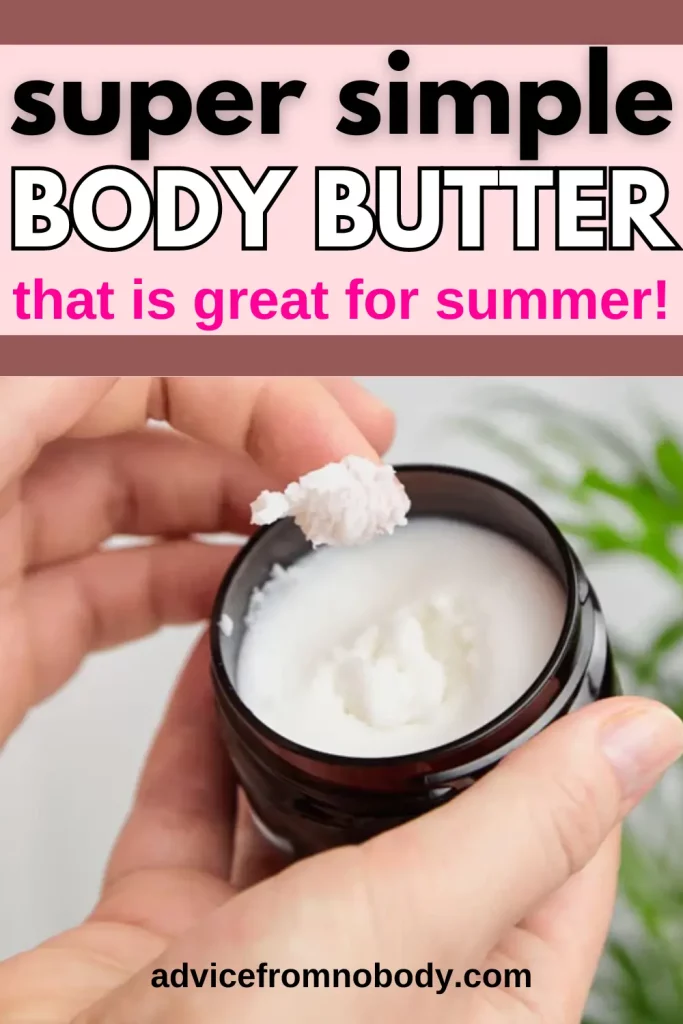
super simple body butter that is great for summer!
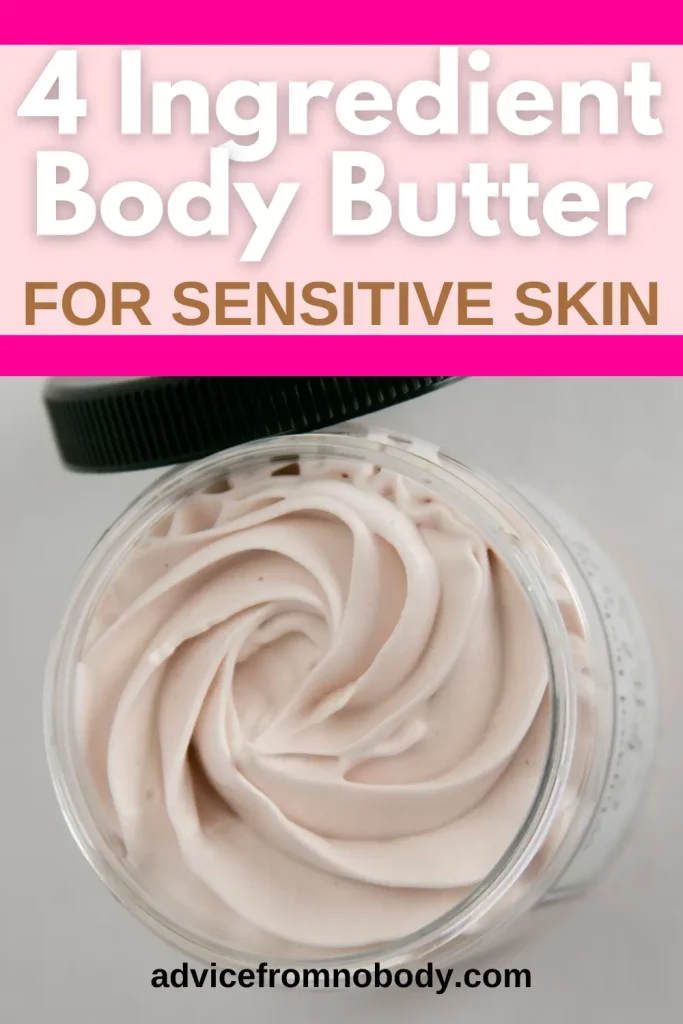
4 ingredient body butter for sensitive skin
[jetpack-related-posts]

Self-Tanning Lotion Vs. Sunless Spray Tan: Which Is Best For Your Needs?

Filed Under: Body // 07/24/2024

self tanning lotion vs spray

For many looking for that perfect, sun-kissed glow has led them away from the harmful rays of the sun and into the world of sunless tanners.

Among these, self-tanning lotions and sunless spray tans have emerged as the frontrunners.

Both these sunless tanning products offer a golden glow without the risk of skin cancer or skin damage and premature aging associated with UV radiation.

But the choice between the comfort of applying self-tanning lotion at home or the coverage promised by a professional spray tan session can be a hard one to make. 

  • Everything You Need To Know About Tanning & Laser Hair Removal
  • The Best Way to Tan Legs in a Tanning Bed or Sun Fast
  • Does Self-Tanning Lotion Expire? +How To Make It Last Long

What Is Self-Tanning Lotions

Self-tanning lotions, featuring DHA as their active ingredient, interact with amino acids within your skin to create a perfect tan.

This fantastic reaction gifts you with that sought-after sun-kissed glow, minus the sun damage.

For the DIY girlies, self-tanner lotions are a great option over going to the beauty salon or the heat of a tanning bed.

They offer the golden glow of a natural-looking fake tan, without having to spend too much or even leave the house.

What Are The Pros of Self-Tanning Lotion

Self-tanning lotions are a great option for achieving that perfect glow from the comfort of your own home.

For those with pale skin or sensitive skin, it’s seen as the best way to get a natural-looking tan.

Unlike the sun bed, these self-tanning lotions keep your skin safe from sun damage, making it a safer alternative overall.

Not to mention, you dodge the unpleasant odor often associated with spray tans. 

What Are The Cons of Self-Tanning Lotion

Self-tanning lotions, despite their convenience for home use, can leave you with uneven patches if not applied perfectly.

Achieving a streak-free tan requires patience and experience. Some self-tanners may result in an orange hue, far from the natural-looking tan you aimed for.

Additionally, the scent of certain lotions can be off-putting, lingering on your skin longer than you’d like. Given these cons, while self tanners present a safer alternative to UV exposure, they’re not perfect. 

How to Use Self Tanning Lotion

Achieving that perfect glow at home has never been easier with self-tanning lotions.

However, preparing your skin is important; make sure your skin is cleansed and exfoliated to remove dead skin cells for an even tan.

For the application process, using an applicator mitt helps spread the lotion smoothly across your entire body, avoiding any streaks or patches.

Finally, aftercare involves keeping your skin moisturized to extend the tan’s lifespan and wearing broad-spectrum sunscreen to protect the newly tanned skin. 

  • Should You Shave Before Or After You Fake Tan
  • What’s The Best Time To Tan Before or After My Workout?

Recommended Sunless Tanners And Applicator Mitts 

For achieving that desired golden glow from the comfort of your own home, consider these exceptional sunless tanners and their perfect companions. 

  • L’Oreal Paris Sublime Bronze Self-Tanning Water Mousse: Ideal for those with pale or sensitive skin. 
  • Eight Saints Island Time Body Spray Lotion: A fantastic option for those with dry skin.
  • Australian Gold Moisture Lock Tan Extender Lotion: Perfect for extending the longevity of your tan, this lotion works wonders for oily, dry, or combination skin types. 
  • Bronze Tan Self Tanning Mitt for Self Tan: Ensure an even application without the unpleasant odor or risk of sun damage. Its soft texture is suitable for every skin type. 

What Is Sunless Spray Tanning

self tanning lotion vs spray

Professional spray tanning is nothing new to the beauty world, it offers a safer option compared to the hazardous UV rays of the sun or tanning bed.

Here, a tan artist wields a spray gun or guides you into a tan booth, where a mist covers your entire body, creating a flawless, sun-kissed glow.

It’s the best option for a special occasion or a uniform tan without sun exposure.

The process is quick, the results stunning, making it a great option for those with little time but high expectations for their faux glow. 

What Are The Pros of Professional Spray Tans

Professional spray tans promise a golden glow you might have thought only the sun could provide. 

They allow for an even, full-body tan, ideal for special occasions or when you desire a flawless sun-kissed glow.

The expertise of a tan artist ensures you avoid the common pitfalls of self-application, such as streaks or uneven color. 

For many, it’s a great option, combining the ease of a salon visit with the safety of UV-free tanning. 

What Are The Cons of Professional Spray Tans

Professional spray tans often come with a steep price and require making appointments that might not fit into a busy schedule.

The process, involving a tan booth or a spray gun wielded by a tan artist, can feel less personal and somewhat clinical.

For those with sensitive skin, the broad-spectrum formulations used might cause reactions or just simply not agree with their skin type, making this a risky option for achieving that sun-kissed glow. 

How To Get The Best Results From Your Salon Spray Tan

For the golden glow of your dreams, booking a session at a beauty salon is only the start. A great outcome will depend on a few smart moves.

First, exfoliate your skin to shed dead cells; this ensures an even coverage.

Moisturize, especially on dry areas like elbows and knees, since these spots absorb more tan solution.

Wear loose clothing post-session to avoid tan lines.

With these steps, a perfect, sun-kissed look isn’t just possible; it’s guaranteed. 

  • What to Wear During & After a Spray Tan
  • Can You Use Indoor Tanning Lotion Outside?

Ease of Application: Self-Tanning Lotion vs. Spray

Applying a self-tanning mousse at home is super convenient.

You’ll find the control you have hard to give up if you choose to switch to spray tans. It beats the hassle of arranging a tan session at a beauty salon every time.

On the flip side, professional spray tans require special equipment you can’t use on your own.

These spray guns and tan booths need a skilled tan artist to ensure a faux glow free of tan lines or uneven patches. 

Cost and Accessibility: Self-Tanning Lotion vs. Spray

Diving into the expense of achieving that perfect glow, you’ll find self-tanning lotions and mousses to be your wallet’s best friend.

While enticing for their even and full-body tan, professional spray tan sessions demand a heftier price tag and commitment.

The appeal of self-tanning options lies in their convenience and cost-effectiveness, a single bottle offers multiple uses.

For those seeking a sun-kissed glow without burning through their savings, self-tanners and applicator mitts emerge as the superior choice. 

Skin Health and Safety: Self-Tanning Lotion vs. Spray

Choosing between sunless tanners and spray tanning should always involve considering your skin health.

Products approved by the Skin Cancer Foundation present safer alternatives to UV radiation exposure. Be mindful of skin type, as dry or sensitive skin might react differently.

A common misconception revolves around a quick fix without consequences. It is pivotal to conduct a patch test, ensuring the chosen method doesn’t aggravate skin sensitivities or pose a risk of skin cancer.

Both options have their benefits, yet caution and care are still important. 

  • Will Spray Tanning Protect You From a Sunburn?
  • Self Tanning Aftercare: Best Moisturizer to Use After a Spray Tan

Aftercare: Self Tanning Lotion vs Spray Tanning 

Once you’ve achieved that sun-kissed glow, what comes next is just as important. The longevity of your tan, be it from a salon spray tan or self-tanner lotions, heavily depends on aftercare practices. 

Moisturizing your skin is key; it will keep your skin hydrated and help maintain that golden glow.

Avoiding long baths and too much time in the water helps prevent your tan color from fading too fast.

For both spray tanning and self-tanning lotion applications, gentle patting instead of harsh drying post-shower can extend the life of your tan.

Remember, a broad-spectrum sunscreen is still necessary to protect your skin from sun damage, even with a self tan.  

[jetpack-related-posts]

Your Tanning Lotion Is Probably Expired, Here’s How To Know And What To Do To Make It Last Longer

Filed Under: Body // 07/24/2024

does tanning lotion expire

You’ve likely rummaged through your beauty products, finding that bottle of tanning lotion from last summer, or perhaps even earlier, and you may ask yourself, “Can I still use this expired tanning lotion?” or “How long is tanning lotion good for?”.

However tempting it may be, maybe you should check the expiry date on these products before using them.

Using expired tanning creams not only jeopardizes your skin health but can lead to skin irritation or more severe skin damage.

Understanding the shelf life, from manufacturing date to expiration date, ensures you achieve the best results without compromise.

Embracing proper care and storage conditions, such as avoiding heat sources and keeping the bottle in a dark, dry place, can also extend the longevity of your tanning lotions. 

  • What to Wear During & After a Spray Tan
  • Should You Shave Before Or After You Fake Tan
  • Self-Tanning Lotion Vs. Sunless Spray Tan: Which Is Best?

Understanding Tanning Lotion Expiration Dates

does tanning lotion expire

Finding the expiration date on your bottle of tanning lotion often feels like a treasure hunt, but it’s important for your skin health.

Most brands print the expiration date on the side or bottom of the tanning bed lotion bottle. It’s usually near the manufacturing date.

Contrary to popular belief, the expiry date is not just a suggestion; it tells us when the lotion’s key active ingredients, like amino acids and hyaluronic acid, lose their potency.

Spoiled lotion poses risks, from skin irritation, and reduced sun protection that exposes you to excess heat exposure to uneven tanning results.

So, not using expired self tanner ensures an effective, natural-looking tan, safeguarding your skin’s surface from adverse reactions. 

  • Can You Use Indoor Tanning Lotion Outside?
  • Self Tanning Aftercare: Best Moisturizer to Use After a Spray Tan
  • Everything You Need To Know About Tanning & Laser Hair Removal

Does Tanning Lotion Expire?

Ever wondered how long your bottle of tanning lotion is good for?

It turns out, the shelf life of self-tanner can swing between 2 to 4 years. These dates aren’t just numbers; they’re your first line of defense against skin irritation and patchy tan nightmares.

Factors like exposure to direct sunlight, heat sources, and not stored at room temperature can speed up self-tanning product expiration.

The manufacturing date serves as a starting point, but remember, proper care extends your lotion’s effectiveness. 

How Can You Tell If Your Tanning Lotion Has Expired

So, you’ve discovered an unopened tanning lotion bottle shoved in the back of your beauty products stash.

Before you plan your next tanning session, take a moment to inspect the bottle.

An unpleasant smell can tell you that your sunless tanner is past its expiry date. If you get that strange smell, it’s time for a new product.

Next, feel the lotion’s texture and color. Expired lotion may separate, becoming patchy, or change in color, far from its original hue.

This suggests the key active ingredients have degraded, diminishing the level of protection against UV rays and potentially leading to uneven tanning results or, worse, skin irritation.

A patch test on a small area of skin can help you avoid adverse reactions, but investing in a new bottle ensures peak performance for your desired results. 

  • The Best Way to Tan Legs in a Tanning Bed or Sun Fast
  • What’s The Best Time To Tan Before or After My Workout?
  • Will Spray Tanning Protect You From a Sunburn?

What Happens If You Use Expired Tanning Lotion?

does tanning lotion expire

Thinking of using expired tanning lotion? Bad idea.

The temptation might grip you, especially if you find an unopened bottle neatly tucked away in a dark place.

But beware, the expired self-tanner can unleash a bunch of skin problems rather than giving you that coveted sun-kissed glow.

The key active ingredients in tanning bed lotions degrade over time, causing uneven tanning results that look anything but natural.

Skin irritation and allergic reactions are not uncommon results, caused by the destabilization of amino acids and preservatives.

When you use that expired lotion, expecting a perfect tan, you’re instead risking causing damage to your skin’s surface.

Proper care and timely disposal of expired products make sure your skin stays safe and your tan looks it’s absolute best.

Trust me, buying a new unopened self tanner is always the best way to avoid any negative effects and maintain your desired results. 

How To Properly Store Your Self Tanning Lotion?

Storing your tanning lotion properly could be the key to extending its shelf life.

You must keep it away from direct sunlight and heat sources; they can degrade the key active ingredients.

An ideal spot would be a cool, dry place, perhaps a cabinet that doesn’t catch much natural light. This simple step ensures the lotion retains its effectiveness and reduces the risk of causing skin irritation or an uneven tanning result. 

Tight sealing of the open jar after the last time you use it will keep it from going bad too quickly. It prevents the breeding ground for bacteria and maintains the product’s integrity.

By following these tips, you extend the shelf life of self tanner that you use.

Can You Still Use Expired Tanning Lotion?

So you just found the bottle of tanning lotion you bought a long time ago.

You may have stored it properly, hidden it in a dark, cool place, far from direct sunlight and extreme heat sources.

So you may wonder, is it a good idea to use this expired tanning lotion?

The tanning lotion bottle still looks fine, and there’s no unpleasant smell coming from it.

Despite these observations, using expired beauty products, especially on sensitive skin, isn’t the best thing to do.

Expired self-tanner or any tanning cream, for that matter, might have degraded key active ingredients even for unopened products. This degradation can lead to skin irritation, patchy tan results, or worse, adverse reactions.

The level of protection from UV rays may also decrease, leaving your skin vulnerable to direct sunlight and skin cancer.

So, while it might seem tempting to get every last drop out of your tanning lotion, opting for a new bottle ensures peak performance, safety, and the best results for your skin type. 

So, if the question “Can I use expired tanning lotion without negative effects?” ever finds you again, by now, it should be clear that the answer is definitely no.

Expired products, especially beauty products like self-tanning lotions, can cause damage to your skin.

From allergic reactions to patchy tan, the risks far outweigh any perceived benefits of holding onto that old bottle of sunscreen or tanning cream. 

Your skin deserves the best care, and that includes using products that are safe and will actually get the job done.

Whether it’s a bottle of lotion, sunscreen, or self-tanner expiration dates should be taken seriously.

Keep your tanning essentials away from direct sunlight, heat sources, and any area where they might be exposed to extreme temperature changes.

Ideally, you’d store them at room temperature in a dark, dry place. This way, the main ingredient, amino acids, and all the key active ingredients maintain their integrity and deliver the desired results. 

The next time you wonder about using an unopened bottle way past its expiration date, think about the risks it offers your skin.

It’s always a good idea to air on the side of caution and get a new unopened bottle of tanning lotion. Your skin will thank you for it. 

FAQ About Self-Tanner And Expiration Date

Q: Can you still get a tan from expired lotion?

Using expired tanning lotion may not provide the desired results, as its key active ingredients may have degraded over time.

Q: Is it bad to use expired tanning lotion once or twice?

It’s not recommended to use expired tanning lotion, as it can lead to uneven tanning results, skin irritation, and negative effects on the skin’s surface.

Q: Does tanning lotion expire if never opened?

Tanning lotion can still expire even if unopened, so it’s important to check the expiration date and adhere to proper storage guidelines.

Q: Can I Use an Expired Self-Tanner

Using an expired self-tanner is not recommended, as it may lead to uneven tanning results, skin damage, and negative reactions.

Q: What is the shelf life of self-tanners?

The shelf life of self-tanners varies, but they generally have a limited effectiveness over 12-18 months, this can get decreased due to factors like exposure to direct sunlight and room temperature.

Q: Can you mix expired tanning lotion with new lotion?

It’s not advisable to mix expired tanning lotion with new lotion, as the expired product may have lost its effectiveness and could lead to adverse reactions on the skin.

Q: Does tanning lotion expire after opening?

Yes, tanning lotion can expire after opening, and using it past its expiration date may result in skin problems and an unpleasant smell.

Q: Does tanning lotion expire if not refrigerated?

Tanning lotion should be stored in a cool, dark place at room temperature to maintain its efficacy; refrigeration is not necessary.

Q: But it Looks and Smells Fine!
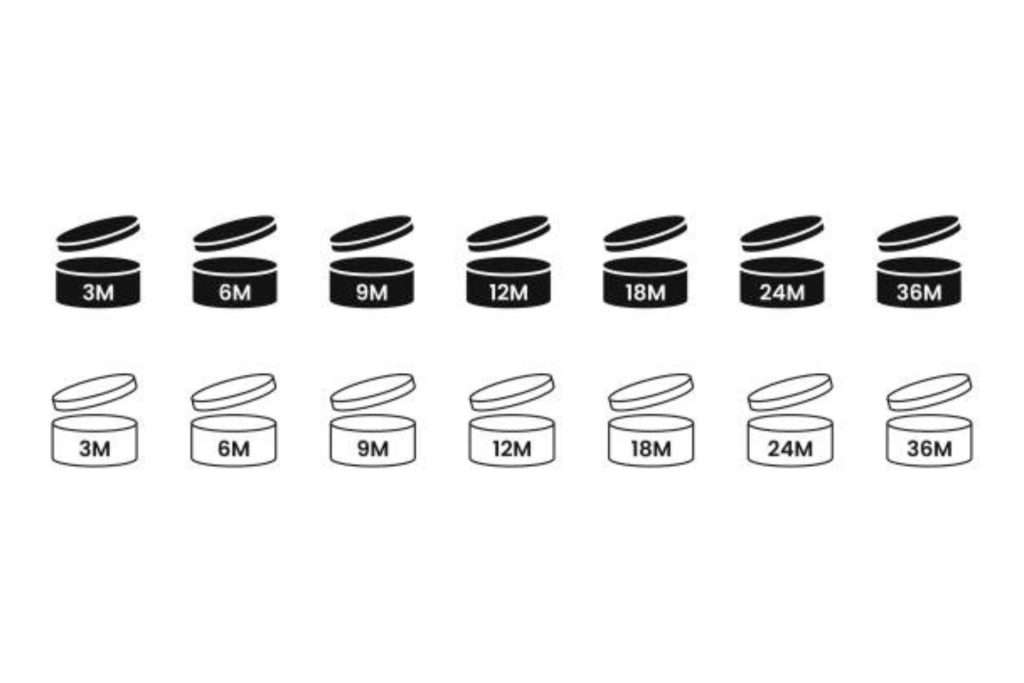
Even if it looks and smells fine, using an expired self-tanner is not a good idea as it may lead to patchy tan, skin damage, and negative reactions.

Q: Do They All Expire?

Yes, self-tanners have a shelf life, and their effectiveness diminishes over time due to various factors like exposure to direct sunlight and room temperature.

Q: Will an Expired Self-Tanner Ruin My Tan?

Using expired self-tanner may result in uneven tanning results, and it’s best to replace it for the desired effect.

Q: How Often Should I Replace My Self-Tanning Lotion?

As a general rule, replacing self-tanning lotion periodically ensures the best results and prevents skin damage.

Remember to always perform a patch test, especially for individuals with sensitive skin, before using any expired or new tanning products to avoid allergic reactions.

[jetpack-related-posts]
  • « Previous Page
  • 1
  • 2
  • 3
  • 4
  • 5
  • Next Page »

Copyright © 2026 · Theme by Marketing Templates Co.

We use cookies on our website to give you the most relevant experience by remembering your preferences and repeat visits.Read More By clicking “Accept All”, you consent to the use of ALL the cookies. However, you may visit "Cookie Settings" to provide a controlled consent.
Cookie SettingsAccept All
Manage consent

Privacy Overview

This website uses cookies to improve your experience while you navigate through the website. Out of these, the cookies that are categorized as necessary are stored on your browser as they are essential for the working of basic functionalities of the website. We also use third-party cookies that help us analyze and understand how you use this website. These cookies will be stored in your browser only with your consent. You also have the option to opt-out of these cookies. But opting out of some of these cookies may affect your browsing experience.
Necessary
Always Enabled
Necessary cookies are absolutely essential for the website to function properly. These cookies ensure basic functionalities and security features of the website, anonymously.
CookieDurationDescription
cookielawinfo-checkbox-analytics11 monthsThis cookie is set by GDPR Cookie Consent plugin. The cookie is used to store the user consent for the cookies in the category "Analytics".
cookielawinfo-checkbox-functional11 monthsThe cookie is set by GDPR cookie consent to record the user consent for the cookies in the category "Functional".
cookielawinfo-checkbox-necessary11 monthsThis cookie is set by GDPR Cookie Consent plugin. The cookies is used to store the user consent for the cookies in the category "Necessary".
cookielawinfo-checkbox-others11 monthsThis cookie is set by GDPR Cookie Consent plugin. The cookie is used to store the user consent for the cookies in the category "Other.
cookielawinfo-checkbox-performance11 monthsThis cookie is set by GDPR Cookie Consent plugin. The cookie is used to store the user consent for the cookies in the category "Performance".
viewed_cookie_policy11 monthsThe cookie is set by the GDPR Cookie Consent plugin and is used to store whether or not user has consented to the use of cookies. It does not store any personal data.
Functional
Functional cookies help to perform certain functionalities like sharing the content of the website on social media platforms, collect feedbacks, and other third-party features.
Performance
Performance cookies are used to understand and analyze the key performance indexes of the website which helps in delivering a better user experience for the visitors.
Analytics
Analytical cookies are used to understand how visitors interact with the website. These cookies help provide information on metrics the number of visitors, bounce rate, traffic source, etc.
Advertisement
Advertisement cookies are used to provide visitors with relevant ads and marketing campaigns. These cookies track visitors across websites and collect information to provide customized ads.
Others
Other uncategorized cookies are those that are being analyzed and have not been classified into a category as yet.
SAVE & ACCEPT