• HOME
  • RELATIONSHIPS
  • HOLIDAYS
  • WELLNESS
  • CAREER & FINANCE
  • FASHION
  • BEAUTY
  • LIVING

Advice From Nobody

You are here: Home / Archives for AdviceFromNobody

10 Life-Changing Tips To Keep Your House Clean, Even If You Hate Cleaning

Filed Under: Helpful Hacks, Clean Home // 07/16/2024

wipe down bathroom sink

I hate to clean, I despise it.

But I hate being in a dirty house even more, and I know I’m not alone. So here are 10 organizational tips to help get your home or room tiny and keep it that way.

1. Declutter Your Home

The first thing you should do is declutter your space.

Clutter builds up really fast, you just keep accumulating more stuff and it gets harder to clean and keep organized.

Take a day, and go through your things to declutter. Make different piles of what you need, what you can throw away, and stuff to donate. When you don’t have a place for all the clutter, it ends up floating around your house making every room feel messy.

If you hardly use something, get rid of it. Stop saving things because you might use it and get rid of everything you don’t use anymore. This will make your home tidier and make cleaning much easier.

2. Keep Your Cleaning Supplies On Hand

If your dishwashing liquid were to stay in the living room, would you drag yourself all the way there every day to get it and wash the dishes? I wouldn’t, I would easily get distracted and make excuses each day, making the mess just pile up.

Keep your cleaning supplies where they are most needed, bathroom supplies in the bathroom, kitchen supplies in the kitchen, and so on.

This makes cleaning so much easier and narrows down the opportunities to get distracted or simply give up.

Consider getting a cleaning supply caddy to store your products in, this way you can carry around all your supplies as you make your rounds while you clean.

Related Post: Top 9 Cleaning Products, If You Hate Cleaning Like Me

3. Give Yourself Time Limits To Clean

No matter how much you hate cleaning, anyone can put up with something for ten minutes, right?

Put on a timer for ten minutes and clean your floors, once the timer is done, the floors are clean and all you had to do was spend ten minutes on it.

More often than not, you’ll be in the cleaning zone and be more enticed to continue your cleaning. By the time you’ve washed up your dishes, cleaned your counters, and fluffed all your pillows, it doesn’t matter how long you’ve done it for, your house is clean.

The point is to just begin, and that’s always the hardest part.

Related Post: How To Keep Your House Spotless By Cleaning These 11 Things Everyday

4. Don’t Always Be A Perfectionist

Get your house clean, not spotless, just clean.

If you’re always a perfectionist, you’ll spend hours on one area in the house, and by the time you’ve gotten that spotless, you’re tired and feel like stopping.

Get your bigger areas clean and tidy, if you’re a perfectionist, set aside a day where you get everything spotless and perfect and just maintain that the rest of the week.

5. Have Fun With It

Cleaning doesn’t have to be a bore!
When you need to organize or clean things up, blast your favorite songs or my personal favorite, listen to a good podcast, or talk to a friend on the phone while you both clean.

6. Make Time To Clean

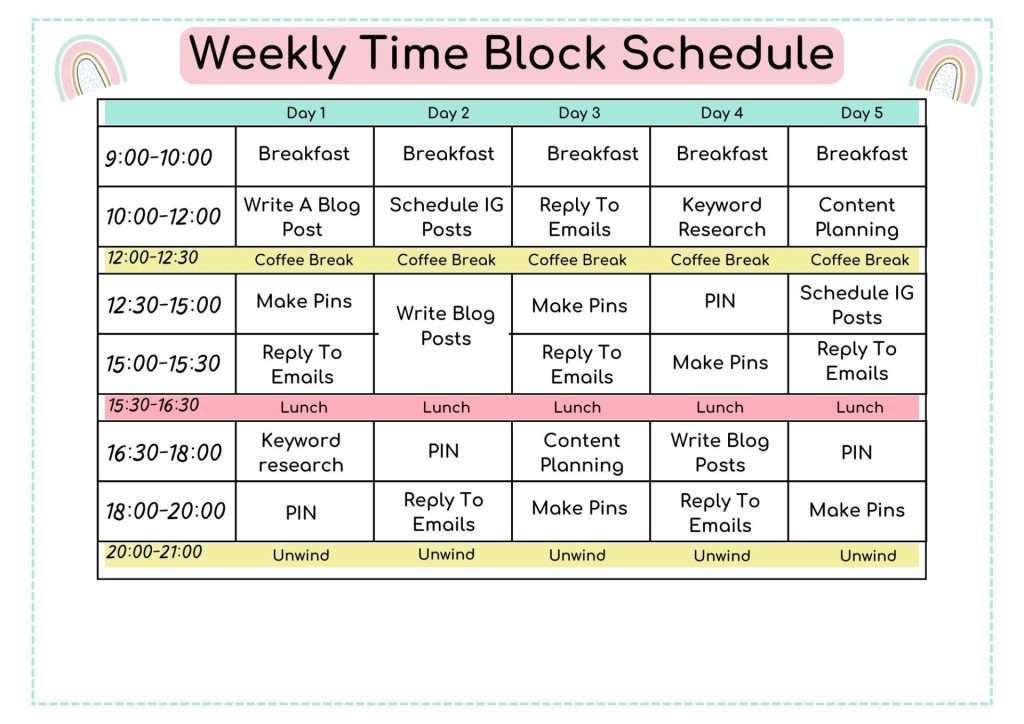
If you’re like me and you schedule everything you need to do each day, then you’ll benefit from this.

Schedule cleaning time into your days too, this will stop you from feeling stressed and like you hardly ever have time to clean your house.

This will also allow you to keep the mess at bay if you’re cleaning at a regular time each day.

7. Prioritize Cleaning In The Mornings

Cleaning is one of those things we easily put off. You start your days and notice that the house is slightly a mess but you’ll get it later.

You work all day, make dinner at 9 and relax and watch a movie as you enjoy dinner. Then it’s almost midnight and you’re spent and want to go to bed.

Schedule your cleaning time for earlier on in the day, even if it’s just 20 to 30 minutes a day. Just get it out of the way.

8. Give Everything A Home

Now that you’ve decluttered, it’s time to make sure all the things you’re keeping have their place in the home.

For instance, a shelf in the living room is useful for your remote and magazines, and hooks in the hall can home your purses, keys, and coats.

The more specific you can get for storage, the easier it will be to find and keep things clean. Instead of just throwing things on shelves, put boxes and bins on the shelves to make it even more organized.

Have a junk drawer for all those miscellaneous items that can’t take up an entire shelf or bin. Now Im not saying throw actual junk in there, still keep it clean and tidy as well as clutter it regularly.

9. Clean Whenever You Find A Mess

If you go grab a glass of water, and you notice there are a few dishes in the sink, take 5 minutes to wash them up.

This will make your house look much cleaner and all you had to do was spend 5 minutes tidying up.

10. Make Your Bed Every Day

One of the easiest ways to look like you’ve got your home in order is by making your bed each morning.

Bonus, it will help set the tone for the day too, making you more likely to stick to being tidy.

There you have it, 10 easy or organizational tips for all the lazy people who still want to keep their house clean.

Are you a busy mom who feels like she barely gets time to clean? Behind The Classroom has an Easy Weekly Cleaning Schedule for Working Moms.

[jetpack-related-posts]

These 9 Cleaning Products Will Make Keeping Your Home Clean So Much Easier

Filed Under: Clean Home // 07/16/2024

Cleaning is something you either enjoy or don’t. There is really no in-between.

I wouldn’t say I like cleaning but appreciate a clean space. That’s why I’d like to share some of my favorite cleaning products, which will completely change your life and make cleaning just a little easier.

These are necessities that you need and will most likely use regularly. Use this post as a checklist to verify that you have all the cleaning supplies you require before it’s too late!! We all enjoy being well-prepared.

Related Post: How To Keep Your House Spotless By Cleaning These 11 Things Everyday

9 Home Cleaning Products You Need

With a few simple supplies, you’ll be able to get through the cleaning process quickly. If you need extra help, here are 10 hacks for keeping your home clean, but for now here’s what you’ll require:

1

Bissell Featherweight Bagless Vacuum

$34 AT AMAZON

If you can only get one item from this list, it has to be a vacuum. A vacuum cleaner is more important than you may think. I use my vacuum daily to keep my floors clean, now you don’t need any of those fancy vacuums that cost an arm and a leg.

The Bissell Lightweight Bagless Vacuum is an amazing option, rated at 4.3 with over 99 000 reviews and it will only set you back $34. A must-have!

You Might Also Like: 10 Life-Changing Tips To Keep Your House Clean, Even If You Hate Cleaning

2

Mrs. Meyer’s All-Purpose Cleaner Spray

$10 AT AMAZON

Everyone, in my opinion, needs a good multipurpose spray in their lives. They are useful for cleaning countertops, desks, and areas around bathroom sinks quickly, they just make cleaning a breeze.

And they are super affordable.

I love to use Mrs. Meyers, they have a great array of scents plus they are plant-based, have essential oils for that fresh scent, and are free of many of those cancer-causing chemicals.

3

E-Cloths

$29 AT AMAZON

E-Cloths are great for cleaning any surface.

The E-Cloth Home Cleaning Set provides you with everything you need for gleaming surfaces in an instant. Seven specialist microfiber cleaning and polishing cloths clean and polish with simply water.

4

FOLEX Instant Carpet Spot Remover

$20 AT AMAZON

Hands down the greatest carpet spot cleaner!! It also looks excellent on couches and other fabric-covered furniture.

It is also suitable for usage in the presence of kids and pets.

5

Floor Steamer

$70 AT AMAZON

The best way to clean your floors. Mops can harbor a lot of germs and honestly, they just don’t cut it when it comes to killing germs, they might just deposit it if you don’t clean your mop well.

Floor steamers are amazing, the steam really cleans your flor, making it all that much safer for your kids and pets to roll around on, and even eat off of (because you cant stop them from doing that).

6

Glass Cleaner

$13 AT AMAZON

A good glass cleaner for mirrors and windows is essential for everyone.

Sprayway Ammonia Free Glass Cleaner is a great one! This one leaves no streaks and makes your mirrors and windows shine like new.

7

Toilet Bowl Cleaner

$5 AT AMAZON

This keeps your toilet bowl white and sparkling, without costing you basically nothing.

8

Toilet Brush And Plunger

$22 AT AMAZON

Sticking to the bathroom, a toilet scrub is a must, need I say more?

9

Micro Fiber And Squeegee Set

$16 AT AMAZON

Great for keeping glass surfaces clean and removing buildup from them daily.

I hope you found this list useful and discovered some new products to try to keep your home clean. Everyone should have a good time cleaning.

[jetpack-related-posts]

How To Keep Your House Spotless By Cleaning These 11 Things Everyday

Filed Under: Clean Home // 07/16/2024

things to clean daily

If you aren’t a cleaning enthusiast, you probably save your energy for bi-weekly or monthly deep cleans.

While these can be effective for some areas of your space, there are certain parts of your home that need to be cleaned every day.

That doesn’t mean you need to break out all your cleaning supplies—a light, general wipe-down is all it takes to keep your home polished.

Not only will doing so make your space feel more put together, but it will also lighten the load when it’s time for a more thorough scrubbing.

You Might Also Like: 10 Life-Changing Tips To Keep Your House Clean, Even If You Hate Cleaning

1. Wipe Kitchen Counters

wiping down counters

The kitchen is the heart of the home, and it often sees a lot of action throughout the day.

From meal prep to snack time, kitchen counters can quickly become a breeding ground for bacteria.

A quick wipe down with a mild cleaner or disinfecting wipe after each meal can prevent crumbs, spills, and germs from accumulating.

This simple habit keeps your kitchen looking tidy and ready for the next culinary adventure.

Related: My Weekly Cleaning Schedule Will Help You Stay on Top of Household Chores

2. Do The Dishes

washing the dishes

Dirty dishes can quickly pile up, creating a dirty and unhygienic kitchen.

Make it a habit to wash dishes immediately after use or load them into the dishwasher.

This daily practice prevents food scraps from hardening and keeps your kitchen looking clean and tidy.

You Might Also Like: 31 One-Pot Dinner Ideas For People Who Hate Doing Dishes

3. Clean The Kitchen Sink

clean the sink

The kitchen sink can get dirty pretty quickly, from food scraps, grease, and bacteria.

To maintain a clean and fresh kitchen, give your sink a daily scrub.

Use a gentle cleanser and a sponge to remove any buildup. This quick task ensures that your sink remains spotless and ready for use, making your kitchen more pleasant to work in.

4. Clean The Coffee Maker

For many, the coffee maker is an important part of the morning routine.

However, it can also become a breeding ground for mold and bacteria if not cleaned regularly.

After each use, rinse the coffee pot and any removable parts.

At the end of the day, run a quick cycle with water and a bit of vinegar to keep your coffee maker in top condition and ensure your coffee tastes fresh every day.

5. Wipe Down Bathroom Sinks

wipe down bathroom sink

Bathroom sinks can get super dirty with toothpaste splatter, soap scum, and water spots in no time.

To keep a clean and fresh bathroom, give your sink a daily wipe-down.

Use a damp cloth or sponge with a bit of all-purpose cleaner.

This small task makes sure that your sink remains spotless and ready for use, making your morning and evening routines much more pleasant.

6. Squeegee Glass Shower Walls

Squeegee Glass Shower Walls

Glass shower walls can quickly build up soap scum and water spots, making your bathroom look less than pristine.

After each shower, take a moment to squeegee the glass walls.

This daily habit prevents buildup and keeps your shower looking clear and sparkling.

Related Post: Top 9 Cleaning Products, If You Hate Cleaning Like Me

7. Clear The Dining Table

Your dining table is the gathering spot for meals and conversations, but it can also collect crumbs, spills, and fingerprints.

After each meal, take a moment to wipe down the table with a damp cloth.

This simple act prevents grimy buildup and keeps your dining area looking inviting for your next family dinner or casual get-together.

8. Clean High-Touch Surfaces

Think about how often you touch light switches, door handles, the fridge door, and remote controls throughout the day.

These high-touch surfaces can quickly become hotspots for germs.

A quick wipe with a disinfectant wipe or spray each day can significantly reduce the spread of bacteria and viruses.

It’s a small effort that can make a big difference in maintaining a cleaner home environment.

9. Floors in High-Traffic Areas

sweep the floors

High-traffic areas like the kitchen, entryways, and hallways see a lot of foot traffic, bringing in dirt from outside.

A quick sweep or vacuum of these areas each day can prevent dirt from being tracked further into your home.

This daily maintenance helps keep your floors cleaner and reduces the need for more intensive cleaning sessions.

10. Clean Up Pet Areas

If you have pets, their feeding and sleeping areas can get dirty quickly.

Daily cleaning of these spots is essential to prevent odors and maintain a healthy environment for your furry friends.

Wipe down their bowls, clean up any spilled food, and give their sleeping area a quick refresh. This simple routine ensures your pets are comfortable and your home stays fresh.

11. Your Desk or Workstation

clean desk

For those who work from home or have a dedicated workspace, keeping your desk organized and clean is great for productivity.

At the end of each day, take a few minutes to tidy up your desk, clear away clutter, and wipe down the surface.

This habit creates a more pleasant and efficient work environment, setting you up for a productive day ahead.

Adding these daily cleaning habits into your routine doesn’t have to be time-consuming or overwhelming.

By tackling these areas each day, you’ll keep your home looking polished and significantly reduce the workload when it’s time for a deeper clean.

A few minutes of effort each day can lead to a cleaner, healthier, and more enjoyable living space.

Pin For Later!

how to keep your house spotless by cleaning these 11 things daily
11 things you should clean everyday to have a spotless & clean home

[jetpack-related-posts]

Here’s Exactly What to Wear During & After a Spray Tan

Filed Under: BEAUTY // 07/15/2024

should you wear a bra to get a spray tan

What You Wear to a Spray Tan Matters

It’s winter, you’re as pale as can be, you need to book a spray tan appointment ASAP, and wonder, what on earth should I wear for this spray tan?

What you wear to get a spray tan plays a bigger role than you’d think in the quest for a natural-looking tan.

But what do you wear when getting a spray tan? And what do you wear after a spray tan to protect your sunkissed skin?

Tight clothes, like leggings, are your enemy here, they can ruin a freshly applied tan faster than you can say “streaky mess.”

Loose and dark clothing will be your best friends during and after your session.

They help avoid those dreaded tan lines and protect your skin from rubbing the tan off prematurely.

I learned this the hard way, showing up in leggings once and leaving with a less-than-stellar tan.

You don’t want to make the same mistake. Trust me, opting for that baggy t-shirt and loose-fitting shorts will make all the difference.

After the session, the same rules apply. Patience and the right clothes ensure your tan develops into that even, golden hue that makes it look like you just came from vacation.

And here’s a hot tip, ditch the bra during your spray tan. Going without wearing your bra when you go get a spray tan helps avoid unsightly tan lines around your shoulders and back.

Also, hold off on wearing those tight leggings right after your spray tan or anything that clings too much. Giving your skin ample room to breathe and your tan time to set is crucial.

What you wear before, during, and after your spray tan significantly impacts not just your comfort but the quality of your tan. Go for roomy, dark outfits to come out looking and feeling your best.

  • Should You Shave Before Or After You Fake Tan
  • Everything You Need To Know About Tanning & Laser Hair Removal
  • Does Self-Tanning Lotion Expire? +How To Make It Last Long

How To Prepare For A Spray Tan

Getting your skin ready for a spray tan isn’t just about the tan itself; it’s about maximizing the results.

First off, exfoliating is key. Grab a gentle scrub and work away the dead skin.

This smooth canvas helps the tan apply evenly, giving you that flawless glow.

Next up, shower with cold water before your appointment. It sounds chilly, but this step closes your pores, preventing them from getting clogged with tanning solutions.

Now, let’s talk about what to wear.

Loose-fitting clothes are your best friends here.

Tight clothing can rub against your freshly tanned skin, leading to uneven spots or streaks – not what you signed up for.

Also, opt for darker colors. They’re less likely to show any solution that might transfer from your skin.

Remember, your choices in preparing your skin and selecting your outfit can make a huge difference in your tanning experience.

  • Self-Tanning Lotion Vs. Sunless Spray Tan: Which Is Best?
  • Can You Use Indoor Tanning Lotion Outside?

What to Wear to a Spray Tan Session

Walking into a spray tan appointment, you might wonder about the best outfit choice.

Loose clothing takes center stage here.

Tight outfits can lead to uneven lines and streaks, disrupting that flawless tan you’re aiming for. Dark colors are your allies since the tanning solution might stain light fabrics.

It’s a simple choice but crucial for a stress-free session.

As for the burning question, “Do I wear a bra for a spray tan?” the answer leans towards no. Going braless during the session ensures an even tan across your chest, without the risk of unwanted lines.

If not wearing one makes you uneasy, opt for an old, dark one ready to sacrifice for the cause.

Footwear is another detail you can’t overlook. Leave behind those tight sneakers or heels.

Flip-flops serve as the perfect option, keeping your feet comfortable and free from pressure-induced tanning mishaps.

You step into that room, and it’s just you, your flip-flops, and the promise of emerging with a beautifully even tan.

After all, planning what to wear to a spray tan session is about getting the best results while keeping accidents at a minimum.

  • The Best Way to Tan Legs in a Tanning Bed or Sun Fast
  • What’s The Best Time To Tan Before or After My Workout?
  • Will Spray Tanning Protect You From a Sunburn?

What to Wear After A Spray Tan Session

You just walked out of your spray tan session, looking like a sun-kissed goddess. The next step? Keeping that glow perfect.

Clothes can make or break a fresh tan.

Did I mention that loose clothing is your best friend? Tight clothes? Not so much.

They rub against your skin, risking your tan. Imagine putting effort into getting that natural-looking tan, only to spoil it by tight jeans or leggings.

Not worth it, right? Opt for oversized shirts, flowy dresses, or anything that doesn’t cling to your body. Your tan will thank you.

Now, about leggings. Can you wear them after a spray tan? Short answer: it’s better not to. Leggings, though comfy, tend to be snug. They can leave marks and, worse, strip your tan off where it’s tightest.

If you must slip into something leg-hugging, wait a day at least. By then, your tan has set, and the risk is lower.

Color choice matters too. Dark colors are the way to go. They’re less likely to show any tan that might rub off.

While you might love your white yoga pants, they’re not the best choice right now. Imagine those turning a lovely shade of bronze—on the outside. Stick to blacks, navies, or deep greens.

Footwear is another crucial choice. Flip-flops or sandals are ideal. They allow your feet to breathe and don’t rub against your ankles or toes.

Even a slight rub can lighten a tan. That’s what we’re avoiding here.

Countless loose, chic options complement your tan. This post-tan period is a great time to experiment with styles you might not usually consider. Flowy doesn’t mean frumpy. It’s all in how you wear it.

Choosing the right clothes after a spray tan isn’t just about maintaining your tan; it’s about comfort too. Tight clothes can feel restrictive on freshly tanned skin.

Looser options feel like a soft hug—a perfect end to your spray tan experience.

[jetpack-related-posts]

Here’s How To Grow Insanely Long Hair Using Hot Oil Treatments, Plus The Best Oils To Use

Filed Under: Hair // 07/15/2024

recommended oils for hot oil treatments

If you’re a part of the natural hair community, you’ve heard about or tried hot oil treatments.

The oils, like olive, almond, and coconut, when used in hot oil treatments work by sealing the hair cuticle.

This helps strengthen and protect your locks.

If your hair is dry, brittle, frizzy, color-treated, or prone to split ends, a hot oil treatment may be beneficial, or if you’re just looking to add some shine to your hair.

Benefits Of Hot Oil Treatments

Hot oil treatments are also useful for helping to stimulate blood flow, as well as helping with hair growth. Hot oil treatments for hair provide many benefits to help your mane flourish such as:

-Moisturizes dry and brittle hair

-Revives your curls

-Helps with dry scalp

-Increases the blood circulation in your scalp

-Strengthens the hair

-Adds shine to your hair

-Helps prevent split ends and frizz

-Help with dandruff relief

-Reduces frizz

Benefits of hot oil treatments

Safety Measures Before Doing a Hot Oil Treatment

Hot oil treatments involve applying heated oil to your hair and scalp. It is important to take safety measures when performing a hot oil treatment to prevent burns or injury.

-Always ensure the oil is not too hot before applying it to the hair and scalp, apply a small amount to your wrist to test it out.

-Never leave the heated oil unattended, especially if you have any children or pets around.

-Start with a small amount of oil and apply it to a small section of hair to test the temperature before applying it to the entire head. Yes, even after you’ve tested it on your wrist.

-Never heat oil that is in a plastic container as it can melt.

-To reduce the risk of a reaction, look for oils that aren’t combined with any synthetic ingredients.

-If you experience any burning or discomfort during the treatment, rinse the oil out immediately and seek medical attention if necessary.

What Oil Is Best For An At-Home Hot Oil Treatment

There are many different oils that can be used for hot oil treatments, each with its own unique benefits for the hair and scalp. It’s important to find the right blend for you. Some of the most popular oils used for hot oil treatments include:

-Coconut oil: This oil is rich in fatty acids and vitamins, making it great for moisturizing the hair and scalp. It also helps to strengthen hair and prevent breakage. This leaves the hair soft and shiny.

-Olive oil: This oil is rich in antioxidants and fatty acids, making it great for moisturizing the hair and scalp. This oil tends to be on the heavier side, so it’s best for drier hair that really needs that moisture retention. Be careful not to be too heavy-handed as it can weigh down your hair. It also helps to strengthen hair and prevent breakage. This oil is great for damaged hair and can help combat frizz and flyaways.

-Jojoba oil: This oil is similar to the natural oil produced by the scalp, making it an effective moisturizer. It also helps to balance the scalp’s natural oil production, and it can help to improve hair growth. It is a light oil that is easily absorbed by the hair and scalp. It helps to moisturize and nourish the hair and scalp, leaving it feeling soft and smooth.

-Argan oil: Argan oil is rich in antioxidants and essential fatty acids, it helps to hydrate and nourish the hair, improving its elasticity and reducing breakage. It also helps to repair damage, promote hair growth, and control frizz.

-Castor oil: This oil is rich in fatty acids and has antibacterial properties that make it great for promoting hair growth. It also helps to moisturize the hair and scalp. Castor oil is also known for its ability to promote hair thickness and helps treat dry and itchy scalp.

-Almond oil: This oil is rich in vitamins E and D, which makes it great for moisturizing the hair and scalp. It also helps to strengthen hair and prevent breakage. It is known for its ability to nourish the hair and scalp, it also works as a detangler making hair more manageable.

-Avocado oil: Avocado oil is high in vitamins A, D, and E, and is also rich in fatty acids. It is known to penetrate the hair shaft to nourish and moisturize the hair.

These are a few of our favorites, always make sure to pick the oil best suited for your need at that time. Additionally, you can always create your own blend of oils or use a premade oil treatment.

Use the oil that best suits your hair type, also it is best to use pure, cold-pressed, organic oils for the best results.

How To Do a DIY Hot Oil Treatment

Now that you’ve decided on which oil to use, let’s get into the process of hot oiling by following these simple steps,

-Work on clean hair: Hot oil tends to work best on clean hair. This allows the oil to deeply penetrate the hair cuticle. However, if you do want to do a hot oil treatment before your washday, this is also fine.

-Heat the oil: Place your oil in an applicator bottle or in a bowl that is safe for heating. Then, put your oil in hot water if you are using an applicator bottle or the microwave for around 10 seconds if you are using a bowl.

-Test the heat: Before applying the oil to your hair and scalp, test a small amount of the oil on your wrist to make sure it’s not too hot, this will prevent you from burning your scalp.

-Detangle: Run a brush through your hair to get rid of any knots, this will help make the application process all that much easier and help ensure smooth styling afterward.

-Apply: Apply the oil evenly throughout your hair and massage it into your scalp. Cover your head with a shower cap and your bonnet for more insulation. And wait for 20 minutes to an hour. Ideally, you can leave it in overnight.

Rinse: After a minimum of 20 minutes, completely rinse out the oil from your hair, and follow up with your normal conditioner.

And that’s it, You now know how to do an at-home hot oil treatment, you can now use your favorite products and continue to style your hair as desired.

[jetpack-related-posts]

Here’s How To Grow Insanely Long Hair Using Hair Growth Oils

Filed Under: Hair // 07/15/2024

Everything you need to know about hair oils

Hair oils have emerged as essential tools in the beauty regimen, even for those with oily scalps, defying the common belief that they exacerbate greasiness.

These versatile products are not only about adding shine; they offer a range of benefits.

To make the most of hair oils, it’s crucial to understand what they are and how they differ from serums.

What Are Hair Oils?

Your scalp naturally produces oil to maintain moisture and prevent your hair from becoming dry and brittle.

However, not all scalps produce the right amount of oil. Hair types like curls or coils can struggle with effectively distributing natural oils along the hair shaft.

This is where hair oils come into play.

They are typically made from a variety of natural or synthetic oils, such as coconut, argan, jojoba, or olive oil.

These oils are renowned for promoting hair health and enhancing its appearance, making them a staple in the beauty industry.

Related Post: The Best Hair Oils On Amazon

The Benefits Of Hair Oils

The benefits of using hair oil go beyond aesthetics, they aren’t just good for adding a bit of shine to the hair, they can also be used for:

Heat Protection: Hair oils can act as a barrier, protecting your hair from the potential damage caused by heat-styling tools like blow dryers. This is especially true for those containing silicones or lightweight oils.

Frizz Control: By providing moisture and sealing the hair cuticles, hair oils can effectively tame frizz and flyaways. This helps in preventing frizz caused by humidity or environmental factors.

Added Shine: Hair oils enhance the natural shine of your hair, giving it a healthy and lustrous appearance. They reflect light, making your hair appear smoother and more radiant.

Environmental Shield: Hair oils offer protection against the regular wear and tear of environmental aggressors like pollution.

Healthy Hair Growth: Certain oils, such as coconut and rosemary, are believed to strengthen the hair and promote healthy growth. They nourish the scalp, improve blood circulation, and provide essential nutrients to the hair follicles.

Minimal Irritation: Some oils, like tea tree oil, possess antibacterial, antiseptic, and anti-inflammatory properties that keep your scalp free of conditions causing itchiness, flakes, and breakouts.

Although hair oils can’t magically repair split ends, they help prevent them by moisturizing the hair and reducing the chances of breakage.

Once split ends appear the only effective solution is to trim them.

Are Hair Oils And Hair Serums The Same Thing?

It’s important to distinguish hair oils from hair serums.

While both enhance the hair’s appearance and health, they differ in composition and absorption.

Oils are oil-based and penetrate the hair cuticle, providing deep nourishment and conditioning.

Serums, on the other hand, are liquid-based and seal the cuticle from the outside, offering immediate shine and smoothness.

How To Choose The Best Hair Oils For You

When choosing a hair oil, consider your hair and scalp’s unique needs.

Different oils may have varying effects. For instance, argan oil is rich in fatty acids and antioxidants, improving elasticity and reducing frizz. Castor oil strengthens hair, combats hair loss, and helps with dandruff.

Jojoba oil is ideal for oily scalps as it closely resembles the natural oils produced by the scalp. Grapeseed oil is suitable for most hair types, absorbing quickly without feeling greasy.

Monoi oil is known for controlling frizz and taming dandruff. Peppermint oil stimulates hair follicles and increases circulation, aiding in preventing hair loss.

How To Use Hair Oils

Applying hair oil is simple.

Use it on dry or damp hair before blow-drying or air-drying, focusing on the ends rather than the scalp. Start with a few drops, as hair oil is concentrated, and use it once or twice a week.

For those with very dry hair or breakage issues, massaging a small amount into the scalp can increase blood flow and moisturize the scalp for healthier hair growth.

If you have an oily scalp, you can still benefit from hair oil by using it as a pre-shampoo treatment or mixing it with your conditioner or mask treatments to minimize contact with your scalp and roots.

You can also enhance deep conditioning treatments by incorporating hair oil, creating a nourishing blend to meet your hair’s specific needs.

Incorporating hair oil into your hair care routine is a versatile and effective way to achieve the soft, shiny hair you desire, regardless of your scalp type or concerns.

Save For Later!

The right way to oil your hair
Everything you need to know about hair oils
[jetpack-related-posts]

Here’s How To Grow Insanely Long Hair Using Castor Oil

Filed Under: Hair // 07/15/2024

Pure Jamaican black castor oil

If you have natural hair, you probably have your holy grail products for your hair. And one of these products should be pure Jamaican black castor oil.

Before the natural hair community claimed this oil for its amazing benefits, castor oil was used medicinally for constipation, stomach aches, and others.

Now castor oil is one of the best oils used to thicken hair, regrow edges, and speed up hair growth.

What Is Pure Jamaican Black Castor Oil?

Castor oil, extracted from the seeds of the castor bean plant (Ricinus communis), is a true MVP when it comes to hair products for natural hair care within the Type 4 hair community.

Rich in ricinoleic acid—an essential fatty acid known for its nurturing properties—castor oil offers a multitude of benefits for curly hair types, especially if you have fragile and dry hair or a dry scalp.

Castor oil has been celebrated for centuries across diverse cultures for its versatility and therapeutic potential and is often called a miracle oil.

Its applications span far and wide from ancient medicinal practices to modern-day cosmetic formulations.

When it comes to hair care, castor oil is known as one of the best hair oils. The benefits of castor oil address the unique needs of type 4 hair.

Being one of the heavier oils, castor oil allows it to form a protective barrier over the hair shaft, sealing in moisture and shielding against environmental stressors.

Related Post: Castor Vs Jojoba Oil, Which Is Best For Natural Hair Growth

The Benefits Of Castor Oil

As you now know, castor oil is an amazing hair oil and should be part of your hair care routine because of its numerous benefits. Here are the many benefits of castor oil:

1. Sealant Oil: With its thick consistency, castor oil is a great sealant oil, and does a great job at locking in moisture within the hair shaft.

This protective layer helps to combat dry hair and prevent moisture loss, leaving 4C hair hydrated.

2. Promotes Hair Growth: A standout feature of pure Jamaican castor oil is its ability to stimulate hair growth.

Rich in nutrients, like ricinoleic acid, and essential fatty acids, it nourishes the scalp, promotes blood circulation, and encourages the growth of healthy hair follicles, leading to enhanced length and density over time.

Scientific studies have demonstrated that ricinoleic acid stimulates hair growth and enhances the thickness of individual hair strands.

As a result, regular use of castor oil can lead to noticeably healthier, longer, and more luscious locks.

3. Strengthens Your Hair: The nourishing properties of castor oil, like omega-6 and omega-9 fatty acids, strengthen the hair shaft, reducing breakage and split ends.

Regular use of castor oil strengthens natural hair, making it more resilient and durable over regular usage.

4. Reduces Scalp Inflammation: Castor oil possesses anti-inflammatory properties that can soothe and calm the scalp, alleviating conditions such as itching, irritation, and inflammation.

By promoting scalp health, castor oil gives you a healthy foundation for optimal hair growth.

5. Conditions and Softens Your Hair: When applied to the hair, castor oil acts as an effective conditioner, making it softer and more manageable to coarse type 4 hair.

Its emollient nature smooths the hair cuticle, enhancing texture and making it easier to detangle.

6. Reduces Breakage: By moisturizing and strengthening the hair shaft, castor oil helps to minimize breakage and damage.

Its nourishing properties penetrate deep into the hair, fortifying each strand from within and reducing the risk of breakage during styling or manipulation.

7. Treats Dandruff: The anti-inflammatory and antimicrobial properties of castor oil make it a great scalp treatment for dandruff, dry scalp, and scalp infections.

Regular application can help to soothe an itchy scalp and reduce the presence of flakes, promoting a healthy scalp.

8. Thickens Your Hair: With consistent use, castor oil has been observed to contribute to thicker, fuller hair.

Its nutrient-rich formula nourishes the hair follicles, encouraging healthy hair growth and enhancing the overall volume and density of curly hair.

9. Adds Shine and Luster to Your Hair: Castor oil gives natural hair a shine and natural luster. Its sealing properties enhance the hair’s natural sheen, leaving it looking vibrant and healthy.

10. Reduces Hair Loss: By strengthening the hair shaft and promoting a healthy scalp, castor oil can help minimize hair loss and promote retention.

It has the ability to fortify the roots of your hair and improve blood circulation for healthy hair growth, reducing the risk of excessive shedding.

The benefits of castor oil for type 4 hair are plenty, ranging from reducing moisture loss and promoting healthy hair growth to improving scalp health and adding shine.

Adding castor oil to your hair care routine can give you the best results for curly hair.

Is Castor Oil Good For Natural Hair?

long type 4 hair from using castor oil

Castor oil is one of the best natural oils for hair, especially for 3 to 4 hair types prone to dryness and breakage.

With its thick consistency and being one of the most nutrient-rich oils, castor oil acts as a sealant, locking in much-needed moisture and preventing moisture loss—essential for maintaining healthy, hydrated curls.

Not only does it promote hair growth by stimulating blood circulation to the scalp, but it also strengthens hair strands, reducing breakage and split ends, a common concern when you have curly hair.

Regular use of castor oil can lead to thicker, longer, and healthier hair. Whether you’re looking to reduce scalp inflammation, treat dandruff, or simply add shine and luster to your locks, castor oil is a great addition to natural hair care.

How To Use Castor Oil For Natural Hair

To really benefit from castor oil, you have to use it the right way. Here are several ways to use castor oil to promote the health of your curls:

Pre-poo Treatment:

Before shampooing, apply castor oil generously to dry or wet hair, focusing on the lengths and ends of your hair.

This pre-poo treatment helps to create a protective barrier, preventing the stripping of natural oils during the cleansing process.

Leave the natural oil in for at least 30 minutes, or for even deeper penetration, overnight. Make sure to wear a plastic cap and your bonnet to protect your pillowcase and insulate your scalp.

Follow up with your regular wash day routine.

Hot Oil Treatment:

Treat your hair to a hot oil treatment using castor oil, and a few other natural oils to deeply nourish and hydrate your hair.

Combine one part each of coconut oil, pure Jamaican castor oil, and argan oil. Warm the oils in a heat-safe container, then apply them to your scalp and hair, massaging gently to ensure even distribution.

Cover your hair with a shower cap or warm towel and leave the oil in for 30-60 minutes to allow it to penetrate deeply.

Rinse thoroughly and proceed with your usual wash day routine.

(If you do not have the other oils on hand, it’s ok to just use castor oil, but because it is a heavier oil, it can be hard to use alone.)

Scalp Massage:

Incorporate scalp massages with castor oil into your weekly hair care routine to promote blood circulation and stimulate healthy hair growth.

Using your fingertips, gently massage pure Jamaican castor oil (I like Sunny Isle Jamaican Black Castor Oil) into your scalp in circular motions for 5-10 minutes.

This massage not only nourishes the scalp but also helps to alleviate dry and itchy scalp and inflammation.

Related Post: Do You Need To Oil Your Scalp?

Sealant Oil After Wash Day:

After washing and conditioning your hair, use castor oil as a sealant to lock in moisture and keep your curls hydrated throughout the week.

After styling your hair with your favorite hair products, apply a small amount of castor oil to your fingertips and gently work it through the lengths and ends of your hair.

Related Post: Moisturizing Vs Sealing Oils, What’s Best For Natural Hair

Deep Conditioner for Dry Hair:

Create your DIY deep conditioner using castor oil to combat dryness and restore moisture to your curls.

Combine the following ingredients in a bowl:

  • 1/4 cup of plain yogurt
  • 2 tablespoons of honey (which is a great humectant)
  • 1 tablespoon of castor oil

Mix until well combined, then apply the mixture to clean, wet hair, focusing on the lengths and ends of your hair.

Cover your hair with a shower cap and leave the deep conditioner on for 30 minutes to an hour. Rinse thoroughly and style as desired for soft, nourished curls.

Which Castor Oil Is Best For Natural Hair?

When it comes to choosing the right castor oil for your natural hair, two popular options stand out: Organic Cold Pressed Castor Oil and Pure Jamaican Black Castor Oil.

Each variant offers unique benefits to meet the many needs of your curls.

Organic Cold-Pressed Castor Oil:

Organic Cold Pressed Castor Oil is derived from castor seeds through a method that preserves the oil’s natural nutrients and properties.

As the name suggests, this oil is extracted without the use of heat or chemical solvents, ensuring maximum purity and potency. It’s a pale yellow color and a mild nutty aroma.

Benefits of Organic Cold-Pressed Castor Oil On Natural Hair:

Organic Cold Pressed Castor Oil is rich in essential fatty acids, vitamins, and minerals, making it an excellent choice for promoting hair growth and nourishing the scalp.

Its lightweight texture makes it ideal for moisturizing the hair without weighing it down, leaving your curls soft, shiny, and manageable.

This oil is versatile and can be easily incorporated into various hair care recipes, such as pre-poo treatments, scalp massages, and DIY deep conditioners.

Pure Jamaican Black Castor Oil:

sunny isle jamaican black castor oil

Pure Jamaican Black Castor Oil is a variant of castor oil that has been roasted before extraction.

This process involves roasting the castor seeds, resulting in a darker color and a stronger, more pungent aroma compared to cold-pressed castor oil.

Jamaican Black Castor Oil is celebrated for its potent hair growth-stimulating properties and is a staple in many natural hair care routines.

Benefits of Pure Jamaican Castor Oil on Natural Hair:

Jamaican Black Castor Oil is renowned for promoting healthy hair growth and strengthening hair strands, making it an excellent choice for those looking to achieve longer, thicker hair.

Its thick consistency makes it an effective sealant oil, locking in moisture and preventing moisture loss, particularly beneficial for dry, brittle hair types.

This oil is highly concentrated and potent, requiring only a small amount to achieve desired results. It can be used as a scalp treatment, hot oil treatment, or added to deep conditioners for an extra boost of hydration and nourishment.

Both Organic Cold Pressed Castor Oil and Pure Jamaican Black Castor Oil offer valuable benefits for natural hair, with each catering to different hair needs.

Whether you opt for the lightness of cold-pressed castor oil or the richness of Jamaican Black Castor Oil, using castor oil in your hair care routine can help you achieve healthier, more vibrant curls.

Get the Sunny Isle Jamaican Black Castor Oil on Amazon for just $7.

Side Effects of Using Castor Oil on Your Hair

While castor oil offers many benefits for natural hair, it’s essential to be aware of the potential side effects of regular use of castor oil, particularly with improper use or sensitivity to the oil:

1. Allergic Reactions: Some individuals may experience allergic reactions to castor oil, resulting in symptoms such as itching, redness, or irritation of the scalp.

Perform a patch test before applying castor oil to your hair and scalp to assess your sensitivity to the oil.

2. Excess Oiliness: Castor oil has a thick consistency that can leave hair feeling greasy or weighed down, especially when using too much oil.

Using too much castor oil or not washing it out properly may lead to an unwanted buildup, making the hair appear greasy and flat.

3. Clogged Pores: Because it is a heavier oil, castor oil can potentially clog the pores on the scalp, especially if not thoroughly rinsed out after application.

4. Over-Drying: While castor oil is excellent for sealing moisture into the hair, using it without proper hydration or in excessively dry conditions may lead to over-drying of the hair shaft.

This can result in brittle, fragile strands that are prone to breakage.

FAQ about Castor Oil for 4C Hair:

1. How often should I put castor oil in my natural hair? It’s best to apply castor oil to your hair 1-2 times per week to prevent buildup and ensure optimal absorption of nutrients.

2. Can I use castor oil on low-porosity hair? Yes, castor oil can be used on low-porosity hair, but it’s essential to apply it sparingly and use it as a hot oil treatment or mix it with lighter oils for better absorption.

3. Can I use castor oil on high-porosity hair? Yes, castor oil can benefit high porosity hair by sealing in moisture and strengthening the hair shaft but be careful of using too much as it may weigh down the hair.

4. Should I apply castor oil on dry or wet hair? Castor oil can be applied to either dry or wet hair, but it’s generally more effective on damp hair as it helps to lock in moisture.

5. Can I oil my hair every day? While it’s not necessary to oil your hair every day, you can do so if your hair requires extra hydration, but be mindful of potential buildup.

6. When should you not use castor oil for hair? Avoid using castor oil if you have allergies to its ingredients, experience scalp irritation, or notice excessive hair loss after use.

7. Which oil is best for 4C hair? Castor oil is one of the best oils for 4C hair due to its ability to moisturize, strengthen, and promote hair growth. You can read about the best hair oils for 4c hair here.

8. Is castor oil okay for curly hair? Yes, castor oil is suitable for curly hair as it helps to hydrate curls, reduce frizz, and enhance shine.

9. Can we apply castor oil directly on hair? Yes, castor oil can be applied directly to the hair and scalp, but it’s essential to massage it in thoroughly for even distribution.

10. Does castor oil grow hair? Castor oil contains nutrients that can stimulate hair growth and improve hair health, but individual results may vary.

11. What grows 4C hair faster? Consistent hydration, proper nutrition, and regular scalp massages with castor oil can promote faster growth for 4C hair, read more on how to grow natural hair here.

12. What does castor oil do for hair? Castor oil moisturizes the hair, strengthens hair strands, promotes hair growth, and helps to alleviate scalp issues like dandruff.

13. What can I mix castor oil with for my hair? Castor oil can be mixed with lighter oils like coconut or jojoba oil for easier application and absorption.

14. What happens if you apply castor oil to your hair daily? Applying castor oil daily may lead to buildup and weigh down the hair, so it’s best to use it in moderation.

15. How fast does castor oil work? Results vary, but regular use of castor oil can lead to noticeable improvements in hair health and growth within a few weeks to months.

16. What are the disadvantages of applying oil to your hair? Disadvantages may include the potential for buildup, allergic reactions, or weighing down of the hair if oils are applied excessively or if unsuitable for your hair type.

Pin For Later!

[jetpack-related-posts]

Here’s How To Grow Insanely Long Hair Using Peppermint Oil

Filed Under: Hair // 07/15/2024

Having personally tried different oils within the natural hair community, from essential oils to carrier oils, I’ve uncovered some real gems.

And let me tell you, peppermint oil is one of my absolute favorites. It’s a powerhouse ingredient that works wonders for your curly hair, regardless of your hair’s porosity.

Pure peppermint oil not only nourishes and strengthens your strands but also helps to invigorate your scalp, promoting healthy hair growth.

And hey, have you heard? Peppermint oil, much like its counterpart rosemary oil, has taken the world of TikTok by storm, and it’s no wonder why – its refreshing scent and revitalizing properties make it a must-have in any hair care routine.

So, whether you’re rocking high porosity hair or a low porosity hair type, rest assured that peppermint oil has got your back.

Benefits Of Peppermint Oil For Hair

Peppermint oil has a range of benefits, most of them derived from its stimulating abilities. Peppermint oil can help to stimulate the scalp thus potentially helping with a better hair growth cycle.

1. Gives you a healthy scalp: Research shows that peppermint oil offers many benefits for scalp health. With its anti-inflammatory properties, peppermint oil combats fungi and inflammation, giving you a healthy scalp.

This oil’s ability to remove excess oil and product build-up may aid in fighting dandruff, while its menthol component provides a cooling sensation, relieving an itchy scalp.

Pure peppermint oil’s soothing properties contribute to scalp health, promoting a comfortable environment for hair follicles to thrive.

2. Potential for promoting hair growth: Studies suggest that peppermint oil could play a role in promoting healthy hair growth.

Notably, a research study found that a peppermint oil solution exhibited more healthy growth compared to minoxidil, an FDA-approved hair-growth product.

While conclusive evidence is still emerging, peppermint oil’s vasodilation effects on blood vessels show promise in stimulating hair growth and thickness.

In an animal study, peppermint oil yielded results comparable to minoxidil, further indicating its potential in combating hair loss and promoting healthier hair growth.

3. Gives you thick hair: Peppermint essential oil’s ability to stimulate blood circulation to the skin may contribute to increased dermal thickness, hair follicle number, and follicle depth, ultimately giving you thick hair.

4. Reduces inflammation: The cooling sensation of peppermint oil provides relief from inflammation when applied topically, contributing to a calming effect on the scalp and reducing skin inflammation.

5. Antibacterial properties: Peppermint oil’s antimicrobial properties are beneficial for maintaining scalp health by balancing the scalp microbiome, potentially reducing the risk of bacterial infections.

6. Promotes healthy pH balance: Peppermint oil aids in balancing the pH of the scalp, which in turn regulates oil production, making it an effective solution for managing oily scalp conditions.

7. Cleanses the scalp: With its natural cleansing properties and antiseptic attributes, peppermint oil effectively cleanses the scalp, maintaining a healthy microbiome and pH balance.

Additionally, its cooling effect soothes inflammation associated with conditions like acne, contributing to overall scalp health and vitality.

Those were a lot of sciencey terms, I know. But my point was, from promoting scalp health to stimulating hair growth and enhancing overall hair quality, peppermint oil is amazing for your hair.

Whether you’re dealing with dandruff, or you want thicker hair, or simply aiming to maintain a healthy scalp environment, peppermint oil’s versatile properties make it a valuable addition to any hair care routine.

What Hair Type Is Peppermint Oil Good For?

long natural hair from using peppermint oil

Peppermint oil serves as a strong stimulant for the scalp and hair follicles, making it an excellent choice for promoting hair health.

However, it’s essential to note that peppermint oil may not be suitable for individuals with dry scalp or brittle hair, as it tends to work best on oily hair and scalp types.

Despite this preference, peppermint oil remains compatible with all hair types when used correctly and safely. It’s crucial to exercise caution when applying peppermint oil directly to the scalp, as it can cause irritation, particularly for those with allergies to essential oils or sensitive scalps.

If you tend to have greasy hair, peppermint oil offers great benefits.

Its clarifying properties effectively cleanse and invigorate the hair, removing excess oil and buildup without stripping away its natural oils.

By regulating sebum production, peppermint oil ensures a balanced scalp environment, leaving the hair nourished and hydrated without weighing it down.

Additionally, its cleansing action helps eliminate product buildup and residue, contributing to healthier, more vibrant hair.

is peppermint oil good for low porosity hair?

Peppermint oil is particularly beneficial for hair with high porosity.

High porosity hair tends to absorb moisture quickly but struggles to retain it, often leading to dry hair and frizzy hair.

Peppermint oil’s ability to balance the scalp’s pH helps regulate oil production, making it especially suitable for managing high porosity hair.

By maintaining the scalp’s natural moisture levels, peppermint oil helps prevent excessive moisture loss from the hair shaft, thus promoting healthier, more hydrated strands.

But, peppermint oil’s clarifying properties make it effective in cleansing the scalp and hair, which is essential for low porosity hair prone to product buildup.

It helps remove impurities and residue from the hair cuticle, allowing moisture to penetrate more effectively in the less porous hair.

Additionally, peppermint oil’s stimulating effects on blood circulation can aid in delivering essential nutrients to the hair follicles, promoting stronger, more resilient strands.

While peppermint oil may not be the best option for regular use for those with low porosity hair due to its potential to exacerbate dryness. It can be a game-changer for any hair porosity if you are seeking to enhance moisture retention and overall hair health.

I recommend using peppermint oil in your hair once a week if you have high porosity hair. But if you have low porosity hair, every two weeks would be better to avoid drying out your hair.

How To Use Peppermint Oil For Your Hair

how to use peppermint oil for hair growth

Peppermint is a very easy oil to add to your hair care routine. Whether you want to add it to your DIY haircare treatments, use it in a pre-shampoo treatment or in your scalp massages.

You can also find various hair products with peppermint oil already added to them that you can try out.

Here are some ways you can add peppermint oil to your hair care routine:

  • Scalp massages: Dilute a few drops in any carrier oil, and massage it into your scalp. Massage for anywhere between 5-10 minutes. Leave this in overnight and continue with your regular wash day the next day, find out why scalp oiling is so important for growing your hair here.
  • Dilute in carrier oil: If you want to use peppermint oil on its own, it’s best to dilute it in a carrier oil like jojoba or argan oil. Since it is an essential oil, the best way to use this oil is to dilute it in your favorite carrier oil at a 1-2 percent concentration.
  • Use hair care products with peppermint oil: Use products that contain peppermint oil. Or you can add pure peppermint oil to your hair products yourself, I like to add it to my leave-in conditioner.
  • Make a DIY hair mask: Making a DIY hair mask using peppermint oil is easy. You can simply add the peppermint oil into your deep conditioner or make a DIY mask, by following one of the recipes below.

DIY Peppermint Oil Hair Masks

Refreshing Peppermint Oil Pre-Poo Hair Mask:

Ingredients:

  • 2 tablespoons coconut oil
  • 5-6 drops of pure peppermint oil

Instructions:

  • Mix the coconut oil and peppermint oil in a small bowl until well combined.
  • Heat the oil to turn it into a hot oil treatment.
  • Apply the mixture to damp hair, starting at the top of your hair and working down to the tips.
  • Gently massage the hair mask into the scalp for 5-10 minutes to stimulate blood circulation.
  • Leave the mask on for 20-30 minutes to allow the oils to penetrate the hair shaft.
  • Rinse thoroughly with lukewarm water and shampoo as usual.

Moisturizing Peppermint Avocado Hair Mask:

Ingredients:

  • 1 ripe avocado (or you can use avocado oil)
  • 1 tablespoon olive oil
  • 5 drops of peppermint oil

Instructions:

  • Mash the avocado in a bowl until smooth.
  • Add the olive oil and peppermint oil to the mashed avocado and mix well.
  • Apply the mixture to clean, damp hair, focusing on the ends and any dry areas.
  • Cover your hair with a shower cap and leave the mask on for 30-45 minutes.
  • Rinse thoroughly with lukewarm water and shampoo as usual.

Hydrating Peppermint Yogurt Hair Mask:

Ingredients:

  • 1/2 cup plain yogurt
  • 1 tablespoon honey
  • 5-6 drops of peppermint oil

Instructions:

  • In a bowl, combine the plain yogurt, honey, and peppermint oil until smooth.
  • Apply the mixture to damp, clean hair, focusing on the roots and scalp.
  • Leave the mask on for 20-30 minutes to allow the ingredients to deeply nourish the hair.
  • Rinse thoroughly with lukewarm water and shampoo as usual.
  • Follow up with conditioner if needed for added hydration.

The Best Products With Peppermint Oil

1. Mielle Organics Rosemary Mint Scalp & Hair Strengthening Oil

Rosemary oil and peppermint oil all in one bottle, yes, please.

This hair oil combines 2 powerhouse oils to give you a great hair product that stimulates hair growth!

rosemary oil and peppermint oil hair product
Buy On Amazon

2. Difeel Peppermint Scalp Care Leave-in Conditioning Treatment

The difel peppermint leave-in is made solely of pure oils. With peppermint oil being the main ingredient.

Peppermint leave in spray
Buy On Amazon

3. Mielle Organics Peppermint Almond Oil

Another mielle product, because they are just so good.

This product is sweet almond oil infused with peppermint oil and is great to use as a hot oil treatment.

almond oil and peppermint oil hair product
Buy On Amazon

FAQ About Peppermint Oil For Hair Growth

  1. Is peppermint essential oil good for low porosity hair?

Peppermint essential oil can benefit low porosity hair by aiding in scalp stimulation and maintaining a balanced pH, which helps with moisture retention.

  1. Does peppermint oil dry out hair?

Peppermint oil, when used in moderation and properly diluted with a carrier oil, typically does not dry out the hair. However, excessive use may lead to scalp irritation and dryness.

  1. Is peppermint oil good for high porosity hair?

Yes, peppermint oil can be effective for high porosity hair as it helps regulate oil production and cleanse the scalp, promoting healthier, hydrated strands.

  1. What happens if I put too much peppermint oil in my hair?

Applying too much peppermint oil to your hair can potentially cause scalp irritation and dryness, especially for individuals with sensitive skin or allergies to essential oils.

  1. Can peppermint oil damage hair?

Excessive use or direct application of undiluted peppermint oil may cause irritation and damage to the hair and scalp, so it’s important to dilute it properly before use.

  1. Can I put straight peppermint oil in my hair?

Pure peppermint oil should not be applied directly to the hair and scalp as it can be irritating. It’s best to dilute it with a carrier oil before use.

  1. What oil can I mix with peppermint oil?

Peppermint oil blends well with various carrier oils such as castor oil, baobab oil, sweet almond oil, coconut oil, olive oil, argan oil, grapeseed oil, apricot oil, and jojoba oil.

Mixing it with carrier oil helps reduce the risk of irritation and ensures safe application to the hair and scalp.

Pin For Later!

[jetpack-related-posts]

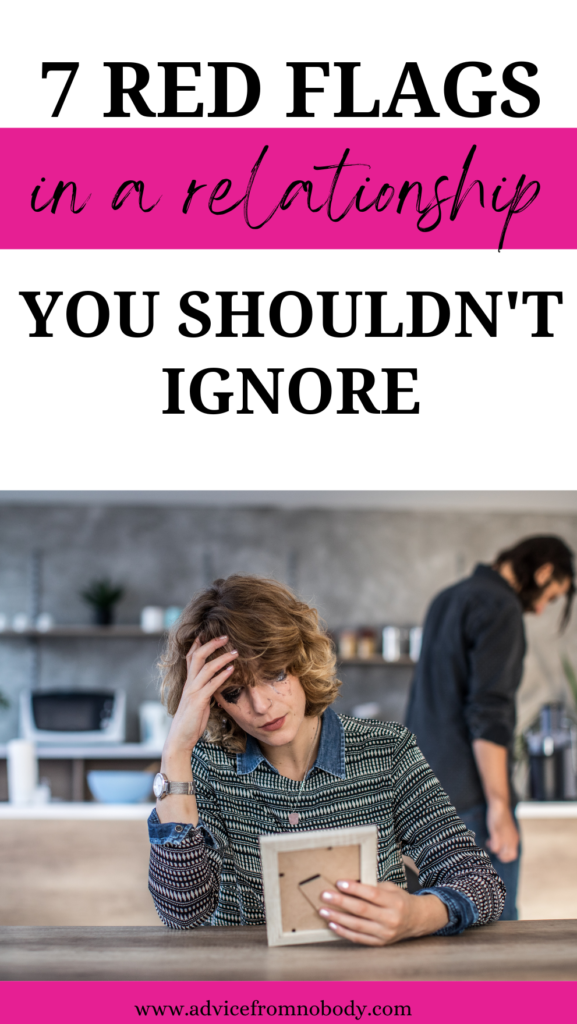
7 Red Flags That You Should Run From In Any Relationship

Filed Under: RELATIONSHIPS // 07/15/2024

red flags in a relationship

What Are Red Flags In a Relationship

Red flags are warning signs that can hint at unhealthy, toxic, or manipulative behaviors from a spouse.

These are more complicated than simply getting the ick from someone because they don’t wash their dishes right after they eat or chew very loudly. These aren’t just behavioral quirks.

Red flags are things that your partner does that indicate a lack of respect, trust, or integrity toward you and the relationship.

Red flags can be a sign of narcissism, victimization, or even abusive behavior. They can be a good indicator that it may be time to reconsider the person you’re getting involved with and avoid getting mixed up in a toxic relationship.

It can be really hard to identify red flags due to their subtle nature, so I’m here to help.

Related Post: 200+ First Date Questions That Get Deep & Cause A Spark

Red Flags To Look Out For and What They Mean

Although it may be difficult to admit that a relationship may not be perfect or even just healthy, it’s important to accept it when red flags just seem to dominate.

Red Flag 1: Very Controlling Behavior

When someone tries to control your every thought, decision, or even belief, they are putting themselves first and have no regard for you in any way.

You should be able to be free and relaxed around the person you are with and not feel like you’re a prisoner who’s living on a schedule.

Being in a relationship should feel like being in a functioning team. If one person seems to constantly hone all the power and exerts it over the other, this is a major red flag.

Controlling behavior can also manifests as them constantly trying to drive a wedge between you and your friends, family, and even your career.

Red Flag 2: Irrational Lack of Trust

Trust is maybe the most important aspect of a healthy relationship.

If your partner constantly accuses you of lying or being unfaithful when you have given them no reason at all to feel that way can be a sign that they are not trustworthy themself and are simply exuding their insecurities onto you.

The same can also be said if you feel like your partner is hardly honest and suspect they are cheating. If they constantly give you reasons to suspect so.

A healthy functional relationship can only exist with trust from all persons involved.

Red Flag 3: They Break You Down

When you’re around your partner you should feel confident and loved.

If they don’t seem committed to supporting and uplifting you but rather badger you and tear you down, you need something to change immediately.

Your partner shouldn’t make you feel insecure and like you need to change aspects of yourself to better suit them. They shouldn’t lower your self-esteem by gaslighting, using snarky jokes or just being upfront and belittling you.

Red Flag 4: They Are Extremely Selfish

This can be directly related to a sort of narcissistic behavior.

Your partner may act self-obsessed and feel an overly high sense of importance. They put themselves first all the time and hardly consider you when making decisions even when they directly impact you.

They believe that they are more important than you are and that the world revolves around them. Their needs will always be put first and considered more important.

Red Flag 5: Anger Management Issues

Having a partner who cannot control their anger might cause you to feel unsafe and anxious during conflicts (which are a big part of any healthy relationship).

If a partner cannot control their emotions when they are upset, this can be an early sign of an abusive partner and you should be very wary of this.

You should be able to have amicable disagreements with your partner and voice your opinions without being weary of their reaction afterward, even when it’s a difficult subject, and not fear for your safety.

Anger should not be an intimidation tactic.

Red Flag 6: They Avoid Conflicts

Avoiding conflict will not protect a relationship, it will result in small easy resolvable issues building up over weeks or months into bigger resentments that will soon blow up into a massive argument.

Avoiding these difficult topics can be a sign that your partner is not emotionally mature and stable and may not be ready for a serious long-term relationship.

Red Flag 7: Physical, Emotional, or Mental Abuse

These may be the most alarming red flag of all. Actually, this one is a flaming red fire!

While physical abuse may be easy to identify and pin down, mental and emotional abuse can be difficult to identify and acknowledge. And by the time it is recognized and you start dealing with it, long-term damage may already have been done.

Needless to say, any form of abuse should not be tolerated and can be extremely dangerous. If you fear your partner may be abusive, get out. Put yourself first and trust your gut.

What To Do When You Notice Red Flags In Your Relationship

When it comes to relationship red flags, the best way to handle them is early, honestly, and fairly.

Open an honest dialogue with your partner, express your concerns and feelings, and let them do the same. 

Keep your needs in mind, communicate clearly and often, and try to keep your emotions in check.

These red flags should not be ignored. They can be signs of an unhealthy toxic relationship or even an abusive one.

[jetpack-related-posts]

How To Build Intimacy In A Relationship To Foster The Strongest Bond

Filed Under: RELATIONSHIPS // 07/15/2024

Intimacy in relationships

Intimacy generally refers to how close two individuals are to one another. Vulnerability, transparency, and trust are necessary. Being intimate with someone on one level doesn’t always imply that you’ll be intimate with them in other ways.

Depending on the power dynamics present, you could experience different sorts of intimacy with your parents, significant other, friends, or coworkers.

Consider romantic relationships, where decisions are often made in concert and neither party exercises authority over the other or has access to greater resources.

One method to develop intimacy in a relationship is to share your most private and darkest thoughts and feelings with your partner. However, if the thought of sharing your most embarrassing or vulnerable moments with your spouse makes you feel horribly exposed, don’t worry.

Other strategies for increasing intimacy in a relationship can help!

The goal of intimacy is to deepen and strengthen a relationship with your partner, and if your partner has no desire to strengthen your intimacy, it can be a red flag.

However, the way you develop and communicate that intimacy is a very personal experience.

For one person, it is letting someone into their personal space. For another, it can include having a deep discussion over which Twilight movie was superior.

Related Post: 200+ First Date Questions That Get Deep & Cause A Spark

Types Of Intimacy

To deepen a relationship with your partner you have to work on all types of intimacy. Not all relationships involve all types of intimacy, but these five are the most common to share:

Physical Intimacy

Intimacy in a relationship

Bringing bodies together. Does not necessarily have to be sexual, such as when you lean on a friend’s shoulder to confide in them about your awful week.

Body closeness is referred to as physical intimacy. Depending on the connection, it could entail holding hands, kissing, embracing, or cuddling. Touching and closeness are involved in this sort of intimacy, which can increase emotions of emotional closeness.

Physical contact can strengthen relationships and lessen feelings of isolation. Other relationships, where trust and vulnerability may not be present, are not typically this close.

You can openly discuss the other person’s comfort level with various forms of touch in order to foster this type of intimate connection.

Make the other person feel safe when you touch them as this is another approach to foster a physical intimate connection.

Start with mild touches, gentle hugs, or forehead kisses to achieve this. Respecting boundaries and being open to the other person’s responses is critical.

Emotional Intimacy

Sharing sensitive information that you wouldn’t feel comfortable disclosing to strangers or large groups of people is emotional intimacy. It’s about being open with your deepest emotions, worries, and thoughts when you are emotionally connected with someone else.

It entails feeling secure and unchallenged. The key is to also act in the same way toward the other person.

You must take chances and be honest in a relationship to foster an emotionally intimate connection. Closeness in this area, however, may prove difficult if one or both of the parties are emotionally distant or fearful of being intimate.

Most forms of relationships can lead to the development of this kind of intimacy.

By improving communication skills and listening more intently to the other person, emotional intimacy can be fostered.

Assurance that you are secure with each other despite having different experiences and emotions may be necessary for this form of closeness and comfort when you express your deepest fears, pains, and doubts.

Intellectual Intimacy

Understanding another person’s point of view and exchanging ideas and philosophies about oneself and life.

The term intellectual intimacy refers to the sharing of thoughts, beliefs, and perspectives on life. It could also entail pushing one another intellectually and being receptive to learning about or at least taking into account the other person’s viewpoints.

Nurturing intellectual intimacy includes engaging in thought-provoking conversations about a variety of subjects and feeling comfortable expressing your own opinions.

The best way to build intellectual intimacy is to treat each other with respect, even when you hold divergent opinions.

You might wish to maintain a curious mindset in order to cultivate intellectual connection. Sharing perspectives with the goal of mutual learning is more important than fighting opposing viewpoints.

Spiritual Intimacy

Intimacy in a relationship

This category might comprise both essential values (such as kindness) and religious beliefs. There could be a common goal for how you wish to conduct your life.

Spiritual intimacy is the ability to feel close to, validated by, and comfortable in expressing your deepest thoughts and convictions regarding your life’s purpose and your connection to divine forces. Because it could signify different things to different people, the idea is still hazy.

Although sharing a broader definition of spirituality may be a requirement for spiritual connection, it is not a requirement that both parties have the same beliefs.

You could wish to understand more about each other’s spiritual practices and beliefs, and more importantly, why those things are meaningful to them, in order to foster spiritual connection. Spiritual closeness entails explaining how your beliefs affect your life while acknowledging that this may differ from other people.

Experimental Intimacy

You might be asking what exactly constitutes experimental intimacy among the various sorts of intimacy. You and your partner don’t have to spend all of your time together. You two must make time for one another, nevertheless, and enjoy some worthwhile adventures.

Experiential closeness is more about getting to know each other and sharing your daily experiences. An intimacy of activity is experimental closeness.

Make a list of activities you can do together as well as a second list of activities you can both do on your own. The lists will assist in maintaining harmony between your private space and communal space.

For the sake of developing the required intimacy, try to undertake more and more activities that you both enjoy. Take your partner for a stroll, watch a movie together, go gardening, etc. All of them will aid in addressing your relationship’s lack of experiential closeness.

Fear Of Intimacy And Ways To Overcome It

The phrase “fear of intimacy” describes the fear of being overly intimate with another person in one or more areas.

Depending on the person’s age and the sort of connection, there are a number of reasons why they could dread intimacy.

Many younger individuals may spend more time exploring for other potential companions than enhancing their present relationships and developing closeness. The fear of losing your identity is another potential concern with regard to intimate relationships.

The interaction between a parent and kid might also include a fear of vulnerability. Even adults may decide not to have a close relationship with their parents or guardians if they are worried about disappointing them.

Getting help from a mental health professional can help you overcome your phobia of intimacy. They might be able to investigate the origins of your anxiety and collaborate with you to come up with a strategy that works for your individual situation.

How To Overcome Fear Of Intimacy

  • The likelihood that a relationship will succeed is 50%. Maybe a 60% chance in your favor if you’re lucky. But if you don’t even want to attempt, you’re doomed to failure. And it’s true that not taking the chance hurts just as much as failing.
  • You won’t ever feel as though you’re giving up your independence in the right kind of relationship. The ideal companion will encourage you, improve your experiences, and assist you in creating the life you both desire. Not a prison sentence, but a partner might be more appropriate.
  • You can always choose a new partner. You are probably not open enough to get to know one another and genuinely determine if you are compatible if you are worried about picking the incorrect spouse. I’m not advocating that you enter every relationship prepared to cut it off. At the start of a relationship, it is comforting to know that there is always a way out.

Tips For Building Intimacy

Here are my top tips for building and maintaining intimacy in a relationship.

Prioritize Your Intimacy

Although it may seem obvious, this is not the case for many of us. What you value most is reflected in your life. And whether or not we make an effort, life still happens to us. You might easily become a “victim of circumstance” who is only reacting to everything that is thrown your way, especially if you have a growing family with young children at home. Start being deliberate.

If intimacy in a relationship is important to you, it follows that you consider it frequently and concentrate on how you will prioritize and fit it in. Love your partner as much as you can.

People frequently prioritize having affairs and are secretive about it. It isn’t a side issue; it’s brand-new, intriguing, and their own secret. Why not direct that energy onto your relationship instead of engaging in an affair? Be imaginative.

Think of sneaky ways to incorporate the physical aspect. The intentional connection may happen through touch, and the more we incorporate it into our relationships, the more our attention is drawn to it. Touch is something you can’t truly ignore for very long; when someone touches you, you pay attention. especially if it is done in a private manner. So focus on one another, extend your hands, and make a physical connection.

Schedule Your Intimacy

I’m not advocating that this turn into a routine, scheduled portion of the day. However, scheduling it in clarifies things for both of you; there is no guesswork; everything is spelled out clearly. Unspoken expectations only cause unease and resentment.

Plan your day so that you allocate time to prioritizing your physical connection. It’s not necessary to plan a complicated date. Something as easy as a daily bedtime where you and your partner cuddle and focus on physical intimacy could cause a significant change in your relationship. And that’s it—just a straightforward reminder to make physical contact each day.

That’s all there is to it: just a daily reminder to make physical contact.

Communicate Your Expectations

Be honest with one another and express your needs and desires clearly. If you’re unsure, be honest about it too so that you can both learn. Learn about one another’s personalities and the things that bind you together most strongly. This is a really crucial aspect of your connection. It’s difficult to expect your partner to know better if you don’t know yourself.

Looking to play around in the bedroom more together? Together, you can figure out what both of you find enjoyable.

Make It Your Routine

Make your relationship with your partner a top priority and an integral part of your daily routine, much like exercise and meditation. Not all habits are harmful; you may develop the habit of watching TV every night or you could develop the habit of doing yoga or another form of exercise every day.

I want to emphasize how crucial it is to develop a routine around your physical connection. A habit needs to be broken after 28 days, and it takes 90 days to truly implement a new routine and make it a habit.

It will become an automatic part of your life that you miss when you don’t do it if you incorporate it into your daily routine in the same way that you incorporate exercise and brushing your teeth. If you frequently exercise, your body will miss it and feel “off” if you don’t prioritize it.

Similarly to this, if you make it a daily habit to be physically intimate with your lover, you will miss it if you don’t. We definitely notice if a day goes by where we don’t touch because our physical intimacy is such an integral part of our daily life. It’s like skipping that yoga or meditation session that helps us stay connected, balanced, and focused throughout the day.

7 Activities to Help Build Intimacy

It takes work to create intimacy, but it doesn’t have to be difficult, as we discussed in the preceding paragraph. So, each day of the week, we’ll set a small task for you to complete. Even though they may appear a little unusual or ridiculous, each activity only lasts for around 10 or 15 minutes and is intended to assist create that intimate setting.

Having A Staring Contest

Intimacy in a relationship

For the first minute, just stare into each other’s eyes, without grinning or giggling. Have a friendly smile exchange for the next minute. Make a sorrowful look for the entire third minute. Make a furious expression for the fourth. And for the last minute, attempt to convince your lover that they are the only thing in the world that you love.

The intimacy that can be developed through this pastime may initially feel a little odd. Being able to look directly into someone’s eyes for 5 full minutes can be a little unsettling.

Guide Your Partner

Locate the room that is farthest from the kitchen. Cover your partner’s eyes, lead them into the kitchen, have them pour a glass of water, and have them drink it, all while keeping their eyes covered, starting in that room. Then, trade roles and repeat the process!

You must trust your spouse in order to develop closeness, and there is no better way to achieve that than by leading them carefully around furniture and other obstructions while you hide your eyes.

Reveal Your Insecurities

Tell your lover about each insecurity you have one at a time. something that causes you to feel inadequate. Be frightened. After you’ve listened, reassuringly explain why they are BETTER than adequate. Make sure they understand how much you adore them and that you wouldn’t alter a thing about them!

Having a companion who makes you feel welcome is crucial to developing intimacy. Your spouse will be able to concentrate more on the emotional connections between the two of you and less on their own insecurities if they know that you adore them just as they are. Therefore, never stop telling them how unique they are in real life!

Take A Sex Quiz

It can be difficult to be completely honest about your sexual preferences with a new partner or even a long-term one, especially when it comes to explaining the specifics of what you enjoy and don’t like in bed. It’s critical to feel at ease discussing sex with your spouse, but doing so requires time and trust. Doing a sex quiz like Mojo Upgrade can be a less awkward approach to discuss your secret turn-ons and fantasies with your lover if you need a little assistance getting the conversation going. It will increase your intimacy and make you feel more at ease sexually with one another.

Two Breath Hug

By enacting a special hug here and there, you communicate to your partner that you want to be connected. Unlike that all-too-casual hug we do with strangers and acquaintances, the Two-Breath Hug puts a pause in the robotic mechanisms of everyday living.

Love requires us to be conscious. This hug brings that pause and that special attention in a small yet very significant way.

You might let your spouse know that you wish to connect by giving them random, special hugs. The Two-Breath Hug pauses the robotic processes of daily life, unlike that all-too-casual hug we give to strangers and friends.

We need to be conscious in order to love. This hug, in a modest but very important way, causes that stop and that particular attention.

Listen To Each Other

In this activity, one partner speaks or “vents” on a subject of their choice, and the other partner must sit across from them and only listen.

You two might be surprised by how uncomfortable it might feel to simply listen without responding. The listener is then free to offer criticism once the five, three, or eight-minute diatribe is finished.

Another communication exercise that improves our ability to fully listen and absorb another person’s stream of consciousness is active listening practice.

They will feel as like we have our full attention when we concentrate on them without being distracted, which is important yet uncommon in today’s hectic society.

Intentional listening also serves as a reminder to keep our attention on the other person and refrain from speaking before they are ready. At the conclusion of this activity, you will switch roles as speaker and listener.

7 Breath Forehead Connection

Whether you’re sitting up straight or resting on your sides, face each other and lightly touch your foreheads.

Your chins should be slightly lowered so that your noses aren’t quite touching (a little bit of contact is fine, but it’s not crucial for this exercise).

Breathe seven slow, deep breaths together with your spouse, foreheads touching. The first or second breaths could feel like they require a lot of conscious attention, similar to the eye contact exercise, but by the third or fourth breath, it will feel like a very natural thing to perform.

Seven breaths is the ideal minimum amount of breaths for couples to fully dive in to the present and feel connected, but you can continue doing this practice for several minutes if you’d like.

You can do this for a few minutes if you and your companion are overachievers who enjoy doing additional schoolwork.

Communicate And Have Conversations

Asking your spouse questions is a terrific way to boost your pleasure, spice up your sex life, get to know each other even better, and get turned on by the chat before getting physical. Communication is the cornerstone of a healthy relationship.

Here are 22 questions to ask your lover to increase your intimacy and connection. Set a moody environment with some candles, sensuous music, and no phones before diving into three to five questions at a time. If it feels more comfortable than speaking aloud initially, you can always choose the questions and write your responses down in a journal before taking turns.

  1. What scares you the most?
  2. What do you want most deeply?
  3. What do you adore about me the most?
  4. What are your three favorite joint memories?
  5. How do you feel that you should be loved?
  6. What would you use, to sum up our relationship in one word?
  7. What is the sexiest thing about me?
  8. How can I express my gratitude to you?
  9. What kind of physical contact is your preferred one?
  10. How would you describe me to others?
  11. What about me did you notice right away?
  12. What about me appeals to you the most?
  13. What more could I do for you than what I already do?
  14. What intentions do you have for us?
  15. How can we (create a sex bucket list) liven things up in the bedroom?
  16. Do we share a similar outlook on life?
  17. What excites you?
  18. What irritates you?
  19. What was your favorite thing I’ve ever done to you?
  20. What sexual fantasies have you never shared with anyone?
  21. What body part do you like to be touched the most?
  22. What turns you on the most?

By asking each other these questions, you’ll be able to deepen your connection and intimacy, which will help your relationship flourish and increase your degree of sexual intimacy.

[jetpack-related-posts]
  • « Previous Page
  • 1
  • …
  • 32
  • 33
  • 34
  • 35
  • 36
  • …
  • 54
  • Next Page »

Copyright © 2026 · Theme by Marketing Templates Co.

We use cookies on our website to give you the most relevant experience by remembering your preferences and repeat visits.Read More By clicking “Accept All”, you consent to the use of ALL the cookies. However, you may visit "Cookie Settings" to provide a controlled consent.
Cookie SettingsAccept All
Manage consent

Privacy Overview

This website uses cookies to improve your experience while you navigate through the website. Out of these, the cookies that are categorized as necessary are stored on your browser as they are essential for the working of basic functionalities of the website. We also use third-party cookies that help us analyze and understand how you use this website. These cookies will be stored in your browser only with your consent. You also have the option to opt-out of these cookies. But opting out of some of these cookies may affect your browsing experience.
Necessary
Always Enabled
Necessary cookies are absolutely essential for the website to function properly. These cookies ensure basic functionalities and security features of the website, anonymously.
CookieDurationDescription
cookielawinfo-checkbox-analytics11 monthsThis cookie is set by GDPR Cookie Consent plugin. The cookie is used to store the user consent for the cookies in the category "Analytics".
cookielawinfo-checkbox-functional11 monthsThe cookie is set by GDPR cookie consent to record the user consent for the cookies in the category "Functional".
cookielawinfo-checkbox-necessary11 monthsThis cookie is set by GDPR Cookie Consent plugin. The cookies is used to store the user consent for the cookies in the category "Necessary".
cookielawinfo-checkbox-others11 monthsThis cookie is set by GDPR Cookie Consent plugin. The cookie is used to store the user consent for the cookies in the category "Other.
cookielawinfo-checkbox-performance11 monthsThis cookie is set by GDPR Cookie Consent plugin. The cookie is used to store the user consent for the cookies in the category "Performance".
viewed_cookie_policy11 monthsThe cookie is set by the GDPR Cookie Consent plugin and is used to store whether or not user has consented to the use of cookies. It does not store any personal data.
Functional
Functional cookies help to perform certain functionalities like sharing the content of the website on social media platforms, collect feedbacks, and other third-party features.
Performance
Performance cookies are used to understand and analyze the key performance indexes of the website which helps in delivering a better user experience for the visitors.
Analytics
Analytical cookies are used to understand how visitors interact with the website. These cookies help provide information on metrics the number of visitors, bounce rate, traffic source, etc.
Advertisement
Advertisement cookies are used to provide visitors with relevant ads and marketing campaigns. These cookies track visitors across websites and collect information to provide customized ads.
Others
Other uncategorized cookies are those that are being analyzed and have not been classified into a category as yet.
SAVE & ACCEPT