• HOME
  • RELATIONSHIPS
  • HOLIDAYS
  • WELLNESS
  • CAREER & FINANCE
  • FASHION
  • BEAUTY
  • LIVING

Advice From Nobody

You are here: Home / Archives for BEAUTY

Here’s How To Grow Insanely Long Hair Using Hair Growth Oils

Filed Under: Hair // 07/15/2024

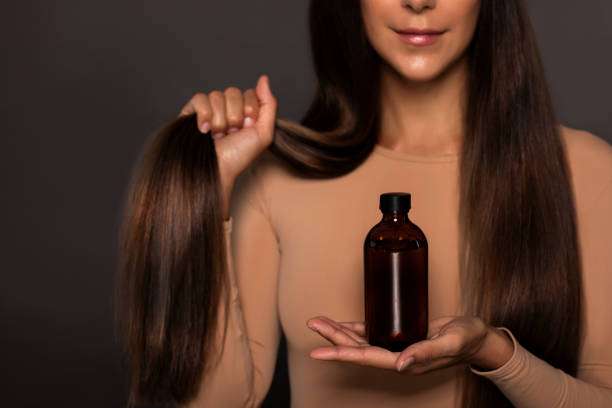
Everything you need to know about hair oils

Hair oils have emerged as essential tools in the beauty regimen, even for those with oily scalps, defying the common belief that they exacerbate greasiness.

These versatile products are not only about adding shine; they offer a range of benefits.

To make the most of hair oils, it’s crucial to understand what they are and how they differ from serums.

What Are Hair Oils?

Your scalp naturally produces oil to maintain moisture and prevent your hair from becoming dry and brittle.

However, not all scalps produce the right amount of oil. Hair types like curls or coils can struggle with effectively distributing natural oils along the hair shaft.

This is where hair oils come into play.

They are typically made from a variety of natural or synthetic oils, such as coconut, argan, jojoba, or olive oil.

These oils are renowned for promoting hair health and enhancing its appearance, making them a staple in the beauty industry.

Related Post: The Best Hair Oils On Amazon

The Benefits Of Hair Oils

The benefits of using hair oil go beyond aesthetics, they aren’t just good for adding a bit of shine to the hair, they can also be used for:

Heat Protection: Hair oils can act as a barrier, protecting your hair from the potential damage caused by heat-styling tools like blow dryers. This is especially true for those containing silicones or lightweight oils.

Frizz Control: By providing moisture and sealing the hair cuticles, hair oils can effectively tame frizz and flyaways. This helps in preventing frizz caused by humidity or environmental factors.

Added Shine: Hair oils enhance the natural shine of your hair, giving it a healthy and lustrous appearance. They reflect light, making your hair appear smoother and more radiant.

Environmental Shield: Hair oils offer protection against the regular wear and tear of environmental aggressors like pollution.

Healthy Hair Growth: Certain oils, such as coconut and rosemary, are believed to strengthen the hair and promote healthy growth. They nourish the scalp, improve blood circulation, and provide essential nutrients to the hair follicles.

Minimal Irritation: Some oils, like tea tree oil, possess antibacterial, antiseptic, and anti-inflammatory properties that keep your scalp free of conditions causing itchiness, flakes, and breakouts.

Although hair oils can’t magically repair split ends, they help prevent them by moisturizing the hair and reducing the chances of breakage.

Once split ends appear the only effective solution is to trim them.

Are Hair Oils And Hair Serums The Same Thing?

It’s important to distinguish hair oils from hair serums.

While both enhance the hair’s appearance and health, they differ in composition and absorption.

Oils are oil-based and penetrate the hair cuticle, providing deep nourishment and conditioning.

Serums, on the other hand, are liquid-based and seal the cuticle from the outside, offering immediate shine and smoothness.

How To Choose The Best Hair Oils For You

When choosing a hair oil, consider your hair and scalp’s unique needs.

Different oils may have varying effects. For instance, argan oil is rich in fatty acids and antioxidants, improving elasticity and reducing frizz. Castor oil strengthens hair, combats hair loss, and helps with dandruff.

Jojoba oil is ideal for oily scalps as it closely resembles the natural oils produced by the scalp. Grapeseed oil is suitable for most hair types, absorbing quickly without feeling greasy.

Monoi oil is known for controlling frizz and taming dandruff. Peppermint oil stimulates hair follicles and increases circulation, aiding in preventing hair loss.

How To Use Hair Oils

Applying hair oil is simple.

Use it on dry or damp hair before blow-drying or air-drying, focusing on the ends rather than the scalp. Start with a few drops, as hair oil is concentrated, and use it once or twice a week.

For those with very dry hair or breakage issues, massaging a small amount into the scalp can increase blood flow and moisturize the scalp for healthier hair growth.

If you have an oily scalp, you can still benefit from hair oil by using it as a pre-shampoo treatment or mixing it with your conditioner or mask treatments to minimize contact with your scalp and roots.

You can also enhance deep conditioning treatments by incorporating hair oil, creating a nourishing blend to meet your hair’s specific needs.

Incorporating hair oil into your hair care routine is a versatile and effective way to achieve the soft, shiny hair you desire, regardless of your scalp type or concerns.

Save For Later!
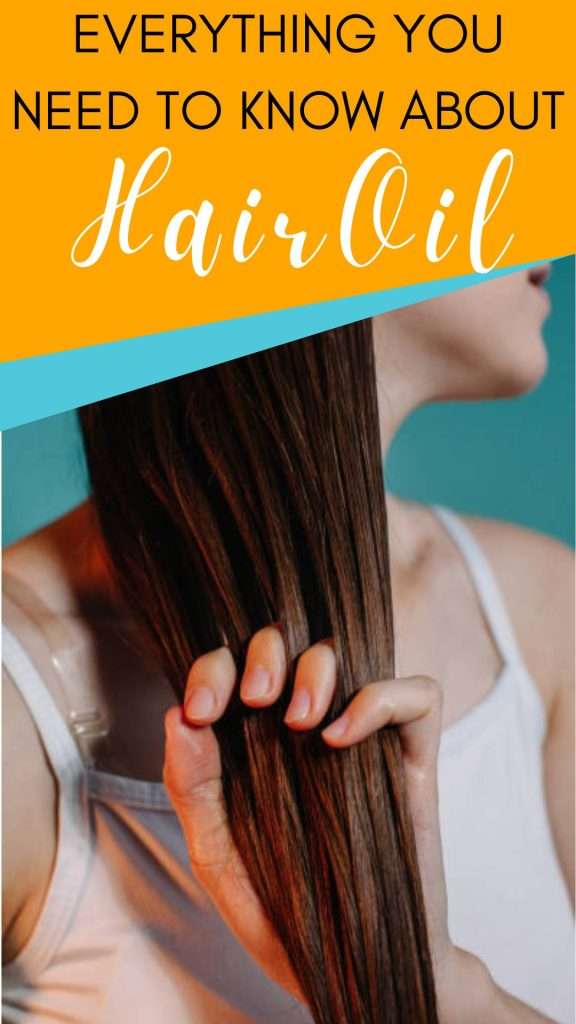
The right way to oil your hair
Everything you need to know about hair oils
[jetpack-related-posts]

Here’s How To Grow Insanely Long Hair Using Castor Oil

Filed Under: Hair // 07/15/2024

Pure Jamaican black castor oil

If you have natural hair, you probably have your holy grail products for your hair. And one of these products should be pure Jamaican black castor oil.

Before the natural hair community claimed this oil for its amazing benefits, castor oil was used medicinally for constipation, stomach aches, and others.

Now castor oil is one of the best oils used to thicken hair, regrow edges, and speed up hair growth.

What Is Pure Jamaican Black Castor Oil?

Castor oil, extracted from the seeds of the castor bean plant (Ricinus communis), is a true MVP when it comes to hair products for natural hair care within the Type 4 hair community.

Rich in ricinoleic acid—an essential fatty acid known for its nurturing properties—castor oil offers a multitude of benefits for curly hair types, especially if you have fragile and dry hair or a dry scalp.

Castor oil has been celebrated for centuries across diverse cultures for its versatility and therapeutic potential and is often called a miracle oil.

Its applications span far and wide from ancient medicinal practices to modern-day cosmetic formulations.

When it comes to hair care, castor oil is known as one of the best hair oils. The benefits of castor oil address the unique needs of type 4 hair.

Being one of the heavier oils, castor oil allows it to form a protective barrier over the hair shaft, sealing in moisture and shielding against environmental stressors.

Related Post: Castor Vs Jojoba Oil, Which Is Best For Natural Hair Growth

The Benefits Of Castor Oil

As you now know, castor oil is an amazing hair oil and should be part of your hair care routine because of its numerous benefits. Here are the many benefits of castor oil:

1. Sealant Oil: With its thick consistency, castor oil is a great sealant oil, and does a great job at locking in moisture within the hair shaft.

This protective layer helps to combat dry hair and prevent moisture loss, leaving 4C hair hydrated.

2. Promotes Hair Growth: A standout feature of pure Jamaican castor oil is its ability to stimulate hair growth.

Rich in nutrients, like ricinoleic acid, and essential fatty acids, it nourishes the scalp, promotes blood circulation, and encourages the growth of healthy hair follicles, leading to enhanced length and density over time.

Scientific studies have demonstrated that ricinoleic acid stimulates hair growth and enhances the thickness of individual hair strands.

As a result, regular use of castor oil can lead to noticeably healthier, longer, and more luscious locks.

3. Strengthens Your Hair: The nourishing properties of castor oil, like omega-6 and omega-9 fatty acids, strengthen the hair shaft, reducing breakage and split ends.

Regular use of castor oil strengthens natural hair, making it more resilient and durable over regular usage.

4. Reduces Scalp Inflammation: Castor oil possesses anti-inflammatory properties that can soothe and calm the scalp, alleviating conditions such as itching, irritation, and inflammation.

By promoting scalp health, castor oil gives you a healthy foundation for optimal hair growth.

5. Conditions and Softens Your Hair: When applied to the hair, castor oil acts as an effective conditioner, making it softer and more manageable to coarse type 4 hair.

Its emollient nature smooths the hair cuticle, enhancing texture and making it easier to detangle.

6. Reduces Breakage: By moisturizing and strengthening the hair shaft, castor oil helps to minimize breakage and damage.

Its nourishing properties penetrate deep into the hair, fortifying each strand from within and reducing the risk of breakage during styling or manipulation.

7. Treats Dandruff: The anti-inflammatory and antimicrobial properties of castor oil make it a great scalp treatment for dandruff, dry scalp, and scalp infections.

Regular application can help to soothe an itchy scalp and reduce the presence of flakes, promoting a healthy scalp.

8. Thickens Your Hair: With consistent use, castor oil has been observed to contribute to thicker, fuller hair.

Its nutrient-rich formula nourishes the hair follicles, encouraging healthy hair growth and enhancing the overall volume and density of curly hair.

9. Adds Shine and Luster to Your Hair: Castor oil gives natural hair a shine and natural luster. Its sealing properties enhance the hair’s natural sheen, leaving it looking vibrant and healthy.

10. Reduces Hair Loss: By strengthening the hair shaft and promoting a healthy scalp, castor oil can help minimize hair loss and promote retention.

It has the ability to fortify the roots of your hair and improve blood circulation for healthy hair growth, reducing the risk of excessive shedding.

The benefits of castor oil for type 4 hair are plenty, ranging from reducing moisture loss and promoting healthy hair growth to improving scalp health and adding shine.

Adding castor oil to your hair care routine can give you the best results for curly hair.

Is Castor Oil Good For Natural Hair?

long type 4 hair from using castor oil

Castor oil is one of the best natural oils for hair, especially for 3 to 4 hair types prone to dryness and breakage.

With its thick consistency and being one of the most nutrient-rich oils, castor oil acts as a sealant, locking in much-needed moisture and preventing moisture loss—essential for maintaining healthy, hydrated curls.

Not only does it promote hair growth by stimulating blood circulation to the scalp, but it also strengthens hair strands, reducing breakage and split ends, a common concern when you have curly hair.

Regular use of castor oil can lead to thicker, longer, and healthier hair. Whether you’re looking to reduce scalp inflammation, treat dandruff, or simply add shine and luster to your locks, castor oil is a great addition to natural hair care.

How To Use Castor Oil For Natural Hair

To really benefit from castor oil, you have to use it the right way. Here are several ways to use castor oil to promote the health of your curls:

Pre-poo Treatment:

Before shampooing, apply castor oil generously to dry or wet hair, focusing on the lengths and ends of your hair.

This pre-poo treatment helps to create a protective barrier, preventing the stripping of natural oils during the cleansing process.

Leave the natural oil in for at least 30 minutes, or for even deeper penetration, overnight. Make sure to wear a plastic cap and your bonnet to protect your pillowcase and insulate your scalp.

Follow up with your regular wash day routine.

Hot Oil Treatment:

Treat your hair to a hot oil treatment using castor oil, and a few other natural oils to deeply nourish and hydrate your hair.

Combine one part each of coconut oil, pure Jamaican castor oil, and argan oil. Warm the oils in a heat-safe container, then apply them to your scalp and hair, massaging gently to ensure even distribution.

Cover your hair with a shower cap or warm towel and leave the oil in for 30-60 minutes to allow it to penetrate deeply.

Rinse thoroughly and proceed with your usual wash day routine.

(If you do not have the other oils on hand, it’s ok to just use castor oil, but because it is a heavier oil, it can be hard to use alone.)

Scalp Massage:

Incorporate scalp massages with castor oil into your weekly hair care routine to promote blood circulation and stimulate healthy hair growth.

Using your fingertips, gently massage pure Jamaican castor oil (I like Sunny Isle Jamaican Black Castor Oil) into your scalp in circular motions for 5-10 minutes.

This massage not only nourishes the scalp but also helps to alleviate dry and itchy scalp and inflammation.

Related Post: Do You Need To Oil Your Scalp?

Sealant Oil After Wash Day:

After washing and conditioning your hair, use castor oil as a sealant to lock in moisture and keep your curls hydrated throughout the week.

After styling your hair with your favorite hair products, apply a small amount of castor oil to your fingertips and gently work it through the lengths and ends of your hair.

Related Post: Moisturizing Vs Sealing Oils, What’s Best For Natural Hair

Deep Conditioner for Dry Hair:

Create your DIY deep conditioner using castor oil to combat dryness and restore moisture to your curls.

Combine the following ingredients in a bowl:

  • 1/4 cup of plain yogurt
  • 2 tablespoons of honey (which is a great humectant)
  • 1 tablespoon of castor oil

Mix until well combined, then apply the mixture to clean, wet hair, focusing on the lengths and ends of your hair.

Cover your hair with a shower cap and leave the deep conditioner on for 30 minutes to an hour. Rinse thoroughly and style as desired for soft, nourished curls.

Which Castor Oil Is Best For Natural Hair?

When it comes to choosing the right castor oil for your natural hair, two popular options stand out: Organic Cold Pressed Castor Oil and Pure Jamaican Black Castor Oil.

Each variant offers unique benefits to meet the many needs of your curls.

Organic Cold-Pressed Castor Oil:

Organic Cold Pressed Castor Oil is derived from castor seeds through a method that preserves the oil’s natural nutrients and properties.

As the name suggests, this oil is extracted without the use of heat or chemical solvents, ensuring maximum purity and potency. It’s a pale yellow color and a mild nutty aroma.

Benefits of Organic Cold-Pressed Castor Oil On Natural Hair:

Organic Cold Pressed Castor Oil is rich in essential fatty acids, vitamins, and minerals, making it an excellent choice for promoting hair growth and nourishing the scalp.

Its lightweight texture makes it ideal for moisturizing the hair without weighing it down, leaving your curls soft, shiny, and manageable.

This oil is versatile and can be easily incorporated into various hair care recipes, such as pre-poo treatments, scalp massages, and DIY deep conditioners.

Pure Jamaican Black Castor Oil:

sunny isle jamaican black castor oil

Pure Jamaican Black Castor Oil is a variant of castor oil that has been roasted before extraction.

This process involves roasting the castor seeds, resulting in a darker color and a stronger, more pungent aroma compared to cold-pressed castor oil.

Jamaican Black Castor Oil is celebrated for its potent hair growth-stimulating properties and is a staple in many natural hair care routines.

Benefits of Pure Jamaican Castor Oil on Natural Hair:

Jamaican Black Castor Oil is renowned for promoting healthy hair growth and strengthening hair strands, making it an excellent choice for those looking to achieve longer, thicker hair.

Its thick consistency makes it an effective sealant oil, locking in moisture and preventing moisture loss, particularly beneficial for dry, brittle hair types.

This oil is highly concentrated and potent, requiring only a small amount to achieve desired results. It can be used as a scalp treatment, hot oil treatment, or added to deep conditioners for an extra boost of hydration and nourishment.

Both Organic Cold Pressed Castor Oil and Pure Jamaican Black Castor Oil offer valuable benefits for natural hair, with each catering to different hair needs.

Whether you opt for the lightness of cold-pressed castor oil or the richness of Jamaican Black Castor Oil, using castor oil in your hair care routine can help you achieve healthier, more vibrant curls.

Get the Sunny Isle Jamaican Black Castor Oil on Amazon for just $7.

Side Effects of Using Castor Oil on Your Hair

While castor oil offers many benefits for natural hair, it’s essential to be aware of the potential side effects of regular use of castor oil, particularly with improper use or sensitivity to the oil:

1. Allergic Reactions: Some individuals may experience allergic reactions to castor oil, resulting in symptoms such as itching, redness, or irritation of the scalp.

Perform a patch test before applying castor oil to your hair and scalp to assess your sensitivity to the oil.

2. Excess Oiliness: Castor oil has a thick consistency that can leave hair feeling greasy or weighed down, especially when using too much oil.

Using too much castor oil or not washing it out properly may lead to an unwanted buildup, making the hair appear greasy and flat.

3. Clogged Pores: Because it is a heavier oil, castor oil can potentially clog the pores on the scalp, especially if not thoroughly rinsed out after application.

4. Over-Drying: While castor oil is excellent for sealing moisture into the hair, using it without proper hydration or in excessively dry conditions may lead to over-drying of the hair shaft.

This can result in brittle, fragile strands that are prone to breakage.

FAQ about Castor Oil for 4C Hair:

1. How often should I put castor oil in my natural hair? It’s best to apply castor oil to your hair 1-2 times per week to prevent buildup and ensure optimal absorption of nutrients.

2. Can I use castor oil on low-porosity hair? Yes, castor oil can be used on low-porosity hair, but it’s essential to apply it sparingly and use it as a hot oil treatment or mix it with lighter oils for better absorption.

3. Can I use castor oil on high-porosity hair? Yes, castor oil can benefit high porosity hair by sealing in moisture and strengthening the hair shaft but be careful of using too much as it may weigh down the hair.

4. Should I apply castor oil on dry or wet hair? Castor oil can be applied to either dry or wet hair, but it’s generally more effective on damp hair as it helps to lock in moisture.

5. Can I oil my hair every day? While it’s not necessary to oil your hair every day, you can do so if your hair requires extra hydration, but be mindful of potential buildup.

6. When should you not use castor oil for hair? Avoid using castor oil if you have allergies to its ingredients, experience scalp irritation, or notice excessive hair loss after use.

7. Which oil is best for 4C hair? Castor oil is one of the best oils for 4C hair due to its ability to moisturize, strengthen, and promote hair growth. You can read about the best hair oils for 4c hair here.

8. Is castor oil okay for curly hair? Yes, castor oil is suitable for curly hair as it helps to hydrate curls, reduce frizz, and enhance shine.

9. Can we apply castor oil directly on hair? Yes, castor oil can be applied directly to the hair and scalp, but it’s essential to massage it in thoroughly for even distribution.

10. Does castor oil grow hair? Castor oil contains nutrients that can stimulate hair growth and improve hair health, but individual results may vary.

11. What grows 4C hair faster? Consistent hydration, proper nutrition, and regular scalp massages with castor oil can promote faster growth for 4C hair, read more on how to grow natural hair here.

12. What does castor oil do for hair? Castor oil moisturizes the hair, strengthens hair strands, promotes hair growth, and helps to alleviate scalp issues like dandruff.

13. What can I mix castor oil with for my hair? Castor oil can be mixed with lighter oils like coconut or jojoba oil for easier application and absorption.

14. What happens if you apply castor oil to your hair daily? Applying castor oil daily may lead to buildup and weigh down the hair, so it’s best to use it in moderation.

15. How fast does castor oil work? Results vary, but regular use of castor oil can lead to noticeable improvements in hair health and growth within a few weeks to months.

16. What are the disadvantages of applying oil to your hair? Disadvantages may include the potential for buildup, allergic reactions, or weighing down of the hair if oils are applied excessively or if unsuitable for your hair type.

Pin For Later!

[jetpack-related-posts]

Here’s How To Grow Insanely Long Hair Using Peppermint Oil

Filed Under: Hair // 07/15/2024

Having personally tried different oils within the natural hair community, from essential oils to carrier oils, I’ve uncovered some real gems.

And let me tell you, peppermint oil is one of my absolute favorites. It’s a powerhouse ingredient that works wonders for your curly hair, regardless of your hair’s porosity.

Pure peppermint oil not only nourishes and strengthens your strands but also helps to invigorate your scalp, promoting healthy hair growth.

And hey, have you heard? Peppermint oil, much like its counterpart rosemary oil, has taken the world of TikTok by storm, and it’s no wonder why – its refreshing scent and revitalizing properties make it a must-have in any hair care routine.

So, whether you’re rocking high porosity hair or a low porosity hair type, rest assured that peppermint oil has got your back.

Benefits Of Peppermint Oil For Hair

Peppermint oil has a range of benefits, most of them derived from its stimulating abilities. Peppermint oil can help to stimulate the scalp thus potentially helping with a better hair growth cycle.

1. Gives you a healthy scalp: Research shows that peppermint oil offers many benefits for scalp health. With its anti-inflammatory properties, peppermint oil combats fungi and inflammation, giving you a healthy scalp.

This oil’s ability to remove excess oil and product build-up may aid in fighting dandruff, while its menthol component provides a cooling sensation, relieving an itchy scalp.

Pure peppermint oil’s soothing properties contribute to scalp health, promoting a comfortable environment for hair follicles to thrive.

2. Potential for promoting hair growth: Studies suggest that peppermint oil could play a role in promoting healthy hair growth.

Notably, a research study found that a peppermint oil solution exhibited more healthy growth compared to minoxidil, an FDA-approved hair-growth product.

While conclusive evidence is still emerging, peppermint oil’s vasodilation effects on blood vessels show promise in stimulating hair growth and thickness.

In an animal study, peppermint oil yielded results comparable to minoxidil, further indicating its potential in combating hair loss and promoting healthier hair growth.

3. Gives you thick hair: Peppermint essential oil’s ability to stimulate blood circulation to the skin may contribute to increased dermal thickness, hair follicle number, and follicle depth, ultimately giving you thick hair.

4. Reduces inflammation: The cooling sensation of peppermint oil provides relief from inflammation when applied topically, contributing to a calming effect on the scalp and reducing skin inflammation.

5. Antibacterial properties: Peppermint oil’s antimicrobial properties are beneficial for maintaining scalp health by balancing the scalp microbiome, potentially reducing the risk of bacterial infections.

6. Promotes healthy pH balance: Peppermint oil aids in balancing the pH of the scalp, which in turn regulates oil production, making it an effective solution for managing oily scalp conditions.

7. Cleanses the scalp: With its natural cleansing properties and antiseptic attributes, peppermint oil effectively cleanses the scalp, maintaining a healthy microbiome and pH balance.

Additionally, its cooling effect soothes inflammation associated with conditions like acne, contributing to overall scalp health and vitality.

Those were a lot of sciencey terms, I know. But my point was, from promoting scalp health to stimulating hair growth and enhancing overall hair quality, peppermint oil is amazing for your hair.

Whether you’re dealing with dandruff, or you want thicker hair, or simply aiming to maintain a healthy scalp environment, peppermint oil’s versatile properties make it a valuable addition to any hair care routine.

What Hair Type Is Peppermint Oil Good For?

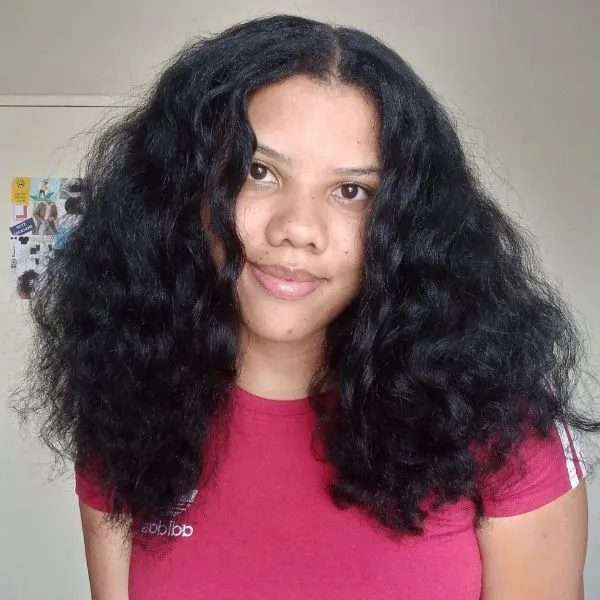
long natural hair from using peppermint oil

Peppermint oil serves as a strong stimulant for the scalp and hair follicles, making it an excellent choice for promoting hair health.

However, it’s essential to note that peppermint oil may not be suitable for individuals with dry scalp or brittle hair, as it tends to work best on oily hair and scalp types.

Despite this preference, peppermint oil remains compatible with all hair types when used correctly and safely. It’s crucial to exercise caution when applying peppermint oil directly to the scalp, as it can cause irritation, particularly for those with allergies to essential oils or sensitive scalps.

If you tend to have greasy hair, peppermint oil offers great benefits.

Its clarifying properties effectively cleanse and invigorate the hair, removing excess oil and buildup without stripping away its natural oils.

By regulating sebum production, peppermint oil ensures a balanced scalp environment, leaving the hair nourished and hydrated without weighing it down.

Additionally, its cleansing action helps eliminate product buildup and residue, contributing to healthier, more vibrant hair.

is peppermint oil good for low porosity hair?

Peppermint oil is particularly beneficial for hair with high porosity.

High porosity hair tends to absorb moisture quickly but struggles to retain it, often leading to dry hair and frizzy hair.

Peppermint oil’s ability to balance the scalp’s pH helps regulate oil production, making it especially suitable for managing high porosity hair.

By maintaining the scalp’s natural moisture levels, peppermint oil helps prevent excessive moisture loss from the hair shaft, thus promoting healthier, more hydrated strands.

But, peppermint oil’s clarifying properties make it effective in cleansing the scalp and hair, which is essential for low porosity hair prone to product buildup.

It helps remove impurities and residue from the hair cuticle, allowing moisture to penetrate more effectively in the less porous hair.

Additionally, peppermint oil’s stimulating effects on blood circulation can aid in delivering essential nutrients to the hair follicles, promoting stronger, more resilient strands.

While peppermint oil may not be the best option for regular use for those with low porosity hair due to its potential to exacerbate dryness. It can be a game-changer for any hair porosity if you are seeking to enhance moisture retention and overall hair health.

I recommend using peppermint oil in your hair once a week if you have high porosity hair. But if you have low porosity hair, every two weeks would be better to avoid drying out your hair.

How To Use Peppermint Oil For Your Hair

how to use peppermint oil for hair growth

Peppermint is a very easy oil to add to your hair care routine. Whether you want to add it to your DIY haircare treatments, use it in a pre-shampoo treatment or in your scalp massages.

You can also find various hair products with peppermint oil already added to them that you can try out.

Here are some ways you can add peppermint oil to your hair care routine:

  • Scalp massages: Dilute a few drops in any carrier oil, and massage it into your scalp. Massage for anywhere between 5-10 minutes. Leave this in overnight and continue with your regular wash day the next day, find out why scalp oiling is so important for growing your hair here.
  • Dilute in carrier oil: If you want to use peppermint oil on its own, it’s best to dilute it in a carrier oil like jojoba or argan oil. Since it is an essential oil, the best way to use this oil is to dilute it in your favorite carrier oil at a 1-2 percent concentration.
  • Use hair care products with peppermint oil: Use products that contain peppermint oil. Or you can add pure peppermint oil to your hair products yourself, I like to add it to my leave-in conditioner.
  • Make a DIY hair mask: Making a DIY hair mask using peppermint oil is easy. You can simply add the peppermint oil into your deep conditioner or make a DIY mask, by following one of the recipes below.

DIY Peppermint Oil Hair Masks

Refreshing Peppermint Oil Pre-Poo Hair Mask:

Ingredients:

  • 2 tablespoons coconut oil
  • 5-6 drops of pure peppermint oil

Instructions:

  • Mix the coconut oil and peppermint oil in a small bowl until well combined.
  • Heat the oil to turn it into a hot oil treatment.
  • Apply the mixture to damp hair, starting at the top of your hair and working down to the tips.
  • Gently massage the hair mask into the scalp for 5-10 minutes to stimulate blood circulation.
  • Leave the mask on for 20-30 minutes to allow the oils to penetrate the hair shaft.
  • Rinse thoroughly with lukewarm water and shampoo as usual.

Moisturizing Peppermint Avocado Hair Mask:

Ingredients:

  • 1 ripe avocado (or you can use avocado oil)
  • 1 tablespoon olive oil
  • 5 drops of peppermint oil

Instructions:

  • Mash the avocado in a bowl until smooth.
  • Add the olive oil and peppermint oil to the mashed avocado and mix well.
  • Apply the mixture to clean, damp hair, focusing on the ends and any dry areas.
  • Cover your hair with a shower cap and leave the mask on for 30-45 minutes.
  • Rinse thoroughly with lukewarm water and shampoo as usual.

Hydrating Peppermint Yogurt Hair Mask:

Ingredients:

  • 1/2 cup plain yogurt
  • 1 tablespoon honey
  • 5-6 drops of peppermint oil

Instructions:

  • In a bowl, combine the plain yogurt, honey, and peppermint oil until smooth.
  • Apply the mixture to damp, clean hair, focusing on the roots and scalp.
  • Leave the mask on for 20-30 minutes to allow the ingredients to deeply nourish the hair.
  • Rinse thoroughly with lukewarm water and shampoo as usual.
  • Follow up with conditioner if needed for added hydration.

The Best Products With Peppermint Oil

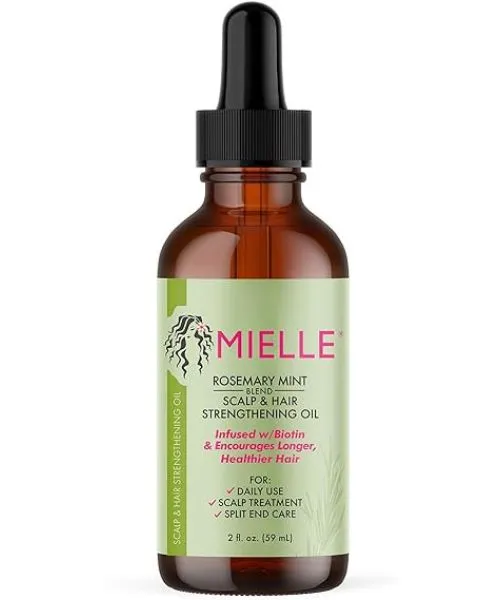
1. Mielle Organics Rosemary Mint Scalp & Hair Strengthening Oil

Rosemary oil and peppermint oil all in one bottle, yes, please.

This hair oil combines 2 powerhouse oils to give you a great hair product that stimulates hair growth!

rosemary oil and peppermint oil hair product
Buy On Amazon

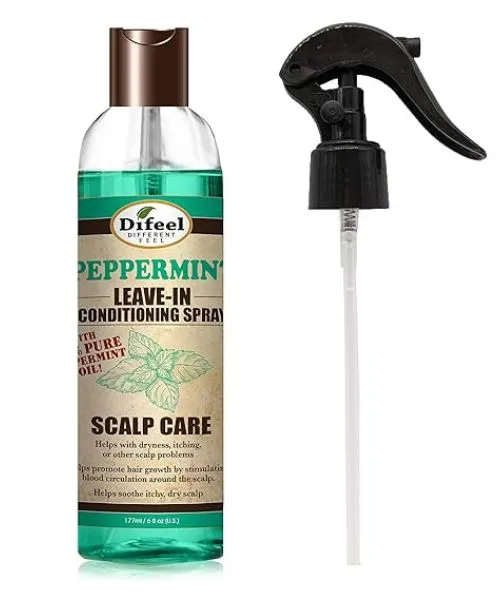
2. Difeel Peppermint Scalp Care Leave-in Conditioning Treatment

The difel peppermint leave-in is made solely of pure oils. With peppermint oil being the main ingredient.

Peppermint leave in spray
Buy On Amazon

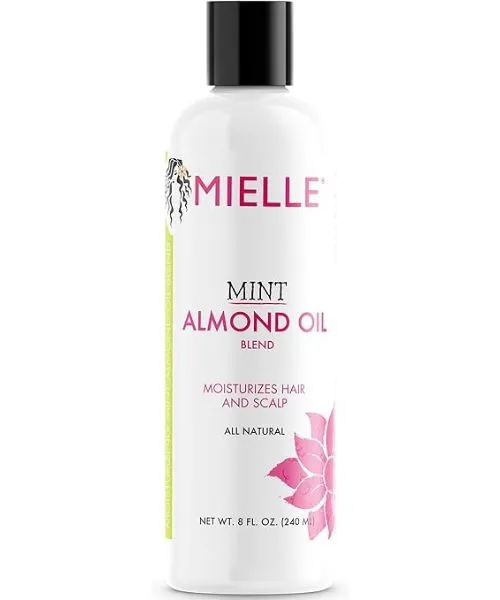
3. Mielle Organics Peppermint Almond Oil

Another mielle product, because they are just so good.

This product is sweet almond oil infused with peppermint oil and is great to use as a hot oil treatment.

almond oil and peppermint oil hair product
Buy On Amazon

FAQ About Peppermint Oil For Hair Growth

  1. Is peppermint essential oil good for low porosity hair?

Peppermint essential oil can benefit low porosity hair by aiding in scalp stimulation and maintaining a balanced pH, which helps with moisture retention.

  1. Does peppermint oil dry out hair?

Peppermint oil, when used in moderation and properly diluted with a carrier oil, typically does not dry out the hair. However, excessive use may lead to scalp irritation and dryness.

  1. Is peppermint oil good for high porosity hair?

Yes, peppermint oil can be effective for high porosity hair as it helps regulate oil production and cleanse the scalp, promoting healthier, hydrated strands.

  1. What happens if I put too much peppermint oil in my hair?

Applying too much peppermint oil to your hair can potentially cause scalp irritation and dryness, especially for individuals with sensitive skin or allergies to essential oils.

  1. Can peppermint oil damage hair?

Excessive use or direct application of undiluted peppermint oil may cause irritation and damage to the hair and scalp, so it’s important to dilute it properly before use.

  1. Can I put straight peppermint oil in my hair?

Pure peppermint oil should not be applied directly to the hair and scalp as it can be irritating. It’s best to dilute it with a carrier oil before use.

  1. What oil can I mix with peppermint oil?

Peppermint oil blends well with various carrier oils such as castor oil, baobab oil, sweet almond oil, coconut oil, olive oil, argan oil, grapeseed oil, apricot oil, and jojoba oil.

Mixing it with carrier oil helps reduce the risk of irritation and ensures safe application to the hair and scalp.

Pin For Later!

[jetpack-related-posts]

24 Festive French Christmas Nail Ideas for 2024

Filed Under: Christmas, Nail Ideas // 05/12/2024

Step into the festive season with us as we go on a creative exploration of French Christmas nail ideas for 2024. It’s a time to infuse every aspect of our lives with celebration, right down to our fingertips.

While traditional holiday reds hold a special charm, this year I want to embrace something new and dive into a spectrum of nail art that is a little more chic.

In a world where fashion and beauty intertwine with pearls, bows, and velvety textures, let’s allow our nails to steal some of the spotlight.

Gone are the days of settling for a simple cherry-red manicure.

This year, we invite you to dive into a world of possibilities, of the timeless allure of French tips.

Whether you prefer the understated elegance of natural nails, DIY designs, the sleek sophistication of Short and Square nails, or the graceful curves of Almond nails, there’s a style to suit every taste.

Join us on a festive odyssey through these diverse categories, where each nail design spins a tale of holiday merriment and creativity.

Related Post: Red Is The Colour Of The Season, Here’s The Best Red Christmas Nails For This Holiday

Christmas French Tip Nail Ideas

These 24 nail ideas will ensure your manicure is not just an accessory but a captivating focal point. Get ready to redefine holiday beauty as we unwrap the magic of Christmas nails that transcend the ordinary.

It wouldn’t be Christmas without a French tip nail set would it, this classic never goes out of style.

Every year the French tip just keeps getting a revamp, and each year it just gets better and better as time goes!

These are some of our favorite French tip nail sets of the season, they have that classic look of the French tip that we know and love, with a sprinkle of what’s trending in the nail world today.

If you want to do your french manicure at home, we have a super comprehensive nad easy guide on how to achieve a flawless french nail set!

Related Post: 35 Holiday Nail Ideas That Aren’t Red

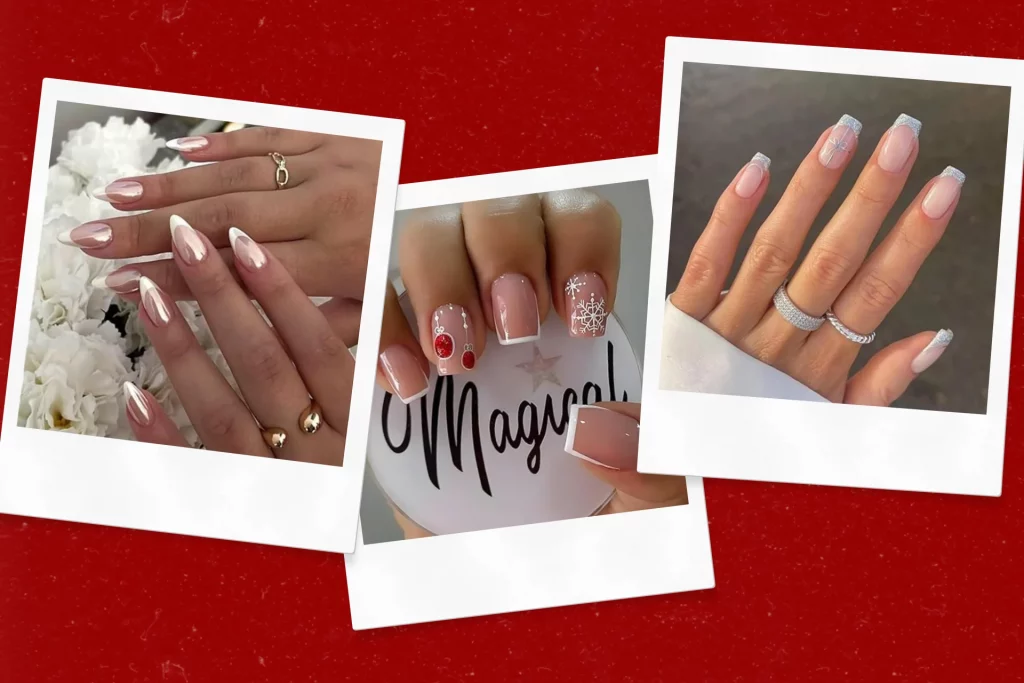
Chrome French Nail Set

Holiday Nails
Get The Look!

Chrome is having a moment, so why not pair up a classic French, with the new trendy chrome.

Glitter French Nail Set

Holiday Nails
Get The Look!

Again another great way to combine 2 trends, and the gift bow on the ring finger, too cute!

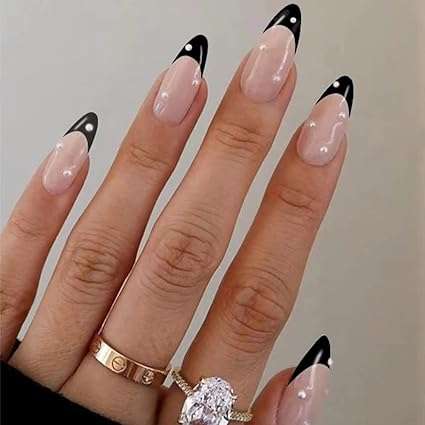
Pearl French Nail Set

Holiday Nails That Are Not Red
Get The Look!

A very coquette way to get a French nail set, but make it dark!

Related Post: The Best Nail Polish Color For A Red Dress

Icey French Nail Set

Christmas Nails That Are Not Red
Get The Look!

Some people may argue with me that this isn’t a French set, well they can go argue with someone else. This is so Christmasy and I just love love love it!

Wreath French Nail Set

Holiday Nails
Get The Look!

This one is undoubtedly a French set, and its undoubtedly a Christmas set!

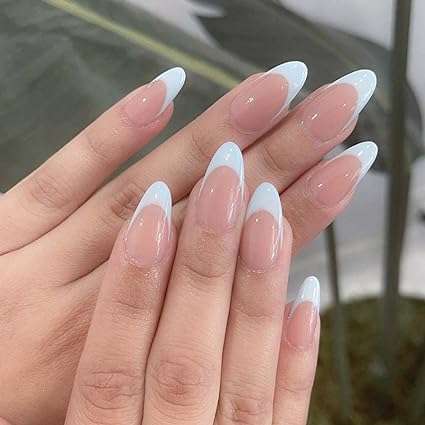
Classic French Nail Set

Holiday Nails
Get The Look!

Need I say more? Sometimes you just need to stick to the basics.

Classic French Nail Set, With a Small Twist

Holiday Nails
Get The Look!

Just your regular degular, French nail set with a slight twist, a cute holiday-themed ring finger!

Holiday French Nail Set

Christmas Nails That Are Not Red
Get The Look!

This is like if a French tip went to a private school, and now is on Christmas break.

A Very Christmas French Nail Set

Holiday Nails That Are Not Red
Get The Look!

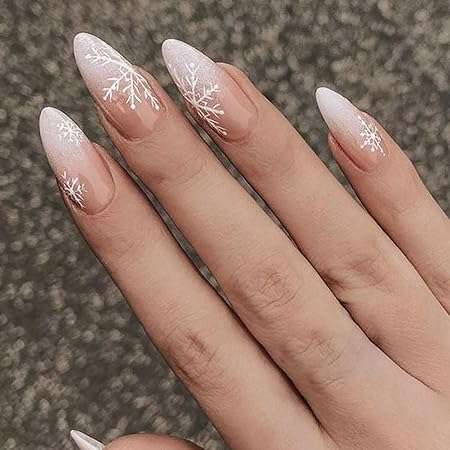
Add a little snow to a French nail set, and you have a Christmas French Nail set.

Rudolph French Nail Set

Christmas Nails That Are Not Red
Get The Look!

Rudolph, on your nails! It’s too cute not to try!

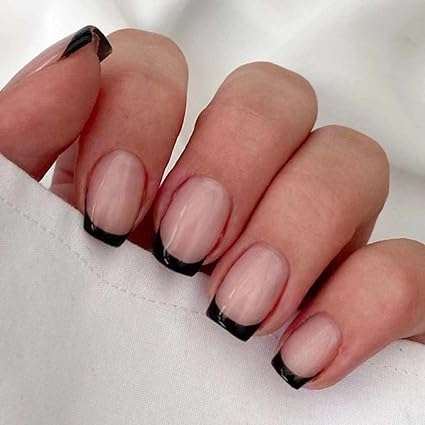
Black French Nail Set

Holiday Nails
Get The Look!

Black French nail set, that’s it! Simple and timeless!

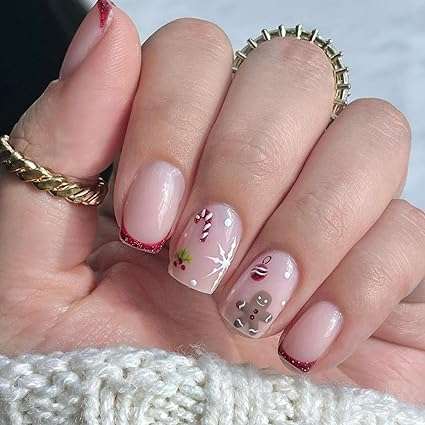
Gingerbread French Nail Set

Christmas Nails That Are Not Red
Get The Look!

Don’t get your nails wet, the Gingerbread man is fragile!

Glittery French Nail Set

Christmas Nails That Are Not Red
Get The Look!

Just a simple nail set with some glitter and a little bit of snow!

More Glittery French Nails

Holiday Nails That Are Not Red
Get The Look!

Just a regular french nail set, with even more glitter and snow!

Santa’s Square Tips Christmas French Nails

holiday nails that are red
Get This Look Now

Step into the holiday spirit with these short square nails.

Adorned with cute Christmas hat designs, this set is perfect for adding a touch of cheer to your fingertips.

Heartfelt Holidays Christmas Nails

holiday nail ideas that are red
Get This Look Now

Wear your heart on your nails with this medium-length set featuring fashionable French red hearts.

These glossy square nails are ideal for a chic and festive Christmas look.

Santa’s Almond Elegance French Tip Christmas Nails

red Christmas nails
Get This Look Now

Adorn your medium almond-shaped nails with a festive Santa hat design.

These glossy full-cover press-on nails are an absolute delight, providing a cute and Christmassy look for women who love holiday charm.

Nude Elegance Medium Almond French Tip Nails

red Christmas nails
Get This Look Now

Achieve a classic and sophisticated look with these medium almond nails.

The nude color and full cover design make these nails a perfect choice for daily life, offering a timeless and elegant style.

Golden Starry Night Medium Almond Nails

red Christmas nails
Get This Look Now

These almond-shaped press-on nails feature red and gold star glitter.

These offer full coverage, making them an ideal canvas for DIY manicure decorations that add a touch of sparkle to your fingertips.

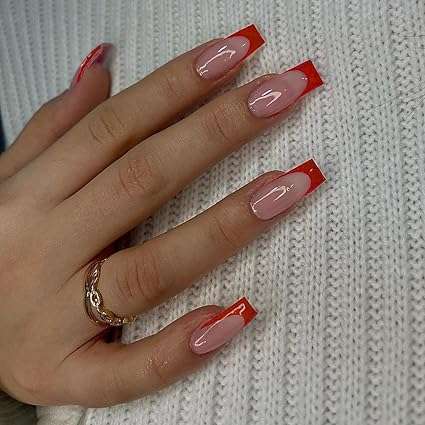
French Elegance Long Coffin Red French Tip Nails

red Christmas nails
Get This Look Now

These long coffin nails featuring red French tips are timeless.

The natural nude nails, offer a classic and refined look, making them perfect for any occasion.

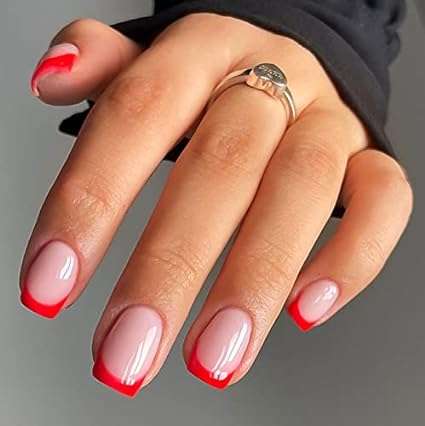
Oval Glamour Short French Tip Red Nails

holiday nail ideas that are red
Get This Look Now

Achieve a classic look with these short oval nails featuring glossy red French tips.

The full-cover nails with a design element are perfect for a stylish manicure, adding a touch of glamour to your everyday style this holiday season.

Ballet Rhinestone Elegance Medium Red Christmas Tree Nails

red Christmas nails
Get This Look Now

Get into the holiday season with these long ballet French rhinestone nails. The red nails showcase a Christmas tree design, adding a touch of festive elegance to your fingertips.

Pin For Later!
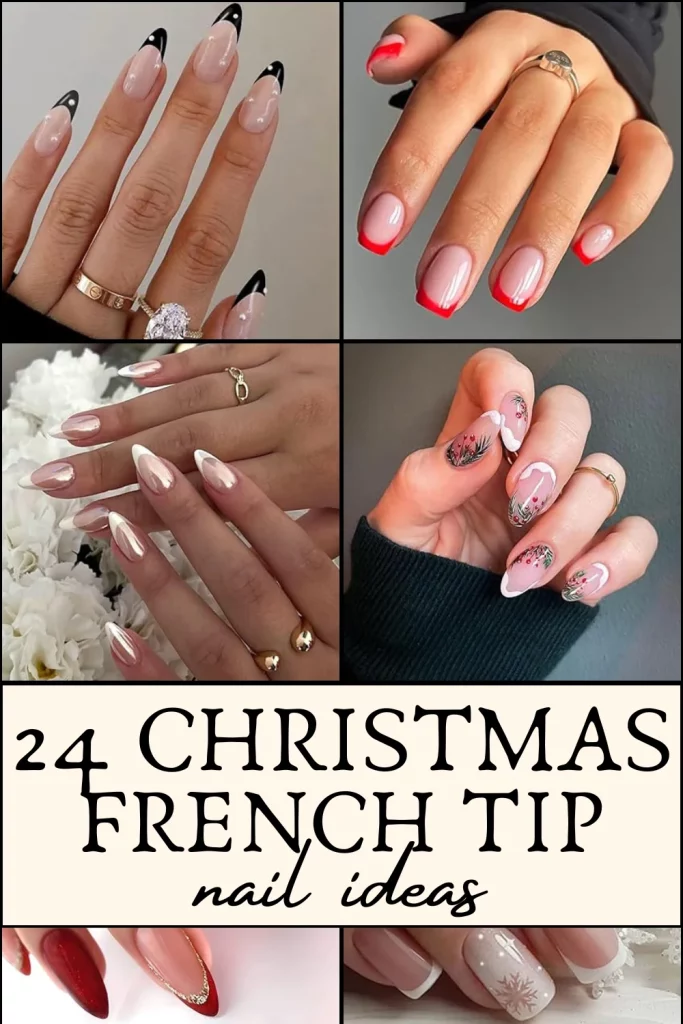
24 Christmas French Tip nail ideas
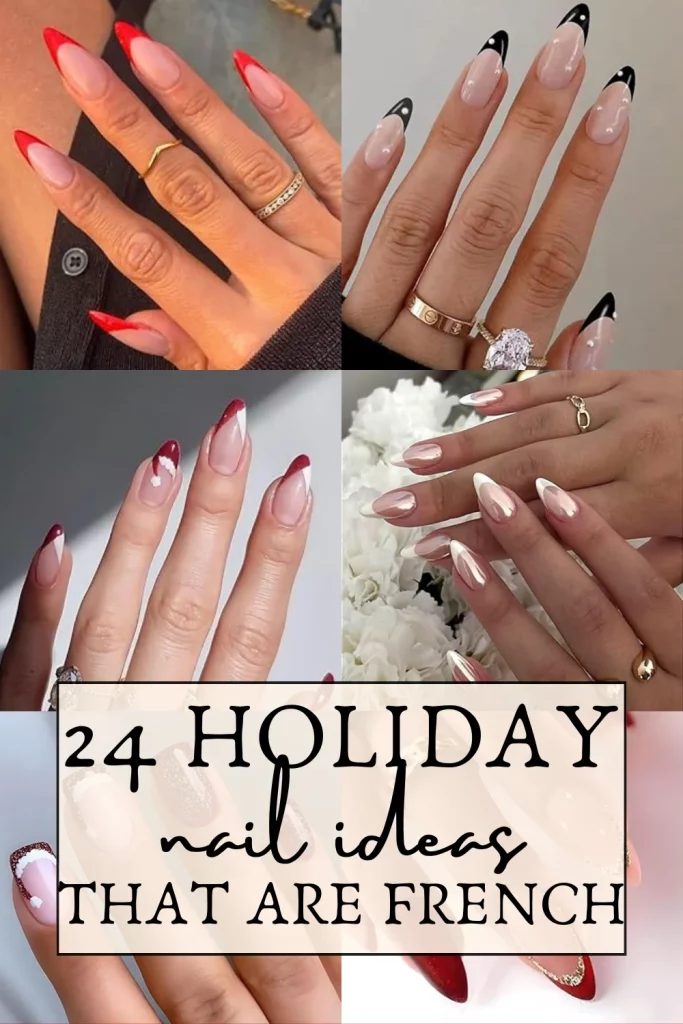
24 Holiday nail ideas that are french
[jetpack-related-posts]

11 Top Hair Oils For Type 4 Hair (High & Low Porosity)

Filed Under: Hair // 04/29/2024

Type 4 hair, is known to be dry hair. To keep coily and curly hair healthy and retain length, you need to make sure your hair is moisturized. When moisturizing your hair, your job is never done until you use oils.

Now, while oils do not moisturize your hair, it is necessary to use oils to strengthen, add nutrients and shine. As well as retain and seal the moisture in your hair.

I have tried all the oils known to the natural hair community to try and find out, what the top hair oils for natural type 4 hair are. Whether you have type 4a, type 4b, or type 4c hair, I have got you covered. 

  • Tips On How To Grow Your Low Porosity Natural Hair Fast
  • An Easy Guide For A Natural Hair Wash Day Routine

What Is Hair Porosity?

Posoristy is how we measure the hair’s ability to absorb water and moisture. It can also describe the ability of the hair to retain this moisture.

There are 3 levels of porosity, high, low, and medium. Each absorbs and retains moisture at different levels.

Each strand of the hair has an outer layer of cuticles. They open up to allow moisture to go in, and close to seal this moisture. And the way these cuticles act, is different depending on your hair type.

What Is Low Porosity Hair?

If your cuticle struggles to open and let moisture in, you have low hair porosity. 

An easy way to identify this characteristic is, when you wet your hair, does the water just sit on top and slide off your hair before your hair eventually soaks it up? Then you most likely have low porosity hair.

Why Does Type 4 Hair Need Oil?

best oil for 4c low porosity hair

Type 4 hair is naturally dry. This is because the coils, kinks, and curls in our hair make it harder for the natural oils produced by our scalp to travel down the shaft of the hair.

Sebum is meant to protect our scalp and hair, as well as retain the moisture in our hair to keep hair from being dry and brittle. When there is not enough sebum on the hair, the cuticle opens and allows the moisture to escape.

This can lead to frizzy hair, breakage, and split ends. 

So, because we need to make up for this, you need to be adding oils to your hair. 

How Often Should You Oil Your Type 4 Hair?

Because natural hair is so dry, you have to make sure to retain that moisture to prevent breakage and retain your length.

You don’t need to focus on the frequency. Rather watch your hair and learn when you need to apply oils to your hair.

I would recommend doing a hot oil treatment, every week or every two weeks, and make sure to seal your hair with one of the heavier oils after each wash day. And then on a day-to-day basis, when your hair looks a little dry, add some leave-in conditioner to your hair and seal it with some lighter oils.

It’s really about knowing what your hair needs when it needs it.

What Oils Are Best For Type 4 Hair?

Jamaican Black Castor Oil

One of the heavier oils, Jamaican black castor oil, or all castor oils for that matter are great sealant oils. Because they can lock moisture into your type 4 hair for longer than the other different types of oils.

Castor oil is another great option for preventing split ends.

You can use Jamaican black castor oil in your deep conditioner or simply use it to harness its antibacterial and anti-fungal properties.

Jamaican black castor oil is one of the heavier oils, jamaican black castor oil, or all castor oils for that matter are great sealant oils because they can lock moisture into your hair for longer than the other different types of oils.

You can use Jamaican black castor oil in your deep conditioner or simply use it to harness its antibacterial and anti-fungal properties.

Castor oil is another great option for preventing split ends.

Jojoba Oil:

The liquid extract from the seeds of the Simmondsia chinensis plant, jojoba oil, is very popular in the haircare community because of its wonderful properties. It is rich in vitamins and nutrients and is a great sealing oil.

Jojoba oil is a lighter oil, it is impermeable and it sits on the hair shaft, making it perfect for sealing in moisture in both your hair and scalp.

It is best used when your hair is still wet with water and product to get ultimate hydration.

Chemically Jojoba oil is very close to the structure of natural hair sebum, making it ideal for dry hair and curly hair.

Because it does a good job at locking in moisture jojoba oil is also a great option if you have a lot of frizz after wash days.

  • Jojoba Oil Is The Best Hair Oil For Low Porosity Hair!
  • Castor Vs Jojoba Oil, Which Is Best For Natural Hair Growth

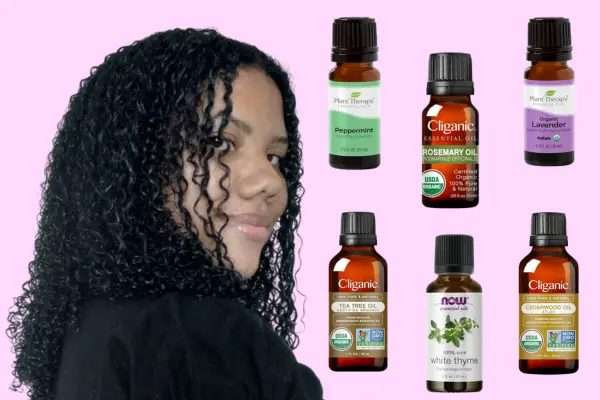
Rosemary Oil

Rosemary oil has been popular in the natural hair community lately, after the release of the Mielle Organics Rosemary Mint Scalp & Hair Strengthening Oil, everyone and their mom was raving over it.

Why, well because to contains amazing ingredients that help with hair growth and length retention. 

The main ingredient, rosemary has been studied and has been found to increase hair growth similarly to minoxidil. Rosemary oil protects and strengthens the hair, helping combat any breakage and allowing for length retention.

With usage over time, your hair begins to appear thicker and become more dense, and you will notice any bold spots you have start to disappear.

This essential oil also contains carnosic acid, which is known to be restorative in skin and tissue and improves your scalp health. 

Peppermint Oil

Another one of the essential oils in the Mielle Organics Rosemary Mint Scalp & Hair Strengthening Oil, peppermint oil has recently come up in the natural hair community as a great natural hair oil.

This nutrient-rich oil is another one of the best oils to stimulate healthy hair growth. 

A study was conducted on mice, where Minoxidil and peppermint oil were compared for their effects on hair growth and the results of the peppermint oil were similar to minoxidil in terms of hair growth and thickness of the hair.

Coconut Oil

If you are a DIY queen like me, coconut oil is the real MVP.

Coconut oil is very similar to protein treatments when used as a hair mask. It repairs dry and brittle hair, prevents split ends, strengthens the hair follicle, and moisturizes the scalp.

You might be thinking, that sounds great, why isn’t coconut oil on the list? Well as an oil it is great, but as a sealant oil, not so much.

When used as a sealant, or after styling, coconut oil can make the hair feel fry and hard.

The trick with coconut oil is to not use it too often and to thoroughly rinse it out after you’ve applied, not leave it in your hair.

Coconut oil also makes for a great carrier oil when doing hot oil treatments.

Argan Oil

Derived from the kernels of the argan tree, argan oil boasts numerous applications to enhance the health and shine of your hair while adding volume. 

Thanks to its elevated levels of antioxidants, essential fatty acids, and vitamin E, argan oil contributes to improved hair elasticity and the restoration of shine to lackluster strands.

The antioxidant properties of argan oil play a crucial role in neutralizing damage caused by free radicals, simultaneously aiding in the prevention of splitting and breakage. 

It’s worth noting that argan oil is a dense oil, so exercise caution to avoid weighing down your hair, particularly if you have fine strands.

  • How To Use Argan Oil For Hair Growth

Baobab Oil

Baobab’s abundance in minerals like zinc and potassium makes it one of the top oils for type 4 hair, it is rich in omega-3 fatty acids and other fats, including palmitic acid, oleic acid, and linolenic acid. These are great for hair that is over-processed, dry, or even color-treated hair.

Fatty acids help keep the outer layer of the hair healthy and strong. It is also a great sealant so it does a good job and locking moisture into the hair shaft.

Because baobab oil contains vitamin A, it helps speed up cellular turnover therefore chemically exfoliating your scalp when you use it.

It also increases blood flow to the hair follicles which increases the delivery of vital nutrients and oxygen for hair growth and hair health. 

Avocado Oil

Avocados, having enjoyed the spotlight as a favorite breakfast item.

Beyond its taste, this fruit proves to be a powerhouse of nutrients, featuring vitamins, omega-rich oils, antioxidants, and lipids avocado oil can be a game changer for those with brittle hair. 

Avocado oil, enriched with these elements, effectively seals hair strands, preserving moisture and reducing the risk of breakage.

Moreover, the bio-active phytochemicals present in avocado oil, such as vitamin E tocopherols, vitamin D, and carotenoids, serve as a defense mechanism against UV damage, environmental factors, and pollutants, ensuring your hair remains shielded from dryness and damage.

In addition to its protective qualities, avocado oil, similar to sweet almond oil, contains biotin, a contributor to the growth of healthier, thicker, and longer hair. 

This oil distinguishes itself as one of the rare natural oils with penetrating abilities, meaning it doesn’t merely coat the hair surface but actively infiltrates the hair shaft.

Avocado oil’s properties extend to stimulating blood circulation to the scalp and unclogging blocked hair follicles, fostering an environment that is perfect for healthy hair growth.

Olive Oil

Another excellent option for natural hair is olive oil, standing out as one of the premier emollients. Packed with vitamins, antioxidants, and healthy fats, it offers a perfect remedy for a dry, itchy scalp.

Extra virgin olive oil, in particular, combats bacterial infections while simultaneously fortifying the hair. This makes it an ideal ingredient for various hair treatments, including masks, deep conditioners, or hot oil treatments, ensuring hydration is locked in and providing a glossy finish.

Given its weightiness, olive oil proves effective in treating dry natural hair. Its ability to smooth hair cuticles and seal in moisture enhances its utility.

Olive oil works wonders for dense, thick hair but may not be as suitable for those with fine hair. The thriving environment for fungus in olive oil raises concerns, making it less ideal for use on the scalp or in products intended for scalp care, such as shampoos and scalp masks.

Grapeseed Oil

Extracted from grape seeds, grape seed oil offers remarkable benefits for our hair.

This oil plays a crucial role in promoting scalp and hair health, relieving dandruff, and soothing irritation. As one of the lighter oils available, it efficiently strengthens the hair shaft and enhances a natural shine.

Notably, grape seed oil contains lower amounts of monosaturated lipids and higher levels of linoleic acid, fats that rest atop the hair strand. This unique composition makes it an excellent sealant.

When applied to the hair, grape seed oil effectively tames frizz and combats split ends, although it’s essential to note that split ends cannot be repaired. However, the oil’s high levels of antioxidants, vitamin E, and omegas contribute to strengthening weak or brittle hair, imparting a beautiful luster.

Direct application of grape seed oil to the scalp serves as a preventative measure against the hormone DHT, known to cause weakened hair follicles and hair loss.

Given its lightweight nature, grape seed oil is an ideal choice for individuals with finer, thinner hair.

Sweet Almond Oil

Produced from ripe almonds, specifically sweet almonds, almond oil comes in two variants: unrefined and refined sweet almond oil. Unrefined almond oil, obtained by pressing the nuts, retains the highest concentration of nutrients. In contrast, the refined version is extracted through heat, potentially diminishing the potency of the oil’s vitamins and nutrients.

Rich in beneficial nutrients for hair, sweet almond oil contains magnesium, promoting healthy hair growth, and vitamin E, excellent for scalp health. Its abundance of fatty acids makes it an effective sealing oil, restoring shine to lackluster hair, imparting a smooth and silky texture.

Beyond its cosmetic benefits, almond oil serves as a protective shield against damage caused by daily styling, heat, and hair coloring. The oil’s antibacterial properties also prove effective in soothing an itchy scalp and eliminating dandruff.

Notably, sweet almond oil contributes to stimulating healthy growth, thanks to the presence of Vitamin B7 and Biotin. These components can reactivate dormant hair follicles, aiding in the thickening of thinning hair.

Those are by far my top oils for natural hair, but there are a few other honorable mentions that I have heard great things about when it comes to the best hair oils; apricot oil, camellia oil, pomegranate oil, sesame oil, rosehip oil, safflower oil and shea butter.

While I haven’t personally tried those various oils, they are nutrient-rich oils that make great higher low-porosity hair oils.

What Oils Are Best For 4c Low-Porosity Hair?

Speaking of low-porosity hair oils, you might want to know which of the different oils I mentioned above is the right oil for you if your hair’s porosity is low and you have 4c hair. 

I would recommend lightweight oils for you, especially grapeseed oil, jojoba oil, argan oil and sweet almond oil. 

I would also highly recommend you use both peppermint and rosemary oil on your scalp to stimulate hair growth as well as keep your scalp healthy and avoid dry scalp.

Why Are Light Oils Best For Low Porosity Hair Types

Heavy oils can weigh down your hair and make it look greasy. Oils with a thin consistency are more likely to penetrate the hair shaft and not just sit on top of it.

What Oils Are Best For 4c High-Porosity Hair?

High porosity hair benefits from another type of oil, heavy oils. 

For high porosity hair, I recommend using castor oils, olive oil, and another great oil is avocado oil. 

Again I would still recommend peppermint oil as well as rosemary for your scalp.

How To Use Oils On Your Type 4c Hair

There are many great ways to incorporate hair oils into your hair care routine. Here are my favorites and the ones I do most often:

Pre-Shampoos Treatment:

Add your oil of choice or multiple oils to the strands of your hair, and let this sit for 20-30 minutes before you shampoo your hair. 

This will prevent the shampoo from drying out your hair too much while still allowing you to clarify your scalp.

  • The Best Pre-Poo For Low Porosity Natural Hair
  • Do You Need To Oil Your Scalp?

Hot Oil Treatment:

I’m sure you’re no stranger to a good hot oil treatment, but if you are, let me explain it to you.

A hot oil treatment is when you heat up various oils and apply the warm, not actually hot oils to your scalp. 

Heat allows for your scalp to really absorb the nutrients in the oils so you can reap the benefits of these oils.

Make sure to not burn the oils or you will get rid of all those nutrients you are looking to harness, I recommend doing a hot oil treatment before every wash day. 

You can do this along with the pre-shampoo treatment I mentioned above.

As A Sealant:

I love using oils to seal in any moisture I add to my hair, and you should be doing the same.

After each wash day, I like to use a heavy oil as my sealant, but in between wash days when I do a refresh or just want to add some shine, I use a lightweight oil.

Pin For Later

the 11 best hair oils for growth
11 amazing hair growth oils
the 11 best hair oils for growth
[jetpack-related-posts]

Does Peppermint Oil Help With Growing Your Natural Hair?

Filed Under: Hair // 04/28/2024

Having personally tried different oils within the natural hair community, from essential oils to carrier oils, I’ve uncovered some real gems.

And let me tell you, peppermint oil is one of my absolute favorites. It’s a powerhouse ingredient that works wonders for your curly hair, regardless of your hair’s porosity.

Pure peppermint oil not only nourishes and strengthens your strands but also helps to invigorate your scalp, promoting healthy hair growth.

And hey, have you heard? Peppermint oil, much like its counterpart rosemary oil, has taken the world of TikTok by storm, and it’s no wonder why – its refreshing scent and revitalizing properties make it a must-have in any hair care routine.

So, whether you’re rocking high porosity hair or a low porosity hair type, rest assured that peppermint oil has got your back.

Benefits Of Peppermint Oil For Hair

Peppermint oil has a range of benefits, most of them derived from its stimulating abilities. Peppermint oil can help to stimulate the scalp thus potentially helping with a better hair growth cycle.

1. Gives you a healthy scalp: Research shows that peppermint oil offers many benefits for scalp health. With its anti-inflammatory properties, peppermint oil combats fungi and inflammation, giving you a healthy scalp.

This oil’s ability to remove excess oil and product build-up may aid in fighting dandruff, while its menthol component provides a cooling sensation, relieving an itchy scalp.

Pure peppermint oil’s soothing properties contribute to scalp health, promoting a comfortable environment for hair follicles to thrive.

2. Potential for promoting hair growth: Studies suggest that peppermint oil could play a role in promoting healthy hair growth.

Notably, a research study found that a peppermint oil solution exhibited more healthy growth compared to minoxidil, an FDA-approved hair-growth product.

While conclusive evidence is still emerging, peppermint oil’s vasodilation effects on blood vessels show promise in stimulating hair growth and thickness.

In an animal study, peppermint oil yielded results comparable to minoxidil, further indicating its potential in combating hair loss and promoting healthier hair growth.

3. Gives you thick hair: Peppermint essential oil’s ability to stimulate blood circulation to the skin may contribute to increased dermal thickness, hair follicle number, and follicle depth, ultimately giving you thick hair.

4. Reduces inflammation: The cooling sensation of peppermint oil provides relief from inflammation when applied topically, contributing to a calming effect on the scalp and reducing skin inflammation.

5. Antibacterial properties: Peppermint oil’s antimicrobial properties are beneficial for maintaining scalp health by balancing the scalp microbiome, potentially reducing the risk of bacterial infections.

6. Promotes healthy pH balance: Peppermint oil aids in balancing the pH of the scalp, which in turn regulates oil production, making it an effective solution for managing oily scalp conditions.

7. Cleanses the scalp: With its natural cleansing properties and antiseptic attributes, peppermint oil effectively cleanses the scalp, maintaining a healthy microbiome and pH balance.

Additionally, its cooling effect soothes inflammation associated with conditions like acne, contributing to overall scalp health and vitality.

Those were a lot of sciencey terms, I know. But my point was, from promoting scalp health to stimulating hair growth and enhancing overall hair quality, peppermint oil is amazing for your hair.

Whether you’re dealing with dandruff, or you want thicker hair, or simply aiming to maintain a healthy scalp environment, peppermint oil’s versatile properties make it a valuable addition to any hair care routine.

What Hair Type Is Peppermint Oil Good For?

long natural hair from using peppermint oil

Peppermint oil serves as a strong stimulant for the scalp and hair follicles, making it an excellent choice for promoting hair health.

However, it’s essential to note that peppermint oil may not be suitable for individuals with dry scalp or brittle hair, as it tends to work best on oily hair and scalp types.

Despite this preference, peppermint oil remains compatible with all hair types when used correctly and safely. It’s crucial to exercise caution when applying peppermint oil directly to the scalp, as it can cause irritation, particularly for those with allergies to essential oils or sensitive scalps.

If you tend to have greasy hair, peppermint oil offers great benefits.

Its clarifying properties effectively cleanse and invigorate the hair, removing excess oil and buildup without stripping away its natural oils.

By regulating sebum production, peppermint oil ensures a balanced scalp environment, leaving the hair nourished and hydrated without weighing it down.

Additionally, its cleansing action helps eliminate product buildup and residue, contributing to healthier, more vibrant hair.

is peppermint oil good for low porosity hair?

Peppermint oil is particularly beneficial for hair with high porosity.

High porosity hair tends to absorb moisture quickly but struggles to retain it, often leading to dry hair and frizzy hair.

Peppermint oil’s ability to balance the scalp’s pH helps regulate oil production, making it especially suitable for managing high porosity hair.

By maintaining the scalp’s natural moisture levels, peppermint oil helps prevent excessive moisture loss from the hair shaft, thus promoting healthier, more hydrated strands.

But, peppermint oil’s clarifying properties make it effective in cleansing the scalp and hair, which is essential for low porosity hair prone to product buildup.

It helps remove impurities and residue from the hair cuticle, allowing moisture to penetrate more effectively in the less porous hair.

Additionally, peppermint oil’s stimulating effects on blood circulation can aid in delivering essential nutrients to the hair follicles, promoting stronger, more resilient strands.

While peppermint oil may not be the best option for regular use for those with low porosity hair due to its potential to exacerbate dryness. It can be a game-changer for any hair porosity if you are seeking to enhance moisture retention and overall hair health.

I recommend using peppermint oil in your hair once a week if you have high porosity hair. But if you have low porosity hair, every two weeks would be better to avoid drying out your hair.

How To Use Peppermint Oil For Your Hair

how to use peppermint oil for hair growth

Peppermint is a very easy oil to add to your hair care routine. Whether you want to add it to your DIY haircare treatments, use it in a pre-shampoo treatment or in your scalp massages.

You can also find various hair products with peppermint oil already added to them that you can try out.

Here are some ways you can add peppermint oil to your hair care routine:

  • Scalp massages: Dilute a few drops in any carrier oil, and massage it into your scalp. Massage for anywhere between 5-10 minutes. Leave this in overnight and continue with your regular wash day the next day, find out why scalp oiling is so important for growing your hair here.
  • Dilute in carrier oil: If you want to use peppermint oil on its own, it’s best to dilute it in a carrier oil like jojoba or argan oil. Since it is an essential oil, the best way to use this oil is to dilute it in your favorite carrier oil at a 1-2 percent concentration.
  • Use hair care products with peppermint oil: Use products that contain peppermint oil. Or you can add pure peppermint oil to your hair products yourself, I like to add it to my leave-in conditioner.
  • Make a DIY hair mask: Making a DIY hair mask using peppermint oil is easy. You can simply add the peppermint oil into your deep conditioner or make a DIY mask, by following one of the recipes below.

DIY Peppermint Oil Hair Masks

Refreshing Peppermint Oil Pre-Poo Hair Mask:

Ingredients:

  • 2 tablespoons coconut oil
  • 5-6 drops of pure peppermint oil

Instructions:

  • Mix the coconut oil and peppermint oil in a small bowl until well combined.
  • Heat the oil to turn it into a hot oil treatment.
  • Apply the mixture to damp hair, starting at the top of your hair and working down to the tips.
  • Gently massage the hair mask into the scalp for 5-10 minutes to stimulate blood circulation.
  • Leave the mask on for 20-30 minutes to allow the oils to penetrate the hair shaft.
  • Rinse thoroughly with lukewarm water and shampoo as usual.

Moisturizing Peppermint Avocado Hair Mask:

Ingredients:

  • 1 ripe avocado (or you can use avocado oil)
  • 1 tablespoon olive oil
  • 5 drops of peppermint oil

Instructions:

  • Mash the avocado in a bowl until smooth.
  • Add the olive oil and peppermint oil to the mashed avocado and mix well.
  • Apply the mixture to clean, damp hair, focusing on the ends and any dry areas.
  • Cover your hair with a shower cap and leave the mask on for 30-45 minutes.
  • Rinse thoroughly with lukewarm water and shampoo as usual.

Hydrating Peppermint Yogurt Hair Mask:

Ingredients:

  • 1/2 cup plain yogurt
  • 1 tablespoon honey
  • 5-6 drops of peppermint oil

Instructions:

  • In a bowl, combine the plain yogurt, honey, and peppermint oil until smooth.
  • Apply the mixture to damp, clean hair, focusing on the roots and scalp.
  • Leave the mask on for 20-30 minutes to allow the ingredients to deeply nourish the hair.
  • Rinse thoroughly with lukewarm water and shampoo as usual.
  • Follow up with conditioner if needed for added hydration.

The Best Products With Peppermint Oil

1. Mielle Organics Rosemary Mint Scalp & Hair Strengthening Oil

Rosemary oil and peppermint oil all in one bottle, yes, please.

This hair oil combines 2 powerhouse oils to give you a great hair product that stimulates hair growth!

rosemary oil and peppermint oil hair product
Buy On Amazon

2. Difeel Peppermint Scalp Care Leave-in Conditioning Treatment

The difel peppermint leave-in is made solely of pure oils. With peppermint oil being the main ingredient.

Peppermint leave in spray
Buy On Amazon

3. Mielle Organics Peppermint Almond Oil

Another mielle product, because they are just so good.

This product is sweet almond oil infused with peppermint oil and is great to use as a hot oil treatment.

almond oil and peppermint oil hair product
Buy On Amazon

FAQ About Peppermint Oil For Hair Growth

  1. Is peppermint essential oil good for low porosity hair?

Peppermint essential oil can benefit low porosity hair by aiding in scalp stimulation and maintaining a balanced pH, which helps with moisture retention.

  1. Does peppermint oil dry out hair?

Peppermint oil, when used in moderation and properly diluted with a carrier oil, typically does not dry out the hair. However, excessive use may lead to scalp irritation and dryness.

  1. Is peppermint oil good for high porosity hair?

Yes, peppermint oil can be effective for high porosity hair as it helps regulate oil production and cleanse the scalp, promoting healthier, hydrated strands.

  1. What happens if I put too much peppermint oil in my hair?

Applying too much peppermint oil to your hair can potentially cause scalp irritation and dryness, especially for individuals with sensitive skin or allergies to essential oils.

  1. Can peppermint oil damage hair?

Excessive use or direct application of undiluted peppermint oil may cause irritation and damage to the hair and scalp, so it’s important to dilute it properly before use.

  1. Can I put straight peppermint oil in my hair?

Pure peppermint oil should not be applied directly to the hair and scalp as it can be irritating. It’s best to dilute it with a carrier oil before use.

  1. What oil can I mix with peppermint oil?

Peppermint oil blends well with various carrier oils such as castor oil, baobab oil, sweet almond oil, coconut oil, olive oil, argan oil, grapeseed oil, apricot oil, and jojoba oil.

Mixing it with carrier oil helps reduce the risk of irritation and ensures safe application to the hair and scalp.

Pin For Later!
[jetpack-related-posts]

How To Use Castor Oil For Natural Hair Growth

Filed Under: Hair // 04/28/2024

Pure Jamaican black castor oil

If you have natural hair, you probably have your holy grail products for your hair. And one of these products should be pure Jamaican black castor oil.

Before the natural hair community claimed this oil for its amazing benefits, castor oil was used medicinally for constipation, stomach aches, and others.

Now castor oil is one of the best oils used to thicken hair, regrow edges, and speed up hair growth.

What Is Pure Jamaican Black Castor Oil?

Castor oil, extracted from the seeds of the castor bean plant (Ricinus communis), is a true MVP when it comes to hair products for natural hair care within the Type 4 hair community.

Rich in ricinoleic acid—an essential fatty acid known for its nurturing properties—castor oil offers a multitude of benefits for curly hair types, especially if you have fragile and dry hair or a dry scalp.

Castor oil has been celebrated for centuries across diverse cultures for its versatility and therapeutic potential and is often called a miracle oil.

Its applications span far and wide from ancient medicinal practices to modern-day cosmetic formulations.

When it comes to hair care, castor oil is known as one of the best hair oils. The benefits of castor oil address the unique needs of type 4 hair.

Being one of the heavier oils, castor oil allows it to form a protective barrier over the hair shaft, sealing in moisture and shielding against environmental stressors.

Related Post: Castor Vs Jojoba Oil, Which Is Best For Natural Hair Growth

The Benefits Of Castor Oil

As you now know, castor oil is an amazing hair oil and should be part of your hair care routine because of its numerous benefits. Here are the many benefits of castor oil:

1. Sealant Oil: With its thick consistency, castor oil is a great sealant oil, and does a great job at locking in moisture within the hair shaft.

This protective layer helps to combat dry hair and prevent moisture loss, leaving 4C hair hydrated.

2. Promotes Hair Growth: A standout feature of pure Jamaican castor oil is its ability to stimulate hair growth.

Rich in nutrients, like ricinoleic acid, and essential fatty acids, it nourishes the scalp, promotes blood circulation, and encourages the growth of healthy hair follicles, leading to enhanced length and density over time.

Scientific studies have demonstrated that ricinoleic acid stimulates hair growth and enhances the thickness of individual hair strands.

As a result, regular use of castor oil can lead to noticeably healthier, longer, and more luscious locks.

3. Strengthens Your Hair: The nourishing properties of castor oil, like omega-6 and omega-9 fatty acids, strengthen the hair shaft, reducing breakage and split ends.

Regular use of castor oil strengthens natural hair, making it more resilient and durable over regular usage.

4. Reduces Scalp Inflammation: Castor oil possesses anti-inflammatory properties that can soothe and calm the scalp, alleviating conditions such as itching, irritation, and inflammation.

By promoting scalp health, castor oil gives you a healthy foundation for optimal hair growth.

5. Conditions and Softens Your Hair: When applied to the hair, castor oil acts as an effective conditioner, making it softer and more manageable to coarse type 4 hair.

Its emollient nature smooths the hair cuticle, enhancing texture and making it easier to detangle.

6. Reduces Breakage: By moisturizing and strengthening the hair shaft, castor oil helps to minimize breakage and damage.

Its nourishing properties penetrate deep into the hair, fortifying each strand from within and reducing the risk of breakage during styling or manipulation.

7. Treats Dandruff: The anti-inflammatory and antimicrobial properties of castor oil make it a great scalp treatment for dandruff, dry scalp, and scalp infections.

Regular application can help to soothe an itchy scalp and reduce the presence of flakes, promoting a healthy scalp.

8. Thickens Your Hair: With consistent use, castor oil has been observed to contribute to thicker, fuller hair.

Its nutrient-rich formula nourishes the hair follicles, encouraging healthy hair growth and enhancing the overall volume and density of curly hair.

9. Adds Shine and Luster to Your Hair: Castor oil gives natural hair a shine and natural luster. Its sealing properties enhance the hair’s natural sheen, leaving it looking vibrant and healthy.

10. Reduces Hair Loss: By strengthening the hair shaft and promoting a healthy scalp, castor oil can help minimize hair loss and promote retention.

It has the ability to fortify the roots of your hair and improve blood circulation for healthy hair growth, reducing the risk of excessive shedding.

The benefits of castor oil for type 4 hair are plenty, ranging from reducing moisture loss and promoting healthy hair growth to improving scalp health and adding shine.

Adding castor oil to your hair care routine can give you the best results for curly hair.

Is Castor Oil Good For Natural Hair?

long type 4 hair from using castor oil

Castor oil is one of the best natural oils for hair, especially for 3 to 4 hair types prone to dryness and breakage.

With its thick consistency and being one of the most nutrient-rich oils, castor oil acts as a sealant, locking in much-needed moisture and preventing moisture loss—essential for maintaining healthy, hydrated curls.

Not only does it promote hair growth by stimulating blood circulation to the scalp, but it also strengthens hair strands, reducing breakage and split ends, a common concern when you have curly hair.

Regular use of castor oil can lead to thicker, longer, and healthier hair. Whether you’re looking to reduce scalp inflammation, treat dandruff, or simply add shine and luster to your locks, castor oil is a great addition to natural hair care.

How To Use Castor Oil For Natural Hair

To really benefit from castor oil, you have to use it the right way. Here are several ways to use castor oil to promote the health of your curls:

Pre-poo Treatment:

Before shampooing, apply castor oil generously to dry or wet hair, focusing on the lengths and ends of your hair.

This pre-poo treatment helps to create a protective barrier, preventing the stripping of natural oils during the cleansing process.

Leave the natural oil in for at least 30 minutes, or for even deeper penetration, overnight. Make sure to wear a plastic cap and your bonnet to protect your pillowcase and insulate your scalp.

Follow up with your regular wash day routine.

Hot Oil Treatment:

Treat your hair to a hot oil treatment using castor oil, and a few other natural oils to deeply nourish and hydrate your hair.

Combine one part each of coconut oil, pure Jamaican castor oil, and argan oil. Warm the oils in a heat-safe container, then apply them to your scalp and hair, massaging gently to ensure even distribution.

Cover your hair with a shower cap or warm towel and leave the oil in for 30-60 minutes to allow it to penetrate deeply.

Rinse thoroughly and proceed with your usual wash day routine.

(If you do not have the other oils on hand, it’s ok to just use castor oil, but because it is a heavier oil, it can be hard to use alone.)

Scalp Massage:

Incorporate scalp massages with castor oil into your weekly hair care routine to promote blood circulation and stimulate healthy hair growth.

Using your fingertips, gently massage pure Jamaican castor oil (I like Sunny Isle Jamaican Black Castor Oil) into your scalp in circular motions for 5-10 minutes.

This massage not only nourishes the scalp but also helps to alleviate dry and itchy scalp and inflammation.

Related Post: Do You Need To Oil Your Scalp?

Sealant Oil After Wash Day:

After washing and conditioning your hair, use castor oil as a sealant to lock in moisture and keep your curls hydrated throughout the week.

After styling your hair with your favorite hair products, apply a small amount of castor oil to your fingertips and gently work it through the lengths and ends of your hair.

Related Post: Moisturizing Vs Sealing Oils, What’s Best For Natural Hair

Deep Conditioner for Dry Hair:

Create your DIY deep conditioner using castor oil to combat dryness and restore moisture to your curls.

Combine the following ingredients in a bowl:

  • 1/4 cup of plain yogurt
  • 2 tablespoons of honey (which is a great humectant)
  • 1 tablespoon of castor oil

Mix until well combined, then apply the mixture to clean, wet hair, focusing on the lengths and ends of your hair.

Cover your hair with a shower cap and leave the deep conditioner on for 30 minutes to an hour. Rinse thoroughly and style as desired for soft, nourished curls.

Which Castor Oil Is Best For Natural Hair?

When it comes to choosing the right castor oil for your natural hair, two popular options stand out: Organic Cold Pressed Castor Oil and Pure Jamaican Black Castor Oil.

Each variant offers unique benefits to meet the many needs of your curls.

Organic Cold-Pressed Castor Oil:

Organic Cold Pressed Castor Oil is derived from castor seeds through a method that preserves the oil’s natural nutrients and properties.

As the name suggests, this oil is extracted without the use of heat or chemical solvents, ensuring maximum purity and potency. It’s a pale yellow color and a mild nutty aroma.

Benefits of Organic Cold-Pressed Castor Oil On Natural Hair:

Organic Cold Pressed Castor Oil is rich in essential fatty acids, vitamins, and minerals, making it an excellent choice for promoting hair growth and nourishing the scalp.

Its lightweight texture makes it ideal for moisturizing the hair without weighing it down, leaving your curls soft, shiny, and manageable.

This oil is versatile and can be easily incorporated into various hair care recipes, such as pre-poo treatments, scalp massages, and DIY deep conditioners.

Pure Jamaican Black Castor Oil:

sunny isle jamaican black castor oil

Pure Jamaican Black Castor Oil is a variant of castor oil that has been roasted before extraction.

This process involves roasting the castor seeds, resulting in a darker color and a stronger, more pungent aroma compared to cold-pressed castor oil.

Jamaican Black Castor Oil is celebrated for its potent hair growth-stimulating properties and is a staple in many natural hair care routines.

Benefits of Pure Jamaican Castor Oil on Natural Hair:

Jamaican Black Castor Oil is renowned for promoting healthy hair growth and strengthening hair strands, making it an excellent choice for those looking to achieve longer, thicker hair.

Its thick consistency makes it an effective sealant oil, locking in moisture and preventing moisture loss, particularly beneficial for dry, brittle hair types.

This oil is highly concentrated and potent, requiring only a small amount to achieve desired results. It can be used as a scalp treatment, hot oil treatment, or added to deep conditioners for an extra boost of hydration and nourishment.

Both Organic Cold Pressed Castor Oil and Pure Jamaican Black Castor Oil offer valuable benefits for natural hair, with each catering to different hair needs.

Whether you opt for the lightness of cold-pressed castor oil or the richness of Jamaican Black Castor Oil, using castor oil in your hair care routine can help you achieve healthier, more vibrant curls.

Get the Sunny Isle Jamaican Black Castor Oil on Amazon for just $7.

Side Effects of Using Castor Oil on Your Hair

While castor oil offers many benefits for natural hair, it’s essential to be aware of the potential side effects of regular use of castor oil, particularly with improper use or sensitivity to the oil:

1. Allergic Reactions: Some individuals may experience allergic reactions to castor oil, resulting in symptoms such as itching, redness, or irritation of the scalp.

Perform a patch test before applying castor oil to your hair and scalp to assess your sensitivity to the oil.

2. Excess Oiliness: Castor oil has a thick consistency that can leave hair feeling greasy or weighed down, especially when using too much oil.

Using too much castor oil or not washing it out properly may lead to an unwanted buildup, making the hair appear greasy and flat.

3. Clogged Pores: Because it is a heavier oil, castor oil can potentially clog the pores on the scalp, especially if not thoroughly rinsed out after application.

4. Over-Drying: While castor oil is excellent for sealing moisture into the hair, using it without proper hydration or in excessively dry conditions may lead to over-drying of the hair shaft.

This can result in brittle, fragile strands that are prone to breakage.

FAQ about Castor Oil for 4C Hair:

1. How often should I put castor oil in my natural hair? It’s best to apply castor oil to your hair 1-2 times per week to prevent buildup and ensure optimal absorption of nutrients.

2. Can I use castor oil on low-porosity hair? Yes, castor oil can be used on low-porosity hair, but it’s essential to apply it sparingly and use it as a hot oil treatment or mix it with lighter oils for better absorption.

3. Can I use castor oil on high-porosity hair? Yes, castor oil can benefit high porosity hair by sealing in moisture and strengthening the hair shaft but be careful of using too much as it may weigh down the hair.

4. Should I apply castor oil on dry or wet hair? Castor oil can be applied to either dry or wet hair, but it’s generally more effective on damp hair as it helps to lock in moisture.

5. Can I oil my hair every day? While it’s not necessary to oil your hair every day, you can do so if your hair requires extra hydration, but be mindful of potential buildup.

6. When should you not use castor oil for hair? Avoid using castor oil if you have allergies to its ingredients, experience scalp irritation, or notice excessive hair loss after use.

7. Which oil is best for 4C hair? Castor oil is one of the best oils for 4C hair due to its ability to moisturize, strengthen, and promote hair growth. You can read about the best hair oils for 4c hair here.

8. Is castor oil okay for curly hair? Yes, castor oil is suitable for curly hair as it helps to hydrate curls, reduce frizz, and enhance shine.

9. Can we apply castor oil directly on hair? Yes, castor oil can be applied directly to the hair and scalp, but it’s essential to massage it in thoroughly for even distribution.

10. Does castor oil grow hair? Castor oil contains nutrients that can stimulate hair growth and improve hair health, but individual results may vary.

11. What grows 4C hair faster? Consistent hydration, proper nutrition, and regular scalp massages with castor oil can promote faster growth for 4C hair, read more on how to grow natural hair here.

12. What does castor oil do for hair? Castor oil moisturizes the hair, strengthens hair strands, promotes hair growth, and helps to alleviate scalp issues like dandruff.

13. What can I mix castor oil with for my hair? Castor oil can be mixed with lighter oils like coconut or jojoba oil for easier application and absorption.

14. What happens if you apply castor oil to your hair daily? Applying castor oil daily may lead to buildup and weigh down the hair, so it’s best to use it in moderation.

15. How fast does castor oil work? Results vary, but regular use of castor oil can lead to noticeable improvements in hair health and growth within a few weeks to months.

16. What are the disadvantages of applying oil to your hair? Disadvantages may include the potential for buildup, allergic reactions, or weighing down of the hair if oils are applied excessively or if unsuitable for your hair type.

Pin For Later!
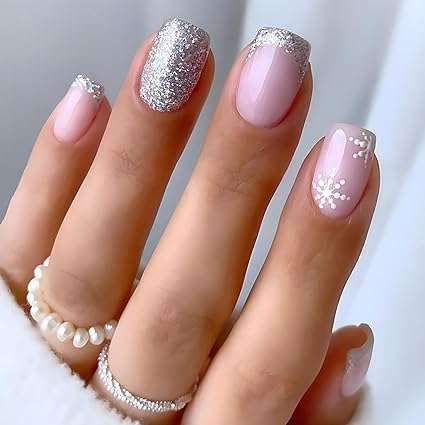
[jetpack-related-posts]

The Best Essential Oils For Natural Hair Growth in 2024

Filed Under: Hair // 04/28/2024

Hey there, beautiful! Ever find yourself staring at the mirror, wondering how to achieve faster hair growth?

Well, what if I told you a natural solution can stimulate healthy hair growth? Yep, you guessed it – essential oils!

In this blog post, we’re going deep into the world of essential oils for black hair growth.

Get ready to unlock the secrets to scalp health, hair health, and stronger hair strands that’ll have heads turning wherever you go.

So, grab a seat, pour yourself some tea, and let’s discuss the magic that is the use of essential oils for hair growth!

What Are Essential Oils?

Essential oils are concentrated extracts derived from natural ingredients like plants, herbs, and fruits.

These potent natural oils are known for their aromatic properties and are often used in aromatherapy to promote relaxation and well-being.

However, they’re not just great for creating a calming atmosphere and being used in a spa; they also pack a punch when it comes to hair care products.

Whether you’re struggling with hair loss, itchy scalp, dry scalp or simply want to boost the health of your hair follicles, essential oils are your go-to solution.

So, let’s explore how these little wonders can work wonders for your hair!

Benefits of The Use of Essential Oils

Using essential oils for black hair growth offers many benefits that cater specifically to the unique needs of black hair types.

Let’s break down some of these benefits and how they contribute to healthier, stronger hair strands:

Stimulates Hair Follicles:

long natural hair from using peppermint oil

Essential oils such as rosemary oil and peppermint oil have been shown to stimulate blood circulation to the scalp.

Scalp stimulation in turn promotes hair follicle health and encourages new hair growth.

According to a study published in the Journal of the American Academy of Dermatology, rosemary oil was found to be as effective as minoxidil, a common hair growth treatment, in promoting hair growth in individuals with androgenetic alopecia.

Nourishes the Scalp:

Many essential oils, including lavender oil and tea tree oil, possess antibacterial properties and anti-inflammatory properties that help to maintain scalp health and prevent conditions like dandruff and scalp infections like fungal infections.

This creates a conducive environment for healthy hair growth to thrive by improving blood circulation and blood flow to the scalp.

Strengthens Hair Strands:

Essential oils rich in essential fatty acids, penetrate the hair shaft to moisturize and strengthen the hair from within.

This helps to prevent hair breakage and split ends, leading to longer and thicker hair over time.

Soothes Scalp Irritations:

Essential oils with anti-inflammatory properties, such as lavender oil and chamomile oil, can help soothe and calm scalp irritations like itchy scalp and scalp irritations like redness.

This provides relief for those with sensitive scalps and promotes a healthier scalp environment for optimal hair growth.

The Best Essential oils for black hair growth

Now that you know why essential oils are so great, you may be wondering which essential oils you should be using for your curly hair.

Let’s explore the best essential oils for black hair growth:

Rosemary Oil:

Benefits Of Rosemary Oil:

  • Stimulates blood circulation to the scalp, promoting hair growth.
  • Strengthens hair follicles and reduces hair loss.

How To Use Rosemary Oil:

  • Mix a few drops of rosemary oil with a carrier oil such as avocado oil or jojoba oil for a scalp massage to improve blood circulation and stimulate hair follicles.
  • Add rosemary oil to your shampoo or conditioner for an extra boost in promoting hair growth and preventing hair loss.

Lavender Essential Oil:

Benefits Of Lavender Oil:

  • Calms scalp irritations and reduces inflammation, promoting scalp health.
  • Moisturizes and conditions the hair, reducing dryness and preventing breakage.

Uses of Lavender Essential Oil:

  • Mix lavender oil with olive oil or sweet almond oil for a soothing scalp massage to alleviate scalp irritations and promote relaxation.
  • Add a few drops of lavender oil to your leave-in conditioner or hair oil blend to hydrate and nourish the hair, especially for dry hair types.

Peppermint Oil:

Benefits of Peppermint Oil:

  • Stimulates blood circulation to the scalp, promoting hair growth.
  • Provides a cooling sensation and helps to unclog hair follicles, reducing itching and inflammation.

Uses of Peppermint Oil:

  • Dilute peppermint oil with jojoba oil or argan oil for a refreshing scalp massage to improve blood flow and stimulate hair growth.
  • Add a few drops of peppermint oil to your shampoo or hair rinse for a revitalizing experience that soothes scalp itchiness and promotes a healthy scalp environment.

Tea Tree Oil:

Benefits of Tea Tree Oil:

  • Treats fungal infections and scalp conditions like dandruff, promoting scalp health.
  • Cleanses the scalp and hair follicles, preventing build-up and promoting a clean, healthy environment for hair growth.

Uses of Tea Tree Oil:

  • Mix tea tree oil with coconut oil or olive oil for a scalp treatment to combat dandruff and fungal infections while nourishing the scalp.
  • Add a few drops of tea tree oil to your shampoo or conditioner to help control excess oil production and maintain scalp hygiene.

Thyme Oil:

Benefits of Thyme Oil:

  • Stimulates blood circulation to the scalp, promoting hair growth.
  • Possesses antifungal and antibacterial properties, preventing scalp infections and promoting scalp health.

Uses of Thyme Oil:

  • Mix thyme oil with grapeseed oil or jojoba oil for a scalp massage to improve blood circulation and stimulate hair growth while combating scalp infections.
  • Add a few drops of thyme oil to your shampoo or hair rinse for a cleansing experience that promotes scalp health and prevents dandruff.

Cedarwood Oil:

Benefits of Cedarwood Oil:

  • Balances oil production on the scalp, reducing excess oiliness and preventing clogged hair follicles.
  • Stimulates hair growth and strengthens hair follicles, reducing hair loss.

Uses of Cedarwood Oil:

  • Dilute cedarwood oil with coconut oil or argan oil for a scalp treatment to regulate oil production and promote healthy hair growth.
  • Add cedarwood oil to your hair oil blend or leave-in conditioner for daily use to nourish the scalp and strengthen the hair strands.

Marula Oil:

Benefits of Marula Oil:

  • Moisturizes and conditions the hair, reducing dryness and preventing breakage.
  • Protects the hair from environmental damage and oxidative stress, promoting overall hair health.

Uses of Marula Oil:

  • Apply marula oil directly to the scalp and hair strands as a leave-in treatment to hydrate and nourish the hair, especially for dry or damaged hair types.
  • Mix marula oil with shea butter or avocado oil for a deep conditioning hair mask to strengthen the hair and improve elasticity.

Adding these essential oils into your hair care routine can provide many benefits for black hair growth.

When using essential oils for black hair growth, always remember to add a few drops of essential oils to a carrier oil to avoid skin irritation, and perform a patch test before applying them to your scalp or hair.

These oils, when used correctly, can be powerful in your journey towards healthier, stronger hair.

Do You Need Carrier Oil When Using Essential Oils?

Yes, carrier oils play an important role when using essential oils for hair growth. Here’s why:

Dilution: Essential oils are highly concentrated and can cause skin irritation if applied directly to the scalp or skin.

Carrier oils act as a dilution medium, reducing the potency of essential oils and making them safer for topical application.

Scalp Protection: Carrier oils provide a protective barrier for the scalp, preventing essential oils from causing irritation or sensitivity.

This is particularly important for individuals with sensitive skin or scalp conditions like eczema or psoriasis.

Commonly used carrier oils for black hair growth include coconut oil, jojoba oil, olive oil, and grapeseed oil.

Each carrier oil has its own unique properties and benefits, making it important to choose one that suits your hair type and needs.

Pin For Later!
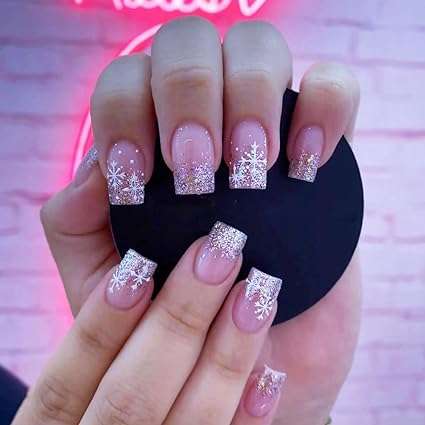
[jetpack-related-posts]

The Best Pre-Poo For Low Porosity Natural Hair

Filed Under: Hair // 04/27/2024

Before I found pre-pooing, wash days took me anywhere from 4-6 hours, it was just so much harder to do. But, now that I pre-poo almost every washday, I have cut that time down to 2-3 hours.

When you pre poo, you save so much time.

It is important for any low porosity hair routine, it prevents breakage during detangling, helps you retain more moisture, and prevents frizz from forming after your wash day.

One of the main characteristics of low porosity hair is that it takes very long to absorb moisture. It can take up to 4 hours for even the best products to get absorbed into the hair.

  • Tips On How To Grow Your Low Porosity Natural Hair Fast
  • An Easy Guide For A Natural Hair Wash Day Routine

What Is Pre Poo?

Pre-poo, short for pre-shampoo treatment, is the process of prepping your hair before you shampoo.

This process forms a protective barrier over the hair shaft and opens up the hair cuticle.

While pre poo treatments are important no matter your hair porosity. Because low-porosity hair has very tight cuticles that struggle to open up to let moisture in, pre poo treatments are super important.

When a pre poo treatment is applied to low-porosity hair, the hair cuticle has time to open up.

This allows your hair to absorb moisture and get the nutrients it needs.

Pre poo treatments vary, they can be hair masks, pre-poo oils, or a protein treatment. Ultimately the best pre-poo treatments are those tailored to your hair’s porosity and needs.

What Is Low Porosity Hair?

One of the main characteristics of low porosity hair is that the hair cuticle struggles to open and let moisture in. If that is you, then you have low hair porosity. 

An easy way to identify this characteristic is, when you wet your hair, does the water just sit on top and slide off your hair before your hair eventually soaks it up?

Benefits Of Pre Poo Treatments

best pre poo for low porosity hair

Pre-pooing is popular for those with natural hair for a reason, multiple reasons actually, all the amazing benefits it has:

1. Protects hair from harsh shampooing: Shampooing can strip the hair’s natural oils, when you pre-poo you form a protective barrier over the hair shaft.

Then you go in with a clarifying shampoo to cleanse your scalp while protecting your strands. (While you do need to wash your hair strands as well, your hair does not need to be fully cleansed each wash day, because natural hair is so dry, try to retain moisture where possible.)

2. Makes the detangling process easier: I’ve managed to reduce my wash days by half the time because I pre-poo.

When you pre-poo your hair is more manageable during the detangling process – the longest part of wash days.

3. Adds extra moisture: Natural hair, is dry hair. This is even more true for low-porosity hair.

When you pre poo, you give your hair enough time to absorb that much-needed moisture.

4. Prevents hair breakage: Because the hair is easier to detangle, hair breakage is less likely to occur.

You also wet the hair before a pre poo treatment so this stops you from detangling dry hair, which causes even more breakage.

5. Helps retain length: Because hair breakage is minimized, you retain your length every time you do a pre-poo treatment.

6. Reduces frizz: Due to the added moisture in your hair, frizz is easily combated. When your hair is hydrated, frizz is less likely to form and your hair stays defined.

7. Hydrates your scalp: Pre-poo treatments restore oils and moisture to your scalp, reducing dry scalp and maintaining a healthy scalp. Which is vital for healthy hair growth.

8. Adds shine and luster to hair: When your hair is moisturized, it is shinier and healthier. So pre poo adds that shine back to your dry hair.

Types Of Pre Poo Treatments

There are various ways to pre poo your natural hair. These are some of my favorite types of pre poo treatments:

  • Pre-poo oils
  • Pre poo hair masks
  • Pre-poo butters
  • DIY pre-poo recipes

Oil Pre-Poo Treatment:

Using oils for your pre-poo treatment is a great way to add some shine to your hair, while also strengthening it. This is best for people who feel their hair breaks easily and looks dry and dull.

Some of my favorite pre-poo oils are:

  • coconut oil
  • avocado oil
  • olive oil
  • castor oil
  • jojoba oil
  • argan oil
  • sweet almond oil
  • sunflower oil

I recommend using any of these different oils to give yourself an oil pre-poo treatment. I recommend using a hot oil for this process to really get the full benefits of the oils you choose.

To find out which oils to choose for your pre-poo treatment read:

  • Moisturizing Vs Sealing Oils, What’s Best For Natural Hair
  • 11 Top Hair Oils For Type 4 Hair (High & Low Porosity)

Pre-Poo Hair Masks

View this post on Instagram

A post shared by Tahila's Hair Journey (@thecurlyhairjourney)

Hair masks are a great way to add moisture to your hair. They often have many great ingredients that work well for deep conditioning.

The best thing about hair masks is that you can get one tailored for any hair needs you might have.

My Favorite Hair Masks To Pre Poo Low Porosity Hair:

Carol’s Daughter Goddess Strength Ultra Shield Pre-Poo Hair Treatment

Infused with the fortifying power of Castor Oil, this pre-poo treatment is tailor-made for wavy, coily, and curly hair.

It acts as a protective shield, detangling and strengthening weak hair strands, preparing them for a nourishing cleansing experience.

Ideal for low-porosity hair, it enhances manageability while imparting resilience and vitality to your locks.

Carol's Daughter Goddess Strength Ultra Shield Pre-Poo Hair Treatment
Buy On Amazon

Mielle Organics Mongongo Oil Pre-Shampoo Treatment

Crafted with nutrient-rich Mongongo Oil, this luxurious formula deeply nourishes and moisturizes low porosity hair, providing a protective barrier against damage.

Say goodbye to dry curls and hello to silky smooth strands as this treatment primes your hair for a wash day like no other.

Mielle Organics Mongongo Oil Pre-Shampoo Treatment
Buy On Amazon

African Pride Moisture Miracle Aloe & Coconut Water Pre-Shampoo

Elevate your haircare routine with African Pride’s Moisture Miracle Pre-Shampoo infused with Aloe and Coconut Water.

Designed to quench thirsty strands, this pre-shampoo treatment revitalizes low porosity hair, infusing it with intense hydration and nourishment.

Experience the power of natural ingredients as your locks are pampered and prepared for cleansing, leaving them soft, supple, and ready to shine.

African Pride Moisture Miracle Aloe & Coconut Water Pre-Shampoo
Buy On Amazon

Pre Poo Butters

Pre-poo butters are very similar to pre-poo oils. They lock in moisture while preventing breakage and adding shine.

I love shea butter as a pre poo treatment, due to it’s high levels of fatty acids and Vitamin E it really moisturizes the hair. But I have also heard good things about mango butter and cocoa butter.

DIY Pre-Poo Recipes

DIY hair care is as old as the hair itself. Many natural heads still love to do a good DIY treatment at home, me included.

A DIY pre-poo treatment can include natural ingredients like aloe vera, coconut milk, coconut oil, and avocado to name a few.

What Is The Best Pre Poo For Low Porosity Hair?

The best pre-poo for low porosity hair is an oil pre-poo treatment. Stay away from heavy oils and use lightweight oils like grapeseed oil and argan oil, with coconut oil as the carrier oil.

Because coconut oil acts like a protein treatment it will help strengthen your hair as well as add some shine.

I recommend doing a mix of the 4 types of pre-poo treatments I have mentioned on your hair. Depending on what your hair needs, you should listen to it.

  • Should You Be Using Eco Gel For Styling Your Natural Hair?
  • Do You Need To Oil Your Scalp? How To Harness The Full Power Of Oiling Your Scalp!

How To Pre-Poo Low Porosity Hair

Pre-pooing is super simple all you need to do is section, apply, detangle, let it sit, and then wash it off:

1. Wet your hair: Before doing any pre-poo treatment, make sure to add moisture to your hair. So drench your hair in water before moving on to the next step.

2. Divide and section: To make the process go smoother, divide your hair into 4-8 sections depending on the thickness of your hair. I usually do 6.

3. Apply your pre-poo: Apply the treatment of your choice, if using an oil I recommend heating it before applying. Make sure to coat your entire hair with the treatment and your scalp.

4. Detangle: Now, you can go in and detangle each section thoroughly with a wide tooth comb or a brush.

5. Let it sit: After detangling your hair, cover it with a shower cap, a hot towel and then a bonnet. This will allow the treatment to really penetrate into the hair. If you have the option, you can sit under a hooded dryer as well. I recommend leaving it in for 45 minutes to an hour.

6. Wash it out: Once the time is up, wash the treatment out with a clarifying shampoo. Do not do a pre-poo on a co-wash day. This removes any residual pre-poo treatment and product buildup.

Pre-Pooing Mistakes To Avoid

When pre-pooing your natural hair, make sure you avoid these mistakes:

  • Using the wrong oils for your hair
  • Not applying the treatment on wet hair
  • Not using heat
  • Not washing out your pre-poo with a shampoo

FAQ About Pre-Pooing Low Porosity Hair:

1. When should I pre poo my hair: Every time you wash your hair, if it’s not a co-wash.

2. How often should I pre poo my hair: No more than once a week to avoid weighing down the hair or making the hair appear greasy.

3. When should I not pre poo my hair: If your hair is greasy, it needs to be clarified without any pre poo treatment. Also whenever it is a co-wash day. I don’t recommend an oil treatment before a silk press, but a deep condition is fine.

4. Can I pre poo dirty hair: Yes you can, in fact you should. The point of a pre-poo treatment is to protect the hair from harsh shampooing.

5. Should I always pre poo: No, not when your hair is greasy or when you want to do a co-wash.

6. Is pre-pooing the same as a hot oil treatment: No, a hot oil treatment can be a pre-poo treatment, but not all pre-poo treatments are hot oil treatments.

7. How long should I pre-poo for: Anywhere between 30 minutes to an hour.

Pin For Later!

[jetpack-related-posts]

Top 10 Cruelty-Free and Vegan Shower Gels You Need to Try

Filed Under: Body // 04/22/2024

Cruelty Free Shower Gel And Body Wash

In today’s conscientious consumer landscape, the choices we make extend beyond personal preference to reflect our values and ethical considerations.

Nowhere is this more apparent than in our personal care routines, where the demand for cruelty-free and vegan products has seen a significant surge.

Cruelty-free and vegan shower gels are not just a trend; they represent a commitment to compassion, sustainability, and personal wellness.

By opting for products that adhere to these principles, individuals can contribute to a world where animals are not subjected to unnecessary harm and where environmental impact is minimized.

Beyond the ethical imperative, the benefits of using cruelty-free and vegan shower gels extend to personal health and well-being.

Free from animal-derived ingredients and harsh chemicals, these products offer a gentler, more nourishing approach to skincare.

They are often formulated with natural, plant-based ingredients that hydrate, soothe, and rejuvenate the skin without compromising on efficacy.

In this guide, we go into the world of cruelty-free and vegan shower gels, exploring the top picks that align with these values.

From luxurious formulations to budget-friendly options, these products not only offer a guilt-free indulgence but also exemplify the transformative power of ethical consumerism in enhancing our daily routines.

1

Dr. Bronner's Pure-Castile Liquid Soap Cruelty Free Shower Gel

Dr. Bronner’s Pure-Castile Liquid Soap

Read More

Buy On Amazon

2

The Body Shop Shower Gels Cruelty Free Body Wash

The Body Shop Shower Gels

Read More

Buy On Amazon

3

Method Body Wash Cruelty Free Shower Gel

Method Body Wash

Read More

Buy On Amazon

4

Pacifica Beauty Body Wash Cruelty Free and Vegan Body Wash

Pacifica Beauty Body Wash

Read More

Buy On Amazon

5

Jason Natural Body Wash

Jason Natural Body Wash

Read More

Buy On Amazon

6

Alba Botanica Hawaiian Body Wash

Alba Botanica Hawaiian Body Wash

Read More

Buy On Amazon

7

Every Man Jack Body Wash

Every Man Jack Body Wash

Read More

Buy On Amazon

8

Kiss My Face De-Stress 2-in-1 Body Wash

Kiss My Face De-Stress 2-in-1 Body Wash

Read More

Buy On Amazon

9

Desert Essence Organics Sweet Almond Body Wash

Desert Essence Organics Sweet Almond Body Wash

Read More

Buy On Amazon

10

EO Products Shower Gel

EO Products Shower Gel

Read More

Buy On Amazon

The Importance of Cruelty-Free and Vegan Shower Gels:

What Does Cruelty-Free and Vegan Mean?

Cruelty-free and vegan labels signify a commitment to ethical and compassionate practices in product development.

A cruelty-free product is one that has not been tested on animals at any stage of its production process, including sourcing ingredients and final formulation.

On the other hand, vegan products are free from any animal-derived ingredients, such as honey, milk, or lanolin, ensuring that no animals are harmed or exploited in the making of the product.

  • How To Make Creamy Oat Milk And Honey Body Wash At Home

Ethical Considerations:

The decision to choose cruelty-free and vegan shower gels goes beyond personal preference; it’s a stance against animal cruelty.

Traditional testing methods, such as force-feeding, skin irritation tests, and lethal dose experiments, cause immense suffering to animals.

By opting for cruelty-free products, consumers advocate for the humane treatment of animals and encourage the industry to embrace alternative testing methods that do not involve animal testing.

  • Soothing Oatmeal Shower Gel Recipe for Eczema-Prone Skin

Environmental Impact:

In addition to ethical considerations, the choice to use cruelty-free and vegan shower gels also has positive implications for the environment.

Animal agriculture, often associated with the production of non-vegan ingredients, contributes significantly to deforestation, water pollution, and greenhouse gas emissions.

By supporting vegan products, consumers reduce their carbon footprint and contribute to the preservation of natural resources and biodiversity.

In summary, choosing cruelty-free and vegan shower gels is a conscious decision that aligns with values of compassion, sustainability, and environmental stewardship.

By prioritizing products that are both kind to animals and the planet, consumers play a crucial role in shaping a more ethical and environmentally responsible beauty industry.

  • The Best After-Shower Body Care Routine For Glowing Skin

How I Chose These Products

Selecting the top 10 cruelty-free and vegan shower gels involves carefully considering various factors to ensure that each product meets the highest standards of ethical sourcing, quality, and performance.

Here are the key criteria used in the selection process:

1. Cruelty-Free Certifications:

The first and foremost criterion is the product’s certification as cruelty-free by reputable organizations such as Leaping Bunny, PETA (People for the Ethical Treatment of Animals), or Choose Cruelty-Free.

Products bearing these certifications have undergone rigorous evaluation to ensure that they have not been tested on animals at any stage of production.

2. Vegan Ingredients:

Another essential criterion is the use of vegan ingredients in the formulation of the shower gel.

This means that the product does not contain any animal-derived ingredients, such as animal fats, proteins, or by-products.

Instead, it relies on plant-based ingredients to deliver cleansing, moisturizing, and aromatic properties.

  • The Ultimate Guide To The Best Body Washes For All Skin Types

3. Performance:

The efficacy and performance of the shower gel are crucial considerations.

The selected products must effectively cleanse the skin without stripping away its natural moisture, leaving it feeling refreshed and nourished.

Factors such as lather, fragrance, and texture are also taken into account to ensure a luxurious and enjoyable shower experience.

4. Ingredient Transparency:

Transparency regarding ingredients is another important criterion.

The chosen shower gels should provide clear and comprehensive ingredient lists, enabling consumers to make informed choices about the products they use on their skin.

This includes transparency about the sourcing and processing of ingredients to ensure ethical and sustainable practices.

  • 10 3-Ingredient DIY Aromatherapy Body Washes For Luxurious Self-Care

5. Customer Reviews:

Customer feedback and reviews play a significant role in the selection process.

Products with overwhelmingly positive reviews and high ratings are given preference, indicating consumer satisfaction with their performance, fragrance, texture, and overall experience.

Conversely, any concerns or issues raised by customers are carefully considered to ensure the selection of products that meet the expectations of discerning consumers.

Top 10 Cruelty-Free Shower Gel

Dr. Bronner’s Pure-Castile Liquid Soap

This versatile soap is certified cruelty-free by Leaping Bunny and uses organic, fair-trade ingredients.

It comes in various scents and is known for its multi-purpose use.

Dr. Bronner's Pure-Castile Liquid Soap Cruelty Free Shower Gel
Buy On Amazon

The Body Shop Shower Gels

The Body Shop is committed to cruelty-free practices and offers a range of vegan shower gels in delightful scents like mango, strawberry, and coconut.

The Body Shop Shower Gels Cruelty Free Body Wash
Buy On Amazon

Method Body Wash

Method’s body washes are cruelty-free and vegan, formulated with naturally derived ingredients.

They come in eco-friendly packaging and are available in refreshing fragrances like sea + surf and citrus + sea salt.

Method Body Wash Cruelty Free Shower Gel
Buy On Amazon

Pacifica Beauty Body Wash

Pacifica Beauty offers a variety of cruelty-free and vegan body washes infused with natural fragrances such as coconut, vanilla, and floral blends.

They are free from harsh chemicals and synthetic fragrances

Pacifica Beauty Body Wash Cruelty Free and Vegan Body Wash
Buy On Amazon

Jason Natural Body Wash

Jason Natural Products offers a range of cruelty-free and vegan body washes made with botanical ingredients and essential oils.

They are free from sulfates, parabens, and phthalates.

Jason Natural Body Wash
Buy On Amazon

Alba Botanica Hawaiian Body Wash

The lush beauty of Hawaii inspires Alba Botanica’s cruelty-free and vegan body washes and features tropical ingredients like coconut milk, papaya, and pineapple enzymes.

Alba Botanica Hawaiian Body Wash
Buy On Amazon

Every Man Jack Body Wash

Every Man Jack offers a line of cruelty-free and vegan body washes specifically formulated for men.

They are made with naturally derived ingredients and come in masculine scents like cedarwood and sandalwood

Every Man Jack Body Wash
Buy On Amazon

Kiss My Face De-Stress 2-in-1 Body Wash

Kiss My Face offers a range of cruelty-free and vegan shower gels enriched with nourishing botanical extracts like olive oil, aloe vera, and chamomile.

They are free from synthetic fragrances and harsh chemicals.

Kiss My Face De-Stress 2-in-1 Body Wash
Buy On Amazon

Desert Essence Organics Sweet Almond Body Wash

Desert Essence offers a selection of cruelty-free and vegan body washes made with organic botanical extracts and essential oils.

They are free from artificial colors, fragrances, and parabens.

Desert Essence Organics Sweet Almond Body Wash
Buy On Amazon

EO Products Shower Gel

EO Products offers a variety of cruelty-free and vegan shower gels infused with essential oils and botanical extracts.

They are made with organic ingredients and are free from synthetic fragrances and harsh sulfates.

EO Products Shower Gel
Buy On Amazon

From beloved brands like Dr. Bronner’s and The Body Shop to innovative offerings from Method and Pacifica Beauty, each of these shower gels offers a luxurious and guilt-free bathing experience.

Whether you prefer tropical scents, natural botanicals, or refreshing citrus blends, there’s a cruelty-free and vegan option to suit every preference and skin type.

As conscientious consumers, the choices we make extend beyond personal preference to reflect our values and beliefs.

By choosing cruelty-free and vegan personal care products, we not only prioritize the well-being of animals but also support ethical and sustainable practices within the beauty industry.

Making the switch to cruelty-free and vegan shower gels is a simple yet powerful way to align your personal care routine with your values, contributing to a world where compassion, sustainability, and integrity are paramount.

We encourage you to take the next step in your journey toward ethical and conscious living by incorporating cruelty-free and vegan shower gels into your daily routine.

By doing so, you join a growing movement of individuals who are reshaping the beauty industry and advocating for a more compassionate and sustainable future.

Together, we can make a difference—one shower gel at a time.

Pin For Later!
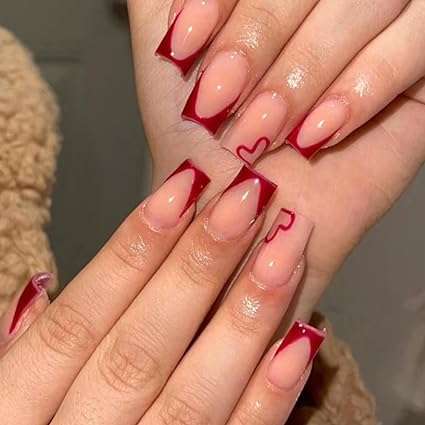
the best vegan and cruelty-free shower gels
affordable vegan and cruelty-free shower gels
the best vegan and cruelty-free shower gels
[jetpack-related-posts]
  • « Previous Page
  • 1
  • …
  • 9
  • 10
  • 11
  • 12
  • 13
  • …
  • 18
  • Next Page »

Copyright © 2026 · Theme by Marketing Templates Co.

We use cookies on our website to give you the most relevant experience by remembering your preferences and repeat visits.Read More By clicking “Accept All”, you consent to the use of ALL the cookies. However, you may visit "Cookie Settings" to provide a controlled consent.
Cookie SettingsAccept All
Manage consent

Privacy Overview

This website uses cookies to improve your experience while you navigate through the website. Out of these, the cookies that are categorized as necessary are stored on your browser as they are essential for the working of basic functionalities of the website. We also use third-party cookies that help us analyze and understand how you use this website. These cookies will be stored in your browser only with your consent. You also have the option to opt-out of these cookies. But opting out of some of these cookies may affect your browsing experience.
Necessary
Always Enabled
Necessary cookies are absolutely essential for the website to function properly. These cookies ensure basic functionalities and security features of the website, anonymously.
CookieDurationDescription
cookielawinfo-checkbox-analytics11 monthsThis cookie is set by GDPR Cookie Consent plugin. The cookie is used to store the user consent for the cookies in the category "Analytics".
cookielawinfo-checkbox-functional11 monthsThe cookie is set by GDPR cookie consent to record the user consent for the cookies in the category "Functional".
cookielawinfo-checkbox-necessary11 monthsThis cookie is set by GDPR Cookie Consent plugin. The cookies is used to store the user consent for the cookies in the category "Necessary".
cookielawinfo-checkbox-others11 monthsThis cookie is set by GDPR Cookie Consent plugin. The cookie is used to store the user consent for the cookies in the category "Other.
cookielawinfo-checkbox-performance11 monthsThis cookie is set by GDPR Cookie Consent plugin. The cookie is used to store the user consent for the cookies in the category "Performance".
viewed_cookie_policy11 monthsThe cookie is set by the GDPR Cookie Consent plugin and is used to store whether or not user has consented to the use of cookies. It does not store any personal data.
Functional
Functional cookies help to perform certain functionalities like sharing the content of the website on social media platforms, collect feedbacks, and other third-party features.
Performance
Performance cookies are used to understand and analyze the key performance indexes of the website which helps in delivering a better user experience for the visitors.
Analytics
Analytical cookies are used to understand how visitors interact with the website. These cookies help provide information on metrics the number of visitors, bounce rate, traffic source, etc.
Advertisement
Advertisement cookies are used to provide visitors with relevant ads and marketing campaigns. These cookies track visitors across websites and collect information to provide customized ads.
Others
Other uncategorized cookies are those that are being analyzed and have not been classified into a category as yet.
SAVE & ACCEPT