• HOME
  • RELATIONSHIPS
  • HOLIDAYS
  • WELLNESS
  • CAREER & FINANCE
  • FASHION
  • BEAUTY
  • LIVING

Advice From Nobody

You are here: Home / Archives for BEAUTY / Skin

How to Prevent and Heal Chapped Lips When Lip Balm Can’t Help

Filed Under: Skin // 07/28/2024

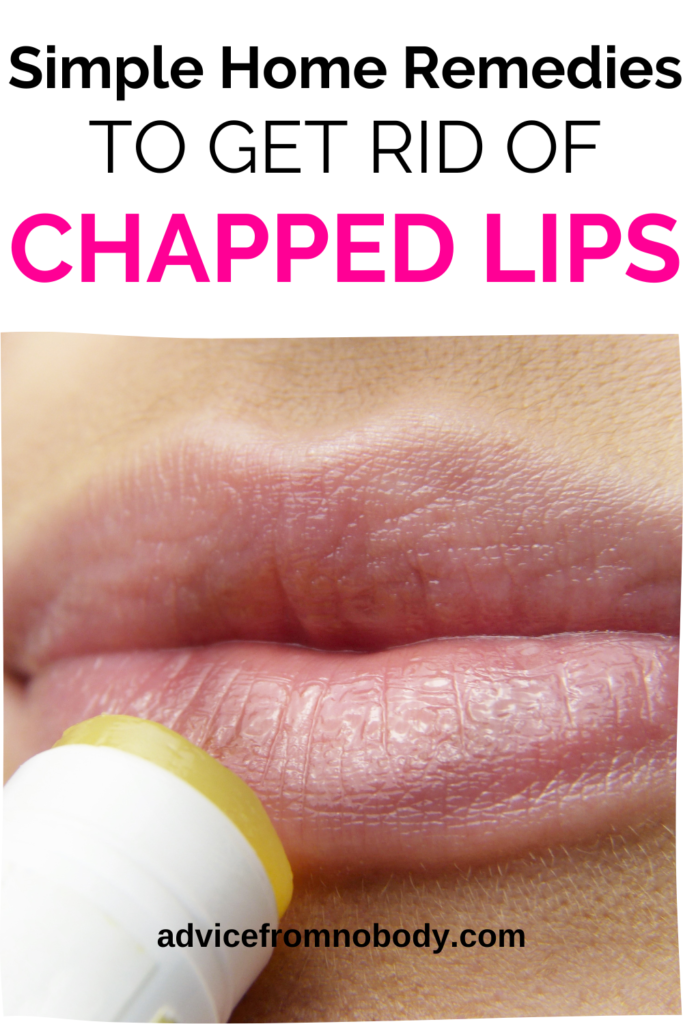
how to heal chapped lips

Most of us have had chapped lips at some point, regardless of the season.

While you might be tempted to keep licking your lips or putting lip balm on your lips for short-term relief, these behaviors might worsen the situation.

Chapped lips can easily become dehydrated, inflamed, and tear, but there are ways to prevent and treat dry, irritated lips, to prevent this from happening.

Why Your Lips Are Chapped

Although many individuals link chapped lips to cold weather, there are a variety of other causes for mouth irritation. Lips cannot moisturize themselves like the rest of the face because they lack oil glands (sebaceous glands that produce sebum).

Licking your lips, dehydration, a lack of fluids, and irritation from cosmetics or skin care products can all cause and worsen the lips’ dehydration and leave them chapped. Furthermore, prolonged sun exposure can make the lips feel dry and blister.

How To Know If You Have Chapped Lips

You’ll likely know when your lips are chapped and treatment is necessary, but some common symptoms include:

-Dryness

-Irritation

-Roughness

-Peeling skin

-Mild pain

How To Prevent Chapped Lips

Using lip balm is the most popular strategy to avoid chapped lips, but there are other effective preventative measures.

Don’t lick your lips or use irritating makeup, spend as little time in cool or hot, dry air, and stay out of the sun as much as possible, and when you are out in the sun, make sure to use a lip balm that contains Spf.

Staying hydrated also helps prevent chapped lips. To keep the space moist, you might also try running a cool-water humidifier in your room.

Ingredients To Avoid While Your Lips Are Chapped: 

To help chapped lips heal, stop applying lip products that contain any of the following ingredients:

-Fragrance, dyes, and glitters

-Camphor

-Flavorings like: Cinnamon, citrus, mint, and peppermint flavors can be especially irritating to dry, chapped lips

-Eucalyptus

-Octinoxate or oxybenzone

-Menthol

-Lanolin

-Phenol (or phenyl)

-Propyl gallate

-Salicylic acid

How To Heal Chapped Lips

It’s time to be more attentive with your lip care routine if you’ve tried the previous preventive measures and your lips are still feeling chapped.

Apply a barrier repair moisturizer to your lips at night and then coat them with oil, such as Zerafite wrinkle protection or choose argan oil since it has calming fatty acids.

Apply lip products that contain both occlusives and humectants during the day. Water cannot evaporate away from the surface because occlusives cover and shield it. Water is drawn into humectants. Occlusives include oils, waxes, and petrolatum, whereas humectants include glycerin and hyaluronic acid.

Burt’s Bees Lip Balm

LANEIGE Lip Sleeping Mask

NIVEA Smoothness Lip Care SPF 15

Ingredients That Help Heal Your Chapped Lips:


While some ingredients can irritate dry, cracked lips, others can help them heal. When looking for products to use on your chapped lips, dermatologists recommend ones that contain one or more of the following:

-Castor seed oil

-Hyaluronic acid which works as a humectant to attract water and hydration

-Ceramides which are lipids that form the building blocks of the skin barrier

-Dimethicone

-Hemp seed oil

-Mineral oil

-Petrolatum

-Shea butter

-Sun-protective ingredients, such as titanium oxide or zinc oxide

-White petroleum jelly

It also helps to use products that are fragrance-free and hypoallergenic.

When To See A Dermatologist?

Beyond harsh heat and dehydration, there may be another factor contributing to your chapped lips.

After a week or two, if chapped lips still don’t improve with these types of at-home treatments, it is recommended to contact a dermatologist to rule out anything more dangerous, like early precancerous lesions.

It is best to contact a dermatologist in either situation if you have substantial sensitivity or pain because some topical medicines can aid in accelerating healing.
[jetpack-related-posts]

The Best Skincare Routine For Healthy Skin, When Nothing Else Seems To Work

Filed Under: Skin // 07/28/2024

skincare routine

Starting your skincare journey can be overwhelming, having good skin just isn’t enough anymore.

From serums to oils, cleansers, and toners, it can be very confusing as to where to begin and what products and ingredients you need for a good skincare routine.

Not to mention a decent skincare routine can cost you an arm and a leg.

So we did all the research for you, considering dermatologists’ tips and secrets, and have made it all that much easier for you.

Now you’ll know the order in which you need to use these products and what’s best suited for your skin type, so you won’t be spending money on products that don’t work.

  • The Ultimate Guide to Sunscreen After Chemical Peels

What Skin Type Am I?

Having the perfect routine doesn’t matter if you aren’t curating it to your specific skin type. Finding out what skin type isn’t all that hard, all you need to do is pay attention to your skin and look out for the following cues.

-Dry Skin: Your skin often feels tight around your mouth and eyes, as well as flaking and dry patches on your cheeks. Dry skin is also typically dull and rough.

-Oily Skin: your skin is generally soft and greasy to the touch, with an especially greasy T-zone. This is due to an excess amount of sebum that causes your skin to appear shiny. You’re also more likely to have enlarged pores and are prone to acne breakouts.

-Combination Skin: You have both oily and dry skin. With a focus on oil in your T-zone area.

Steps For a Perfect Skincare Routine

Step 1: Cleanser

This should always be the first step of your routine; it clears out impurities and excess oil that can clog pores and dull skin. A good cleanser will gently cleanse your skin without stripping it.

-Dry Skin: A cream or balm cleanser with hydrating ingredients like ceramides, glycerin, hyaluronic acid, and botanical oils to retain moisture.

-Oily Skin: A foaming or gel cleanser will remove excess oil and dirt, look for a cleanser containing niacinamide and salicylic acid. To combat acne also look out for ingredients such as glycolic acid, benzoyl peroxide, or sulfur.

-Combination Skin: When it comes to the best cleansers for combination skin, look for ones with a gel or light foam base that have gentle exfoliants to counteract oiliness and ingredients like ceramides or hyaluronic acid for hydration.

If you wear makeup often, consider removing your makeup with micellar water first then follow up with your cleanser.

Step 2: Toner

After a thorough cleanse, use your toner, applying it to dry skin with a cotton ball or cloth. This helps ensure that your skin is totally clean and gunk-free.

-Dry Skin: The best toner for your skin would need to contain hydrating ingredients such as glycerin, and hyaluronic acid. Alcohol will dry out your skin even more, stray away from products containing it.

-Oily Skin: Astringents like alcohol with witch hazel that tighten pores will have the best effect on your skin.

-Combination Skin: Look for gentle exfoliants that act as hydration boosters that contain antioxidants like Vitamin C, Vitamin E, and green tea.

Step 3: Serum

Using serums will help prevent the formation of free radicals and lessen signs of aging and over time it can also help mitigate dark spots and reverse skin damage from sun and pollution.

Look for serums containing the following ingredients;

–Hyaluronic acid draws moisture into the skin, fights dryness and dullness, plus plumps the skin.

–Niacinamide brightens and evens the skin tone, boosts collagen production, and calms inflammation.

–Retinoids stimulate cell turnover, increase collagen production, and reduce wrinkles and hyperpigmentation.

–Peptides made of amino acids are building blocks of collagen and can boost production to smooth out fine lines and increase skin firmness.

Step 4: Eye cream

woman applying eyecream

The undereye area is very delicate and ages faster than the rest of your face.

Therefore, specific formulas have been made to serve the needs of this area. When you use a good eye cream, it reduces the appearance of fine lines, wrinkles, a lack of firmness, dark circles, and bags.

Specific ingredients target specific problems;

–Niacinamide, Vitamin C, and K target dark circles under the eye and visibly reduce their appearance.

–Look for a formula containing caffeine to combat puffiness of the skin.

–For wrinkles and sagging skin, look for peptides and retinol to tighten up the skin.

–Hyaluronic acid adds moisture back into your under eyes.

When applying the cream, make sure to use gentle tapping motions. Using your ring finger as it is the weakest. This will avoid you from tugging at the already delicate skin and prevent you from damaging it.

Step 5: Moisturize

Using a daily moisturizer keeps your face soft, smooth, and hydrated. While strengthening the barrier as well. Look for moisturizers with ceramides or hyaluronic acid.

-Dry Skin: Thicker formulas like creams with emollients, humectants, and ceramides are best for your skin. These ingredients help add moisture back into your skin and retain them.

-Oily Skin: Opt for lighter formulas like lotions or gels that are non-comedogenic which is just a fancy word for oil-free. Don’t skip moisturizing just because your skin is oily, it needs that moisture too.

-Sensitive Skin: Look for moisturizers marked hypoallergenic and free of irritants like fragrance and alcohol.

Massage Moisturizers into your skin to help with absorption and increase circulation.

Step 6: Retinoids

These are Vitamin A derivatives that can reduce the appearance of dark spots and fine lines. They also help reduce breakouts. They accomplish this by increasing skin-cell turnover.

These break down in the sun and can cause damage to your skin if used during the day. They make your skin extra sensitive to the sun so make sure to increase your SPF when you incorporate these into your skincare routine.

Begin by applying this 3 times weekly then gradually increase the frequency of use. This allows your skin to become familiar with the product.

And only use these at night.

Step 7: Sunscreen

sunscreen

This is the most important step of your skincare routine. No matter what, always use sunscreen. This protects your skin barrier from the sun and prevents skin damage.

Use an SPF above 30 and look for one that protects from both UVA and UVB.

People Also Ask:

What Is Vitamin C And Does It Add To My Skincare Routine

Vitamin C is an antioxidant, with anti-aging effects on your skin. It protects skin from free radical damage (premature aging) and reduces fine lines and wrinkles.

It also enhances collagen production which creates tighter and younger-looking skin.

Should I Exfoliate?

Exfoliating is a technique that helps remove the skin’s outer layer of dead skin cells to make it smoother, brighter, and clearer. there are 3 main types of exfoliating;

-Physical: These are washcloths, cleansing brushes, and face scrubs, all products that work at your skin to remove dead skin with a physical motion. You run the risk of tearing your skin barrier when you use these products, so go about it with a light hand. This is best for dry skin.

-Chemical: Face peels and cleansers with acids like AHAs and BHAs that loosen the bonds between dead skin cells to dislodge them are all chemical exfoliants. These are best for oily and acne-prone skin.

-Combination: These contain both physical and chemical ingredients in one product. These are best suited for oily skin.

Should I Invest In Skincare Tools and Gadgets

A washcloth is really the only gadget you need, however, there are a few products out there that can do wonders for your skin such as;

-Facial Cleansing Brushes: These are great for people with dry skin, they help you get a deeper cleanse as well as exfoliate your skin.

–Gua Sha Tools: Like jade rollers, these smooth stones can deliver a mini facelift effect due to lymphatic facial drainage.

–Facial Steamers: For oily skin, acne-prone skin, or deep-rooted blackheads. Using this for 15 minutes can help unclog your pores and help your skincare absorption.

Incorporate these steps and ingredients into your skincare routine, as well as cool your products in your skincare fridge and you will begin to see a huge difference.

Any more questions, leave a comment, and let’s discuss.

[jetpack-related-posts]

How To Prepare Before A Chemical Peel Treatment

Filed Under: Skin // 02/05/2024

what to do before a chemical peel

I’ve always been curious about cosmetic treatments that promise younger-looking and healthier skin. That’s when I stumbled upon the world of chemical peels.

The peeling process intrigued me, it uses a chemical solution to remove dead skin cells on the surface of the skin, revealing the fresher, more healthy skin beneath.

Depending on your desired results, like battling fine lines with glycolic acid or enhancing skin texture with salicylic acid, there’s a chemical peel out there suited for nearly every skin type and concern.

Whether you’re looking into light peels for a subtle glow or deep chemical peels for more dramatic results, understanding your options is the first step to achieving that glowing, youthful skin you’re after. 

Selecting the Right Peel for Your Skin

Choosing the type of peel you go with may be the most important part of the chemical peel procedure. From glycolic acid, salicylic acid, lactic acid – it can all be overwhelming.

But, I learned that each carries its strengths.

Whether you desire to get rid of fine lines, fight the effects of sun damage, or improve your skin texture, consulting a skincare expert will be a game-changer for you.

They will assess your skin conditions and consider any medical history to recommend the best type of chemical peel.

This customization allows for the best results but also minimizes the chance of side effects like excessive heat sensitivity or unwanted irritation.

Opting for the right type of chemical peel, whether it be a light peel for a subtle glow or a deep chemical peel for more optimal results, will help you achieve longer-lasting results. 

  • The Ultimate Guide to Sunscreen After Chemical Peels
  • How Long Does Skin Peeling Last After A Chemical Peel

What To Do Before A Chemical Peel Treatment

what to do before a chemical peel

Feeling a bit uneasy about my upcoming chemical peel treatment, we did the homework for you.

We learned that the secret to a glow that could quite literally stop traffic starts way before stepping into the treatment room:

  • Hit pause on the retinoid cream and any other skin care products containing glycolic acid or salicylic acid at least a week ahead. These powerful components could interfere with the chemical solution. 
  • Stay out of the sun to avoid sun damage. Direct sun exposure can make the skin more sensitive, so make sure to slather on a broad-spectrum UVA and UVB sunscreen of SPF 30 or higher daily, even on cloudy days. 
  • Hydrating your skin is a non-negotiable step. Load up on moisturizers that contain hyaluronic acid to ensure your skin is plump and resilient. Drinking plenty of water will also help. 
  • Preparing the treatment area means keeping it free from any cuts or infections. Make sure the surface of the skin is pristine, treat any small whiteheads, and avoid picking at the skin at all costs. 
  • 15 Best Spa Facials & Facial Treatments For Acne-Prone Skin
  • How is Dermaplaning Facial Different From A Chemical Peel

Chemical Peel Treatment Don’ts

Avoid direct sun exposure at all costs. That tan might seem tempting, but it can compromise the results of your treatment.

I learned the hard way that excessive heat and steam are just big no-nos the week before your Chemical peel. 

Stay away from harsh skincare products. This includes abandoning your beloved facial masks and retinoid creams. Inviting these back into your routine too soon could lead to unwanted irritation or even derail your skin’s healing process.

Above all, avoid activities that might irritate your skin like visiting hot tubs or using a hair dryer on the treated area. Trust me, the sacrifice is slight compared to the rewards. 

  • Is HydraFacial Skin Treatment Good for Acne-Prone Skin?
  • Benefits of A Dermaplane Facial (Dermaplaning Effects On Your Skin)

What To Do On The Day Of The Chemical Peel

The morning of the treatment is a very important part of your Chemical peel process. The success of your chemical peel relies heavily on how well you prep your skin on the day of.

Do not apply makeup, lotion, or other products to your skin.

This makes sure that your pores aren’t clogged and that your skin is clean and open to receiving the treatment, crucial for the peel’s effectiveness. 

I cannot stress enough how important it is to follow all these pre-treatment guidelines to ensure a chemical peel that’s safe and gives you the best results.

From selecting the right chemical peel that works well with your skin type to making sure to prep your skin the day of, all these steps are important. 

[jetpack-related-posts]

The Top 10 Skincare Fridges of 2024, You Need One Today!

Filed Under: Skin // 01/14/2024

Skincare fridge

What Is a Skincare Fridge

A skincare fridge is a small fridge that was designed to store skincare and beauty products.

The idea behind using a skincare fridge is that keeping certain products, such as face masks, eye creams, moisturizers, and serums, in a cool environment can have beneficial effects due to the cooling aspect when they are applied to the skin thus improving their effectiveness.

Certain ingredients in skincare products benefit from being stored in a skincare fridge.

Some people also find that using cold skincare products can be refreshing and help to reduce puffiness and inflammation on the skin.

Skincare fridges are typically small and portable, making them easy to store on a vanity or bathroom counter.

Benefits Of a Skincare Fridge

There are several potential benefits to storing skincare in a fridge:

1. Extends the shelf life of your products: Keeping skincare products in a cool environment can help to slow down the oxidation process, which can cause products to expire or lose effectiveness over time. This can be especially helpful if you have many different types of skincare and don’t go through them very quickly.

2. Improves product effectiveness: Using cold skincare products can help to tighten and tone the skin, reduce inflammation and puffiness, and improve the absorption of active ingredients. Not to mention, it feels great.

3. Protects sensitive products: Certain skincare products, such as retinol or vitamin C serums, can be sensitive to heat and light and may benefit from being stored in a cooler environment.

It’s worth noting that the benefits of using a skincare fridge may vary depending on the specific products being stored and the individual’s skin type and concerns.

What Temperature Is Best For a Skincare Fridge

The temperature of a skincare fridge should is recommended to be 35-41°F (1.7-5°C).

This temperature range will help to extend the shelf life of your skincare products and helps provide a refreshing and cooling sensation when applied to the skin.

It is important to note that some products, such as certain types of vitamin C serums, can become less effective or unstable if stored at temperatures that are too cold and or too warm.

It is always a good idea to check the product packaging for specific storage recommendations.

Which Products Can You Store In a Skincare Fridge

A skincare fridge can be used to store a variety of products, including:

-Serums

-Eye creams

-Face masks

-Facial sprays

-Moisturizers

-Face rollers

-Lip balms

-Sheet masks and,

-Gels.

Some products should not be stored in a skincare fridge because they may become less effective or unstable when exposed to cold temperatures. These products include oils and sunscreens.

Oils: Oils can become thick and viscous when exposed to cold temperatures, which can make them difficult to apply.

Sunscreen: Sunscreen should not be stored in a skincare fridge because cold temperatures can affect its consistency and make it more difficult to spread as well.

Top Ten Skincare Fridges

These mini skincare fridges surely come in handy in summer, they are just as essential in winter. Investing in one of these will surely benefit you in the long run.

1. Paris Hilton Mini Refrigerator

$59 ON AMAZON

Pros

-Includes removable shelf and door pocket

-Has a warming function (Keep your towels warm while you relax in the tub)

Cons

-Does get quite noisy


2. Finishing Touch Flawless Mini Beauty Fridge

$44 On Amazon

Pros

-Cute and compact (It has rose gold hardware for crying out loud)

-Inside the cooler door features a mini basket perfect for face masks, rollers, and stones.

Cons

-None adjustable shelves

-On the cheaper end, so if you want more durability, splurge a little.


3. CROWNFUL Mini Fridge

$48 On Amazon

Pros

-Quiet

-Compact and portable

-Has a warming function

Cons

-None adjustable shelves


4. FRIGIDAIRE Mini Portable Compact Personal Fridge

$44 On Amazon

Pros

-Affordable

-Reputable household electronics brand

Cons

-Simple model with few features.


5. COOSEON Mini Skincare Fridge with Mirror

$70 On Amazon

Pros

-Cute for a makeup desk and versatile since it has a mirror.

-Contains an LED light

-Comes with a free sponge

Cons

-Only has one shelf so storage is minimal


6. IKER 12 Liter Mini Fridge for Skin Care

$210 On Amazon

Pros

-Spacious

-Writable glass front

-Great temperature control

Cons

-On the pricier side


7. LVARA Mini Skincare Fridge

$170 On Amazon

Pros

-Features like temperature control, shelf-life reminders, and frost prevention.

-Spacious, can hold taller products too.

Cons

-You pay a premium for these extra features


8. QUBI Mini Skincare and Cosmetics Fridge

$150 On Amazon

Pros

-Cute design

-Super quiet

Cons

-On the more expensive side


9. Cooluli 10L Mini Skincare Fridge

$80 On Amazon

Pros

-Spacious with multiple shelves

-Cute design

Cons

-Produces a lot of condensation

-Not Ideal if you are on a budget


10. CAYNEL Mini Skincare Fridge

$50 On Amazon

Pros

-Portable and compact

-Affordable

-Warming function

Cons

-Not as spacious

As extra as it may sound, trust me a skincare fridge is well worth it. A mini fridge devoted to your beloved skincare products. Yes, please.

You’re already spending big bucks on skincare products, so why not prolong these products by investing in your very own skincare fridge? And on the plus side, your skin will thank you for it.

[jetpack-related-posts]

Lip Care Routine For Winter

Filed Under: Skin // 07/17/2023

Woman taking care of lips during winter

When it comes to caring for our lips throughout winter, most of us turn to store-bought lip balms to relieve our chapped lips.

What we don’t realize is that the effect of lip balm is only temporary.

There is a certain approach to care for our lips during the winter that will assure long-term care. And if you’re wondering what it entails, here’s a winter guide to naturally caring for your lips:

Tips To Take Care of Lips During Winter

Hydrate

Whatever happens inside your body is reflected on the outside.

Winter’s frigid temperatures may make us hesitant to drink water. However, water is essential for your body’s wellness on a daily basis.

Dehydration can cause chapped, dry lips. Drink enough water to keep your lips moist and supple.

Hydration gives the lips a rosy hue and a luscious appearance, whereas dry lips appear black and dreary.

Regardless of the season, staying hydrated will help to battle dry lips. Only applying moisture externally is insufficient; internal hydration is also necessary.

Moisturize Your Lips

Lip dryness and chapping is a major turnoff, and if not treated promptly, it results in dark and pigmented lips.

Keep a lip balm available at all times and use it frequently throughout the day. Lip balms are highly addicting, so choose wisely.

Avoid lip balms containing petrolatum or petroleum, as they are not good in the long run. In your balms, look for Natural Beeswax, Cadillac Wax, Glycerine, Almond Oil, and Vitamin E.

Related Post: DIY Lip Balm To Revive Dry Lips

Exfoliate Your Lips Regularly

lip care routine

Your lips, like the rest of your skin, require exfoliation.

Exfoliating the lips will aid in the removal of flaky and dull skin. In reality, exfoliating on a regular basis can help you achieve pink, smooth lips.

Remember that exfoliating once a week is sufficient; excessive exfoliation can cause redness, inflammation, and pain.

Related Post: The Best Homemade Lip Scrub Recipes For Soft, Lucious Lips

Stop Licking Your Lips

We have a habit of licking our lips anytime they feel dry. This is a no-no since our saliva contains enzymes that are solely suited for digestion; these enzymes might irritate the lips.

Add Lip Care To Your Nightly Routine

It’s no secret that our skin goes into repair and rejuvenation mode when we sleep.

As a result, if you use lip balm or DIY lip packs, do it at night. Your lips will gain the most from it at night.

Preferably, use Vitamin E oil on your skin before going to bed. This will always be the first pink lips tip you will ever receive.

Coat Your Lips With a Chap Stick or Lip Balm Before Applying Lipstick

This will keep your lips hydrated even if you have lipstick on.

Apply a lip balm or a lip salve for luscious lips.

Matte lipsticks should be avoided since they dry out the lips. Choose a Crème or Satin finish, and hydrate your lips well before applying lipsticks and glosses.

Protect Your Lips 

Because the lips are so delicate, they are easily influenced by the weather and temperature. You can shield your lips from the sun, wind, and cold weather by wearing a scarf or a mask.

If you don’t want to cover your mouth, just put petroleum jelly over your lips. It will protect your lips from the cold and dust while also softening them.

However, if you are going out, even though it’s winter, make sure to wear a lip balm with SPF to protect you from the sun.

Use Lip Masks Regularly

Your lips may require a burst of moisture and hydration from time to time. Lip masks can help with this.

Consider using lip masks in the same way you would use facial masks. They have a thicker consistency and are best used at night because they may seem and feel too heavy on your lips during the day.

They’re a winter necessity since it works overtime and deeply nourish your lips so you wake up with a luscious pout!

Shower In Lukewarm Water

I understand. After being out in the cold, all we want to do is come home and take the hottest shower known to mankind.

However, I strongly advise you not to do so. You’re not only making your skin red and irritated from the heat, but you’re also making your dry lips worse.

If anything, you’re exacerbating the problem by depriving your lips of their natural oils, which causes flaking or irritation.

Related Post: The Optimal Shower Temperature For Healthy Skin

When you follow these instructions, the magic happens.

Especially after exfoliating and applying a lip mask the night before. It’s a triple threat! Applying a moisturizing lip balm on a daily basis will help you maintain healthy lips all of the time.

[jetpack-related-posts]

Keep Your Skin Radiant Throughout Winter: Essential Tips for Healthy Holiday Glow

Filed Under: HOLIDAYS, Skin // 05/27/2023

skincare tips for glowing skin in winter

The holiday season is a time of joy, celebration, and indulgence. However, with all the festivities and seasonal treats, it’s important not to neglect your skincare routine.

The cold weather, stress, and indulgent treats can take a toll on your skin, leaving it dull and dry. But fear not! With a few simple steps, you can keep your skin looking radiant and healthy throughout Christmas.

In this blog post, we’ll share some expert tips and skincare hacks to ensure your skin glows as bright as the holiday lights. Let’s dive in!

10 Ways To Keep Your Skin Looking Good Over The Holidays

Stay Hydrated

Drinking enough water is essential for maintaining healthy skin. Keep a water bottle handy and aim to drink at least 8 glasses a day. Hydration will help flush out toxins, improve skin elasticity, and keep your complexion plump and glowing.

Related Post: How Lemon Water Makes You Drink More Water

Stick To A Consistent Skincare Routine

Even with a busy holiday schedule, don’t skip your skincare routine.

Cleanse your face twice a day, exfoliate gently once or twice a week to remove dead skin cells, and moisturize to keep your skin hydrated. Choose skincare products suitable for your skin type and look for hydrating ingredients like hyaluronic acid and ceramides.

Protect Your Skin

The cold weather can wreak havoc on your skin. Protect it by wearing a broad-spectrum sunscreen with at least SPF 30, even on cloudy days.

Also, shield your face with a warm scarf and wear gloves to prevent moisture loss and chapped skin.

Eat A Healthy Diet

Maintain a healthy diet rich in antioxidants, vitamins, and minerals. Include fruits, vegetables, nuts, and omega-3 fatty acids to promote skin health. Foods like berries, spinach, salmon, and almonds are excellent choices for a glowing complexion.

Get Enough Sleep

Ensure you’re getting enough sleep during the holiday season. Lack of sleep can lead to under-eye circles, dullness, and breakouts. Aim for 7-9 hours of quality sleep each night to allow your skin to rejuvenate and repair.

Manage Your Stress

The holiday season can be stressful, but stress can take a toll on your skin. Practice stress relief techniques like deep breathing, meditation, or engaging in stress relief activities you enjoy.

Keep stress levels in check to avoid breakouts and inflammation.

Limit Alcohol and Sugar Intake

Alcohol and sugary treats are often abundant during Christmas festivities, but excessive consumption can dehydrate your skin and contribute to breakouts.

Enjoy your Christmas treats in moderation and balance them with nutritious foods to maintain your skin health.

Protect Your Lips

Don’t forget to care for your lips, which are prone to dryness and chapping during winter. Apply a moisturizing lip balm with SPF throughout the day and before bed to keep them soft and supple. To heal chapped lips try using homemade lip scrubs to peel off any dead skin.

Control Your Air

Heating systems can dry out the air in your home, leading to moisture loss from your skin. Use a humidifier to add moisture back into the air, especially in your bedroom. This helps combat dryness and keeps your skin hydrated.

Stay Active and Practice Self-Care

Engage in regular physical activity to boost blood circulation and promote a healthy glow. Additionally, take time for self-care activities like relaxing baths, face masks, and massages to pamper your skin and alleviate stress.

This Christmas, make it a priority to care for your skin and maintain its natural radiance. By following these simple tips, you can combat the effects of cold weather, stress, and indulgence to keep your skin looking healthy and glowing throughout the holiday season.

Remember to hydrate, stick to a skincare routine, protect your skin from the elements, nourish it from within, and manage stress. With a little extra care, your skin will be ready to shine as bright as the holiday lights.

Wishing you a merry and radiant Christmas season!

[jetpack-related-posts]

How to Treat Dark Circles, Under-Eye Puffiness, and Lines

Filed Under: Skin // 03/09/2023

bags under eyes

Usually, a cosmetic issue, bags under the eyes don’t need to be treated.

Treatments at home and changes in lifestyle may lessen puffiness. But, there are ways to treat the dark circles, under-eye puffiness, and lines if the sight starts to bother you.

How To Treat Dark Circles, Under-Eye Puffiness, And Lines

Adopt A Healthy Diet

Water retention is a common side effect of salty foods, and water retention is one aspect that might affect how the under-eye area looks.

While they are anti-inflammatory and water-soluble, collagen supplements, foods high in vitamin A, such as carrots and peppers, as well as meals high in vitamin C are useful in reversing this. Bromelain, a substance found in pineapples, reduces swelling and puffiness.

You can consume these items throughout the day as whole foods or in vitamin form in juices.

Improve Your Sleep Schedule

In general, getting enough sleep helps avoid eye bags since it lowers stress levels and, in turn, your cortisol levels. Rest not only offers your body the chance to repair and recover but also your mind.

Your under eyes will be affected similarly by rest.

Reduce And Maintain Stress Levels

Stress levels have an impact on cortisol levels, which then causes puffiness and bags under the eyes to emerge and get worse.

Acne can also be attributed to excessive amounts of stress. Exercise, journaling, listening to a good podcast, and meditation are a few methods that can help reduce stress.

Stay Hydrated

Dehydration can also contribute to under-eye puffiness, but fluid retention is typically to blame.

Dehydration can highlight the effects of too much salt, alcohol, or lack of sleep, dark circles, and puffiness appear worse.

Being hydrated properly improves circulation, which aids in removing extra fluid from the eye area. Have a water bottle beside your bed or desk and make it a point to refill it throughout the day.

Reducing Crows Feet

crows feet

Retinol is the perfect ingredient to go to if you want to get rid of crow’s feet.

This tried-and-true wrinkle-smoother accelerates cell turnover to produce new collagen and elastin.

The area around your eyes is safe to use your standard facial solution, but to be safe, think about using a gentler, buffered version designed just for this area that won’t irritate or create redness.

Use Eye Masks

Self-adhesive presoaked patches deliver a massive amount of skin-quenching hyaluronic acid to the quenched under-eye areas, acting as an IV drip for the area.

Use a pair while getting ready to go out or on a flight since the U-shaped gels “stick” in place, and you’ll arrive at your destination feeling refreshed and relaxed.

Use An SPF 30 Or Above

In addition to causing skin cancer, UVA and UVB radiation can also speed up the aging process by destroying collagen and elastin, which results in eye bags, under-eye puffiness, dark circles, and sagging, puffy skin.

I cannot emphasize enough how important it is to wear sunscreen every day and you can go the extra mile by wearing sunglasses to shield the eyes from UV rays, which only speed up the aging of the skin.

When we apply sunscreen, the eye area is frequently overlooked as well. I advise using sunscreen with a minimum SPF of 30.

Cool It Down

Dermatologists advise applying cold cucumber over the eyes. Both the chilly temperature and the cucumber juice have anti-inflammatory elements that ease the eyes.

Green tea bags that have been chilled also work well as a compress. The combination of caffeine and the chilly temperature helps to constrict the blood vessels, which reduces puffy lids.

To lessen the puffiness, you can also massage under the eyes with an ice roller or ice cube.

Eye gels are also ideal for this, and you can keep them in a skincare fridge before applying them to your eyes to reduce the bags and puffiness.

Promote Lymphatic Drainage

Those who are prone to fluid retention can benefit greatly from promoting lymphatic drainage.

I advise applying a gua sha stone or massaging the lower lid in an upward and outward direction to promote lymphatic flow. It’s especially helpful when used in conjunction with an eye cream or serum to the area to avoid accidental irritation to the sensitive eyelid skin.

Alternatively, use a jade roller, rolling it towards the nose rather than away from it. The roller can be stored in the fridge first.

A cold compress is necessary for reducing eye bag swelling, puffiness, and dark circles much like applying ice to a sore to reduce swelling.
[jetpack-related-posts]

Why You Should Exfoliate Your Face

Filed Under: Skin // 03/06/2023

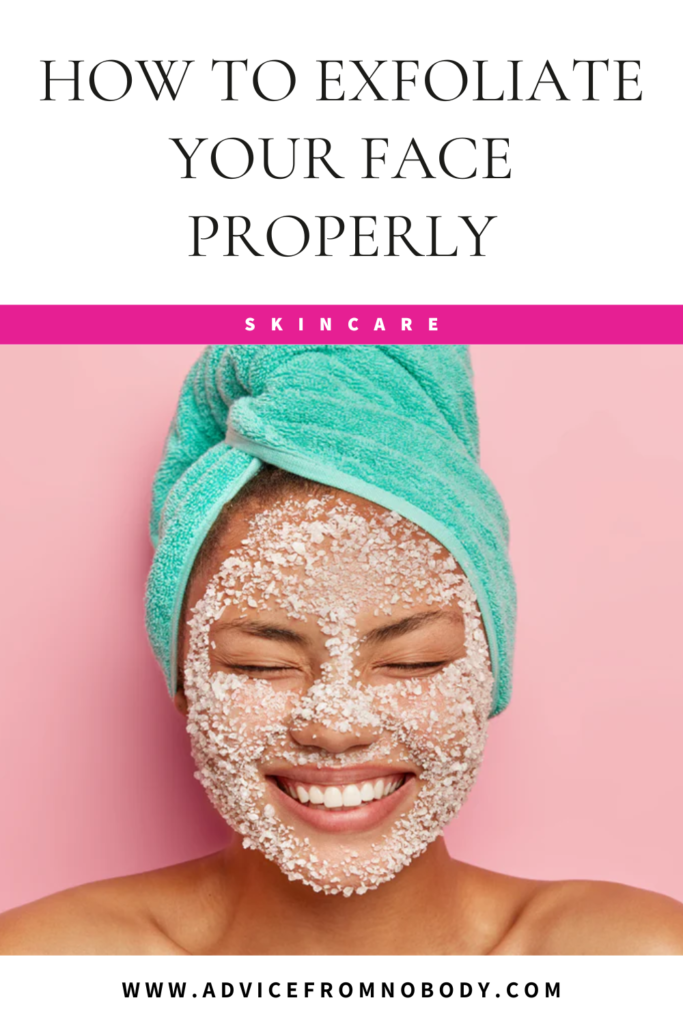
how to exfoliate your face

Cleansing your skin and using a good toner aren’t the only ways to rejuvenate your skin while doing your skincare.

Enter exfoliation, which helps rid the face of dead skin cells. While you may think this step can be harsh on the skin, it is a necessary step to take.

Our skin has sweat glands (sebaceous glands) and can tolerate exfoliating cleansers and or physical exfoliants without being irritated and tearing.
To learn more about facial exfoliation, including the products and techniques you will need to master the method, read on.

The Benefits Of Facial Exfoliation

This practice of facial exfoliation goes further than skin deep.

Exfoliation is designed to bring rest, relaxation, and balance to your skin When done correctly, exfoliation can both aid in healthy circulation and remove dead skin cells.

Rubbing hard (but gently) and removing flaky skin during the exfoliation process will leave your dermis feeling fresh, smooth, hydrated, and soft.

  • Choosing Between Dermaplaning and Chemical Peels to Exfoliate Your Face
  • The Ultimate Guide to Sunscreen After Chemical Peels

Physical Exfoliation

There are two leading types of exfoliation.

The first is physical, which should be done twice a week at most. Physical exfoliation uses a tool or device to take off the dead skin layer), strong physical exfoliators should be avoided on the face.

Face scrubs, exfoliating brushes, sponges, or gloves, are all options, but the most common tool is a face scrub.

Physical exfoliation detoxes your face by assisting with lymphatic drainage.

Make sure to wash exfoliating instruments thoroughly after each use, to avoid bacterial buildup. 

Related Post: Benefits of A Dermaplane Facial (Dermaplaning Effects On Your Skin)

Chemical Exfoliation

On the other end of the exfoliation spectrum are chemical products, which use acids or chemicals to loosen the bonds between the dermis’ top layer of cells.

Ingredients such as salicylic acid, alpha hydroxyl acids, and bakuchiol exfoliate the skin and open the pores. Vitamin A derivatives, such as retinol or tretinoin, also exfoliate, as well as shrink oil glands.

Luckily, testing out chemical formulas is easy; in fact, these ingredients can be found in face washes and cleansers.

A good cleanser will cleanse and exfoliate without compromising the natural pH of the skin (which is our great barrier of protection).

Ultimately, exfoliating treatments are soothing, whether you make a trip to the esthetician or opt for at-home treatments.

Some of my go-to products currently are, Paulas Choice–SKIN PERFECTING 2% BHA Liquid Salicylic Acid Exfoliant ($33 on Amazon), which is ultra-fine and great for the oilier dermis, and the Palmer coconut oil sugar facial scrub ($28 on Amazon).

You can even make your own exfoliants at home. I like these DIY facial scrubs that are quick and easy to make at home. All of our scrubs conclude with a moisturizing application that has been thoughtfully chosen to complement and balance the exfoliant.

[jetpack-related-posts]

10 Common Skincare Mistakes You Need To Avoid

Filed Under: Skin // 03/01/2023

skincare mistakes you need to avoid

Having the right skincare products is just as important as having the right skincare routine and using the proper ingredients for your skin. But all that won’t matter if you make these common skincare mistakes.

Skincare Mistake 1: Not Wearing Sunscreen Daily

not wearing sunscreen is a skincare mistake

One of the main reasons for skin aging is sun damage.

Using sunscreen every day is crucial to protecting your skin from the sun’s harmful UV rays, which promote photoaging and collagen breakdown at the cellular level.

Most dermatologists advise using sunscreen with an SPF of at least 30 and reapplying it every couple of hours, especially if you are going outside. Avoid skipping sunscreen even on cloudy days because UV rays can still be harmful to you.

Skincare Mistake 2: Being Rough On Your Skin

The skin becomes stressed when you rub and tug at it while applying your skincare or washing your face.

We do it automatically every day, whether it’s rubbing in eye ointment or holding the skin taut while applying eyeliner.

Over time, rubbing at your skin causes it to become less elastic, especially around the delicate eye area. So be gentle on your skin.

Some everyday skincare regimens may cause more damage than their benefits. Thus, always keep it gentle:

-Minimize your scrubbing since excessive cleansing might strip your skin of the antibacterial oils that keep it moisturized and protected.

-Avoid using harsh soaps. Strong detergents and soaps can remove oil from your skin. Use gentle cleaners instead.

-Avoid over dermaplaning, it may have many advantages, but avoid going overboard. Make sure to moisturize your skin with an oil. Shave against the hair’s growth, not with it.

-Avoid over-exfoliation, exfoliation removes dead skin cells, but doing it too often might trigger breakouts or excessive oil production in your skin.

Skincare Mistake 3: Sleeping With Makeup On

You should always take off your makeup before going to bed, despite how drained you are and how eager you are to curl up in bed.

Your pores may clog if you go to bed without taking off your makeup, which will allow acne-causing germs to accumulate.

Moreover, skincare components will be more difficult for your skin to absorb. Develop a nighttime skincare routine that starts with thoroughly washing the skin to remove all makeup and dirt.

Skincare Mistake 4: Not Properly Applying Skincare

While moisturizing is necessary, using additional skincare products can significantly enhance your regimen’s effectiveness.

After cleansing the skin and patting it dry, you should always add products from lightest to heavy.

Start with a good toner and work your way up from there, and when you’re done, don’t forget the SPF.

Skincare Mistake 5: Exfoliating Daily

over exfoliating skin

Exfoliating is a great approach to getting rid of dead skin cells and smoothing the skin so that it will absorb skincare products better.

However, if done incorrectly, it may potentially harm the skin.

If you exfoliate too much or too frequently, it could irritate your skin, make you red, or even burn you. Over-exfoliation damages the skin’s barrier and results in microscopic skin tears.

Once or twice a day, you can use mild exfoliants like glycolic acid at low concentrations. If you have sensitive skin, you should only use stronger exfoliants two to three times a week, max.

You should reduce your usage or switch to softer products if you experience any irritation. For a low-concentration exfoliator, Dpology’s Gentle Exfoliating Glycolic Acid Facial Cleanser is a wonderful choice.

Although exfoliating has many benefits, daily exfoliation may irritate the skin even more and trigger breakouts or excessive production of oil on your skin, so just be weary of this.

Related Post: Choosing Between Dermaplaning and Chemical Peels to Exfoliate Your Face

Skincare Mistake 6: Using Expired Skincare

There is a reason why skincare products have an expiration date.

As items are used frequently, some substances lose their power and efficiency, and if you’re not careful, heavily used cosmetics can start to grow bacteria.

Pay attention to the expiration dates and replace your products once the limit has been reached.

Skincare Mistake 7: Not Storing Skincare Properly

Skincare needs to be stored properly.

For instance, if left in the sun, SPF and vitamin C can quickly lose their effectiveness.

To prevent deactivation or the growth of bacteria, it’s crucial to store makeup in an area that doesn’t get too warm or moist, some products need to be stored in a skincare fridge.

Skincare Mistake 8: Not Being Consistent

When your skincare routine produces outstanding results, it’s easy to become complacent and stop using it.

Consistency, however, is the secret to having healthy, youthful skin.

Consistently following a skincare regimen not only guarantees results but also positions you for long-term success. Don’t reduce your routine just because you start to see benefits because many skincare components need regular application over time to ensure the results last.

Skincare Mistake 9: Picking At Your Skin

picking at skin

Constantly picking at your skin can irritate it, inflame it, and spread bacteria even if you aren’t aware of it.

Overdoing this can leave scars and possibly cause breakouts because your hands typically have a lot of bacteria on them.

If this is a nervous habit, try and break it by keeping your hands busy with something else.

Skincare Mistake 10: Using The Wrong Skincare Ingredients

Are you having skin issues? Examine your fundamental skincare routine.

Dry skin needs conditioning ingredients, while oily skin needs purifying ingredients. Figure out what your skin type is to pick the best skincare ingredients for your routine.

We sincerely hope that this list of typical skincare mistakes was useful. By avoiding these mistakes, you’ll be on the correct path to having healthy, radiant skin.

[jetpack-related-posts]

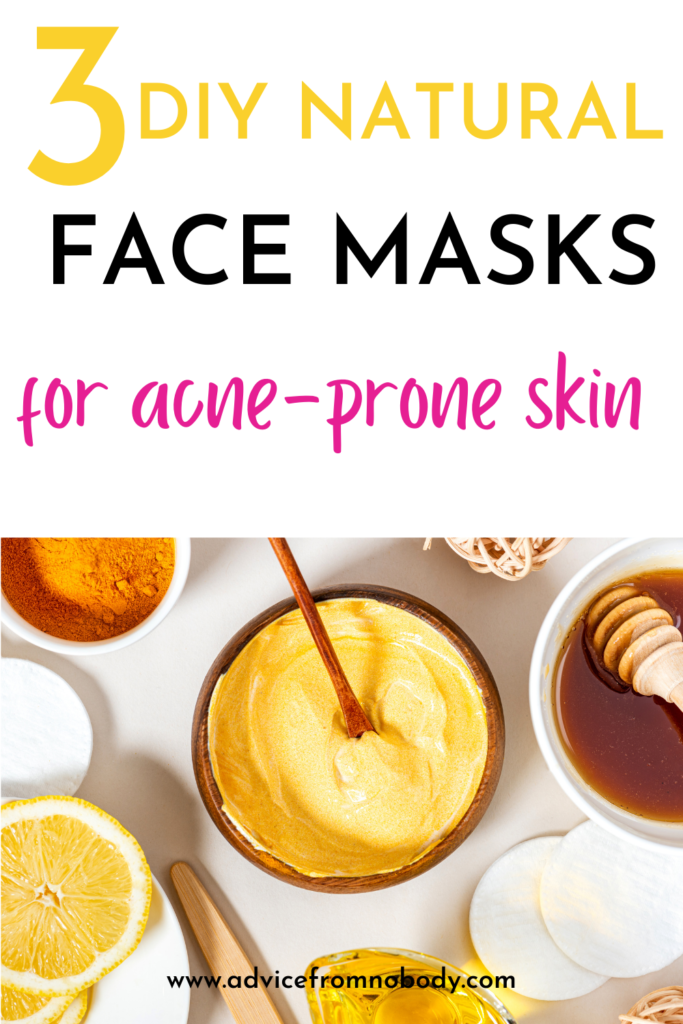
3 DIY Natural Face Masks To Get You From Acne-Prone Skin To Glowing Skin In No Time

Filed Under: Skin, DIY Beauty // 02/09/2023

diy natural face masks

A DIY natural face scrub is a great way to get glowing skin right at home, at almost no cost.

With skincare products being so expensive, you have to pay an arm and a leg just to curate the perfect skincare routine to help clear up your acne-prone skin.

So I have compiled a great list of face scrubs you can try in the comfort of your home.

These easy DIY recipes are some of the best exfoliating scrubs and face masks that are great natural options that are easy to make and beat many of the facial products out there.

Related Post: 15 Best Spa Facials & Facial Treatments For Acne-Prone Skin

Why You Should Make Homemade Face Masks

1. Cheap and budget-friendly way to get a facial: Making your own face mask is a very affordable way to have an at-home facial.

2. Easy To Make and Use: Making face masks at home is fairly easy. You simply mash and mix your ingredients and plop it onto your face.

3. Super Accessible: Another reason that making our own face masks and scrubs is how accessible it is to everyone. We all want super healthy skin and amazing facials, or expensive masks with high-quality ingredients can get us there, but that’s not always accessible to us. The products used for face masks and scrubs, however, are almost always super accessible to us.

3 Face Masks For Acne-Prone Skin

Homemade face scrubs are the perfect recipes to attempt if you’re new to do-it-yourself skincare.

1. Avocado & Oatmeal Mask For Gentle Exfoliation

avocado and oatmeal

Exfoliating your skin is important for removing dead skin cells from your skin, allowing for a natural skin glow from within, as well as allowing your pores to open up and release any trapped sebum which can cause an acne breakout.

This avocado & oatmeal face scrub is gentle, soothing, and a great addition to your skincare regimen.

Avocado and oatmeal make a gentle exfoliating face mask that is perfect for all skin types. Here’s how to prepare it.

Ingredients For Your Avocado Oatmeal Face Mask

-1 small avocado or 1/2 a larger avocado.

-1 tablespoon of ground oats.

How To Prepare And Apply Your Face Mask

-Mix the avocado and ground oats in a small bowl.

-Use your favorite cleanser to cleanse your skin.

-Apply the avocado and oatmeal face mask and let it sit for 10 to 15 minutes.

-Spray your face with water and start massaging your face in a circular motion for 5 to 10 minutes (Waiting 15 minutes will allow for the nutrients to absorb into your skin before you wash it off).

-Wash your face with lukewarm water, avocado is a fat so cold water won’t truly wash it off.

-Pat your face dry and apply your moisturizer.

Benefits Of The Avocado & Oatmeal Face Scrub

Avocados are healthy fats, and those same healthy fats and oils make them a really great addition to your skincare routine.

The healthy fatty acids in avocados penetrate the skin help soften, hydrate, and nourish the face, as well as reduce the appearance of fine lines and wrinkles.

The antioxidants found in avocados help to remove dead skin cells, unclog pores, reduce acne breakouts and exfoliate the skin.

And oatmeal helps to soak up excess oils released by your skin which helps to treat acne, and its dense antioxidant and anti-inflammatory properties help to soothe dry skin as well as remove dead skin cells.

Oats also contain natural cleansers, called saponins, that are incredibly effective at removing dirt and oil from your skin.

2. Cocoa Powder and Coffee Face Mask

cocoa powder

Coffee works wonders on the skin, it’s good for reducing swelling around the face, rejuvenating the skin, and for reducing inflammation and redness.

Coffee in skincare is great for brightening, anti-aging, stubborn dark circles under the eyes, and reducing inflammation.

It also includes antibacterial properties great for fighting acne. Cacao is extremely high in antioxidants, has firming agents, and is known to protect against free radical damage, but you should always still wear sunscreen.

Ingredients For Your Cocoa Powder & Coffee Face Mask

-4 tablespoons finely ground coffee beans.

-4 tablespoons unsweetened cocoa powder.

-8 tablespoons whole milk (or any milk of your choice)

-1 tablespoon lemon juice

-1 tablespoon honey (for extra oily or highly acne-prone skin, use additional lemon juice here instead of honey)

How To Prepare And Apply Your Face Mask

-Mix the coffee and cocoa powder in a small bowl.

-Add your milk, lemon juice, and honey if using. (Warm the honey in the microwave for a few seconds to loosen it up a bit)
-Cleanse your face with your favorite cleanser.

-Apply your face mask and rub it in for a few minutes in small, gentle circular motions.

-Let the mask sit for 10 to 15 minutes.

-Rinse with warm water and pat dry.

-Moisturize your skin.

Benefits Of The Cocoa Powder and Coffee Face Mask

Coffee beans reduce inflammation and redness, while also reducing the appearance of dark circles under the eyes. The coffee grounds are also a great exfoliator that removes dead skin for a brighter, more lively skin complexion, giving you that natural glow.

Cocoa powder is filled with antioxidants that protect you against the sun. It is also high in sulfur which can reduce the risk of acne breakouts.

Milk is great for giving your skin a youthful, smooth, and healthy glow, it contains amino acids which help keep your skin hydrated and moisturized.

Lemon juice contains natural vitamin C to lighten, brighten, and tighten, all while controlling the production of sebum and oil which helps with acne prevention.

3. Flaxseed Facial Scrub

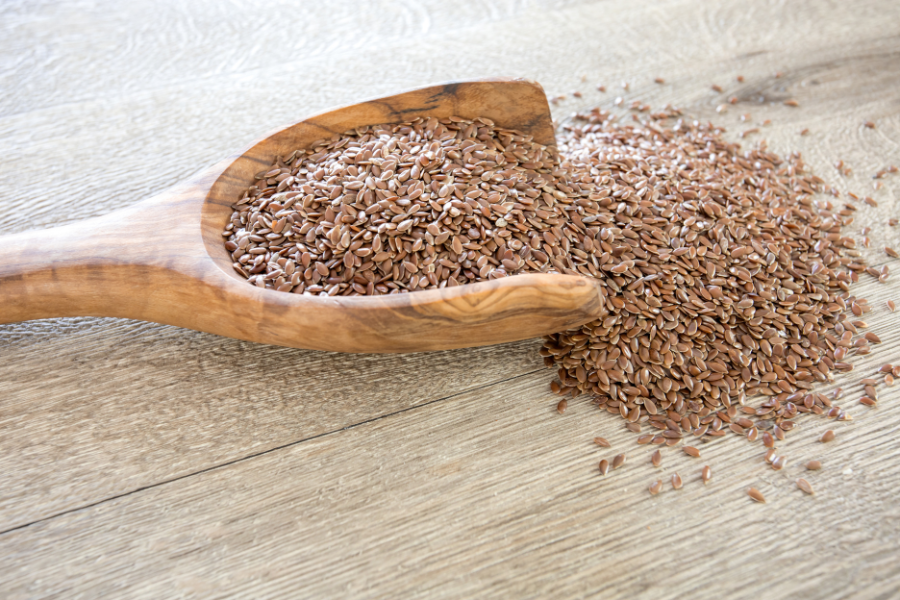
flaxseed

Flaxseed is a superstar plant food that has been making its way into all our food, haircare, and skincare, so why not into our DIY masks?

When applied topically, flaxseed can do wonders for your skin.

It is packed full of omega-3 fatty acids which help keep your skin hydrated and smooth and reduces the appearance of wrinkles and fine lines.

The natural oils in flaxseed help balance your skin’s natural oil production and the antioxidants protect the skin from free radicals and sun damage while calming inflammation.

Ingredients For Your Flaxseed Facial Scrub

-1 ½ tbsp flaxseed meal

-1 ½ tbsp brown sugar

-3 tbsp coconut oil

How To Prepare And Apply Your Facial Scrub

-Combine all the ingredients in a small bowl and mix well.

-Cleanse your face.

-Gently massage the flaxseed facial scrub onto your entire face rubbing in a circular motion for a few minutes.

-Let the scrub sit for 10 to 15 minutes.

-Rinse with cool water and pat face dry.

Benefits Of The Flaxseed Facial Scrub

The natural oils in flaxseed help balance your skin’s natural oil production and the antioxidants protect the skin from free radicals and sun damage while calming inflammation, which helps prevent acne breakouts.

Sugar is amazing for its glycolic acid compounds. When used as an exfoliant, glycolic acid removes the dead skin cells to leave fresher, brighter skin, while improving blood flow to your skin’s surface. Sugar also works as a moisturizer for the skin.

Coconut oil is another moisturizing agent in this facial scrub and is great for hydrating dry or irritated skin.

It can reduce inflammation and aid in skin infections.

So these face masks will leave your skin soft, hydrated, and moisturized while aiding in reducing your acne breakouts.

[jetpack-related-posts]
  • « Previous Page
  • 1
  • 2
  • 3
  • 4
  • Next Page »

Copyright © 2026 · Theme by Marketing Templates Co.

We use cookies on our website to give you the most relevant experience by remembering your preferences and repeat visits.Read More By clicking “Accept All”, you consent to the use of ALL the cookies. However, you may visit "Cookie Settings" to provide a controlled consent.
Cookie SettingsAccept All
Manage consent

Privacy Overview

This website uses cookies to improve your experience while you navigate through the website. Out of these, the cookies that are categorized as necessary are stored on your browser as they are essential for the working of basic functionalities of the website. We also use third-party cookies that help us analyze and understand how you use this website. These cookies will be stored in your browser only with your consent. You also have the option to opt-out of these cookies. But opting out of some of these cookies may affect your browsing experience.
Necessary
Always Enabled
Necessary cookies are absolutely essential for the website to function properly. These cookies ensure basic functionalities and security features of the website, anonymously.
CookieDurationDescription
cookielawinfo-checkbox-analytics11 monthsThis cookie is set by GDPR Cookie Consent plugin. The cookie is used to store the user consent for the cookies in the category "Analytics".
cookielawinfo-checkbox-functional11 monthsThe cookie is set by GDPR cookie consent to record the user consent for the cookies in the category "Functional".
cookielawinfo-checkbox-necessary11 monthsThis cookie is set by GDPR Cookie Consent plugin. The cookies is used to store the user consent for the cookies in the category "Necessary".
cookielawinfo-checkbox-others11 monthsThis cookie is set by GDPR Cookie Consent plugin. The cookie is used to store the user consent for the cookies in the category "Other.
cookielawinfo-checkbox-performance11 monthsThis cookie is set by GDPR Cookie Consent plugin. The cookie is used to store the user consent for the cookies in the category "Performance".
viewed_cookie_policy11 monthsThe cookie is set by the GDPR Cookie Consent plugin and is used to store whether or not user has consented to the use of cookies. It does not store any personal data.
Functional
Functional cookies help to perform certain functionalities like sharing the content of the website on social media platforms, collect feedbacks, and other third-party features.
Performance
Performance cookies are used to understand and analyze the key performance indexes of the website which helps in delivering a better user experience for the visitors.
Analytics
Analytical cookies are used to understand how visitors interact with the website. These cookies help provide information on metrics the number of visitors, bounce rate, traffic source, etc.
Advertisement
Advertisement cookies are used to provide visitors with relevant ads and marketing campaigns. These cookies track visitors across websites and collect information to provide customized ads.
Others
Other uncategorized cookies are those that are being analyzed and have not been classified into a category as yet.
SAVE & ACCEPT