• HOME
  • RELATIONSHIPS
  • HOLIDAYS
  • WELLNESS
  • CAREER & FINANCE
  • FASHION
  • BEAUTY
  • LIVING

Advice From Nobody

You are here: Home / Archives for BEAUTY

The Optimal Shower Temperature For Healthy Skin

Filed Under: Body // 03/09/2023

optimal temperature for shower water

We all love a scolding hot shower, at least I do, especially during the colder months, and after a stressful day. But what would be considered just the right temperature?

However, as lovely as it may feel, exposing your body—and specifically, your skin—to such high temperatures might cause more harm than good.

While hot steam can assist in opening our pores, which is beneficial for cleansing, hot water can also irritate the skin’s deeper layers. The epidermis, the skin’s outermost layer, is impacted by hot showers as well.

The sebaceous glands in this area of your skin are in charge of protecting you from external irritants as well as keeping your body hydrated, so it’s important to keep it healthy and intact.

Your skin will become softer from the hot water and soap and gradually lose its natural oily protective layers, which can result in dry, irritated, and itchy skin. In the end, the longer and hotter the shower, the more of an effect it has on the condition of your skin.

But how hot is too hot, exactly?

A good way to look at it is, water that turns your skin red is probably too hot.

The best results will be obtained with lukewarm water. The water doesn’t even need to be that cold—just around 110 degrees Fahrenheit—to awaken your body and improve mental attentiveness.

Showers that are cooler are also excellent for your skin, hair, and general hydration.

Your blood circulates more efficiently when you take a shower in cooler water, which results in healthier skin. Your skin will appear more radiant and luminous when it is properly moisturized and gets enough oxygen.

The length of your shower, in addition to the water’s temperature, also affects how your skin feels and looks.

Long shower sessions can severely dry up your skin, despite how soothing and pleasant they may feel. You lose more moisture during longer showers. Be as efficient as you can the next time you take a bath or a shower; stay in there for no more than an extra five minutes.

If you do prefer to stay in the shower or bath for longer periods of time, then try countering that by adding the lost moisture back into your skin while you’re still in the shower. You can do this by using body conditioners as well as in shower oils which you’d have to follow up with a good lotion right afterward.

This will allow for the best moisture retention.
[jetpack-related-posts]

How to Treat Dark Circles, Under-Eye Puffiness, and Lines

Filed Under: Skin // 03/09/2023

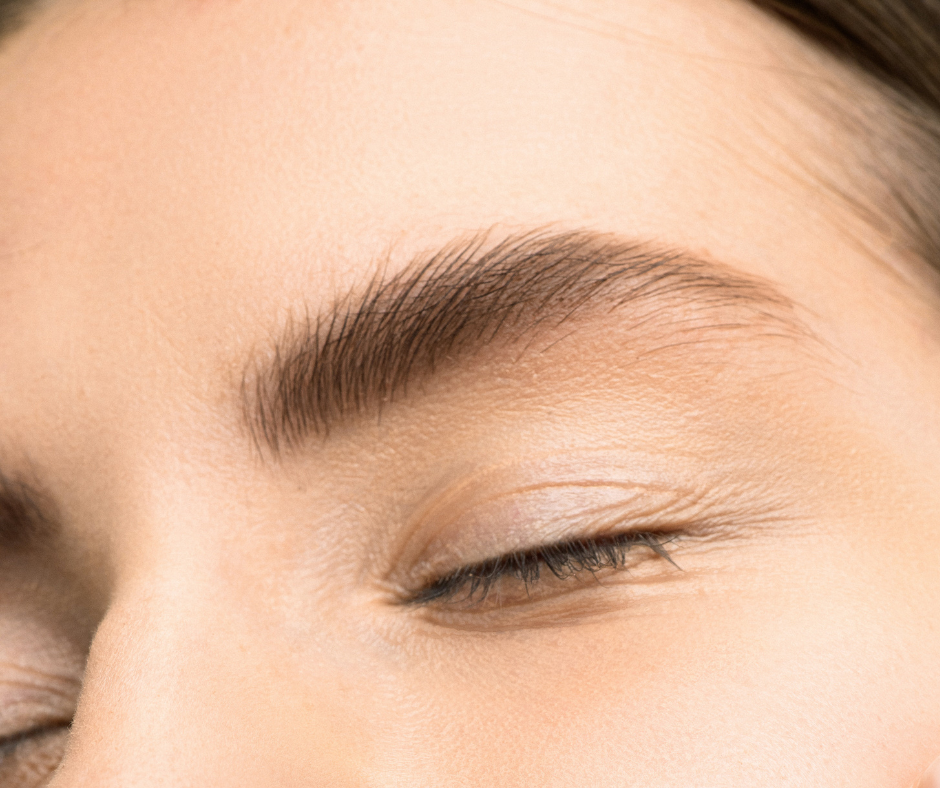
bags under eyes

Usually, a cosmetic issue, bags under the eyes don’t need to be treated.

Treatments at home and changes in lifestyle may lessen puffiness. But, there are ways to treat the dark circles, under-eye puffiness, and lines if the sight starts to bother you.

How To Treat Dark Circles, Under-Eye Puffiness, And Lines

Adopt A Healthy Diet

Water retention is a common side effect of salty foods, and water retention is one aspect that might affect how the under-eye area looks.

While they are anti-inflammatory and water-soluble, collagen supplements, foods high in vitamin A, such as carrots and peppers, as well as meals high in vitamin C are useful in reversing this. Bromelain, a substance found in pineapples, reduces swelling and puffiness.

You can consume these items throughout the day as whole foods or in vitamin form in juices.

Improve Your Sleep Schedule

In general, getting enough sleep helps avoid eye bags since it lowers stress levels and, in turn, your cortisol levels. Rest not only offers your body the chance to repair and recover but also your mind.

Your under eyes will be affected similarly by rest.

Reduce And Maintain Stress Levels

Stress levels have an impact on cortisol levels, which then causes puffiness and bags under the eyes to emerge and get worse.

Acne can also be attributed to excessive amounts of stress. Exercise, journaling, listening to a good podcast, and meditation are a few methods that can help reduce stress.

Stay Hydrated

Dehydration can also contribute to under-eye puffiness, but fluid retention is typically to blame.

Dehydration can highlight the effects of too much salt, alcohol, or lack of sleep, dark circles, and puffiness appear worse.

Being hydrated properly improves circulation, which aids in removing extra fluid from the eye area. Have a water bottle beside your bed or desk and make it a point to refill it throughout the day.

Reducing Crows Feet

crows feet

Retinol is the perfect ingredient to go to if you want to get rid of crow’s feet.

This tried-and-true wrinkle-smoother accelerates cell turnover to produce new collagen and elastin.

The area around your eyes is safe to use your standard facial solution, but to be safe, think about using a gentler, buffered version designed just for this area that won’t irritate or create redness.

Use Eye Masks

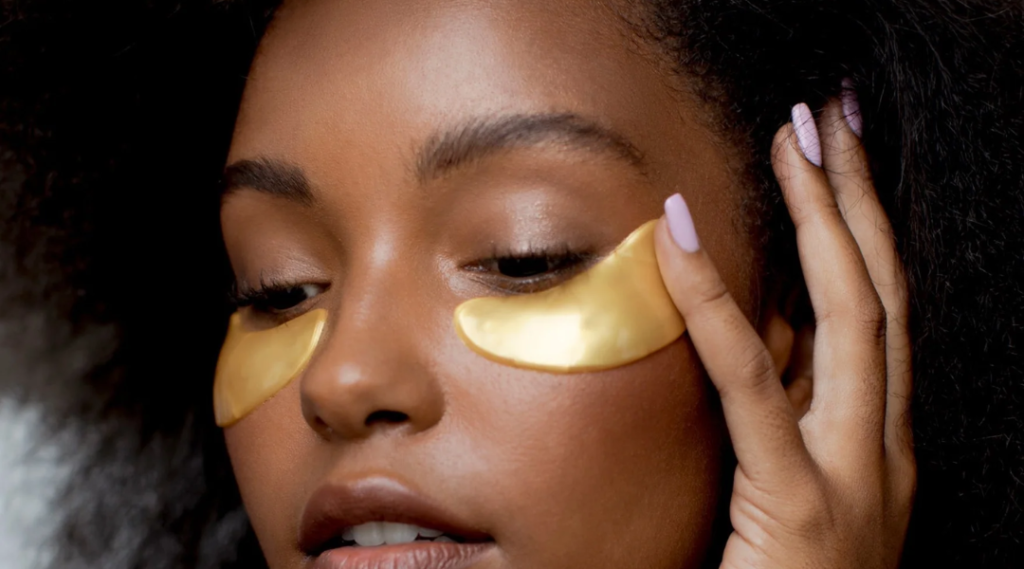
Self-adhesive presoaked patches deliver a massive amount of skin-quenching hyaluronic acid to the quenched under-eye areas, acting as an IV drip for the area.

Use a pair while getting ready to go out or on a flight since the U-shaped gels “stick” in place, and you’ll arrive at your destination feeling refreshed and relaxed.

Use An SPF 30 Or Above

In addition to causing skin cancer, UVA and UVB radiation can also speed up the aging process by destroying collagen and elastin, which results in eye bags, under-eye puffiness, dark circles, and sagging, puffy skin.

I cannot emphasize enough how important it is to wear sunscreen every day and you can go the extra mile by wearing sunglasses to shield the eyes from UV rays, which only speed up the aging of the skin.

When we apply sunscreen, the eye area is frequently overlooked as well. I advise using sunscreen with a minimum SPF of 30.

Cool It Down

Dermatologists advise applying cold cucumber over the eyes. Both the chilly temperature and the cucumber juice have anti-inflammatory elements that ease the eyes.

Green tea bags that have been chilled also work well as a compress. The combination of caffeine and the chilly temperature helps to constrict the blood vessels, which reduces puffy lids.

To lessen the puffiness, you can also massage under the eyes with an ice roller or ice cube.

Eye gels are also ideal for this, and you can keep them in a skincare fridge before applying them to your eyes to reduce the bags and puffiness.

Promote Lymphatic Drainage

Those who are prone to fluid retention can benefit greatly from promoting lymphatic drainage.

I advise applying a gua sha stone or massaging the lower lid in an upward and outward direction to promote lymphatic flow. It’s especially helpful when used in conjunction with an eye cream or serum to the area to avoid accidental irritation to the sensitive eyelid skin.

Alternatively, use a jade roller, rolling it towards the nose rather than away from it. The roller can be stored in the fridge first.

A cold compress is necessary for reducing eye bag swelling, puffiness, and dark circles much like applying ice to a sore to reduce swelling.

[jetpack-related-posts]

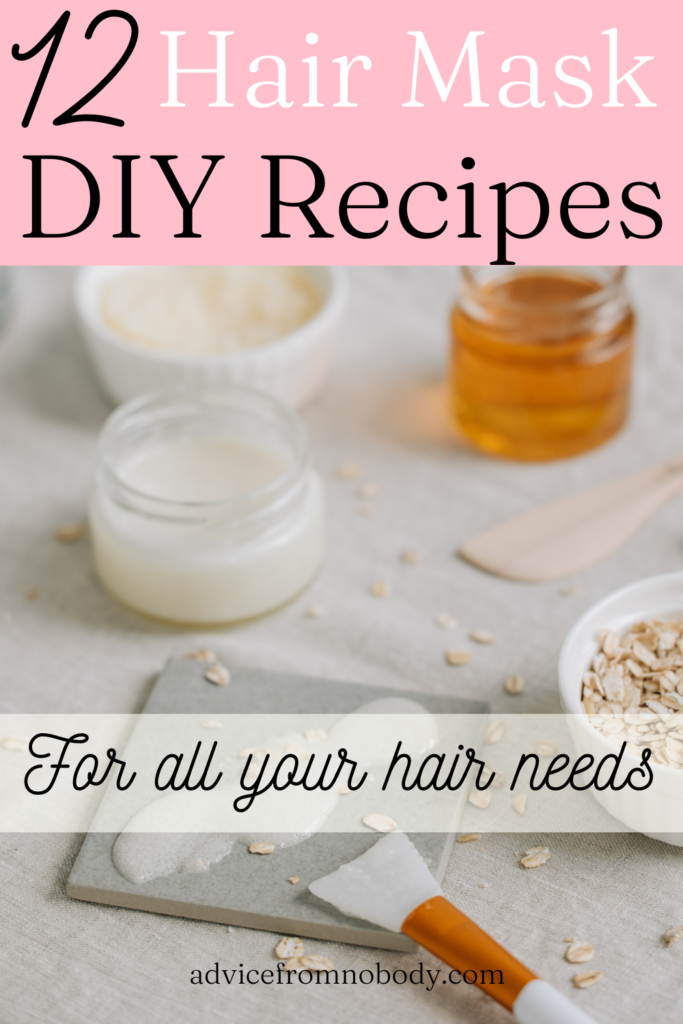
12 DIY Hair Masks To Revive Dry And Damaged Hair

Filed Under: DIY Beauty, Hair // 03/09/2023

diy hair masks for all your hair needs

DIY products, such as DIY hair masks, may appear difficult to make or you may not feel like they work.

Yet, using hair masks can be a particularly effective way to cure your hair issues. While the shelves of your neighborhood cosmetic store are stocked with a wide selection of ready-made masks to choose from, you can also make your own hair mask at home using items you probably already have on hand, such as olive oil, avocado, or honey.

Also, these DIY hair treatments can help with various issues, including dryness and restoring brittle strands.

Do DIY Hair Masks Actually Work?

Homemade hair masks can be effective, but they are sometimes not as beautifully made as salon-grade products.

While homemade hair masks may not be as effective as salon-grade masks, which are created specifically to target issues like color-treated hair or keratin bond strengthening, most experts believe that they may frequently be useful in between salon visits.

Without having to spend a fortune on salon-grade hair products, there are several ingredients you can use in an at-home mask to help improve the texture and health of your hair.

Homemade hair masks can work incredibly well if the ingredients are right and your hair is in good condition. To prevent residue in your hair, you must, however, combine and strain very carefully.

Best Hair Masks For Reviving Your Hair

Every ingredient targets different needs, so there are different ‘bests’ for different purposes: (To get the most out of these hair masks, you have to first wash your hair with a clarifying shampoo to unclog the cuticle).

1. Rosemary And Olive Oil Mask

Great For: Promoting Hair Growth

Ingredients:

– Gel scraped from one aloe leaf
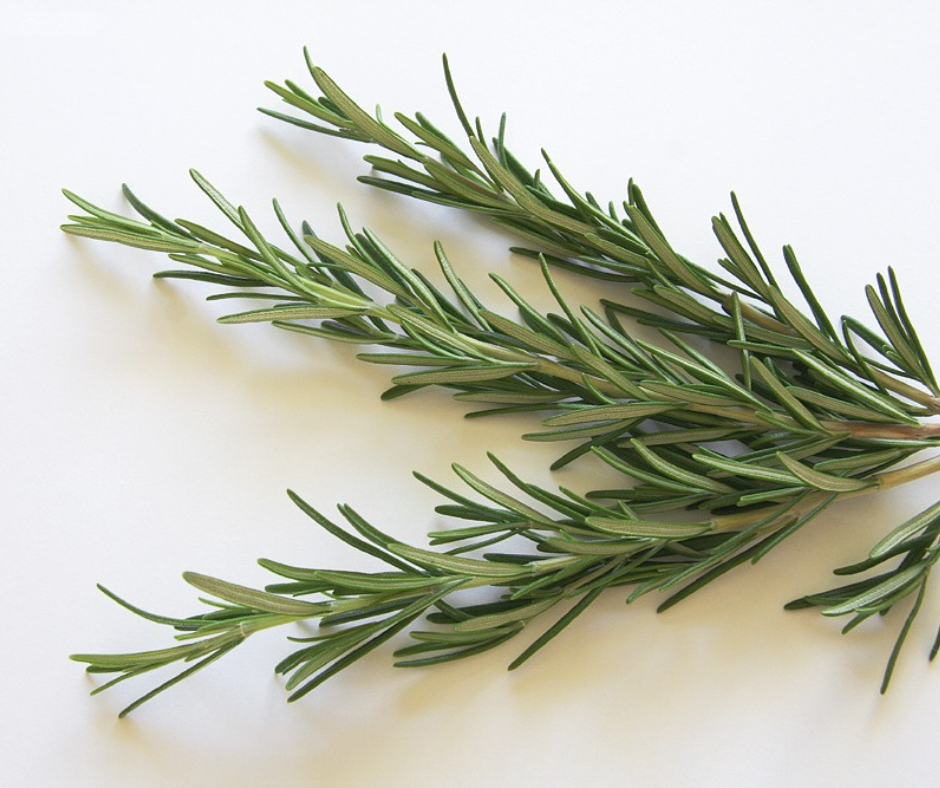
– 1 Pack of fresh rosemary
– 2 Tablespoons of olive oil
– 3 Capsules of vitamin E oil
– Conditioner of your choice

Directions:

1. Blend ingredients together until smooth.

2. Strain the mixture to get rid of any chunky pieces.

3. Pour the mixture into a bowl then add a few scoops of your conditioner and mix well.

4. Let the product sit for 30 minutes then rinse it out.

5. Finnish off with your usual conditioner.

While there isn’t a magical way to get longer and thicker locks overnight, this mask can help promote growth. Rosemary helps boost blood circulation to the scalp… the improved blood circulation helps follicles get the nutrients required for healthy growth.

2. Coconut Oil Mask

Great For: Adding Moisture To The Hair

Ingredients:

1 Tablespoon of coconut oil

Directions:

1. Before bed, warm coconut oil in the microwave, then massage into damp hair, avoiding the roots.

2. Tie hair into a bun and cover it with a shower cap.

3. Shampoo and continue with your usual wash day.

This is more of a hot oil treatment than a hair mask but yields great benefits. I suggest doing this one at least once every month to add moisture to your hair and replenish it.

3. Apple Cider Vinegar And Tea Tree Oil Mask

Great For: Getting Rid Of Dandruff

Ingredients:

– ½ Cup apple cider vinegar

– ½ Cup warm water

– 10-12 Drops of tea tree oil

– 1 Tablet of aspirin

Directions:

1. Crush up the aspirin.

2. Thoroughly mix the ingredients in a spray bottle and spray it all over your scalp.

3. Let it sit for around 30 minutes and shampoo it out, and continue with your regular wash day.

Aspirin contains salicylic acid, which helps to reduce inflammation and exfoliates dandruff flakes. You can repeat the “mask” each time you plan to wash your hair until the dandruff goes away.

4. Coconut Oil And Cinnamon Hair Mask

Great For: Thinning And Breakage

Ingredients:

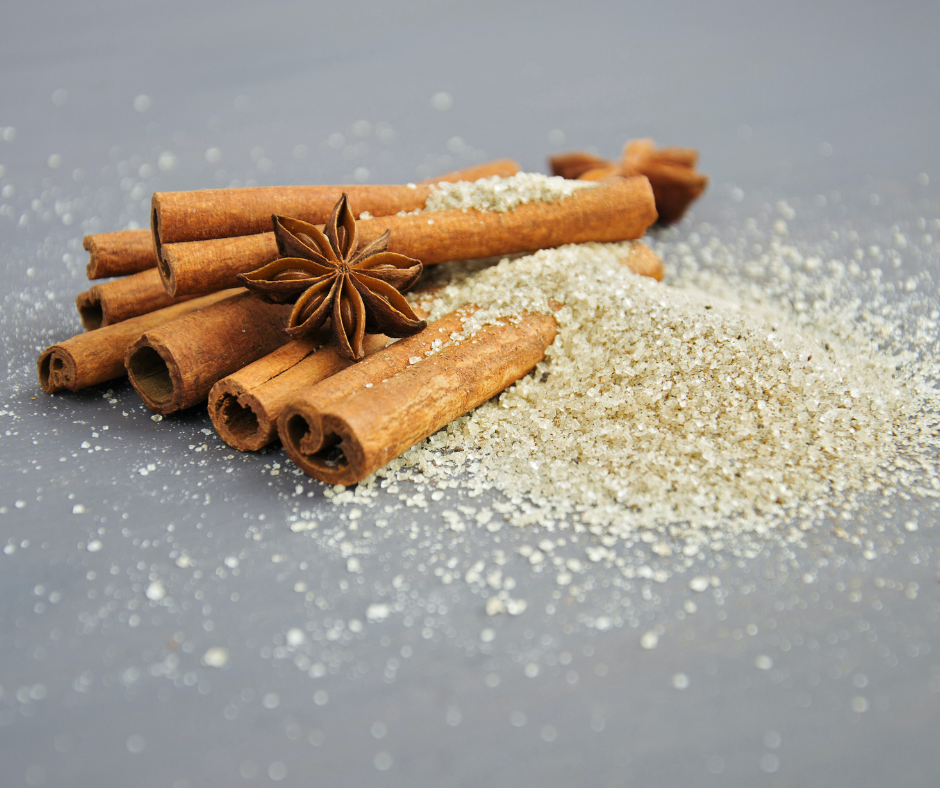
– 1 Teaspoon ground cinnamon

– 1 Teaspoon of coconut oil

Directions:

1. Mix the ingredients together well.

2. Apply the mask onto your roots and part, massaging into your scalp.

3. Let the mask sit for 30 to 45 minutes, then rinse with warm water.

The spice works to stimulate blood circulation and promote hair growth and strength, while the coconut oil is rich in fatty acids, helping to further repair the hair.

5. Coconut Oil And Yogurt Mask

Great For: Repairing Dry Hair

Ingredients:

– 1 Tablespoon of coconut oil

– 1 Tablespoon castor oil

– 1/2 Cup plain yogurt

– 1 Whole egg

Directions:

1. Mix all of the ingredients together in a bowl until well combined.

2. Use your fingertips to apply the mask, working your way from the scalp down to your ends.

3. Cover your hair with a warm towel or shower cap to lock in the natural heat from the scalp and leave it on for 15 to 20 mins.

4. Rinse well with warm water, then shampoo as usual.

The egg in this DIY mask has plenty of vitamins to nourish strands, plus it contains hydrating ingredients like coconut oil and yogurt. The protein in Greek yogurt and eggs will help strengthen weak, dry hair strands and prevent breakage. So if you’re looking for a homemade hair mask to repair dry hair, this is the one for you.

6. Banana, Yogurt, And Honey Hair Mask

Great For: Reducing Frizz

Ingredients:

– 1 Sliced banana
– 2 Tablespoons of plain yogurt
– 1 Tablespoon of honey

Directions:

1. Combine all the ingredients together in a blender or mash the banana and mix the ingredients until they are all mixed together well.

2. Apply the mask to damp hair from roots to ends.

3. Tie your hair up and cover it with a shower cap.

4. Leave the mask on your hair for about 30-45 minutes.

5. Rinse with your regular shampoo and conditioner.

Bananas are full of natural oils, potassium, carbohydrates, and vitamins, all of which help lock in moisture and help eliminate that annoying frizz, and yogurt has incredible benefits for your frizzy hair as well. Yogurt has high levels of lactic acid, which helps treat dull and damaged hair, so this ingredient is a must.

7. Aloe Vera, Avocado, And Egg Hair Mask

Great For: Strengthening Brittle Hair

Ingredients:

– 1 Whole Egg

– 2 Tablespoons olive oil

– 1/2 Avocado

– 2 Tablespoons avocado oil

– 1 Tablespoon coconut oil

– Aloe vera leaf juice

Directions:

1. Blend all the ingredients until totally smooth.

2. Wet your hair.

3. Scoop up the mask and smooth it through your hair until it’s totally saturated.

4. Cover your hair with a shower cap or grocery bag, and let it sit for at least 20 minutes.

5. Jump in the shower and shampoo and condition it like usual.

If you’ve been loading up on moisture and your hair is still feeling dry or brittle, you may need a protein treatment. This DIY mask uses protein-rich eggs, coconut oil, and avocado to help restore strength, along with moisturizing aloe vera and olive oil to increase elasticity.

8. Sugar And Coconut Oil Scrub

Great For: Exfoliating Your Scalp

Ingredients:

– 2 Tablespoons of your favorite hair conditioner

– 2 Tablespoons raw sugar
– 2 Drops of peppermint essential oil (or your favorite essential oil)
– 2 Tablespoons coconut oil
– 2 Drops of tea tree oil

Directions:

1. In a bowl, mix together the coconut oil, the essential oil of your choice, and the tea tree oil.

2. In another bowl, combine the brown sugar and your favorite hair conditioner.

3. Part your hair into sections and apply the oil mixture to slightly damp hair, starting at your scalp and working to the ends.

4. Take the brown sugar/hair conditioner mixture and apply to the scalp only, lightly massaging. Do not scrub.

5. Leave the mixture in your hair for one hour, then rinse with lukewarm water and shampoo normally.

This is both a hair mask and a scrub. And when it comes to scrubs, they are beneficial to anyone who has product buildup or an excessively oily scalp.

9. Coconut Oil, Mayonaise, And Yogurt Hair Mask

Great For: Repairing Damaged Hair

Ingredients:

– 2 Tablespoons full-fat yogurt

– ½ Cup mayonnaise

– 2 Tablespoons coconut oil

Directions:

1. Combine all the ingredients together and mix the ingredients until they are all mixed together well.

2. Apply the mask to damp hair from roots to ends.

3. Tie your hair up and cover it with a shower cap.

4. Leave the mask on your hair for about 50-60 minutes.

5. Rinse with your regular shampoo and conditioner.

If your hair is damaged, your hair routine should be filled with some deep-conditioning masks that give you cuticle-repairing proteins, and a lot of strand-smoothing moisture. This inexpensive mask will help do just that.

10. Olive Oil, Egg, And Honey Hair Mask

Great For: Adding Shine To Dull Hair

Ingredients:

– 1 Egg yolk

– Tablespoon of olive oil

– Tablespoon honey

Directions:

1. Place the egg yolk, honey, and olive oil in a bowl.

2. Use a fork or a whisk to gently mix together.

3. Apply the mixture, starting at the scalp and working your way down the hair to the ends.

4. Leave it on for 30 minutes then rinse it off.

Egg yolks are rich in fat, protein, and biotin, and although these proteins may be too large to penetrate the follicle itself, they can coat the hair follicle to add a glossy look. By combining this with olive oil and honey, your hair should achieve a shine that lasts through a few washes.

11. Avocado And Olive Oil Hair Mask

Great For: Reducing The Appearance Of Split Ends

Ingredients:

– ½ An avocado
– ½ Cup olive oil

Directions:

1. Mash the ingredients in a bowl with a fork and mix them together.

2. Apply to the split ends only.

3. Leave the mask on for 20 minutes and rinse with warm water.

Nothing can fix split ends except a trim, however, a mask will coat the split ends to make them look healthy in the meantime. Avocados have minerals that will seal the cuticle, as well as proteins and vitamins to nourish and soften the hair. A layer of olive oil will add extra shine and sleekness to gloss over the damaged hair.

12. Avocado And Egg Hair Mask

Great For: Color-Treated Hair

Ingredients:

– 2 Whole eggs
– 2 Tablespoons of any thick conditioner
– 1 Tablespoon castor oil
– 1 Ripe avocado
– 2 Tablespoons full-fat milk

Directions:

1. Whisk all the ingredients together.

2. Refrigerate the hair mask overnight

3. Apply it to your hair in sections.

4. Leave it in for 20 minutes and then rinse out.

Color-treated hair is vulnerable to damage, and this mask will help target even the worst color-related breakage. It’s made with eggs which contain protein, the building blocks of healthy hair.

[jetpack-related-posts]

DIY Lip Balm To Revive Dry, Chapped Lips

Filed Under: DIY Beauty // 03/07/2023

DIY lip balm recipe

Make various lip balms by following these simple directions.

Divide the mixture and fragrance and color the batches separately if you want to make more than one type of lip balm at once. I prefer to use essential oils that smell edible for lip balms, such as citrus or vanilla.

Basil, mint, orange, or lemon essential oils might help to soften the powerful scent of lavender essential oil.

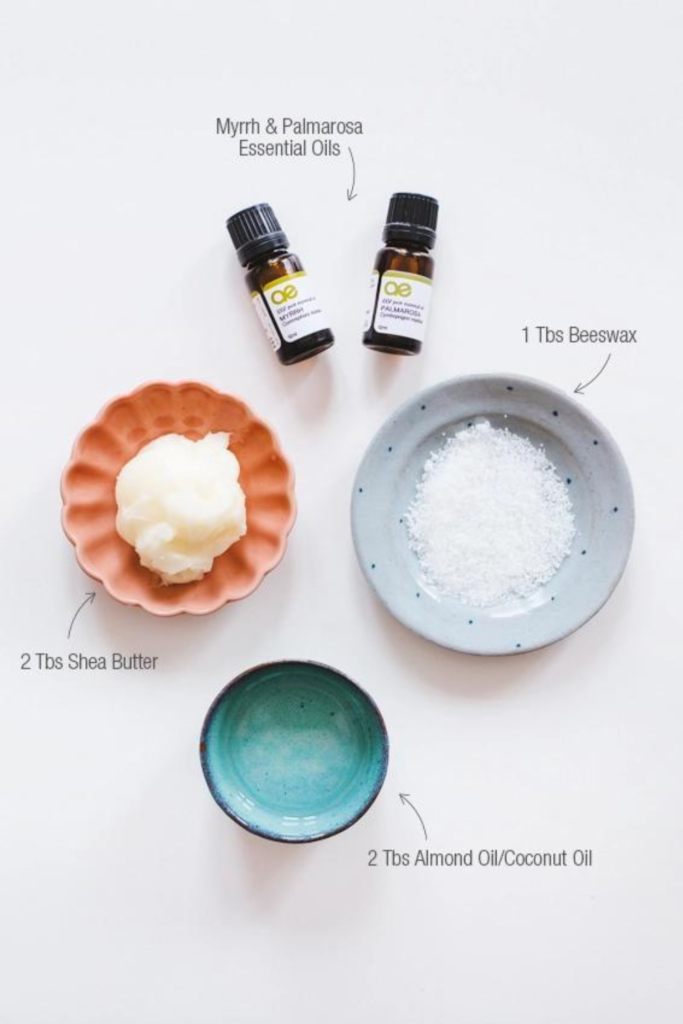
What You Need

– Lip balm tubes or lip balm tins

– Beeswax pellets

– Shea butter

– Cocoa butter

– Coconut oil

– Jojoba oil

– Vitamin E oil

– Essential oils of your choice

How To Make Your Lip Balm

1. Measure 1 teaspoon beeswax, 2 teaspoons shea butter, and 1 teaspoon cocoa butter and put in the top of a double boiler.

2. Melt the butters and waxes over low heat in your double boiler until completely combined.

3. Add 1 teaspoon each of coconut oil and jojoba oil and stir until combined.

4. Remove the bowl from the heat and add about 5 drops of Vitamin E oil and 10 drops of the essential oils of your choice.

5. Pour into your storage containers.

6. Allow to cool completely (for at least 30 minutes).

[jetpack-related-posts]

How to Dry Brush Your Skin—and Why It’s So Beneficial

Filed Under: Body // 03/07/2023

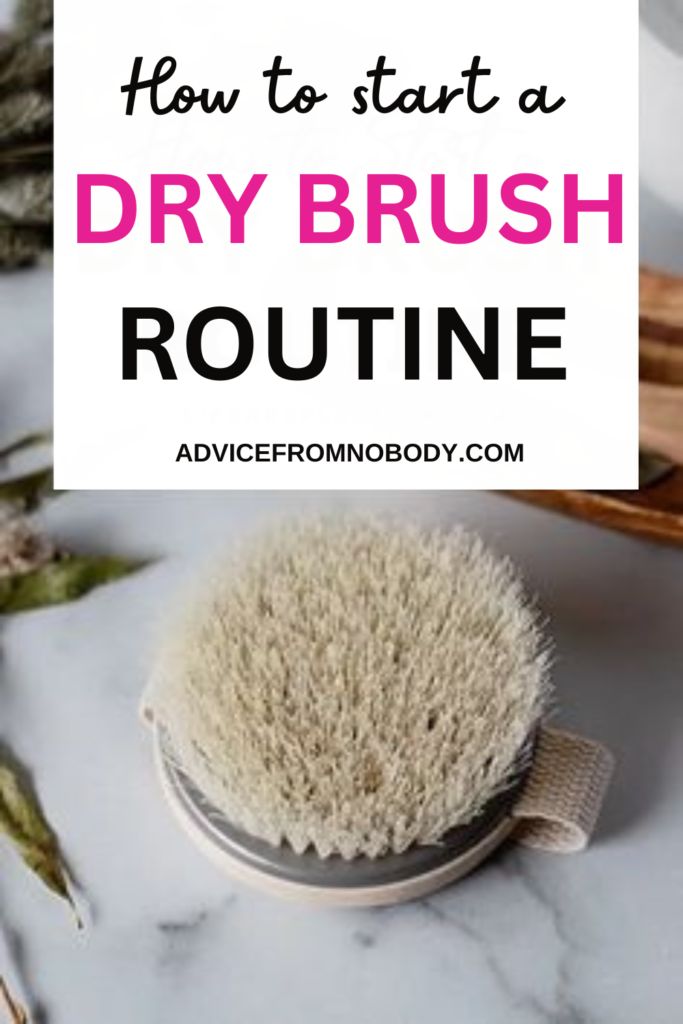
dry brushing to exfoliate skin

While the practice of dry brushing your skin once or twice daily with a soft, firm brush is common to do during a detox, regular users report more benefits when you make it a more prominent part of their self-care routine.

The skin feels wonderful after dry brushing, and it’s quite simple to incorporate into your routine.

Due to its invigorating effects, most experts advise dry brushing in the morning rather than before bed.

Most people use the dry brush by itself, while others coat it with body oil before using it to make it less abrasive on the skin.

If you use an oil, take a shower before using the brush. If not, take a shower after dry brushing and then use a moisturizer or oil to soothe dry skin.

Dry brushing is also, excellent to do when in a steam room or sauna.

What Is Dry Brushing

If you don’t know what dry brushing your skin is, it’s a daily body massage with a dry, stiff-bristled brush that’s claimed to improve the look of cellulite, promote circulation, detoxify, and get rid of flaky skin.

How To Dry Brush

Dry brushing to exfoliate skin

Start at your feet and brush up toward your heart when you dry brush.

In a similar manner, while starting on your arms, start at the hands and work your way up, always working toward your heart.

Work upward with tiny, strong strokes or in a circle. When working on your stomach, work your way clockwise around the area.

The goal is never to exfoliate harshly, so take care not to apply too much pressure or use a brush that is too stiff.

Any type of exfoliation or brushing should be mild and never hurt the skin. To be delicate, I used medium-soft cactus bristles for my dry brush; the skin shouldn’t be scratched or hurt.

Dedicate at least three to five minutes to dry brushing.

What You Need To Dry Brush

Exfoliating Body Scrubbers

Goop G.Tox Ultimate Dry Brush


SOL DE JANEIRO Bum Bum Firmeza Body Oil

Flora and Noor Organic Whipped Shea Body Butter

Benefits Of Dry Brushing

Dry brushing has gained a lot of popularity for a reason. The list of benefits include:

Detoxes The Skin

Dry brushing’s mechanical action is fantastic for removing dead skin cells from tough, dry skin.

In the exfoliation process, dry brushing clears clogged pores.

Dry brushing also encourages lymph drainage and enhances blood circulation, which helps aid in skin detoxification.

Moreover, unclogging pores makes it easier for the body to sweat out toxins.

Gives Your Skin A Natural Glow

Dead skin cells can be removed to help make your skin softer and smoother. Also, it could momentarily make your skin appear more radiant.

Gentler On The Skin

Hot water irritates your skin and even removes the vital oils, lipids, and proteins from it. Itching and redness may result from this.

By brushing your skin when it is dry, you can exfoliate and stimulate blood flow without dehydrating it by doing it in the shower with hot water.

[jetpack-related-posts]

Why You Should Exfoliate Your Face

Filed Under: Skin // 03/06/2023

how to exfoliate your face

Cleansing your skin and using a good toner aren’t the only ways to rejuvenate your skin while doing your skincare.

Enter exfoliation, which helps rid the face of dead skin cells. While you may think this step can be harsh on the skin, it is a necessary step to take.

Our skin has sweat glands (sebaceous glands) and can tolerate exfoliating cleansers and or physical exfoliants without being irritated and tearing.

To learn more about facial exfoliation, including the products and techniques you will need to master the method, read on.

The Benefits Of Facial Exfoliation

This practice of facial exfoliation goes further than skin deep.

Exfoliation is designed to bring rest, relaxation, and balance to your skin When done correctly, exfoliation can both aid in healthy circulation and remove dead skin cells.

Rubbing hard (but gently) and removing flaky skin during the exfoliation process will leave your dermis feeling fresh, smooth, hydrated, and soft.

  • Choosing Between Dermaplaning and Chemical Peels to Exfoliate Your Face
  • The Ultimate Guide to Sunscreen After Chemical Peels

Physical Exfoliation

There are two leading types of exfoliation.

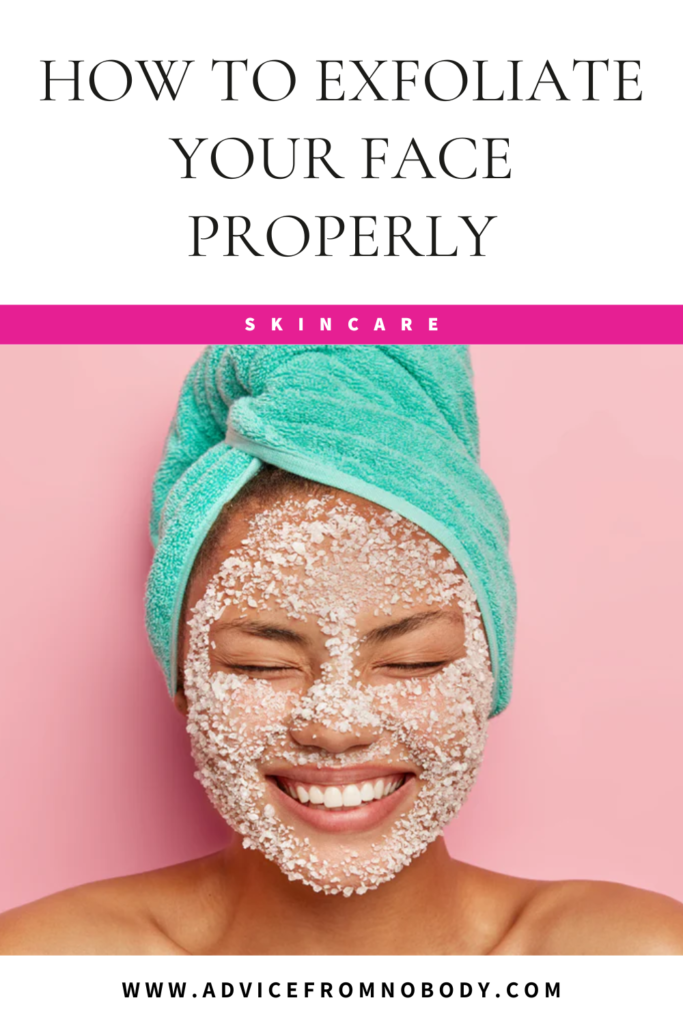
The first is physical, which should be done twice a week at most. Physical exfoliation uses a tool or device to take off the dead skin layer), strong physical exfoliators should be avoided on the face.

Face scrubs, exfoliating brushes, sponges, or gloves, are all options, but the most common tool is a face scrub.

Physical exfoliation detoxes your face by assisting with lymphatic drainage.

Make sure to wash exfoliating instruments thoroughly after each use, to avoid bacterial buildup. 

Related Post: Benefits of A Dermaplane Facial (Dermaplaning Effects On Your Skin)

Chemical Exfoliation

On the other end of the exfoliation spectrum are chemical products, which use acids or chemicals to loosen the bonds between the dermis’ top layer of cells.

Ingredients such as salicylic acid, alpha hydroxyl acids, and bakuchiol exfoliate the skin and open the pores. Vitamin A derivatives, such as retinol or tretinoin, also exfoliate, as well as shrink oil glands.

Luckily, testing out chemical formulas is easy; in fact, these ingredients can be found in face washes and cleansers.

A good cleanser will cleanse and exfoliate without compromising the natural pH of the skin (which is our great barrier of protection).

Ultimately, exfoliating treatments are soothing, whether you make a trip to the esthetician or opt for at-home treatments.

Some of my go-to products currently are, Paulas Choice–SKIN PERFECTING 2% BHA Liquid Salicylic Acid Exfoliant ($33 on Amazon), which is ultra-fine and great for the oilier dermis, and the Palmer coconut oil sugar facial scrub ($28 on Amazon).

You can even make your own exfoliants at home. I like these DIY facial scrubs that are quick and easy to make at home. All of our scrubs conclude with a moisturizing application that has been thoughtfully chosen to complement and balance the exfoliant.

[jetpack-related-posts]

DIY Natural Scalp Scrubs For Cleansing Your Scalp

Filed Under: Hair // 03/03/2023

scalp scrub diy recipes

In this article, I will share three different homemade natural scalp washes that cater to various scalp needs.

Using a scalp scrub can significantly improve the condition and appearance of your hair. It can help clarify your scalp and really help you get in there.

A thorough vinegar-water rinse and a light coating of jojoba oil on the hair tips take care of the rest.

But enough of that—let’s get into scalp scrubs!

What Do Scalp Scrubs Do?

They do pretty much exactly what the name implies, scrubbing the scalp to exfoliate, treat, and increase circulation so that new hair may grow thicker and give you a healthier scalp.

Do You Need A Scalp Scrub

Similar to how a good, consistent face exfoliator may improve the state of your skin, the same can be said for your dry scalp.

In actuality, it is really an extension of your skin tissue; like your skin, it produces sebum, sheds, regenerates, and occasionally becomes clogged.

Unless you are only applying the product to the hair shaft, the scalp products you use on your hair will affect the scalp and almost certainly leave some sort of product build-up.

If you don’t correctly and frequently remove that scalp buildup, it will have an impact on the condition of the scalp and, subsequently, the hair.

The products and treatments you apply to your hair and scalp will work better when there isn’t a buildup of dead cells or product buildup, just like with the rest of your body’s skin.

How Often Should You Exfoliate Your Scalp?

As with all things hair, it depends on your hair care routine and product preferences for your hair. Also, it depends on your hair type and the general health of your scalp.

Maybe once or twice a month is more than enough if you don’t really use commercial hair products and your routine is already fairly natural and simple.

You might benefit from a deep cleanse once a week if you frequently use products like hairspray, gels, dry shampoo, or mousse to style your hair.

This would lessen follicular blockage and scalp dysregulation, as well as aid avoid product buildup.

A weekly (mild) cleanse would also be beneficial if you struggle with scalp conditions like seborrhea, dandruff, flaking, or itching.

Benefits of Scalp Exfoliation

Regular scalp exfoliation isn’t just a trendy scalp care routine; it’s a vital step in maintaining a healthy scalp and vibrant hair.

Here are some key benefits you can expect from incorporating scalp exfoliation into your hair care routine:

1. Removes Buildup:

Product Residue: Over time, hair products like gels, mousses, and dry shampoos can accumulate on the scalp, leading to buildup.

Scalp scrubs effectively cleanse away this residue, allowing your hair follicles to breathe and function optimally.

Dead Skin Cells: Just like the skin on your face, your scalp sheds dead skin cells.

Regular exfoliation helps slough off these cells, preventing them from clogging hair follicles and potentially causing issues like dandruff or itching.

2. Enhances Blood Circulation:

Scalp scrubs stimulate blood flow to the scalp through the massaging action during application.

Improved blood circulation nourishes the hair follicles, promoting healthier hair growth and potentially preventing hair loss.

3. Improves Hair Health:

By maintaining a clean and balanced scalp environment, exfoliation supports overall hair health.

It can help prevent conditions like seborrhea, dandruff, and flaking, promoting a comfortable and itch-free scalp.

Exfoliation encourages the removal of impurities and excess oil, which can weigh hair down and make it appear dull.

As a result, hair looks shinier, feels lighter, and is easier to style.

4. Promotes Healthy Hair Growth:

A clean and unclogged scalp provides an optimal environment for hair follicles to thrive.

By removing barriers like scalp buildup and dead skin cells, scalp exfoliation may support the growth of thicker, stronger, and healthier hair.

The massaging action during exfoliation also stimulates the scalp, which can help awaken dormant hair follicles and encourage new hair growth.

5. Enhances Product Absorption:

Exfoliating the scalp creates a clean canvas for the absorption of hair care products.

Whether you use serums, natural oils, or treatments, they can penetrate more effectively into the scalp and hair follicles, maximizing their benefits.

How To Apply Scalp Scrubs

It really is up to you whether you apply them to a dry or damp scalp.

Apply your scrub to your scalp in a scrubbing motion to get it working, it will just take a few minutes at most because most of the benefits will come from the actual scalp scrubbing motions you make as you apply the therapy.

Following that, you simply wash your hair as usual. Scalp scrubs serve as a “pre-poo,” if you will.

3 DIY Scalp Scrubs To Exfoliate Your Scalp

scalp scrub diy recipes

Brown Sugar & Oatmeal Best Scalp Scrub

An oatmeal-based scalp exfoliant can help remove dead skin cells from severely irritated, irritable, and oily scalps while also providing healing benefits to the scalp’s tissues.

This specialty scrub blends oatmeal and brown sugar to moisturize, gently exfoliate, and stimulate blood flow to the hair follicles.

These compounds balance exfoliation without over-oiling or drying out your healthy scalp.

-2 tablespoons brown sugar
-2 tablespoons finely ground oatmeal
-2 tablespoons gentle shampoo

In a bowl, combine all of the natural ingredients. Scoop some of this hair scrub into the palm of your hand.

Apply it in circular motions on your flaky scalp, then give your hair a good rinse and continue with your normal wash day.

Deep Cleansing Salt & Olive Oil Scalp Scrub

Salt and oil work together to promote hair development and eliminate any flaky material without damaging the scalp health.

Olive oil works well as a conditioning hair mask because its fatty acids coat the hair to give it hydration and damage resistance.

When the lemon juice dissolves any product residue, the salt gently scrubs the itchy scalp.

If you don’t have any lemon juice on hand, you can sub it out for apple cider vinegar, which, due to its acidity, aids in closing the cuticle and retaining moisture, it is also great for restoring shine.

-2 tablespoons sea salt
-1–2 tablespoons lemon juice/ apple cider vinegar
-1–2 tablespoon olive oil

Mix salt, lemon juice, and oil together. Then wet your hair and massage the scrub into your oily scalp. Let it sit for several minutes. Rinse it well and follow with your regular shampoo.

Brown Sugar & Honey Scalp Scrub DIY Recipe

Whole brown sugar is mild enough to use as a scrub on more delicate skin and naturally rich in trace minerals.

Raw honey has inherent antimicrobial and wound-healing properties. Moreover, it is relaxing, hydrating, and anti-inflammatory for the skin.

Since raw honey is naturally acidic, it will assist in maintaining the scalp’s pH balance.

Due to their antibacterial and antifungal properties, vinegars can be used to treat any scalp issues.

They are also naturally acidic, so when diluted in warm water, they will assist in maintaining the pH balance of the scalp.

-1 Tablespoon brown sugar

-1 heaped teaspoon raw honey

-½ Tablespoon vinegar

-½ Tablespoon water

-½ teaspoon clove powder (optional)

In a bowl, combine all of the ingredients. Scoop some of this scrub into the palm of your hand.

Apply it in circular motions on your scalp, then give your curly hair a good rinse and continue with your normal wash day.

Scrubs for the scalp are fantastic for promoting healthy hair growth.

They don’t actually take up a lot of your time, which I always appreciate, and they help maintain your hair looking healthy.

I sincerely hope you try one of these natural Homemade scalp scrubs and let me know how it goes in the comments below.

[jetpack-related-posts]

How To Have A Luxury Bath: Steps And Products For Healthy Skin

Filed Under: Body // 03/03/2023

how to take a relaxing bubble bath

A luxury bath involves more than just hot water, candles, and a glass of wine.

It’s easy to get into the habit of taking a quick shower, throwing on some clothing, and rushing out the door in today’s hectic world.

But occasionally taking a long warm bath and slowing down can be good for both your physical and mental well-being.

Taking a warm bath makes you feel so fantastic and relaxed because baths provide the ideal environment for our bodies and minds to heal and regenerate.

Taking a bath helps reduce inflammation, calms stress and relieves headaches. Bathing can lower blood pressure, improve circulation, and increase blood flow, all of which are beneficial for maintaining the health of your heart and skin.

If that’s not good enough, a 30-minute stroll and an hour-long bath can both burn the same number of calories, sign me up, please.

Benefits Of Taking A Warm Bath

Excuses are simple to make and easy to find, but even if it’s only once a week or once a month, make sure you’re giving yourself the time you need to look after yourself.

My top 5 reasons for making sure I schedule a bath at least once a week are listed below.

Reduces Stress

This is my primary motivation when I take a bath.

A huge advantage of taking a bath is that it helps you relax, and in the society, we live in today, that benefit is more important than ever. Your body feels calm and relaxed when you are submerged in warm water.

Bathing is a terrific way to relieve the stress that we carry in our bodies, especially in our joints and muscles.

For me, adding bath salts and a bath bomb to the bath helps me relax even more while I’m in there. The minerals in the bath salts aid in soothing my skin and further lessen inflammation in my body.

Bath bombs are a fantastic way to include some aromatherapy into the bath, and they are also incredibly entertaining to watch!

So, with that said, having a bath is a terrific approach to de-stress your body and your mind from whatever environmental or personal stressors are affecting you if you want the stress of the day to just drift away.

Improves And Regulates Breathing

The steam from the bath will ensure that any congestion or blockage moves or loosens as you lay in the water, helping to clear your sinuses.

Also, the warmth of the water and a slightly elevated heart rate caused by the heat can aid to improve circulation in your lungs and throughout your body as it is submerged.

If you need further assistance with your respiratory system. I advise you to think about adding essential oils to your bath. A bath bomb designed to support your respiratory system can also be used.

Moisturizes The Skin

My skin is still dry and in desperate need of a good deep moisturizing as we say goodbye to winter.

I find that the oils and minerals from the salts and oils really assist my skin to absorb a lot of moisture when I take my weekly baths!

If you’re anything like me, you probably don’t enjoy moisturizing your entire body on a daily basis. Then taking a bath is a wonderful substitute that usually keeps you moisturized for a few days!

Run a bath, get in, and you’ll feel so much better if your skin is feeling dry. Who doesn’t enjoy having soft, smooth skin that makes them feel like they just left the spa?

Improves Your Sleep

The best time to take a bath is in the evening before getting ready for bed.

You should take a bath and unwind an hour or two before you normally go to bed. Whenever I’m struggling to go to bed, taking a bath immediately before bed helps a lot.

I now use it to relax after tiring days at work or on the weekends.

The bath’s warmth aids in bodily relaxation and tension relief. After taking a bath, you get dressed for bed in a cold bedroom, which encourages the production of melatonin, a hormone that aids with sleep.

A wonderful technique to guarantee you’re having a deep and peaceful sleep is to completely relax your body before bed. If you have a big day ahead of you I suggest thinking about taking a bath in the evening.

How To Take A Luxury Bath

how to take a luxury bath

Once you learn the skill of bathing, you won’t want to change. In this article, I’ll explain how to take the finest, most tranquil luxury baths of your life in this article.

Step 1: Take A Shower

Although it might seem unnecessary, trust me, you don’t want to sit in your own filth.

Although it might seem like an inconvenience, it will significantly improve your bathing. A brief shower before a bath will free your mind from worrying about cleaning every nook and cranny and allow you to concentrate just on rejuvenation and relaxation.

To me, a bath isn’t about getting clean, it is simply a form of self-care and relaxation, so clean up beforehand.

Step 2: Run Your Bath

Run your bath of water and adjust your temperature, be careful not to run a bath that’s too hot, the optimal bath temperature is between 110 and 112 degrees.

A bath that is excessively hot might damage the skin’s top layer and lead to inflammation, redness, and dryness.

Step 3: Have A Tech Detox

One of the few moments you can escape from the outside world is while you’re taking a bath.

So make your bathtime a no-tech zone to really allow your mind to reset and relax. Be alone with your thoughts and just focus on your breathing and relieving stress.

Step 4: Bring Along Your Plants

Have you ever used a spa or resort’s private outdoor bath? It’s perfect.

Bring plants to the bathroom that appreciate dampness, such as orchids, ferns, and succulents.

Step 5: Throw In Some Add Ons

Customizing your bath can make a huge difference and change your entire bath experience.

Flakes of magnesium salt are excellent for physical relaxation. A bath in Epsom salts is also quite beneficial and affordable.

The greatest soaks are made with mixtures of various salts that are rich in minerals and oils.

I don’t advise adding bubble bath, they tend to dry out the skin and cause irritation.

Although you don’t have to go out of your way to include essential oils in your bath routine, they do work, lavender and peppermint are wonderful for clearing sinuses when you’re unwell.

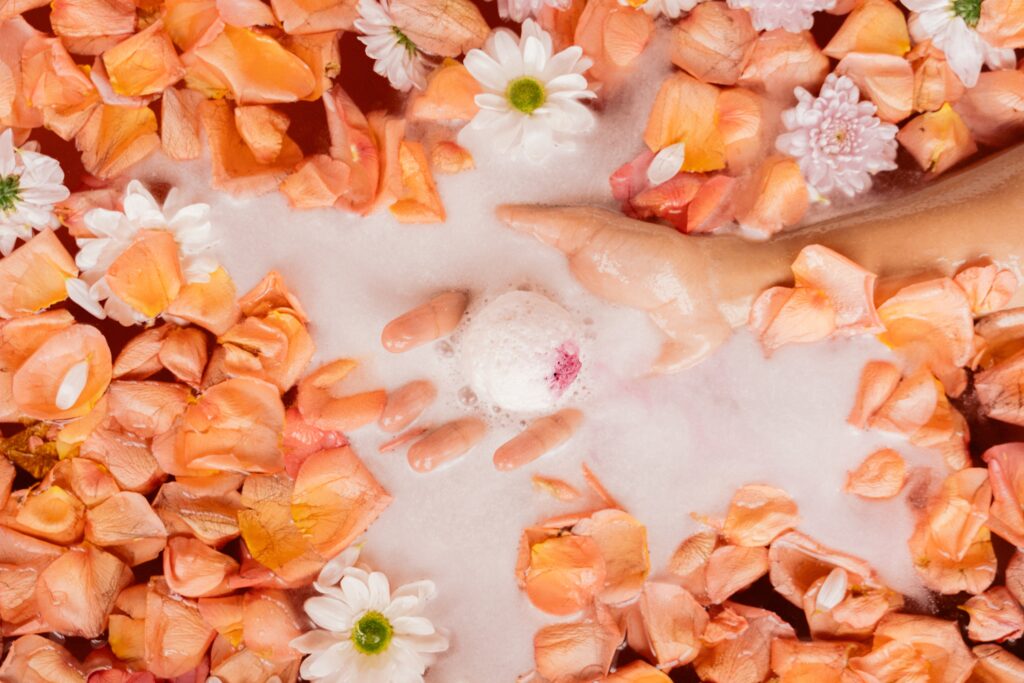
Additionally, take a handful of flowers from the garden or your old ones in the vase and throw them in the tub.

Step 6: Create An Ambiance

Play soothing music or a podcast and light some incense, a candle and dim the lights.

Really set the mood for yourself to ease your mind and make it as comfortable for yourself as possible.

[jetpack-related-posts]

10 Common Skincare Mistakes You Need To Avoid

Filed Under: Skin // 03/01/2023

skincare mistakes you need to avoid

Having the right skincare products is just as important as having the right skincare routine and using the proper ingredients for your skin. But all that won’t matter if you make these common skincare mistakes.

Skincare Mistake 1: Not Wearing Sunscreen Daily

not wearing sunscreen is a skincare mistake

One of the main reasons for skin aging is sun damage.

Using sunscreen every day is crucial to protecting your skin from the sun’s harmful UV rays, which promote photoaging and collagen breakdown at the cellular level.

Most dermatologists advise using sunscreen with an SPF of at least 30 and reapplying it every couple of hours, especially if you are going outside. Avoid skipping sunscreen even on cloudy days because UV rays can still be harmful to you.

Skincare Mistake 2: Being Rough On Your Skin

The skin becomes stressed when you rub and tug at it while applying your skincare or washing your face.

We do it automatically every day, whether it’s rubbing in eye ointment or holding the skin taut while applying eyeliner.

Over time, rubbing at your skin causes it to become less elastic, especially around the delicate eye area. So be gentle on your skin.

Some everyday skincare regimens may cause more damage than their benefits. Thus, always keep it gentle:

-Minimize your scrubbing since excessive cleansing might strip your skin of the antibacterial oils that keep it moisturized and protected.

-Avoid using harsh soaps. Strong detergents and soaps can remove oil from your skin. Use gentle cleaners instead.

-Avoid over dermaplaning, it may have many advantages, but avoid going overboard. Make sure to moisturize your skin with an oil. Shave against the hair’s growth, not with it.

-Avoid over-exfoliation, exfoliation removes dead skin cells, but doing it too often might trigger breakouts or excessive oil production in your skin.

Skincare Mistake 3: Sleeping With Makeup On

You should always take off your makeup before going to bed, despite how drained you are and how eager you are to curl up in bed.

Your pores may clog if you go to bed without taking off your makeup, which will allow acne-causing germs to accumulate.

Moreover, skincare components will be more difficult for your skin to absorb. Develop a nighttime skincare routine that starts with thoroughly washing the skin to remove all makeup and dirt.

Skincare Mistake 4: Not Properly Applying Skincare

While moisturizing is necessary, using additional skincare products can significantly enhance your regimen’s effectiveness.

After cleansing the skin and patting it dry, you should always add products from lightest to heavy.

Start with a good toner and work your way up from there, and when you’re done, don’t forget the SPF.

Skincare Mistake 5: Exfoliating Daily

over exfoliating skin

Exfoliating is a great approach to getting rid of dead skin cells and smoothing the skin so that it will absorb skincare products better.

However, if done incorrectly, it may potentially harm the skin.

If you exfoliate too much or too frequently, it could irritate your skin, make you red, or even burn you. Over-exfoliation damages the skin’s barrier and results in microscopic skin tears.

Once or twice a day, you can use mild exfoliants like glycolic acid at low concentrations. If you have sensitive skin, you should only use stronger exfoliants two to three times a week, max.

You should reduce your usage or switch to softer products if you experience any irritation. For a low-concentration exfoliator, Dpology’s Gentle Exfoliating Glycolic Acid Facial Cleanser is a wonderful choice.

Although exfoliating has many benefits, daily exfoliation may irritate the skin even more and trigger breakouts or excessive production of oil on your skin, so just be weary of this.

Related Post: Choosing Between Dermaplaning and Chemical Peels to Exfoliate Your Face

Skincare Mistake 6: Using Expired Skincare

There is a reason why skincare products have an expiration date.

As items are used frequently, some substances lose their power and efficiency, and if you’re not careful, heavily used cosmetics can start to grow bacteria.

Pay attention to the expiration dates and replace your products once the limit has been reached.

Skincare Mistake 7: Not Storing Skincare Properly

Skincare needs to be stored properly.

For instance, if left in the sun, SPF and vitamin C can quickly lose their effectiveness.

To prevent deactivation or the growth of bacteria, it’s crucial to store makeup in an area that doesn’t get too warm or moist, some products need to be stored in a skincare fridge.

Skincare Mistake 8: Not Being Consistent

When your skincare routine produces outstanding results, it’s easy to become complacent and stop using it.

Consistency, however, is the secret to having healthy, youthful skin.

Consistently following a skincare regimen not only guarantees results but also positions you for long-term success. Don’t reduce your routine just because you start to see benefits because many skincare components need regular application over time to ensure the results last.

Skincare Mistake 9: Picking At Your Skin

picking at skin

Constantly picking at your skin can irritate it, inflame it, and spread bacteria even if you aren’t aware of it.

Overdoing this can leave scars and possibly cause breakouts because your hands typically have a lot of bacteria on them.

If this is a nervous habit, try and break it by keeping your hands busy with something else.

Skincare Mistake 10: Using The Wrong Skincare Ingredients

Are you having skin issues? Examine your fundamental skincare routine.

Dry skin needs conditioning ingredients, while oily skin needs purifying ingredients. Figure out what your skin type is to pick the best skincare ingredients for your routine.

We sincerely hope that this list of typical skincare mistakes was useful. By avoiding these mistakes, you’ll be on the correct path to having healthy, radiant skin.

[jetpack-related-posts]

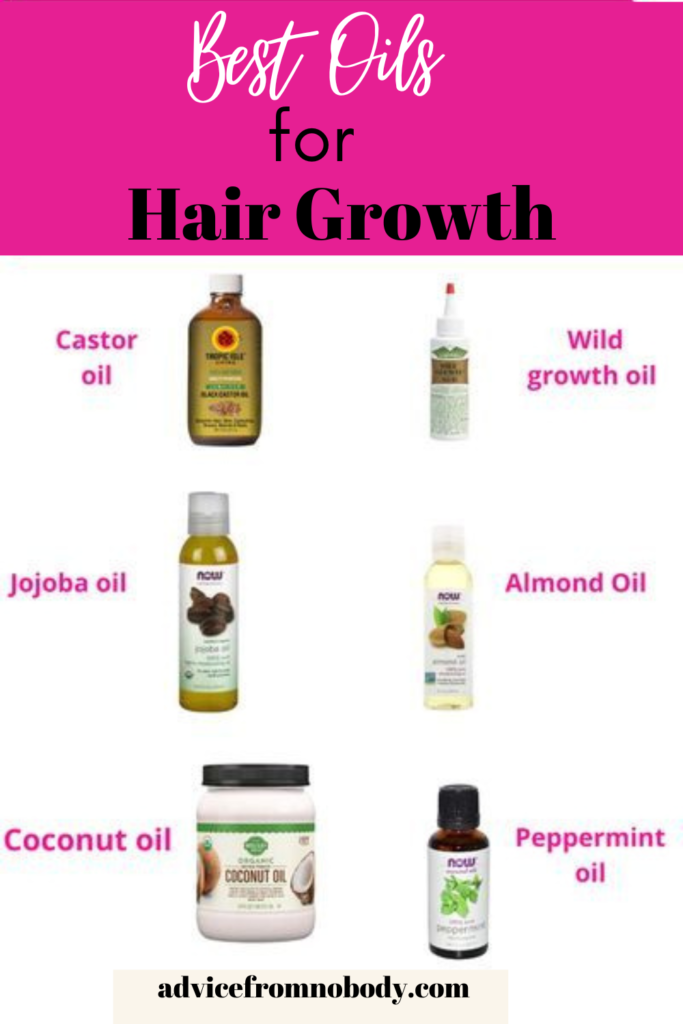
10 Hair Growth Oils For A Healthy Scalp And Stronger, Longer Hair

Filed Under: Hair // 02/14/2023

oils for hair growth

Healthy hair growth starts with getting into the routine of taking care of your hair.

We all wish for long, luscious hair at some point in her life.

We love the occasional haircut just as much as the next person, but there’s something about long, hair that cascades down our backs that just makes our hearts sing.

The only issue is actually growing out the hair. Everything from heat damage, dry hair, bleach, hair type, and general wear and tear can affect how our hair grows.

But that doesn’t mean you can’t achieve your desired length.

Steps like less heat, more frequent trims, clarifying your hair, shampooing less, and, most importantly, using quality hair growth oils that can transform your tresses in no time.

How To Use Hair Growth Oils

If you’ve never used hair oils before, applying them for the first time can be confusing and you may do it wrong.

It’s important to remember that hair growth begins with a healthy, clean scalp. Hair growth oils are most effective when massaged into your scalp to stimulate the hair at the root.

Once you’ve coated your scalp with it, you can move the oil down the shaft to coat the hair.

My favorite way to really use oils is in a hot oil treatment, the oils penetrate into your scalp much better when they are warmed up and you really let them sit on your hair.

How Often To Use Hair Growth Oils

When considering how often to use your hair oils, read the instruction on the labels, most oils will have specific instructions on how often you can or should use them.

As long as you wash your hair on a regular basis, every one to two weeks, and clarify the hair when there is product buildup. You should be fine.

When you don’t wash the oils off your hair after you’ve used them, moisture will not be able to penetrate your hair causing more harm than good.

The Best Hair Growth Oils

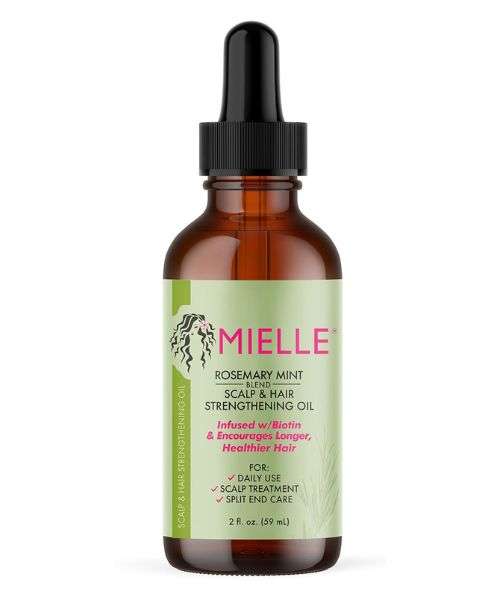
Mielle Organics Rosemary Mint Scalp & Hair Strengthening Oil

Mielle scalp and hair strengthening oil promises to strengthen your hair and promote hair growth and retention.

Several reviewers say it’s a great alternative to castor oil if you find the latter too thick or sticky.

Buy On Amazon

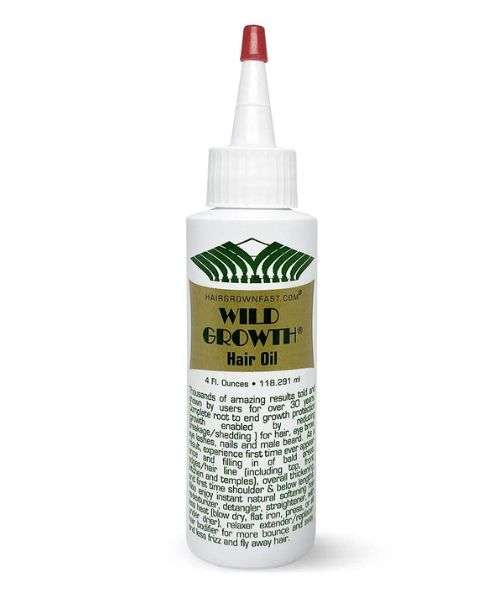
Wild Growth Hair Oil

This oil makes for easy hair growth, no I’m not kidding.

Not only does it make styling easy, but it encourages your hair to grow as long as possible, considering you are taking care of your hair.

Buy On Amazon

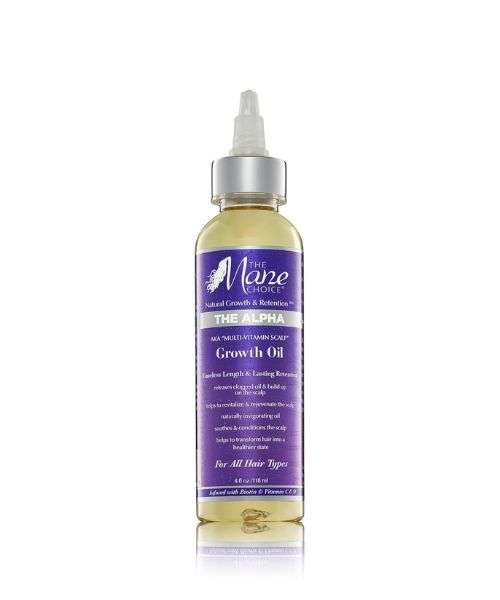
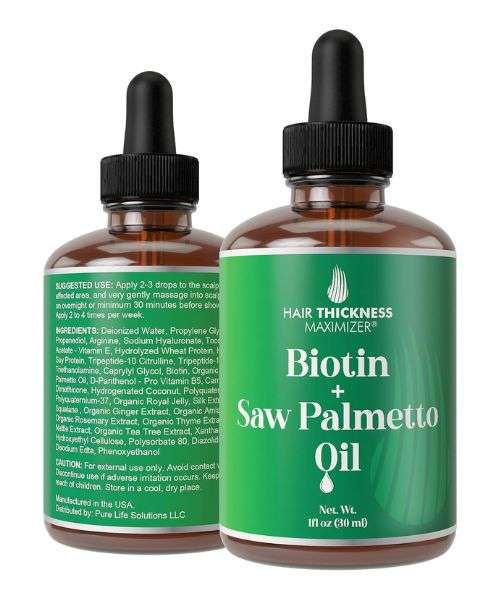
The Mane Choice Multi-Vitamin Scalp Nourishing Hair Growth Oil

Made with powerhouse plant oils and extracts like castor, jojoba, and rosemary, this hair growth oil encourages healthy hair growth.

People have noted that this hair not only promotes hair growth but also helps to thicken the hair and increase moisture retention.
Buy On Amazon

<!– wp:spacer {“height”:”31px”} –>
<div style=”height:31px” aria-hidden=”true” class=”wp-block-spacer”></div>
<!– /wp:spacer –>

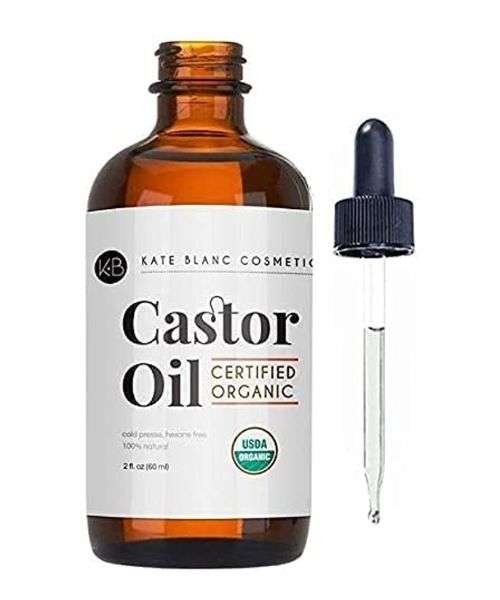
Kate Blanc Cosmetics Certified Organic Castor Oil

Kate Blanc’s oil is another cult favorite product that contains only pure, 100% castor oil and helps promote healthy hair growth.

With thousands of five-star reviews, Amazon buyers love this product. As a bonus, castor oil also helps condition and add strength to your hair, brows, and lashes.

Castor oil is a really heavy oil and can weigh down your hair, so be light-handed with this.

Buy On Amazon

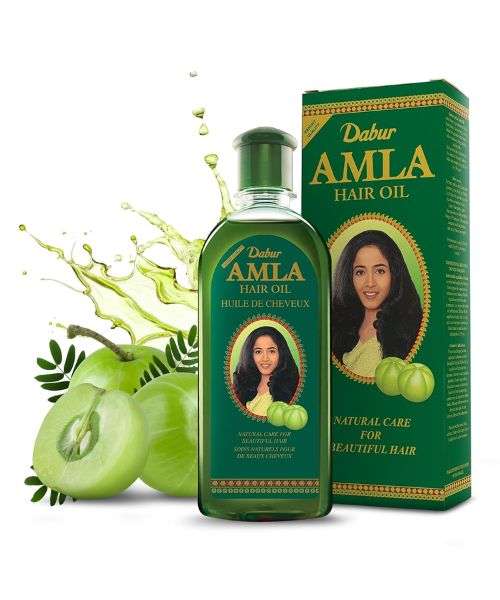
Dabur Amla Hair Oil

Dabur Amla Hair Oil is made from the highly effective alma oil. Alma is a fruit known for its ability to help maintain longer, healthier, beautiful hair.

With this powerful ingredient, this oil allows you to experience a healthy growth rate of your hair and less hair loss.

It will also protect your hair from environmental pollution that destroys the quality of hair.

Buy On Amazon

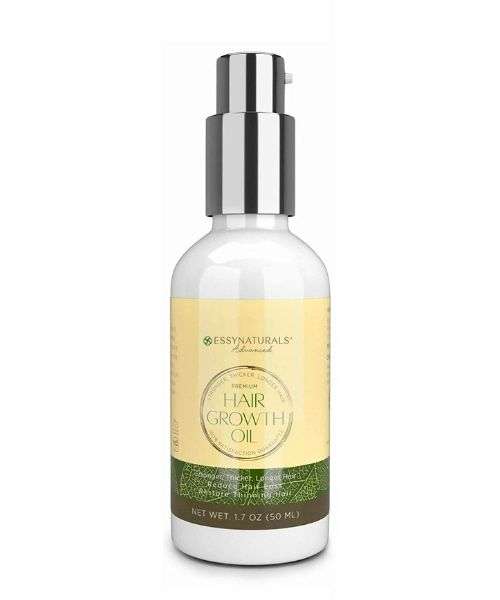
EssyNaturals Hair Growth Oil

EssyNaturals combined the power of castor oil, rosemary oil, caffeine, and biotin to help stimulate hair growth at the root while improving hair texture and fullness.

It can also be used daily as part of your regular haircare routine.

Buy On Amazon

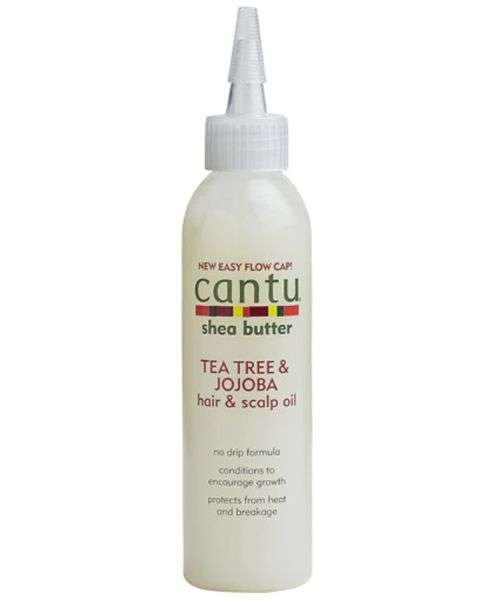
Cantu Shea Butter Tea Tree & Jojoba Hair & Scalp Oil

Designed with curly and natural hair in mind, this Cantu oil is deeply nourishing and repairing.

The tea tree in this also helps to stimulate your scalp and promote hair growth, especially good when use along with scalp massages.

Buy On Amazon

Hair Growth Oil

Elevate’s hair growth oil has biotin, antioxidants, ginseng extract, and 5% minoxidil which helps stimulate hair growth.It’s gentle on the hair and doesn’t contain parabens, sulfates, or any other potentially toxic ingredients


Buy On Amazon

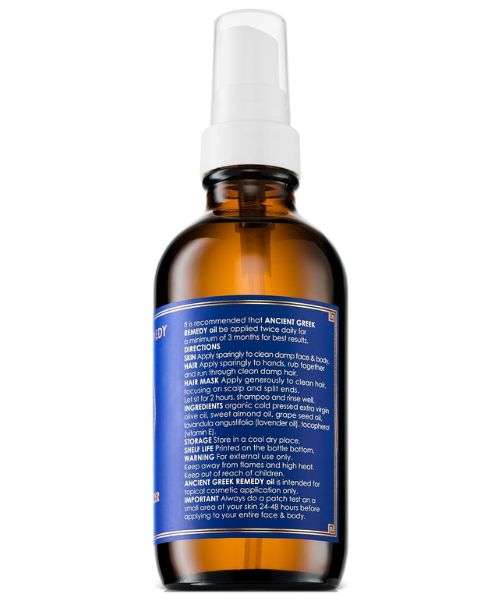
Ancient Greek Organic Oil Blend

This multipurpose oil is the whole package.

It contains organic oils like cold-pressed olive, sweet almond, grapeseed, and lavender essential oil to moisturize your body, face, and hair.

Best of all, it helps add strength to the hair, promoting more growth.

Buy On Amazon

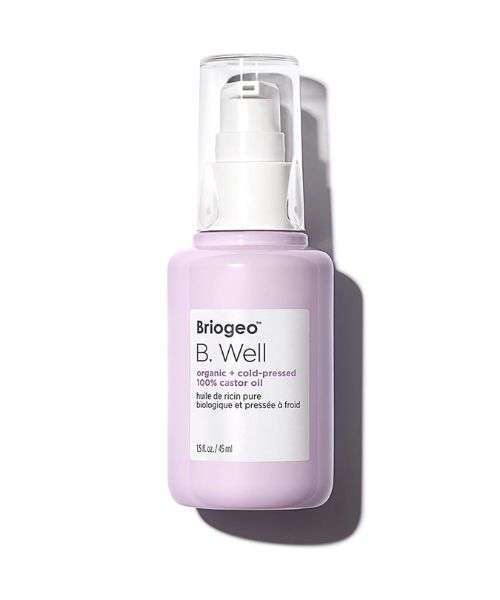
Briogeo B. Well Organic + Cold-Pressed 100% Castor Oil

Castor oil has been a folk health remedy for ages and has made it on this list twice for good reason-it works wonders for hair, skin, and nails.

When used on hair, it helps strengthen and soften your hair strands.

Buy On Amazon

Armed with these oils, you will have your curls healthy and growing in no time.

[jetpack-related-posts]
  • « Previous Page
  • 1
  • …
  • 14
  • 15
  • 16
  • 17
  • 18
  • Next Page »

Copyright © 2026 · Theme by Marketing Templates Co.

We use cookies on our website to give you the most relevant experience by remembering your preferences and repeat visits.Read More By clicking “Accept All”, you consent to the use of ALL the cookies. However, you may visit "Cookie Settings" to provide a controlled consent.
Cookie SettingsAccept All
Manage consent

Privacy Overview

This website uses cookies to improve your experience while you navigate through the website. Out of these, the cookies that are categorized as necessary are stored on your browser as they are essential for the working of basic functionalities of the website. We also use third-party cookies that help us analyze and understand how you use this website. These cookies will be stored in your browser only with your consent. You also have the option to opt-out of these cookies. But opting out of some of these cookies may affect your browsing experience.
Necessary
Always Enabled
Necessary cookies are absolutely essential for the website to function properly. These cookies ensure basic functionalities and security features of the website, anonymously.
CookieDurationDescription
cookielawinfo-checkbox-analytics11 monthsThis cookie is set by GDPR Cookie Consent plugin. The cookie is used to store the user consent for the cookies in the category "Analytics".
cookielawinfo-checkbox-functional11 monthsThe cookie is set by GDPR cookie consent to record the user consent for the cookies in the category "Functional".
cookielawinfo-checkbox-necessary11 monthsThis cookie is set by GDPR Cookie Consent plugin. The cookies is used to store the user consent for the cookies in the category "Necessary".
cookielawinfo-checkbox-others11 monthsThis cookie is set by GDPR Cookie Consent plugin. The cookie is used to store the user consent for the cookies in the category "Other.
cookielawinfo-checkbox-performance11 monthsThis cookie is set by GDPR Cookie Consent plugin. The cookie is used to store the user consent for the cookies in the category "Performance".
viewed_cookie_policy11 monthsThe cookie is set by the GDPR Cookie Consent plugin and is used to store whether or not user has consented to the use of cookies. It does not store any personal data.
Functional
Functional cookies help to perform certain functionalities like sharing the content of the website on social media platforms, collect feedbacks, and other third-party features.
Performance
Performance cookies are used to understand and analyze the key performance indexes of the website which helps in delivering a better user experience for the visitors.
Analytics
Analytical cookies are used to understand how visitors interact with the website. These cookies help provide information on metrics the number of visitors, bounce rate, traffic source, etc.
Advertisement
Advertisement cookies are used to provide visitors with relevant ads and marketing campaigns. These cookies track visitors across websites and collect information to provide customized ads.
Others
Other uncategorized cookies are those that are being analyzed and have not been classified into a category as yet.
SAVE & ACCEPT