• HOME
  • RELATIONSHIPS
  • HOLIDAYS
  • WELLNESS
  • CAREER & FINANCE
  • FASHION
  • BEAUTY
  • LIVING

Advice From Nobody

You are here: Home / Archives for BEAUTY

15 Super Cute Fall Nail Colors for Dark Skin To Fall In Love With

Filed Under: Nail Ideas, Fall // 08/06/2024

the best nail colors for dark skin tones this fall

Hey there, gorgeous! Fall is here, and it’s time to switch up your nail game.

From cozy browns to vibrant jewel tones, there are so many fabulous fall nail colors that look amazing on dark skin.

Ready to get inspired? Here are 21 super cute fall nail colors you’ll absolutely fall in love with.

You Might Also Like: 20 Cozy Hobbies to Try This Fall

21 Best Fall Nail Colors for Dark Skin Tones

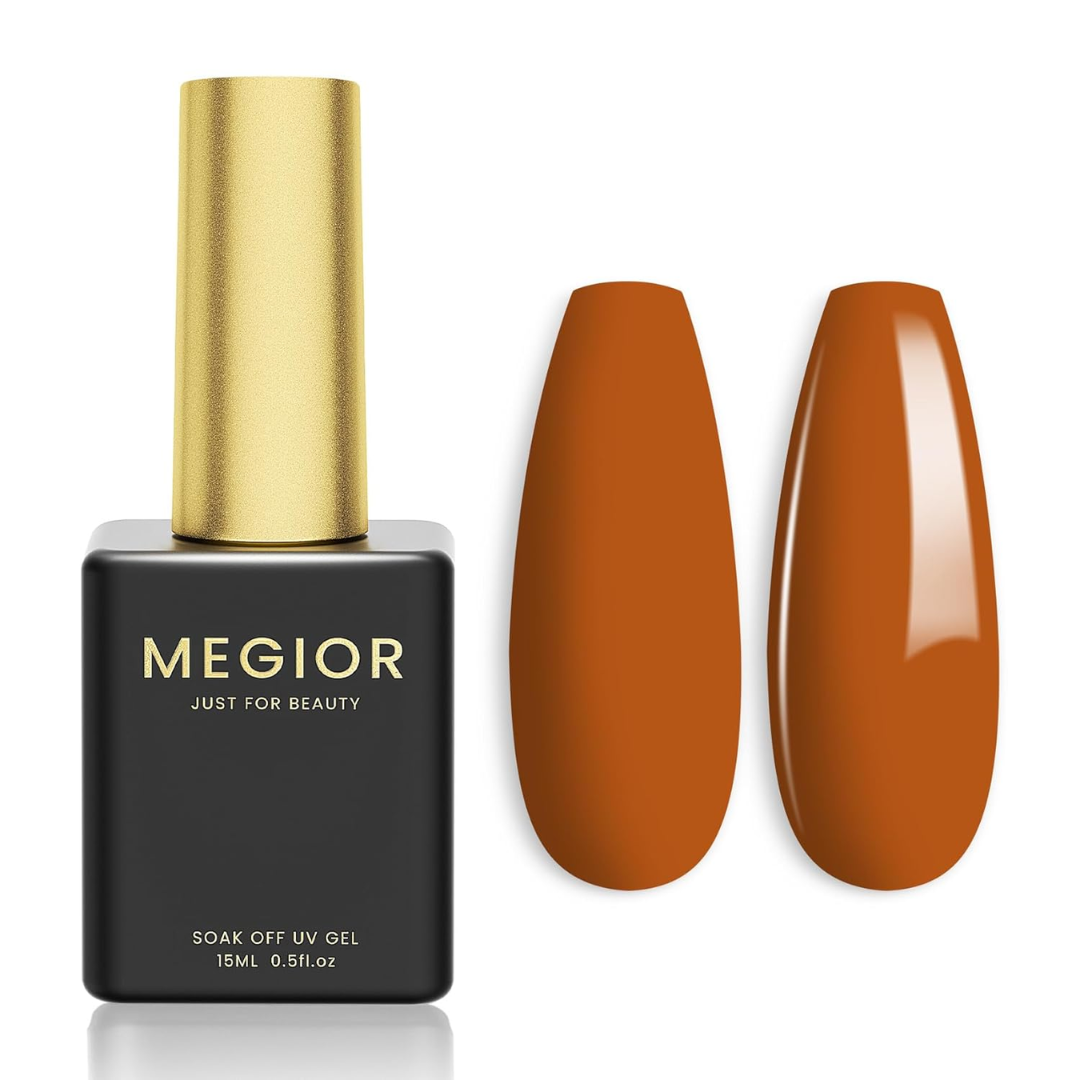
Burnt Orange
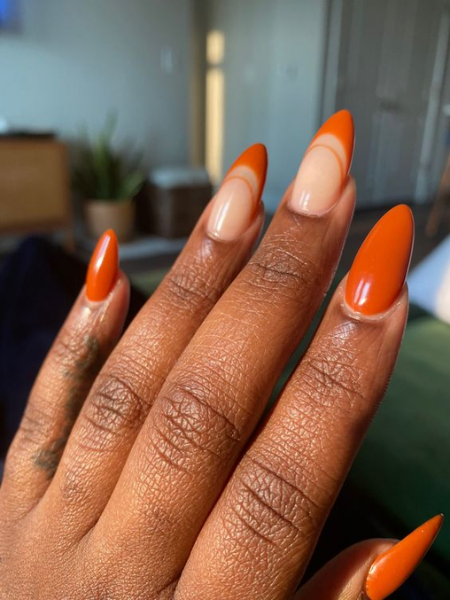
Burnt Orange

Add some spice to your life with burnt orange nails. This fiery shade is perfect for autumn and gives off those cozy, pumpkin-spice vibes. It’s a must-have for your fall nail collection.

Shop The Look
You Might Like: 31 Gorgeous Burnt Orange Nails To Inspire Your Fall Manicure

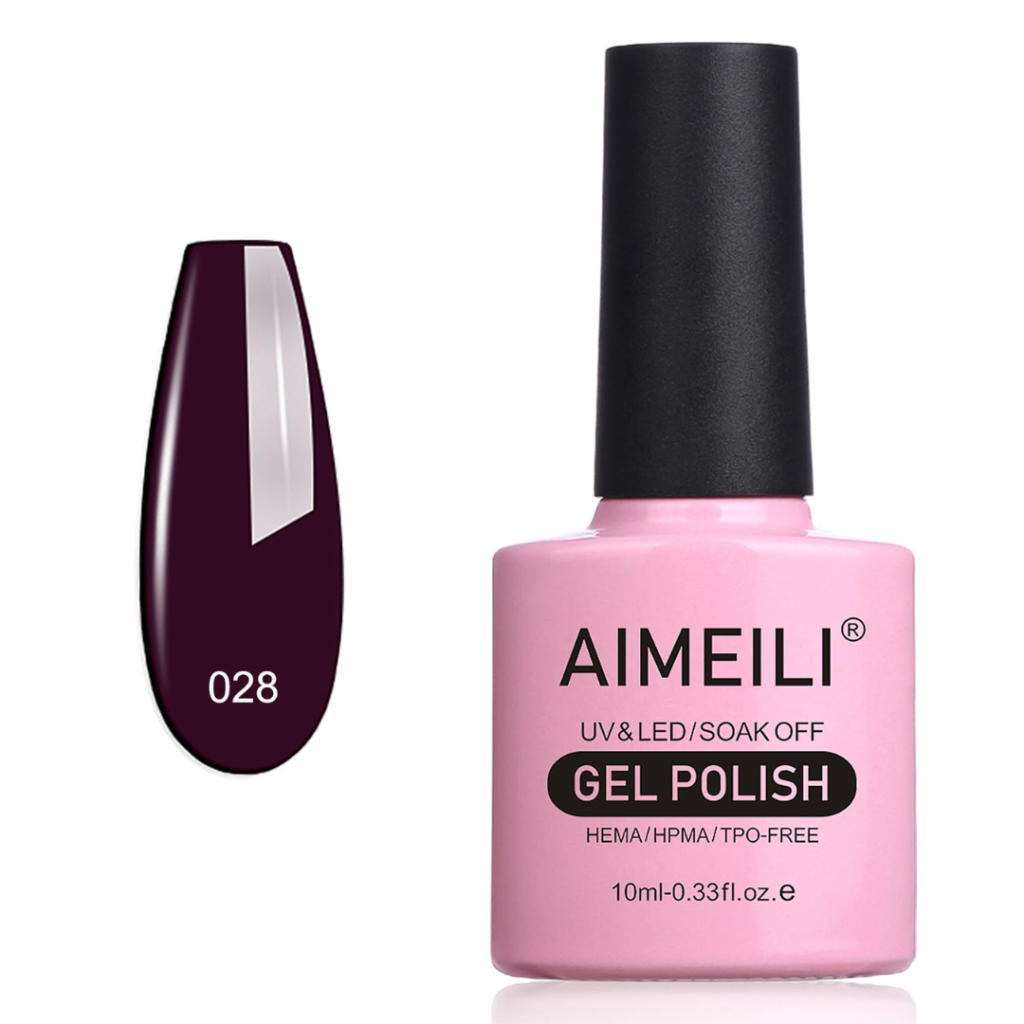
Deep Plum

Deep Plum

Channel your inner royalty with deep plum nails. This rich, luxurious color is both elegant and edgy, making it ideal for any occasion this fall.

Shop The Look
You Might Also Like: 30 Things You Should Add To Your Fall Bucket List

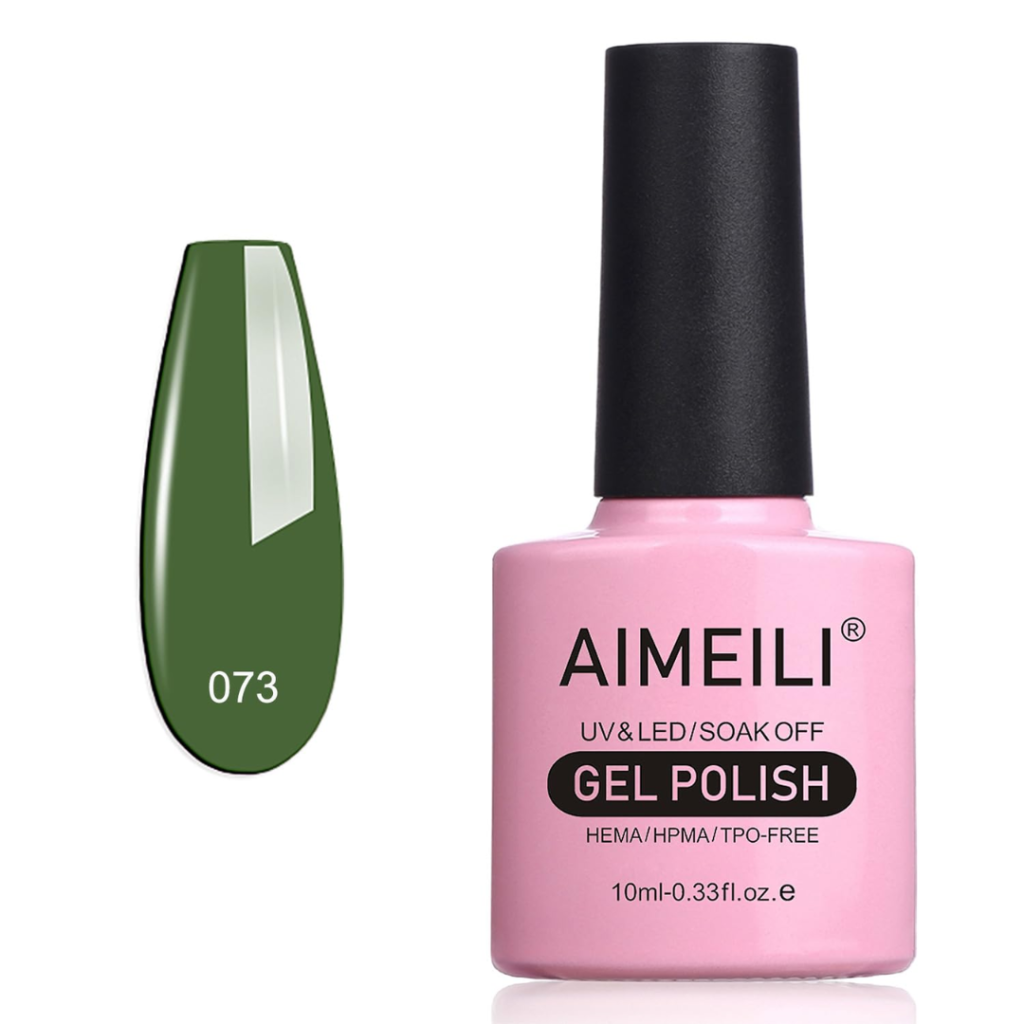
Olive Green

Olive Green nail ideas for dark skin

Olive green is the understated hero of fall nail colors. It’s subtle, chic, and oh-so-flattering on dark skin. Pair it with your favorite fall outfits for a polished look.

Shop The Look
Olive Green nails on dark skin

Related Post: 16+ Outfits for How to Wear Chelsea Boots with Style This Fall

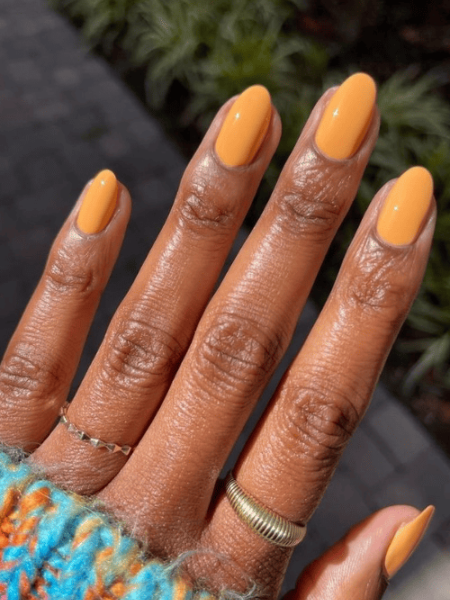
Mustard Yellow
mustard yellow nails for dark skin

Brighten up those crisp fall days with mustard yellow nails. This vibrant, cheerful color is unexpected but looks stunning on dark skin.

Shop The Look
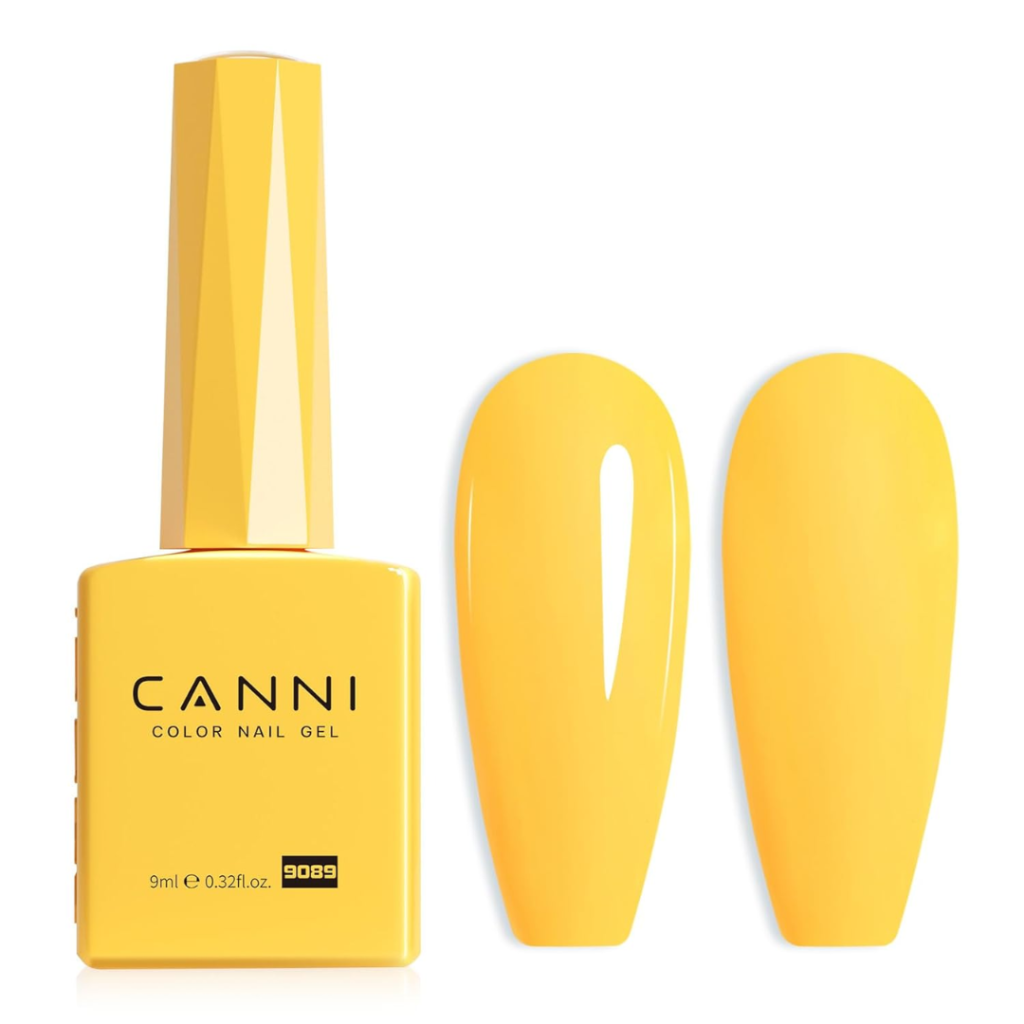
mustard yellow nail color on dark nails

You Might Also Like: Cozy and Romantic Fall Date Ideas to Spice Up Your Autumn

Burgundy
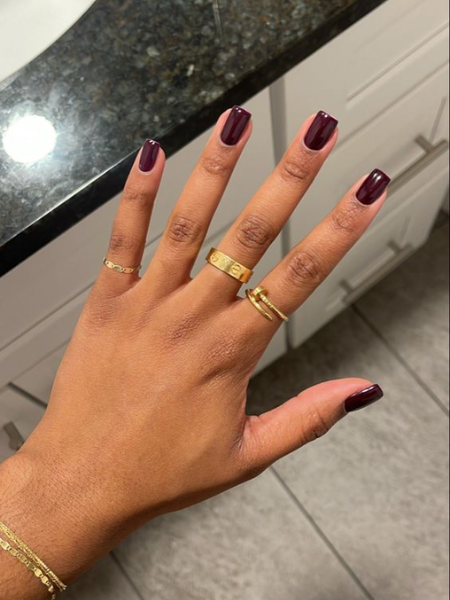
Burgundy nail color on dark skin

Nothing says fall quite like a classic burgundy. This deep, wine-colored shade is sophisticated and sultry, perfect for those cozy autumn nights.

Shop The Look
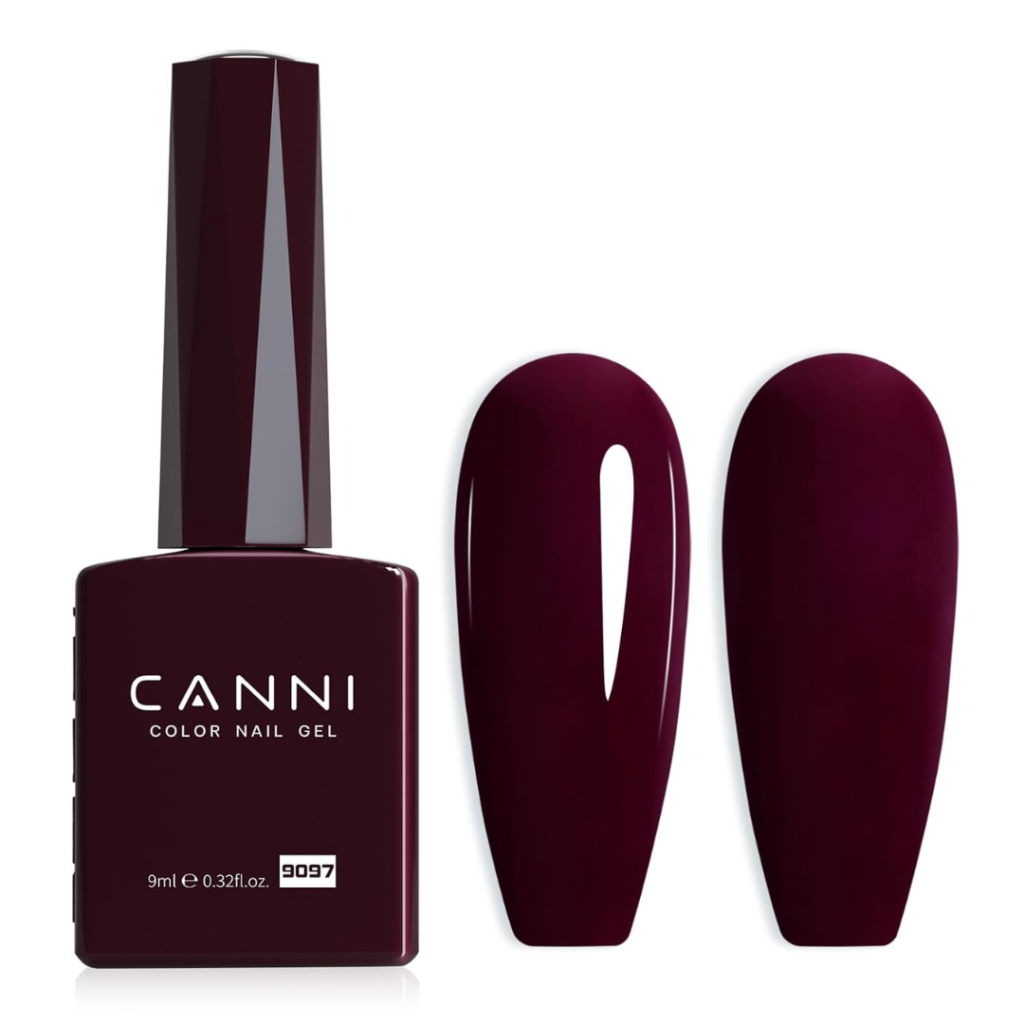
Burgundy nails on dark skin

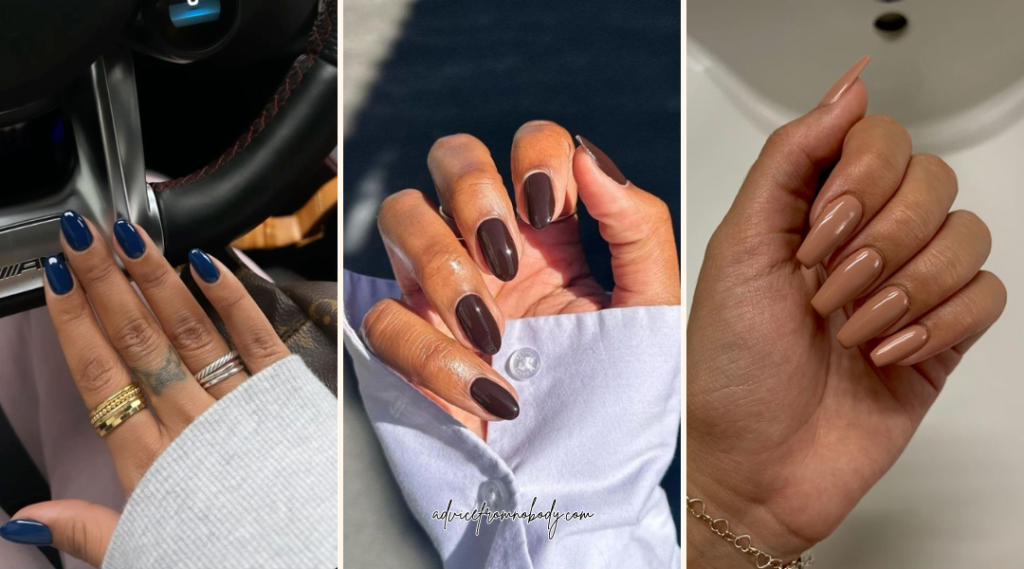
Navy Blue

Navy Blue fall nail color for dark skin

Navy blue is the ultimate in cool sophistication. This timeless shade is perfect for fall and pairs beautifully with all your favorite cozy sweaters.

Shop The Look
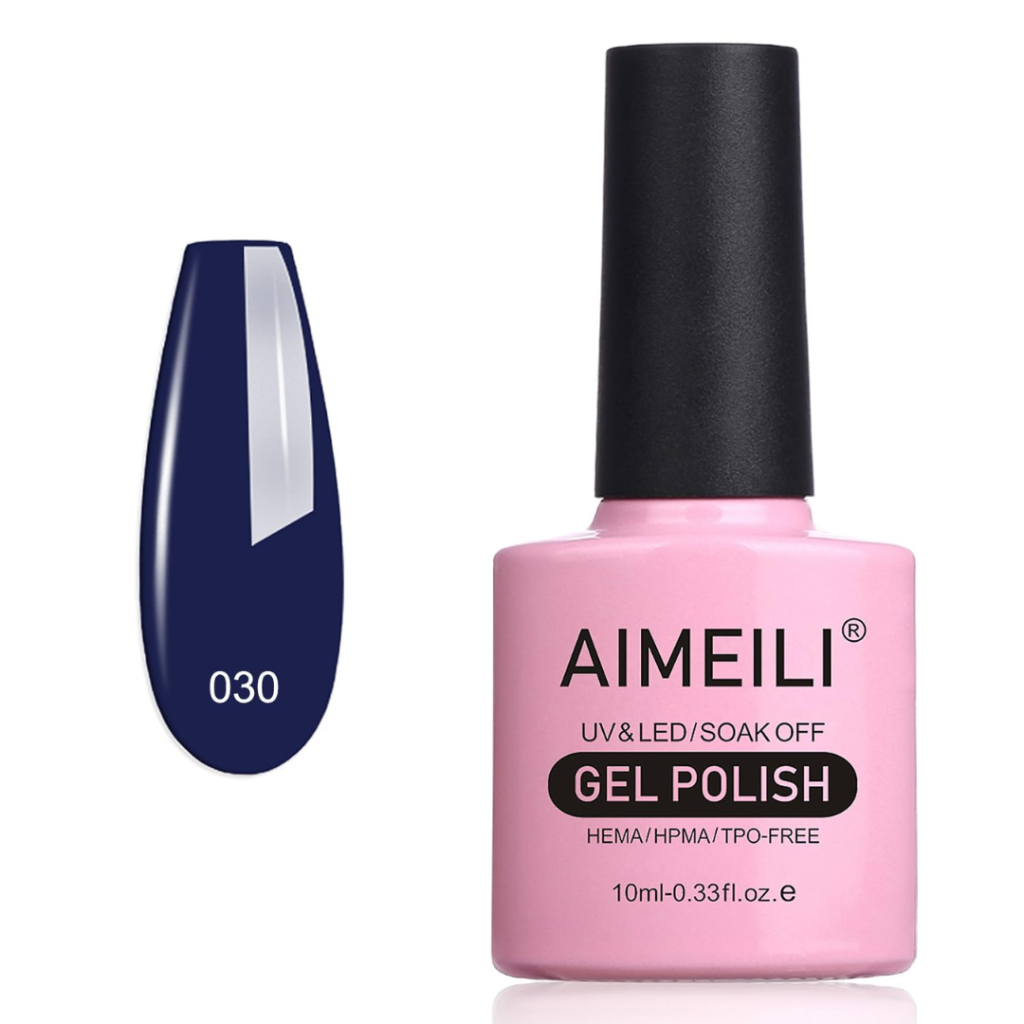
Navy Blue fall nail color for dark skin

You Might Also Like: Super Easy & Cheap DIY Fall Décor Ideas

Cranberry Red
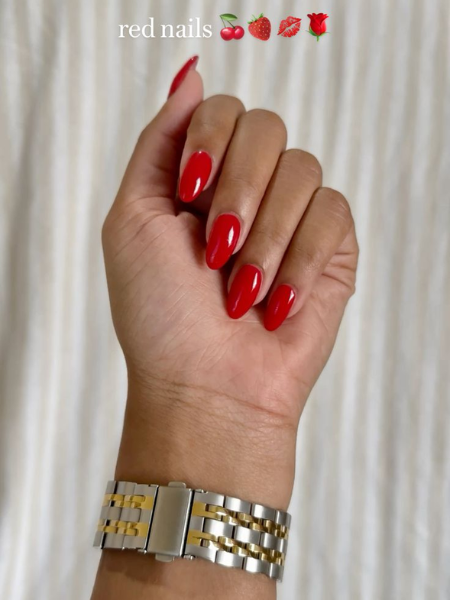
Cranberry Red fall nails for dark skin

Cranberry red nails are a fall staple. This bold, festive color is perfect for the season and will definitely make a statement.

Shop The Look
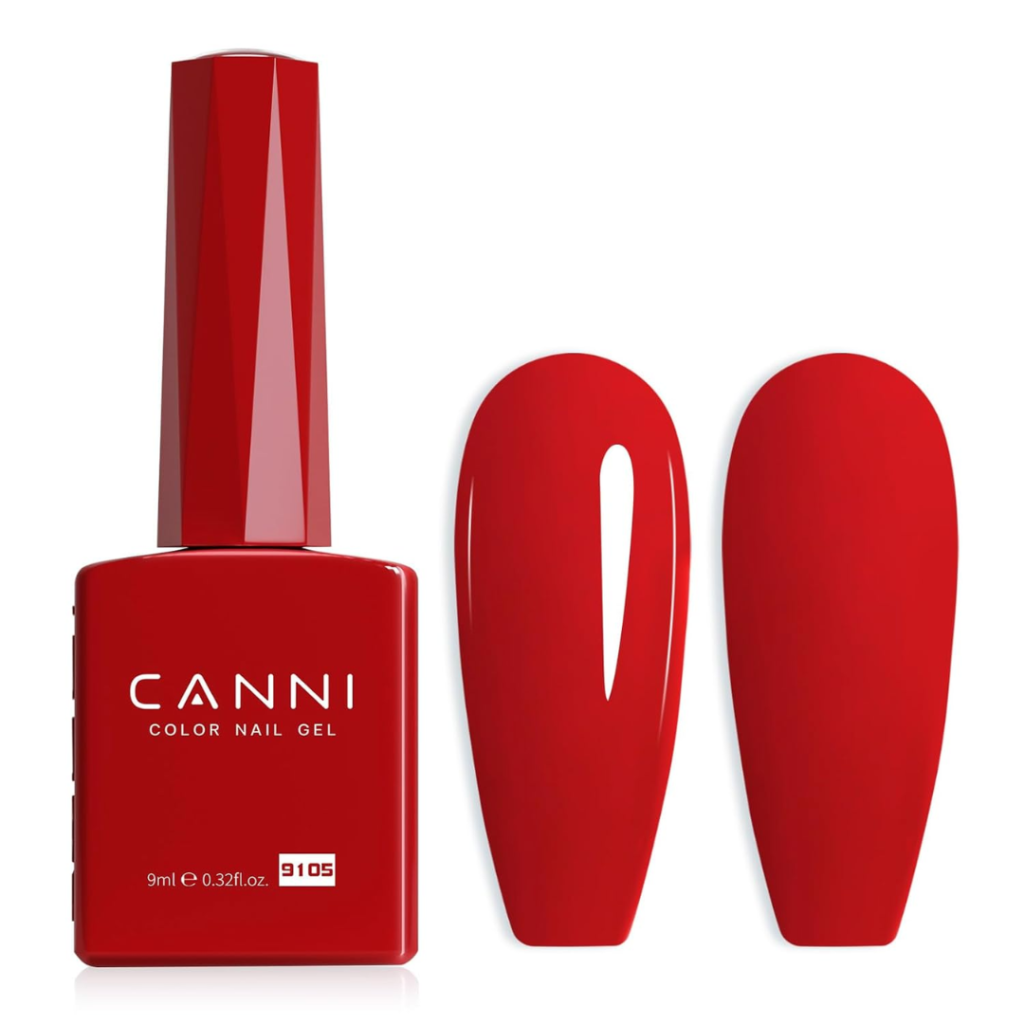
Cranberry Red nail colors for fall

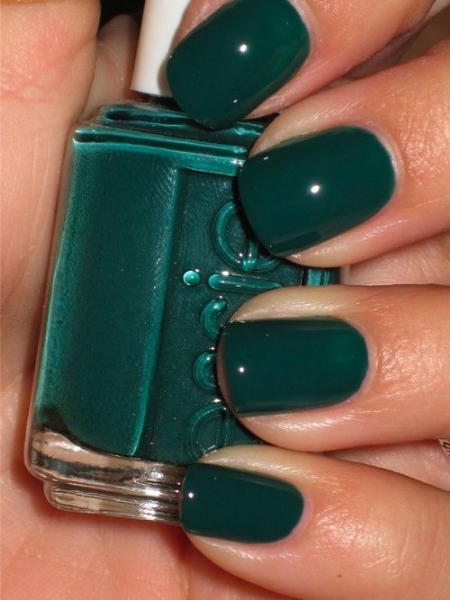
Forest Green

Forest Green nail color for dark skin

Dive into the depths of fall with forest green nails. This dark, luscious shade is perfect for channeling those woodland vibes and looks stunning on dark skin.

Shop The Look
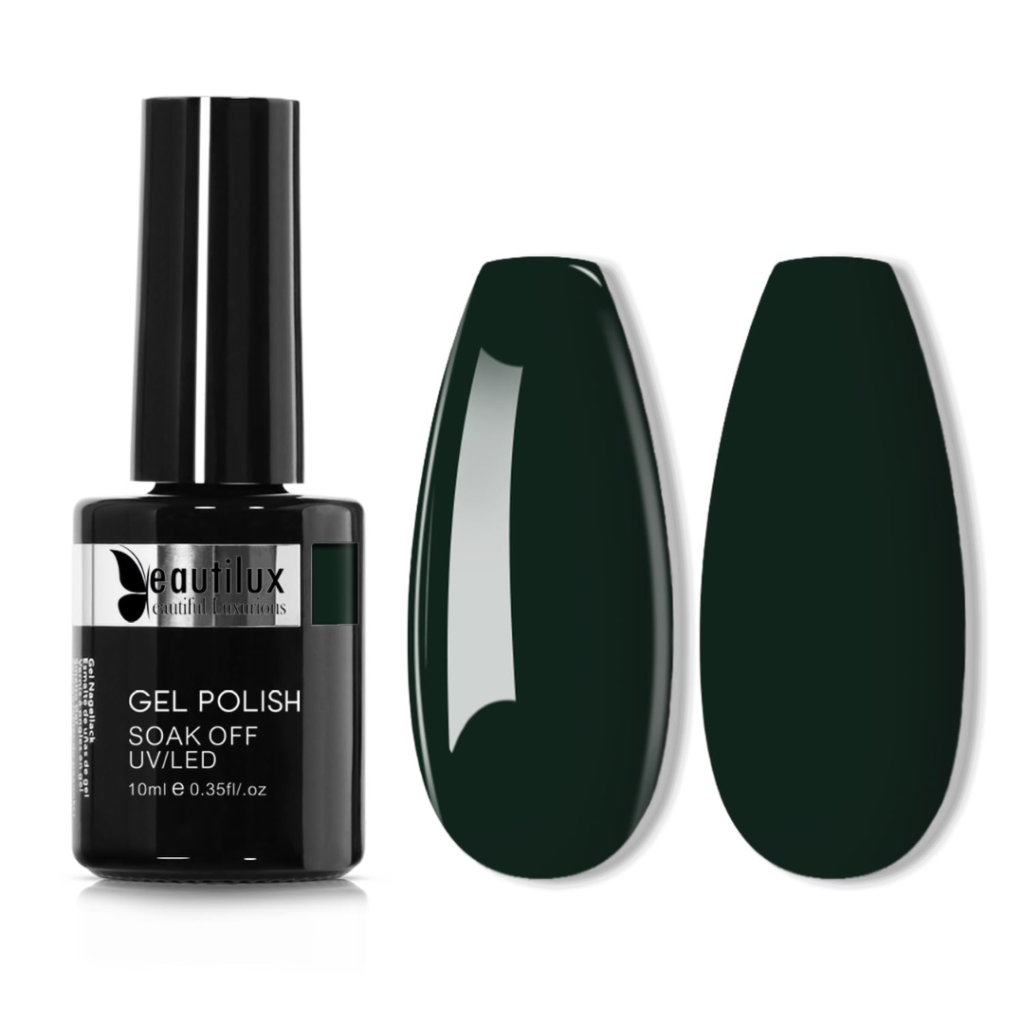
Forest Green nail color for dark skin

You Might Also Like: 20 Movies That Capture The Essence Of The Season

Copper
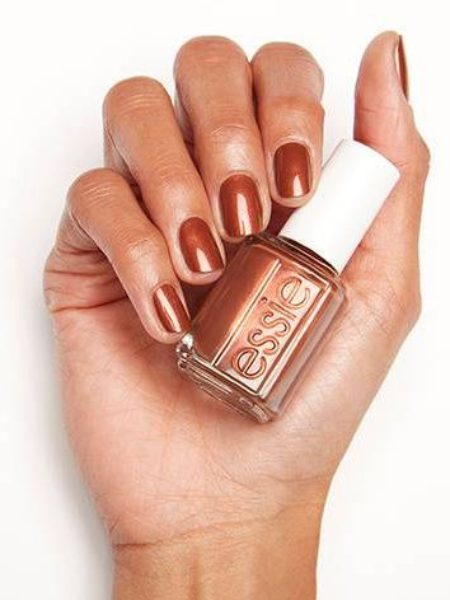
Copper nail color for fall

Shimmer and shine with copper nails. This metallic shade is perfect for fall and adds a touch of glam to any look.

Shop The Look
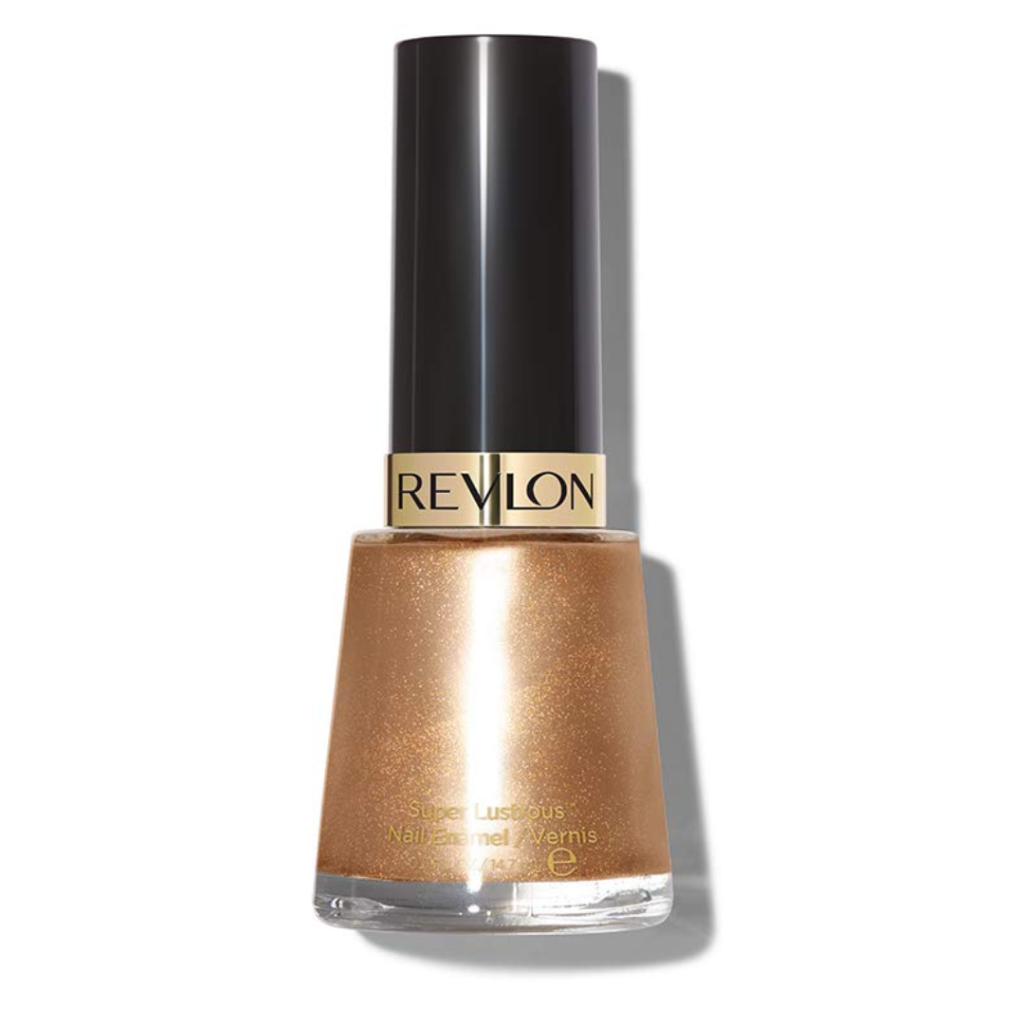
copper nail color for dark skin

Related Post: 32 Cosy Outfit Ideas For Fall To Keep You Warm While Looking Your Best

Charcoal Grey
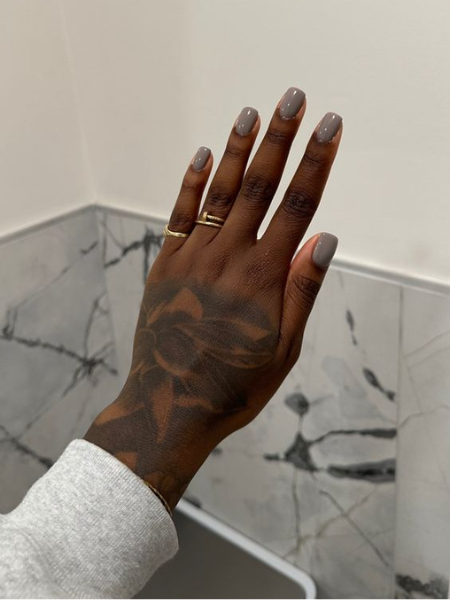
charcoal grey nail color for dark skin

Keep it cool with charcoal grey nails. This sleek, modern color is perfect for fall and looks incredibly chic on dark skin.

Shop The Look
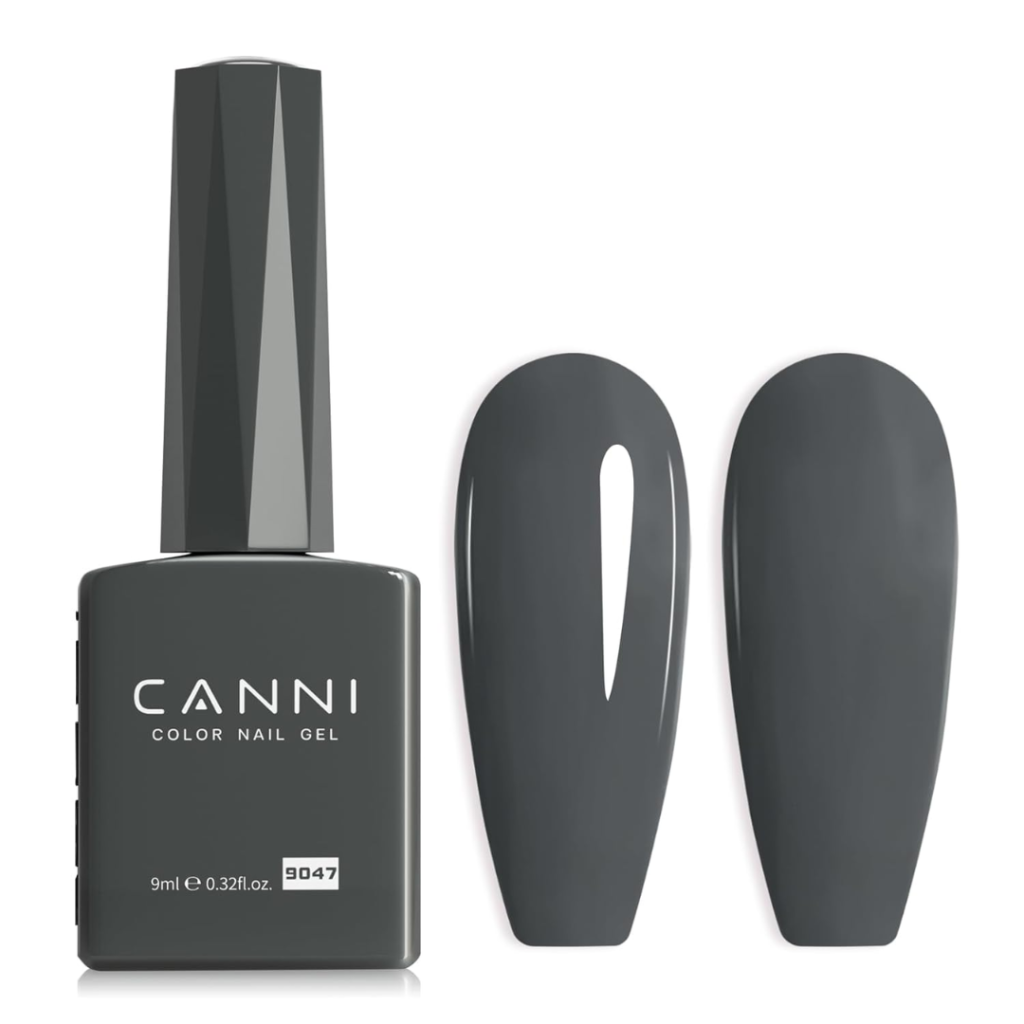
charcoal grey nails for fall

You Might Like: Cosy And Warm Fall Outfit Ideas

Maroon

maroon nails for fall

Maroon nails are a fall favorite. This rich, dark red shade is perfect for the season and adds a touch of sophistication to any look.

Shop The Look

maroon nail color for dark skin

Beige

beige nail color for dark skin

Keep it classy with beige nails. This neutral shade is perfect for fall and pairs beautifully with all your favorite autumn outfits.

Shop The Look
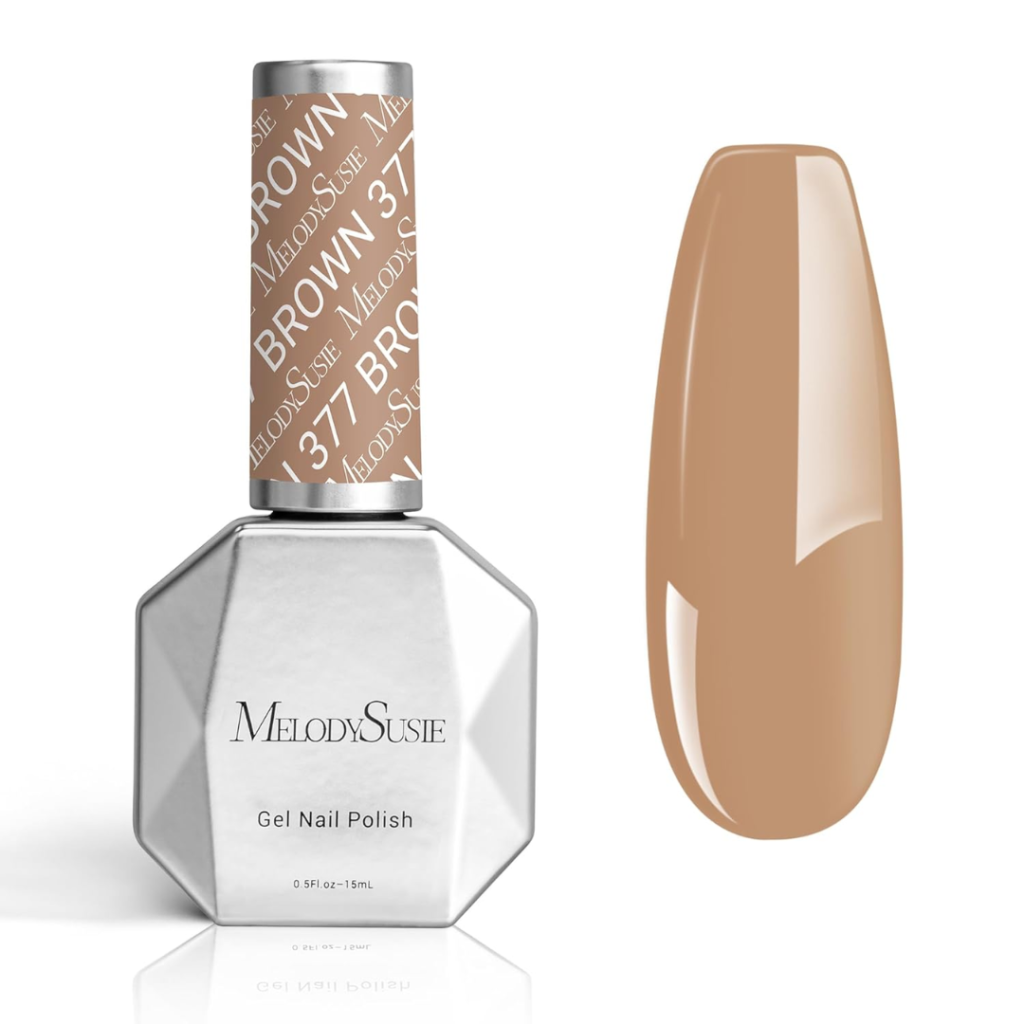
beige nails for fall on dark skin

You Might Like: Stylish Outfit Ideas For Rocking Your Uggs

Chocolate Brown

chocolate brown nail color for fall

Who said brown had to be boring? This velvety smooth shade is the perfect balance of warmth and intensity. Chocolate brown nails will definitely make you feel like a total snack.

Shop The Look
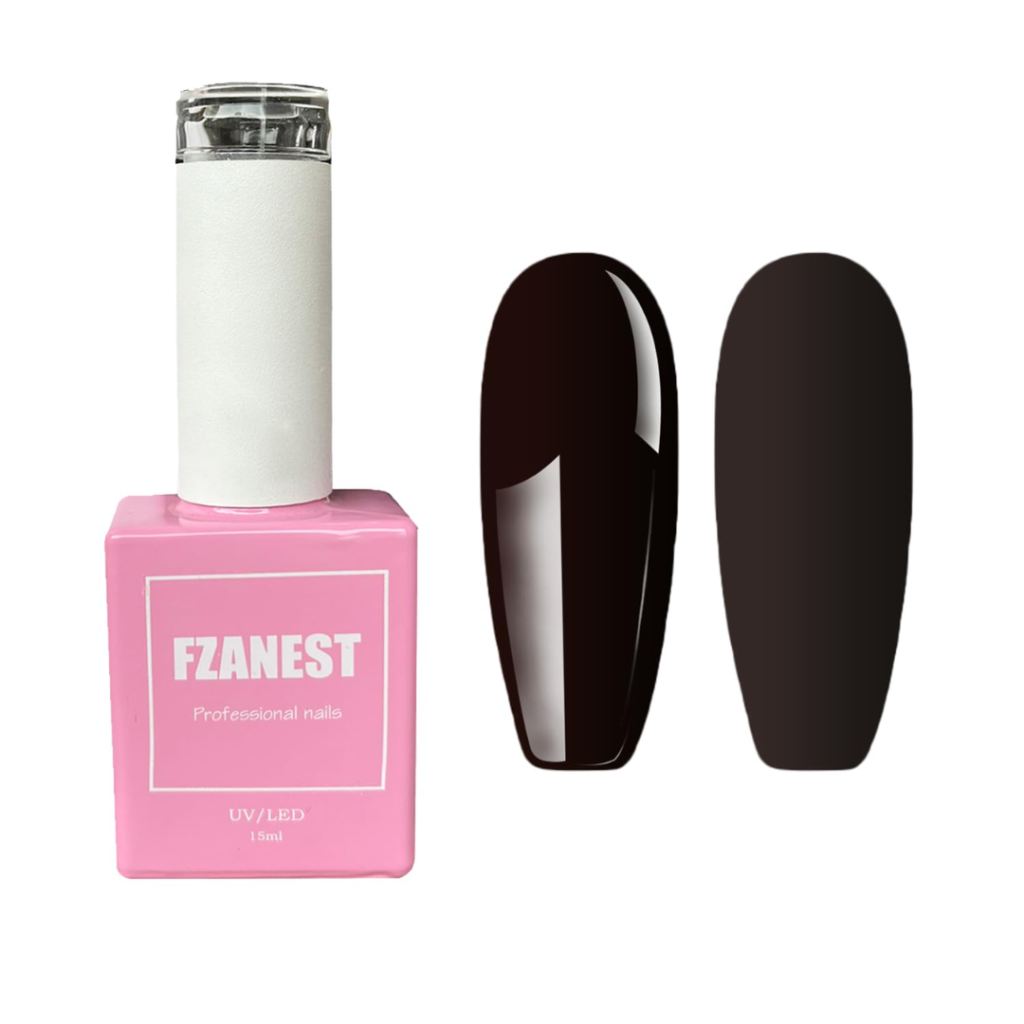
chocolate brown nails for dark skin

Emerald Green

emerald green nail color for fall

Get your shine on with some lush emerald green nails. This color screams fall vibes and flatters your dark skin like no other. You’ll be rocking that fierce, Earth-goddess vibe in no time flat!

Shop The Look
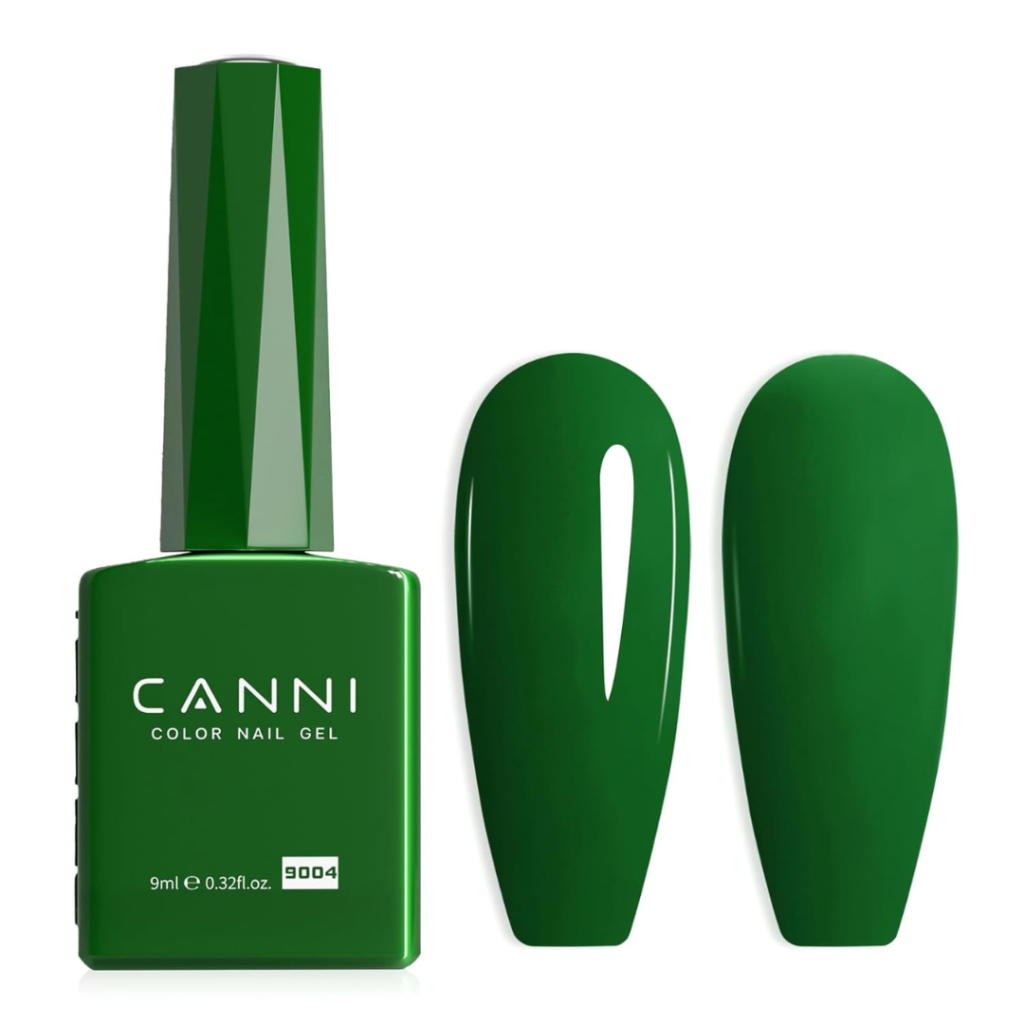
emerald green nail color for dark skin tone this fall

You Might Like: 16+ Best Outfits For Styling Your Favorite Clogs This Fall

Black

black nail color for dark skin tone this fall

There’s nothing quite like the sophistication of classic black nails. This timeless shade is perfect for fall and adds an edgy, elegant touch to any look.

Whether you’re dressing up for a night out or keeping it casual, black nails are always a chic choice.

Shop The Look
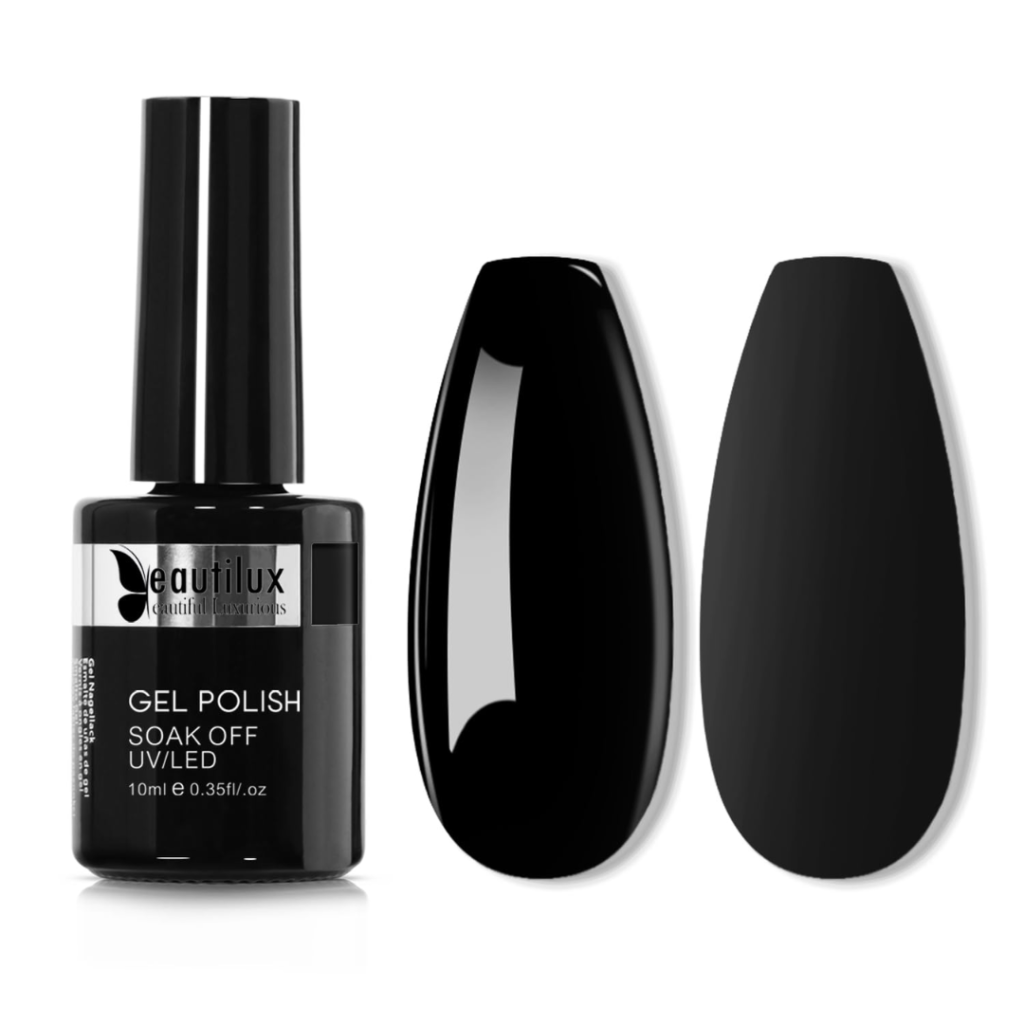
black nail color for dark skin tone this fall

There you have it – 15 super cute fall nail colors that are perfect for dark skin.

Whether you prefer bold and vibrant or warm and cozy, there’s a shade here for everyone.

So go ahead, treat yourself to a fabulous fall manicure, and show off those stunning nails!

Pin For Later!

15 autumn nail ideas for darker skin
15 fall time nail ideas for darker skin
[jetpack-related-posts]

Best Supplements And Vitamins For Healthy Hair Growth

Filed Under: Hair, Healthy Living // 07/30/2024

8 SUPPLEMENTS AND VITAMINS FOR LONG HAIR

While expensive conditioners and hair masks may make your locks appear silkier and more glossy, a healthy diet and healthy way of life can actually promote more lustrous hair than anything else.

It’s just a matter of finding out what aspects of your diet and supplement intake help to naturally support healthy hair growth and combat hair breakage.

Some of the top hair growth supplements are those that give your body the vitamins, minerals, amino acids, and fatty acids it needs to maintain healthy hair follicles.

These include generally nutrient-rich foods as well as specific supplements like collagen and omega-3s.

Additionally useful, supplements and other products can help you fill in nutritional gaps in your diet.

For instance, nutrients like zinc, vitamin C, and collagen protein can support or even enhance the general well-being of your skin, hair, and nails.

We frequently disregard the significance of diet, even though going to the hairdresser, taking care of your hair, and being patient are just as vital.

People are correct when they claim that having healthy hair is a sign of being in excellent health.

A diet that is well-balanced and has the right amounts of lipids, carbohydrates, vitamins, proteins, minerals, water, and fiber promotes both good health and healthy hair.

The three nutrients that are most important for healthy hair are proteins, minerals, and vitamins. When consumed in the right doses, they promote quick and healthy hair growth.

90% Of everything you need for desirable hair density and texture can be found in a proper diet.

That right! Eating the appropriate vitamins will help your hair health instead of visiting salons for routine hair maintenance and care procedures.

Don’t trust us? See how the vitamins and minerals on the list below can support the growth of strong, healthy hair. Read on to learn more.

4 Essential Vitamins For Hair Growth

Vitamins for hair growth

Lack of certain vitamins can occasionally have an impact on hair health, but deficiencies can be handled by including vitamin-rich items in your diet and using high-quality vitamin supplements.

Which vitamins assist general hair health the best?

1. Vitamin A

According to studies, it is crucial for the growth of epithelial tissues like skin, hair, and sebaceous glands. Sebum production is ideal with adequate vitamin A intake, which helps to hydrate the scalp for strong hair development.

Remember though that Vitamin A must be used in moderation because too much might lower the size and quantity of hair follicles and cause hair loss.

2. Vitamin B’s

According to studies, if vitamin B12 levels are within the normal range, there is a chance for the best possible hair growth. Red blood cell production depends critically on Vitamin B12.

The oxygen carried by these red blood cells reaches all human tissues, including the hair.

For many years, Vitamin B5 has been utilized to maintain the general health of hair. Vitamin B5 may strengthen strong hair fibers and increase pliability, improving the likelihood that breakage will be reduced.

The B-complex vitamins are necessary for wholesome hair.

While biotin is great for repairing damaged hair from excessive sun exposure, blow-drying, and shampooing, vitamin B-5 is great for stimulating hair growth at the adrenal glands.

Most high-quality multivitamins also contain biotin and pantothenic acid; however, for maximum benefits, pick one made from actual food sources and free of contaminants or fillers.

One of Biotin’s nicknames is “hair growth vitamin.” It belongs to the family of B Vitamins. A study was done to determine how well biotin promotes hair growth.

The results showed that biotin treatment improved the hair and nail growth of patients who were deficient in it.

Children with biotin deficiency may have unmanageable hair. Hair loss all over the body and thinning hair are other signs of biot.

But there isn’t much information available on how well biotin works for healthy people.

One B-complex vitamin or one biotin and one B-5 Vitamin can be taken each day. It’s also advised to consume eggs, almonds, beans, potatoes, and avocados frequently to prevent B-vitamin insufficiency.

3. Vitamin C

Ascorbic acid is another name for vitamin C. It is a mineral that is water soluble and found naturally in several foods. It is a crucial physiological antioxidant that helps the body replenish other antioxidants, such as vitamin E.

It is believed that oxidative stress contributes significantly to normal aging.

Vitamin C can support the body against free radicals that can directly impact hair health by assisting to maintain a greater antioxidant status and healthy immune response.

Vitamin C supports a healthy scalp and hair follicles because it is also involved in the creation of collagen.

Additionally, research indicates that scurvy can be brought on by inadequate vitamin C intake. Corkscrew hairs and bleeding surrounding hair follicles may happen as a result.

Another benefit of vitamin C is that it promotes protein synthesis, which in turn increases collagen production. Collagen is a crucial protein for hair growth that encourages longer, thicker hair.

As a result, increase your intake of vitamin C for strong hair follicles and overall healthy hair and scalp.

4. Vitamin E

A class of fat-soluble substances known as vitamin E are high in antioxidants. There are several different chemical forms of it, but only the tocopherol form is fit for human consumption.

A study was done to see how tocopherol affected people who were experiencing hair loss.

After the study period, the data revealed a considerable improvement in the number of hairs on the subjects.

This is because tocotrienols’ antioxidant activity assisted in lowering oxidative stress in the scalp.

4 Essential Supplements For Hair Growth

While improving your diet should be your top priority when trying to get more nutrients, supplementing as part of a holistic approach to health can help to enhance hair health and encourage growth.

Of course, before starting any new food or lifestyle program, you should always speak with a healthcare practitioner.

Among the greatest supplements for general hair health and growth are those listed below; try incorporating some of these into your routine:

1. Collagen

The most prevalent protein in the human body, collagen aids in the formation of various connective tissues, including the skin on your scalp, your nails, and the strands of your hair.

Our bones and joints remain strong and flexible thanks to collagen. It is what enables our skin to swell and contract without suffering any harm.

The substance that gives our hair strength and serves as the glue that ties everything together is collagen.

Our bodies create less collagen as we age, which causes wrinkles, stiffer joints, and hair color loss.

2. Omega-3 Fish Oils

Omega 3 Fatty Acids For Healthy Hair

Omega-3s are fatty acids that enhance hair health generally by nourishing hair, supporting hair thickening, and promoting a healthy response to inflammation.

According to studies, taking omega-3, omega-6, and antioxidant supplements for at least six months can promote hair growth.

One to two tablespoons of a high-quality fish oil supplement or one to two omega-3 pills per day are beneficial for most adults.

Fish oil contains omega-3 fatty acids, which are believed to lessen inflammation, and contribute to skin and hair problems.

Inflamed scalps make it difficult for blood to reach the hair follicles.

Hair loss eventually results from this. Hemp seeds, chia seeds, flax seeds, salmon, tuna, sardines, natto, and eggs are among the foods high in omega-3 fatty acids.

3. Iron

Iron is a crucial mineral for metabolism because it aids in the transport of oxygen to the tissues by red blood cells.

It is essential for your body’s cellular health, growth, and development.

According to research, iron depletion in the body causes 30% of women to have recurrent hair shedding and diminished hair volume before the age of 50.

In women who experience female pattern hair loss, iron deficiency is one of the factors that contribute to hair loss.

4. Zinc

For many enzymes, including those involved in processes that develop and maintain healthy hair follicles, zinc is a crucial co-factor.

By promoting the synthesis of collagen, it might contribute to the health of the hair. Zinc is fantastic for hair. It hastens follicular recovery and prevents relapse.

Zinc is an essential mineral for healthy skin, hair, and nails.

When there is a shortage, the protein structure starts to deteriorate, which causes weak hair follicles, shedding, and hair loss. You may become zinc deficient as a result of a crash diet or calorie-restricted diet.

Take a daily supplement or include foods like sweet potatoes, spinach, chickpeas, nuts, oysters, and eggs to ensure that you consume enough Zinc every day.

Good blood circulation is essential to hair growth. The better the blood flow to the scalp, the healthier the hair. The great thing about this is you can do it by yourself and it doesn’t cost a penny!

Take an extra 5 minutes in the shower to gently massage your scalp. I have a full article on how to properly massage your scalp.

[jetpack-related-posts]

How Long Does Skin Peeling Last After A Chemical Peel

Filed Under: Skin // 07/28/2024

how long does peeling last after chemical peel

What Is A Chemical Peel Treatment

Chemical peels have become very popular in the cosmetic treatment world.

They tackle various skin conditions, from the mildest issues like dry skin and fine lines to more severe conditions such as severe wrinkles and sun damage that would need a deep chemical peel.

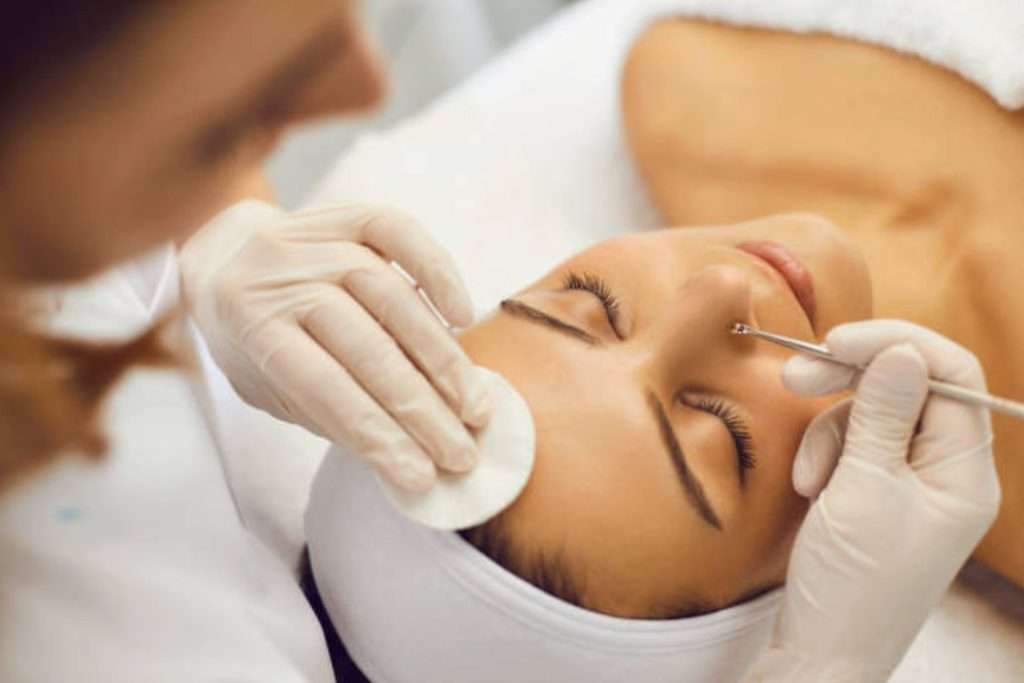
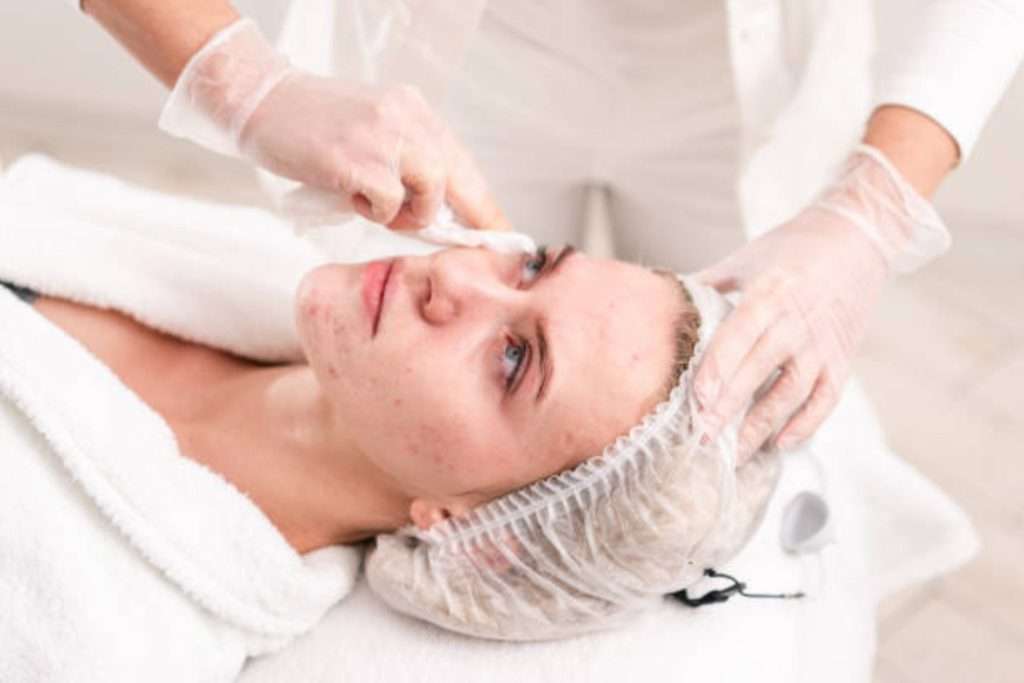
Professionals utilize a chemical solution and apply it to the treated area.

This process causes the top layer of skin to peel away, revealing smoother, more youthful-looking skin underneath.

Depending on the skin type and concerns, you might opt for a superficial peel, which addresses surface-level skin imperfections, or maybe you need a medium chemical peel or a deep peel.

These deeper chemical peels use substances like trichloroacetic acid or glycolic acid to penetrate further into the skin, targeting dark spots, fine lines, and uneven skin tone with more dramatic results.

How Does A Chemical Peel Treatment Work

A chemical peel treatment starts with a detailed consultation. Here, a dermatologic surgeon will review your medical history, addressing skin issues like acne scars, uneven skin tone, and more.

This step makes sure you are a good candidate for this cosmetic procedure. Once settled, selecting the right type of peeling agent is important.

Whether it be a glycolic peel tackling fine lines or a deeper chemical peel aiming at severe wrinkles, matching the right treatment to your skin type boosts the chances for the best results.

Then the actual application follows, where a meticulously chosen chemical solution gets layered onto your treatment area. This could range from trichloroacetic acid for medium peels to salicylic acid for light chemical peels. 

What Are The Types of Chemical Peels

There are 3 main types of chemical peels. 

Superficial peels, the gentlest form, use mild acids like glycolic acid and lactic acid. They delicately remove the top layer of skin, targeting dry skin, fine lines, and slightly uneven skin tone with minimal recovery time.

Next up, medium peels go slightly deeper. Salicylic acid and trichloroacetic acid work their magic here, hitting the middle layers of your skin. Aimed at treating more pronounced skin concerns like age spots, wrinkles, and acne scars, they offer more dramatic results.

At the top of the intensity scale, deep peels employ substances like carbolic acid and high concentrations of trichloroacetic acid. They’re the heavy lifters, addressing severe wrinkles, sun damage, and precancerous growths.

Each peel has its place, its purpose, and its specific kind of care—promising rejuvenation, smoother skin, and a glow that goes deeper than the surface.

  • How To Prepare Before A Chemical Peel Treatment

How Long Before Peeling Starts After A Chemical Peel

how long does peeling last after chemical peel

After applying a chemical solution, be it glycolic acid, salicylic acid, or even trichloroacetic acid for a medium peel, your skin embarks on an intriguing transformation.

Now the healing process begins. It is during the healing process that peeling will begin.

Peeling doesn’t start immediately. Usually, it takes 2 to 3 days post-treatment before peeling starts after a chemical peel. It’s an essential time for setting the stage for new skin to emerge. 

How Long Does Peeling Last After A Chemical Peel

Initially, you might not notice any significant changes. However, typically by the second or third day, the skin peeling begins. At this stage, dead skin cells start to lift away, marking the onset of the peeling process.

Peeling reaches its peak a few days into the treatment.

For light peels, this period is often brief, lasting about two to five days.

Medium chemical peels demand more patience, with peeling persisting for five to seven days.

Those brave enough to undergo a deep chemical peel might experience this process for up to two weeks. It’s a test of endurance, but remembering that this signals deep renewal helps many stay the course.

Eventually, this intense period stops, and by the end, smoother, more youthful-looking skin is revealed. The exact timeline does differ from person to person, influenced heavily by the depth of your peel and your unique skin healing process. 

Chemical Peel Aftercare Tips

Peeling skin demands your affection and attention post-treatment. 

Gentle cleansers are essential during this period, lifting away impurities without causing any skin irritation. 

Moisturizers should not be skipped during this time, their hydrating properties help to ease the discomfort of dryness.

Avoiding direct sun exposure can’t be stressed enough; UVB rays have no mercy on vulnerable, freshly peeled skin. Covering up and applying broad-spectrum sunscreen diligently acts as a protective barrier, safeguarding your skin’s delicate state.

Following these steps not only supports the healing process but also ensures the longevity of your chemical peel’s radiant results.

  • The Ultimate Guide to Sunscreen After Chemical Peels

When Will You See the Results

After the peeling subsides, typically wrapping up within a week to two weeks for superficial peels, and possibly a bit longer for deeper peels, you might start to notice the initial signs of that desired smooth, rejuvenated skin glow.

It could take a few more days, sometimes stretching into weeks, for the full, dramatic results to unveil themselves, especially after medium or deep chemical peels.

This timeline varies based on the depth of your peel, and the specific concerns you aimed to address.

However, once the new skin has emerged and fully healed, you will see a significant improvement in skin texture and overall more youthful-looking skin, with diminished appearance of dark spots, age spots, and other imperfections.

Consistent care and protection against direct sun exposure can help preserve these good results, ensuring long-lasting satisfaction with your cosmetic treatment.

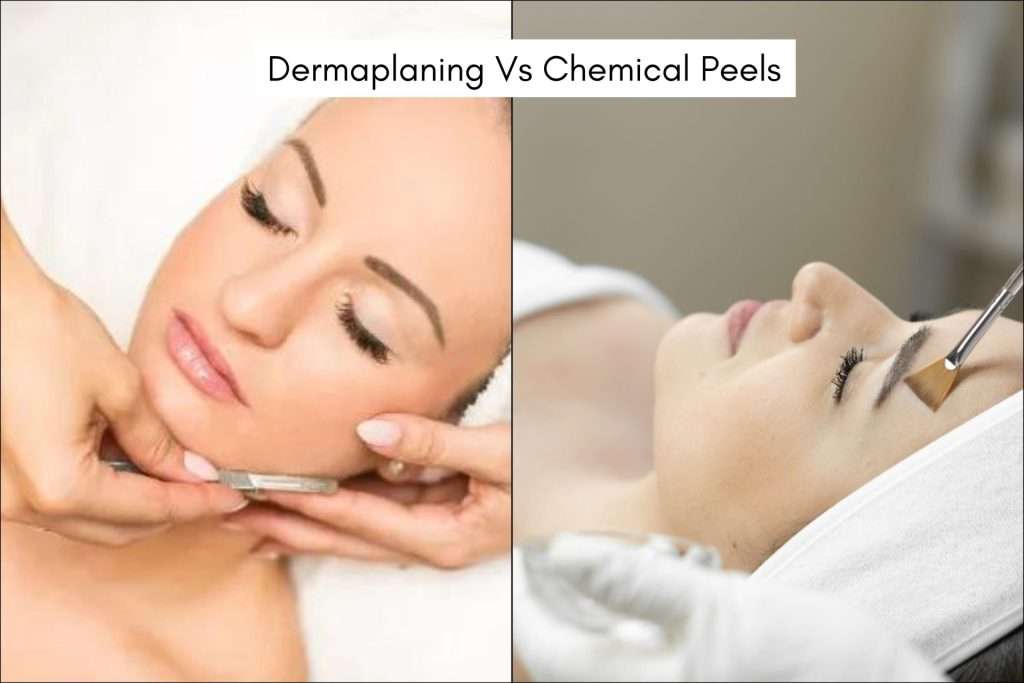
  • How is Dermaplaning Facial Different From A Chemical Peel
  • 15 Best Spa Facials & Facial Treatments For Acne-Prone Skin

Frequently Asked Questions

Questions about chemical peels and their after-care are many. This section addresses those, shedding light on the nuances of the peeling journey and the anticipated outcomes post-procedure.

Q: When does the peeling begin, and how long is it?

The start of the peeling process and how long it is depends on the type of chemical peel treatment you get.

For light chemical peels, expect the process to kick off within the first 48 hours post-treatment, peaking very fast. This phase typically winds down in three to five days.

With medium chemical peels, the skin may start to peel off two to three days after treatment, stretching up to seven days.

The timeline extends considerably for deeper peels, leveraging compounds like trichloroacetic acid or glycolic acid, where peeling can start over weeks.

Q: What post-peel care should I implement?

Post-peel care is non-negotiable for a smooth recovery. Using a gentle cleanser, avoiding hot water, and avoiding direct exposure to the sun’s UVB rays is important.

For those with dry skin or sensitive skin types, especially if conditions such as cold sores arise, consulting a dermatologic surgeon becomes imperative.

This advice ensures tailored care to navigate the recovery process smoothly.

Q: What results can I anticipate from my first chemical peel?

Be it a glycolic peel aimed at fine lines or a deeper procedure to tackle sun damage, the essence of a chemical peel lies in revealing smoother, more youthful skin.

While the initial days might mask the improvements under peeling skin, post-recovery unveils enhanced skin texture and tone.

In most cases, the new, radiant skin surfaces within two weeks, although deeper peels might delay this reveal.

Moreover, this cosmetic treatment paves the path for increased collagen production, lending firmness and reducing skin imperfections. It’s crucial, though, to manage expectations and adhere strictly to the aftercare regimen suggested by medical professionals for optimal results.

[jetpack-related-posts]

The Ultimate Guide to Sunscreen After Chemical Peels

Filed Under: Skin // 07/28/2024

best sunscreen after chemical peel

Introduction To Post-Peel Skin Care

I had always taken my skin for granted until I decided to get a chemical peel.

What a chemical peel does is simple, it tackles those stubborn dark spots, fine lines, and the overall dullness that tend to crep up on you over the years.

But what many people tend to neglect is the importance of post-care treatment.

A chemical peel will leave your skin more sensitive than ever, making it susceptible to sun damage, irritation, and inflammation. So sunscreen should be your best freind, for your post-peel routine.

It istn’t just about slathering on any SPF you have in your drawer; it’s about finding the right sunscreen to protect your healing skin.

This means looking for products that are fragrance-free, have high SPF, and are gentle enough for your now delicate skin.

I learned that this careful approach to sun protection could prevent complications like excessive peeling, redness, and even further damage, helping my skin to heal beautifully and maintain the results of the peel for longer.

  • How To Prepare Before A Chemical Peel Treatment
  • How Long Does Skin Peeling Last After A Chemical Peel
  • How is Dermaplaning Facial Different From A Chemical Peel

Understanding Chemical Peels

Chemical peels have revolutionized the way I approached my skin care, focusing on exfoliating the outer layer to reveal smoother, younger-looking skin beneath.

A chemical exfoliation procedure targets your fine lines, wrinkles, and dark spots, giving me a more even complexion.

After undergoing a chemical peel, your skin will become notably more sensitive to the sun.

This happens because the procedure strips away old skin, revealing a new layer that’s highly vulnerable to UV rays.

Sun damage at this point could reverse all the benefits you have just achieved.

It made me realize the importance of sunscreen in the post-peel care routine.

Not just any sunscreen, but one that provided broad protection without irritating your newly sensitized skin.

  • 15 Best Spa Facials & Facial Treatments For Acne-Prone Skin
  • Why You Should Exfoliate Your Face

Why SPF Matters After A Chemical Peel

After soldering through a chemical peel, you will notice your skin has become like a moth drawn to the sun’s rays.

With the peel increasing your skin’s sensitivity, every ray that hits our face will feel 10 times stronger than normal. Making it important to stay ontop of sunscreen application.

During the healing process, sunscreen isn’t just another step in your skincare routine; it’s the most important step.

A carefully selected SPF protexts your newly exposed skin, fighting off potential sun damage and allowing your complexion to heal without any set backs

Appying your sunscreen effectively not only protects but also preserves the results of the chemical peel, fighting premature aging, fine lines, and dark spots.

  • Why You Have Adult Acne And How To Rid Yourself Of It
  • 5 Best Eye Creams for Dark Circles, Tested and Reviewed

How To Choose The Right Sunscreen

After a chemical peel procedure, your skin, is now sensitive and vulnerable, and demands high-level protection against UV rays.

The right sunscreen acts as a shield, preventing sun damage that could complicate the healing process.

Sunscreen with a broad spectrum of protection and an SPF of at least 30 became my go-to.

This ensures that both UVA and UVB rays, responsible for aging, sunburn, and further skin damage, were kept at bay.

Choosing a sunscreen formulated for post-peel care, you should look for products free from irritating fragrances and harsh chemicals.

These could cause inflammation or redness in your already tender skin.

A physical sunscreen, with zinc oxide or titanium dioxide, will provide a gentle yet effective barrier without causing irritation.

Moreover, moisturizing ingredients will help support your skin’s recovery, aiding in maintaining hydration and promoting the healing process.

  • Best Supplements for Healthy and Glowing Skin
  • The Ultimate Daily Skin Care Routine For Oily Skin

Best Sunscreens After Chemical Peel

Elta MD UV Pure stood out as my go-to sunscreen. This sunscreen wont be just another layer on your skin; its broad-spectrum SPF 30 formula will provide the defense needed against UV rays, making it an excellent choice during the post-peel healing process.

What made it even more compelling was its suitability for all skin types, including newly sensitized skin.

In my search for the best sunscreens for chemical peels, I discovered four other sunscreens that match post-peel needs.

La Roche-Posay Anthelios has became a favorite for its lightweight formulation and high SPF, perfect for sensitive skin avoiding sun damage.

Cetaphil Redness Relieving Daily Facial Moisturizer SPF 20 is great for days when the skin shows signs of redness and irritation, offering sun protection and soothing care.

Neutrogena Pure & Free Baby Sunscreen appealed to me for its fragrance-free and tear-free formula, ensuring no irritation to the delicate skin.

Lastly, Coola Mineral Face SPF 30 Matte Cucumber provides a refreshing touch to a post-peel care regimen, with its natural ingredients and matte finish reducing the risk of clogged pores and breakouts.

  • 21 Of The Best Skincare Products Beauty Editors Recommend For 2024
  • The 7 Best Sunscreens For Black Women

Application and Reapplication

After a chemical peel, the skin turns into a magnet for UV rays.

The skin becomes super sensitive, and should be protected from the sun all the time. It is important to apply sunscreen throighout the day.

First off, opt for a broad-spectrum sunscreen boasting an SPF of 30 or higher, making sure it is fragrance-free to avoid unnecessary skin irritation.

Applying a generous amount of sunscreen 15 minutes before you leave the house will save you from frying off your skin. But it doesn’t stop there.

  • Reapply the sunscreen regularly:
  • Choose a physical sunscreen over chemical sunscreen:
  • Layer your skincare products wisely:

Sun damage, inflammation, and the risk of premature aging are all risks of skipping on the sunscreen, and take away the benefits of the chemical peel.

Avoiding Common Post-Peel Mistakes

I learned from my dermatologist that post-peel skin requires gentle care to ensure optimal healing and protection from sun damage.

To avoid complicating the healing process, I always remind myself of a few crucial points.

  • Steering clear of harsh products is essential; anything too abrasive or containing potent chemicals can exacerbate sensitivity and irritation, risking damage to my vulnerable skin.
  • Excessive exposure to heat or the sun without adequate protection can severely impair the skin’s ability to heal, leading to sunburn, peeling, and even more severe complications.
  • Skipping sunscreen reapplication every two hours, especially after sweating or swimming, leaves my skin defenseless against the aggressive UV rays, promoting inflammation, redness, and setting back the recovery timeline.
  • The Best Skincare Routine For Healthy Skin

Sun Protection Beyond Sunscreen

After a chemical peel your skin is sensitive to everything, especially the sun.

Chemical peels, make the skin more susceptible to UV rays, risking sun damage, premature aging, and even undoing the peel’s benefits.

Sunscreen alone wont cut it; you will need much more to protect your healing skin from the sun’s harsh effects.

Beyond the essential SPF, here are additional shields against exposure.

  • Wearing protective gear: A wide-brimmed hat to shield you from direct sunlight, reducing the risk of sunburn and irritation.
  • Seek shade: Whenever outdoors, try to stay under trees or umbrellas, especially during peak UV hours. This simple practice will significantly minimize your exposure to harmful rays.
  • Choose physical sunscreen, containing ingredients like zinc oxide or titanium dioxide, which will offer you an extra layer of protection. Its ability to reflect UV rays away from my skin worked wonders in preventing sun damage and promoting the healing process.
[jetpack-related-posts]

15 Best Spa Facials & Facial Treatments For Acne-Prone Skin

Filed Under: Skin // 07/28/2024

best spa facial for acne

There was a time when I dismissed facials as just another ploy by the skincare industry to empty our pockets, thinking they were reserved for those lucky folks with already flawless skin, not for someone like me battling acne-prone skin.

However, I changed my mind completely after dipping my toes in spa facials in recent years.

These treatment options not only targeted my acne but also tackled clogged pores and hyperpigmentation.

So I tried out some of the “best treatments” that guarantee you the “best results” to find out what is worth putting your money into, and I did this all for science of course, not at all to benefit me.

Before going into the specifics of these different facials, let’s first explore the numerous advantages of dedicating one-on-one time with an esthetician.

The benefits are plentiful, though they may vary based on your chosen facial services. The overarching advantage lies in having a professional assess your skin and address both immediate and long-term concerns.

I firmly advocate for regular monthly facials throughout the year because, truth be told, nothing is done at home quite replicates the effectiveness of professional exfoliation, extraction, and personalized attention.

Now, let’s explore some of the most sought-after spa facials

What Is A Spa Facial?

A spa facial is a customized skincare treatment designed to address specific skin concerns and promote overall skin health.

Acne facials are a subset of spa facials tailored specifically for individuals with acne-prone skin. These facials typically involve a thorough analysis of skin types to determine the most suitable products and techniques.

During an acne facial, estheticians focus on addressing issues related to dead skin cells, which can contribute to clogged pores and acne breakouts.

The treatment often includes facial treatments such as chemical peels, which use specialized solutions to exfoliate the skin and remove dead skin cells.

The process may start with a careful cleansing to remove impurities and prepare the skin for subsequent treatments.

Estheticians then choose products and techniques suitable for different skin types, ensuring a personalized approach.

Overall, a spa facial, particularly one tailored for acne-prone skin, aims to provide a deep-cleansing experience, target dead skin cells, and utilize facial treatments like chemical peels to manage and improve acne conditions.

The goal is to leave the skin refreshed, rejuvenated, and with a clearer complexion.

Are Facials Good For Acne-Prone Skin?

Many people with acne-prone skin wonder if facials are beneficial.

And from my experience, they are.

Facials specially designed for acne-prone skin can offer significant benefits. They aid in managing and reducing acne breakouts by deeply cleansing the pores.

This cleansing process removes impurities, dead skin cells, and excess oil which are common culprits behind acne formation. By targeting these factors, facials can help minimize current breakouts and decrease the likelihood of future ones. 

On top of combatting breakouts, facials for acne-prone skin also contribute to improved skin texture.

Regular treatments can help smooth out rough areas, making the skin feel softer and appear more radiant.

Moreover, such facials often incorporate products and techniques that balance oil production and excess sebum. This is crucial for those who struggle with oily skin, as managing oil levels can reduce the shine and lead to a more matte complexion. 

I think opting for facials designed for your skin type can play an important role in an effective skincare routine, offering a blend of therapeutic and aesthetic benefits.

They not only address existing skin concerns but also promote the long-term health and appearance of the skin. 

How To Choose The Right Facials For Acne-Prone Skin?

Choosing the right facial starts with understanding your skin.

Acne-prone skin needs a gentle touch, yet an effective approach to deal with both active breakouts and prevent future ones.

A wide range of facials are designed with this in mind, but sorting through the choices requires insight into key factors. 

So when you’re deciding on what spa facial to go with, consider the type of facial.

Options like chemical peels, with active ingredients such as salicylic acid or glycolic acid, are great for exfoliating dead skin cells and unclogging pores.

However, if your skin leans towards the sensitive side, look into facials that feature soothing components like hyaluronic acid or tea tree oil, which can moisturize and combat bacteria without irritating the skin. 

I cannot stress enough that the ingredients in your facials matter greatly.

Those with acne-prone skin should look for facials that incorporate ingredients known to target acne specifics, like reducing sebum production, eliminating acne-causing bacteria, and promoting collagen production to heal scars.

It’s not just about clearing up existing acne; it’s also about nurturing the health of your skin for the long term. 

Lastly, never underestimate the value of professional guidance.

Estheticians can offer personalized recommendations based on an in-depth analysis of your skin type and concerns.

Their expertise can guide you toward the most beneficial treatments for your specific needs, ensuring that you receive the best possible outcome from your facial. 

Selecting the right facial for acne-prone skin hinges on understanding your own skin, researching available treatments, pinpointing the most effective ingredients, and consulting with a skincare professional.

This comprehensive approach guarantees a tailored treatment plan that addresses current issues and fosters healthier, clearer skin moving forward. 

Spa Facials For Acne Treatment

best spa facial for acne

European Facial:

Ideal for acne-prone skin, the European Facial offers a thorough and personalized approach.

It involves gentle cleansing, exfoliation, and extraction to clear up pores and reduce acne. The soothing face mask and hydrating elements contribute to a balanced and healthier complexion.

Hydrafacials:

Perfect for acne-prone skin, Hydrafacials use advanced hydra dermabrasion technology to cleanse, exfoliate, and hydrate.

The treatment extracts impurities and replenishes the skin with nourishing serums, promoting clearer and more radiant skin with minimized acne.

  • Is HydraFacial Skin Treatment Good for Acne-Prone Skin?
  • At-Home Steam Facial On A Budget (+Steaming Benefits)
  • How To Prepare Before A Chemical Peel Treatment

Classic Facials:

Tailored to address acne concerns, Classic Facials involve a combination of cleansing, exfoliation, and extraction.

These facials can help manage acne by unclogging pores, removing impurities, and promoting a clearer complexion.

Decongesting Facial:

Specifically designed for acne-prone skin, a Decongesting Facial focuses on clearing congested pores and removing impurities.

This facial helps reduce breakouts by thoroughly cleansing the skin, leaving it refreshed and revitalized.

LED Facial (Light Therapy):

LED Facials utilize light therapy to target acne-causing bacteria and inflammation.

This non-invasive treatment can effectively reduce acne breakouts, calm irritated skin, and promote a smoother complexion over multiple sessions.

Microdermabrasion:

Suitable for acne-prone skin, Microdermabrasion involves mechanical exfoliation to remove dead skin cells and unclog pores.

This treatment helps improve skin texture, reduce acne scars, and promote clearer, healthier skin.

Brightening Facial:

Tailored for those with acne-prone skin, a Brightening Facial focuses on reducing hyperpigmentation and dark spots caused by acne.

This treatment helps even out skin tone, leaving the complexion looking clearer and more radiant.

Chemical Peel:

An excellent choice for acne-prone skin, Chemical Peels use acids to exfoliate the skin’s surface.

This process helps unclog pores, reduce acne lesions, and promote skin renewal, resulting in a smoother and clearer complexion.

  • The Ultimate Guide to Sunscreen After Chemical Peels
  • How Long Does Skin Peeling Last After A Chemical Peel

Laser Treatments:

Laser Treatments for acne-prone skin target sebaceous glands and reduce acne inflammation.

These treatments can help control breakouts, improve skin texture, and minimize the appearance of acne scars over time.

Microneedling:

Beneficial for acne-prone skin, Microneedling involves tiny needles to stimulate collagen production and promote skin renewal.

This treatment can help improve acne scars, reduce hyperpigmentation, and enhance overall skin texture.

Vampire Facial:

Combining microneedling with platelet-rich plasma (PRP), the Vampire Facial is known for its rejuvenating effects on acne-prone skin.

It can help improve skin texture, reduce acne scars, and promote a more youthful appearance.

Deep Cleansing Facial:

A Deep Cleansing Facial focuses on thorough cleansing and extraction to remove impurities and unclog pores. This treatment helps prevent breakouts and promotes a clearer complexion.

Detoxifying Facial:

Ideal for acne-prone skin, a Detoxifying Facial aims to eliminate toxins and impurities that contribute to acne. It involves deep cleansing and purifying techniques to promote clearer, healthier skin.

Oxygen Therapy:

Oxygen Therapy facials deliver oxygen to the skin, promoting cell turnover and rejuvenation. This treatment can help reduce acne-causing bacteria, improve skin texture, and enhance the overall health of acne-prone skin.

Facial Massage:

While not a specific acne treatment, Facial Massages can improve circulation, reduce stress, and promote relaxation.

Stress reduction can indirectly benefit acne-prone skin by minimizing hormonal fluctuations that contribute to breakouts.

Steam Facial:

A steam facial involves exposing the face to warm steam to open up pores, allowing for deep cleansing and better product absorption.

This relaxing treatment helps unclog pores, removes impurities, and promotes a refreshed complexion.

  • At-Home Steam Facial On A Budget

Benefits Of Facials For Acne-Prone Skin

Facials designed for acne-prone skin provide several targeted benefits that can lead to clearer, healthier skin over time.

By focusing on the underlying issues that contribute to acne outbreaks, these treatments offer a proactive approach to skincare. 

Facials can deeply cleanse the skin, removing impurities that clog pores and lead to acne. This includes the extraction of blackheads and whiteheads, which, if left untreated, can become inflamed and turn into more severe acne lesions. 

Specific facials incorporate ingredients known to combat acne-causing bacteria, such as salicylic acid and tea tree oil.

These active ingredients not only help in reducing existing breakouts but also prevent future ones by maintaining a bacteria-free environment on the skin’s surface. 

The application of these substances by skilled professionals ensures that the skin absorbs them efficiently, maximizing their effectiveness. 

Potential Side Effects of Spa Facials if You Have Acne

Indulging in spa facials can sometimes lead to unintended side effects, particularly for those with acne-prone skin.

One common issue is increased skin sensitivity following treatments, especially if they involve deep exfoliation or potent active ingredients. This heightened sensitivity might result in redness or irritation. 

It’s not unusual to experience post-facial breakouts. These occur as the skin purges impurities from deep within the pores, a process which, while ultimately beneficial, can be frustrating in the short term.

Individuals with severe acne might find that certain facials exacerbate their condition, prompting fresh outbreaks rather than immediate improvement. 

Fostering open communication with your skincare professional is crucial.

Sharing your skin history, and concerns, and reacting to past treatments allows them to tailor a facial experience that mitigates potential negative outcomes.

They can select treatments and products that align with your skin’s tolerance, ensuring the best possible results while minimizing risks. 

How Often Should You Get Spa Facials if You Have Acne

Finding the right frequency for spa facials when you have acne-prone skin plays a pivotal role in managing breakouts and ensuring the long-term health of your skin. I recommend starting with a professional facial once a month.

This monthly schedule strikes a balance, offering regular care without overwhelming your skin, which could trigger more acne.

Each session allows your esthetician to deeply cleanse your pores, remove dead skin cells, and apply treatments that target acne-causing bacteria and reduce inflammation. 

If your acne is severe or particularly stubborn, your skincare professional might suggest a slightly more frequent visitation schedule at the outset to aggressively address the issue.

Once your skin starts showing improvement, you could then transition to the once-a-month maintenance plan.

Always have a conversation with your esthetician about your skin’s response to the treatments.

Adjustments can be made to find the perfect balance that promotes healing while avoiding any potential irritation or over-treatment. 

Remember, consistency is key. Regular, professional care complements your at-home skincare routine, enhancing your overall strategy for managing acne-prone skin.

By sticking to a scheduled plan, you give your skin the continuous support it needs to stay clear, healthy, and vibrant. 

How To Maintain Clear Skin After a Spa Facial if You Have Acne

15 Best Spa Facials & Facial Treatments For Acne-Prone Skin

Maintaining clear skin after a spa facial requires a dedicated approach, especially for those of us with acne-prone skin. Here are some practical tips to ensure your skin stays healthy and vibrant. 

  • Follow a tailored skincare routine: After a facial, your skin can be more receptive to products. Use this opportunity to consult with your esthetician about a skincare routine that’s customized for your skin type. Incorporating products with salicylic acid can help keep pores clear, while hyaluronic acid provides necessary hydration without adding excess oil. 
  • Be gentle with your skin: Resist the temptation to touch your face frequently. Use a gentle cleanser and avoid harsh scrubbing. Your skin needs time to heal and benefit from the facial treatments, so treat it with care. 
  • Stay hydrated: Drinking plenty of water supports overall skin health and helps flush out toxins. Hydrated skin looks plump and vibrant, contributing to the results of your spa facial. 
  • Protect your skin from the sun: Post-facial, your skin can be more sensitive to sunlight. Apply a broad-spectrum sunscreen daily to protect it from harmful UV rays, which can exacerbate acne and lead to premature aging. 
  • Maintain a healthy diet: Foods high in antioxidants, omega-3 fatty acids, and vitamins can support skin health from the inside out. Limiting sugar and dairy intake might also benefit those with acne-prone skin. 
  • Manage stress: Stress can trigger breakouts, making it essential to find ways to relax and decompress. Whether through exercise, meditation, or reading, reducing stress levels can aid in maintaining clear skin. 
  • Keep up with regular facials: Consistent facials, as recommended by your skincare professional, can help manage acne and keep your skin in top condition. They remove impurities, exfoliate dead skin cells, and promote regeneration. 

You May Also Like: 10 Common Skincare Mistakes You Need To Avoid

By following these tips, you can prolong the effects of your spa facial and keep your acne-prone skin looking its best.

Remember, achieving clear skin is a journey, and with the right care, you can enjoy long-lasting results. 

For those dealing with the aftermath of acne, such as dark spots and scarring, facials can assist in the skin’s healing process.

Treatments that include chemical peels or microdermabrasion gently exfoliate the top layer of the skin, reducing the appearance of scars and promoting an even skin tone.

Over time, regular facials can stimulate collagen production, helping the skin repair itself and regain its smooth texture. 

Beyond their immediate impact on acne and related skin issues, these facials offer a holistic benefit to the skin.

They help regulate sebum production, minimizing the chances of pores becoming clogged with excess oil. Regular treatments can also enhance skin hydration, ensuring that the skin remains balanced and less prone to dryness or oiliness, both of which can exacerbate acne. 

[jetpack-related-posts]

Does Dermaplaning Facial Cause Acne Breakouts

Filed Under: Skin // 07/28/2024

does dermaplaning cause acne

What Is Dermaplaning?

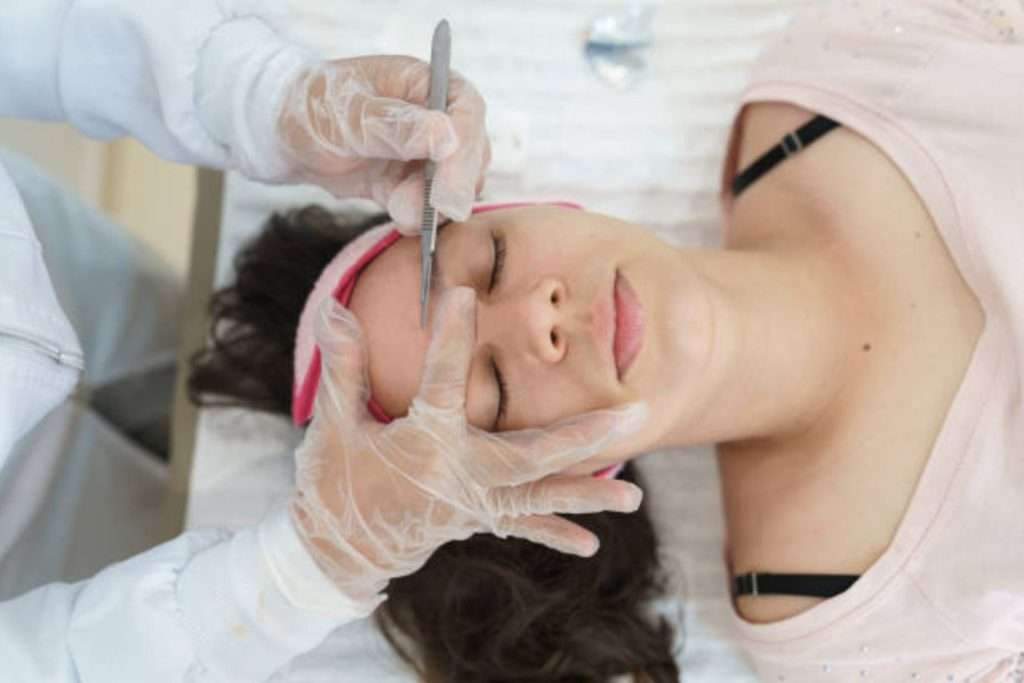
Dermaplaning is a cosmetic treatment that uses an exfoliating blade to get rid of unwanted facial hair and peach fuzz while reducing the appearance of scars, helping with uneven skin tone and other skin imperfections to give you more youthful skin. 

With the use of a scalpel (sterile surgical blade) at a precise 45-degree angle, a skilled practitioner skims off the outermost layer of dead skin cells and the fine vellus hair or peach fuzz.

This skin treatment not only gives you hairless skin but also allows for skincare products to penetrate deeper, effectively amplifying their benefits.

For those struggling with dull complexions and dreaming of a more youthful skin glow, dermaplaning may just be the holy grail of facial treatments for you. But is it a friend or foe when it comes to acne? 

Before seeking out professional dermaplaning or considering at-home dermaplaning tools, let’s find out if the demaplaning procedure is right for you, or if this seemingly perfect facial treatment can cause acne breakouts.

  • Benefits of A Dermaplane Facial
  • At-Home Steam Facial On A Budget (+Steaming Benefits)

Does Dermaplaning Cause Acne Breakouts

As someone navigating the world of skin care, you might wonder if the overhyped dermaplaning treatment could trigger acne breakouts.

Trimming away peach fuzz and that topmost congregation of dead skin cells promises a baby-smooth finish, but does it come at a cost for those with acne-prone skin? 

Certain expert opinions raise red flags, suggesting dermaplaning might not be the best friend of an acne-scarred complexion.

 When not done right, a dermaplane facial can spell more trouble than good.

Many first time users have reported tiny bumps and active breakouts becoming inflamed or irritated, causing new acne flare-ups. It’s a scenario that has some holding their breath and questioning, “Can you dermaplane with acne?”

First-timers and those with a history of sensitive skin or active acne should weigh the evidence and anecdotes.

Numerous accounts speak of smoother skin post-dermaplane facial, yet others recount a bout of breakouts following suit.

While professional dermaplaning under the guidance of seasoned hands may minimize risks, the case can be very different if you have acne-prone skin. 

So, the final verdict is yes, dermaplaning can cause acne breakouts, if done wrong, dermaplaning can leave you with cuts and scarring.

This treatment also impacts the skin’s barrier, which makes it more prone to breakouts, hyperpigmentation, premature aging, and inflammation.

Related Post: The Best Facial For Acne-Prone Skin

Can You Dermaplane With Acne

While dermaplaning may hold the promise of smooth and hairless skin, if you struggle with active acne, you might wonder if you can safely enjoy the benefits of this treatment.

Let’s get one thing clear, dermaplaning isn’t universally suitable for all skin types. For those with acne-prone skin, it can become a tightrope walk between achieving a silky complexion and aggravating skin breakouts.

If your skin is currently under siege by acne breakouts, be it a reaction or hormonal, you need to be more cautious about whether or not dermplaning is for you.

Look at it this way, a dermaplane facial involves gliding a sharp blade across the skin’s surface, and doing this over inflamed acne can lead to further irritation or even scarring.

So when deciding whether or not dermaplaning is for you, consider the severity and type of your acne – dermaplaning over vast areas of cystic acne can be a recipe for discomfort and potential damage to your skin barrier.

I’d advise you to weigh the pros and cons carefully. Think about your skin’s sensitivity, the level of active acne, and consult with a skincare expert.

A professional can determine if your skin concerns align with the benefits of dermaplaning. They can also ensure proper technique and provide the right post-treatment care to mitigate any adverse effects. 

You’ll also want to prep accordingly, avoiding sun exposure and any intense treatments like chemical peels that may weaken your skin prior to your session.

Post-dermaplaning, your skin will be particularly vulnerable, so reach for gentle skincare products, prefer non-comedogenic options, and protect your fresh-faced results with at least SPF 30.

In the end, dermaplaning can be an effective treatment, but only if it aligns with your unique skin type and concerns – do it the right way and pave the path to smooth, rejuvenated skin.

Related Post: How is Dermaplaning Facial Different From A Chemical Peel

Does Dermaplaning Help with Acne

There are so many skin care treatments available, and dermaplaning seems to be the it girl when it comes to cosmetic treatments.

This procedure aims to smooth out rough texture and eliminate fine lines, potentially mitigating environments conducive to acne flare-ups. 

Whilst the procedure does strip away superficial layers that could harbor bacteria, it’s not a one-size-fits-all answer for acne sufferers.

Some users rave about the clear, hairless skin dermaplaning delivers, crediting it with improving their skin’s overall appearance and lessening acne breakouts.

Others caution that, especially for sensitive skin types, the treatment could invite irritation or exacerbate existing skin concerns. You must weigh these shared experiences with a dose of skepticism and consider individual skin uniqueness.

I assert that dermaplaning might offer a solution to some dealing with acne, but it’s not a universal cure.

The precise impact it can have depends on a sweep of factors, such as your skin barrier, the presence of active breakouts, and even the level of expertise held by the professional performing the dermaplaning session.

To ensure the best results for acne-prone skin, consult with seasoned medical providers who can tailor the treatment to your needs.

What Are the Risks of Dermaplaning Over Acne

Dermaplaning over acne-ridden skin is a gamble, to say the least. Dermaplaning may trigger heightened inflammation, giving you undesirable results.

Those who attempt to navigate acne with a dermaplaning tool might experience severe irritation — a knee-jerk response from sensitive skin that’s already under duress.

In worst-case scenarios, navigating the delicate terrains of active breakouts could lead to infection or, more distressingly, permanent scarring.

Some horror stories include lasting red marks and indents where once there was smooth skin. 

If you have acne-prone skin, exercise caution and seek advice from a professional. This lowers the risk of flaring up existing skin concerns, laying the foundation for a successful dermaplaning experience.

When Is It Safest to Dermaplane Over Acne

So, you’re curious if there’s ever a safe time to dermaplane over acne.

The answer isn’t black and white, aim for a point when your skin is calm, with no active breakouts declaring war on your face. That’s the sweet spot to consider this exfoliating treatment.

Before laying down for the dermaplaning blade, a chat with a skincare pro is a wise move. They’ll size up your skin’s mood and tell you if it’s game for this type of facial.

Remember, they’re the ones with the maps to navigate the terrain of your skin’s peaks and valleys.

Timing-wise, sync up with your skin’s rhythm. If acne’s just taken a back seat after a throbbing performance, it might still be simmering under the surface. Give it a breath.

Does Dermaplaning Help Acne Scarring

Many turn to dermaplaning with hopes that the renewed surface of their skin will not only be smooth but also free of acne scars. Nobody wants those pesky reminders of past acne breakouts.

When dermaplaning regularly you will begin to see a reduction in the appearance of acne scars. The process sheds dead skin cells from the skin’s top layer, potentially softening the harsh outlines of superficial scars offering you smoother skin and a more youthful complexion.

Plus, dermaplaning allows for your skincare to penetrate your skin better allowing all your fancy serums to really do their job and help get rid of that scarring.

It’s worth noting, though, that results are a varied by skin type to the depth of scars. While light surface scars will heal faster, deeper scarring may need something stronger like a chemical peel or laser treatment.

Is It Safe to Dermaplane at Home If You Have Active Acne

Tackling a dermaplane facial may seem like the perfect DIY moment, especially to those eager for hairless, smooth skin without the professional price tag.

But, just take a breather before you grab for that blade. When active acne is involved, you have to think twice, at-home dermaplaning may cause more harm than good for you. 

Does dermaplaning cause acne? Not directly, but it can invite bacteria into open lesions, causing acne breakouts. When it comes to at-home attempts, the margin for error widens considerably. 

So, I would caution on the safer side and avoid dermaplaning at home when you have active acne, rather see an esthetician for your next dermaplane facial.

[jetpack-related-posts]

Benefits of A Dermaplane Facial (Dermaplaning Effects On Your Skin)

Filed Under: Skin // 07/28/2024

dermaplane facial benefits

What Is Dermaplaning?

Dermaplaning stands out as a unique cosmetic procedure designed to refresh and brighten the surface of the skin.

Unlike traditional shaving, this method utilizes a sterile surgical scalpel to gently glide over the top layer of skin at a precise 45-degree angle.

The exfoliation treatment is intended not just to remove those fine facial hairs known as peach fuzz but also to exfoliate by stripping away the top layer of dead skin cells.

While similar in concept to exfoliating treatments like microdermabrasion, dermaplaning provides a distinct number of benefits with its ability to address the fine vellus hairs along with skin renewal. 

Benefits of Dermaplaning

Dermaplaning is much more than the removal of unwanted hair, if it was, then many would’ve just opted for laser hair removal; it’s a transformative skin treatment that unlocks a host of benefits and leads to radiant skin.

This method goes beyond typical shaving by using a sharp blade, meticulously gliding over the top layer of the skin at precisely the right angle (a 45-degree angle).

This manual exfoliation action not only takes away the peach fuzz but also lifts away the top layer of dead skin cells. This reveals a fresher, more vibrant layer beneath the top layers of your skin, which often remains hidden under lifeless cells that contribute to a dull complexion.

One significant benefit I have noticed is the improvement in dull skin causing more smooth and radiant skin.

After a dermaplaning session, your skin acts like a sponge, readily absorbing the serums and moisturizers you apply.

The active ingredients penetrate deeply rather than sitting atop a barrier of dead skin, boosting their performance and leading to more noticeable results.

Moreover, the smooth canvas created by dermaplaning enhances makeup application, ensuring that foundation and powders glide on seamlessly for a flawless finish.

But there’s more to cherish about this procedure.

Dermaplaning has the power to improve skin texture, making it feel luxuriously soft and smooth.

Minor imperfections and fine lines seem to vanish, and even those pesky facial hairs that can trap dirt and oils, potentially leading to breakouts, are eliminated.

It’s a comprehensive approach to skincare that combines the benefits of exfoliation, hair removal, and enhanced cosmetic performance into one simple, non-invasive treatment. 

Here are 19 Benefits of the process of dermaplaning:

It Is A Physical Exfoliant For Your Skin

Dermaplaning works wonders as a manual exfoliation technique.

By gently skating a medical-grade scalpel across the skin’s surface, it clears away those pesky dead cells that typically linger.

This process not only revives my complexion but also paves the way for newer, fresher skin to emerge making for more radiant skin.

It’s like hitting the reset button on your face; the dull skin fades, revealing a more youthful and radiant layer beneath.

Plus, there’s this invigorating sense of renewal – it’s as if your face is taking its first deep breath in a long while.

If you need more exfoliation power then maybe chemical exfoliation is a better option for you, here is a guide on whether you need to try out dermaplaning or get a chemical peel.

Removes Dead Skin Cells

I pay close attention to getting rid of dead skin cells, not just to ward off a dull complexion and give you a brighter complexion but also to help reduce acne breakouts.

The top layer of dead skin cells can clog up pores and trap oils, a perfect recipe for acne breakouts.

Regular dermaplaning gets rid of dead cells and allows for new skin cells to be generated, smoothing out my skin’s surface and allowing it to breathe.

It’s a game changer, as it ensures your skin remains soft to the touch and clear in appearance, keeping those pesky breakouts at bay and my skin texture refined.

Reduces the Appearance of Fine Lines

After a single dermaplaning session, I discovered its little secret for turning back the hands of time, at least a bit.

It gently shaves off not only the peach fuzz but also the top dead layer of your skin. By doing this, your facial contours will appear more defined and this reduces the appearance of fine lines.

The magic, it seems, lies in the precision of the surgical scalpel used during the procedure. It’s incredibly meticulous, gliding at a precise 45-degree angle to whisk away old cells and inspire new skin cells to surface.

I found that this refreshing turnover does wonders for the delicate textures of the face, allowing for smoother skin. 

Related Post: 5 Best Eye Creams for Dark Circles, Tested and Reviewed

Reduces Appearance of Acne Scars

One of the standout advantages of opting for a dermaplaning procedure is its ability to let your natural skin shine through by minimizing the visibility of acne scars.

I have seen firsthand how this promotes a brighter complexion. This gentle but thorough method of manual exfoliation can help fade the darker skin cells that makeup acne scars, yielding a more even skin tone over time.

As the blade sweeps away these unwanted dead cells, the result is a clearer and more unified surface that can make all the difference for those yearning for skin that looks as smooth and untroubled as it feels.

Improves Skin Texture and Gives You Smoother Skin

Dermaplaning goes beyond mere hair removal; it transforms skin texture, leading to a supple, smooth surface. By carefully removing the outermost layer of skin, it reduces the visibility of minor imperfections and rough textures.

The technique uses gentle, feather-like strokes with a surgical blade to meticulously shave away dead skin cells and fine hairs, this also includes ingrown hairs that can make our complexion seem uneven.

This physical exfoliation not only smooths but also rejuvenates, leaving skin impeccably soft and ready to absorb nutrients from our skincare regimen more effectively.

  • How is Dermaplaning Facial Different From Chemical Peels
  • How To Prepare Before A Chemical Peel Treatment

Better Absorption of Your Skincare Products

Dermaplaning boosts the efficacy of your skincare routine.

The removal of dead skin cells during the procedure exposes fresh skin, increasing its ability to soak up the nourishing ingredients in serums and moisturizers.

Post-treatment, your skin becomes more receptive, allowing these products to penetrate deeply and perform at their best.

It’s like unlocking your skin’s full potential, making every application of skincare products all the more rewarding, as they work their magic with enhanced potency.

Gives You Brighter Skin

Imagine glancing in the mirror to see a complexion that’s visibly more luminous—this is the beauty of dermaplaning.

This simple yet effective procedure whisks away the tired layer of dead, dull skin that often masks your natural radiance.

The immediate aftermath is a face that looks refreshingly brighter. With those lifeless cells gone, your skin reflects light more evenly, casting a glow that seems to stem from within. 

Removes Peach Fuzz (Unwanted Facial Hair)

Another great benefit of the dermaplaning procedure is its ability to gently sweep away those fine vellus hairs, commonly known as peach fuzz.

This not only bestows a silky smoothness upon the skin but also plays a key role in refining your complexion.

After the treatment, you’ll notice your skin feels remarkably smoother to the touch, free from the soft yet texturally disruptive fuzz that can interfere with the sleekness of your facial skin.

Allows for Easier Makeup Application

After a dermaplaning session, your face becomes the perfect canvas for makeup.

Without the dark hairs interfering, the foundation applies effortlessly and the powder sets flawlessly.

I find my entire makeup routine much simpler, with smoother, more professional-looking results.

It Is a Painless Skin Treatment

I’ve heard some folks voice concerns about discomfort during skin treatments, like laser treatments or other acne treatments, but let me put your mind at ease when it comes to dermaplaning.

This process is actually quite gentle on the skin. It’s a quick, pain-free scrape that leaves your face feeling soft and smooth.

I’ve tried it myself, and I didn’t feel a thing, just the sensation of the blade gliding over my skin. It’s a refreshing experience and the best part? There’s no need to plan for recovery time.

You can step right back into your daily routine, flaunting fresher-looking skin without any hassle. Truly, it’s a breeze—a soothing addition to your skincare routine that’s gentle enough even for those with a tender touch.

No Downtime Needed (No Healing Required)

As I just mentioned, another benefit of dermaplaning is the zero downtime it requires.

I appreciate that the moment I step out from a session, there’s no waiting or healing process needed, no peeling that has to happen – my skin looks renewed and feels silky without any associated recovery.

This makes dermaplaning a perfect skincare solution for my busy lifestyle. Straight after the treatment, I can resume my daily activities, confident in my radiant complexion.

Minimizes the Appearance of Pores

One of the unsung heroes of a dermaplane facial is its ability to minimize the appearance of pores.

This cosmetic treatment clears out the dirt and oil that tend to collect around the pores. This deep cleansing effect can help pores appear smaller, contributing to an overall smoother and more refined skin texture.

Reduces Acne Breakouts

Dermaplaning offers a silver lining for those plagued by active breakouts, as well as stopping future breakouts.

Methodically removing the uppermost layer of the dermis, eliminates the debris that often traps dirt and sebum, the oily substance that can lead to pimples.

This meticulous clearing of the skin’s surface means that pores are less likely to become congested with impurities, significantly reducing the likelihood of new breakouts.

As a result, not only does my skin feel reborn and radiant, but it also stays clearer over time, reducing active acne, and effectively putting a damper on the frustrating cycle of severe acne.

  • Does Dermaplaning Facial Cause Acne Breakouts
  • Why You Have Adult Acne And How To Rid Yourself Of It
  • At-Home Steam Facial On A Budget (+Steaming Benefits)

It Is a Non-invasive Procedure

Dermaplaning stands out as a gentle skin treatment, free from the need for incisions or invasive techniques. I can attest to its simplicity and the minuscule risk profile it carries.

This method of superficial exfoliation pares back the skin’s uppermost layer without delving deeper, circumventing potential complications associated with more aggressive treatments.

It’s a reassuring thought for those considering dermaplaning, knowing that the pursuit of a brighter, smoother complexion doesn’t require going under the knife or enduring a painful recovery.

It Is Safe for All Skin Types

Dermaplaning truly is a universal skincare treatment, suitable for virtually every skin type, whether you have an uneven skin tone, dry skin, sensitive skin, or any other skin conditions.

Its gentle technique makes it particularly beneficial for those with sensitive skin. I’ve found that, unlike more abrasive exfoliating methods, this procedure doesn’t irritate or require harsh chemicals, making it a superb option for people prone to slight redness and skin discomfort. 

Eases Hyperpigmentation

Dermaplaning treatment can be an effective way to address concerns like hyperpigmentation and dark spots. By exfoliating the top layers of the skin, uneven pigmentation can be reduced.

This gentle scraping lifts away dull skin cells that contribute to shadowing and discoloration, resulting in a more even complexion.

I noticed a brighter and more uniform skin tone, which not only looks healthier but also feels incredibly smooth.

It’s a simple yet powerful solution for those targeting hyperpigmentation without resorting to harsh chemicals or invasive methods.

Evens Out Your Skin Tone

Dermaplaning is a skin rejuvenation technique that remarkably evens out your complexion.

By carefully removing the topmost layer of skin with a precise surgical blade, it uncovers a more uniform and glowing skin tone.

This meticulous scraping not only exfoliates but also diminishes the clustered dead skin cells that can cause a dull and patchy appearance. The result is a smoother, more consistent skin tone that radiates health and vitality.

For those yearning for a balanced complexion without resorting to harsh chemicals or invasive procedures, dermaplaning stands out as a refreshingly gentle yet effective solution.

Promotes Collagen Production

Another benefit of dermaplaning is its ability to stimulate collagen production.

A dermaplane facial encourages the natural regeneration processes of the skin. This stimulation is key to boosting collagen, the protein responsible for the skin’s firmness and elasticity.

With regular treatments, you can expect a more youthful and resilient complexion as a result of this increased collagen production.

Consequently, the dermaplaning process not only revitalizes your skin’s appearance immediately but also contributes to its long-term health and vitality.

Triggers Skin Regeneration

One of the most remarkable benefits of dermaplaning is its ability to set the stage for new skin cell growth. By getting rid of the old, dead cells from the skin’s surface, this treatment signals to the body that it’s time to rejuvenate.

In response, the skin kicks into regeneration mode, bringing fresher, younger cells to the fore.

This natural renewal process is crucial for maintaining a vibrant complexion and overall skin vitality. In essence, dermaplaning leaves you with instant freshness and contributes to the skin’s long-term health by encouraging continual renewal.

Most Common Myths About Dermaplaning Debunked

The most common myth around dermaplaning is that it thickens hair growth; however, this is untrue. The process simply trims the hair at the surface, which cannot alter its thickness or rate of growth.

Another widespread myth is that dermaplaning is solely for removing hair. While it does remove fine facial hairs, its primary benefit lies in exfoliation, giving the skin a smoother and more radiant look.

Some fear that dermaplaning is highly painful, but the reality is that it’s a gentle treatment that shouldn’t cause any discomfort when performed by a professional.

There’s also a misconception that dermaplaning causes acne. In contrast, it helps in preventing acne breakouts by removing the dead cells and buildup that can clog pores.

Finally, people often assume that dermaplaning results in downtime for recovery, yet it involves no such thing; you can return to your daily activities immediately after the procedure.

[jetpack-related-posts]

Is HydraFacial Skin Treatment Good for Acne-Prone Skin?

Filed Under: Skin // 07/28/2024

hydrafacial benefits for acne

What Is a Hydrafacial?

A Hydrafacial is a cosmetic treatment that helps you take care of your skin and is a great way to treat dull skin and acne-prone skin, helps with collagen production, reduces pore size and sebum production, and gets rid of brown spots.

This cutting-edge skincare treatment transcends the conventional facial with its ability to merge cleansing, exfoliation, and intense moisturizers into a singular, dynamic procedure with almost immediate results.

Its growing popularity hinges on its capacity to adapt to individual skin needs, making it a prime choice for a spectrum of skin types desiring a clearer, more vibrant complexion.

Regular Hydrafacials include a comprehensive approach: the first step is a deep clean to sweep away impurities from the skin’s surface.

Followed by a round of gentle exfoliation that gets rid of dead skin cells, stubborn dirt, and acne-causing bacteria.

And the final step is skin hydration—adding back all that lost moisture to give you flawless skin and a smooth skin appearance.

This non-invasive procedure helps target specific issues like skin discoloration, acne development, and future breakouts, and sun damage and gives overall better results than most skincare treatments.

How Does a Hydrafacial Work, +The Key Ingredients of Hydrafacials?

The core of a Hydrafacial lies in its advanced approach, distinct from other skin treatments and traditional; facials.

This non-invasive treatment starts with a cleanse, followed by a deep exfoliation that sweeps away dead skin cells without being too harsh or causing skin irritation.

Next, we delve into painless extractions. Here, the gentle suction removes debris like dead cells from the skin pores, cleaning the surface of the skin to allow you to reap the hydrafacial benefits and give you healthy skin.

This effective treatment infuses your skin with potent serums tailored to your unique needs.

Key ingredients play a starring role in the Hydrafacial’s effectiveness. 

Glycolic acid accelerates skin renewal, getting rid off the superficial layer to reveal fresh, new, healthy skin. 

Salicylic acid’s helps to combat acne breakouts with its ability to dissolve excess sebum and calm inflamed areas.

And not to be overlooked, hyaluronic acid steps in for skin hydration, drawing moisture in to plump the skin and smooth out fine lines.

Combined, these active ingredients contribute crucially to the skincare treatment’s ability to rejuvenate and maintain skin health.

How a Hydrafacial Can Be Used to Treat Acne-Prone Skin

HydraFacial shines as a game-changer for acne-prone skin, thanks to its superior ability to cleanse and decongest skin pores deeply.

What sets it apart is the use of gentle suction combined with potent active ingredients like salicylic acid – a known acne-fighting powerhouse.

This dynamic duo works tirelessly to remove stubborn dirt, and dead skin cells, and reduce oil production the common culprits that lead to acne breakouts.

Regular skin treatments not only aim to curb active acne but also encourage a more refined skin texture, minimizing the appearance of large pores and leaving skin with a smooth finish.

Those who include HydraFacial in their skincare treatments often report a noticeable decrease in future breakouts and radiant skin that radiates good health.

  • 15 Best Spa Facials & Facial Treatments For Acne-Prone Skin
  • At-Home Steam Facial On A Budget (+Steaming Benefits)
  • How To Prepare Before A Chemical Peel Treatment

Benefits of Hydrafacial for Acne-Prone Skin

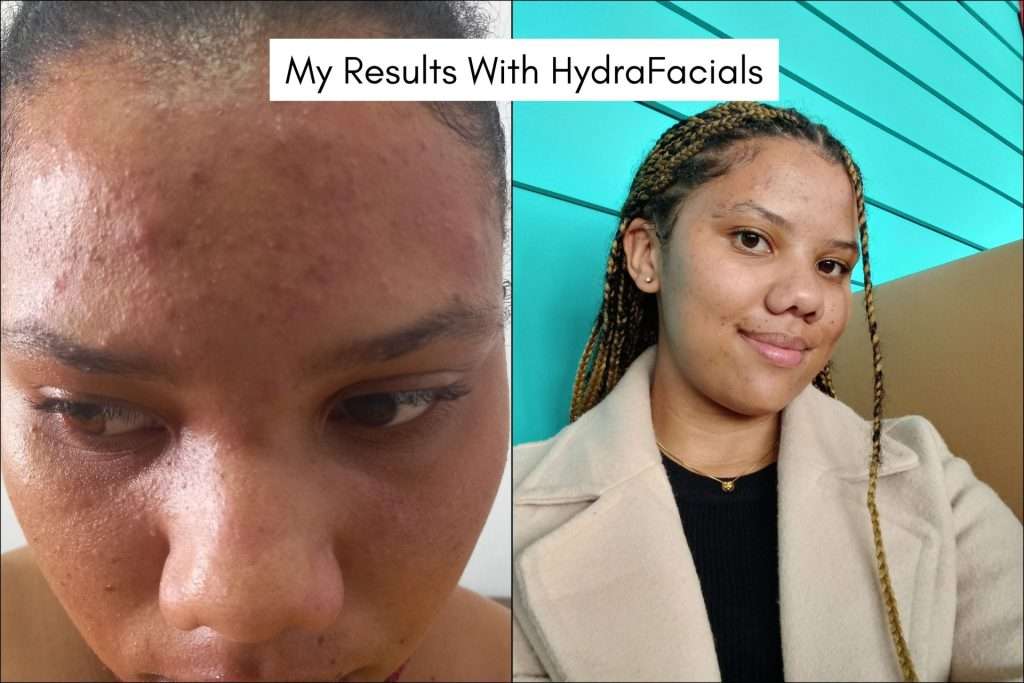
My first-hand experience with Hydrafacial treatments gives me an authentic perspective on their multiple benefits for acne-prone skin.

I understand the consistent struggle with acne-prone skin, and the Hydrafacial has notably amplified my quest for clear skin.

Here are several hydrafacial benefits:

  • Deep Pore Cleansing: The treatment delves deep into the skin, thoroughly purging pores of impurities and excess sebum that fuel acne breakouts. It’s a level of cleanliness that at-home routines can’t replicate.
  • Reduction of Acne Scars: Over time, the exfoliating action of the Hydrafacial has helped minimize the appearance of my acne scars, smoothing out my skin texture and boosting my confidence.
  • Even Skin Tone: The treatment has also aided in reducing the redness and dark spots left by old acne, evening out my skin tone and diminishing discoloration.
  • Regulated Oil Production: With regular treatments, my skin has found a better balance, demonstrating a significant decrease in oil production, which is essential in preventing new acne from forming.
  • Enhanced Absorption of Skincare Products: Post-treatment, my skin absorbs skincare products more efficiently, allowing active ingredients to penetrate deeper and work more effectively.
  • Steady Improvement in Skin Texture: Each session contributes to a progressive improvement in my skin’s texture. It’s smoother and more refined after each Hydrafacial appointment.

Discovering that a single treatment can address a spectrum of acne-related issues was a game-changer for me.

With continued Hydrafacial sessions, the benefits accumulate, leading not just to temporary fixes, but to lasting enhancement of my overall skin health.

What Does Hydrafacial Do for Your Acne-Prone Skin, The Results of Acne-Prone Skin

hydrafacial benefits for acne

I’ve personally witnessed the transformative effect of Hydrafacial treatments on skin like mine, which tends to battle with acne.

Immediately after my first session, I saw my pores appear noticeably smaller, my skin felt smoother, and even those pesky fine lines seemed softened.

But the true magic unfolded with consistent treatments.

Over time, my skin maintained that initial glow, but it also began to feel more resilient, balanced, and clear.

Repeated sessions helped keep excess oil and breakouts at bay, and that improvement in skin texture and clarity wasn’t just a fluke—it became my new normal.

For anyone striving for clearer, more radiant skin, regular Hydrafacial treatments could be a game-changer. The cumulative benefits are a testament to this treatment’s prowess in managing acne-prone skin.

Side Effects of Hydrafacial

While Hydrafacial treatments are known for their safety and minimal risk, it’s possible that some may experience slight side effects.

Post-treatment, individuals with particularly sensitive skin might notice minor redness or feel a touch of sensitivity.

These reactions are typically short-lived and fade away on their own, further emphasizing the treatment’s reputation for being gentle yet effective.

It’s important to recognize that each person’s skin reacts uniquely, but these mild occurrences should not discourage anyone from enjoying the numerous benefits a Hydrafacial has to offer.

How To Avoid Hydrafacial Side Effects, (Best Practices for Aftercare)

To sidestep any potential side effects following a HydraFacial, heed these aftercare tips diligently.

Firstly, I recommend following a disciplined skincare regimen post-treatment.

A non-aggressive cleanser paired with an ultra-hydrating moisturizer forms the cornerstone of this routine.

Moreover, one cannot understate the significance of sunscreen application.

A broad-spectrum SPF not only shields your rejuvenated skin from harmful UVA and UVB rays but also preserves the just-acquired radiance from the HydraFacial.

Secondly, give your skin a brief hiatus from makeup and intense skincare products.

Postpone the use of retinoids, exfoliating acids, and any topical agents that may incite irritation for a few days. This allows your skin ample time to settle and thrive from the HydraFacial’s effects.

Lastly, stay clear of daunting environmental elements such as harsh winds or extreme temperatures.

Equally, stay away from excessive workouts that may amplify the risk of sweat-induced irritation.

By embracing these practices, you’re paving the path for sustained, clear, acne-free skin.

Hydrafacials vs Other Treatments for Acne

While exploring similar treatments for managing acne-prone skin, many may consider chemical peels. These treatments use acids to deeply exfoliate and reveal new skin layers.

However, anyone seeking a gentler alternative might turn their attention to Hydrafacial.

This advanced technology stands out because it merges exfoliation, extraction, and hydration in one soothing procedure.

I’ve found that this approach can be especially advantageous for individuals with sensitive skin or those unwilling to endure the peeling and downtime associated with chemical peels.

The Hydrafacial’s serums are tailored to address various skin concerns, which is particularly beneficial for acne sufferers.

The treatment’s versatility appeals to those grappling with anything from mild comedones to more persistent inflammatory acne.

In my experience, the customizable aspect of Hydrafacial is one of its strongest selling points, enabling a precision-focused plan for clear skin without the harshness often found in traditional acne treatments.

For those put off by the potential discomfort and longer recovery of other procedures, Hydrafacial offers a comfortable experience with almost no downtime.

The gentle suction of the Hydrafacial device works to decongest pores without the aggressive tactics that can leave skin red and irritated.

Moreover, I appreciate the immediate glow and hydration it provides, a contrast to the sometimes arduous peeling process of chemical treatments.

Given these points, it’s clear why many choose a Hydrafacial for their acne-prone skin’s regular care regimen.

Hydrafacial vs Chemical Peel

Choosing between a Hydrafacial and a chemical peel often hinges on your skin’s sensitivity and desired recovery timeline.

Hydrafacial relies on gentle suction and hydrating solutions to purify the skin, offering immediate, radiant results without downtime.

In contrast, chemical peels involve applying a stronger acid solution to the skin, leading to a deliberate shedding process that can necessitate a recovery period, during which the skin may appear red and flaky before revealing a smoother layer.

For individuals with acne-prone skin seeking rapid improvement without the wait, Hydrafacials are a compelling option.

On the other hand, those who can afford some downtime and have more resilient skin may find chemical peels effective for pronounced skin texture concerns and acne scars.

Always consider a consultation with a skincare professional to determine the best route for your unique complexion.

Diamond Glow Facial vs Hydrafacial

Choosing between a Diamond Glow Facial and a Hydrafacial can hinge on your unique skin needs and preferences.

The Diamond Glow facial employs a diamond-tipped wand for exfoliation, aiming to polish away the outer layer of skin.

It’s an effective method for those seeking improved texture and a reduction in the appearance of fine lines.

On the other hand, Hydrafacial uses a water-based solution and suction to cleanse and hydrate, a process that tends to be gentler and more suitable for sensitive or acne-prone skin.

While both facials offer rejuvenating benefits, if your goal is to manage acne and maintain hydration with less potential for irritation, the Hydrafacial might be your match.

In contrast, for tackling more specific concerns like scarring or deeper lines, a Diamond Glow could provide more pronounced results.

Hydrafacial vs Microdermabrasion

A Hydrafacial distinguishes itself from microdermabrasion through its use of water-based technology.

This non-abrasive approach deeply cleanses and hydrates the skin, making it a preferred option for individuals with sensitive complexions.

Microdermabrasion, though successful in skin resurfacing, can be harsher due to its use of fine crystals for exfoliation.

The gentler nature of Hydrafacial can be particularly advantageous for those prone to acne, as it reduces the likelihood of irritating the skin, consequently preventing additional breakouts.

Hydrafacial vs Regular Facial

Regular facials are the staple of skin pampering, traditionally involving steam, painful manual extractions, exfoliation, masks, and massage.

They can certainly feel luxurious, but for acne-prone skin, they might not always address the deeper issues. Enter the Hydrafacial.

This high-tech alternative delves further with its multi-step process, reaching beyond the surface with a level of thoroughness a conventional facial can’t match.

It employs a unique vortex-fusion delivery system that extracts impurities and replenishes the skin with essential nutrients.

The result? An immediate clarity and vitality that’s specifically beneficial for managing acne.

The process not only deals with existing breakouts but also the aftermath, such as dark spots and uneven texture. Hydrafacials can target the oil production and buildup that exacerbate acne, making them an efficient, non-irritating solution for maintaining clear skin over time.

Oxygen Facial vs Hydrafacial

Deciding between an Oxygen Facial and a Hydrafacial can be hard for individuals with acne concerns. The Oxygen Facial is popular for its infusion of oxygen into the skin, which can be beneficial for its antibacterial properties and the promotion of collagen growth.

This makes it a valid choice for soothing active acne and giving skin a plump and luminous appearance. On the other hand, the Hydrafacial offers a multifaceted approach, extracting impurities from the pores with gentle suction and enriching the skin with hydrating serums.

Ideal for reducing oiliness and refining skin texture, it could be more effective for those aiming to tackle a range of acne-related issues.

The right fit for your skin will depend on your existing condition, your goals, and how your skin typically responds to treatments.

What Skin Type Is a Hydrafacial Most Suitable For?

The Hydrafacial treatment is a versatile player in the skincare game, proving effective for a wide range of skin types.

For those with oily skin, I’ve seen how the deep cleansing process helps to unclog pores and regulate oil production, tackling the very issues that often lead to breakouts.

Dry skin types aren’t left out either; the treatment’s hydrating serums imbue the skin with moisture, promoting a balanced and refreshed complexion.

It’s not just about being inclusive for oily or dry skin — the beauty of this treatment lies in its suitability for nearly all skin tones and conditions.

Whether grappling with sensitivity, uneven skin tone, or looking to maintain skin health, the Hydrafacial is a go-to option for many.

It addresses various concerns without discrimination, providing a skincare solution that embraces diversity and delivers results.

Frequently Asked Questions About Hydrafacials

How Long Does a Hydrafacial Take?

If you’re considering a Hydrafacial to address your acne concerns, you’ll be pleased to know that the treatment is efficient and won’t take up much of your day. Typically, a session lasts about 30 to 60 minutes.

That said, the exact time may vary based on your specific skin condition and whether you choose to include any additional services, such as LED light therapy or specialized serums, to enhance your treatment.

But even with these added benefits, you’re looking at an experience designed for your convenience, perfectly fitted to slide into a busy schedule.

Can a Hydrafacial Be Combined With Other Acne Treatments?

Integrating a HydraFacial with other acne treatments can be a strategic approach to enhance skin clarity and texture.

When considering this combination, timing is crucial; I recommend allowing your skin to recover between treatments to prevent overstimulation.

Be mindful of your skin’s sensitivity. For instance, after aggressive treatments like chemical peels, give your skin a rest before scheduling a HydraFacial.

Consult with a skincare professional to tailor the treatment plan to your specific needs, ensuring each therapy complements the other without causing undue stress to the skin.

How Often Should I Get a Hydrafacial?

For me, managing acne-prone skin is an ongoing process that requires careful attention and consistent care.

When incorporating Hydrafacial treatments into your regimen, the recommended frequency to achieve and maintain the best results typically ranges from once every four weeks.

This monthly schedule allows the skin’s natural rejuvenation cycle to benefit from the deep cleansing and exfoliation provided by the Hydrafacial.

However, depending on your specific skin concerns and how your skin responds, some may find that more or less frequent sessions are optimal.

I always advise consulting with a skincare professional who can tailor the treatment plan to your unique needs and monitor your progress.

Regular maintenance can help keep acne at bay and support lasting skin health and clarity.

Is a Hydrafacial Painful?

If the thought of discomfort has you second-guessing a Hydrafacial, let me put your worries to rest.

Unlike other procedures that can be abrasive, the Hydrafacial is known for its gentle touch. You can sit back and relax, knowing that the experience is typically free from pain.

In fact, most people who undergo a Hydrafacial compare it to the light sensation of a spinning brush moving across the face—more soothing than jarring.

There’s no harsh scraping or uncomfortable pressure. It’s the hassle-free path to achieving the radiant, clear skin you’ve been aiming for without the sting of traditional methods.

So, you can enter your appointment with confidence, anticipating the glow without the ouch.

How Soon Can I Expect Results?

You might be wondering how fast you can bask in the glow of a Hydrafacial and wave goodbye to acne’s frustrating presence.

Well, you’re in for a treat. Immediately after your session, expect to see a more radiant complexion.

Me? I saw my skin perk up right away! That satisfying instant gratification is matched with long-term benefits too.

Regular maintenance treatments, spaced out every few weeks, keep your skin in peak condition, helping to fend off future acne battles and maintain that fresh-faced radiance you’ll love.

How to Prepare for a Hydrafacial?

To get ready for a Hydrafacial, halt the use of skin-sensitizing agents such as retinoids and alpha or beta hydroxy acids at least three days beforehand.

My advice is to let your skin rest and steer clear of harsh sun exposure during these three days, which could amplify skin sensitivity.

It’s also prudent to hang fire on facial injectables, like Botox, a fortnight prior; they need time to settle without being disturbed by facials.

And if you’re expecting or nursing, I suggest checking in with your healthcare provider before going in for your Hydrafacial – better to play it safe for both you and your baby.

How Much Is a Hydrafacial?

The price of a HydraFacial can vary considerably based on several factors.

These include your geographic location, the experience level of the skincare professional, and any additional treatments or boosters you may opt for during your session.

On average, you can expect to spend about $200 to $350 for a basic HydraFacial.

However, when extra services like LED light therapy or lymphatic drainage are added, this cost may increase.

It’s always best to consult with your chosen medical spa or dermatologist’s office to obtain an accurate estimate specific to your needs and the details of their offered treatments.

Do Hydrafacials Clear Skin?

I can personally attest to the profound impact of Hydrafacial treatments on acne-prone skin.

After incorporating regular sessions of this non-invasive and highly tailored treatment into my skincare routine, I observed a significant improvement not only in the frequency and severity of acne breakouts but also in the overall clarity and tone of my skin.

The effective combination of deep cleaning, exfoliation, and nourishment has consistently granted me a clearer and more radiant complexion.

It’s a game-changer for anyone yearning for smooth, healthy-looking skin without the downtime associated with more aggressive treatments.

[jetpack-related-posts]

How is Dermaplaning Facial Different From A Chemical Peel

Filed Under: Skin // 07/28/2024

dermaplaning vs chemical peel

What is Dermaplaning?

Dermaplaning is a Facial treatment in which dead skin cells and peach fuzz are scraped off the surface of the skin with a scalpel with instant results.

While dermaplaning removes fine facial hairs, the procedure differs from shaving in terms of the tools used, the amount of skin removed, and the person performing the procedure.

Dermaplaning treatment involves the use of a hand-held instrument called a dermatome to address deep acne scars.

Resembling an electric razor, the dermatome features an oscillating blade that moves back and forth, effectively “skimming” off the top layer of your skin surrounding facial craters or other defects to better the appearance of the skin.

Related Post: Does Dermaplaning Facial Cause Acne Breakouts

What Skin Type is Dermaplaning Best For?

Dermaplaning is beneficial for virtually all skin types, offering more than just the removal of peach fuzz and the top layer of dead skin cells.

It can effectively diminish the visibility of acne scars, deep wrinkles, rough skin, and dry skin, as well as fix pigmentation issues and age spots, leaving you with brighter skin and a smooth finish.

If you have a specific skin condition such as fine lines, oily skin, wrinkles, hyperpigmentation, or simply desire facial hair removal, a dermaplane treatment is likely a suitable option for you and will give you optimal results.

Importantly, dermaplaning is generally considered safe for most individuals, including those with sensitive skin, rosacea, and even pregnant women as it is a non-invasive procedure.

Related Post: 15 Best Spa Facials & Facial Treatments For Acne-Prone Skin

What is a Chemical Peel?

A chemical peel is a skincare treatment that involves applying a chemical solution to the skin to exfoliate and remove old, dead cells.

This process reveals a new layer of skin beneath, which is usually smoother and less wrinkled than the old skin surface as new skin cells are revealed for a smoother surface and fresh skin.

Typically, a chemical peel is a method of exfoliation that aims to enhance the texture of the skin, minimize the appearance of fine lines, and address various skin concerns, including dark spots, acne scars, and uneven skin tone.

By promoting the shedding of the top layer of the skin, different types of chemical peels can also aid in better absorption of skincare products, making them more effective.

The type of peel used and the strength of the peel will vary, tailored to address individual skin types and specific skin issues therefore offering the best results for your aesthetic goals.

  • How To Prepare Before A Chemical Peel Treatment
  • The Ultimate Guide to Sunscreen After Chemical Peels
  • How Long Does Skin Peeling Last After A Chemical Peel

What Skin Type Is a Chemical Peel Treatment Best For?

Identifying your skin type and specific concerns will guide you to the proper chemical peel.

Light peels with glycolic or lactic acid can gently renew your skin’s surface with minimal downtime.

Salicylic acid peels target oily and acne-prone areas, seeking to clarify and refine pores. For those like me with more persistent issues such as moderate lines, hyperpigmentation, or deeper acne scars, medium depth peel to deep peels using trichloroacetic acid can reach into the skin’s deeper layers for a more pronounced rejuvenation.

My dermatologist advised me that the intensity of the peel should match both the condition being treated and my skin’s natural resilience to ensure safety and achieve the most flattering outcome and immediate results.

How is Dermaplaning Different from a Chemical Peel?

Dermaplaning and chemical peels both target the goal of vibrant, smooth skin yet follow distinct maps to get there.

With dermaplaning, you’re taking a physical approach, using a surgical blade to carefully remove the top layer of skin that is dulling dead cells and that soft vellus hair, often called peach fuzz.

It’s the best way to scrape away the old, and even helps with collagen production.

Chemical peels, on the other hand, lead you down a more complex path.

They’re exfoliation treatments that are all about chemical solutions and a deeper peel, like glycolic or salicylic acid, that break down and removes the upper stratum of my skin (deeper layers of the skin).

Diving deeper into the skin’s surface, chemical peels can accelerate cell turnover and are a better treatment plan for skin conditions like active acne, dark spots, and fine lines.

The crossroads between these forms of exfoliation are clear: physical versus chemical—a blade versus a solution—and their impact and final results.

Dermaplaning grants you immediate smoothness by banishing fuzz and surface debris, whereas chemical peels hunker down for a deeper level of exfoliation, aiming to rejuvenate and repair the skin on a more deep exfoliation.

From a practical standpoint, understanding these main junctures between the two helps me align my skin’s needs with the most suitable route to glowing results.

What is Physical Exfoliation?

physical exfoliation

I’ve been on a quest to unlock the secret to radiant skin, and I’ve learned one method that stands out is physical exfoliation.

This is all about taking a tool, like an exfoliating mitt or a brush, and manually scrubbing away those pesky dead cells that cling to the surface of my skin and give the appearance of smoother skin.

It’s almost like clearing out the old to make way for the new. I’ve found that it’s not just about sloughing off dry patches but invigorating my skin, giving it a new kind of freshness each time I exfoliate.

Types of Physical Exfoliants

Physical exfoliants come in several forms, each designed to slough away dead skin cells and reveal fresh, more vibrant skin underneath.

I’ve come across many cosmetic treatments while exploring ways to smooth my skin’s texture. 

  • Scrubs: These have small, gritty particles like sugar, salt, or jojoba beads that physically buff away the surface layer of dead skin when massaged into the face or body.
  • Brushes: Manual face or body brushes can be used to exfoliate. Electric facial brushes are an upgrade, providing a deeper cleanse with oscillating, spinning, or sonic technology.
  • Sponges and Cloths: Products like konjac sponges or microfiber cloths mildly exfoliate when used to wash the skin, suitable for those who prefer gentler alternatives.
  • Microdermabrasion Kits: At-home kits mimic the professional treatment, using fine crystals or a diamond tip to exfoliate the skin.
  • Dermaplaning: This in-office treatment involves a medical-grade scalpel, gliding over the skin to remove the very top layers, including fine facial hair known as peach fuzz.

Each method has its place in skincare routines, but for me, dermaplaning has a unique appeal for its precision and the way it leaves my skin looking particularly smooth and ready to absorb skincare products.

Dermaplaning as a Physical Exfoliant

I’ve tried my fair share of scrubs and exfoliating tools, but dermaplaning?

Now, that’s a game-changer. It’s the kind of exfoliation that feels deeply satisfying because it’s immediate; you can see and feel the difference in your final result right there.

And the smoothness? Let’s just say makeup glides on like a dream afterward.

There’s also this deeply gratifying sense that my skin can finally breathe, undisturbed by the fine hairs and rough layer that had been gatekeeping serums and moisturizers from sinking in as effectively as they could.

Dermaplaning is that professional-grade, physical buff and polish that revitalizes the face and creates a luminous canvas for anything I choose to apply next, plus there is no recovery time needed.

Related Post: Benefits of A Dermaplane Facial (Dermaplaning Effects On Your Skin)

What is Chemical Exfoliation?

chemical exfoliation

Chemical exfoliation stands out from dermplaning because it is a method where active ingredients within a solution work to dissolve and clear away dead skin cells from the surface of your skin.

This approach goes beyond mere surface cleaning; it stimulates new skin cell production beneath, leading to an increase in cell turnover.

Ingredients typically found in these skin peels include alpha hydroxy acids (AHA’s) and beta hydroxy acids (BHA’s), among others, each with specific properties that target various skin concerns.

As these chemicals break down the bonds holding older, dull cells to the skin’s surface, they reveal fresher, younger-looking skin underneath.

The result? A smoother, clearer, and more radiant complexion that feels rejuvenated and renewed.

Types of Chemical Exfoliants

Chemical exfoliants play a key role in skincare routines tailored for brighter, smoother, and more youthful-looking skin.

These active compounds fall under two primary categories: alpha hydroxy acids (AHA’s) and beta hydroxy acids (BHA’s), each serving distinct purposes.

Alpha Hydroxy Acids (AHA’s) 

Alpha Hydroxy Acids (AHA’s) are water-soluble acids extracted from fruits or milk.

Glycolic acid, one of the most common AHA’s, derived from sugar cane, works wonders on the skin’s surface, loosening the bonds that cling dead cells together.

This promotes exfoliation and reveals fresher, revitalized skin underneath. Lactic acid, another AHA, offers milder exfoliation, making it ideal for sensitive skin types or those new to acid-based skincare as it is a more gentle to medium peel.

Beta Hydroxy Acids (BHA’s)

Beta Hydroxy Acids (BHA’s), with salicylic acid as a standout, they are stronger peels and are oil-soluble, allowing them to penetrate deep into pores to dissolve sebum and exfoliate dead skin cells.

Good candidates for these deep chemical peels are people with blackheads and acne due to their ability to reach into the pore lining and perform a thorough cleanse.

Both AHA’s and BHA’s encourage cell turnover, but they target different skin concerns.

AHA’s tackle the appearance of fine lines, uneven skin tone, and texture, while BHA’s focus more on deep pore cleansing and reducing blemishes.

Using these exfoliants can lead to visibly brighter, clearer, and more even-toned skin.

Chemical Peel as a Chemical Exfoliant

I appreciate the tailored approach of a chemical peel.

It allows me to select a formula that aligns with my specific skin worries. Light peels with glycolic acid can tackle dull skin and minor pigmentation, while salicylic acid works wonders on my persistent acne.

For a more profound effect, trichloroacetic acid dives deeper, improving the look of moderate lines and sun damage—something my sunscreen habit hasn’t fully shielded me from. It’s a relief to have a treatment that adapts with me, reflecting my skin’s ongoing journey.

Can You Combine Dermaplaning and a Chemical Peel?

I’ve discovered that using a chemical peel in combination of dermaplaning can pack a powerful punch for exfoliation.

This dynamic duo work well together when you first remove the peach fuzz and dead skin with the precise stroke of a scalpel during dermaplaning.

After that, the chemical peel goes to work, diving deeper into the skin to help shed the lingering layers of dead cells and promote rejuvenation.

The result is not just cleaner skin but also an enhanced ability for skincare products to penetrate effectively.

However, while the combination sounds like a clear win, it’s not a one-size-fits-all solution.

You have to consider your skin’s sensitivity, as this two-step routine can be quite intense, and not everyone’s skin can handle the double exfoliation.

So, it’s essential to consult a professional who can assess whether your skin can take this two-tier approach.

Otherwise, you might experience irritation or redness.

As for me, I keep this powerful pairing for occasions when my skin needs a serious reset, ensuring I get that extra boost for a radiant, smooth canvas.

[jetpack-related-posts]

5 Best Eye Creams for Dark Circles, Tested and Reviewed

Filed Under: Skin // 07/28/2024

eye creams

Dark circles, which can range from a light shadow to nearly bruise-like, are one of the most difficult skin care issues to resolve.

However, depending on the cause, a brightening eye cream may be able to help, at least temporarily.

They emphasize on waking and stimulating the eye area with substances like vitamin C and niacinamide, and many offer refreshing effects as well. Continue reading if you desire brighter under eyes in your future.

What Are Eye Creams?

Eye creams are products that are intended to minimize the appearance of skin aging around the eyes. Fine lines, wrinkles, and dark circles are all signs of age.

Eye creams have a thicker texture and more oils than typical facial creams. This is due to the fact that the skin surrounding the eyes is sensitive and delicate, requiring less moisture than the rest of the face.

However, eye creams enter more quickly into the eye area, and if a person uses powerful lotions, their skin may become irritated.

What Causes Dark Circles?

They are merely genetic in certain circumstances.

Others, however, are caused by external and behavioral variables. Lack of sleep, dehydration, excessive alcohol consumption, smoking, and poor nutrition are all potential causes of dark circles, underlying medical issues such as anemia or vitamin deficiencies can also play a role.

They also tend to become more noticeable with age. Over time, the natural aging process causes volume loss, particularly in the area beneath the eye. Because the skin on the eyelids is thinner, it is easier to see the vasculature beneath when there is a loss of volume, making the area appear darker.

Allergies are another cause, as are other skin issues. Other dermatologic conditions, such as contact dermatitis, can cause inflammation in the area, resulting in post-inflammatory hyperpigmentation (PIH).

Some of the things that can cause dark circles beneath the eyes are as follows:

  • aging
  • excessive sun exposure
  • hyperpigmentation
  • smoking
  • dehydration
  • allergies such as hay fever

Related Post: How to Treat Dark Circles, Under-Eye Puffiness, and Lines

How To Use Eye Creams

Many firms advise customers to use eye cream twice a day, after cleansing and before moisturizing their face.

Some manufacturers give recommendations on how to include the cream into a person’s skincare routine if they use other products, such as toners.

To de-puff and promote circulation, I like to give a light eye massage before bedtime, pinching the tops and bottoms of my eyebrows and below my eyes.

Because rubbing causes discoloration, it is best to apply by tapping lightly or with a metal or ceramic applicator, starting from the center of the face and moving outwards.

Benefits Of Eye Creams For Dark Circles

The skin around your eyes is incredibly thin and frequently exhibits the earliest noticeable indications of skin aging. Because this skin is so fragile, you should use a cream specifically designed for the under-eye area.

Products for the eyes can target:

  • puffiness around the eyes, dark circles
  • wrinkles fine lines
  • hyperpigmentation

Treating the delicate eye contour area is all about prevention, so the earlier you start using an eye contour product, the better. Remember though that aging skin isn’t the main cause of dark circles.

The effectiveness of eye creams may vary depending on the underlying cause of the dark circles.

Lifestyle changes such as adequate sleep, hydration, and a healthy diet, along with treatment of any underlying medical conditions, may be the first step in the treatment plan for some people.

The eye creams may not produce immediate results, so consistent use may be required to see these longer-term benefits.

There are several formulae or compounds available to address pigmentation, overall puffiness, and the aging process. Brightening creams with ingredients like vitamin C, kojic acid, and niacinamide may be helpful.

If the dark circles are caused by underlying swelling or puffiness, consider caffeine or vitamin K creams instead. Retinol can help boost collagen production in those who are experiencing more age-related changes.

Top 5 Best Eye Creams To Revive And Refresh Your Under Eyes

Whether you have fine lines and wrinkles, dark circles, or puffiness around your eyes, these eye creams will be your savior throughout your twenties and beyond.

Once you’ve incorporated this core product into your daily skincare routine, your eyes will look younger, fresher, and more alive in no time.

best eye creams for dark circles

1

Ole Henriksen Banana Bright Eye Cream

$34 AT AMAZON

The Banana Bright Eye Crème is another fantastic anti-aging eye cream that is designed with banana powder pigments (which are recognized for their brightening abilities), vitamin C, aloe juice, and green tea extracts.

This lightweight little tub of magic will gradually minimize dark circles, fill in fine lines and wrinkles, and firm and hydrate your under-eyes, while instantly rejuvenating and awakening your tired eyes, giving your under-eyes a glow every day.

affordable eye cream for dark circles

2

RoC Retinol Correxion Under Eye Cream for Dark Circles & Puffiness

$15 AT AMAZON

Consider this RoC eye cream filled with retinol—one of my top selections since it contains retinol intended for the thin skin of the under-eye, which helps promote collagen synthesis.

It’s a fantastic drugstore solution that contains retinol, hyaluronic acid, and glycerin to aid with dark circles, fine lines, and wrinkles. All for the reasonable price of $15.

However, because retinol can be irritating and increases the risk of sunburn, it may not be suited for persons with more sensitive skin.

eye creams

3

SkinCeuticals A.G.E. Eye Complex

$160 AT AMAZON

SkinCeuticals A.G.E. Eye Complex For Dark Circles is an excellent choice, particularly for mature skin.

This is ideal for anyone suffering from severe dryness and lack of elasticity, which is common in mature skin—it’s an intensely moisturizing cream with exfoliating blueberry extract. It instantly helps the eyes look more radiant and, with constant usage, gives more youthful-looking skin in the long run.

This eye cream contains a mix of flavonoids and synergistic peptides that help minimize the look of dark circles and under-eye bags.

Other elements in the cream, according to SkinCeuticals, inhibit the formation of wrinkles and replenish water and nutrients to the area.

The product contains no alcohol or dyes.

eye creams

4

ISDIN K-Ox Under-Eye Brightening Cream

$97 AT AMAZON

The ceramic applicator on this option may be the first appeal, but what’s inside is equally impressive.

It contains hyaluronic acid and vitamin K, which assist to reduce dark circles and puffiness, and the ceramic application can provide a cooling effect, which may aid with swelling.

The large blood vessels and hemosiderin deposits that give the area a purple color are visible through the thin skin of the eyelids. It contains vitamin K, which treats the darkness, haloxyl, which improves firmness and tone, and hyaluronic acid, which improves moisture while moisturizing.

best eye creams

5

La Roche-Posay Redermic R Eyes Retinol Eye Cream

$50 AT AMAZON

The La Roche-Posay Pigmentclar is an all-around solid eye cream that is powered by niacinamide, caffeine, and the brand’s thermal spring water. Even better, it has a cooling metal applicator that helps to relax and decongest the under-eye area after each application.

Which Cream Is Best To Remove Dark Circles Under Eyes?

Because these treatments moisturize and firm the skin, any cream that is appropriate for use around the eyes may enhance the look of dark circles.

People should always examine the ingredient list before purchasing a product to ensure it does not include an ingredient to which they are allergic.

Ingredients To Look For In Eye Creams

Eye creams are available in a variety of formulae and consistency, with a variety of components meant to meet a number of skin care aims.

“The key to choosing the right product for under the eyes is understanding what is causing those dark under-eye circles in the first place,” Ilyas says.

The optimal product for you may be determined by the underlying cause of your eye problems. Consider the following crucial ingredients:

Hyaluronic Acid

This naturally produced glycosaminoglycan is found in connective tissue throughout your body. It assists your skin in retaining water and remaining hydrated.

To keep the skin under your eyes maintained and hydrated, we recommend creams containing hyaluronic acid, as well as peptides and ceramides.

Caffeine

Caffeine can do more than just get you through a workday slump. It may also be beneficial to your eyes.

Caffeine is a well-known and well-liked chemical that is frequently found in under-eye treatments because it works to constrict the blood vessels beneath the eyes.

This chemical can also aid to brighten the under-eye area, making weary eyes appear more awake.

Vitamin C

Dark circles are often accompanied by dull skin around the eyes, but using an eye lotion high in vitamin C may help brighten up your under-eye area.

Vitamin C is a potent antioxidant that can brighten the under-eye area, fortify thinning skin, and increase collagen formation – a protein that keeps your skin smooth and elastic.

When it comes to brightening, vitamin C is a go-to.

In certain conditions, it can help reduce the appearance of dark circles when combined with other antioxidants. There isn’t much you can do to help if the discoloration is inherited or caused by bone structure.

Retinoid

The skin around your eyes may thin with age and eventually take on a crepe-like look. Fine lines, sometimes known as crow’s feet, can form over time.

If thinning skin is the problem, look for an eye cream that contains a light retinoid that can help thicken the skin over time.

By assisting with skin cell turnover, retinoids help reduce the body’s natural decrease in collagen production.

However, remember retinoids are extremely potent, so proceed with caution — and use a product designed specifically for the under-eye area. When it comes to applying retinoid cream, a little goes a long way.

Peptides

Increase collagen production to plump the skin and maybe minimize dark circles.

[jetpack-related-posts]
  • « Previous Page
  • 1
  • …
  • 4
  • 5
  • 6
  • 7
  • 8
  • …
  • 18
  • Next Page »

Copyright © 2026 · Theme by Marketing Templates Co.

We use cookies on our website to give you the most relevant experience by remembering your preferences and repeat visits.Read More By clicking “Accept All”, you consent to the use of ALL the cookies. However, you may visit "Cookie Settings" to provide a controlled consent.
Cookie SettingsAccept All
Manage consent

Privacy Overview

This website uses cookies to improve your experience while you navigate through the website. Out of these, the cookies that are categorized as necessary are stored on your browser as they are essential for the working of basic functionalities of the website. We also use third-party cookies that help us analyze and understand how you use this website. These cookies will be stored in your browser only with your consent. You also have the option to opt-out of these cookies. But opting out of some of these cookies may affect your browsing experience.
Necessary
Always Enabled
Necessary cookies are absolutely essential for the website to function properly. These cookies ensure basic functionalities and security features of the website, anonymously.
CookieDurationDescription
cookielawinfo-checkbox-analytics11 monthsThis cookie is set by GDPR Cookie Consent plugin. The cookie is used to store the user consent for the cookies in the category "Analytics".
cookielawinfo-checkbox-functional11 monthsThe cookie is set by GDPR cookie consent to record the user consent for the cookies in the category "Functional".
cookielawinfo-checkbox-necessary11 monthsThis cookie is set by GDPR Cookie Consent plugin. The cookies is used to store the user consent for the cookies in the category "Necessary".
cookielawinfo-checkbox-others11 monthsThis cookie is set by GDPR Cookie Consent plugin. The cookie is used to store the user consent for the cookies in the category "Other.
cookielawinfo-checkbox-performance11 monthsThis cookie is set by GDPR Cookie Consent plugin. The cookie is used to store the user consent for the cookies in the category "Performance".
viewed_cookie_policy11 monthsThe cookie is set by the GDPR Cookie Consent plugin and is used to store whether or not user has consented to the use of cookies. It does not store any personal data.
Functional
Functional cookies help to perform certain functionalities like sharing the content of the website on social media platforms, collect feedbacks, and other third-party features.
Performance
Performance cookies are used to understand and analyze the key performance indexes of the website which helps in delivering a better user experience for the visitors.
Analytics
Analytical cookies are used to understand how visitors interact with the website. These cookies help provide information on metrics the number of visitors, bounce rate, traffic source, etc.
Advertisement
Advertisement cookies are used to provide visitors with relevant ads and marketing campaigns. These cookies track visitors across websites and collect information to provide customized ads.
Others
Other uncategorized cookies are those that are being analyzed and have not been classified into a category as yet.
SAVE & ACCEPT