• HOME
  • RELATIONSHIPS
  • HOLIDAYS
  • WELLNESS
  • CAREER & FINANCE
  • FASHION
  • BEAUTY
  • LIVING

Advice From Nobody

You are here: Home / Archives for AdviceFromNobody

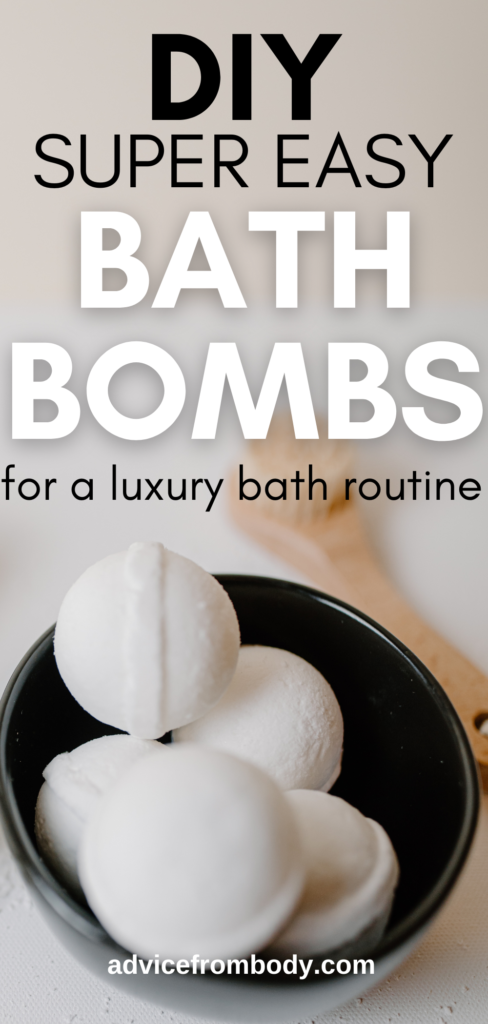
DIY Bath Bomb Recipe

Filed Under: DIY Beauty // 04/05/2023

homemade bath bomb recipe

This easy-to-make DIY only requires a little mixing, some gentle spritzing, and a short period of molding, and by the end, you’ll have dozens of bubbling bath bombs in a variety of shapes and colors, which will smell and soften bath water as they bubble.

No matter who is on your list, they make wonderful presents. Play around with colors and scents; for instance, combine yellow and red to create orange, or try mixing lemon and lavender.

Bath bombs have become a hugely popular product to brighten at-home self-care. They make bath time fun for kids and relaxing for adults. This DIY bath bomb recipe allows you to enjoy the luxury bath at home without the expensive price tag.

Using common, budget-friendly ingredients, I’ll show you how to make these DIY Bath Bombs at home.

What You’ll Need

-Baking soda (aluminum free is best)

-Cornstarch

-Citric acid

-Spritzer bottles

-Food coloring or you can use Mica powder which is a natural soap colorant that is safe for use in bath bombs.

-Essential oils

-Baking molds

-Epsom salt (magnesium sulfate)

-Coconut oil or Argon oil

How To Make Bath Bomb

Step 1

Sift 1 3/4 cup baking soda, 1 cup citric acid, 1 cup of Epsom salt, and 2 cups cornstarch to make a powdered mixture and run it through a sieve to remove chunks. To make different tints, fill small spritzer bottles with water and add about 6 drops of food coloring to each.

Or if you’re using mica powder you’ll mix that in with the dry ingredients.

Step 2

Pour 1 cup of powdered mixture into a glass bowl. Then lightly spritz, stirring after each spritz, until the powder is your desired color. Add water slowly, so the mixture does not fizz. If mixing two tints, alternate colors as you spritz. You will do this with only water and no food coloring if you’re using mica powder.

Check the consistency of the powder with your fingers; when it can be tightly packed or shaped, stop spritzing—this may take a little while.

Step 3

Select an essential oil. Add 5 drops if it’s one of the stronger scents—like peppermint or lavender—6 if it’s a weaker one—like lemon or grapefruit. You can choose different scents based on what you need for that day. Also, take this time to add about 10 drops of coconut or argon oil to the mixture

Mix it well before firmly packing the mixture into small baking molds. I like to use 1/4 cup for each fizzy, which is good for one bath. Allow the mixture to set for two hours, then pop out carefully. Repeat with different tints and essential oils for the remaining powder.

Step 4

Store in an airtight container for up to six months. You can also wrap them in plastic wrap. If you want to get really fancy, you can use shrink-wrap sleeves to wrap your bath bombs. Heat them with a blow dryer or heat gun to shrink the wrap around your homemade bath bombs.

When you’re ready to use the bath bomb, simply drop it in your bath water and let it fizz and dissolve. It should take about 30 seconds for it to dissolve completely.
[jetpack-related-posts]

How To Make Whipped Body Butter

Filed Under: DIY Beauty // 04/05/2023

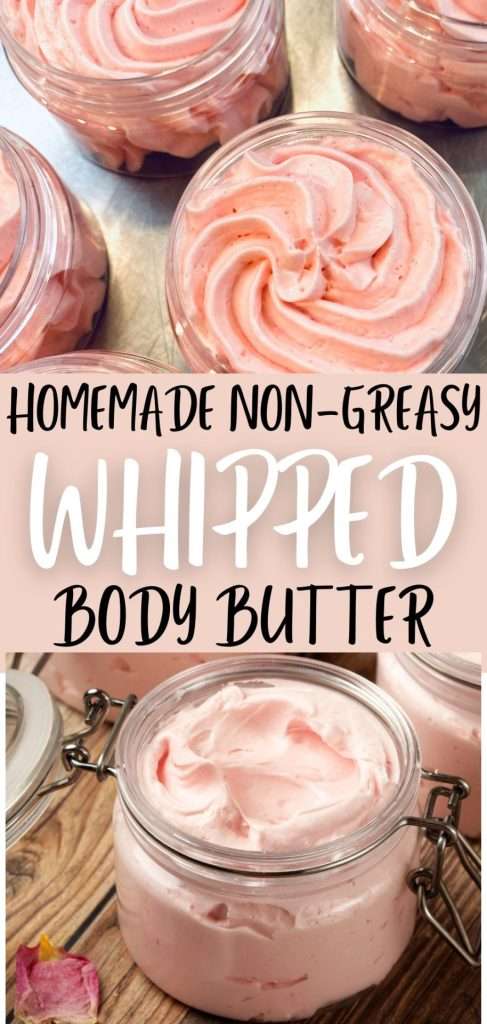
homemade non-greasy whipped body butter

This DIY whipped body butter recipe is perfect for the winter months if you have really dry skin.

If you’re anything like me, your skin gets super dry in the cold, and well I love in a really cold area. In the winter, when the air is so dry and I’m taking hot showers, my skin gets so dry.

This body butter goes on smooth and is so nourishing for the skin.

Anything that you put on your skin can absorb right into your body. That is why I love making my own homemade products.

All the ingredients are pure enough to cook with and I know exactly what goes into it.

For this recipe, you only need a few basic ingredients: shea butter, cocoa butter, and coconut oil. I also add essential oils for scent and the amazing health properties they have.

This body butter recipe is so light and fluffy it almost feels like a cloud!

In this post, you’ll learn how to create homemade body butter from natural ingredients!

What Is Body Butter?

You’re in for a surprise if you’ve never used body butter!

It is similar to butter for your skin, well it’s exactly butter for your skin. Anyone can easily make their own body butter at home.

It’s so easy; all you have to do is combine your favorite oils by melting and whipping them together and you’ll have a lovely body butter.

Although I adore my standard whipped coconut oil moisturizer, it dissolves at room temperature and can sometimes be a little too greasy.

You can choose to experiment with some of your favorite plant-based butters because we all need a decent moisturizer that isn’t overly oily and creates a lovely body butter recipe.

This homemade body butter has a beautiful scent and sensation.

Additionally, it is incredibly nourishing and will make your skin feel incredibly smooth.

You can leave it as it is or add essential oils to create a great-smelling body butter for yourself or as a gift. Plus, it’s really great if you have sensitive skin.

How To Make Whipped Body Butter

Ingredients for Whipped Body Butter:

  • 1/3 Cup coconut oil: There is nothing else like organic coconut oil for your skin! Coconut oil can penetrate the skin more thoroughly than other products due to its low molecular weight and way of attaching to proteins. This is the one I use.
  • 1/3 Cup shea butter: For dry skin, shea butter is a powerful emollient. It’s the ideal ingredient to include in your body care recipes because of its emollient qualities, particularly in body butter. This is the one I use.
  • 1/3 Cup cocoa butter wafers: Lotions, creams, and body butter will gain a viscous and creamy consistency from cocoa butter, which softens at body temperature. Vitamin E, another natural antioxidant, as well as a number of other vitamins and minerals, are also present in cocoa butter. These are the ones I use.
  • 1/3 Cup jojoba oil: Low comedogenic jojoba oil is a carrier oil that moisturizes and calms irritated skin. Sweet almond oil, which contains fatty acids and vitamins A and E and penetrates the skin rapidly, is a suitable alternative to jojoba oil if it is not available. This is the one I use.
  • 2 Teaspoon arrowroot powder: Due to its oil basis, this moisturizer may feel a little greasy on some skin types. Cornstarch or arrowroot powder can be added to reduce the greasy sensation on your skin. In the absence of arrowroot flour, corn starch or tapioca starch are suitable alternatives. This is the one I use.
  • Essential oils (optional): These plant-based oils are better than synthetic fragrances because they are all-natural. Don’t go overboard, though; just a few droplets will do to flavor homemade body butter.

Also read: 21 Soothing DIY Bath Salt Recipes With Essential Oils For Every Mood

Why These Ingredients:

  • Coconut oil – is moisturizing, can help promote wound healing, and has antibacterial, antifungal, and antiviral properties.
  • Jojoba oil – is very moisturizing, and promotes wound healing while also having anti-inflammatory properties. Jojoba oil can also have anti-aging properties.
  • Cocoa butter – can help keep in moisture by giving skin a protective barrier.
  • Shea butter – is rich in antioxidants, highly moisturizing, and promotes skin healing.
  • Essential oils. – because they smell nice and they have many great properties.

Directions for Making Your Whipped Body Butter:

  • Melt the coconut oil, cocoa butter, and shea butter in a double boiler or saucepan over low heat to create your body butter. In the absence of a double boiler, a sizable glass measuring cup will do.
  • Then turn off the heat and stir in the jojoba oil and essential oils, if using, to the warmed cocoa butter and oils. To add the essential oils, just mix thoroughly.
  • Place the mixture in the refrigerator after pouring it into a medium glass bowl. About two hours of cooling time is required. As an alternative, you could chill the oils in the fridge.
  • When the mixture is completely solid, take the dish out of the refrigerator, put it in your stand mixer, and whip the body butter with it (a hand mixer also works if that’s what you have). When the body butter is light and airy, add the arrowroot flour and beat again.
  • Finally, scoop the body butter into containers and store it in a cool, dry place.

Tips For Making DIY Body Butter

  • This makes a really great gift for friends and family.
  • You can double or triple this recipe.
  • Be careful using citrus oils, like lemon or orange, since they can make your skin sensitive to the sun. If you do use them, don’t go out in the sun for awhile. Or, simply use this body butter at night.

How To Store Homemade Whipped Body Butter

The oils and butter in this dish could melt if kept in a warm environment because they are natural and oily in nature.

This body butter should therefore be stored in a cold, dry environment. Then, if the oils begin to melt by accident, you can refrigerate the butter and re-whip it.

If stored in an air-tight jar in a cool dark place, this body butter will keep for up to 6 months. If you would like to keep it for longer, you could add preservatives to it.

Although I have not directly added a preservative to this whipped body butter, I would choose Geogard ECT (Preservative ECO, Plantaserv M). In the mixture, this preservative should make up 0.6% to 1%.

I recommend opting for natural preservatives like vitamin E oil or rosemary extract if you intend to store the body butter for an extended period.

These natural preservatives can help prolong the shelf life of your homemade product without introducing harsh chemicals.

Another option to consider for extending the shelf life is to store the body butter in smaller containers.

This reduces the exposure to air and contaminants each time you open a jar, helping to maintain the freshness of the product for a longer duration.

Additionally, it’s essential to keep your body butter away from direct sunlight and high temperatures, as these can accelerate the breakdown of the natural ingredients and cause the product to spoil more quickly.

For those who enjoy experimenting with different scents and textures, you can customize this recipe further by incorporating different essential oils or botanical extracts.

Lavender, chamomile, or rosemary essential oils are popular choices for their soothing properties, while citrus oils like lemon or orange can lend a refreshing scent.

You could also try adding a tablespoon of aloe vera gel to the mixture for added hydration and soothing benefits, especially beneficial for sun-exposed or irritated skin.

Furthermore, if you prefer a firmer body butter, you can adjust the ratio of oils and butters in the recipe.

Increasing the amount of cocoa butter or shea butter will result in a firmer consistency, while adding more liquid oils will make the body butter softer and more spreadable.

Experimenting with different combinations of oils and butters can lead to unique textures and scents that cater to your specific skincare needs and preferences.

Have fun exploring and creating your signature homemade body butter recipe!

Pin For Later!

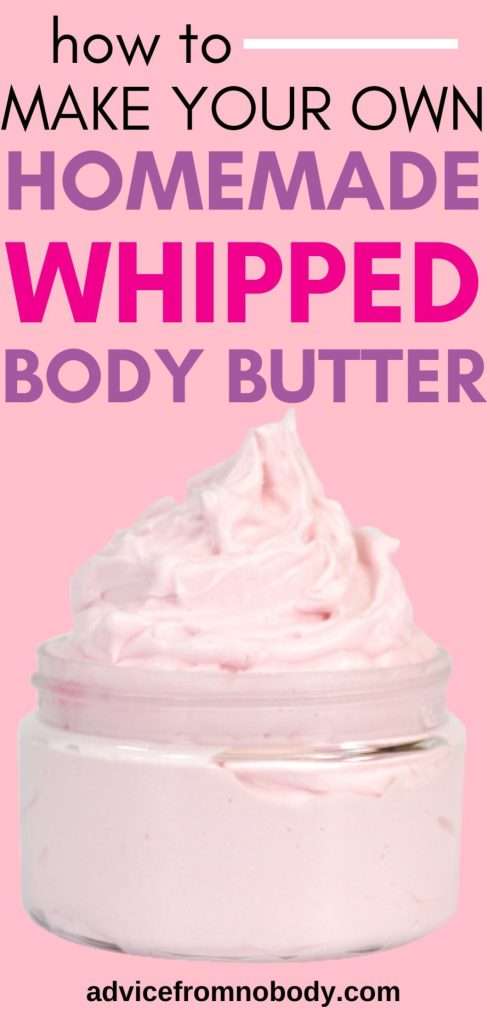
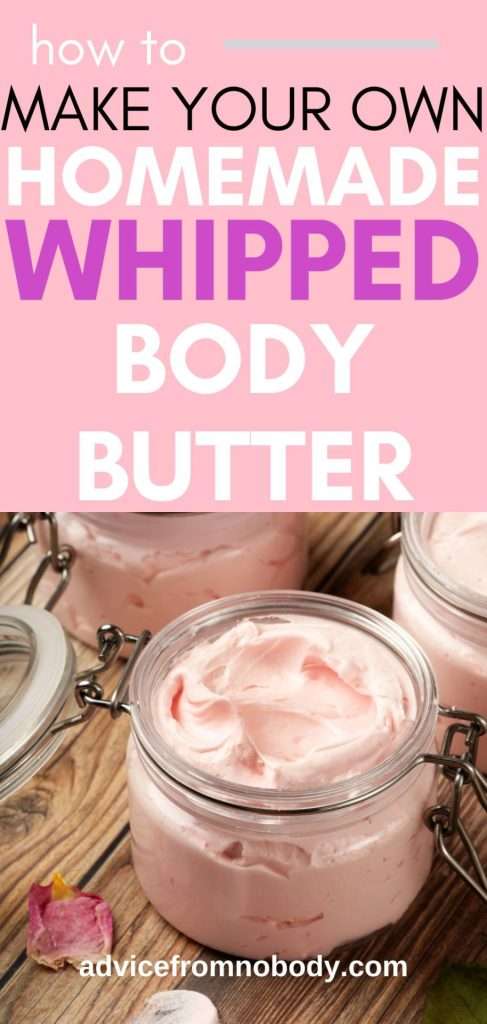
how to make your own homemade whipped body butter
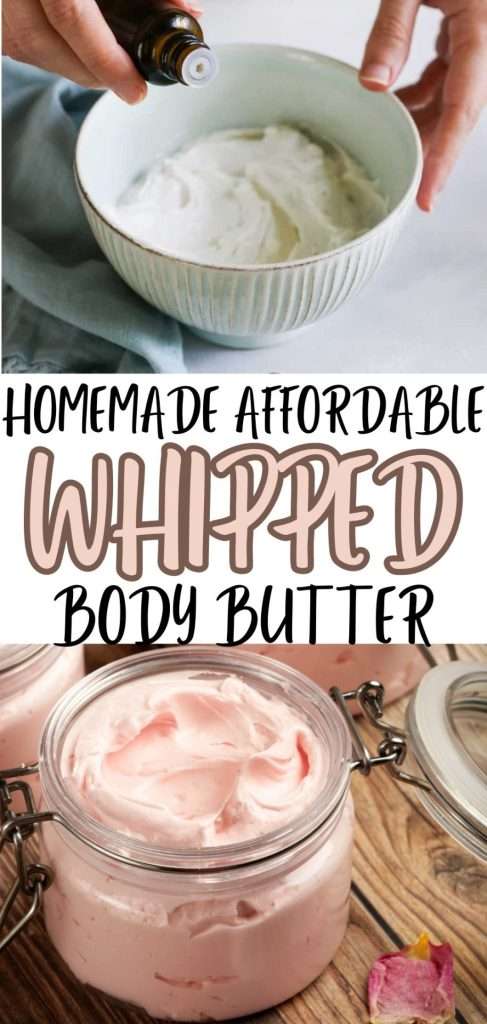
homemade affordable whipped body butter
how to make your own homemade whipped body butter
[jetpack-related-posts]

10 Micro Habits That Will Change Your Life

Filed Under: CAREER & FINANCE // 04/04/2023

micro habits to live a better life

Where do you begin if you want to improve your health? Should you visit a dietician or go on a cleanse? Purchase a teacher or enroll in a yoga studio?

Start tiny if it all seems overwhelming and you’re unsure of where to go. You don’t have to make major life changes all at once. By adding any of these 10 healthy habits to your everyday routine, you can start living a healthier lifestyle. They all have excellent health benefits and only require a few minutes.

What Are Micro Habits?

Micro habits are small, regular behaviors that help you achieve significant outcomes. They are simple to integrate into your life because they are time- and space-efficient and small. If you’ve ever attempted to keep a New Year’s resolution, you are aware of how challenging it can be. Micro habits, however, aren’t difficult; rather, they’re small victories that help you stay inspired.

These small alterations brought about by these micro habits can have a significant long-term impact. It is simpler to adopt new, fruitful habits when only minor living changes are made.

To break bad behaviors, use micro habits. Over time, the changes start to feel normal and become a routine aspect of your day. Whether your objectives are to get out of debt, get in shape, or get creative, here are a few micro habits to try if you’re ready to improve your life.

Micro Habits To Try

1. Focus On Your Breathing

focus on your breathing

The ease and movement of your breath are disturbed when you’re anxious. Because your body is capable of handling the extra work, you might not even notice these minor disruptions. However, resuming regular respiration gives you more stamina and attention.

You can attempt a variety of breathing exercises, though some might take longer to complete. A simple exercise that is effective at reducing tension quickly is belly breathing.

This is how you do it: Place one palm on your belly, just below the ribs, and the other on your chest while sitting or lying comfortably. Inhale deeply through your nostrils, allowing your belly to push your hand away from your body (your chest shouldn’t move during this). You feel the palm on your mouth as you exhale through pursed lips. Repeat three to 10 times, and remember to go slow.

2. Drink A Glass Of Water First Thing In The Morning

Although it’s crucial for our health to stay hydrated, many of us are guilty of reaching for a cup of coffee first thing in the morning. Break that habit and substitute a glass of water first thing in the morning.

Place it on your nightstand or the sink counter in the restroom. In addition to your early alarm, set a reminder. As you prepare your morning coffee, sip on a tumbler of water as well. You’ll experience the advantages of beginning your day with a little hydration for hours to come and will be more likely to refill that glass throughout the day.

Optimally switch ice water for warm lemon water. Warm lemon water improves nutrition, eases digestion, and reduces inflammation. Lemons are rich in soluble fiber and vitamin C, which enhances their health advantages. Adding lemons to water is an excellent method to take advantage of the health benefits of this fruit since we rarely eat lemons whole.

Related Post: Health Benefits Of Drinking Lemon Water Daily

3. Meditate

In order to improve present-moment awareness, lower stress levels, encourage relaxation, and foster personal and spiritual development, meditation is the practice of paying close attention to a sound, object, visualization, breath, movement, or attention itself.

Meditation is known to have a wealth of advantages for your mental health, from improving self-awareness to improved stress management.

Start small, with one minute, if you want to make meditation a habit but find it difficult to sit still, focus, or clear your thoughts. Soon you’ll be able to extend that period to 5, 10, or even 20 minutes, but for now? You can still profit from a brief period of silence.

4. Slow Down Your Chewing

Eating habits are just as significant as what you consume. Poor nutrient uptake, bloating, and indigestion can result from improper chewing of food.

The longer you chew, the longer the food is exposed to saliva, which aids in breaking it down so that it can be more easily absorbed by your body. Additionally, more careful chewing keeps your teeth strong and reduces plaque buildup.

By chewing carefully, you can develop mindful eating. It slows down eating so you can gauge your appetite and fullness levels more accurately. To practice slowing down your eating and chewing, put your fork down between bites.

5. Try A Five Minute Journal

journal as a micro habit for a better life

Your mental health will significantly benefit from the practice of journaling. It can be incredibly therapeutic to get your ideas down on paper; it can also assist you in overcoming obstacles and gaining insightful insight.

Start small if you’re having trouble developing a journaling habit or if you’ve never attempted. Get a notepad, and commit to writing for five minutes. Set a timer for five minutes, with no subject or required number of pages, and scribble down whatever comes to mind.

Your daily journaling session will soon become something you look forward to, and you won’t need a timer to remind you when to end. You can check out these writing questions to get you going.

6. Take Movement Breaks

No, your morning workout does not cut it because your body needs movement to survive. Regular movement throughout the day can reduce stiffness, promote blood flow, increase energy, sharpen concentration, and burn more calories.

According to studies, there is a two-way highway in the relationship between the brain and the body. Daily physical activity and exercise can alter how your brain functions. Because there is such a thing as “sitting disease,” you should get up and move around at least once every 30 minutes if you want to live longer.

Your risk of developing heart disease can be decreased by taking these brief pauses.

7. Tidy Up As You Go

Some of us are extremely organized, while others battle with clutter. Create a micro habit of putting items away after you’ve used them if the latter applies to you. Start small by making a commitment to just one thing at a time. For instance, when you get home and take off your coat, hang it up on a chair or place it back in the closet. Or place your plates in the dishwasher after use rather than leaving them on the counter.

Alternatively, adopt a different strategy and establish a micro-habit of cleaning your area for five minutes every day. Make as much progress as you can before the timer goes off while listening to your favorite music or podcast. Developing decluttering habits will keep your house clean and promote greater relaxation.

8. Read Daily

read daily as a micro habit for a better life

Want to develop a habit of reading but find it difficult to complete a book? Create a micro routine of reading one or two pages per day to break it up into smaller, more manageable pieces. You won’t spend more than a few minutes doing it, and you’ll still be moving closer to your objective of eventually finishing that book.

When you’re ready, you can increase that page count without feeling overly stressed, distracted, or bored. Give it a few weeks, and you’ll find yourself looking forward to settling down with your book and making some progress.

9. Get Some Fresh Air

Since 2020, we have spent more time inside. Make time each day to step away from electronics and enjoy some fresh air.

Opening a window and taking a few minutes to listen to nature could count as this micro-habit. Alternatively, if you have a little more time, go for a quick stroll through your neighborhood. If you don’t make an effort to spend time outside frequently, you may lose out on some of the many advantages that the outdoors has to offer.

10. Set Intentions

You need to have a clear intention when you want to initiate a new healthy habit or step outside of your comfort zone. Establishing intentions is a potent mindfulness technique that is distinct from establishing goals. Intentions are principles to follow, whereas goals are specific targets to achieve.

Every action you take in life can have a purpose. Make a conscious effort to consume mindfully before you begin. Connect to your purpose prior to working out. What are you trying to accomplish, think to yourself?

[jetpack-related-posts]

How To Become The Most Organized Version Of Yourself

Filed Under: Organization // 04/03/2023

how to be your most organized self

Getting tasks done requires organization. Many people believe they don’t have enough time to put systems in place that will help them remain organized, but they are completely mistaken!

If you share that opinion, I’m happy you found this post because it will help you save a ton of time in the long run. Additionally, it will enable you to dramatically increase your efficiency and complete many tasks each day.

This post is your opportunity to become the most organized individual you know. It will provide you with 9 quick tips to remain organized despite a busy schedule.

1. Implement Healthy Routines

The key to becoming the most organized version of yourself is to put healthy routines into place. The wonderful thing about routines is that they can make any behavior into a healthy and positive habit.

Therefore, if you establish a productive and healthy routine, you will soon follow it automatically even though you may have to monitor it at first using a to-do list app or your planner. Routines offer our lives structure, which is helpful when attempting to become more organized.

You can adopt many routines to become more efficient and organized. Being able to follow through on commitments is key to successfully adopting routines. Tracking a new routine until it becomes automatic is the simplest method to make it stick.

2. Use A Planner

use a planner to stay organized

The most important step to becoming the most organized version of yourself is finding the ideal planner. You must make a lot of notes and have daily plans if you want to be organized. This is why it’s vital to find a planner you’ll enjoy using.

You can choose to use a print planner or a digital one. But since you’ll be using it frequently throughout the day, you need to figure out what works best for you. Because both physical and digital planners have advantages and disadvantages, you can also use both.

If you would like to have a planner you can customize with an infinite number of colors and stickers, a paper planner is the best bet for you. Unfortunately, time blocking can be difficult and time-consuming with a paper calendar. The same holds true if you frequently change your goals and schedule.

On the other hand, because you can quickly create an unlimited number of recurring blocks with digital planners like Google Calendar and Tick-Tick, time blocking is a breeze. Unfortunately, it can be challenging to find an app that works well for making to-do lists and keeping a plan.

I suggest you try a few different ways until you find the best version for you.

If staying organized is a priority for you, you must be excellent at taking notes. Your calendar will see heavy use on a daily basis. Find the method that works best for you by taking your time to do so. The key to becoming the most organized version of yourself.

3. Clean On A Schedule

This advice will assist you in having a spotlessly clean and well-organized home when coupled with cleaning as you go. Your home will always be perfectly clean if you stick to a cleaning plan. You can save a ton of time by putting a cleaning plan in place.

4. Meal Prep

meal prep for a healthier life

You can eat a healthy diet and save time and money by meal prepping or meal planning.

Forget about wasting time and potentially eating unhealthy by deciding what to make for dinner or getting takeout. In order to save a lot of time during the week, you should ideally be meal prepping or at least have a meal plan.

If you frequently work late, preparing all of your dinners over the weekend and storing them in the freezer will be a game-changer. It will simply free you from having to decide what to prepare because, as we all know, it can be a stressful activity.

Planning your meals will also enable you to save time and money if you are unable to meal prep for any cause. It will be much simpler for you to get through each day if you know precisely what to cook and buy in advance.

5. Stock Up Your Pantry

stock up your pantry to stay organized

Another efficient method to become more organized, and save time, and money is to build a pantry stockpile. You’ll save time by not having to make multiple weekly trips to the grocery store if you have enough of your favorite goods on hand.

Additionally, you’ll be able to save money by waiting until your preferred goods are on sale before purchasing them.

You should try to become more organized by creating a pantry stockpile.

6. Follow The 5 Minute Rules

With the help of this tip, you can not only become the most organized individual you know but also the most productive.

The 5-minute rule is fairly simple: whenever you have a task that will take you less than 5 minutes to accomplish, do not schedule it or note it down. Just get up and start doing it now!

You can dramatically increase your productivity by adhering to this guideline in both your personal and professional life. But it will also help stay organized. Consider all the tasks you can complete in less than 5 minutes, such as making your bed, scheduling an appointment, starting the dishwasher, taking out the garbage, and doing a small batch of laundry.

Doing these small tasks daily will help you become a super-organized person.

7. Clean As You Go

This is a straightforward but effective strategy for maintaining a tidy, uncluttered, and organized home. A game-changer for me is cleaning a little bit every day and not waiting for it to build up.

I incorporated a few minutes of cleaning into my morning and evening routines rather than spending hours every Sunday or my day off cleaning and organizing things. I was able to concentrate on much more beneficial activities on Sundays and days off thanks to this easy trick that allowed me to free up more hours of my time.

You’ll feel a lot less tension if your home is consistently clean and organized. We are unaware of how stressful having a messy house can be. You can maintain a clean and organized environment and greatly enhance your time management abilities by cleaning a little amount every day.

8. Plan Your Outfits In Advance

set out your clothes to be more organized

You’ll look better and have less time in the morning if you plan your outfits in advance.

Personally, I like to plan my week’s worth of outfits in advance. By doing this, I can make sure I have enough time to match my accessories and iron my clothes if needed.

I strongly believe in taking it easy in the morning, so I steer clear of activities that might make me feel stressed. The best way to have an ineffective day is to start the day all rushed and waste time deciding what to wear. Planning ahead can save you so much time in the morning.

9. Keep Your Computer, Phone, And Papers Organized

You will have a lot more time to spare if your phone, computer, and documents all stay organized. Nothing is worse than wasting time searching for a piece of paper you just recently remembered seeing.

The same is true for your phone or computer. Creating a system to maintain them structured. After reading through all of my correspondence, making my payments, and updating my budget, I typically do it every Sunday. The next time you need to locate an essential letter, developing this habit will save you a ton of time and hassle.

Your daily success will be aided by becoming and staying organized. Whatever you do choose to do to become more organized, you absolutely must put everything on paper.

Most people believe that becoming more organized takes a lot of time and work. But you’ll soon come to understand that being more organized and taking the time to set up systems will help you concentrate on what matters to you and calm your mind.

Being more organized will give you so much more time to devote to your own development, objectives, and satisfaction.

[jetpack-related-posts]

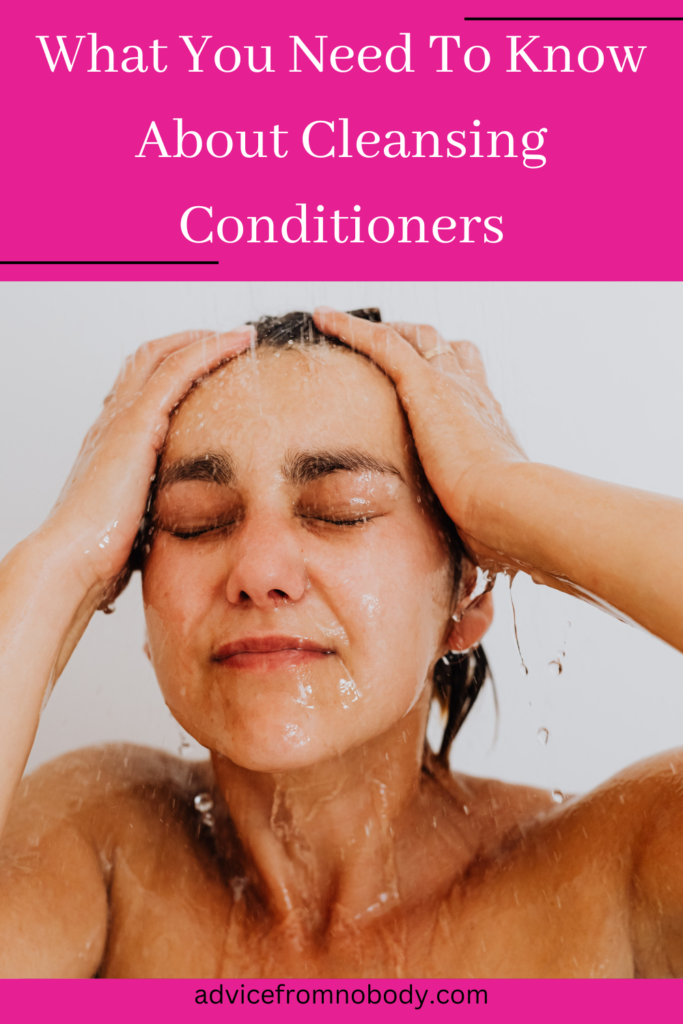
Everything You Need To Know About Cleansing Conditioners

Filed Under: Hair // 03/18/2023

cleansing conditioners

While shampooing might seem like the simplest step in your hair care regimen, it’s one of the most divisive topics in the beauty industry.

Is it better to wait one or two days between hair washes or wash your hair every day? Should you actually use dry shampoo instead of regular day-two lather and rinse? Should you even use shampoo?

The “no poo” method, which is washing your hair without using traditional shampoo, has been a hot topic thanks to cleansing conditioners.

Do you have general questions about cleansing conditioners and, more significantly, do you know if you have to incorporate one into your routine? You can discover everything you need to know whether you have dark brown or ash blonde hair by continuing to read.

What Is A Cleansing Conditioner?

The delicate components in cleansing conditioners nourish, detangle, and add shine to your hair while still cleansing them.

Cleansing conditioners can be thought of as both shampoo and conditioner in one. Cleansing conditioner, as opposed to traditional shampoo, is free of detergents and foaming agents that, if misused, may leave hair dry, dull, or damaged.

To fully rinse, simply massage a few pumps of cleansing conditioner into wet hair as you would with regular shampoo. Distribute the product evenly throughout your hair.

If you’re unsure about whether to completely substitute your shampoo with a cleansing conditioner, speak with a hair care professional to learn what’s ideal for you.

Who Do Cleansing Conditioners Work For?

The ability of cleansing conditioners to work on various hair types is what makes them really great.

Since it helps to restore your hair without requiring an additional step (shampooing), cleansing conditioner is wonderful for overly bleached or highlighted hair that gets dried out by regular shampoos, dry, brittle hair, curly or frizzy hair, and really all hair types.

For those looking for a nourishing treatment as well as those with color-treated hair who wish to prevent color loss, cleansing conditioners are really helpful.

Whatever your hair issues are there are cleansing conditioners made to handle them.

Sometimes your hair isn’t the problem, you simply need a break from your typical shampoo regimen, it may be time to switch to a cleansing conditioner for a few weeks.

Thankfully, we’ve narrowed down my top picks to make your search simpler.

Benefits Of Cleansing Conditioners

They Are Gentle On The Hair

Cleansing conditioners are substantially gentler than conventional shampoo-and-conditioner combos. They frequently don’t contain sulfates, which is why.

The hair is cleansed less aggressively because there is no harsh cleansing effect, which minimizes dryness.

By using emulsion technology and emollient oils to remove dirt, debris, and surface oils, they also clean without over-stripping. The correct level of moisture can thus be maintained in the hair strands.

They Are Sulfate Free

They are typically Sulfate-free and which means they usually take a long time to lather.  

They Save You Time

They are great if you want to save time and money, you get to skip an extra step in your wash day routine, and since you can use them once and then go a week or so without shampooing it’s great.

Work For All Hair Types

Co-washing is perfect for all hair types.

This means you can use it if you have damaged hair or fine hair or color-treated hair—conditioning cleansers can work with your hair. They gently cleanse better than traditional shampoos and leave hair and scalp clean and moisturized.

How To Use Cleansing Conditioners

Here’s a step-by-step guide to a basic cleansing conditioner routine:

1. As you normally would, wet your hair.

2. Massage your scalp and hair strands with a generous amount of cleansing conditioner of your choice. Don’t anticipate the product to lather as you work it through your hair; instead, take your time.

3. Keep the product on for the specified period of time.

4. Thoroughly rinse off the product. Not using enough water results in greasy residue, which is not the same thing as moisturized locks, so make sure to thoroughly rinse the product out.

5. To add even more moisture, condition your hair with your regular hair conditioner, as usual, dry, and style your hair.

Cleansing Conditioner Do’s And Don’ts

Make sure to get the most out of this new haircare approach by following advice from beauty experts.

They Shouldn’t Replace Your Shampoo

Shampooing is a great way to get rid of dirt, grime, and residue from your scalp, you should still use it at least once a week for clarifying purposes and to maintain the health of your scalp.

To that end, be sure you only shampoo when absolutely necessary and use a good shampoo that does not contain harsh minerals.

Instead of totally replacing shampoo in your hair care routine, think of cleansing conditioners as an additional step that completes it.

To find the ideal balance between how frequently you should shampoo and use cleaning conditioner, do some trial and error.

Be Very Generous With The Cleanser

While you’ve probably learned that using a dime- or even pea-sized amount of ordinary conditioner is the best practice (rolls eyes), this isn’t the same advice for a cleansing conditioner.

To properly soak your hair and ensure that it receives the benefits of your selected formula, you should be using a very generous amount of it or it won’t work well.

My Favorite Cleansing Conditioners To Try

If you think your hair might use a boost because it’s dull, damaged, or otherwise uncontrollable, try including a cleansing conditioner in your routine. Choose the top product you can locate to ensure that the ingredients are of high quality:

As I Am Coconut Cowash Cleansing Conditioner

Working with dry curls? Gently cleanse, and condition in one step with As I Am Coconut Cowash Cleansing Conditioner. This co-wash helps aid in retaining moisture and helps maintain the natural curl pattern for touchable texture.

RENPURE Mint Cowash Cleansing Conditioner

The Renpure Vanilla Mint Cleansing Conditioner is formulated with natural ingredients like coconut, manuka honey, mint, tea tree oil, argan, bamboo, and lemon sage. It protects the hair from damage caused by chemical shampoos.

Creme of Nature Creamy Hydration Co-Wash Cleansing Conditioner

If you’re dealing with extra dry, brittle hair, you’ll need a cleansing conditioner formulated to combat extreme dryness. Infused with argon oil, the Creme of Nature Creamy Hydration Co-Wash Cleansing Conditioner envelopes the hair fiber to condition and gently smooth away impurities. 


[jetpack-related-posts]

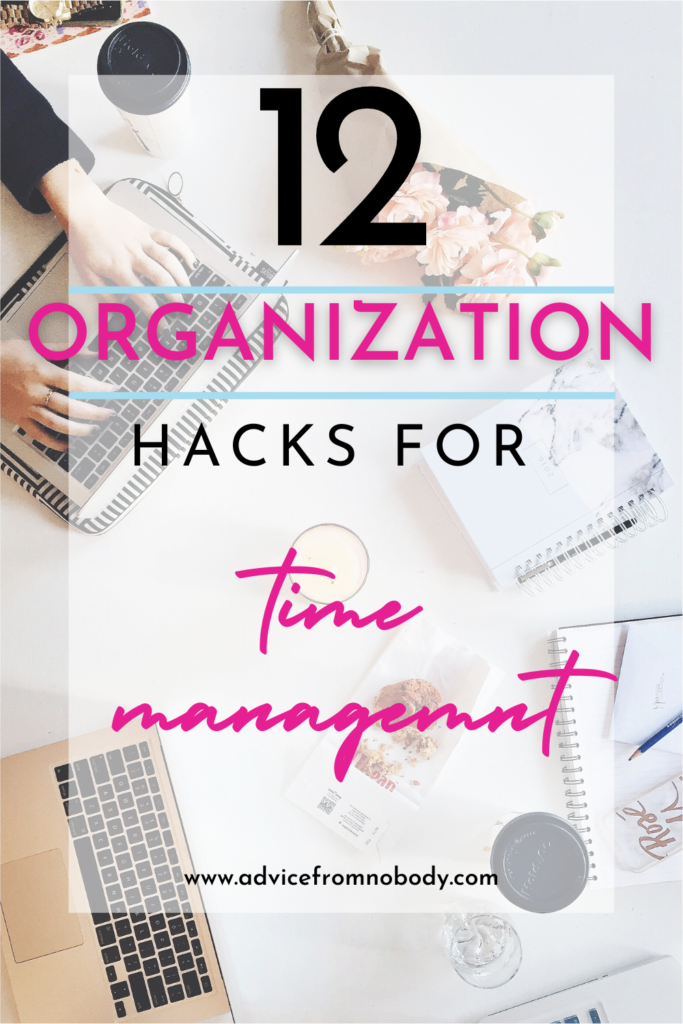
12 Simple Habits That Will Help You Stay Super Organized

Filed Under: Productivity // 03/14/2023

12 simple organizational hacks of organized people

Are you trying to find ways to live a more organized and focused life?

We’ll be looking at the top 12 organizational habits in this blog post, which you can adopt to increase your productivity and efficiency. With only a few little adjustments, you can soon be maximizing your time like never before!

Let’s get started, shall we?

12 Daily Habits Of Organized People:

Everyone knows this really organized person in their life! They always appear to get their work done ahead of schedule and meet deadlines with no problems at all! But how do they do it?

Being organized and ahead of your workload can be challenging if you’re not naturally organized. Before you realize it, you’re trying to do too much, which puts you at risk of stress, anxiety, or burnout.

By establishing a few new habits or getting rid of some existing unhealthy habits can help you become and stay more organized.

I have compiled a list of healthy habits of organized people to assist you in being more organized and regaining control of your life!

Adding some of these habits to your routine will help you become more organized, focused, and less worried, making it easier to enjoy your days.

1. They Set Goals

You can have a long-term vision and short-term motivation by setting goals.

By establishing goals, you may concentrate on what you want to accomplish and provide yourself with a path to get there. Divide more difficult-to-attain goals into smaller, more manageable ones when making them.

These small more attainable goals are what will become your priorities for your month, weeks or days.

By doing this, reaching your end objective becomes more manageable and less intimidating!

2. They Have A Routine

Maintaining organization requires a strong and solid routine.

My improved morning routine is one of the nicest things I’ve ever incorporated into my life. I started waking up earlier, giving me more time to get ready for the day ahead and have a relaxing morning self-care routine, as opposed to hitting snooze 10 times before finally getting out of bed and racing around!

3. They Prioritise

People that are highly organized may prioritize their workload effectively by setting priorities and accomplishing these tasks first!

Making lists, as mentioned above, is helpful in this situation.

One strategy I employ is to divide jobs into three groups: priorities, daily tasks, and optional.

I then focus on my priorities first, followed by daily tasks I need to get done, and if I have time, I’ll try to finish the optional but less important tasks.

It’s not always easy to prioritize well, but with practice and as you get more organized, it will become simpler.

4. They Make Lists

to do list

Making lists is one of the best methods to stay organized. Making a list will help you prioritize your workload, keep yourself mentally focused, and keep track of the tasks that still need to be done.

You can create a list for nearly anything; they’re not just for tasks anymore!

Whatever the list is for—shopping lists, reading lists—it will keep you organized and on task! After a list or item is crossed off, there are also those sentiments of accomplishment.

This may motivate you to accomplish even more!

5. They Set Alarms And Reminders

Setting reminders is one approach to start being more organized if you have a lot of things to get done during the day.

When I set reminders and alarms on my phone, I won’t get sidetracked and lose track of time easily.

Alarms serve as reminders for me to take breaks or start on a task because I get sidetracked really easily.

When I don’t set alarms, it can be 4 o’clock in the afternoon before I begin doing any real work!

Alarms are also useful for remembering appointments, planning your day, and even merely being reminded to remove something from the freezer for dinner. Alarms are my holy grail.

6. They Don’t Procrastinate

At some point, we’re all guilty of procrastinating.

But, over time, it may cause us to lose enthusiasm and become tired with our jobs.

By delaying chores or tasks, we ultimately increase our workload and make it tougher to reach our goals and accomplish daily priorities.

If you keep putting things off till later, you’ll never get anything done!

7. They Finnish Tasks

One of the worst things you can do to appear organized is to leave work unfinished.

Always strive to finish one assignment before going on to the next, unless it is really large or is likely to take several days to accomplish. Otherwise, you’ll have a lot of incomplete chores that you’ll probably forget about, lose motivation to finish, and put you at risk of failing to reach your goals.

By all means, take a break if you’re having trouble with something, but never put things off till later because you’re too lazy to do it.

8. They Read And Reply To Emails Daily

The majority of organized people check and reply to their emails every day.

No matter what time of day you do it, as long as you set out time to do it, it doesn’t matter!

I like to do this every morning so that I can add any crucial things to my list of to-dos for the day.

I keep my inbox organized by doing things that can be done right immediately rather than putting them off until later.

9. They Put Things Away

In the same way, organizing files helps keep you organized, always putting things back in their rightful place helps with that as well.

I find there’s nothing worse than wasting time searching for something, especially when it’s needed urgently!

By keeping all your things where they belong and in an organized manner, you’ll not only help speed up workflow, but it will also save you time and energy searching for such items when you need them most.

10. They Are Not Perfectionists

Although striving for perfection in all we do can be harmful, we all want things to be perfect. Perfectionism can push us to set unattainable objectives and expectations, as well as cause us to put off things.

It’s crucial to keep in mind that nobody is flawless and that we all make mistakes.

11. They Know When To Ask For Help

When support is required, organized people aren’t scared to ask for help.

Reaching out to people with greater knowledge or receiving just a little advice on how to finish a certain work are both possibilities.

Asking for assistance when you need it is always a smart idea because we can never know everything and there’s always more to learn!

Knowing when to delegate is just as vital for staying organized as knowing when to ask for help. As we are all only human, it is occasionally impossible for us to finish what we have to do.

Even if you are the most well-organized person ever, life can still surprise you. When this occurs, distribute the workload rather than attempting to stay on top of everything.

There will always be someone wanting to help, whether it be professionally or personally.

12. They Take Care Of Themselves

Finally, organized people understand the value of taking care of themselves.

You’re more likely to be more resilient and experience less stress if you take some time to relax and engage in some self-care activities.

Maintaining your health and taking care of yourself allows you to focus on your objectives and aspirations while also being able to respond to any problems that may come your way.

Overall, being a little more organized will have a lot of positive effects on your life, from feeling less overwhelmed by clutter and confusion to proactive preparation that frees up time and space for the enjoyable things you enjoy doing.

[jetpack-related-posts]

DIY Homemade Bath Salts On A Budget

Filed Under: DIY Beauty // 03/14/2023

home made bath salts for relaxation

Making your own bath salt blends at home is surprisingly simple.

There is nothing better than a hot bath after a long, stressful day, except maybe a hot bath enhanced with aromatic bath salts, of course.

Making your own bespoke bath salt blends to meet your requirements (such as easing tight muscles, easing the day’s stress, or softening skin) and then spicing them up with your favorite essential oils is surprisingly simple.

You can even use food coloring to give your salt mixture a lovely, calming hue as a final touch.

What You Need

– A container to store the bath salts in.

– Coarse sea salt.

– Epsom salt (Epsom salt is also known as magnesium sulfate. It’s a chemical compound made up of magnesium, sulfur, and oxygen, this is different from the coarse sea salt).

– Baking Soda.

– Essential oils of your choice (essential oils have different benefits that you can add to your bath salts, so choose the essential oils based on your specific needs).

– Food coloring to make the bath salts look extra fancy and professionally made.

How To Make The Bath Salt

Step 1

Mix 6 parts coarse sea salt, 3 parts Epsom salts (to relieve sore muscles, promotes sleep, and reduce inflammation and stress), and 1 part baking soda (for cleansing and detoxifying properties that may help to purify your body and boost immunity as well as soothe skin irritation) in a big bowl.

Step 2

Add a few drops of essential oils (Sea salts and essential oils are a great combination. The relaxing properties of hot water complement the effects of well-chosen salts and essential oils) and combine.

Step 3

Add food coloring drops until you get the desired color.

Now that you’ve made your bath salt, scoop it into your previously prepared container and store them away to use for your next hot bath.

Essential Oil Blends For Your Bath Salts

Try these essential oil blends in your DIY bath salts for the following benefits:

Relaxing Blend

2 Parts Lavender essential oil for every 1 part Vetiver essential oil.

Mood-Boosting Blend

2 Parts Lavender essential oil for every 1 part Lemon essential oil.

Essential Oil Blend For Soft Skin

Equal parts Lavender essential oil, Frankincense essential oil, and Palmarosa essential oil.

Anti-inflammatory Blend

2 Parts Lavender essential oil for every 1 part Rosemary essential oil.

Muscle Relaxer Blend

2 Parts Peppermint essential oil for every 1 part Rosemary essential oil.

[jetpack-related-posts]

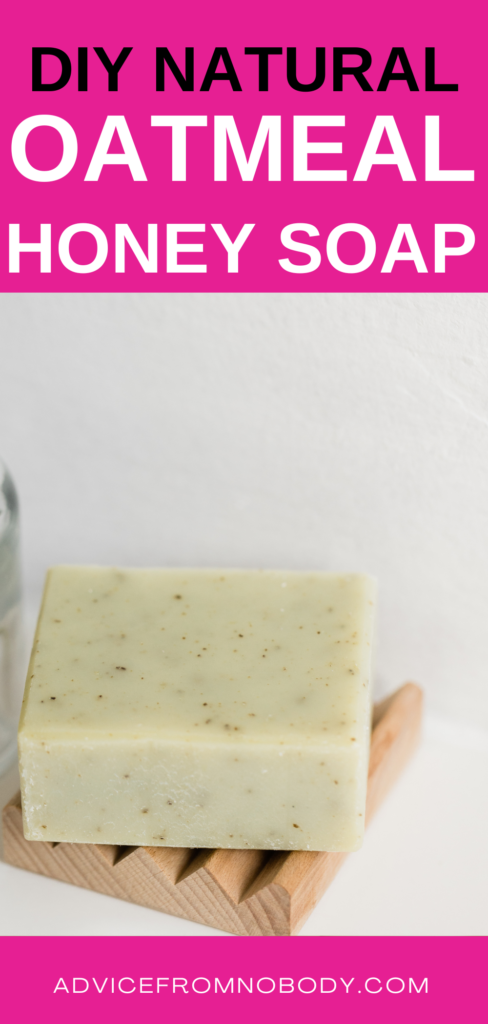
DIY Honey Oatmeal Soap Recipe: For Healthy and Hydrated Skin

Filed Under: DIY Beauty // 03/14/2023

diy soap for all skin types

This regular bar of soap can be transformed into an exfoliating soap bar with a wonderful scent by just adding honey and oatmeal and is perfect for sensitive and dry skin.

This natural soap made from organic rolled oats and honey will leave your skin feeling incredibly smooth and looking brilliant.

Oatmeal And Honey Soap Recipe

Oatmeal has many benefits that’s why it’s utilized in oatmeal milk baths and can treat a variety of skin irritations because it has so many wonderful skin-friendly properties.

You can make use of instant oats, colloidal oatmeal, or oatmeal powder. Oatmeal can be turned into powder by mixing it quickly in a blender.

We’ll be using powdered oatmeal for this recipe, which you can create by blending plain rolled oats.

What You Need

– 2 Pounds oatmeal melt and pour soap base.

– 1 Cup organic rolled oats that you’ve blended into a fine powder.

– 2 Tablespoons of Raw honey.

– Soap mold.

– Essential oil of your choice (I like to use either vanilla, lemon, or lavender essential oils).

How To Make Your Honey Oatmeal Soap

– Cut the oatmeal melt and pour soap base into small chunks and place them into a double boiler.

– Melt over medium heat. Stirring occasionally with a wooden spoon. 

– Remove from the heat when it’s fully melted.

– Add in the oatmeal powder, essential oil, and raw honey. Stir to mix.

– Pour into soap molds.

– Allow it to harden then remove it from the molds.

Now that you’re done, they are ready to use for your next self-care day whenever you take your next shower or bath.

[jetpack-related-posts]

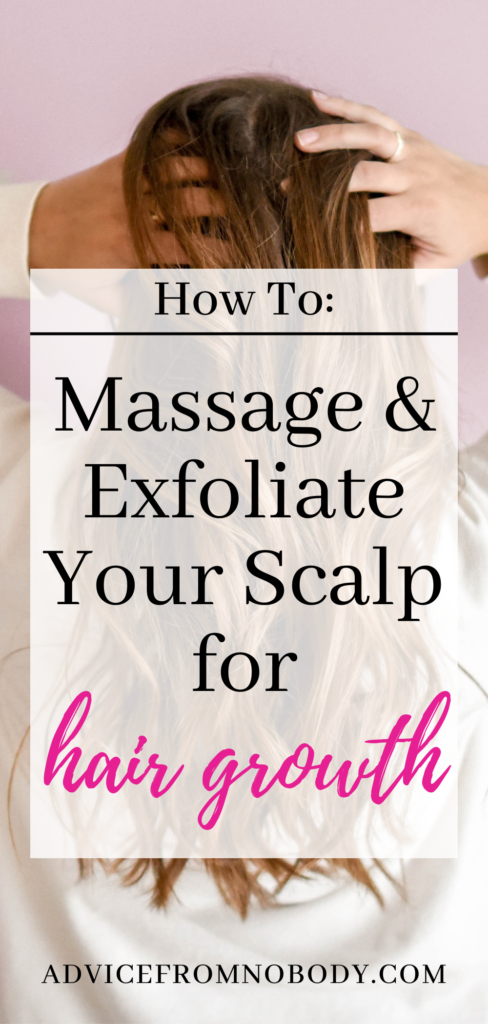
How to Massage and Exfoliate Your Scalp for Optimal Hair Growth

Filed Under: Hair // 03/09/2023

how to massage and exfoliate your scalp for hair growth

Similar to how facial exfoliating removes dead skin cells and massages ease tension in the muscles—both of which are excellent self-care practices. What you may not realize is that each of these techniques has advantages for your scalp as well; in fact, regular exfoliation and scalp massages may even result in longer, stronger hair.

What Is Scalp Exfoliation?

Facial exfoliation eliminates flakes, grease, and buildup, which is the same effect it has on your scalp. Similar to facial exfoliation, there are two types of scalp exfoliation: physical and chemical.

As hair growth begins at the scalp, getting rid of buildup (from excess oil or styling product residue) is helpful. Exfoliation, which unblocks anything obstructing hair follicles, can help with that.

The downside to exfoliation is that if the technique or product can be extremely abrasive or severe, it might damage the scalp and follicles. If they are not used together with other moisturizing products in a hair care routine, several exfoliants can also be drying.

How to Exfoliate the Scalp

Before you begin exfoliating, you need to choose your preferred method of exfoliation, chemical or physical.

I personally prefer to rotate between the two, using a clarifying shampoo to exfoliate once a month and a DIY scalp scrub to gently exfoliate every two weeks or so.

If you choose a physical exfoliation method, you will use your hands, a tool, or a mask containing granules to remove dry skin cells.

When you use chemical exfoliants look for a solution with active chemicals that are suitable for use on the scalp, I prefer to use the Verb Ghost Exfoliating Scalp Nectar.

Physical Exfoliation 

Use products made with tiny granulated beads, a scalp brush, rough gloves, or your fingertips to physically exfoliate the scalp. 

1. Apply your fingertips (with the product on it) or your tool of choice to your scalp using gentle to medium pressure. 

2. For a few minutes, move your tool or fingertips in tiny circles. 

3. Wash your hair to get rid of flaky skin cells (and any residual product, if used).

Chemical Exfoliation 

1. When using most chemical exfoliants, you will apply the product directly to the scalp and massage it in with your fingertips.

2. Allow the exfoliant to sit on the scalp for 15 to 20 minutes, or whatever amount of time the label suggests.

3. Rinse completely and follow up with a moisturizing shampoo or a cleansing conditioner and then a deep conditioner to replenish lost moisture.

What Is Scalp Massaging?

Though they are somewhat similar, scalp massage and scalp exfoliation are two different processes. Massage manipulates the head and scalp muscles, relieving stress and boosting blood flow. Moreover, it activates the sebaceous glands, which release sebum, a natural oil that maintains the health of the scalp.

The benefits of scalp massages include stress relief, an increase in blood flow (which promotes hair growth), and the production of skin-nourishing sebum. They can also gently exfoliate dry, irritating dead skin while calming the scalp.

The effects of scalp massages are generally less negative than those of exfoliation. It is impossible to overdo this treatment, which encourages healthy hair development. Nevertheless, if you massage too vigorously, you risk irritating the skin, and even perhaps infecting it.

How To Massage The Scalp

It’s easy to massage the scalp, and you can do this whether your hair is wet or dry.

Press your fingertips with light to medium pressure into your scalp. Spend a few minutes moving your fingertips in little circles over tense areas. I like to do this right after I’ve applied a hot oil treatment to really get the hair oils to penetrate my scalp.

To hydrate and calm the scalp during or after your massage, apply a soft hair oil, like coconut oil.

Are Exfoliating And Massaging Your Scalp Even Necessary?

You can increase the health of your hair every day by massaging your scalp, which is a useful and important activity. An essential component of hair care is massage. The hair follicles that are in charge of hair growth require improved blood circulation.

What about exfoliating the scalp? Due to the thoroughness of the procedure, maintain a cadence of once or twice every month. While everyone can benefit from a scalp massage and exfoliation, individuals with flaky and overly oily scalps will experience the most advantages for the health and growth of their hair.

[jetpack-related-posts]

The Optimal Shower Temperature For Healthy Skin

Filed Under: Body // 03/09/2023

optimal temperature for shower water

We all love a scolding hot shower, at least I do, especially during the colder months, and after a stressful day. But what would be considered just the right temperature?

However, as lovely as it may feel, exposing your body—and specifically, your skin—to such high temperatures might cause more harm than good.

While hot steam can assist in opening our pores, which is beneficial for cleansing, hot water can also irritate the skin’s deeper layers. The epidermis, the skin’s outermost layer, is impacted by hot showers as well.

The sebaceous glands in this area of your skin are in charge of protecting you from external irritants as well as keeping your body hydrated, so it’s important to keep it healthy and intact.

Your skin will become softer from the hot water and soap and gradually lose its natural oily protective layers, which can result in dry, irritated, and itchy skin. In the end, the longer and hotter the shower, the more of an effect it has on the condition of your skin.

But how hot is too hot, exactly?

A good way to look at it is, water that turns your skin red is probably too hot.

The best results will be obtained with lukewarm water. The water doesn’t even need to be that cold—just around 110 degrees Fahrenheit—to awaken your body and improve mental attentiveness.

Showers that are cooler are also excellent for your skin, hair, and general hydration.

Your blood circulates more efficiently when you take a shower in cooler water, which results in healthier skin. Your skin will appear more radiant and luminous when it is properly moisturized and gets enough oxygen.

The length of your shower, in addition to the water’s temperature, also affects how your skin feels and looks.

Long shower sessions can severely dry up your skin, despite how soothing and pleasant they may feel. You lose more moisture during longer showers. Be as efficient as you can the next time you take a bath or a shower; stay in there for no more than an extra five minutes.

If you do prefer to stay in the shower or bath for longer periods of time, then try countering that by adding the lost moisture back into your skin while you’re still in the shower. You can do this by using body conditioners as well as in shower oils which you’d have to follow up with a good lotion right afterward.

This will allow for the best moisture retention.

[jetpack-related-posts]
  • « Previous Page
  • 1
  • …
  • 48
  • 49
  • 50
  • 51
  • 52
  • …
  • 54
  • Next Page »

Copyright © 2026 · Theme by Marketing Templates Co.

We use cookies on our website to give you the most relevant experience by remembering your preferences and repeat visits.Read More By clicking “Accept All”, you consent to the use of ALL the cookies. However, you may visit "Cookie Settings" to provide a controlled consent.
Cookie SettingsAccept All
Manage consent

Privacy Overview

This website uses cookies to improve your experience while you navigate through the website. Out of these, the cookies that are categorized as necessary are stored on your browser as they are essential for the working of basic functionalities of the website. We also use third-party cookies that help us analyze and understand how you use this website. These cookies will be stored in your browser only with your consent. You also have the option to opt-out of these cookies. But opting out of some of these cookies may affect your browsing experience.
Necessary
Always Enabled
Necessary cookies are absolutely essential for the website to function properly. These cookies ensure basic functionalities and security features of the website, anonymously.
CookieDurationDescription
cookielawinfo-checkbox-analytics11 monthsThis cookie is set by GDPR Cookie Consent plugin. The cookie is used to store the user consent for the cookies in the category "Analytics".
cookielawinfo-checkbox-functional11 monthsThe cookie is set by GDPR cookie consent to record the user consent for the cookies in the category "Functional".
cookielawinfo-checkbox-necessary11 monthsThis cookie is set by GDPR Cookie Consent plugin. The cookies is used to store the user consent for the cookies in the category "Necessary".
cookielawinfo-checkbox-others11 monthsThis cookie is set by GDPR Cookie Consent plugin. The cookie is used to store the user consent for the cookies in the category "Other.
cookielawinfo-checkbox-performance11 monthsThis cookie is set by GDPR Cookie Consent plugin. The cookie is used to store the user consent for the cookies in the category "Performance".
viewed_cookie_policy11 monthsThe cookie is set by the GDPR Cookie Consent plugin and is used to store whether or not user has consented to the use of cookies. It does not store any personal data.
Functional
Functional cookies help to perform certain functionalities like sharing the content of the website on social media platforms, collect feedbacks, and other third-party features.
Performance
Performance cookies are used to understand and analyze the key performance indexes of the website which helps in delivering a better user experience for the visitors.
Analytics
Analytical cookies are used to understand how visitors interact with the website. These cookies help provide information on metrics the number of visitors, bounce rate, traffic source, etc.
Advertisement
Advertisement cookies are used to provide visitors with relevant ads and marketing campaigns. These cookies track visitors across websites and collect information to provide customized ads.
Others
Other uncategorized cookies are those that are being analyzed and have not been classified into a category as yet.
SAVE & ACCEPT