• HOME
  • RELATIONSHIPS
  • HOLIDAYS
  • WELLNESS
  • CAREER & FINANCE
  • FASHION
  • BEAUTY
  • LIVING

Advice From Nobody

You are here: Home / Archives for BEAUTY / Body

Self-Tanning Lotion Vs. Sunless Spray Tan: Which Is Best?

Filed Under: Body // 02/07/2024

self tanning lotion vs spray

For many looking for that perfect, sun-kissed glow has led them away from the harmful rays of the sun and into the world of sunless tanners.

Among these, self-tanning lotions and sunless spray tans have emerged as the frontrunners.

Both these sunless tanning products offer a golden glow without the risk of skin cancer or skin damage and premature aging associated with UV radiation.

But the choice between the comfort of applying self-tanning lotion at home or the coverage promised by a professional spray tan session can be a hard one to make. 

  • Everything You Need To Know About Tanning & Laser Hair Removal
  • The Best Way to Tan Legs in a Tanning Bed or Sun Fast
  • Does Self-Tanning Lotion Expire? +How To Make It Last Long

What Is Self-Tanning Lotions

Self-tanning lotions, featuring DHA as their active ingredient, interact with amino acids within your skin to create a perfect tan.

This fantastic reaction gifts you with that sought-after sun-kissed glow, minus the sun damage.

For the DIY girlies, self-tanner lotions are a great option over going to the beauty salon or the heat of a tanning bed.

They offer the golden glow of a natural-looking fake tan, without having to spend too much or even leave the house.

What Are The Pros of Self-Tanning Lotion

Self-tanning lotions are a great option for achieving that perfect glow from the comfort of your own home.

For those with pale skin or sensitive skin, it’s seen as the best way to get a natural-looking tan.

Unlike the sun bed, these self-tanning lotions keep your skin safe from sun damage, making it a safer alternative overall.

Not to mention, you dodge the unpleasant odor often associated with spray tans. 

What Are The Cons of Self-Tanning Lotion

Self-tanning lotions, despite their convenience for home use, can leave you with uneven patches if not applied perfectly.

Achieving a streak-free tan requires patience and experience. Some self-tanners may result in an orange hue, far from the natural-looking tan you aimed for.

Additionally, the scent of certain lotions can be off-putting, lingering on your skin longer than you’d like. Given these cons, while self tanners present a safer alternative to UV exposure, they’re not perfect. 

How to Use Self Tanning Lotion

Achieving that perfect glow at home has never been easier with self-tanning lotions.

However, preparing your skin is important; make sure your skin is cleansed and exfoliated to remove dead skin cells for an even tan.

For the application process, using an applicator mitt helps spread the lotion smoothly across your entire body, avoiding any streaks or patches.

Finally, aftercare involves keeping your skin moisturized to extend the tan’s lifespan and wearing broad-spectrum sunscreen to protect the newly tanned skin. 

  • Should You Shave Before Or After You Fake Tan
  • What’s The Best Time To Tan Before or After My Workout?

Recommended Sunless Tanners And Applicator Mitts 

For achieving that desired golden glow from the comfort of your own home, consider these exceptional sunless tanners and their perfect companions. 

  • L’Oreal Paris Sublime Bronze Self-Tanning Water Mousse: Ideal for those with pale or sensitive skin. 
  • Eight Saints Island Time Body Spray Lotion: A fantastic option for those with dry skin.
  • Australian Gold Moisture Lock Tan Extender Lotion: Perfect for extending the longevity of your tan, this lotion works wonders for oily, dry, or combination skin types. 
  • Bronze Tan Self Tanning Mitt for Self Tan: Ensure an even application without the unpleasant odor or risk of sun damage. Its soft texture is suitable for every skin type. 

What Is Sunless Spray Tanning
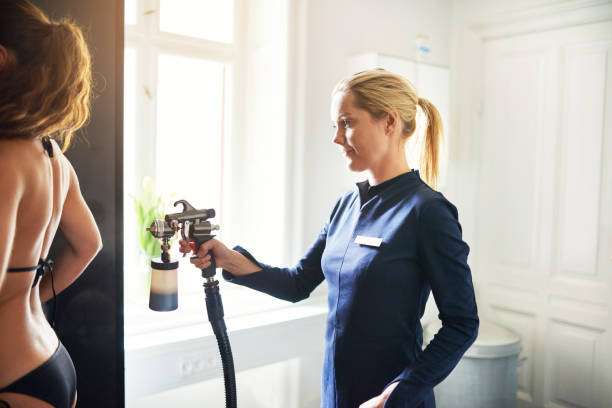
self tanning lotion vs spray

Professional spray tanning is nothing new to the beauty world, it offers a safer option compared to the hazardous UV rays of the sun or tanning bed.

Here, a tan artist wields a spray gun or guides you into a tan booth, where a mist covers your entire body, creating a flawless, sun-kissed glow.

It’s the best option for a special occasion or a uniform tan without sun exposure.

The process is quick, the results stunning, making it a great option for those with little time but high expectations for their faux glow. 

What Are The Pros of Professional Spray Tans

Professional spray tans promise a golden glow you might have thought only the sun could provide. 

They allow for an even, full-body tan, ideal for special occasions or when you desire a flawless sun-kissed glow.

The expertise of a tan artist ensures you avoid the common pitfalls of self-application, such as streaks or uneven color. 

For many, it’s a great option, combining the ease of a salon visit with the safety of UV-free tanning. 

What Are The Cons of Professional Spray Tans

Professional spray tans often come with a steep price and require making appointments that might not fit into a busy schedule.

The process, involving a tan booth or a spray gun wielded by a tan artist, can feel less personal and somewhat clinical.

For those with sensitive skin, the broad-spectrum formulations used might cause reactions or just simply not agree with their skin type, making this a risky option for achieving that sun-kissed glow. 

How To Get The Best Results From Your Salon Spray Tan

For the golden glow of your dreams, booking a session at a beauty salon is only the start. A great outcome will depend on a few smart moves.

First, exfoliate your skin to shed dead cells; this ensures an even coverage.

Moisturize, especially on dry areas like elbows and knees, since these spots absorb more tan solution.

Wear loose clothing post-session to avoid tan lines.

With these steps, a perfect, sun-kissed look isn’t just possible; it’s guaranteed. 

  • What to Wear During & After a Spray Tan
  • Can You Use Indoor Tanning Lotion Outside?

Ease of Application: Self-Tanning Lotion vs. Spray

Applying a self-tanning mousse at home is super convenient.

You’ll find the control you have hard to give up if you choose to switch to spray tans. It beats the hassle of arranging a tan session at a beauty salon every time.

On the flip side, professional spray tans require special equipment you can’t use on your own.

These spray guns and tan booths need a skilled tan artist to ensure a faux glow free of tan lines or uneven patches. 

Cost and Accessibility: Self-Tanning Lotion vs. Spray

Diving into the expense of achieving that perfect glow, you’ll find self-tanning lotions and mousses to be your wallet’s best friend.

While enticing for their even and full-body tan, professional spray tan sessions demand a heftier price tag and commitment.

The appeal of self-tanning options lies in their convenience and cost-effectiveness, a single bottle offers multiple uses.

For those seeking a sun-kissed glow without burning through their savings, self-tanners and applicator mitts emerge as the superior choice. 

Skin Health and Safety: Self-Tanning Lotion vs. Spray

Choosing between sunless tanners and spray tanning should always involve considering your skin health.

Products approved by the Skin Cancer Foundation present safer alternatives to UV radiation exposure. Be mindful of skin type, as dry or sensitive skin might react differently.

A common misconception revolves around a quick fix without consequences. It is pivotal to conduct a patch test, ensuring the chosen method doesn’t aggravate skin sensitivities or pose a risk of skin cancer.

Both options have their benefits, yet caution and care are still important. 

  • Will Spray Tanning Protect You From a Sunburn?
  • Self Tanning Aftercare: Best Moisturizer to Use After a Spray Tan

Aftercare: Self Tanning Lotion vs Spray Tanning 

Once you’ve achieved that sun-kissed glow, what comes next is just as important. The longevity of your tan, be it from a salon spray tan or self-tanner lotions, heavily depends on aftercare practices. 

Moisturizing your skin is key; it will keep your skin hydrated and help maintain that golden glow.

Avoiding long baths and too much time in the water helps prevent your tan color from fading too fast.

For both spray tanning and self-tanning lotion applications, gentle patting instead of harsh drying post-shower can extend the life of your tan.

Remember, a broad-spectrum sunscreen is still necessary to protect your skin from sun damage, even with a self tan.  
[jetpack-related-posts]

Everything You Need To Know About Tanning & Laser Hair Removal

Filed Under: Body // 02/01/2024

can-i-spray-tan-after-laser-hair-removal

Can You Wear Fake Tan When Having Laser Hair Removal?

You might think combining a spray tan with laser hair removal is a great idea, I get it, you want to have silky-smooth skin while showing off that “natural tan”.

But, spray tans and laser hair procedures just don’t go well together.

Laser hair removal zeroes in on pigment within the hair follicles. A spray tan complicates this process. It adds an artificial layer of color, misleading the laser.

The laser target might target the tan rather than the hair.

This confusion not only makes your laser hair procedure less effective but also increases the risk of skin reactions and skin irritation.

Knowing the risks of wearing a spray tan when you get a laser hair treatment keeps you informed, helping you make decisions that align with the health of your skin and the success of your laser hair procedure.

  • Can I Shave, Wax, or Tweeze The Day of Laser Hair Removal?
  • What to Wear During & After a Spray Tan
  • Waxing Or Laser, Which Hair Removal Method Is Better

Why You Shouldn’t Do Laser Hair Removal With Fake Tan

You decided to get laser hair removal, but love to step out of the house rocking a fake tan, now we tell you, no fake tan before the laser hair procedure. Why, you ask?

The science behind it is quite straightforward. Fake tans discolor the skin, tricking the laser into targeting the wrong pigment. This means the laser’s focus shifts from hair follicles to the tan on your skin’s surface.

This not only makes the laser hair treatment null and void, but it can also have many side effects like blisters, burns, and discoloration if you ignore this advice.

These side effects last longer than the satisfaction of your spray tan.
One must consider the aftermath of mixing fake tan with laser treatments.

Experts agree, that removing your fake tan so your skin returns to its natural color ensures the laser works as intended.

This precaution prevents serious side effects and guarantees the best results.

Give your skin a break from any form of tanning products for at least two weeks before your laser session.

This grace period allows traces of the fake tan to fade, minimizing the risk of an uneven reaction.

So, before booking your next laser session, you don’t only need to avoid getting spray tan, but also make sure you remove any fake tan from your skin.

  • Should You Shave Before Or After You Fake Tan
  • Self-Tanning Lotion Vs. Sunless Spray Tan: Which Is Best?
  • Can You Use Indoor Tanning Lotion Outside?

Tips On How Best To Remove Fake Tan Before Your Session:

Removing fake tan before a laser session starts with a simple step. For exfoliation, use a gentle, yet effective, body scrub to get rid of dead skin cells and any lingering fake tanner.

This process not only removes the superficial layer but also ensures silky-smooth skin for the laser treatment.

Avoid moisturizers or lotions post-exfoliation.

They can leave residue on the skin, leading to potential issues during the laser process.

Opt for a soap-free cleanser to wash the area on the day of your appointment. It strips away oils without leaving anything behind.

Clean, product-free skin is the perfect canvas for effective and safe laser hair removal treatments.

  • Does Self-Tanning Lotion Expire? +How To Make It Last Long
  • When Can You Shower After Laser Hair Removal?
  • Can You Get Laser Hair Removal Over A Tattoo?

Can I Use Instant/Wash-off Tan Before My Laser Hair Removal Session?

Instant or wash-off tans present may seem like a viable option. You might think they’re easy to wash off before zapping away unwanted hair.

Yet, dipping into that bottle before laser treatments complicates things more than you’d expect.

Laser hair procedures require clean skin. They need to ‘see’ the hair, not the faux glow your instant tan provides.

This misunderstood step could lead to less effective treatments, or worse, skin irritation you hadn’t bargained for.

So the answer is no, you cannot use instant or wash-off tanner before you go for a laser hair removal procedure.

Getting that smooth, hair-free skin demands sacrifices, and sometimes, that means putting off the instant tan.
Waiting until after your laser hair session is over allows your skin to heal properly.

Then, reaching for that bottle of temporary tan won’t just be safer, it’ll also sit better on your newly smooth skin, enhancing your glow rather than complicating your care.

  • The Best Way to Tan Legs in a Tanning Bed or Sun Fast
  • What’s The Best Time To Tan Before or After My Workout?
  • Will Spray Tanning Protect You From a Sunburn?

Can You Wear Spray Tan After Laser Hair Removal Sessions?

After your laser hair removal treatment, you may wonder “Can I spray tan after laser hair removal?” The short answer is yes, but there is more to it. Your skin needs time to recover from laser treatments. Typically, waiting a couple of weeks is wise. This period lets your skin heal and reduces the risk of irritation.

Choosing the right spray tan product becomes your next step.

Look for ones specifically designed for sensitive skin. These products are less likely to cause any adverse reactions on your recently treated skin.

Applying a small amount of moisturizer before the spray tan can act as a barrier, providing an extra layer of protection and promoting an even application.

When applying the spray tan, even coverage is crucial. Start from one area and move seamlessly to the next to avoid patches or streaks.

Remember, spray tans don’t offer sun protection. So, if stepping out, applying a broad-spectrum sunscreen is essential. This practice helps maintain both your skin health and the freshness of your tan.
By following these guidelines, you ensure a beautiful and safe tan, complementing your laser hair removal results.

Can You Tan In The Sun After Laser Hair Removal?

can you tan after laser hair removal

Sun tanning yourself on the beach after getting laser hair removal is just an awful idea. Direct sunlight has a complicated relationship with freshly lasered skin. It’s not as straightforward as slapping on some sunscreen and calling it a day.
Laser treatments work by targeting the pigment in your hair follicles. This process can leave skin more vulnerable to the sun’s harsh rays.

Post-treatment, your skin acts like a sponge, soaking up more UV than usual. This can lead to sunburn or, even worse, hyperpigmentation. Not exactly the goal, right?

For those itching to catch some rays, give it some time. Dermatologists recommend staying out of the sun for a good while, at least two weeks before exposing treated areas to direct sunlight.

And when you do brave the outdoors for some sun tanning, a broad-spectrum SPF is your best friend. Layer it on like your skin’s very survival depends on it, because, in a way, it does.

Reapply every two hours, or more frequently if you’re swimming or sweating.

So, can you enjoy sunbathing after laser hair removal? Yes, but timing and protection are key. Give your skin the time it needs to heal. When the time is right, embrace the sun responsibly. Your skin will thank you, and you’ll still step out looking and feeling fabulous.

How Long Should I Wait Before Going Back To Tanning After Laser Hair Removal?

The answer is not immediate, but rather a waiting game that rewards those who are patient. It is recommended to wait a minimum of ten days before even thinking about a spray tan.

This timeframe allows your skin to fully heal, a crucial period where it’s vulnerable and more susceptible to irritation.

We recommend stretching this period to a full two weeks, especially if your skin type is on the more sensitive side. This extended break serves as a buffer zone, ensuring your skin has thoroughly recovered.

It’s not just about avoiding skin irritation; it’s about safeguarding the long-term health and radiance of your skin.

What about tanning in the sun? The stakes are similar, if not higher.

As mentioned previously, the added risk of UV exposure makes holding off for at least two weeks becomes non-negotiable.

During this time, always apply a broad-spectrum sunscreen to protect your skin after it has undergone laser hair removal. Lather on an SPF 30 or higher diligently, even if stepping outdoors for a few minutes.

This protects your skin from UV rays, allowing it to heal and avoid sun damage.

Following these guidelines to a tee will give you the best results from your laser hair removal sessions.

[jetpack-related-posts]

Should You Shave Before Or After You Fake Tan

Filed Under: Body // 01/31/2024

do you shave before or after fake tanning

Can You Use Self Tanner Without Shaving?

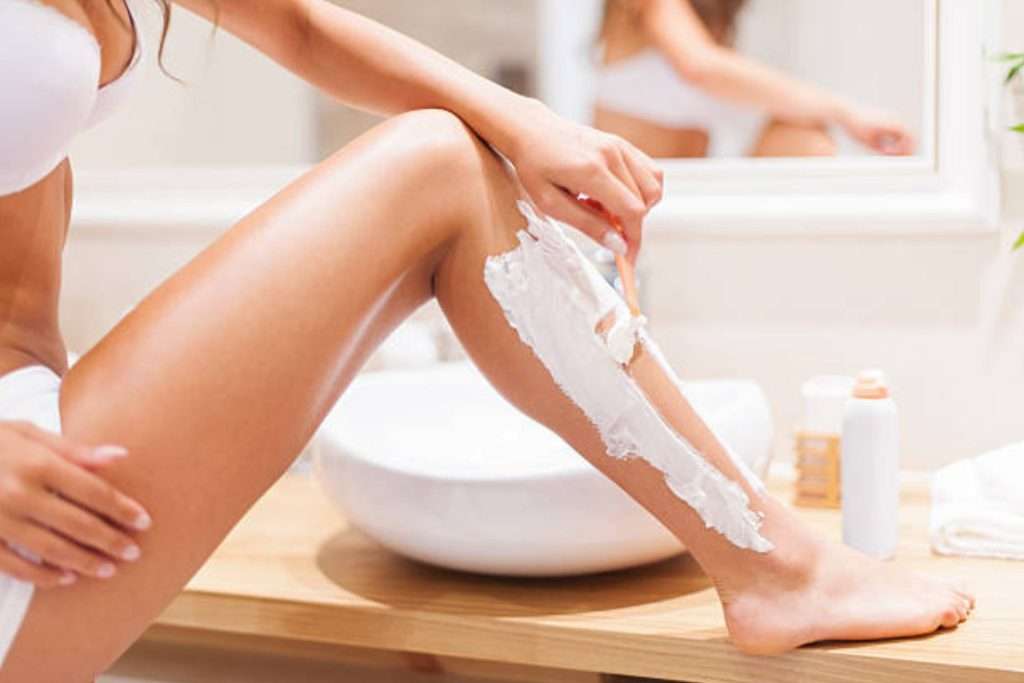
When looking to get a radiant faux tan, I’ve found shaving to be a double-edged sword.

On one hand, removing unwanted hair creates a smooth surface, ensuring the tanning solution glides evenly across the skin.

This action not only helps you get that coveted, perfect tan but also minimizes the appearance of fake tanner settling in hair follicles, which can lead to an uneven tan.

There is no doubt that shaving is important, but the timing and how you shave are vital for the perfect spray tan that will always get mistaken for a natural tan. 

Shaving opens up pores and can cause skin irritation, especially if done right before applying self-tanner or self-tanning products. This frequently results in blotchy tan results, as the product may seep into these open pores.

Therefore, I’ve learned to give my skin some breathing room, allowing those pores to close and the skin to calm down.

Ideally, shaving should occur at least 24 hours before the tanning session. This golden rule has served me well, providing a flawless canvas for the tanning solution to work its magic. 

However, life’s unpredictability sometimes throws a wrench in our plans, and we fall short of the ideal pre-tan prep time. In such scenarios, a gentle shave post-tanning has been my saving grace, done no sooner than 8 hours after application to safeguard the tan’s integrity.

The key lies in using a sharp, new razor and opting for oil-free shaving products that don’t strip away the fake tan product. 

  • What to Wear During & After a Spray Tan
  • Everything You Need To Know About Tanning & Laser Hair Removal
  • What’s The Best Time To Tan Before or After My Workout?

Why Shaving Can Make Or Break Your Fake Tan

I get it. Shaving seems like just another step in the already finicky process of fake tanning.

But believe me, it’s a step you don’t want to skip, not shaving is one of the most common self-tanner mistakes.

It plays an important part in whether you end up with that new glow or a patchy mess. Shaving can either be your best friend or your worst enemy when it comes to fake tanning. 

First off, shaving exfoliates the skin by removing dead skin cells. This leaves you with a smoother surface that’s more receptive to the tanning solution.

A smooth canvas ensures the tan applies evenly, and you get a deeper tan, setting the stage for a flawless, natural-looking tan that will be mistaken for a professional spray tan.

Shaving too close to your fake tan application can lead to irritation and those dreaded dark dots, where the tanning solution settles into open hair follicles.

To avoid this, I always shave at least a day before applying a fake tan.

This gives my skin ample time to recover, ensuring that the size of the pores has decreased and avoiding dry skin to allow for an even tan application. 

Moreover, the technique and tools you use for shaving matter too.

A sharp, clean razor and a gentle, oil-free shaving cream can make all the difference. These ensure that you remove stray hairs without leaving shave product residue that could interfere with your spray tan application.

So, in the quest for that perfect golden glow, never underestimate the power of a good shave. Done right, it paves the way for tan development, an even base, and the overall tan color you’re aiming for. 

  • Will Spray Tanning Protect You From a Sunburn?
  • Does Self-Tanning Lotion Expire? +How To Make It Last Long

Shaving Tips Before A Spray Tan

Shaving before a spray tan looms big in our prep routines, yeah? I’ve learned a couple of tricks here.

First off, you’ve got to time it right. Aim for shaving 24 hours before your tan appointment. This window gives your skin ample time to recover from any irritation and ensures those pores are snugly shut.

Found yourself in a tight spot? The absolute latest I’d shave is four hours before slathering on that tanning solution. 

Next up, don’t skip on exfoliating. I grab my trusty exfoliating mitt and go to town on my entire body during the shower.

But here’s my secret trick, finish with a blast of cold water. This nifty trick does more than wake you up; it helps close those pores, creating the smoothest canvas possible for your fake tan to glide onto. 

As for the shave itself, using a sharp, clean razor is non-negotiable, I prefer an electric razor but that is all up to preference.

What I can say is though, never use old razors just before a spray tan, because they don’t have a sharp blade you can’t get a very close shave which will affect your tan results.

Pair it with a gentle, oil-free shaving cream to avoid any buildup that might mess with your tan.  

  • Self-Tanning Lotion Vs. Sunless Spray Tan: Which Is Best?
  • Can You Use Indoor Tanning Lotion Outside?
  • The Best Way to Tan Legs in a Tanning Bed or Sun Fast

How Long After Shaving Can You Fake Tan

I’ve found that the sweet spot for embarking on a fake tanning adventure post-shaving is waiting a minimum of 8 to 24 hours.

This pause allows my skin ample time to recover from any irritation caused by the razor.

During this waiting period, I steer clear of exfoliation to ensure that my skin remains primed and not overly sensitive to the tanning product.

Jumping into fake tanning too soon after shaving or exfoliating can result in less than stellar results, with the tan potentially adhering unevenly due to the skin’s heightened sensitivity. 

Can You Shave After Tanning

do you shave before or after fake tanning

Shaving after tanning is a delicate process that requires attention to detail to maintain that golden glow. Razor drag over the skin can risk stripping away some of the tan, leading to uneven patches.

This occurs because layers of tanned skin may be removed along with the hair.

Moreover, many shaving creams and gels contain oils and other ingredients that might cause the tan to break down faster, fading unevenly, and diminishing the overall look and longevity of the fake tan.

To navigate this, use a gentle, oil-free shaving foam and a fresh razor to minimize the friction and preserve the tan’s integrity.

It’s best to wait at least 8 hours after tanning before shaving to allow the tan to fully develop. This practice helps maintain an even tan while managing body hair after the fake tanning session. 

  • How to Apply Self-Tanner Properly: 12 Sunless Tanning Tips

Shaving Tips After A Spray Tan

After your spray tan has set in and you’re eyeing that razor for a touch-up, keep these pointers in mind to maintain your tan results without any mishaps.

First, give your tan at least 8 hours, or ideally a full day, to fully develop before you even think about shaving. This waiting period allows the color to settle evenly across your skin. 

When you do shave, opt for a sharp, new razor to minimize drag and reduce the risk of nicking your skin. A dull blade isn’t just ineffective; it’s a quick route to uneven shaves and potential tan disruption.

Use a light touch, letting the razor do most of the work without applying extra pressure. This gentle approach helps protect the integrity of your tan. 

Choose a shaving cream that’s hydrating but oil-free to avoid stripping away your tan. Remember, oils can break down the tanning solution, leading to patchiness.

Look for products specifically designed for sensitive skin, as these are typically less harsh and better suited for tanned skin. 

Avoiding exfoliation is crucial post-tan as you don’t want to accelerate the fading of your golden layer. Save any scrubbing for when you’re ready to prep for your next spray tan session.

Finally, pay extra attention to drier areas like knees and elbows. These spots can catch more color and are more prone to flakiness, so be extra gentle when shaving around them. 

Cons Of Shaving After A Spray Tan

Shaving after a spray tan comes with notable downsides.

Razor burn, a common issue, can become more pronounced on tanned skin, leading to discomfort and an uneven appearance. Dark spots may also emerge where the blade disrupts the tan, creating a patchy look.

Most importantly, the action of shaving can strip away the uppermost layer of your tan, reducing its depth and longevity. This means the golden glow you worked for might fade faster, leaving you with an uneven tan sooner than anticipated.

These factors combined can significantly compromise the overall look and quality of your spray tan. 

Can You Use Self Tanner With Hairy Legs

Tackling the task of self-tanning with hairy legs presents a unique set of challenges and considerations.

Hair follicles act as tiny wells, trapping tanning solution and potentially leading to an uneven application. This often results in a dotted or streaky appearance, undermining the goal of achieving that flawless, sun-kissed look.

To manage body hair effectively, I advocate for shaving or utilizing another hair removal method before the application of a fake tan. Shaving ensures the tanning solution can glide smoothly over the skin, covering the entire surface evenly without getting caught in hair. 

For those who may find shaving a challenge, alternative hair removal methods such as waxing or using depilatory creams could provide a better option, offering a smoother finish for a more extended period.

These methods, when done in advance, also prepare the skin in a way that promotes a more seamless and lasting tan application.

While self-tanning with hairy legs is possible, preparing the skin properly through effective hair management significantly enhances the quality and appearance of the faux tan. 

[jetpack-related-posts]

DIY Colloidal Oatmeal Body Scrub Recipe

Filed Under: Body, DIY Beauty // 08/06/2023

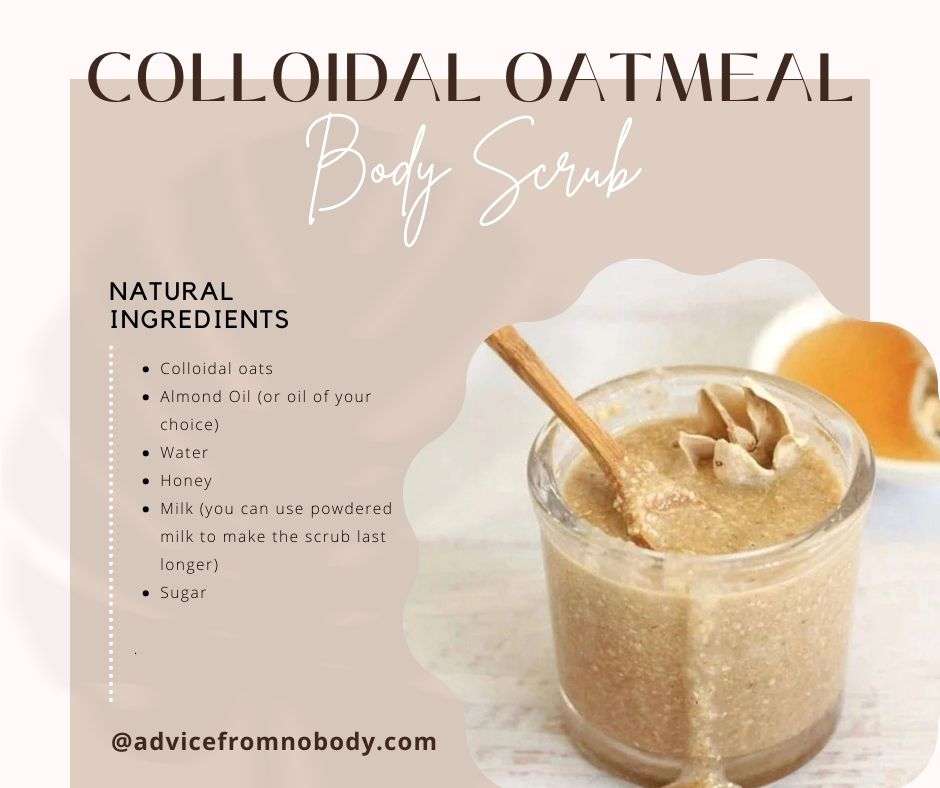
Introducing the Gentle Oat Scrub – a perfect and simple body or facial exfoliant with all-natural ingredients and no additives.

This customizable scrub is designed to gently exfoliate dead skin while infusing calming nutrients and healthy oils. Say goodbye to store-bought scrubs filled with preservatives and hello to a fresh and cost-effective alternative.

How To Make Your Colloidal Oatmeal Scrub

Supplies Needed:

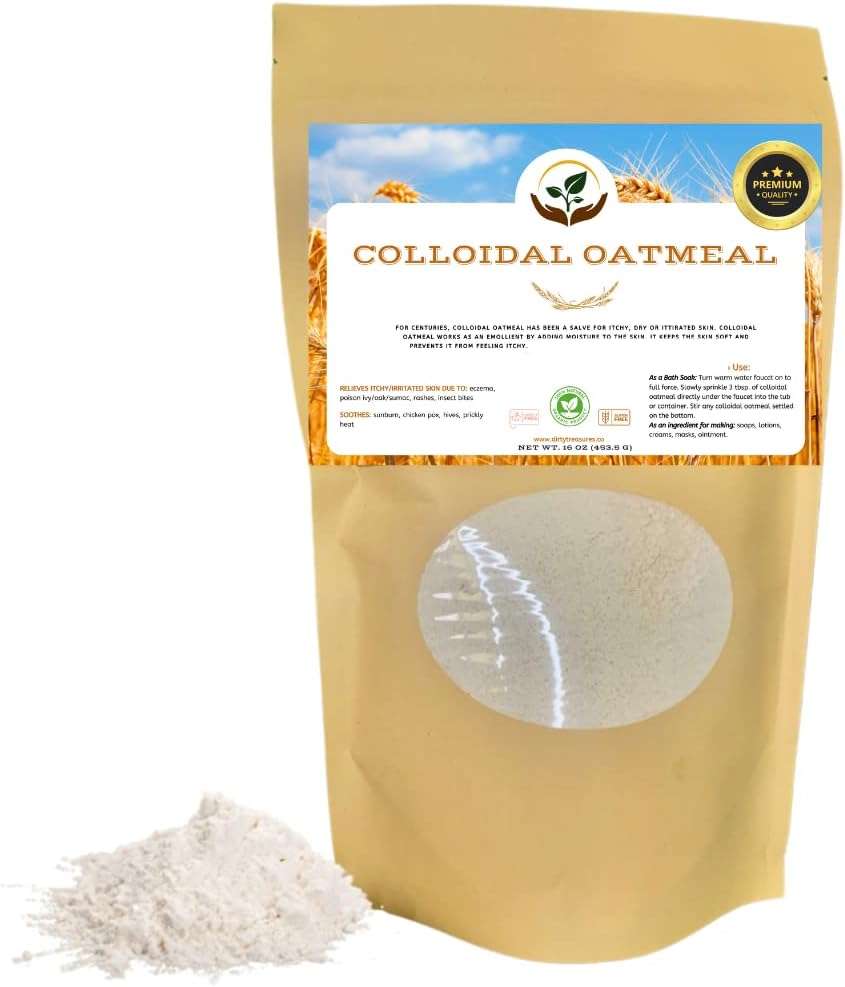
  • Colloidal oats
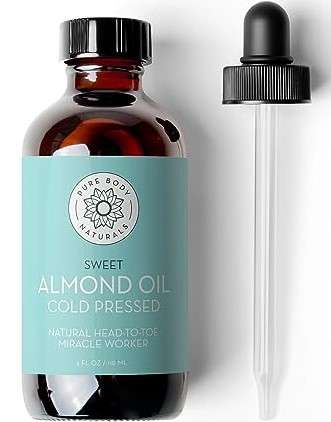
  • Almond Oil (or oil of your choice)
  • Water
  • Blender or Food Processor (not necessary if your colloidal oatmeal is premade)

Optional Ingredients (But highly recommended):

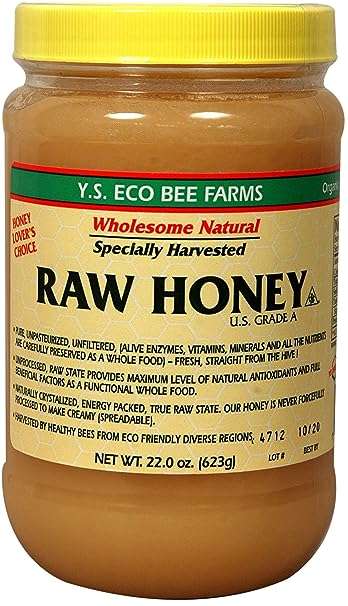
  • Honey
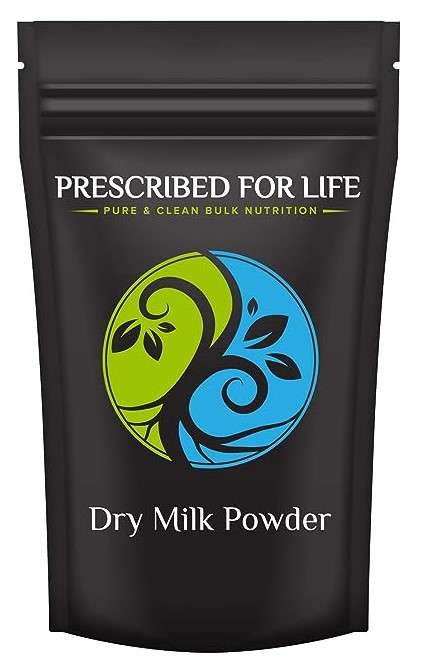
  • Milk (you can use powdered milk to make the scrub last longer)
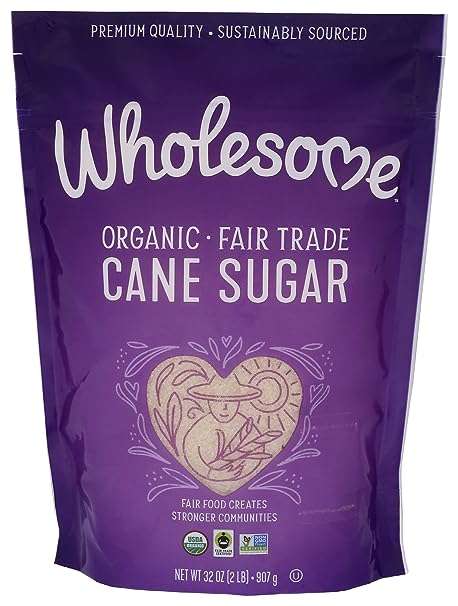
  • Sugar

Here’s how to create your Gentle Oat Scrub:

  1. Add 1/2 cup of oats to a food processor and pulse until finely ground. For a more exfoliating texture, leave some oats chunky; for gentler exfoliation, grind them finely.
  2. Gradually add small amounts of water and almond oil to the oats while pulsing. Start with 1/2 teaspoon each, adjusting as needed to achieve a paste-like consistency.
  3. For a delightful touch, you can add honey, sugar, or milk. If using milk, use the scrub immediately and store any leftovers in the fridge for up to 1-2 days (stores for up to 2 weeks without milk). Milk gently exfoliates, while honey acts as a natural antibiotic for problem skin, and sugar provides a gentle exfoliation to remove dead skin.
  4. Once your Oatmeal Scrub is ready, store it in a glass jar for use.
  5. To use the scrub, wet your face or body(it is perfect for either) and gently massage it onto your skin. This versatile scrub can also be applied to the body!
  6. Rinse thoroughly and follow up with a moisturizer for a refreshing and nourishing finish.

All About the Ingredients:

  • Colloidal Oats: Reduces skin inflammation and acts as a cleanser with saponins, making it suitable for all skin types.
  • Almond Oil: Full of vitamins and nutrients, ideal for oily, dry, and sensitive skin.
  • Honey: Packed with skin-beneficial components, speeding up healing and reducing inflammation.
  • Milk: Contains calcium, proteins, and vitamins for hair and skin restoration and exfoliation.
  • Sugar: A gentler alternative to salt scrubs, offering hydration and effective exfoliation.

Customize this Gentle Oat Scrub to suit your skin’s needs, and enjoy a refreshing and personalized facial or body treatment.

Embrace the simplicity and goodness of natural ingredients, and your skin will thank you for it!

[jetpack-related-posts]

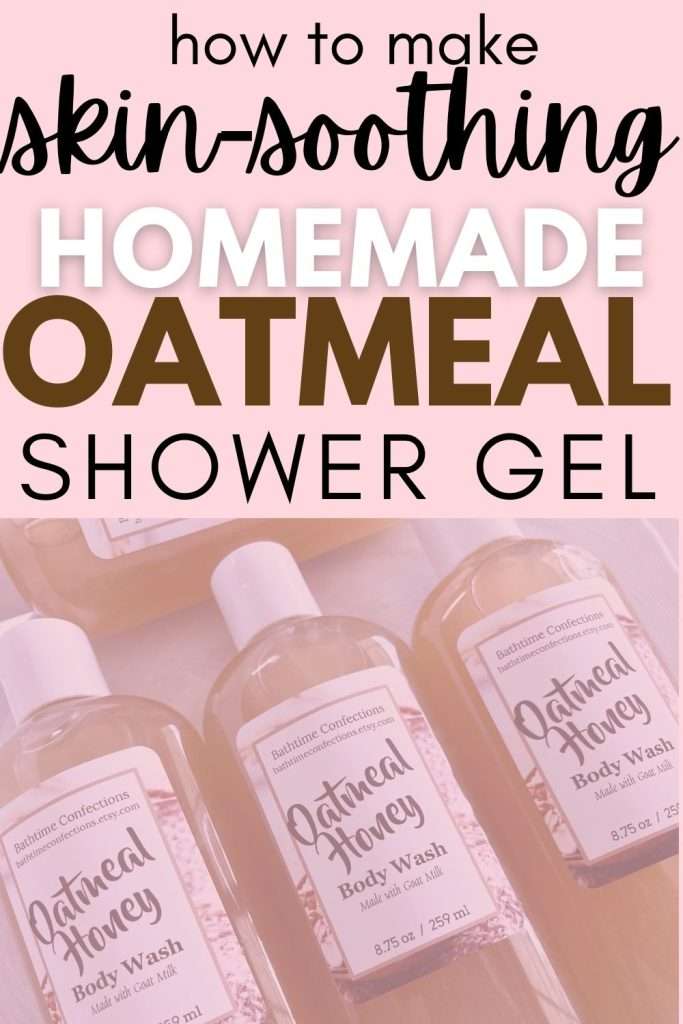
Soothing Oatmeal Shower Gel Recipe for Eczema-Prone Skin

Filed Under: Body // 08/05/2023

DIY Colloidal oatmeal shower gel for sensitive skin

If you suffer from eczema or have sensitive skin, finding a body wash that doesn’t irritate your skin can be a challenge. But fear not, because we have a fantastic solution for you!

This easy-to-make Oatmeal Shower Gel Recipe for Eczema is not only quick to whip up, but it also makes a wonderful addition to your eczema treatment routine.

The homemade shower gel is a delightful way to take control of what goes on your skin and eventually into your body.

This particular shower gel recipe is a personal favorite for its simplicity, cost-effectiveness, and nourishing ingredients that keep the skin moisturized and content, especially during the colder months when dry skin tends to become a concern.

How To Make Colloidal Oatmeal Shower Gel

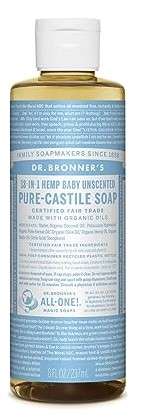
The star ingredient, other than the oatmeal of course, in this moisturizing shower gel, is pure liquid castile soap, with a preference for the baby mild variety due to its gentle nature, making it suitable for sensitive skin, including that of toddlers and babies.

Colloidal Oatmeal Benefits:

Using colloidal oatmeal in your shower gel offers a range of benefits for the skin, making it a fantastic choice for those with various skin concerns. Here are some of the key benefits of using colloidal oatmeal shower gel:

  1. Soothes and Calms Irritated Skin: Colloidal oatmeal has anti-inflammatory properties that help soothe and calm irritated and inflamed skin. It can provide relief for conditions like eczema, psoriasis, and allergic reactions, reducing redness and itching.
  2. Moisturizes and Hydrates: The natural humectant properties of colloidal oatmeal help attract and retain moisture in the skin, keeping it well-hydrated and preventing dryness.
  3. Gentle Exfoliation: The fine particles of colloidal oatmeal in the shower gel act as a gentle exfoliator, helping to remove dead skin cells and promote smoother, more radiant skin.
  4. Suitable for Sensitive Skin: Colloidal oatmeal is hypoallergenic and gentle, making it suitable for sensitive and delicate skin types.
  5. Reduces Itchiness: For individuals dealing with itchy skin, colloidal oatmeal can provide relief and reduce discomfort.
  6. Nourishes and Protects: Colloidal oatmeal contains essential lipids and proteins that nourish and protect the skin’s natural barrier.
  7. Anti-Aging Properties: The antioxidants in colloidal oatmeal help combat free radicals and support healthier, more youthful-looking skin.
  8. Safe for All Ages: Colloidal oatmeal shower gel is safe for all age groups, including children and babies, making it a great option for the whole family.
  9. Gentle Cleansing Action: Colloidal oatmeal shower gel effectively cleanses the skin without stripping away its natural oils, leaving it feeling soft and refreshed.
  10. Provides Relief from Sunburn and Insect Bites: Colloidal oatmeal can offer relief from sunburn and insect bites due to its anti-inflammatory properties.
  11. Promotes Healthy and Radiant Skin: Regular use of colloidal oatmeal shower gel can lead to improved skin texture, tone, and overall appearance, promoting healthy and radiant skin.

Incorporating colloidal oatmeal shower gel into your skincare routine allows you to harness the natural benefits of this soothing and nourishing ingredient, providing a gentle and effective cleansing experience for your skin.

Whether you have specific skin concerns like eczema or simply want to indulge in a luxurious and calming shower, colloidal oatmeal shower gel is an excellent choice to keep your skin happy and healthy.

Colloidal Oatmeal Benefits For Eczema:

DIY Colloidal oatmeal shower gel for sensitive skin

Research has shown that colloidal oatmeal possesses antioxidant and anti-inflammatory properties, leading to improvements in skin dryness, scaling, roughness, and itch intensity.

Organic oatmeal has anti-inflammatory effects and is believed to act as an antihistamine, providing relief and soothing the itching and irritation associated with eczema.

Other Great Ingredients In This Shower Gel

Almond Oil: Almond oil serves as an emollient, helping the skin lock in moisture. For individuals with eczema, this helps alleviate and repair flaring skin. When the skin experiences dryness and cracking during a flare-up, almond oil works to seal gaps between skin cells.

Castile Soap: Castile soap is a great choice in our colloidal oatmeal shower gel due to its gentle and natural formulation.

Castile soap effectively cleanses the skin without stripping away its natural oils, making it ideal for sensitive and eczema-prone skin. Its mild nature ensures a soothing and nourishing cleansing experience, making it a perfect base for creating a shower gel that is safe, effective, and suitable for all skin types.

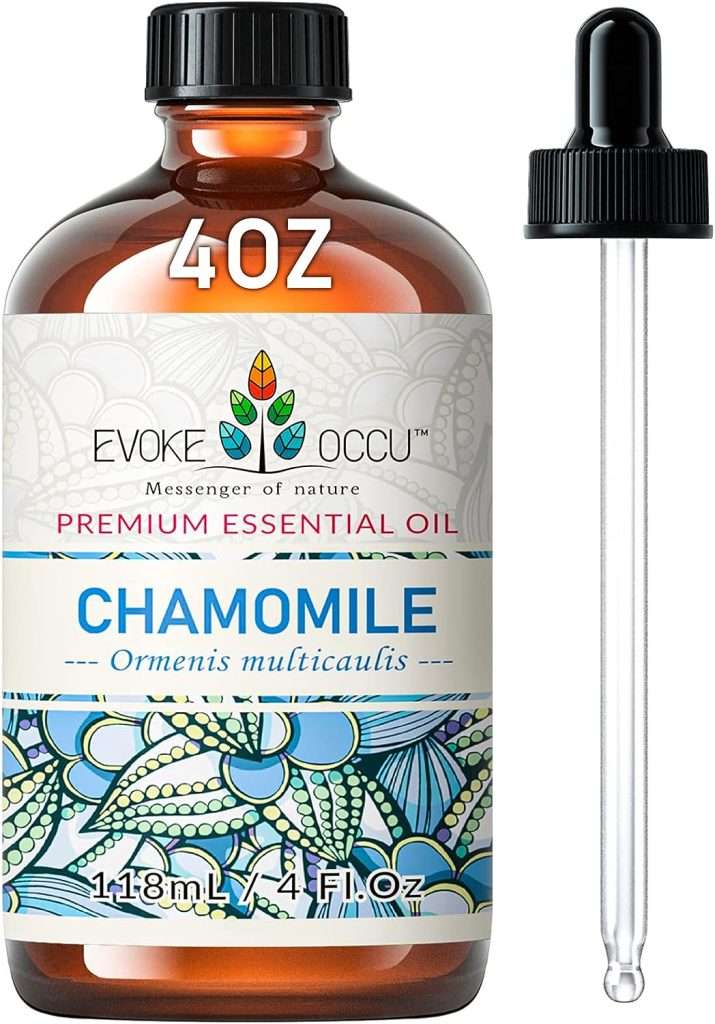
Chamomile: We use chamomile essential oil in this shower gel for its calming and soothing properties. Chamomile is known for reducing inflammation and irritation, making it an excellent choice for those with sensitive or eczema-prone skin.

The gentle aroma of chamomile also enhances the overall bathing experience, promoting relaxation and tranquility. With chamomile essential oil, our shower gel provides a luxurious and nurturing touch to your daily skincare routine.

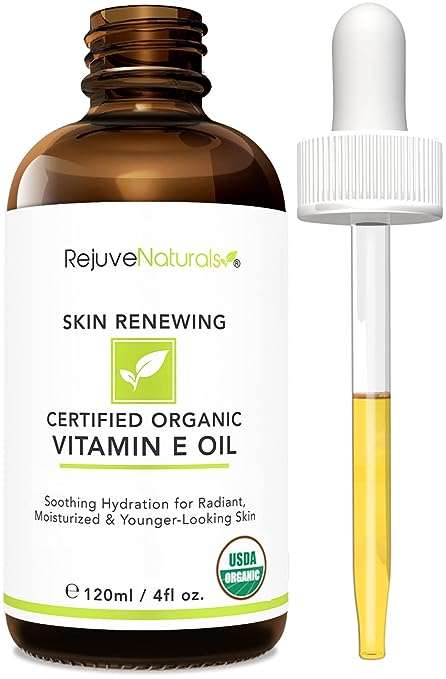
Vitamin E Oil: Vitamin E oil has powerful moisturizing properties. Vitamin E is a natural antioxidant that helps nourish and protect the skin from free radicals and environmental damage.

When incorporated into the shower gel, it promotes soft, supple, and healthier-looking skin, making it an ideal addition to our soothing and nourishing formulation.

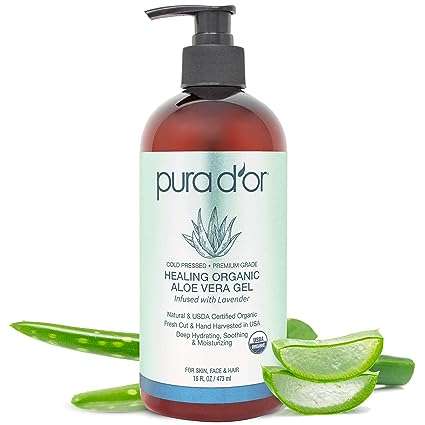
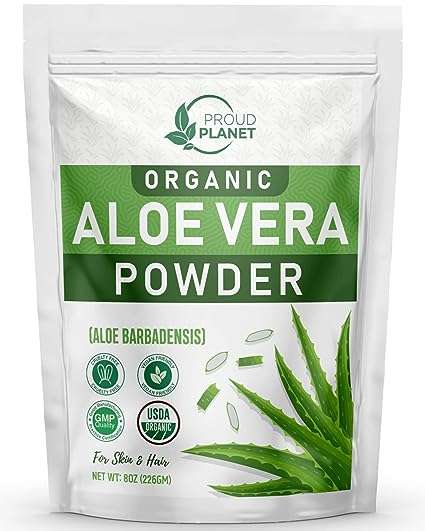
Aloe Vera: Aloe Vera is known for its soothing and cooling properties. It helps reduce inflammation and redness while providing moisture to the skin.

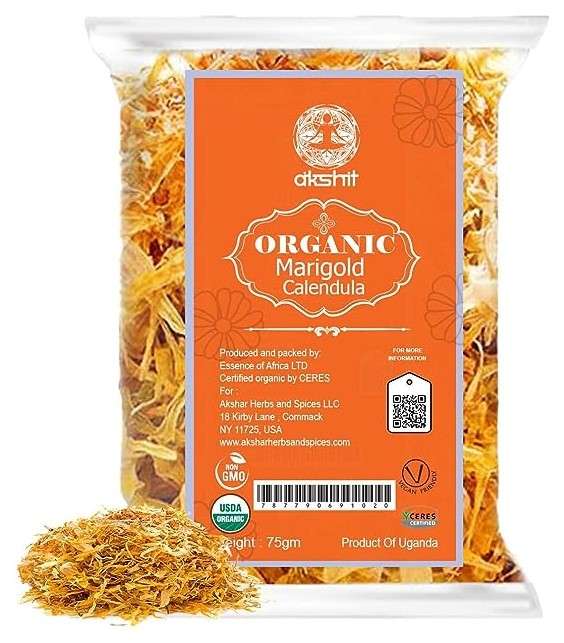
Calendula Petals: Calendula petals offer their soothing and calming properties to the shower gel. Calendula has long been cherished for its ability to reduce inflammation and irritation, making it a perfect addition to a shower gel tailored for eczema-prone or sensitive skin.

The gentle nature of calendula petals helps to provide a comforting and nurturing experience, leaving your skin feeling refreshed and pampered with each use.

Colloidal Oatmeal Homemade Shower Gel Recipe:

Ingredients:

  • 1 Cup water
  • 1/4 Cup colloidal oatmeal
  • 1/2 Cup liquid castile soap
  • 5 Drops of chamomile essential oil
  • 1 Teaspoon vitamin E oil
  • 1 Tablespoon almond oil
  • 2 Tablespoons Aloe Vera powder or Gel
  • 1 Tablespoon dried calendula petals (optional)

Directions:

  1. In a small saucepan, bring the water to a gentle boil. Once boiling, add the colloidal oatmeal and stir continuously for about 1-2 minutes until it forms a smooth mixture. Remove from heat and allow it to cool slightly.
  2. In a mixing bowl, combine the cooled colloidal oatmeal mixture with the liquid castile soap. Mix well to ensure the ingredients are thoroughly incorporated.
  3. Add the chamomile essential oil, vitamin E oil, and almond oil to the mixture. Stir gently to combine, ensuring the oils are evenly distributed.
  4. If you’re using Aloe Vera Liquid, add it to the mixture and continue to stir. If you prefer Aloe Vera Gel, you can add it later during the cooling stage.
  5. Optionally, add the dried calendula petals to the mixture for extra soothing properties and a lovely visual touch. Calendula has calming effects and can help reduce inflammation.
  6. Transfer the shower gel mixture into a clean, airtight container. If you’re using Aloe Vera Gel, add it now and stir gently.
  7. Allow the shower gel to cool completely before using. You can store any excess in the refrigerator for extended shelf life.

How to Use:

  1. Wet your skin in the shower.
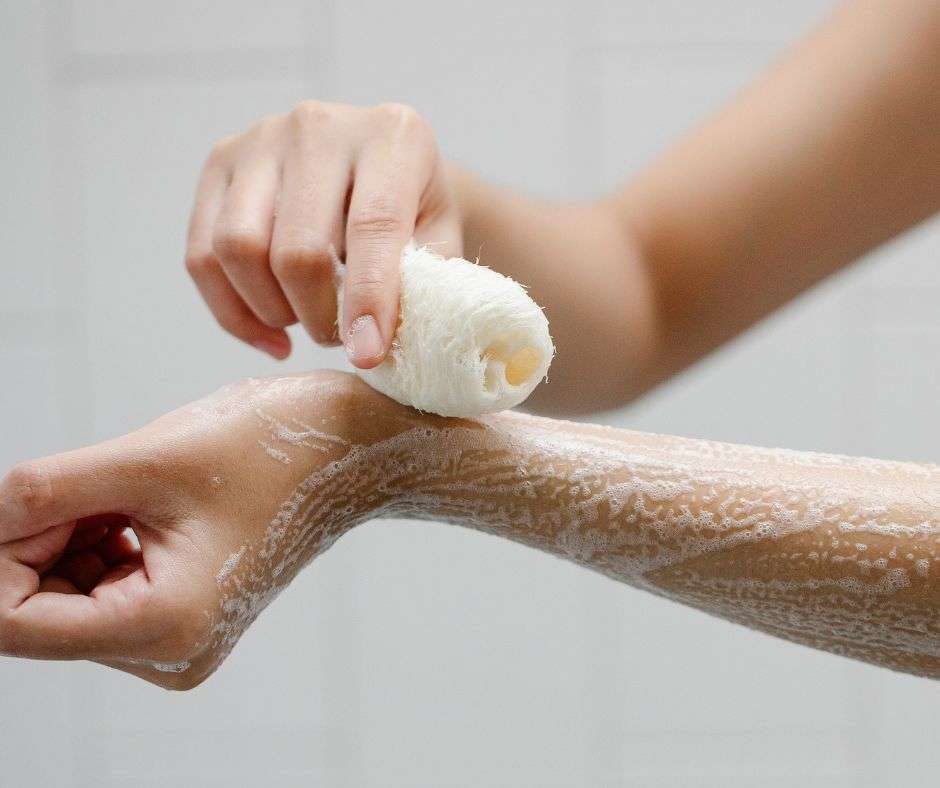
  2. Apply a small amount of the colloidal oatmeal shower gel to a loofah, sponge, or your hands.
  3. Gently massage the gel onto your body, focusing on areas prone to eczema or sensitivity.
  4. Rinse thoroughly with warm water.
  5. Pat your skin dry with a soft towel and follow up with your favorite moisturizer if needed.

This homemade colloidal oatmeal shower gel is gentle and suitable for daily use. However, if you experience any irritation or discomfort, discontinue use and consult with a dermatologist.

Always perform a patch test before using any new product on your entire body, especially if you have sensitive or eczema-prone skin.

How Long Does This Colloidal Oatmeal Shower Gel Last?

The shelf life can vary depending on several factors, including the freshness of the ingredients used and the storage conditions. Generally, this type of shower gel can last for about 4 to 6 weeks when stored properly, so don’t batch make this.

To extend the shelf life and preserve the freshness of the shower gel, follow these storage guidelines:

  1. Store in a Cool, Dark Place: Keep the shower gel in a cool and dark place, away from direct sunlight and heat. Exposure to sunlight and high temperatures can degrade the ingredients and reduce the shelf life.
  2. Use Clean Containers: Ensure that the container used to store the shower gel is clean and airtight. This helps prevent contamination and maintains the integrity of the ingredients.
  3. Avoid Water Contamination: Do not introduce water into the container or directly into the shower gel. Water can promote the growth of bacteria and mold, reducing the shelf life of the product.
  4. Check for Changes: Regularly inspect the shower gel for any changes in color, texture, or smell. If you notice any signs of spoilage or rancidity, discard the product immediately.
  5. Keep Away from Humidity: Avoid storing the shower gel in a humid environment, as moisture can lead to bacterial growth and spoilage. So don’t store this in your shower.
  6. Refrigerate (Optional): If you want to extend the shelf life further, you can store the shower gel in the refrigerator. However, refrigeration might cause the gel to thicken, so it’s essential to let it come to room temperature before using.

To ensure the shower gel remains fresh and effective, it’s best to make it in smaller batches and use it within the recommended shelf life.

[jetpack-related-posts]

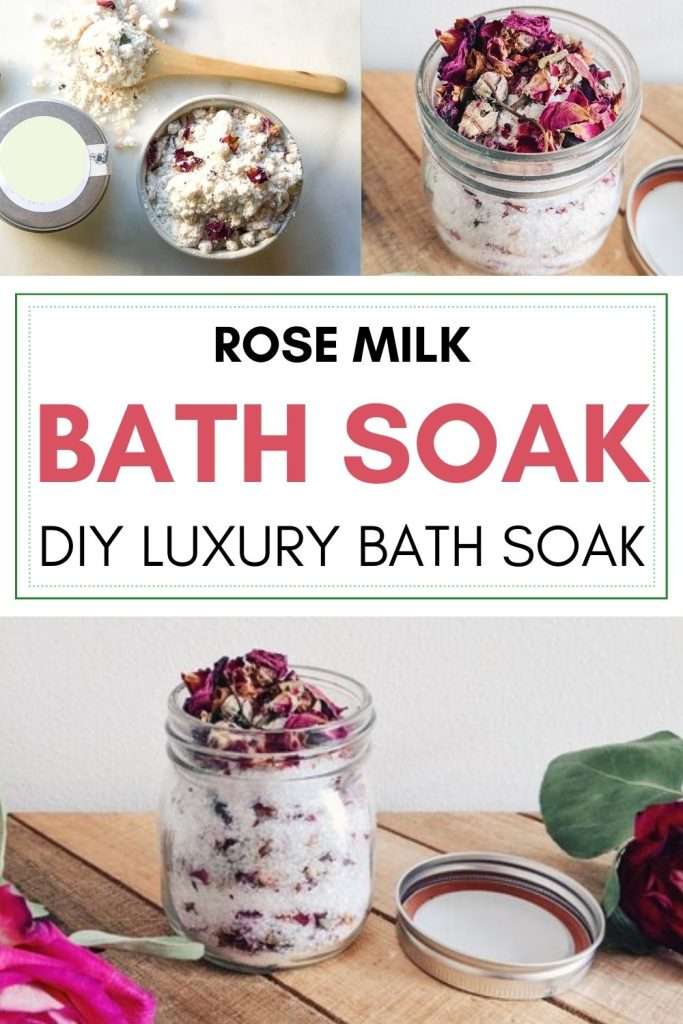
Rose Petal Milk Bath

Filed Under: Body, DIY Beauty, Self Care // 08/04/2023

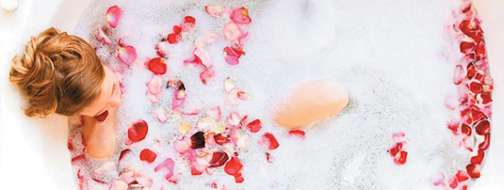
Picture yourself immersed in a luxurious bath, surrounded by the sweet scent of roses and the gentle touch of velvety rose petals.

If this sounds like a dream come true, then get ready to experience the ultimate pampering with a Rose Petal Milk Bath.

This decadent bath soak combines the richness of powdered milk with the soothing properties of baking soda, creating a nourishing elixir for your skin.

Enhanced with the delicate essence of organic and pesticide-free dried rose petals and the aromatic allure of rose essential oil, this bath is a true treat for your senses, perfect for a rejuvenating and indulgent escape.

The Benefits Of Rose Petals In Your Bath

Roses have long been treasured for their beauty and symbolize love and romance, but did you know they can also be an exquisite addition to your bath routine?

Adding rose petals to your bath offers a plethora of delightful benefits. These delicate and aromatic petals create a luxurious and soothing experience that can elevate your bath time to a whole new level of indulgence.

So, let’s dive into the enchanting world of rose petals and discover why they deserve a prominent place in your bath routine.

Be Your Best Self With Our Self-Care Workbook

Download our FREE Self-Care Workbook and embark on a transformative journey to nurture your mind, body, and soul.

​
Get the 30 day guide by subscribing below.

    We respect your privacy. Unsubscribe at any time.
    Built with ConvertKit

    Great For The Skin

    Rose petals are rich in natural oils that can moisturize and nourish your skin. When infused in warm bathwater, they release their essence, leaving your skin feeling soft, smooth, and pampered.

    Aromatherapy

    The heavenly fragrance of roses is renowned for its therapeutic effects on the mind and emotions. Inhaling the sweet aroma of rose petals during your bath can help reduce stress and anxiety, promoting a sense of relaxation and well-being.

    Soothing And Anti-Inflammatory

    The natural compounds in rose petals have anti-inflammatory properties that can help soothe irritated skin and reduce redness or swelling, making them ideal for those with sensitive skin.

    Mood Enhancer

    The mere sight of vibrant rose petals floating in your bathwater can uplift your spirits and create a serene and tranquil atmosphere. The aesthetic appeal of roses in your bath can positively impact your mood and leave you feeling refreshed and rejuvenated.

    Indulging in a bath adorned with rose petals can evoke feelings of romance and self-love. It’s a beautiful way to show yourself some extra care and attention, turning your bath into a blissful escape from the daily hustle.

    So, the next time you prepare a relaxing bath, consider sprinkling these enchanting petals in the water—because, let’s be honest, who wouldn’t want to be surrounded by the beauty and magic of roses while they unwind?

    Embrace the romance and luxury of a Rose Petal Milk Bath and cherish the moments of pure indulgence and self-care it brings.

    Benefits Of Powdered Milk In Your Bath

    Powdered milk, often regarded as a kitchen staple, has an unexpected secret: it’s an absolute gem for your bath time too, especially when combined with enchanting rose petals.

    So, before you dive into the blissful indulgence of a Rose Petal Milk Bath, let’s explore the wonders that powdered milk can bring to your bathing experience.

    Great For Your Skin

    Powdered milk contains proteins, fats, and lactic acid that work wonders for your skin. When dissolved in warm bathwater, it creates a moisturizing and nourishing bath soak, leaving your skin feeling silky smooth and supple.

    The proteins and fats in powdered milk have a calming effect on the skin, making it an excellent choice for those with sensitive or irritated skin. When combined with rose petals, it creates a soothing and anti-inflammatory bath experience.

    Gentle Exfoliation

    The natural exfoliating properties of powdered milk can help remove dead skin cells, promoting a radiant and rejuvenated complexion.

    Hydrates You

    The emollient properties of powdered milk help lock in moisture, preventing dryness and leaving your skin and you feeling deeply hydrated.

    Choosing The Right Powdered Milk

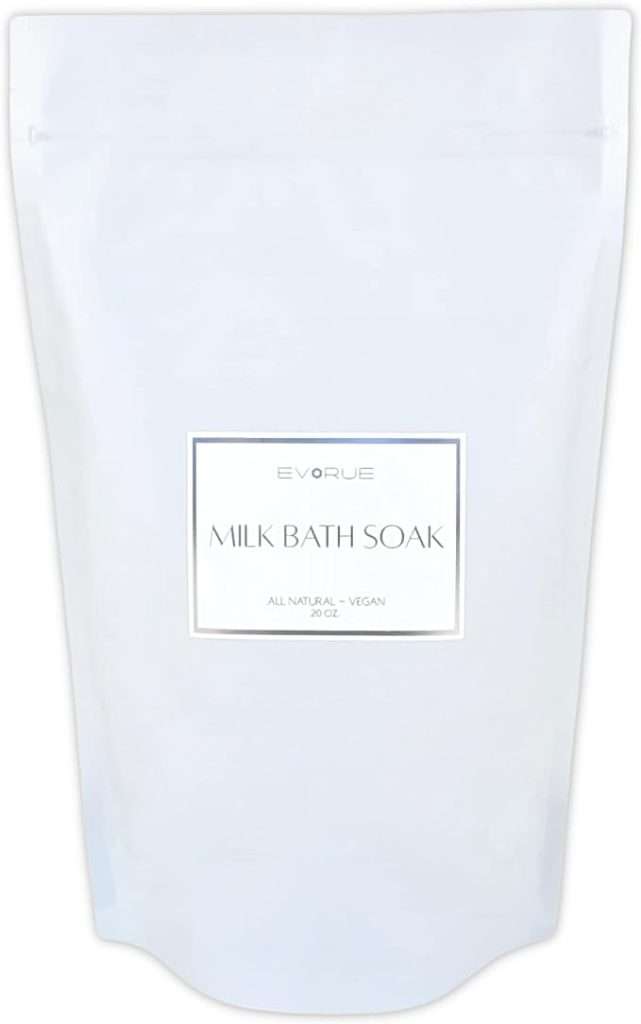
    When selecting powdered milk for your bath, opt for full-fat powdered milk or whole-milk powder. These varieties contain higher fat content, which translates to more skin-nourishing benefits:

    1. Type of Milk: Opt for full-fat powdered milk or whole milk powder. These varieties contain higher fat content, which means they have more skin-nourishing benefits. The fats in milk help moisturize and hydrate the skin, leaving it soft and supple after your bath.

    2. Quality: Choose high-quality powdered milk without any additives, fillers, or preservatives. Look for organic powdered milk, if possible, as it ensures that the milk comes from cows that are free from synthetic chemicals and pesticides.

    3. Scent-Free: It’s essential to select unscented powdered milk. Avoid flavored or scented options, as they may contain additional ingredients that are not suitable for bathing and may interfere with the aroma of other natural additives like rose petals or essential oils.

    4. Skin Sensitivity: Consider your skin type and any sensitivities you might have. If you have sensitive or easily irritated skin, it’s best to choose a mild and hypoallergenic powdered milk option to avoid any potential reactions.

    5. Budget: While quality is essential, consider your budget when choosing powdered milk for your bath. There are various options available at different price points, so find one that fits your needs without compromising on quality.

    By considering these factors, you can confidently select the right powdered milk for your Rose Petal Milk Bath.

    Remember, the goal is to create a luxurious and nourishing bath experience that leaves your skin feeling pampered and radiant. Choose wisely, indulge in the magic of powdered milk, and revel in the beauty of a truly exquisite bathing ritual.

    Why Add Baking Soda To Your Rose Petal Milk Bath

    Adding baking soda to your Rose Petal Milk Bath is a simple yet transformative step that enhances the overall bathing experience.

    Baking soda, also known as sodium bicarbonate, offers an array of benefits when combined with the enchanting properties of rose petals, making your bath even more soothing and revitalizing. Let’s explore the fantastic benefits of baking soda in a bath:

    Calms And Soothes The Skin

    Baking soda has natural alkaline properties that can help balance the skin’s pH levels. This makes it ideal for soothing skin irritations, itchiness, and redness, providing a calming effect that complements the soothing benefits of rose petals.

    With its skin-calming, exfoliating, and detoxifying effects, baking soda contributes to improved skin health, giving you a radiant and glowing appearance.

    Gentle Exfoliation

    As a mild exfoliant, baking soda gently buffs away dead skin cells, promoting a smoother and more radiant complexion. Combined with the moisturizing effect of milk, it leaves your skin feeling soft and rejuvenated.

    Detoxification

    Baking soda has detoxifying properties that can help draw out impurities and toxins from the skin.

    This can be especially beneficial for those with acne-prone or congested skin, helping to unclog pores and promote a clearer complexion.

    Great For Sore Muscles

    The alkaline properties of baking soda can help neutralize lactic acid build-up in muscles, making it an excellent addition to a post-workout bath. Soak away soreness and fatigue while enveloped in the calming embrace of rose petals.

    Odor Control

    Baking soda’s natural deodorizing abilities help neutralize unwanted odors, leaving you feeling fresh and revitalized after your bath.

    Incorporating baking soda into your Rose Petal Milk Bath not only amplifies the indulgence but also provides an array of beneficial effects for your skin and well-being.

    From skin soothing to relaxation, this simple addition elevates your bath to a rejuvenating and therapeutic experience. Embrace the enchanting combination of baking soda and rose petals in your bath, and savor the moments of blissful pampering and self-care.

    Be Your Best Self With Our Self-Care Workbook

    Download our FREE Self-Care Workbook and embark on a transformative journey to nurture your mind, body, and soul.

    ​
    Get the 30 day guide by subscribing below.

      We respect your privacy. Unsubscribe at any time.
      Built with ConvertKit

      How To Take A Rose Petal Milk Bath

      Taking a Rose Petal Milk Bath is a delightful and luxurious experience that can help you unwind and indulge in some much-needed self-care. Follow these steps to create your own serene and pampering bath:

      Ingredients:

      • 1 cup powdered milk (full-fat or whole milk powder)
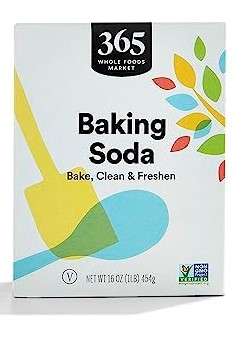
      • 1/2 cup baking soda
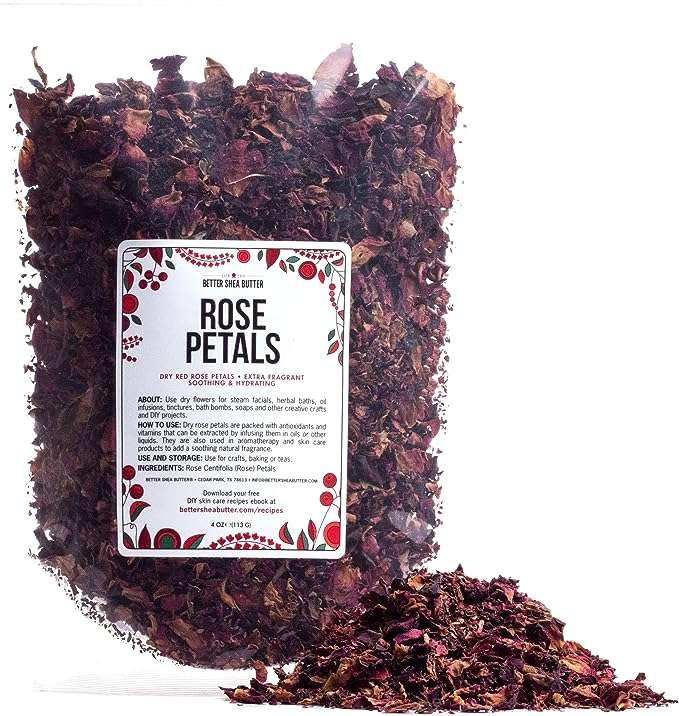
      • 1/4 cup dried rose petals (organic and pesticide-free)
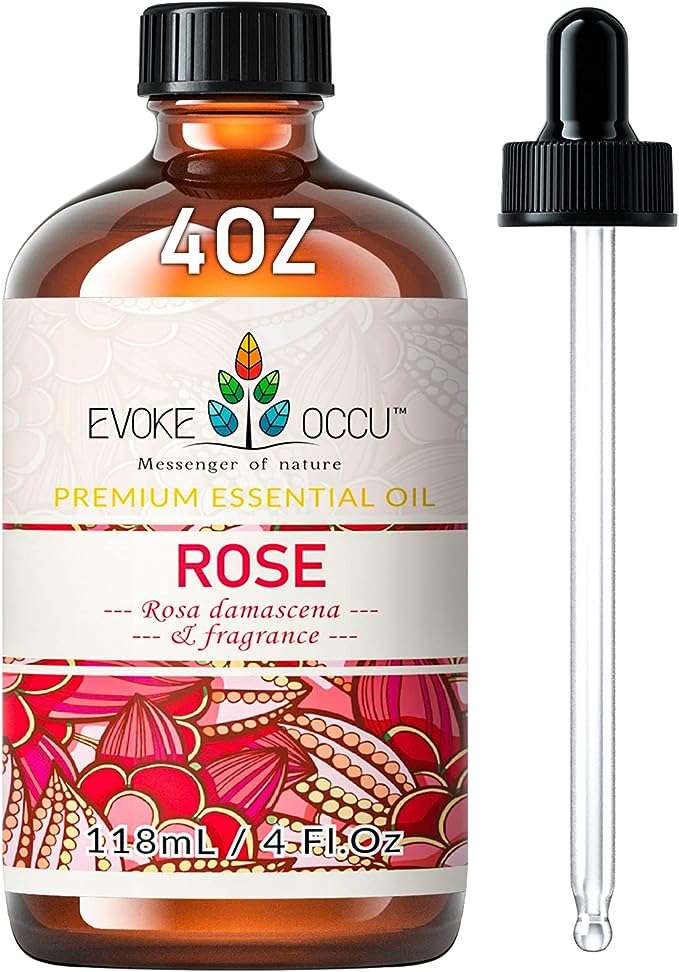
      • 10-15 drops of rose essential oil

      Directions:

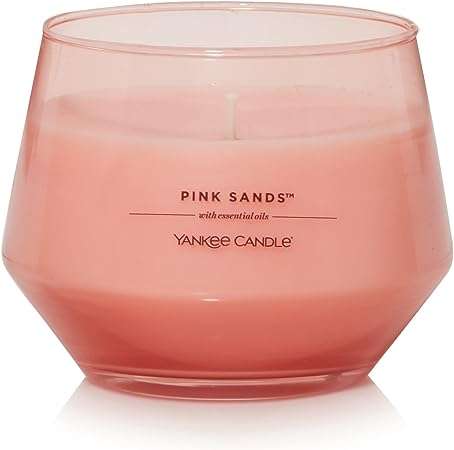
      1. Prepare Your Bath Space: Begin by creating a tranquil and inviting environment in your bathroom. Dim the lights, light some scented candles, and play soothing music to set the mood for relaxation.
      2. Fill the Bathtub: Fill your bathtub with warm water to your desired level. Make sure the water is comfortably warm, not too hot, to avoid drying out your skin.
      3. Add the Ingredients: While the tub is filling, sprinkle the powdered milk and baking soda directly into the water. Stir the water gently with your hand to dissolve the ingredients.
      4. Infuse with Rose Petals: Add the dried rose petals to the bathwater. As they float on the surface, they’ll release their delightful fragrance and create a visually enchanting experience.
      5. Enhance the Aroma: Drop 10-15 drops of rose essential oil into the water. Swirl the water to disperse the oil and intensify the soothing scent of roses.
      6. Create a Blissful Atmosphere: Take a few moments to breathe in the delightful aroma, close your eyes, and let the calming fragrance of roses envelop your senses.
      7. Step In and Soak: Gently step into the bath, allowing the warm water to embrace your body. Find a comfortable position and immerse yourself in the blissful rose petal milk bath.
      8. Relax and Unwind: Take your time to unwind and enjoy the tranquility of your bath. Take deep breaths and let the soothing properties of milk and roses soothe your mind and body.
      9. Pamper Your Skin: While in the bath, you can use a soft cloth to gently exfoliate your skin, taking advantage of the mild exfoliating properties of baking soda.
      10. Soak and Rejuvenate: Stay in the bath for at least 20-30 minutes to allow the milk, roses, and essential oil to work their magic on your skin and senses.
      11. Rinse Off: After your relaxing soak, rinse off any remaining milk or petals from your skin with warm water.
      12. Moisturize: Pat your skin dry with a soft towel and apply your favorite moisturizer to lock in the hydration and leave your skin feeling soft and nourished.

      Remember to take this time for yourself and savor the luxurious experience of a Rose Petal Milk Bath. Let go of any stress or tension, and allow the delicate essence of roses to transport you to a world of pure bliss and serenity.

      How To Make A Rose Petal Milk Bath Soak

      Creating a delightful Rose Petal Milk Bath Soak is a straightforward process that will provide you with a luxurious bathing experience. Here’s how you can make it:

      Ingredients:

      • 1 cup powdered milk (full-fat or whole milk powder)
      • 1/2 cup baking soda
      • 1/4 cup dried rose petals (organic and pesticide-free)
      • 10-15 drops of rose essential oil

      Directions:

      1. In a mixing bowl, combine the powdered milk and baking soda. Stir the two ingredients together until they are well mixed.
      2. Add the dried rose petals to the mixture. The rose petals will infuse the bath soak with their enchanting aroma and add a touch of visual elegance.
      3. Carefully drop 10-15 drops of rose essential oil into the bowl. The essential oil will enhance the fragrance of the bath soak and provide additional therapeutic benefits.
      4. Mix all the ingredients thoroughly until they are well incorporated. Take a moment to enjoy the delightful aroma of the rose petal milk bath soak.
      5. Once everything is mixed, transfer the bath soak into an airtight container or a decorative jar for storage.

      How To Store The Rose Petal Milk Bath Soak:

      To maintain the freshness and efficacy of your Rose Petal Milk Bath Soak, proper storage is essential. Follow these guidelines:

      1. Choose an airtight container: Use a container with a tight-fitting lid to prevent air and moisture from entering, which could degrade the quality of the ingredients.
      2. Keep it away from direct sunlight: Store the bath soak in a cool, dry place away from direct sunlight, as exposure to light can cause the essential oil and dried flowers to lose their potency.
      3. Label the container: Don’t forget to label the container with the name and ingredients of the bath soak for easy identification.

      How To Use The Rose Petal Milk Bath Soak:

      To use your Rose Petal Milk Bath Soak, simply add a generous amount to warm running bathwater.

      Allow the blend to dissolve, releasing the soothing aroma and beneficial properties into the water. Immerse yourself in the blissful bath, take deep breaths, and let the calming scents envelop you in relaxation.

      How To Gift The Rose Petal Milk Bath Soak:

      Sharing the joy of a Rose Petal Milk Bath Soak with someone special is a thoughtful and heartfelt gesture. Here’s how you can present it as a lovely gift:

      1. Decorative jar or container: Transfer the bath soak into a decorative glass jar or container to make it visually appealing.
      2. Add a personal touch: Attach a handwritten note or a small card expressing your love and best wishes for the recipient.
      3. Ribbon or bow: Tie a pretty ribbon or bow around the jar to add an extra touch of elegance.
      4. Gift tag: Attach a gift tag with instructions for use and any special messages you’d like to share.
      5. Gift basket: Create a spa-themed gift basket by adding other self-care items like scented candles, bath oils, and a soft bathrobe.

      Gifting the Rose Petal Milk Bath Soak allows you to share the joy of relaxation and pampering with your loved ones, making it a perfect present for any occasion. Whether for yourself or someone dear, this luxurious and aromatic bath soak is sure to be a treasured gift that invokes feelings of indulgence and care.

      [jetpack-related-posts]

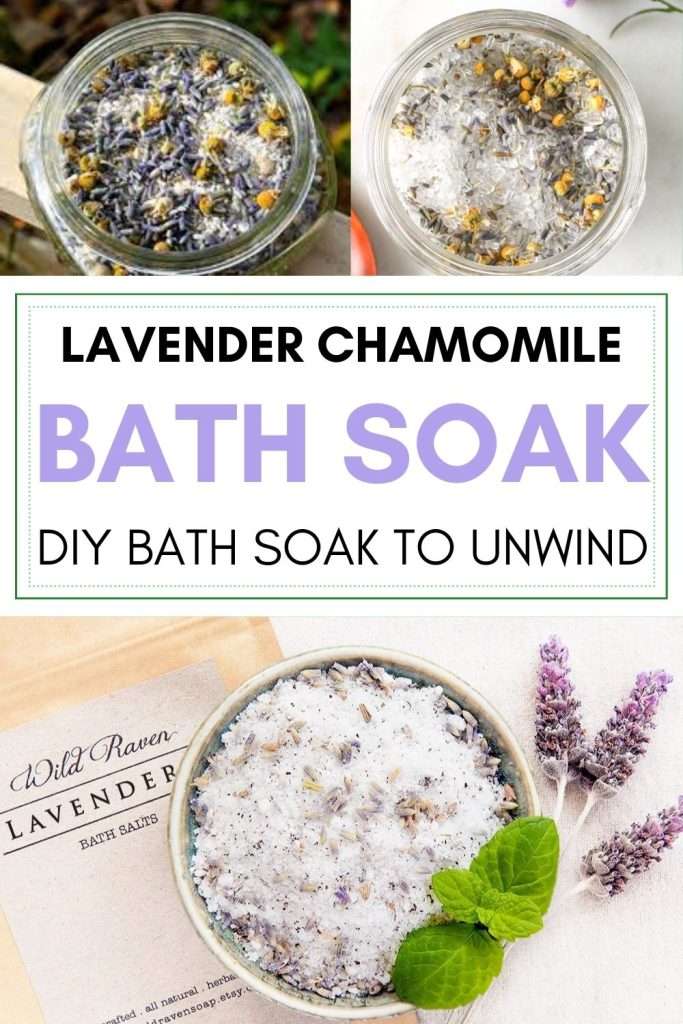
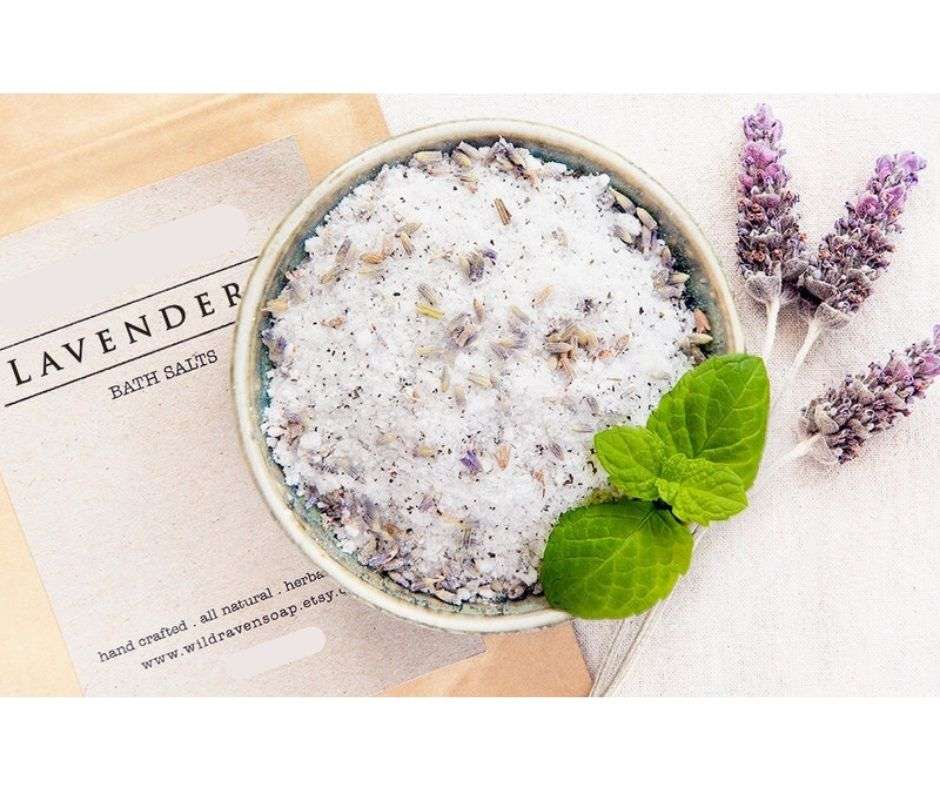
      Lavender And Chamomile Bath Soak

      Filed Under: Body, DIY Beauty, Self Care // 08/04/2023

      Discover the ultimate relaxation with a Lavender and Chamomile bath.

      This nourishing Lavender and Chamomile bath soak recipe is crafted with a blend of natural ingredients, including calming essential oils, soothing Epsom salt, and fragrant dried lavender and chamomile flowers for a truly indulgent bath routine experience.

      Immerse yourself in the soothing fragrance of lavender and the gentle essence of chamomile with this bath soak recipe, offering a perfect escape at the end of a long, stressful day. With the added benefits of magnesium-rich bath salts and antioxidant-rich lavender and chamomile, your self-care routine will reach new heights of rejuvenation.

      Say goodbye to expensive store-bought bath salts and follow this easy tutorial to experience the blissful wonders of a Lavender and Chamomile bath.

      Dive into the world of natural ingredients, where the harmonious blend of lavender, chamomile, and bath salts promise an extraordinary and calming bath routine.

      Get ready to unwind, relax, and pamper yourself with the gentle embrace of Lavender and Chamomile, all within the comfort of your own bath, this bath soak is especially perfect for your night routine.

      Benefits Of Lavender In Your Bath

      Lavender and chamomile have long been revered for their restorative and soothing properties, making them the perfect ingredients for a rejuvenating bath soak.

      While you may be familiar with lavender’s uses in essential oils and skin care products, the benefits of incorporating lavender into your bath routine extend far beyond its delightful fragrance.

      Healing Properties For The Skin

      Both lavender offer remarkable healing properties for the skin.

      Bathing in lavender-infused water allows this gentle herb to nourish and protect your skin, leaving it feeling revitalized and pampered.

      Applying lavender oil to minor cuts or injuries, accompanied by proper care, can accelerate tissue repair and reduce healing time. Moreover, a Lavender bath can be incredibly soothing for sunburns and skin irritations, providing relief and helping the skin heal faster.

      Improved Sleep Quality

      If you struggle with sleepless nights, a Lavender and Chamomile bath can be a game-changer.

      Lavender’s calming and soothing benefits extend to promoting better sleep quality. Just adding a few drops of lavender essential oil to your bath water can help relax your mind and body, preparing you for a peaceful and restorative night’s sleep.

      The comforting scent of chamomile further enhances the bath experience, lulling you into a state of tranquility before drifting off to dreamland.

      Reduces Stress And Anxiety

      When life feels overwhelming, a little bit of lavender might just be what you need.

      Inhaling the serene fragrance of lavender and soaking in it during your bath can have a calming effect on your mind, reducing stress and anxiety within minutes.

      This therapeutic experience offers a respite from the hustle and bustle of daily life, allowing you to unwind and find solace in the gentle embrace of these natural herbs.

      Enhances Emotional Balance

      The power of aromatherapy extends to emotional well-being.

      The enchanting scents of lavender can calm your nerves and ease emotional suffering, creating an oasis of serenity within your bath. Let go of tension and embrace a sense of peace as you indulge in the aromatic journey of this bath soak.

      The Lavender in your bath soak offers not only a luxurious and aromatic experience but also a myriad of health benefits for your skin, mind, and body.

      Embrace the natural healing properties of lavender and let them elevate your bath routine to a truly blissful and rejuvenating spa experience right in the comfort of your own home.

      Benefits of Chamomile In A Bath

      Chamomile, with its gentle and mild fragrance, is another fantastic herb for enhancing bath time relaxation. It has anti-inflammatory properties that can soothe irritated skin, making it ideal for those with sensitive skin or skin conditions.

      Additionally, chamomile can calm nervous tension and anxiety, providing an overall sense of well-being during your bath ritual.

      The key active ingredients in chamomile oil, such as bisabolol and matricine, offer potent anti-inflammatory effects. When the oil is steam-distilled, it forms chamazulene, which not only deepens the oil’s blue color but also enhances its anti-inflammatory properties.

      But what does this mean for your bath routine? Let’s explore the wonderful benefits of chamomile when incorporated into your bathing experience:

      Natural Anti-Inflammatory

      Chamomile’s anti-inflammatory nature extends both internally and externally.

      When applied topically, chamomile can help soothe skin inflammation and conditions like neurodermatitis.

      Its anti-inflammatory effect can also be experienced through the steam of a chamomile steamer, providing comfort to irritated airways during colds.

      Has A Calming Effect

      Chamomile isn’t just a comforting drink for stomach upsets; it can also be a relaxing and soothing addition to your bath.

      By infusing dried chamomile flowers in hot water, you can create a chamomile tea bath that calms your senses and relieves gastrointestinal cramps.

      Great For Your Skin

      Incorporating chamomile in your bath water can work wonders for your skin.

      A chamomile bath can offer relief from skin conditions like neurodermatitis and mild sunburn due to its anti-inflammatory and antibacterial effects, chamomile can aid in healing wounds and provide antibacterial benefits for skin inflammations.

      How To Take A Lavender And Chamomile Bath

      There’s nothing quite like sinking into a warm bath infused with the calming essence of lavender and chamomile.

      This calming duo of herbs offers a tranquil and rejuvenating experience, perfect for unwinding after a long day or as a nightly self-care routine. If you’re wondering how much chamomile and lavender to use for the ultimate bath soak, we’ve got you covered:

      Gather Your Ingredients

      To begin, you’ll need dried chamomile flowers and dried lavender flowers. You can find these at health food stores, herbal shops, or online retailers. Make sure to choose high-quality, organic flowers for the best results.

      The ideal amount of chamomile and lavender for your bath depends on personal preference and the size of your tub.

      A good starting point is to use approximately 1/2 to 1 cup of dried chamomile flowers and dried lavender flowers each. Feel free to adjust the amounts to suit your scent preference and the intensity of the aroma you desire.

      More Ingredients For Your Lavender & Chamomile Bath Soak

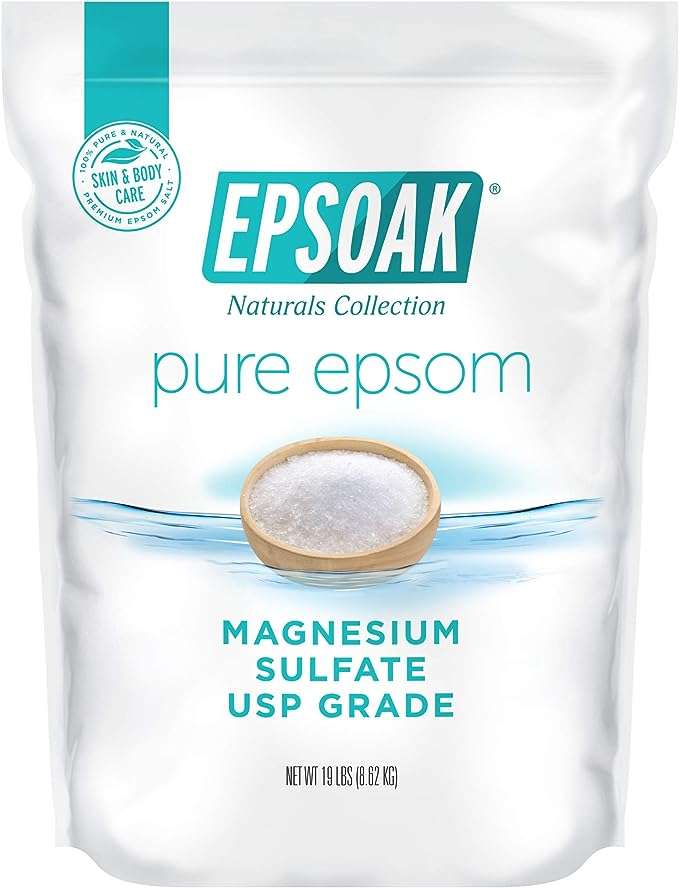
      • 1 Cup Epsom salts
      • 1/2 Cup sea salt
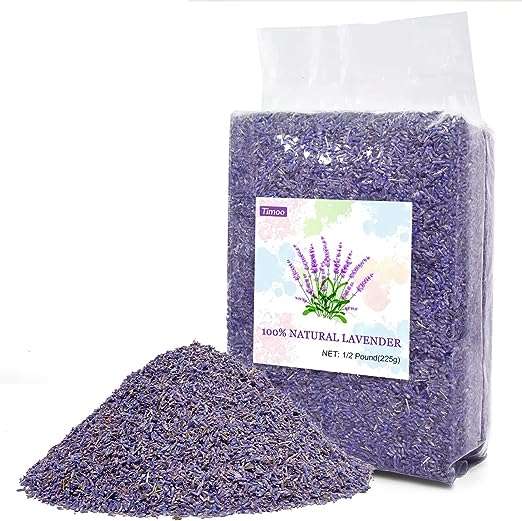
      • 1 Cup dried lavender flowers
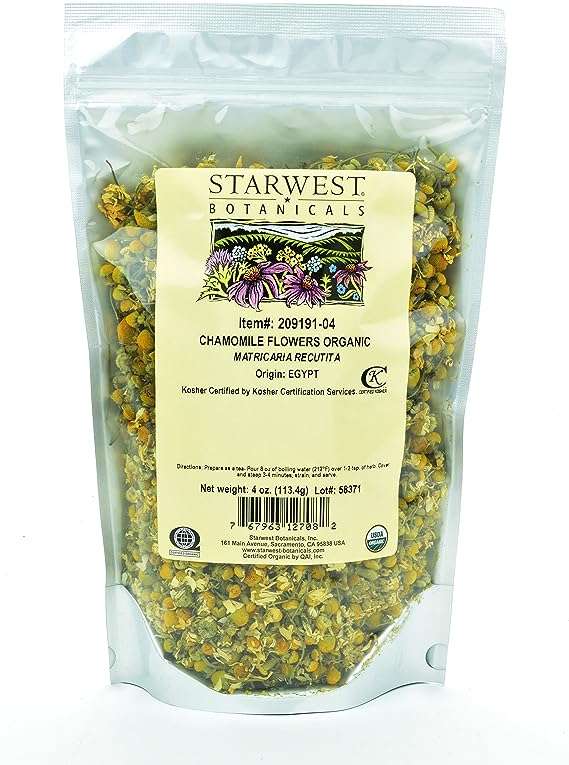
      • 1 Cup dried chamomile flowers
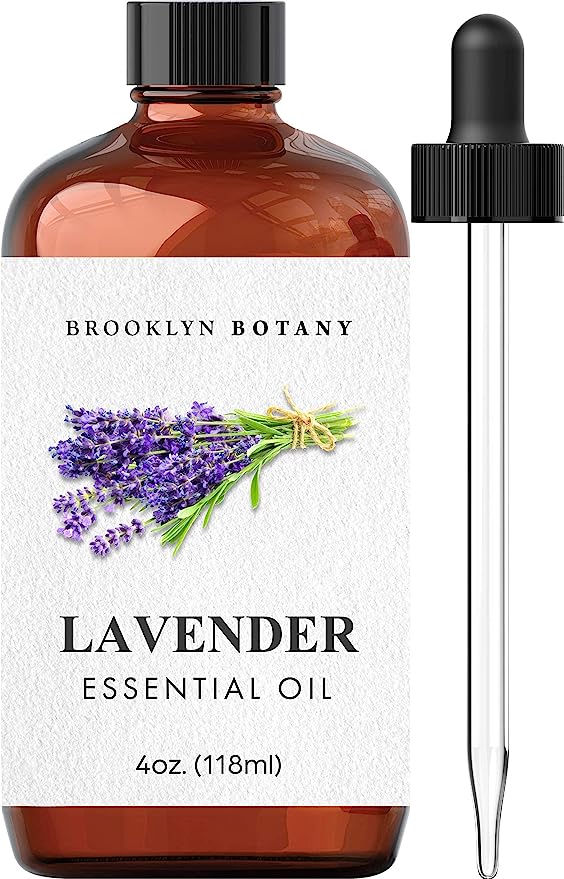
      • 10-15 Drops of lavender essential oil
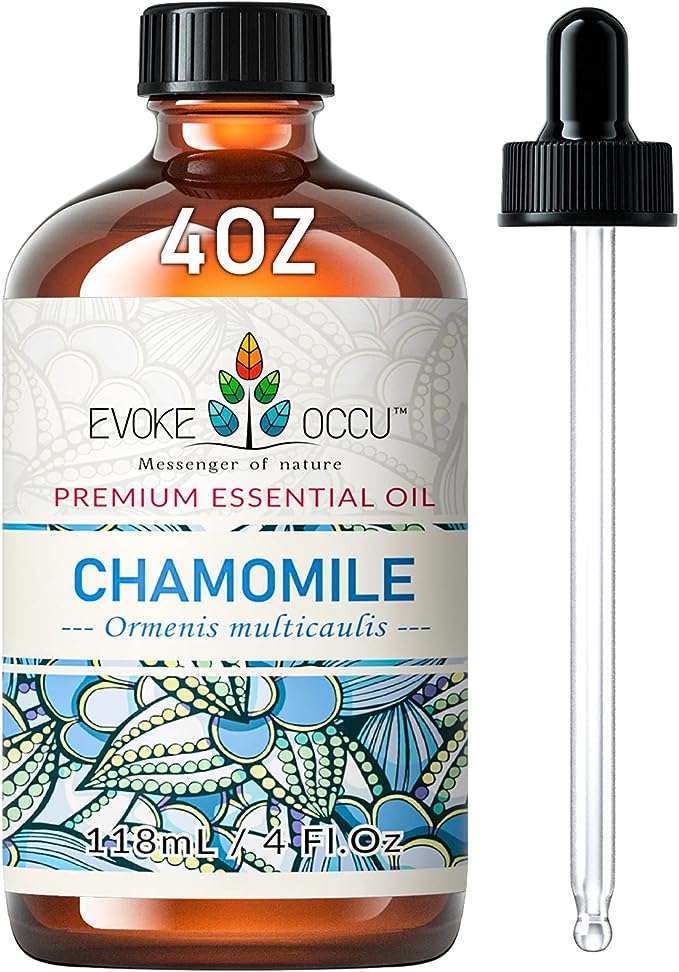
      • 5-7 Drops of chamomile essential oil

      Prepare Your Bath

      Fill your bathtub with warm water to your desired level. As the tub is filling, sprinkle the dried chamomile and lavender flowers directly into the water.

      You can also use a muslin bag or a reusable tea infuser to contain the flowers if you prefer not to have loose herbs in your bathwater.

      Enjoy And Relax

      Once the flowers have been added, step into the bath and allow yourself to fully relax and unwind.

      Take deep breaths and inhale the soothing fragrance of lavender and chamomile. Let the aromatic atmosphere transport you to a world of tranquility.

      The ideal soaking time is typically 20 to 30 minutes, but you can adjust this based on your preference. Feel free to stay in the bath longer if you find it particularly calming and enjoyable.

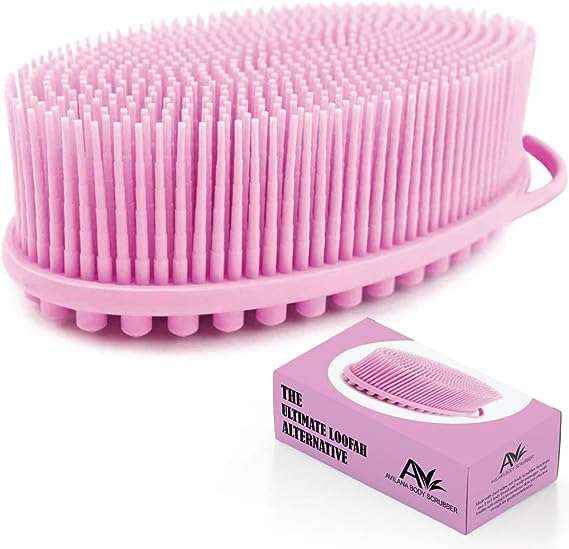
      While enjoying your Lavender and Chamomile bath, take the opportunity to care for your skin. Gently exfoliate with a loofah or bath scrub to remove dead skin cells, and use a moisturizing soap or body wash to cleanse your skin without drying it out.

      After your bath, gently pat your skin dry with a soft towel. You can apply a soothing body lotion or oil to lock in moisture and keep your skin feeling soft and nourished.

      Why Add Epsom Salt To Your Bathwater

      Epsom salt is a wonderful addition to your Lavender and Chamomile bath soak, complementing the soothing properties of both these herbs.

      The inclusion of Epsom salt provides a range of benefits, from relaxing muscles and reducing stress to promoting better sleep and aiding in skin nourishment.

      To delve deeper into the advantages of Epsom salt in bathwater, I have a full blog post dedicated to exploring its numerous therapeutic effects. So, soak in the serenity of lavender and chamomile, and discover the wonders of Epsom salt in your rejuvenating bath experience.

      Why Add Sea Salt To Your Bathwater

      Adding sea salt to your Lavender and Chamomile bath soak enhances the overall bathing experience and offers additional benefits for your skin.

      Sea salt is rich in minerals like magnesium, calcium, and potassium, which can help soothe and nourish the skin. When combined with lavender and chamomile, sea salt aids in relaxing tense muscles and promoting a sense of tranquility.

      The gentle exfoliating properties of sea salt also help to cleanse and revitalize the skin, leaving it feeling soft and refreshed. So, next time you indulge in a Lavender and Chamomile bath soak, consider adding a sprinkle of sea salt for an extra touch of relaxation and skin-loving goodness.

      Why Add Essential Oils To Your Bath Soak

      While dried flowers in your Chamomile and Lavender bath soak already release a lovely aroma and provide soothing benefits, adding chamomile essential oil can take the experience to the next level.

      Chamomile essential oil is highly concentrated and offers a more potent fragrance, intensifying the calming effect.

      By combining both dried flowers and essential oil, you enhance the aromatic ambiance and ensure a more robust infusion of chamomile’s therapeutic properties into the bathwater.

      The synergy of the dried flowers and essential oil creates a truly immersive and indulgent bathing experience, making it a delightful choice for those seeking a heightened sense of relaxation and tranquility.

      How To Make A Lavender And Chamomile Bath Soak

      Instructions:

      1. Prepare a Clean and Dry Jar: Begin by ensuring that the jar you plan to use for storing your bath soak is clean, dry, and airtight. This will help maintain the freshness and potency of the ingredients.
      1. Combine the Salts: In a mixing bowl, blend the Epsom salts and sea salt together. These salts will help relax muscles and soften the skin during your bath.
      1. Add the Dried Flowers: Incorporate the dried lavender flowers and dried chamomile flowers into the bowl with the salts. Gently mix the ingredients to distribute them evenly.
      1. Enhance the Aroma: Now, it’s time to infuse the blend with the delightful scents of lavender and chamomile essential oils. Add 10-15 drops of lavender essential oil and 5-7 drops of chamomile essential oil to the mixture. Adjust the number of drops based on your preference for scent intensity.
      1. Mix Thoroughly: Use a spoon or your hands to mix all the ingredients thoroughly. Ensure that the essential oils are evenly distributed throughout the blend.
      2. Transfer to the Jar: Carefully pour the Lavender and Chamomile Bliss Soak into your prepared jar. Use a funnel if necessary to avoid spills. Seal the jar tightly to preserve the aroma and quality.
      3. Label and Decorate: To add a personal touch, consider labeling the jar with the name of the bath soak or any other special message. You can also decorate the jar with ribbons or charms for a charming and giftable presentation.

      How To Use The Lavender And Chamomile Bath Soak:

      To use your Lavender and Chamomile Bliss Soak, simply add a generous amount to warm running bathwater.

      Allow the blend to dissolve, releasing the soothing aroma and beneficial properties into the water. Immerse yourself in the blissful bath, take deep breaths, and let the calming scents envelop you in relaxation.

      Enjoy your tranquil and rejuvenating soak, courtesy of the delightful combination of lavender and chamomile.

      [jetpack-related-posts]

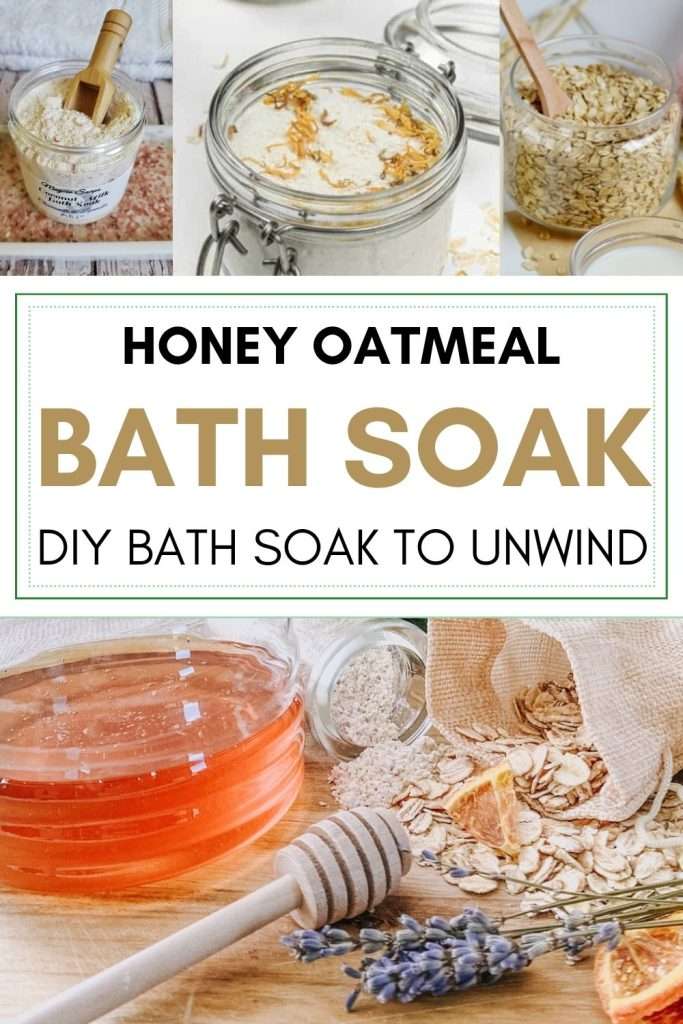
      How To Make An Oatmeal And Honey Soothing Bath

      Filed Under: Body, Self Care // 08/04/2023

      An Oatmeal and Honey Soothing Bath is a wonderful way to nourish and pamper your skin while providing relaxation and relief.

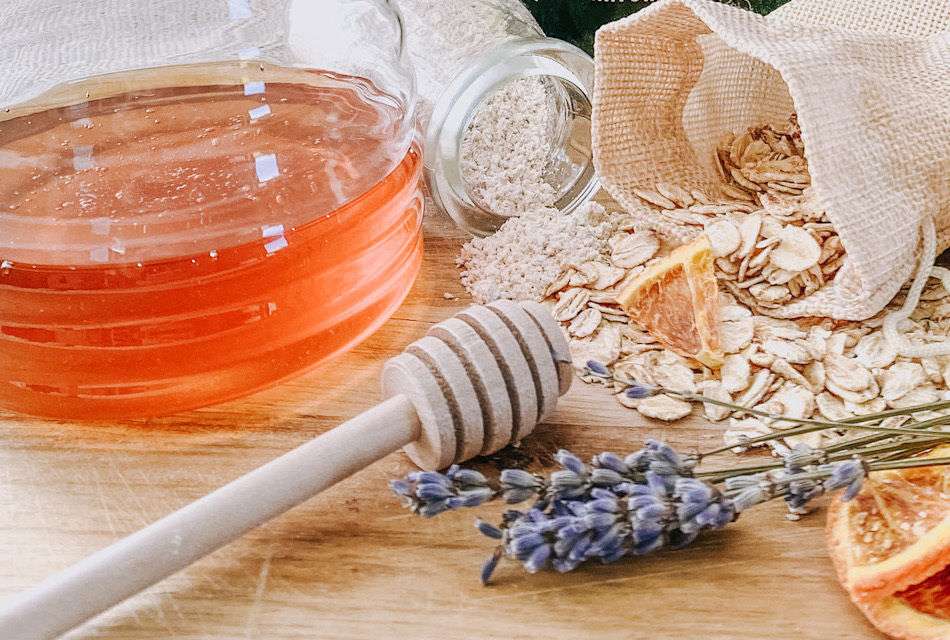
      Oatmeal is known for its soothing properties, while honey is a natural humectant, attracting moisture to the skin. Here’s a simple recipe to create your own indulgent bath:

      Benefits Of Honey In Your Bath

      Honey is a natural treasure that brings a myriad of benefits to the Oatmeal and Honey Soothing Bath. When combined with oatmeal, it creates a luxurious and nourishing bathing experience. Here are the incredible benefits of honey in this bath soak:

      1. Moisturizing and Hydrating: Honey is a natural humectant, which means it attracts and retains moisture in the skin. When added to the bathwater, honey helps to lock in hydration, leaving your skin feeling soft, supple, and thoroughly moisturized.

      2. Soothing and Calming: The soothing properties of honey make it ideal for calming irritated and sensitive skin. It helps to reduce redness and inflammation, making the Oatmeal and Honey Soothing Bath a perfect choice for those with dry or itchy skin conditions.

      3. Gentle Exfoliation: Honey contains natural enzymes that provide gentle exfoliation, removing dead skin cells and promoting a smoother complexion. When combined with the exfoliating qualities of oatmeal, it leaves your skin feeling refreshed and revitalized.

      4. Antioxidant-rich: Honey is rich in antioxidants that help combat free radicals, which can cause premature aging and damage to the skin. The antioxidants in honey protect the skin from environmental stressors, promoting a youthful and radiant appearance.

      5. Antibacterial and Antimicrobial: Honey has natural antibacterial and antimicrobial properties, which can help cleanse the skin and prevent bacterial growth. This makes it beneficial for those with acne-prone or problem skin, promoting a clearer complexion.

      6. Wound Healing: Honey has been used for centuries for its wound-healing properties. When added to the bath, it can help soothe and promote the healing of minor cuts, scrapes, and skin irritations.

      7. Relaxation and Aromatherapy: The gentle and sweet aroma of honey creates a soothing and calming atmosphere during the bath. The delightful fragrance helps to relax the mind and senses, enhancing the overall therapeutic experience.

      8. Anti-inflammatory: Honey’s anti-inflammatory properties can help reduce skin irritation and redness, making it beneficial for those with eczema, psoriasis, or other inflammatory skin conditions.

      By adding honey to the Oatmeal and Honey Soothing Bath, you not only elevate the luxuriousness of the experience but also infuse your skin with a plethora of natural benefits.

      Embrace the soothing and nourishing properties of honey as you soak in this delightful bath, and let your skin revel in its newfound radiance and vitality.

      Benefits Of Oatmeal In Your Bath

      Oatmeal is a wonderful and natural ingredient that offers numerous benefits in an Oatmeal and Honey Soothing Bath. Here are the key advantages of using oatmeal in your bath:

      Soothes Irritated Skin: Oatmeal is well-known for its soothing properties, making it an excellent remedy for irritated or sensitive skin. When added to your bath, it can help calm itching, redness, and inflammation, providing relief from conditions like eczema, dry skin, and sunburn.

      Natural Moisturizer: Oatmeal acts as a natural moisturizer, helping to hydrate and soften your skin during the bath. The starches in oatmeal create a protective barrier that locks in moisture, leaving your skin feeling nourished and supple.

      Gentle Exfoliation: Oatmeal’s fine texture provides a gentle exfoliating effect, helping to remove dead skin cells and reveal a smoother complexion. This mild exfoliation can improve skin texture and promote a radiant glow.

      Anti-Inflammatory Properties: The compounds in oatmeal, such as beta-glucans, possess anti-inflammatory properties that can reduce skin redness and irritation. This makes it particularly beneficial for individuals with sensitive or inflamed skin.

      Relieves Itchy Skin: Oatmeal has anti-itch properties that can effectively soothe and relieve itching caused by various skin conditions or insect bites. Bathing with oatmeal can bring immediate relief to itchy areas.

      Cleanses and Detoxifies: Oatmeal’s natural cleansing properties help remove impurities and excess oil from the skin, making it a gentle yet effective cleanser during your bath.

      Enhances Skin Barrier Function: The lipids in oatmeal contribute to the strengthening of the skin’s natural barrier, reducing water loss and protecting the skin from external aggressors.

      Antioxidant-rich: Oatmeal contains antioxidants like vitamin E and ferulic acid, which help neutralize free radicals and protect the skin from oxidative stress, promoting a youthful appearance.

      Sensory Relaxation: The soft and comforting texture of oatmeal in the bath provides a sensory relaxation experience, promoting a sense of tranquility and well-being.

      Safe and Natural: Oatmeal is a natural ingredient with minimal risk of allergies or adverse reactions. It is suitable for all skin types, including sensitive skin, and can be safely used by people of all ages.

      By incorporating oatmeal into your Oatmeal and Honey Soothing Bath, you can enjoy these wonderful benefits and create a nurturing and rejuvenating experience for your skin.

      The combination of oatmeal and honey works harmoniously to provide deep hydration and comfort, leaving your skin feeling renewed and pampered.

      Related Post: Oatmeal Milk Bath To Soothe Your Skin

      How To Make An Oatmeal And Honey Soothing Bath

      Ingredients:

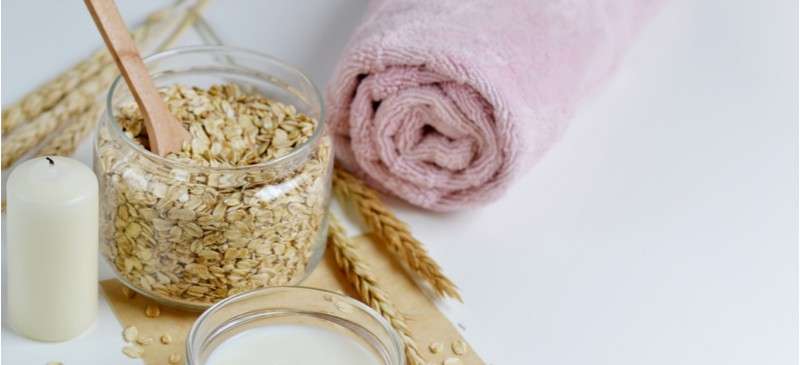
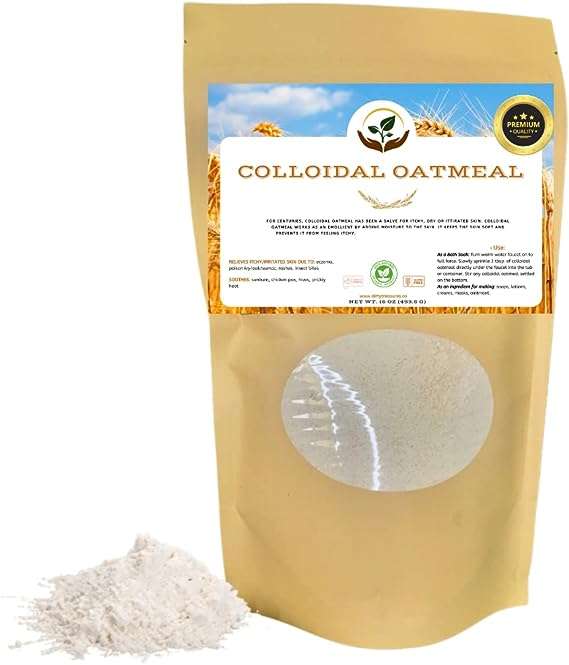
      • 1 cup colloidal oatmeal (finely ground oats)
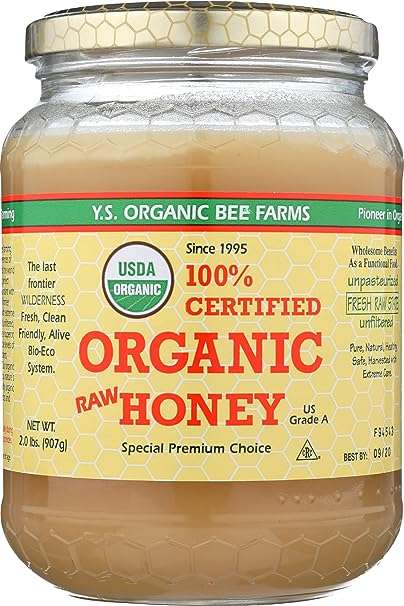
      • 1/4 cup honey (raw and organic, if possible)

      Instructions:

      1. Grind the Oats: If you don’t have colloidal oatmeal, grind regular oats in a blender or food processor until they form a fine powder. This helps the oats disperse evenly in the bathwater.
      2. Mix the Ingredients: In a mixing bowl, combine the colloidal oatmeal and honey. Stir well until you achieve a smooth and consistent mixture.
      3. Add to Your Bath: Sprinkle the oatmeal and honey mixture directly into your warm bathwater while the tub is filling. Stir the water with your hand to ensure even distribution.
      4. Soak and Enjoy: Step into the soothing bath and soak for at least 15-20 minutes. As you relax in the water, the oatmeal and honey will work their magic on your skin, leaving it feeling soft and moisturized.
      5. Gentle Exfoliation: While in the bath, you can use a small handful of the oatmeal mixture to gently exfoliate your skin. Rub it in circular motions to slough away dead skin cells and reveal a smoother complexion.

      How To Store Oatmeal And Honey Soothing Bath:

      If you have leftover oatmeal and honey mixture, store it in an airtight container in a cool, dry place. Make sure to keep it away from moisture to prevent clumping. Properly stored, it can last for several weeks, allowing you to enjoy multiple soothing baths.

      How To Use The Oatmeal And Honey Soothing Bath

      Using the Oatmeal and Honey Soothing Bath soak is a simple and rewarding experience that provides relaxation and nourishment for your skin.

      Before you begin, ensure that your bathtub is clean and free from any residue. Then, follow these steps to enjoy the ultimate pampering bath:

      Step 1: Prepare the Bath Fill your bathtub with warm water to your desired level. Make sure the water temperature is comfortable, not too hot, to avoid drying out your skin. As the tub fills, take a moment to create a serene atmosphere in your bathroom. Dim the lights, light some scented candles, and play soft music to set the mood for relaxation.

      Step 2: Add the Soak Take the container with your Oatmeal and Honey Soothing Bath soak and gently shake it to loosen the mixture. Sprinkle the oatmeal and honey mixture directly into the warm bathwater while the tub is filling. Use your hand to stir the water gently, ensuring that the oatmeal and honey disperse evenly.

      Step 3: Soak and Unwind Once your bath is ready, gently step into the soothing water. Allow your body to sink into the tub and feel the nourishing benefits of the oatmeal and honey mixture enveloping your skin. Take deep breaths and let the comforting scent of honey and oatmeal calm your senses.

      Step 4: Gentle Exfoliation While in the bath, you can take a small handful of the oatmeal mixture and gently massage it onto your skin in circular motions. This provides a gentle exfoliation, helping to remove dead skin cells and leaving your skin feeling soft and smooth.

      Step 5: Relax and Enjoy Relax in the Oatmeal and Honey Soothing Bath for at least 15-20 minutes. Allow the natural properties of oatmeal and honey to work their magic on your skin, providing hydration and soothing any irritation or dryness.

      Step 6: Rinse Off After your tranquil soak, rinse off any remaining oatmeal and honey mixture from your skin with warm water. Pat yourself dry with a soft towel, being careful not to rub too vigorously, as your skin may be more sensitive after the bath.

      Step 7: Moisturize To lock in the nourishing effects of the Oatmeal and Honey Soothing Bath, apply your favorite moisturizer or body oil to damp skin. This will help seal in the moisture and leave your skin feeling silky and hydrated.

      Taking an Oatmeal and Honey Soothing Bath is an excellent way to unwind, pamper your skin, and create a blissful spa-like experience in the comfort of your own home. Repeat this self-care ritual whenever you need to relax, soothe your skin, and embrace moments of pure indulgence.

      How To Gift Oatmeal And Honey Soothing Bath:

      The Oatmeal and Honey Soothing Bath makes a delightful and thoughtful gift for friends and loved ones. Here’s how you can package and present it:

      1. Elegant Jars: Transfer the oatmeal and honey mixture to a clear glass jar with an airtight lid. You can decorate the jar with a ribbon or a personalized label.
      1. Gift Tags: Attach a gift tag with instructions on how to use the bath soak and a heartfelt message for the recipient.
      2. Gift Basket: Consider pairing the bath soak with other bath accessories like a loofah, a soft towel, or a scented candle to create a complete pampering package.
      3. Presentation: Present the gift in a decorative gift bag or a gift box lined with tissue paper. This adds a touch of elegance and makes it feel like a special treat.

      With its calming and moisturizing effects, the Oatmeal and Honey Soothing Bath is a wonderful self-care ritual or a thoughtful gift for someone in need of relaxation and rejuvenation.

      Enjoy the soothing benefits of this delightful bath soak, and share the blissful experience with others for moments of pure indulgence.

      [jetpack-related-posts]

      The Optimal Shower Temperature For Healthy Skin

      Filed Under: Body // 03/09/2023

      optimal temperature for shower water

      We all love a scolding hot shower, at least I do, especially during the colder months, and after a stressful day. But what would be considered just the right temperature?

      However, as lovely as it may feel, exposing your body—and specifically, your skin—to such high temperatures might cause more harm than good.

      While hot steam can assist in opening our pores, which is beneficial for cleansing, hot water can also irritate the skin’s deeper layers. The epidermis, the skin’s outermost layer, is impacted by hot showers as well.

      The sebaceous glands in this area of your skin are in charge of protecting you from external irritants as well as keeping your body hydrated, so it’s important to keep it healthy and intact.

      Your skin will become softer from the hot water and soap and gradually lose its natural oily protective layers, which can result in dry, irritated, and itchy skin. In the end, the longer and hotter the shower, the more of an effect it has on the condition of your skin.

      But how hot is too hot, exactly?

      A good way to look at it is, water that turns your skin red is probably too hot.

      The best results will be obtained with lukewarm water. The water doesn’t even need to be that cold—just around 110 degrees Fahrenheit—to awaken your body and improve mental attentiveness.

      Showers that are cooler are also excellent for your skin, hair, and general hydration.

      Your blood circulates more efficiently when you take a shower in cooler water, which results in healthier skin. Your skin will appear more radiant and luminous when it is properly moisturized and gets enough oxygen.

      The length of your shower, in addition to the water’s temperature, also affects how your skin feels and looks.

      Long shower sessions can severely dry up your skin, despite how soothing and pleasant they may feel. You lose more moisture during longer showers. Be as efficient as you can the next time you take a bath or a shower; stay in there for no more than an extra five minutes.

      If you do prefer to stay in the shower or bath for longer periods of time, then try countering that by adding the lost moisture back into your skin while you’re still in the shower. You can do this by using body conditioners as well as in shower oils which you’d have to follow up with a good lotion right afterward.

      This will allow for the best moisture retention.

      [jetpack-related-posts]

      How to Dry Brush Your Skin—and Why It’s So Beneficial

      Filed Under: Body // 03/07/2023

      dry brushing to exfoliate skin

      While the practice of dry brushing your skin once or twice daily with a soft, firm brush is common to do during a detox, regular users report more benefits when you make it a more prominent part of their self-care routine.

      The skin feels wonderful after dry brushing, and it’s quite simple to incorporate into your routine.

      Due to its invigorating effects, most experts advise dry brushing in the morning rather than before bed.

      Most people use the dry brush by itself, while others coat it with body oil before using it to make it less abrasive on the skin.

      If you use an oil, take a shower before using the brush. If not, take a shower after dry brushing and then use a moisturizer or oil to soothe dry skin.

      Dry brushing is also, excellent to do when in a steam room or sauna.

      What Is Dry Brushing

      If you don’t know what dry brushing your skin is, it’s a daily body massage with a dry, stiff-bristled brush that’s claimed to improve the look of cellulite, promote circulation, detoxify, and get rid of flaky skin.

      How To Dry Brush

      Dry brushing to exfoliate skin

      Start at your feet and brush up toward your heart when you dry brush.

      In a similar manner, while starting on your arms, start at the hands and work your way up, always working toward your heart.

      Work upward with tiny, strong strokes or in a circle. When working on your stomach, work your way clockwise around the area.

      The goal is never to exfoliate harshly, so take care not to apply too much pressure or use a brush that is too stiff.

      Any type of exfoliation or brushing should be mild and never hurt the skin. To be delicate, I used medium-soft cactus bristles for my dry brush; the skin shouldn’t be scratched or hurt.

      Dedicate at least three to five minutes to dry brushing.

      What You Need To Dry Brush

      Exfoliating Body Scrubbers

      Goop G.Tox Ultimate Dry Brush


      SOL DE JANEIRO Bum Bum Firmeza Body Oil

      Flora and Noor Organic Whipped Shea Body Butter

      Benefits Of Dry Brushing

      Dry brushing has gained a lot of popularity for a reason. The list of benefits include:

      Detoxes The Skin

      Dry brushing’s mechanical action is fantastic for removing dead skin cells from tough, dry skin.

      In the exfoliation process, dry brushing clears clogged pores.

      Dry brushing also encourages lymph drainage and enhances blood circulation, which helps aid in skin detoxification.

      Moreover, unclogging pores makes it easier for the body to sweat out toxins.

      Gives Your Skin A Natural Glow

      Dead skin cells can be removed to help make your skin softer and smoother. Also, it could momentarily make your skin appear more radiant.

      Gentler On The Skin

      Hot water irritates your skin and even removes the vital oils, lipids, and proteins from it. Itching and redness may result from this.

      By brushing your skin when it is dry, you can exfoliate and stimulate blood flow without dehydrating it by doing it in the shower with hot water.

      [jetpack-related-posts]
      • « Previous Page
      • 1
      • 2
      • 3
      • 4
      • 5
      • Next Page »

      Copyright © 2026 · Theme by Marketing Templates Co.

      We use cookies on our website to give you the most relevant experience by remembering your preferences and repeat visits.Read More By clicking “Accept All”, you consent to the use of ALL the cookies. However, you may visit "Cookie Settings" to provide a controlled consent.
      Cookie SettingsAccept All
      Manage consent

      Privacy Overview

      This website uses cookies to improve your experience while you navigate through the website. Out of these, the cookies that are categorized as necessary are stored on your browser as they are essential for the working of basic functionalities of the website. We also use third-party cookies that help us analyze and understand how you use this website. These cookies will be stored in your browser only with your consent. You also have the option to opt-out of these cookies. But opting out of some of these cookies may affect your browsing experience.
      Necessary
      Always Enabled
      Necessary cookies are absolutely essential for the website to function properly. These cookies ensure basic functionalities and security features of the website, anonymously.
      CookieDurationDescription
      cookielawinfo-checkbox-analytics11 monthsThis cookie is set by GDPR Cookie Consent plugin. The cookie is used to store the user consent for the cookies in the category "Analytics".
      cookielawinfo-checkbox-functional11 monthsThe cookie is set by GDPR cookie consent to record the user consent for the cookies in the category "Functional".
      cookielawinfo-checkbox-necessary11 monthsThis cookie is set by GDPR Cookie Consent plugin. The cookies is used to store the user consent for the cookies in the category "Necessary".
      cookielawinfo-checkbox-others11 monthsThis cookie is set by GDPR Cookie Consent plugin. The cookie is used to store the user consent for the cookies in the category "Other.
      cookielawinfo-checkbox-performance11 monthsThis cookie is set by GDPR Cookie Consent plugin. The cookie is used to store the user consent for the cookies in the category "Performance".
      viewed_cookie_policy11 monthsThe cookie is set by the GDPR Cookie Consent plugin and is used to store whether or not user has consented to the use of cookies. It does not store any personal data.
      Functional
      Functional cookies help to perform certain functionalities like sharing the content of the website on social media platforms, collect feedbacks, and other third-party features.
      Performance
      Performance cookies are used to understand and analyze the key performance indexes of the website which helps in delivering a better user experience for the visitors.
      Analytics
      Analytical cookies are used to understand how visitors interact with the website. These cookies help provide information on metrics the number of visitors, bounce rate, traffic source, etc.
      Advertisement
      Advertisement cookies are used to provide visitors with relevant ads and marketing campaigns. These cookies track visitors across websites and collect information to provide customized ads.
      Others
      Other uncategorized cookies are those that are being analyzed and have not been classified into a category as yet.
      SAVE & ACCEPT