• HOME
  • RELATIONSHIPS
  • HOLIDAYS
  • WELLNESS
  • CAREER & FINANCE
  • FASHION
  • BEAUTY
  • LIVING

Advice From Nobody

You are here: Home / Archives for CAREER & FINANCE

90+ Money Affirmations To Manifest Abundance Into Your Life

Filed Under: CAREER & FINANCE, Affirmations // 01/02/2026

money affirmations

Let’s talk about money for a second — not in a stressful, spreadsheet way, but in a soft, aligned, good-things-are-coming kind of way.

Money affirmations aren’t about pretending you’re rich overnight or ignoring reality. They’re about shifting how you think, feel, and talk about money, so abundance feels safe, possible, and natural for you. When your mindset changes, your actions follow — and that’s where real manifestation happens.

Whether you’re manifesting more income, financial freedom, debt relief, or just a healthier relationship with money, these affirmations are here to help you rewire your thoughts and welcome more abundance in.

Read them out loud. Write them down. Screenshot your favorites. Repeat the ones that hit a little harder than the rest — those are usually the ones you need most.

You Might Also Like: 17+ Creative Ways to Make Some Extra Money Each Month

How To Use Money Affirmations (Without Overthinking It)

Before we jump in, here’s how to actually make affirmations work:

  • Say them daily (morning or night works best)
  • Repeat them consistently, even if they feel awkward at first
  • Focus on how the affirmation makes you feel, not just the words
  • Choose a few favorites instead of trying to memorize all of them

You don’t need to “believe” them 100% right away — belief builds with repetition.

Positive Money Mindset Affirmations

money affirmations

Let’s start with the foundation: how you think about money.

1. Money flows to me easily and effortlessly

2. I have a healthy, positive relationship with money

3. I am open to receiving abundance in all forms

4. I trust myself to make smart financial decisions

5. Money is a tool that supports my best life

6. I release all fear and stress around money

7. I deserve financial stability and security

8. I feel calm and confident about my finances

9. Wealth feels safe and natural for me

10. I welcome financial growth into my life

Money Affirmations For Abundance

These are perfect when you’re calling in more — more income, more opportunities, more ease.

11. Abundance surrounds me every day

12. I am aligned with the energy of wealth

13. Money comes to me from expected and unexpected sources

14. I attract prosperity wherever I go

15. There is always more than enough money for me

16. I live in a state of abundance, not lack

17. My life is filled with financial blessings

18. I am constantly attracting new opportunities

19. Wealth is drawn to me naturally

20. I am open to unlimited abundance

Affirmations To Attract More Money

These affirmations focus on actively drawing money into your life.

21. I attract money with ease

22. Money is always finding its way to me

23. I am a magnet for financial success

24. Opportunities to make money come to me effortlessly

25. I am worthy of high-paying opportunities

26. Money flows toward me consistently

27. I attract aligned income opportunities

28. My bank account is constantly growing

29. I welcome money into my life with gratitude

30. Financial opportunities are always available to me

Money Affirmations For Financial Freedom

If your goal is freedom, flexibility, and breathing room, these are for you.

31. I am building a life of financial freedom

32. My income supports the lifestyle I desire

33. I am free from financial stress

34. I have control over my finances

35. I am creating long-term wealth

36. Money gives me freedom and options

37. I am financially independent

38. I make money even when I’m resting

39. My income continues to grow over time

40. I am safe, supported, and financially secure

Affirmations For Wealth & Success

These are great for confidence, ambition, and stepping into your “next level.”

41. I am successful in everything I do

42. Wealth and success are part of my identity

43. I am capable of earning large amounts of money

44. I deserve to be well-paid for my work

45. My skills are valuable and profitable

46. I confidently step into financial success

47. I am proud of the money I earn

48. Success flows naturally to me

49. I am aligned with high-level opportunities

50. I am worthy of massive success

Money Affirmations For Gratitude & Overflow

Gratitude shifts your energy fast — and these affirmations help you appreciate what you have while calling in more.

51. I am grateful for all the money I have

52. I appreciate the abundance already in my life

53. Every dollar I receive brings me joy

54. I am thankful for my growing income

55. Money supports me in meaningful ways

56. I celebrate every financial win, big or small

57. Gratitude attracts even more abundance to me

58. I honor the money that flows into my life

59. I am thankful for financial stability

60. I am grateful for unlimited possibilities

Affirmations To Release Money Blocks

money affirmations

If you’ve ever felt guilt, fear, or anxiety around money, these are especially important.

61. I release all limiting beliefs about money

62. I let go of fear around finances

63. Money does not control me — I control money

64. I am no longer afraid of having more

65. I release scarcity thinking

66. I forgive myself for past money mistakes

67. I trust my financial journey

68. I allow myself to want more

69. I am safe having abundance

70. I release resistance to wealth

Daily Money Affirmations To Repeat Anytime

Perfect for journaling, mirror work, or quick mindset resets.

71. I always have enough money

72. Money supports my dreams

73. I am financially aligned

74. Wealth is part of my life

75. I welcome financial ease

76. My income is expanding

77. I attract wealth daily

78. I trust money to flow to me

79. I am open to receiving

80. Money comes easily to me

Extra Powerful Money Affirmations

Because more affirmations never hurt.

81. I am worthy of abundance beyond my imagination

82. I receive money with joy and confidence

83. My financial goals are achievable

84. I am constantly improving my financial life

85. I am supported by abundance

86. I attract wealth while being myself

87. Money enhances my life

88. I am aligned with prosperity

89. I allow money to grow

90. I trust the process of abundance

Manifesting money isn’t about forcing anything — it’s about aligning your mindset with what you want to receive. The more you normalize abundance, the more natural it feels to show up, take opportunities, and receive financial blessings without guilt or fear.

Pick a handful of affirmations that feel good to you and make them part of your daily routine. Consistency matters more than perfection.

And remember: abundance isn’t just coming — it’s already finding you.

[jetpack-related-posts]

Fall Work Outfit Ideas That’ll Make You the Best Dressed in the Office (and Beyond)

Filed Under: CAREER & FINANCE, Fall, Outfits // 10/07/2025

fall work outfit ideas

Autumn is here, and you know what that means—it’s officially layering season! The air is crisp, the coffee is hot, and your work wardrobe deserves a cozy, stylish update. Fall fashion is all about mixing comfort with class, and when it comes to dressing for the office, there are endless ways to stay warm and look chic. Think soft knits, tailored blazers, sleek slacks, and all those warm neutral tones that make you feel like you have your life completely together (even if you’re running on your third cup of coffee).

Whether your office is business casual, hybrid, or fully remote with “camera-on” days, I’ve rounded up some of the best fall work outfit ideas that’ll keep you looking polished, confident, and oh-so-seasonal. From cozy sweaters and leather jackets to power suits and chic skirts, these looks are made to take you from morning meetings to after-work plans in total style.

You Might Like:

  • Fall Winery Outfits That Are Equal Parts Cozy & Chic
  • Brown Boots Outfit Ideas That Will Have You Looking Chic
  • Job Interview Outfit Ideas That Will Have You Looking Polished

Fall Work Outfit Ideas

1. Matching Skirt Suit + Turtleneck.

Nothing says “boss energy” quite like a matching skirt suit layered over a sleek turtleneck. The combo is classic, professional, and effortlessly stylish. Add ankle boots or loafers for a modern touch that still keeps things boardroom-appropriate.

2. Sweater-Over-Shirt Combo.

Layer a cozy sweater over a crisp dress shirt and pair it with slacks for that perfect preppy fall vibe. It’s warm enough for chilly mornings but still polished enough for client meetings. A pair of loafers or ankle boots completes the look beautifully.

3. Relaxed Power Look.

Take your classic slacks, dress shirt, and blazer—but make it cool. Dress it down with white sneakers and a baseball cap for a casual Friday look that’s still office-appropriate. You’ll look like you just walked out of a fashion magazine’s “workwear edit.”

4. Maxi Pencil Skirt Chic.

A tailored dress shirt tucked into a maxi pencil skirt instantly elevates your office style. Add a thin belt and heeled boots for a sharp, put-together finish. It’s giving boss vibes with a feminine twist.

5. Tweed Jacket + Jeans.

A tweed jacket over a white tee and jeans is the perfect mix of casual and classy. It’s great for those hybrid workdays when you’re jumping between Zoom calls and coffee runs. Add loafers or ankle boots to polish it off.

6. Sweater Dress + Leather Jacket.

Nothing beats the comfort of a cozy sweater dress paired with a leather jacket and knee-high boots. It’s warm, stylish, and screams fall sophistication. Perfect for transitioning from desk to dinner with zero effort.

7. Silky Office Glam.

Pair a cute blouse or top with a flowy silk skirt for a softer, more feminine work look. Add a pair of sleek flats or low heels for just the right touch of elegance. It’s chic, effortless, and perfect for when you want to feel a little extra.

8. Chunky Sweater + Denim Maxi Skirt.

A chunky knit sweater with a maxi denim skirt and knee-high boots creates the ultimate cozy fall outfit. It’s casual yet refined, perfect for casual Fridays or creative offices. Add a belt to define your waist and pull the look together.

9. Sweater + Matching Flats.

Pair your favorite fall sweater with jeans and matching flats for an easy, coordinated look. It’s the perfect mix of comfy and polished. Add simple gold jewelry to elevate it just a little more.

10. Turtleneck + Blazer + Denim Maxi.

A fitted turtleneck tucked into a denim maxi skirt with a blazer over top is a total fall statement. It’s chic, smart, and has that “creative professional” energy. Pair it with boots or loafers for a stylish finish.

11. Cardigan + Tennis Skirt Combo.

Layer a cozy cardigan over a tucked-in top and pair it with a modest-length tennis skirt, tights, and knee-high boots. It’s playful but still totally work-appropriate. The tights and boots make it perfect for chilly mornings.

12. Brown Leather Jacket + Black Turtleneck.

Go for timeless fall tones with a brown leather jacket, black turtleneck, dark wash jeans, and brown boots. It’s effortlessly sleek and gives that “cool girl at the office” vibe. Perfect for casual workdays or creative spaces.

13. Neutral Tones Look.

Pair a brown leather jacket with a white tee, beige slacks, and boots for a warm neutral palette that feels very fall. It’s simple, clean, and endlessly chic. You’ll look polished without even trying.

14. Cardigan Comfort Look.

A white tee, cardigan, and slacks paired with comfy flats? Yes, please. It’s the ultimate “I’m comfy but still professional” combo. Add a tote bag and you’re ready to conquer your to-do list.

15. Leather Jacket + Dress Shirt.

Pair a structured dress shirt with jeans and top it off with a leather jacket for that perfect smart-casual balance. It’s great for days when you want to look stylish but approachable. Add loafers or heeled boots to complete the look.

16. Blazer + Jeans + Heels.

A white tee under a blazer with jeans and heels is the definition of effortless office chic. It’s simple yet powerful, perfect for both casual Fridays and after-work drinks. Gold accessories take it from basic to bold.

17. Sleek Business Classic.

You can never go wrong with a dress shirt, slacks, loafers, and a leather jacket. It’s tailored, timeless, and totally confidence-boosting. Ideal for a polished, everyday work look.

18. Laid-Back Leather Look.

Tuck a turtleneck into jeans and throw on a leather jacket with sneakers for a cool, casual vibe. It’s comfy enough for errands but sharp enough for work. Add a scarf if you want that extra fall flair.

19. Flared Jeans + Leather Blazer.

A fitted top with flared jeans and a leather blazer gives you that perfect retro-modern office energy. It’s chic, structured, and totally wearable. Pair it with ankle boots for the ultimate fall statement.

20. Straight-Leg Jeans + Belted Finish.

Keep it simple yet stylish with a white tee, leather jacket, belt, straight-leg jeans, and boots. It’s a fall classic that never fails. You’ll look effortlessly cool and ready for whatever your workday throws your way.

21. Cozy Grey Day Look.

Grey jeans, a soft sweater, and a pair of flats make for the ultimate comfy work outfit. It’s minimal, neutral, and effortlessly chic for those “I need comfort but still want to look cute” mornings. Add a tote bag and a delicate necklace to polish it up.

22. Silky Sweater Combo.

Pair a chunky sweater with a silk skirt and loafers for a perfect balance of cozy and elegant. The mix of textures makes this look super sophisticated without trying too hard. It’s ideal for casual office days or a quick coffee meeting after work.

23. Monochrome Minimalist.

A beige tee with matching beige slacks and loafers creates that clean, minimalist vibe that’s totally in right now. It’s neutral perfection—simple, classy, and incredibly easy to wear. Add a structured bag or gold jewelry to give it that “effortlessly polished” finish.

24. Smart Casual Classic.

A crisp dress shirt with jeans and loafers is a timeless combo that never fails. It’s simple but sharp, perfect for casual Fridays or creative workplaces. You’ll look refined but still totally relaxed.

25. Oversized Blazer Chic.

Throw on an oversized blazer over jeans and loafers for an instantly put-together look. It’s that perfect mix of masculine tailoring and feminine ease. Bonus: it works just as well for brunch as it does for back-to-back meetings.

26. Cozy Leather Pants Look.

Layer an oversized sweater over a dress shirt and pair it with leather pants and loafers for major fall fashion energy. It’s cozy, edgy, and absolutely office-approved. Add a statement bag or earrings to bring it all together.

27. Trench Coat Classic.

Jeans, loafers, and a trench coat—the fall outfit trifecta. It’s timeless, sophisticated, and perfect for those in-between weather days. You’ll look like you just stepped out of a Parisian café.

28. Turtleneck + Belted Denim.

A turtleneck tucked into jeans with loafers and a belt gives that sleek, “off-duty editor” look. It’s simple, structured, and endlessly wearable. Add a long coat or blazer for a little extra warmth (and major style points).

29. Three-Piece Power Suit.

A blazer with a matching vest and slacks? Talk about office power move. It’s classy, bold, and screams confidence while still feeling comfortable enough for all-day wear. Pair with loafers or heeled boots for that perfect finishing touch.

And there you have it—tons of cute and classy fall work outfit ideas to keep your style game strong all season long. With the right mix of cozy layers, neutral tones, and timeless pieces, you can look effortlessly put together without sacrificing comfort. So go ahead, swap out those summer blouses for chunky knits, pull on your favorite boots, and show up to the office looking like the definition of fall chic.

Because let’s be real—when you look good, you feel good. And when you feel good, you conquer that to-do list like the stylish boss you are.

[jetpack-related-posts]

17+ Creative Ways to Make Some Extra Money Each Month

Filed Under: CAREER & FINANCE, Work From Home // 10/13/2024

earn extra money online

Looking to add a little extra cash to your pocket each month without turning your life upside down? Sure, cutting back on expenses is helpful, but the real financial freedom lies in increasing your income.

Imagine having the freedom not just to pay your bills but actually to enjoy the things you love—traveling, eating out, and all those little luxuries that make life sweet.

The best part? You don’t need a major side hustle to make this happen. There are plenty of creative ways to bring in extra money that won’t take up all your free time.

Also Read: How To Work From Home, Stay Productive And Be Super Organized

creative ways to make some extra cash

1. Rent Out Your Space on Airbnb

Do you have an extra room, basement, or even a cozy guest house that mostly sits empty? Why not turn it into an income stream by listing it on Airbnb?

Depending on where you live, you could easily make a few hundred dollars a month, especially during tourist seasons.

Plus, you have full control over when and how often you rent it out, making this a flexible option for bringing in some extra cash without a long-term commitment.

2. Become a Virtual Assistant

In today’s digital age, more and more businesses are looking for help managing tasks remotely.

Virtual assistants help with everything from scheduling appointments and managing social media accounts to organizing emails and bookkeeping.

If you’re organized and detail-oriented, this is a great gig that allows you to work from anywhere. You can set your own hours and take on as many or as few clients as you want.

3. Sell Your Crafts or Art Online

If you’re the crafty type, selling handmade items or artwork online can be a fantastic way to make money while doing something you love.

Whether you create custom jewelry, hand-painted home décor, or digital art, there’s a market out there for your creations.

Setting up an Etsy shop or using platforms like Instagram to showcase your work can help you reach a wider audience.

With time, you might even build a loyal customer base that brings in regular orders.

Also Read: The Ultimate Guide to SMART Goals You Can Actually Achieve

4. Teach or Tutor Online

Got a knack for math, science, or languages? There’s a growing demand for online tutors in a wide variety of subjects. Websites like VIPKid or Wyzant allow you to connect with students who need help.

You can set your own rates and schedule, making it a flexible option for those who enjoy teaching. Plus, there’s something really rewarding about helping students succeed while also earning some extra cash.

5. Take Online Surveys

While taking online surveys won’t make you rich overnight, it’s a simple and easy way to earn a little extra spending money during your downtime.

Survey websites like Swagbucks or InboxDollars pay you for sharing your opinions on products and services.

You can take surveys while watching TV, during your lunch break, or whenever you have a few spare minutes. Over time, the small earnings can add up, especially if you’re consistent.

6. Rent Out Your Car

If you don’t use your car daily or have a second vehicle that’s mostly collecting dust, consider renting it out through platforms like Turo or Getaround.

These services let you list your car and rent it to people in your area who need a vehicle.

Depending on the type of car and where you live, you could earn anywhere from $100 to $500 a month just by sharing your car when you’re not using it.

Related Post: A Guide To Achievable Monthly Goals

7. Sell Stock Photos

Got a good eye for photography? If you love taking photos, you can turn that hobby into a passive income stream by selling your images on stock photography websites like Shutterstock or Adobe Stock.

Every time someone downloads one of your photos, you earn a small commission.

Over time, this can add up to a nice chunk of change, especially if you upload high-quality, in-demand images that people will want to use repeatedly.

8. Offer Pet Sitting or Dog Walking

If you’re an animal lover, pet sitting and dog walking can be a fun and rewarding way to make some extra money.

Apps like Rover and Wag connect pet owners with sitters and walkers in their area. You can choose which jobs to take and work around your schedule.

Whether it’s watching pets while their owners are away or simply taking dogs for a walk in the middle of the day, this is a flexible way to earn money doing something you enjoy.

9. Freelance Writing or Editing

If you’ve got a knack for words, consider offering freelance writing or editing services.

From blog posts and articles to resumes and email newsletters, there’s a wide variety of writing gigs available online.

Websites like Fiverr, Upwork, and ProBlogger Job Board make it easy to connect with clients.

You can set your own rates and work on projects that interest you, making this an ideal side hustle for creative types who want to earn extra money on their own terms.

Related Post: How To Stay Motivated And Achieve Your Goals

10. Flip Items on eBay

If you love treasure hunting at garage sales or thrift stores, flipping items on eBay or Facebook Marketplace could be your next money-making hobby.

Many people have turned a profit by finding undervalued items, fixing them up, and reselling them for more.

Whether it’s vintage clothing, furniture, or electronics, there’s money to be made in flipping. The thrill of the hunt and the extra cash make it a win-win!

11. Become a Mystery Shopper

Mystery shopping is a fun way to earn money while doing something you already do—shopping! Companies hire mystery shoppers to visit stores, restaurants, and even hotels to evaluate customer service, cleanliness, and overall experience.

You’ll be reimbursed for your purchase and get paid for your time, making it a simple and enjoyable way to bring in extra income.

12. Rent Out Your Parking Space

If you live in a busy city or near a popular attraction, parking spaces can be in high demand. If you have an extra spot or a driveway that’s not being used, renting it out could bring in a steady income.

You can list your space on platforms like SpotHero or Parkopedia and charge a daily, weekly, or monthly fee. It’s a simple way to make passive income without lifting a finger.

Related Post: 15 Desk Hacks To Make You More Productive At Work

13. Participate in Focus Groups

Focus groups are a great way to make money just by sharing your opinions. Companies value consumer feedback and are willing to pay for it.

You can participate in focus groups either online or in person, and depending on the topic and length of the session, you could earn anywhere from $50 to $200 per group.

It’s an easy way to make some extra cash while getting a sneak peek at new products and services.

14. Start a Blog

This one is close to my heart! A little over a year ago, I started my own blog, and I’ve been able to turn it into a steady income stream.

After about 12 months of hard work, I’m now making around $2,000 a month from a mix of ad revenue, affiliate marketing, and sponsored posts.

The beauty of blogging is that it allows you to write about what you’re passionate about while earning money.

It takes time to build up, but if you’re willing to put in the effort, the long-term rewards can be amazing.

15. Offer Lawn Care Services

Do you enjoy working outside? Offering lawn care services such as mowing lawns, trimming hedges, or raking leaves can be a lucrative and flexible side hustle.

This is especially true during the warmer months when homeowners are looking for help maintaining their yards.

Whether it’s a one-time job or regular clients, you can set your own rates and take on jobs that fit your schedule.

Related Post: The Power of Time Blocking For Productivity

16. Sell Your Unused Stuff

Got a closet full of clothes you no longer wear or gadgets that are collecting dust? Selling unused items on platforms like Poshmark, Mercari, or Craigslist is a great way to declutter your home while making extra cash.

You’d be surprised how much money you can make from things you no longer need, and it’s an easy way to make money without any upfront costs.

17. Try Freelance Graphic Design

If you’re good with design software and have an artistic eye, offering freelance graphic design services can be a great way to earn extra income.

Whether it’s creating logos, designing social media graphics, or even helping with website layouts, small businesses are always in need of affordable design services.

Websites like 99designs or Fiverr allow you to connect with clients and offer your design skills for various projects.

You don’t need a full-time side hustle to boost your income. With a little creativity and some spare time, these 17 ideas can help you make extra money each month without sacrificing your free time or lifestyle.

The key is finding what works best for you and your schedule—and once you start seeing that extra cash flow, it can make all the difference!

Pin For Later!

17 ways to make extra money if you're broke
[jetpack-related-posts]

10 Productivity Habits To Make Your Day Easier

Filed Under: Productivity // 08/06/2024

productivity habits

If you’re looking for productivity habits to stop procrastinating and start getting more done efficiently, this is the list of hacks for you.

Between navigating through all of our various roles in life working and as daughters, sisters, friends, and partners there is always a long list of things to do, you just can’t seem to make enough time.

But what if you want to increase your productivity with the most basic things you can do first? Then this list is for you.

While the truth is that there is no single path to being productive, there are a lot of productivity hacks we can incorporate into our daily routine in order to make our days easier.

What Is Productivity?

Productivity is more than doing more things or ticking tasks off your to-do list.

Productivity means focusing on accomplishing important things. The road to being more productive can be long, so do not panic – these hacks will help you along.

Best Productivity Hacks for a Successful Day

Here are some great productivity habits that will set your day up for success.

1. Plan Your Day Ahead of Time To Be More Productive

The first step to being productive is scheduling your days ahead.

Plan out tasks that need to be done, and any appointments you have, and know what you’re doing every day to have a purpose. Without a schedule, you’re likely to miss out on important tasks. 

Write down a detailed daily plan each morning.

Write everything you need to do so that you have a sense of direction and know what to focus on next. This eliminates all guesswork, and there’s less chance of you procrastinating and wasting time because you do not know what to do with your time.

2. Prioritize Your Tasks To Work Efficiently

Prioritization sounds easy, but it isn’t always that simple.

To prioritize your tasks, think ahead and look at your goals. The most important tasks that directly impact your goals should be what you prioritize.

Ask yourself what needs to be done first to make the rest of the day or week move along more smoothly and reach your weekly goals.

3. Wake Up Early To Get More Done

woman in bed waking up

You can achieve a lot by simply waking up early.

An early start to your days will give you time to eat a good breakfast, work out or go on a walk, take a shower, and get ready for the day, and just give you an overall head start.

You may even complete your tasks earlier, allowing more free time in the evenings to unwind and relax.

If you’re not used to waking up early, try easing yourself into the habit, as you should do with all habits. Try going to bed and waking up 20 minutes earlier each day until you’ve reached your desired goal time.

4. Work In Short Bursts To Avoid Burnout

It’s hard to stay focused on the same thing for a long time, so make things easier on yourself by working in short time bursts.

The Pomodoro method is a popular technique for boosting productivity and time management. The Pomodoro method consists of working in 25-minute increments with 5-minute breaks in between each session.

This method is a fan favorite for a reason!

It’s proven that our brain feels more refreshed and focused when we can work in bursts. Set a timer, pick a task to focus on, and then give yourself short breaks to recharge and reenergize and come back to it.

If this method doesn’t seem to quite work for you, try adjusting the time increments and breaks to best suit you and your needs.

5. Maximise Your Energy

Mornings are the most productive time of the day. Getting a head start each day is the best way to maximize your energy to be productive and complete more tasks faster and more efficiently.

Tackle your most daunting tasks first and work your way downwards from there.

Without setting yourself up properly, there’s no way you can reach maximum productivity. Getting those 6 to 8 hours of sleep is just as important as waking up early. You cant have your most productive time if you haven’t had a good night’s rest.

6. Have An Accountability Buddy

One of the best productivity hacks is to have an accountability buddy.

It could be your colleague, your supervisor, or anyone who can be brutal and hold you accountable to completing your tasks.

You can do the same for them and be each other’s support systems.

7. Learn To Say No

Setting boundaries is important to being productive.

Understandably, you may want to be helpful whenever you can, but you won’t be able to get things done if you’re constantly taking on requests from others and stopping your days to complete other people’s tasks.

So learn to say ‘no’ to last-minute requests so you can stay on track.

8. Avoid multitasking

There’s a misconception that multitasking is a great way to finish multiple tasks quickly because you’re working on various things at once.

In reality, not many people can multitask effectively. That’s because the human brain can focus on one task at a time and be efficient.

When we try to multitask, our brains are just bouncing back and forth between different tasks, which can slow down our performance and result in more mistakes.

Batch similar tasks so you can complete them with the same frame of mind. This will make your work process flow smoothly and help you do more in less time and be more productive.

9. Understand Your Work Zones

Matching the type of work that needs to be done with where you do it is a huge way to be more productive.

Find out where you do your work best, maybe your best creative ideas come to you when you’re on a walk and can let your mind reset, or maybe you like to sit at a desk in your home office and have a more structured work system.

Either way, knowing when and where you are at your best for all of your various tasks can be a real productivity boost and help with your work-life balance.

10. Schedule Time for Self-Care

woman drinking tea

Schedule self-care activities to recharge yourself and prevent burnout from the pressure of work.

It could be anything that helps you relax and unwind, reading for self-care, a relaxing shower routine, a 10-minute walk, giving yourself a manicure and pedicure, painting, or meditating. 

When all else fails, the most significant hack to productivity is being patient with yourself.

There will be days when things don’t go as planned, and you don’t achieve everything on your to-do list. On those days, be patient with yourself and remember that tomorrow is another opportunity to be more productive.

[jetpack-related-posts]

The Ultimate Guide to Monthly Planning For a Productive and Organized Life

Filed Under: Productivity, Organization // 08/06/2024

Plan your month for productivity

Proper time management and monthly planning can prove very helpful in achieving long-term goals. It is necessary to manage time and have a well-organized system if you have big projects on your plate.

Planning your month ahead of time will make everything less overwhelming. This way, you will be able to achieve your goals without stressing about them. You will have more clarity about your goals and will be able to focus better on accomplishing the tasks.

A new month is always a blank canvas, exciting and filled with anticipation. A well-thought-out reset routine can help you have a productive and effective month.

The Best Time for Monthly Planning

The planning time largely depends upon your work and what things are going on in your life. However, the ideal time for monthly planning is a week before the month starts.

The last week of any month is the best for checking on your previous month’s progress and planning the upcoming month.

If you usually stay too busy in the last week, somehow manage your time two weeks before the months start.

Always plan your month in advance; otherwise, you will find yourself catching up on things during the first week of the month.

Soon you will realize you are already halfway through the month and you are not on the right track. That way, everything will stay unorganized.

Benefits of a monthly reset routine

-Increased productivity

-Sets you up for success and makes it more likely to achieve your goals

-Good for your mental health due to regulated stress levels

-Helps boost your self-confidence

Planning Tools

Before jumping onto the process of planning the month, you will need some tools that can help keep everything organized. This is what you should have:

-A monthly calendar to divide all your tasks on all thirty days of the month

-A notebook to write down all your goals, plans, and meetings

-A digital app or a paper planner that can help you manage projects, meetings, and deadlines

Monthly Planning Routine

Monthly planning routine

Step 1: Reflection

Reflect on your past month, and think of your goals and the progress you’ve made or haven’t made so far.

It’s important to look back at what has happened and what you have achieved. Acknowledge all your wins, big or small.

Before you set new goals, it’s important to reflect on the ones you have achieved and reassess what you can achieve the following month. You’ll learn where you’ve grown and where you need to put more effort the following month.

It’s important to always begin your reset with a reflection.

Step 2: Review Your Goals

Planning a month revolves around achieving the goals you have set for yourself. Before sitting down to plan your month, have a glance at your annual and quarterly goals and see how much you have achieved so far.

Reflect on how much time you spend working for those goals and when you find yourself carelessly scrolling through social media.

The plan is to cut down the time spent on social media and set time limits such that you prioritize the most important tasks while you have time for yourself, friends and family as well.

Step 3: Braindump

Perform a braindump for monthly planning

Your brain is on full blast every day of the month. It’s important to declutter it.

Take some time to write down any ideas you’ve had, upcoming events you’re attending, occasional, important dates, and anything that comes to mind really.

This allows you to get your thoughts and ideas down before the bustle of the following month wipes it clean of your mind.

Step 4: Clear Up The Clutter

Over the course of the month, clutter builds up. Now that you’ve cleared the clutter from your brain, it’s time to do the same with the rest of your life.

-Clean your space: Use this time to refresh your space. Deep clean your space and get rid of or donate anything you don’t need anymore

-Clear your devices: Clear your junk folder in your emails, clear your Dms on all socials and delete any junk files from all your devices to have a more organized system to work on.

Step 5: Make a List of Incomplete Tasks

Time can always escape us, sometimes we don’t get to complete all the tasks we have lined up for the month.

So during your monthly planning, you can take note of any incomplete tasks that can be incorporated into your new month’s to-do list.

This allows you to still complete overall goals and not fall behind on your yearly goals.

Step 6: Prioritize Your Tasks

This helps give more time to what is important and what needs to be done first.

You need to make a list of tasks in the right order. Considering the difficulty and length of the task, assign it the time in which you have to do it.

Step 7: Schedule all Your Appointments

Appointments, meetings, and events are some of the things that demand commitment and cannot be moved from the schedule.

Therefore, it is better to mark these things in the calendar first and then plan your other tasks accordingly.

Set reminders and alarms on your phone for all the important events so that you don’t miss out on them.

Step 8: Set your new goals and determine your focus

Armed with your brain dump, list of incomplete tasks, and your priorities for the month. You now need to plan out the month ahead.

Decide what is most important to you and pin down the main goal for the month. Set this as your focus and main objective for the month. Make sure the goal is specific, clear, and measurable.

After you have determined your main goal, plot out your month, making sure to allocate time for any commitments and incomplete tasks.

When setting goals, let them be smart goals.

Prioritize the more important goals and don’t overdo it.

Step 9: Batch Tasks

Batching tasks include grouping similar tasks together. Doing similar tasks at once will save lots of your energy in switching between things. You will also be able to do the tasks more efficiently this way.

Let’s say you have lots of cleaning and writing work scheduled for the coming week.

Instead of dividing both tasks on all days of the week, you can appoint the first three days for writing and the next three days for cleaning. This will help you focus on one task without having to worry about the other.

Step 10: Make Use of the Monthly Calendar

A monthly calendar is very useful when it comes to planning your month. You can use a wall calendar, a paper planner, or Google Calendar to organize your tasks.

First things first, mark all the important dates that may include events like birthdays, holidays, meetings, deadlines, etc. once you are done, move on to dividing your goals into small weekly and daily tasks.

Avoid multitasking as it is less efficient, and keep small rewards for yourself at the end of every task. For instance, you can plan a movie night with a friend the day you complete your important project.

Don’t forget to keep some free time in the calendar as it will prove helpful in case some urgent task comes up

Step 11: Prepare Weekly Outlines

Breaking down the monthly tasks into weeks is extremely beneficial. You can dedicate a week to a group of tasks and so on. This will be according to your priority. The project, whose deadline is approaching soon, should definitely be done in the first week.

You can definitely change that in the middle of the month if things change and something urgent comes up in between.

Step 12: Finances and budgeting

When deciding to reset your month, budgeting should be a priority.

Budgeting helps you to know where your money is going and if you need to make any adjustments to your spending habits.

Budgeting can be as simple as tracking your income or expenses. You can then work out what you want to save on next month and schedule all your bill payments.

Step 13: Restock

Restock your supplies, groceries, and toiletries. This will save you money in the long run if you do one major trip to restock. Rather than going whenever you realize you need something.

Avoids you from spending money unnecessarily.

Buying in bulk is also significantly cheaper. So buy a lot of groceries to prepare for the month’s meal prep and stock up on all your supplies.

If you really want to reduce work stress and increase your productivity, you should start planning your month ahead of time.

With proper time management, you will be able to organize everything appropriately. This will develop self-discipline and enhance your work quality while giving you free time to relax and focus.

Evaluate your progress after a month and analyze how much work you could do on time, where you were lacking, and what else can be improved. Even if you get stuck in the middle of the month, gather your energy and continue once again. Continuous practice and proper time management will definitely help you go to places.

[jetpack-related-posts]

How To Plan Your Week For Maximum Productivity

Filed Under: Productivity // 08/06/2024

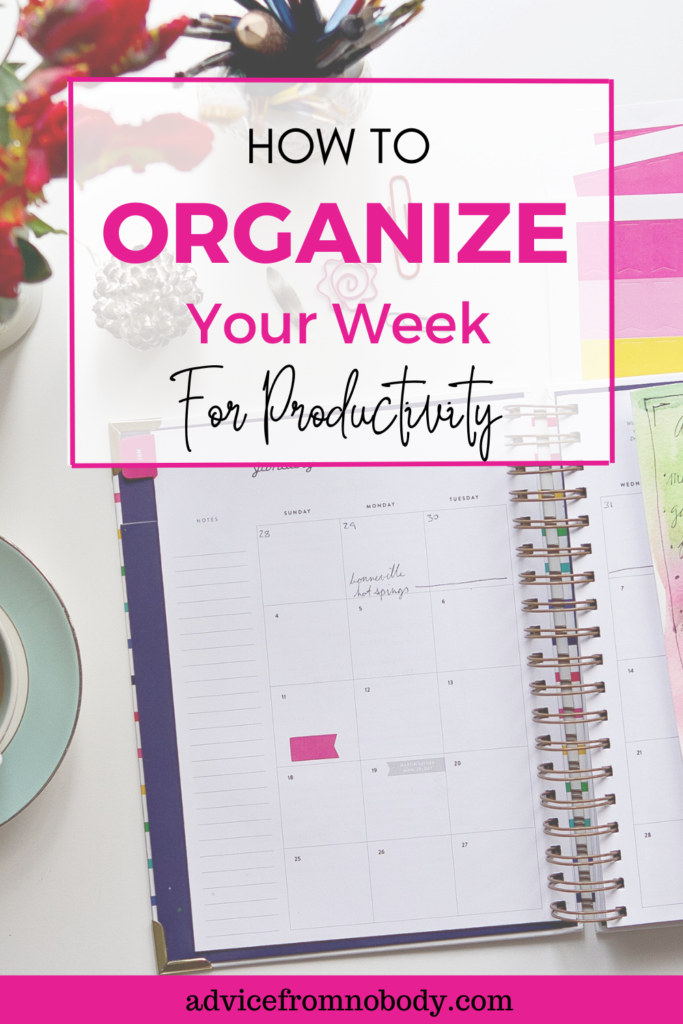
How to organize your week for productivity

Life can get busy at times, sometimes it escapes us. Between work, family, friends, appointments, hobbies, side hustles, and other obligations, it just feels like we don’t have enough time, especially any for relaxation and self-care.

At times, it may just feel like you’re going through the motions and barely have time for anything.

By creating a weekly schedule, you can regain control over your schedule and make adjustments where you see fit.

By scheduling your month and weeks, you’ll give yourself a powerful way to manage your time and balance your life.

It can’t be that easy can it, well it actually is.

What Is Planning Your Week

The process of organizing your goals and priorities for the week, making sure to incorporate your tasks and commitments ahead.

It gives you an overview of what needs to be done for the week and how much time you’ll have to do it. Allowing you to have full control over your time and energy.

It divides up your time accordingly so you have enough time to complete everything.

Why Planning Your Week Is Important

Planning your week can help you get the most out of your time. Even when you feel like there aren’t enough hours in the day, you’ll be surprised how many more hours you’ll find when you sit down and map out your time.

Planning your week has many advantages, it can help;

–Eliminate distractions, this is especially helpful if you work from home or for yourself.

-Helps you stay focused for the week ahead.

-Prevents you from stressing and keeps down your anxiety attacks helping you remain more productive.

-Helps you review long-term goals you may have and scale them down into smaller more attainable goals that lead to them.

-You accomplish tasks efficiently and you don’t just finish them.

When it’s all said and done, without a plan, all you’ll do is go about your week aimlessly and unprepared. And at the end of the week, you’ll stumble around trying to complete all the things you just realized you needed to do.

You’ll get nothing done without a plan.

How To Plan Your Week

Review Your Long-Term Goals and Plan

As we’ve mentioned earlier, planning your week needs to be based on your long-term goals and plans.

If you’ve read my, monthly planning post, you would have already broken your goals down for each month, making it easier to plan your weeks.

It will help you set a direction and give you purpose for the days ahead. You’ll not only know what you’re doing but why and this will drive you even more.

Reviewing where you are with your achieving your goals will help you figure out what steps need to be taken to move forward for the week. You’ll know where you are and where you want to be by the end of this week.

Being clear on your goals and the steps you want to take will help you narrow down smaller more attainable goals that will lead to accomplishing your main goals, making you all the more efficient.

Review your yearly goals, then your monthly goals, and then set weekly goals. Make notes of appointments and commitments you have and work around them.

Make A Detailed List

Make a list of everything you need to accomplish for your week.

From big projects to simple tasks like hitting the gym 3 times or walking the dog daily. Account for all your time.

Have a checklist for everything you need to accomplish.

Set Your Priorities

Planning your week gives you time to set priorities for the week.

These are tasks that have to be accomplished no matter what. And ideally, you do these first during your week to get them out of the way.

Decide on a few priorities that you’ll task yourself with completing that week and focus on these. This will give you a sense of direction and ground you when you feel overwhelmed or forget why you’re doing this.

Know your priorities and focus on them.

Design A Schedule

Break down each priority into simpler, smaller tasks.

These should be actions that will help you get your priorities completed. Have your schedule written down, either on paper, in a planner, or on post-it notes.

Block out time for weekly priority tasks and focus on only them during this time. This will let you know where to invest your time and when.

Take into consideration the time needed in between. Add 15 minutes to travel time, or account for an extra 20 minutes after a meeting in case it runs long, and also just add in a few intervals for you to take a breather during the day. This will prevent stress and burnout.

Allocate time for unforeseen circumstances and events. You never know what could come up and having things thrown at you and not having enough time can be stressful and disheartening. So reserve time for emergencies and don’t overbook your days.

Figure out which priority you’ll focus on for the day and group similar tasks together so your brain doesn’t have to switch between different types of of activities

AdviceFromNobody

Build A Daily Routine

Create productive habits to help you achieve your weekly goals. This will help you focus and creates a sense of direction for each day.

Begin by outlining activities you can do every day to improve overall productivity.

Like working out when you wake up, going on a walk during your breaks, or simply drinking water when you wake up.

Incorporating these little things into your daily routine will make a huge difference in how you go about your days.

Slowly incorporate habits one at a time, introducing a new one every time you have mastered a new one.

design a daily routine

Review Your Weekly Progress

Always reflect on the previous week.

Congratulate yourself on what you’ve managed to accomplish, review your progress and figure out if there are ways you could optimize your week even more.

If you struggled to complete all the tasks for the week, maybe consider dialing it back a bit and giving yourself more time to accomplish them.

Or if you find yourself having too much free time and you feel like you weren’t productive enough.

Add in a few more tasks meant for the next week and maximize your days and productivity.

The best part about planning is all the extra time the day seems to have afterward.

It increases productivity and gives you more time to relax. All the while allowing you to accomplish your goals and work towards the bigger picture.

The best part of weekly planning is that it reduces stress. Knowing what needs to be done at certain times eliminates worry, like did you forget anything that you should be doing? It’s all the little things.

[jetpack-related-posts]

Mastering Your Study Schedule: A Step-by-Step Guide On Becoming An A Student!

Filed Under: CAREER & FINANCE, Productivity // 08/02/2024

how to set up a study schedule

School teaches us many things, but one crucial skill often goes unaddressed: how to study effectively.

No course or professor provides a step-by-step guide to structuring your study schedule and creating an effective routine.

Creating a study schedule that works for you often comes from years of experience, trial, and error.

This post aims to walk you through the process of planning and creating a study schedule that will help you manage your time better and improve your academic performance.

You Might Also Like: The Best Planners To Reach All Your Goals

Evaluating Current Study Habits and Learning Styles

Understanding your current study habits and learning styles is the foundation for constructing an effective study schedule.

Each of us absorbs and processes information differently, and knowing your strengths and weaknesses is crucial for maximum productivity.

  • What are my current study habits? Take a hard look at what you currently do to study. Are there methods you swear by or bad habits you need to kick?
  • Which habits make me more/less productive? Identify which behaviors help you focus and which distract you.
  • How can I be more consistent in my good habits? Good habits need to be reinforced regularly.
  • Steps to replace bad habits with good ones: It’s not just about stopping bad habits; it’s about replacing them with better ones.

Questions to Assess Learning Styles

  • Most productive time of day: Are you a morning person or a night owl?
  • Productivity in short bursts vs. longer sessions: Do you thrive on quick, intense study periods or longer, concentrated ones?
  • Time required to review a lesson: Know how much review time you need to fully understand a topic.
  • Optimal length and frequency of breaks: Regular breaks prevent burnout and maintain focus.

You Might Also Like: How To Become The Most Organized Version Of Yourself

The Tower of Academic Success

Think of your study habits as the building blocks of a tower.

Each block represents a different aspect of your routine: time management, organization, focus, and motivation.

The stability of your academic success depends on the balance and quality of these blocks.

Weak or missing blocks can destabilize your tower, while strong and consistent efforts in each area will create a sturdy structure capable of withstanding challenges.

Before scheduling, assess your habits and ask these questions:

1. What are my current study habits?

2. Which makes me more/less productive?

3. How can I be more consistent in good habits?

4. What steps do I need to take to replace bad habits with good ones?

You Might Also Like: 10 Productivity Habits To Make Your Day Easier

    Creating the Study Schedule

    how to set up a study schedule

    Tools for Scheduling

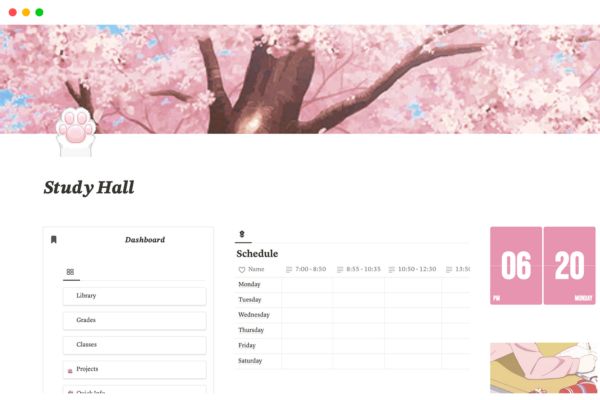
    To create and plan my study schedule, I use two main tools: Apple Calendar and Notion. These tools help in organize my tasks and ensure nothing falls through the cracks.

    Blocking Out Current Commitments

    The first step is to block out all current commitments using Apple Calendar. These include:

    • Classes
    • Work
    • Meetings
    • Important dates: Family birthdays, friend celebrations, etc.
    • Non-negotiables: Any fixed commitments that cannot be moved

    Seeing how much time is already occupied helps you determine which time blocks can be dedicated to studying.

    If your schedule seems full, evaluate which commitments you can say no to or rearrange to free up study time.

    Determining Available Study Time

    After blocking out all current commitments, identify the free blocks of time you have for studying.

    If an extracurricular activity clashes with an exam preparation period, consider rescheduling the activity. Adjust your commitments to create dedicated study slots.

    You Might Also Like: A Comprehensive Guide for Effective Planning

    Monthly Study Schedule Overview

    Using Notion for a monthly overview helps to plot all quizzes and exams visually. This differs from your Apple Calendar as it focuses specifically on academic goals.

    Seeing a visual cue of all your academic deadlines helps you plan your study sessions effectively, ensuring you cover the necessary material before the due dates.

    You Might Also Like: Your Guide to Monthly Planning To Be More Productive & Organized

    Weekly Study Schedule Planning

    The Forgetting Curve Concept

    When you learn something new, your retention fades over time if you don’t review it.

    This is known as the forgetting curve. To combat this, space out your review sessions. This allows you to reinforce what you’ve learned and retain information longer.

    Implementing Space Repetition

    Instead of cramming, schedule review sessions at intervals: later in the day, the next day, three days later, and a week later. This practice helps you overcome the forgetting curve.

    Plot your weekly review sessions in Notion. By balancing these sessions over the week, you create a sustainable study routine.

    You Might Also Like: How To Plan Your Week For Maximum Productivity

    Daily Study Schedule Structuring

    Integrating Notion and Apple Calendars

    how to set up a study schedule

    Cross-reference your academic non-negotiables and personal commitments. Schedule dedicated review sessions in your Apple Calendar and use Notion to track what needs to be reviewed.

    Importance of Time Blocking

    Time blocking involves dividing your day into specific chunks of time, dedicating each block to a specific task. This method reduces cognitive load, minimizes decision fatigue, and helps you operate more efficiently.

    Daily Time Blocking Strategy

    • Divide your day into specific blocks: Include non-negotiables and personal commitments.
    • Schedule review sessions based on productivity peaks: Reference when you’re most focused and productive.
    • Incorporate breaks: Breaks help maintain focus and prevent burnout.

    Allocate the remaining time for assignments and other academic tasks. This ensures all aspects of your academic and personal life are balanced.

    You Might Also Like: How To Reclaim Your Day With The Power of Time Blocking

    Key Tips for Maintaining an Effective Study Schedule

    how to set up a study schedule

    Regular Evaluation and Adjustment

    No study schedule is perfect from the get-go. Be flexible and adjust as needed to find what works best for you.

    Consistency and Commitment

    Stick to your schedule. Consistency is key to forming lasting study habits and achieving academic success.

    Creating an effective study schedule helps you learn better, be more productive, and manage your time efficiently. If any part of your schedule isn’t working, feel free to make changes. Flexibility is part of the journey.

    By following these steps, you’ll be well on your way to creating a study schedule that works for you. Remember, the key is to remain consistent and make adjustments as you learn what works best for you.

    Pin For Later!

    how to create a study schedule to be a straight a student
    how to create a study schedule to be a straight a student
    [jetpack-related-posts]

    How To Work From Home, Stay Productive And Be Super Organized

    Filed Under: Organization, Work From Home // 07/18/2024

    11 tips for working from home and staying productive

    The most significant advantage of working from home is the additional flexibility.

    However, this luxury can frequently become a squandered opportunity if not handled wisely. Keeping this in mind, we’ve compiled a list of crucial work-from-home techniques you can implement at home.

    Most people believe that productivity has been lost as a result of the convenience that remote work affords.

    11 Tips for Staying Productive When Working From Home

    While remote work can be entertaining, it can often be stressful and unproductive. Here are some solutions to make your more organized and productive.

    Designate Your Own Workspace

    Though it may be tempting to work from your bed or couch, attempt to establish something more formal.

    Perhaps you have a makeshift workspace in the dining room, or you have a dedicated desk or office area in your house.

    Ideally, your workplace should have a door to block out any distractions, and it should be filled with all the supplies and equipment you might need nearby, such as a computer, printer, paper, headphones, and so on.

    You’ll want to avoid getting up frequently to fetch items you might need, as this will simply reduce your productivity.

    Maintain a clutter-free workspace and create a strategy for organizing crucial files and paperwork.

    If you have the space, you can be creative with your storage solutions, or you can utilize standard manila folders to divide distinct business materials.

    Whatever way you use, staying consistent with your approach is critical for developing efficient organizing habits.

    Related Post: 10 Work From Home Office Essentials To Reach Ultimate Productivity and Efficiency

    Have Office Hours

    Set precise hours for when you’ll be available by phone, email, or online and working if your employer allows it.

    Professional work is crucial, but so is taking time to unwind, appreciate your loved ones, and simply relax. Check that you’re setting fair boundaries on both a professional and personal level.

    Working from home may give you the sense that you have a better work-life balance, but be cautious.
    Instead of coworkers reminding you to pack up and leave the workplace, set an alarm at the end of the day to indicate that your typical workday is coming to an end.

    You don’t have to stop at that exact hour, but knowing that the workday is technically done can help you begin the process of saving your work and calling it a night.

    Get Ready for Your WorkDay

    What is your go-to attire for working from home?

    Is it your pajamas? If you answered yes, I am not passing judgment on you. It’s the perfect work-from-home outfit for being comfortable while getting things done. And dressing up is something that most people ignore when working from home.

    That, however, is not how it should be.

    You must prepare for work as you normally would. Casual clothes or pajamas are ideal for providing comfort and a sense of independence, which may not help you stay productive.

    While it is not necessary to dress as formally as you would for work, merely changing your clothes signals that it is time to wake up and get to work.

    Our brains are wired in such a way that it receives signals from our social and personal outlook while making a decision. When you dress up for work, you offer your brain a reason to do so. It acts as a natural alarm, keeping you aware throughout the day.

    Furthermore, working from home does not preclude people from seeing you. You may be invited to attend virtual meetings, which are becoming increasingly popular.

    Related Post: Habits That Make You Less Productive In The Mornings

    Start Early In The Day

    It’s tempting to want to sleep in when you don’t have to dash out the door to get to work.

    However, if you’re having trouble remaining productive, getting up early is sometimes an excellent solution. Set an alarm for about an hour before your spouse or children wake up.

    Set your alarm and go through your normal morning habits like you would if you were going into the office. When you get ready for the day, it can signal you to transition your home environment into your workspace.

    Make a cup of your favorite morning coffee and get to work on your emails or a heavier assignment. When the house is quiet, you’ll be astonished at how much you can get done.

    Related Post: The Best Times Of Day To Be Productive

    Take Breaks

    You can only labor so much. If you truly want to be productive, take regular breaks to allow your mind (and body) to recharge. Take a few minutes every hour or so to stand, refill your water, or take a short walk.

    Take longer pauses a few times a day to let your mind rest.

    Spend 20 minutes playing with your children, going on a stroll with your partner or pet, or checking in on your parents. Take a break from work to replenish your batteries.

    Eliminate Digital Distractions

    You generally don’t check social media too often at work, but it is frequently acceptable when working from home.

    Unfortunately, it’s all too easy to get lost in the rabbit hole. One glance at Instagram and you’ve already lost an hour of work time.

    To keep these digital distractions from taking over your life, do everything you can to eradicate them completely. Remove all social media platforms from your bookmarks and log out of all accounts.

    For example, if you can’t enter your living room without turning on the TV, work in another room or part of your house. Removing distractions from your environment is critical for maintaining focus on your task, which might affect your productivity.

    When you’re trying to work, turn off all alerts and notifications and keep your phone in the bedroom. After you’ve finished your work for the day, save social media apps for the evening.

    Set Daily And Weekly Goals

    Spend a few minutes each day planning out your work objectives. Use these daily goals to build up to a larger weekly goal that will help you with your tasks and assignments.

    Learn how to differentiate the most important jobs from the less important ones. Use a chart to help you prioritize your objectives based on their importance so you can meet deadlines and stay productive even as your workload grows.

    Related Post: How To Plan Your Week Ahead To Be Productive

    Make A To-Do List Each Day

    Lists are a great way to stay organized during the day, and a to-do list is one of the most important lists to stay organized.

    Make a daily to-do list to hold yourself accountable. Make a task list for the next day at the end of each workday, stating what you need to get done and by when.

    You should also include any meetings or phone conversations in which you are participating. The idea is to bring up that list as soon as you log in the next morning to assist you get started on the right foot.

    Positive reinforcement requires a to-do list and a planner, whether for work or non-work activities.

    • Because keeping track of various details is difficult, write or type your To-do list and a planner/calendar.
    • Create it in a systematic manner so that it is easily understood.
    • Share the planner with your coworkers to inform them of the time you have set aside on the calendar for official business.

    Multitask

    When working from home, you’ll have additional responsibilities to attend to during the day. You might have to cook dinner, do dishes, do laundry, and do other things.

    Find opportunities to multitask whenever you can to stay on top of these.

    Do you need to get up to refill your coffee? Why not thaw your dinner? Are you going to the kitchen? Before you settle back in, start a load of laundry. Work on minor things whenever possible. As a result, you will have less to accomplish at the end of your workday.

    Use Time Management Techniques

    Working remotely can make it easy to lose track of time, so it’s crucial to adopt certain time management practices that can help you monitor how long you’re spending on specific tasks.

    The Pomodoro Method, for example, is an excellent approach for preparing you to work for two to three hours before taking a 20- to 30-minute break.

    Have A Set Lunch Break

    Every day, take your lunch break at the same time.

    In this manner, you’ll establish a healthy pattern that will train your body to accept a regular eating schedule.

    Furthermore, scheduling your lunch at the same time every day allows you to plan a lengthier break where you can schedule a fast fitness session or other calming activity before returning to work.

    Related Post: 26 Delicious High-Protein Lunch Ideas to Keep You Energized All Day

    Working from home certainly comes with challenges. But establishing a schedule, setting clear expectations with your loved ones, and eliminating distractions can all help to ease the burden.

    These work-from-home tips we’ve offered can assist you in making the most of your new schedule. Try a few, and you could discover that working from home is just as productive as working in the office.

    [jetpack-related-posts]

    How To Reclaim Your Day & Be Productive With The Power of Time Blocking

    Filed Under: Productivity // 07/17/2024

    time blocking

    Are you constantly juggling an ever-growing to-do list, overwhelmed by the demands of a busy life? Do you wish for more “me time” but find it elusive?

    If you can relate, you’re not alone. As women, we often feel the relentless pressure to excel in various roles, from managing careers to orchestrating our homes and much more.

    The list seems endless. But fear not, because I’ve discovered a game-changing technique that allows me to single-task effectively while boosting productivity and allowing me to be more organized and effective: Time Blocking.

    Related Post: How To Set New Years Resolutions

    What Is Time Blocking

    Time blocking is the practice of dividing your day into designated time slots and assigning tasks to each of these slots, ensuring that every moment is accounted for.

    Time Blocking is a skillful approach to organization.

    It involves dedicating specific time blocks to accomplish tasks, ensuring that no minute goes unallocated.

    I find it essential to intersperse my time blocks with scheduled ‘comfort breaks.’

    These intervals are where I prioritize coffee breaks, take time to stretch my legs, and, most importantly, step away from work for 30 minutes at regular intervals throughout the day, this is especially useful when you work from home.

    This practice is vital in preventing burnout and maintaining productivity.

    Each time block is dedicated to a specific task, leaving no room for distractions or procrastination.

    I’ve come to realize that if I have unallocated time, it becomes a breeding ground for distractions, and I catch myself thinking, “I can do that later.” It’s crucial to resist this trap; the moment for action is now!

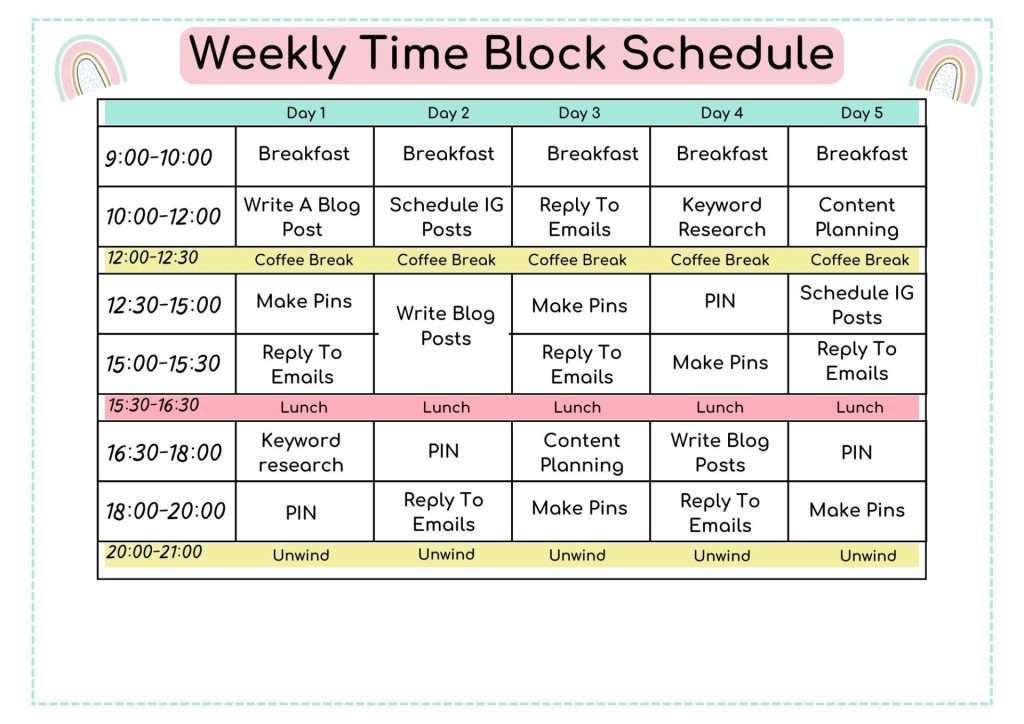
    Below, you’ll find an example of a fully time-blocked week.

    Time blocking

    Related Post: How To Set Up Your Planner

    Why Use Time Blocking Method

    Let’s face it; there’s no one-size-fits-all solution to productivity.

    It’s not for everyone, but it does work wonders for me, especially in combating my chronic procrastination habits.

    However, by proactively planning my day and allotting specific time blocks for tasks, I manage to maintain my momentum and stay motivated.

    Moreover, this method can be an effective strategy for carving out more “me time” or quality family time, ensuring I meet work deadlines and leave the office promptly at 5 p.m.

    Time blocking can be applied to a wide range of tasks, not just household chores and getting work done.

    I’ve incorporated it into my blogging routine, using it for brainstorming new ideas and writing blog posts.

    Whether it’s cleaning out the fridge, making dinner, or organizing paperwork, time blocking can help you tackle those tasks more efficiently.

    Block out at least 30 minutes for something you love, such as reading, gardening, taking a walk, or indulging in your favorite hobby.

    Let your loved ones know that this time is off-limits, and if necessary, leave your home to ensure you get the personal time you deserve.

    Related Post: How To Create A Vision Board

    Tips For Time Blocking

    Starting time blocking can be a transformative way to manage your time and boost productivity. Here’s a step-by-step guide to help you get started.

    Set Clear Goals:

    Before you begin time blocking, it’s essential to have a clear sense of your goals and priorities.

    Determine what you want to accomplish in a given day or week.

    Knowing your objectives will guide your time-blocking efforts effectively.

    Select a Time-Blocking Tool:

    Choose a tool that suits your preferences and needs. This can be a physical planner, a digital calendar, or specialized time-blocking apps.

    The right tool will make the process more convenient for you.

    Identify Your Time Blocks:

    Divide your day into distinct time blocks.

    Common time block durations are 30 minutes, 1 hour, or 2 hours, but feel free to adjust these based on your tasks and personal preferences.

    These don’t have to be the same each day, you should adjust each day to what works for you best.

    Allocate Time for Your Most Important Tasks:

    Start by allocating time blocks to your most critical tasks or priorities.

    Addressing these first ensures that you tackle your most significant responsibilities when your energy and focus levels are at their peak.

    Avoid Overloading:

    Be realistic about how much you can accomplish in a specific time block.

    It’s important to avoid the temptation of overloading your schedule, which can lead to stress and disappointment.

    Include Breaks:

    Don’t forget to include short breaks between your time blocks.

    These breaks are essential for rejuvenation and maintaining focus throughout the day.

    Stay Flexible:

    While time blocking provides structure, it’s important to remain flexible.

    Unexpected events can occur, so be prepared to adjust your schedule as necessary.

    Eliminate Distractions:

    During your time blocks, take steps to minimize distractions.

    Turn off unnecessary notifications, find a quiet workspace, and inform others that you are in a focused work period.

    Review and Adjust:

    At the end of the day or week, take some time to review how well your time-blocking strategy worked.

    Did you accomplish your goals?

    Based on your experience, make any necessary adjustments to your schedule for the next day or week.

    Time blocking is a personalized process, and it may take some time to fine-tune your approach.

    Experiment with different time block durations, styles, and tools until you find what works best for you.

    Be Consistent:

    Consistency is key to the success of time blocking. Stick to your schedule and continually refine your time-blocking skills for better results.

    Stay patient, adapt as you go, and keep refining your approach until you find a time-blocking strategy that helps you achieve your goals effectively.

    Time blocking is my secret weapon for crossing items off my to-do list and maintaining a sense of balance in my life.

    It provides a comforting sense of control when life seems chaotic. I hope these insights will be a valuable tool for you, helping you navigate the whirlwind of daily responsibilities.

    Pin For Later!

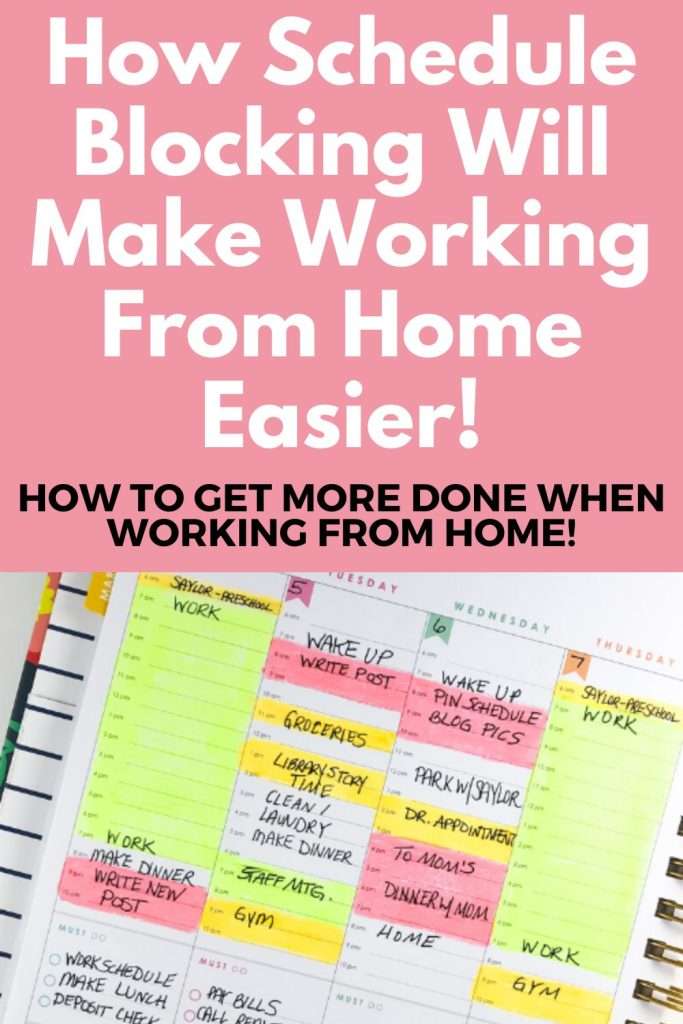
    schedule blocking
    schedule blocking
    Time blocking

    Have you tried time-blocking before?

    Share your experiences in the comments, or if you haven’t, give it a shot today (just 30 minutes to start) and let me know how it works for you.

    [jetpack-related-posts]

    How To Stay Motivated And Achieve Your Goals

    Filed Under: CAREER & FINANCE // 07/15/2024

    Be Your Best Self With Our Self-Care Workbook

    Download our FREE Self-Care Workbook and embark on a transformative journey to nurture your mind, body, and soul.

    ​
    Get the 30 day guide by subscribing below.

      We respect your privacy. Unsubscribe at any time.
      Built with ConvertKit

      Have you ever wondered how to maintain your motivation to accomplish your objectives without becoming mentally burnt out?

      You don’t need to worry about that substantial (and slightly irrational) sum. Those seeking everyday inspiration will benefit greatly from this straightforward self-motivation guide. I didn’t have much motivation when I first considered beginning a blog. Publishing my first blog post was something I wanted to put off for as long as I possibly could, but I somehow found the courage to start.

      As a result of a series of events, my blog is now slowly growing due to my staying consistent, it will just keep growing. You better believe there are times when I want to curl up in a warm comforter and stay there forever.

      You can probably connect to that to some extent. But I believe we can also agree that if we allowed our laziness to rule us, we would never accomplish anything. What we need to concentrate on is the one element—motivation—that connects goals and deeds. It is the one quality that successful people seem to possess in abundance, but in reality, they have some reliable routines that support their ability to maintain motivation.

      In this post, I will share my 10 simple tips on how I stay motivated and achieve my goals, they are easy to implement and will help you learn how to build motivation instead of waiting for it to show up on its own.

      How To Stay Motivated

      how to motivate yourself and reach your goals

      1. Start Your Day Off Right

      Most frequently, I witness individuals struggling with a lack of motivation throughout the course of the day as a result of poor morning routines. What is one of the most successful people’s best practices? They follow a reliable morning routine.

      With some relaxing morning rituals, you can welcome fresh energy into your life. As a result, every day starts fresh. You have the opportunity to press the reset button, purge your mind of old ideas, and move confidently closer to your objectives. Make an effort to wake up early beginning tomorrow.

      Your motivation will increase in a good way, and it will keep you motivated all day. Your efforts to achieve your objectives will become more fulfilling and less taxing.

      2. Set And Visualize Your Goals

      When we take action, our objectives are realized, and in order to take action, we require ongoing motivation. But if our objectives remain firmly fixed in our minds, it may be difficult to finish this link.

      Have you ever considered using visualization to bring your objectives to life? When you visualize, you must do so with the specific purpose of connecting with your objectives. Writing down your objectives is one of the best methods for this.

      For this, you can keep a journal that you can always look at when you’re working or need extra motivation. Another fantastic method to stay motivated is to make a vision board and keep it in your office or wherever you do your most work. You are free to develop your own way of visualizing your goals. Once you get used to it, it can be quite enjoyable to do.

      3. Have A Daily Planner

      daily planner for motivation

      This advice builds on the previous point and is very important. For those who prefer to keep their objectives in mind, a daily planner can be very helpful. I was surprised to find that, in addition to lowering my stress levels, using a daily planner also helped me become more aware of my schedule.

      Make a to-do schedule for the following day in your planner before you go to sleep. You can go to rest stress-free after clearing your mind of future-related thoughts. When you first wake up, quickly review your daily objectives and mentally picture achieving them.

      Throughout the day, keep your planner nearby and mark off each little task as you complete it. It will be incredibly gratifying to cross the last item off your list, and it will also be just addictive enough to keep you returning to your planner on a daily basis.

      To-Do List Notepad Tear Off

      To-Do List Notebook Notepad

      4. Break Down Your Goals

      By breaking your goals down into small steps and moving forward one step at a time, you can cross the entire distance while recharging your batteries. In conclusion, if you consider a goal in its entirety, it becomes intimidating.

      Despite being a complex organ, your brain prefers to receive knowledge in its most basic forms. Give it manageable directions, and it will be more willing to follow them. Because they never break it down, people frequently find themselves losing motivation a week after establishing a challenging objective. The major objective is still just that: big, and when perceived as such, is commonly left unfinished.

      It’s not too late to fix your mistake if you’ve been making the same one. Start dividing your objectives into smaller more attainable goals. If you’re hoping to lose a few pounds, then concentrate on losing the first two pounds in a reasonable amount of time. Whatever objective you choose, deconstruct it and proceed incrementally.

      5. Set Intentions

      A number of goals may not be accomplished if your motivation is unclear. You can fix this oversight with a few mindful practices, and only then will you understand the significant role thoughts play in goal manifestation.

      Being intentional entails having a clear understanding of why you are pursuing a specific objective. You operate from a position of strength and power when you declare your goals clearly. Your goals have a solid foundation because you give your plans and activities a purpose. When you begin to lose interest in a specific vision, check in with yourself by asking these questions:

      – Why am I doing this?

      – What does achieving this goal mean to me?

      You can check in with your mind and align it with your inner needs by responding to these questions. You could even take a notebook and write down why you want to start. Your true motives will be revealed, and you’ll continue to be driven to succeed.

      6. Have Support

      When having a bad day, it can sometimes be so helpful to speak to a supportive friend. Even something as straightforward as “I don’t feel like exercising,” becomes, “Why am I not exercising again?”

      Finding friends who encourage you in life can take some time, but you probably already know at least one person who believes in you. You need individuals who will have faith in you when you are doubting yourself. This can assist you in regaining your drive and engaging in the activity. Keep those close to you when you discover them because they will help you feel good about yourself.

      Do your best to surround yourself with people who will inspire you and keep you inspired to reach your objectives. Getting rid of anyone who makes you feel inadequate is similarly important. Such unfavorable energy is not necessary to obstruct your progress.

      Although it may not seem like it, you have complete power over your motivation. There may be days when you lack motivation but still have important tasks to complete. You can use the tactics I provided above to ensure that these days happen less frequently, and when they do, you can quickly turn to them for a much-needed boost.

      You Might Also Like: Strategies for Achieving Your Personal and Professional Goals

      [jetpack-related-posts]
      • 1
      • 2
      • 3
      • Next Page »

      Copyright © 2026 · Theme by Marketing Templates Co.

      We use cookies on our website to give you the most relevant experience by remembering your preferences and repeat visits.Read More By clicking “Accept All”, you consent to the use of ALL the cookies. However, you may visit "Cookie Settings" to provide a controlled consent.
      Cookie SettingsAccept All
      Manage consent

      Privacy Overview

      This website uses cookies to improve your experience while you navigate through the website. Out of these, the cookies that are categorized as necessary are stored on your browser as they are essential for the working of basic functionalities of the website. We also use third-party cookies that help us analyze and understand how you use this website. These cookies will be stored in your browser only with your consent. You also have the option to opt-out of these cookies. But opting out of some of these cookies may affect your browsing experience.
      Necessary
      Always Enabled
      Necessary cookies are absolutely essential for the website to function properly. These cookies ensure basic functionalities and security features of the website, anonymously.
      CookieDurationDescription
      cookielawinfo-checkbox-analytics11 monthsThis cookie is set by GDPR Cookie Consent plugin. The cookie is used to store the user consent for the cookies in the category "Analytics".
      cookielawinfo-checkbox-functional11 monthsThe cookie is set by GDPR cookie consent to record the user consent for the cookies in the category "Functional".
      cookielawinfo-checkbox-necessary11 monthsThis cookie is set by GDPR Cookie Consent plugin. The cookies is used to store the user consent for the cookies in the category "Necessary".
      cookielawinfo-checkbox-others11 monthsThis cookie is set by GDPR Cookie Consent plugin. The cookie is used to store the user consent for the cookies in the category "Other.
      cookielawinfo-checkbox-performance11 monthsThis cookie is set by GDPR Cookie Consent plugin. The cookie is used to store the user consent for the cookies in the category "Performance".
      viewed_cookie_policy11 monthsThe cookie is set by the GDPR Cookie Consent plugin and is used to store whether or not user has consented to the use of cookies. It does not store any personal data.
      Functional
      Functional cookies help to perform certain functionalities like sharing the content of the website on social media platforms, collect feedbacks, and other third-party features.
      Performance
      Performance cookies are used to understand and analyze the key performance indexes of the website which helps in delivering a better user experience for the visitors.
      Analytics
      Analytical cookies are used to understand how visitors interact with the website. These cookies help provide information on metrics the number of visitors, bounce rate, traffic source, etc.
      Advertisement
      Advertisement cookies are used to provide visitors with relevant ads and marketing campaigns. These cookies track visitors across websites and collect information to provide customized ads.
      Others
      Other uncategorized cookies are those that are being analyzed and have not been classified into a category as yet.
      SAVE & ACCEPT