• HOME
  • RELATIONSHIPS
  • HOLIDAYS
  • WELLNESS
  • CAREER & FINANCE
  • FASHION
  • BEAUTY
  • LIVING

Advice From Nobody

You are here: Home / Archives for BEAUTY

How to Apply Self-Tanner Properly: The 12 Best Sunless Tanning Tips

Filed Under: Body // 07/24/2024

Are you dreaming of that golden, sun-kissed glow without subjecting your skin to harmful UV rays?

Look no further than self-tanners!

With the right techniques, you can achieve a natural-looking tan that will leave you feeling confident and radiant.

Self-tanning can be a game-changer when it comes to achieving that sun-kissed glow without the harmful effects of UV radiation.

Here are twelve essential tips to ensure a flawless application every time.

How To Apply Self-Tanner Like A Pro

1. Prep Your Canvas

Preparation is key to a flawless self-tanning experience.

Start by exfoliating your skin to remove any dead cells and create a smooth surface for the tanner to adhere to.

Pay extra attention to rough areas like elbows, knees, and ankles.

After exfoliating, moisturize your skin, focusing on dry areas, to prevent the self-tanner from clinging to patches.

I love to use DIY exfoliators, here’s my recipe for homemade coconut lime body scrub, but if you don’t like to DIY or are short on time, here are my fave body exfoliators from Amazon.

  • Should You Shave Before Or After You Fake Tan

2. Choose the Right Formula

Self-tanners come in many formulas, including lotions, mousses, sprays, and serums.

Consider your skin type and the level of color you desire when selecting a formula.

Lotions are great for dry skin, while mousses and sprays are ideal for oily or acne-prone skin. Serums offer a more gradual tan and are perfect for beginners or those seeking a subtle glow.

If you’re unsure what to choose, here is my blog post on how to choose between tanning lotion and spray tan, there are some great tips in there on how to choose the best tanning option for you.

  • Does Self-Tanning Lotion Expire? +How To Make It Last Long
  • What’s The Best Time To Tan Before or After My Workout?

3. Apply with Care
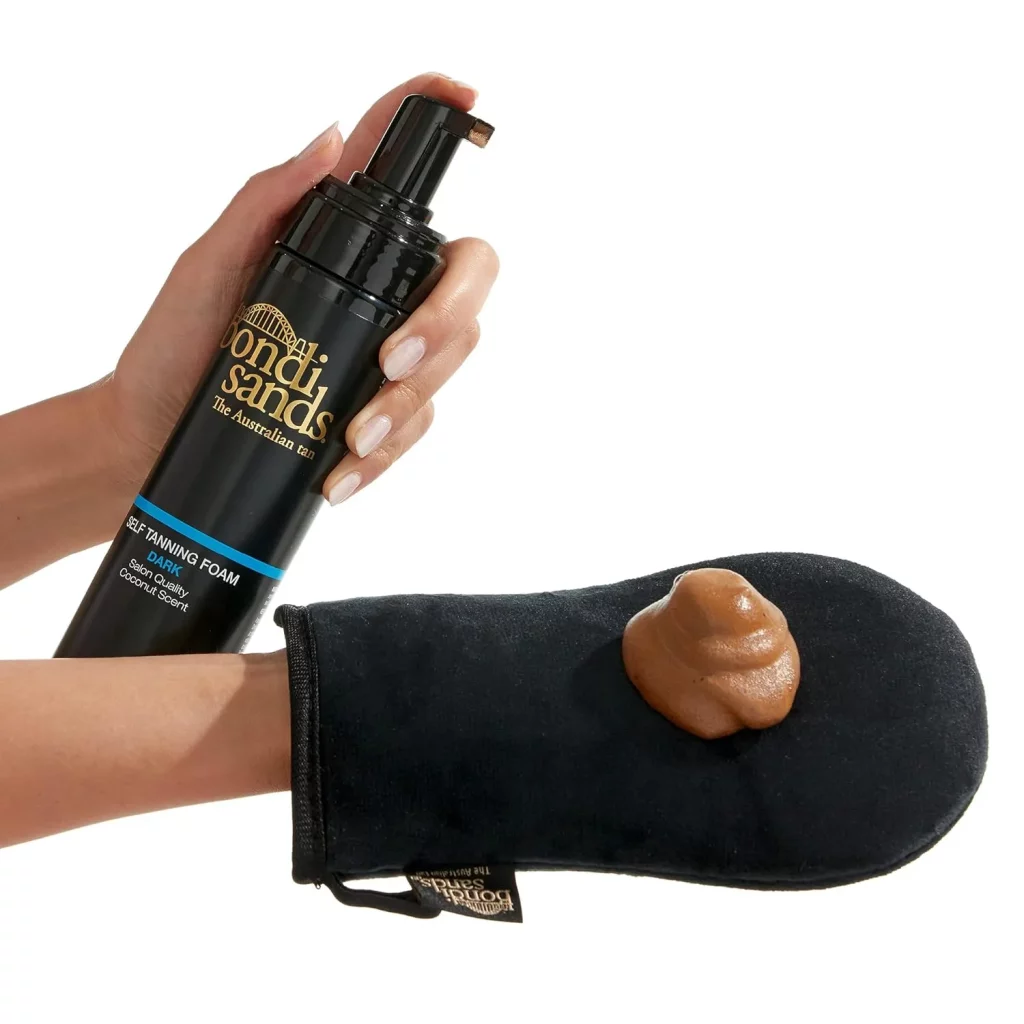
When applying self-tanner, more is almost always less.

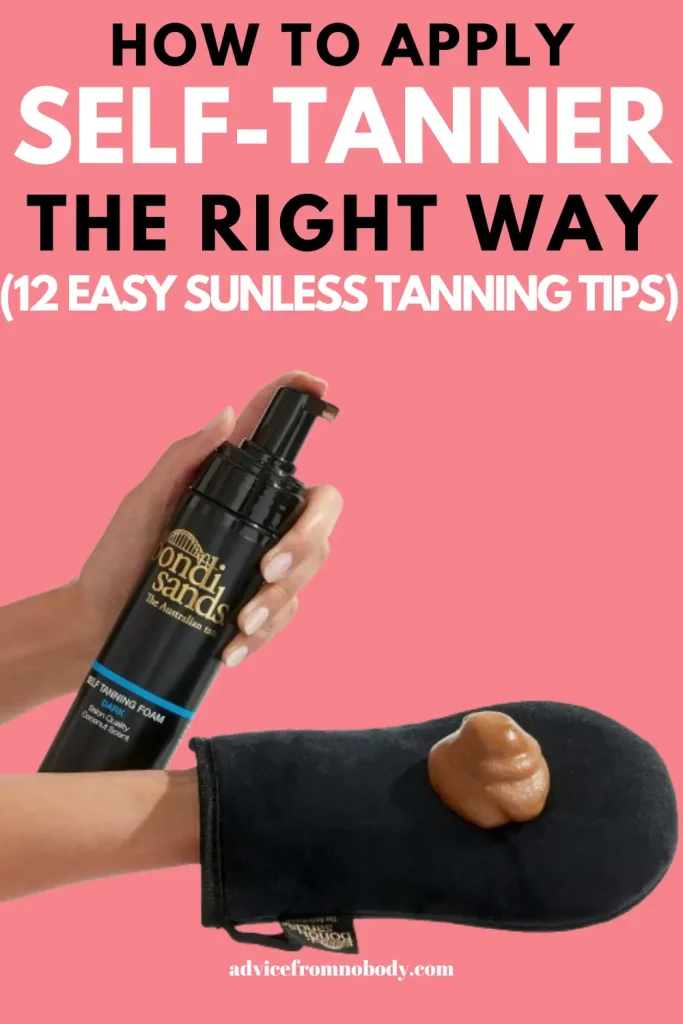
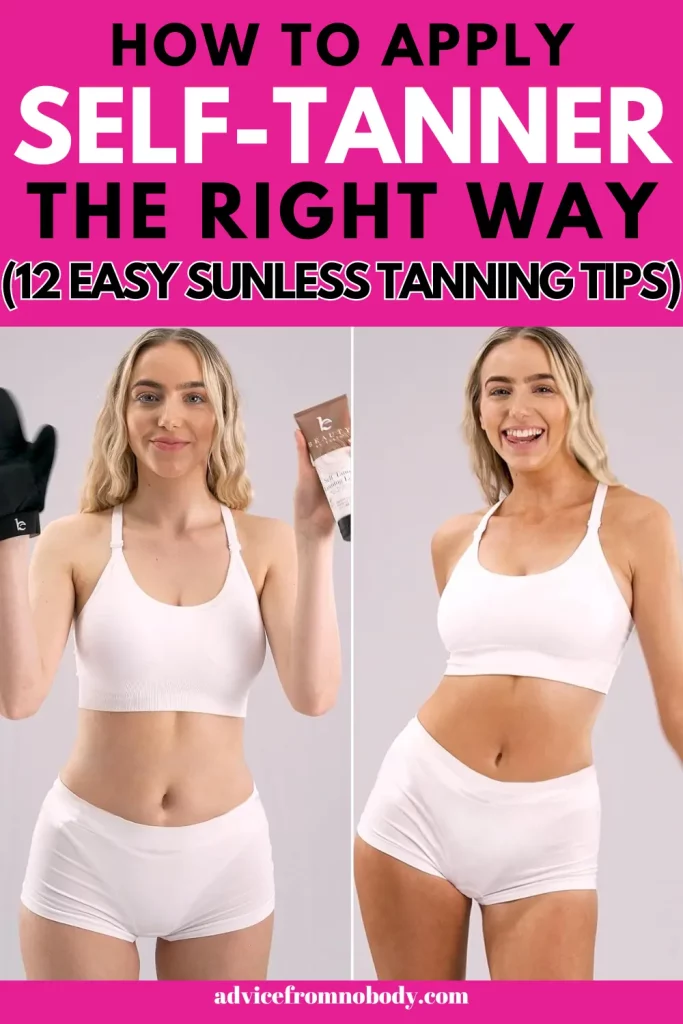
Start by putting a small amount of product onto a tanning mitt or glove to avoid streaks and uneven patches.

Begin at your ankles and work your way up, using long, sweeping motions to ensure even coverage.

Don’t forget to blend into areas like wrists, elbows, knees, and ankles for a seamless finish.

  • Will Spray Tanning Protect You From a Sunburn?

4. Take Your Time

Rome wasn’t built in a day, and neither is a flawless tan.

Take your time when applying self-tanner to ensure thorough coverage and avoid mistakes.

Start with a light layer and gradually build up the color to achieve your desired shade.

Remember to wait for each layer to dry completely before applying the next to prevent streaking or smudging.

  • The Best Way to Tan Legs in a Tanning Bed or Sun Fast

5. Wash Your Hands

One sign of a self-tanning failure is orange palms.

To avoid this common pitfall, be sure to wash your hands thoroughly after applying self-tanner to remove any product residue.

Pay special attention to the areas between your fingers and under your nails to prevent staining.

  • Can You Use Indoor Tanning Lotion Outside?

6. Maintain Your Glow

To prolong the life of your self-tan, moisturize your skin daily and avoid exfoliating until you’re ready to remove the color.

Opt for gentle, hydrating formulas to keep your skin looking radiant and healthy. When it’s time to say goodbye to your tan, exfoliate regularly to ensure an even fade.

Here are my favorite moisturizers for after self-tanning.

7. Use a Barrier Cream

Suppose you have dry areas or areas prone to excessive absorption, like elbows, knees, and ankles.

In that case, applying a thin layer of barrier cream or lotion can help prevent the self-tanner from clinging too heavily to these areas, resulting in a more even application.

8. Invest in a Back Applicator

Applying self-tanner to your back can be challenging, especially when you’re on your own.

Investing in a back applicator or enlisting the help of a friend can make this task much easier and ensure that you achieve seamless coverage from head to toe.

9. Pay Attention to Product Ingredients

Before purchasing a self-tanner, take a moment to review the ingredients list.

Look for products that contain hydrating ingredients like hyaluronic acid, glycerin, or aloe vera to help keep your skin moisturized and nourished while you tan.

10. Customize Your Shade

If you prefer a lighter or darker tan, consider mixing your self-tanner with a moisturizer to customize the intensity of the color.

This allows you to tailor your tan to suit your preferences and achieve a more natural-looking result.

11. Touch Up as Needed

Even with the best application techniques, your self-tan may fade unevenly over time.

To maintain a seamless glow, touch up any areas that have faded or become patchy using a gradual tanning lotion or a tinted moisturizer.

12. Practice Patience

Self-tanning is a process that requires patience and practice. Don’t be discouraged if your first attempt doesn’t turn out perfectly.

With time and experience, you’ll learn what works best for your skin and be able to achieve a flawless tan with ease.

With these easy tips in mind, you’ll be well-equipped to achieve a flawless, sunless tan that will have you feeling confident and radiant all year round.

Say goodbye to harmful UV rays and hello to a natural-looking glow!

Pin For Later!
how to apply self tanner the right way (12 easy sunless tanning tips)
[jetpack-related-posts]

21 Soothing DIY Bath Salt Recipes With Essential Oils For Every Mood

Filed Under: Body, DIY Beauty, Self Care // 07/18/2024

best bath soak recipes

Bath salts have been cherished for centuries for their therapeutic properties.

When combined with the power of essential oils, they create an indulgent and relaxing bath experience that can cater to your specific needs.

Whether you’re seeking relaxation, rejuvenation, or relief, these 21 DIY bath salt recipes infused with essential oils have got you covered.

There’s nothing quite like a soothing bath to wash away the stresses of the day and rejuvenate your body and mind.

Elevate your bath routine experience with these delightful bath salt recipes infused with the power of essential oils. From relaxation to revitalization, these DIY bath salts are easy to make, customizable, and perfect for various occasions:

THE BEST BATH SALT RECIPES WITH ESSENTIAL OILS

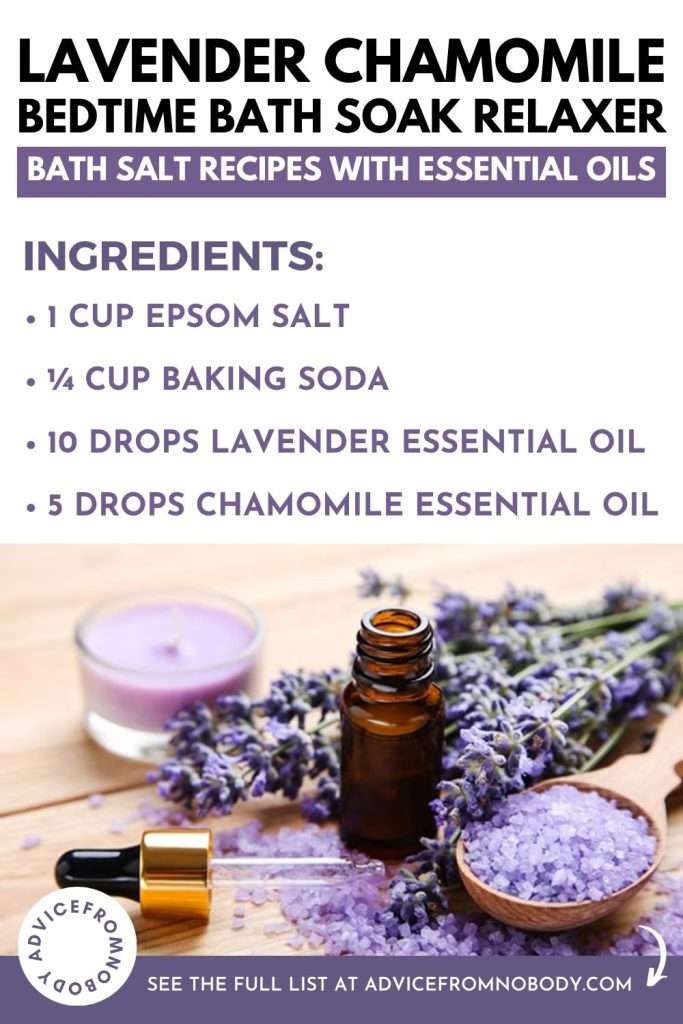
LAVENDER BEDTIME BATH SOAK

lavender chamomile bath soak recipe

Indulge in a calming lavender-infused bath to unwind after a long day. Lavender’s soothing aroma promotes relaxation and tranquility.

Unwind and let go with this calming bath salt blend, designed to melt away tension and promote relaxation.

INGREDIENTS:

  • 1 Cup Epsom salt
  • ¼ Cup baking soda
  • 10 Drops of lavender essential oil
  • 5 Drops chamomile essential oil

DIRECTIONS:

  1. Mix Epsom salt and baking soda in a bowl.
  2. Add the lavender and chamomile essential oils.
  3. Stir well and store in a glass jar.

BEST TIME TO USE: Before bedtime to ensure a peaceful sleep.

CITRUS BURST UPLIFT

citrus bath soak recipe

Revitalize your senses with this invigorating citrus blend. It’s perfect for a morning pick-me-up.

Start your day off right with this refreshing bath salt recipe that awakens your senses and energizes your body.

INGREDIENTS:

  • 1 Cup sea salt
  • ¼ cup Coconut oil (melted)
  • 10 Drops of grapefruit essential oil
  • 5 Drops of lemon essential oil

DIRECTIONS:

  1. Combine sea salt and melted coconut oil.
  2. Add the grapefruit and lemon essential oils.
  3. Mix thoroughly and store in an airtight container.

BEST TIME TO USE: In the morning for a refreshing boost and some energy.

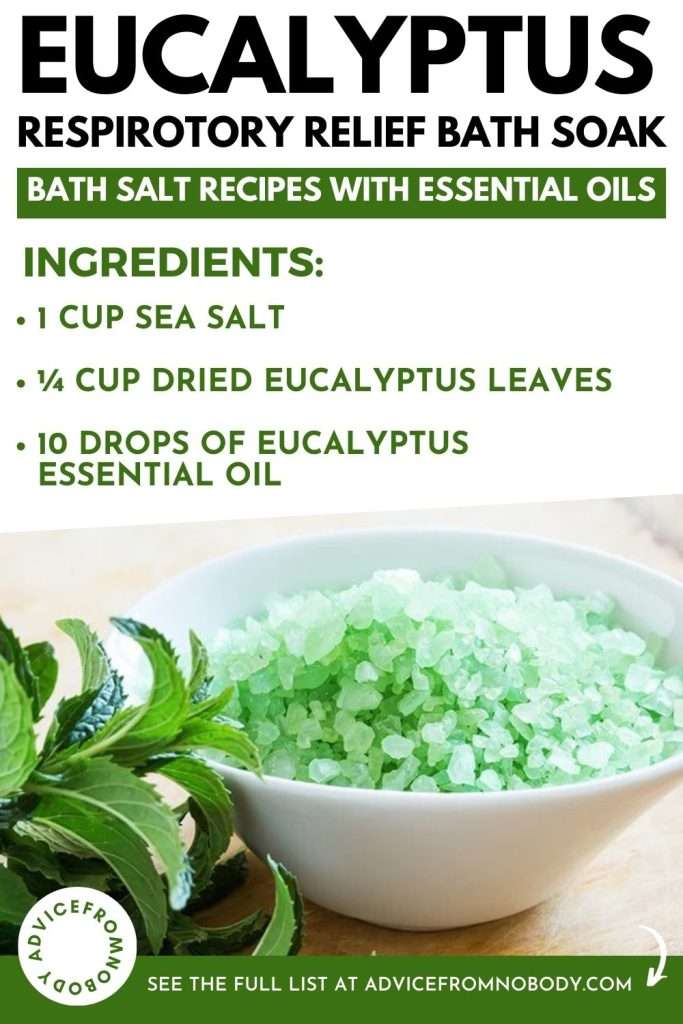
EUCALYPTUS RESPIRATORY RELIEF BATH SOAK

eucalyptus bath soak recipe

Clear your airways and refresh your mind with the cooling sensation of eucalyptus and peppermint. Breathe easy with this eucalyptus-infused bath salt that offers respiratory relief.

INGREDIENTS:

  • 1 cup sea salt
  • ¼ cup dried eucalyptus leaves
  • 10 drops of eucalyptus essential oil

DIRECTIONS:

  1. Combine sea salt and dried eucalyptus leaves.
  2. Add eucalyptus essential oil.
  3. Mix thoroughly and store in an airtight container.

BEST TIME TO USE: When feeling congested or during the flu season.

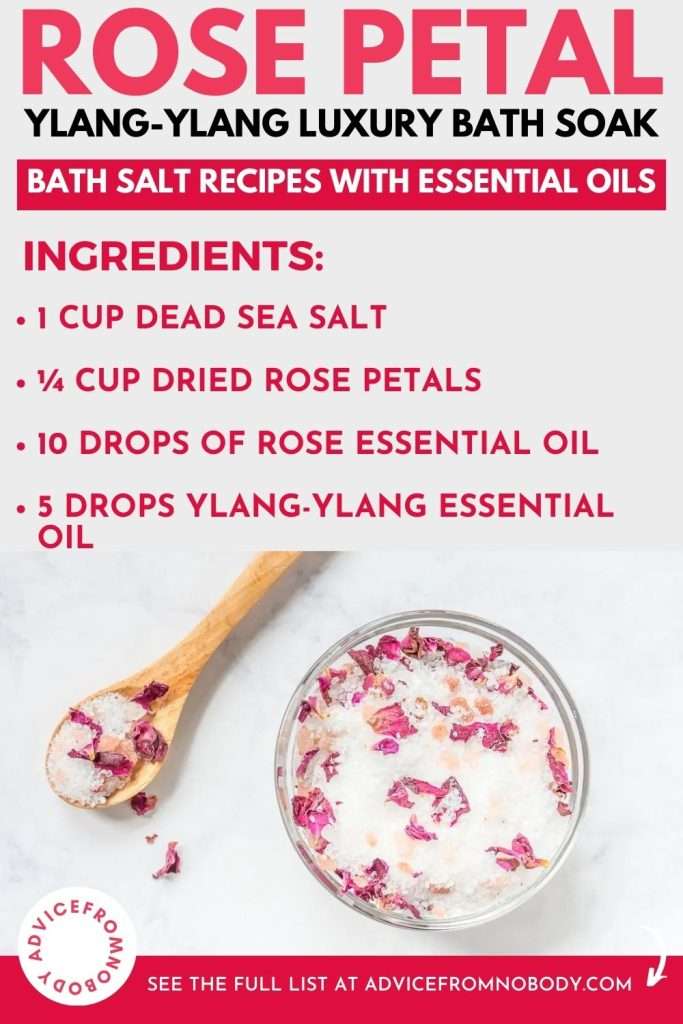
ROSE PETAL BATH SOAK

rose petal ylang-ylang bath salt recipe

Create a romantic ambiance with the delicate scent of roses and ylang-ylang, perfect for a luxurious self-care evening. Create a romantic atmosphere and pamper yourself with the luxurious scent of roses.

INGREDIENTS:

  • 1 Cup Dead Sea salt
  • ¼ Cup dried rose petals
  • 10 Drops of rose essential oil
  • 5 Drops ylang-ylang essential oil

DIRECTIONS:

  1. Mix Dead Sea salt and dried rose petals in a bowl.
  2. Add the rose and ylang-ylang essential oils.
  3. Combine gently and store in a decorative jar.

BEST TIME TO USE: For a special date night or self-care night routine.

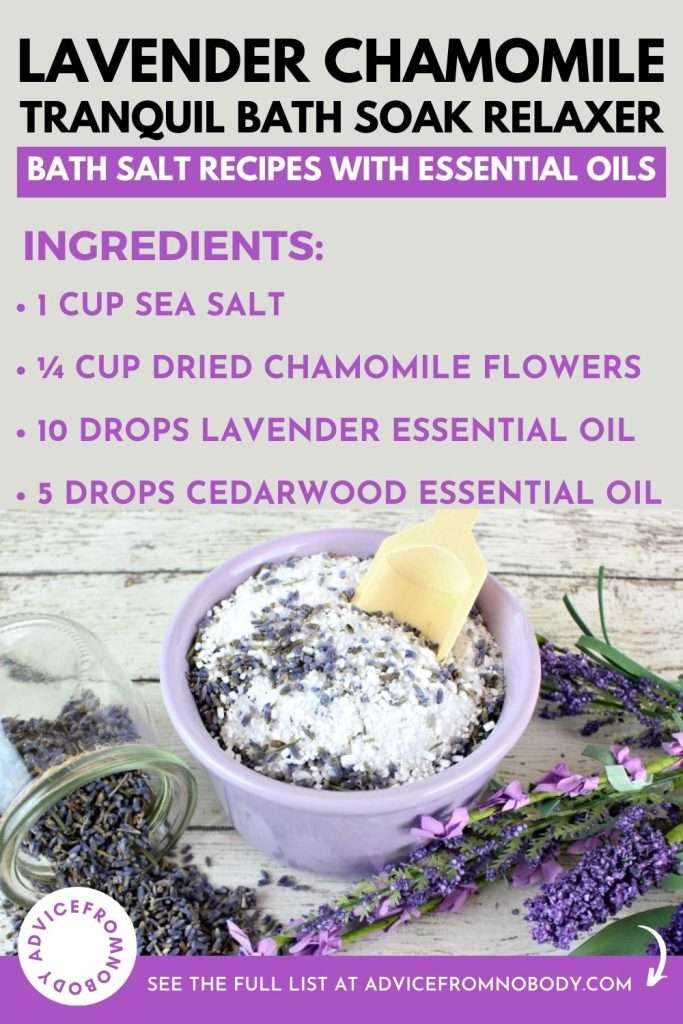
CHAMOMILE LAVENDER BATH SOAK

lavender chamomile bath salt recipe

Soothe both your body and mind with the gentle properties of chamomile and the uplifting notes of cedarwood. Drift into tranquility with this calming blend of chamomile and lavender.

INGREDIENTS:

  • 1 Cup sea salt
  • ¼ Cup dried chamomile flowers
  • 10 Drops of lavender essential oil
  • 5 Drops of cedarwood essential oil

DIRECTIONS:

  1. Mix sea salt and dried chamomile flowers in a bowl.
  2. Add the lavender and cedarwood essential oils.
  3. Blend well and store in a dry container.

BEST TIME TO USE: When seeking a moment of inner peace

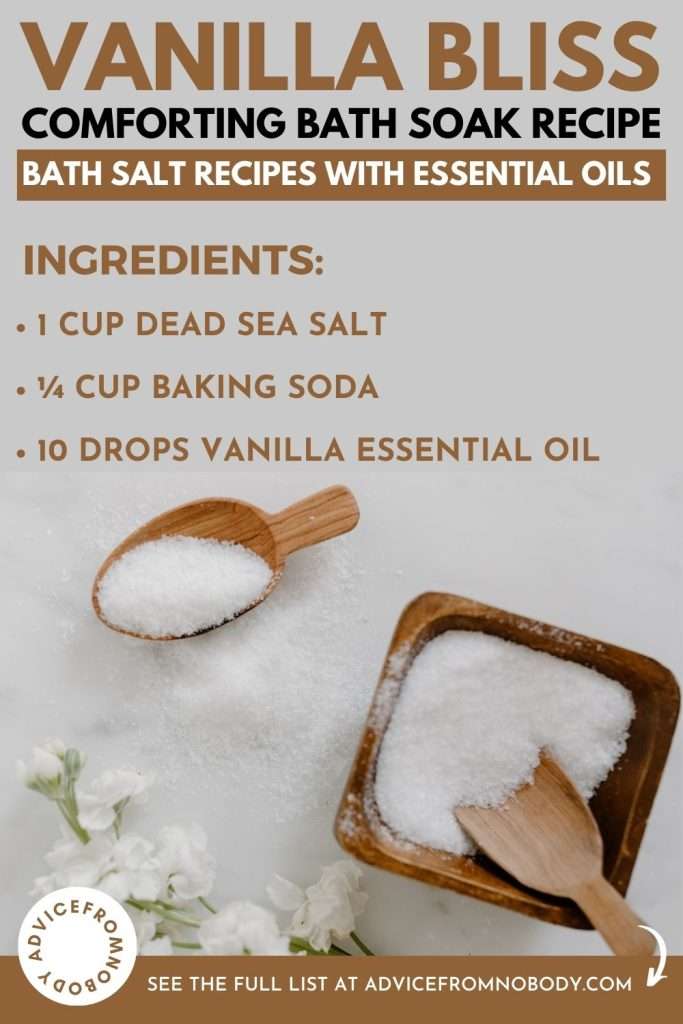
VANILLA BLISS BATH SOAK

vanilla bath soak recipe

Indulge your senses with the warm and comforting aroma of vanilla and sandalwood for a blissful and relaxing bath.

INGREDIENTS:

  • 1 Cup Dead Sea salt
  • ¼ Cup baking soda
  • 10 Drops vanilla essential oil

DIRECTIONS:

  1. Mix Dead Sea salt and baking soda.
  2. Add vanilla essential oil.
  3. Mix well and store in a decorative jar.

BEST TIME TO USE: Anytime you need a comforting and relaxing soak.

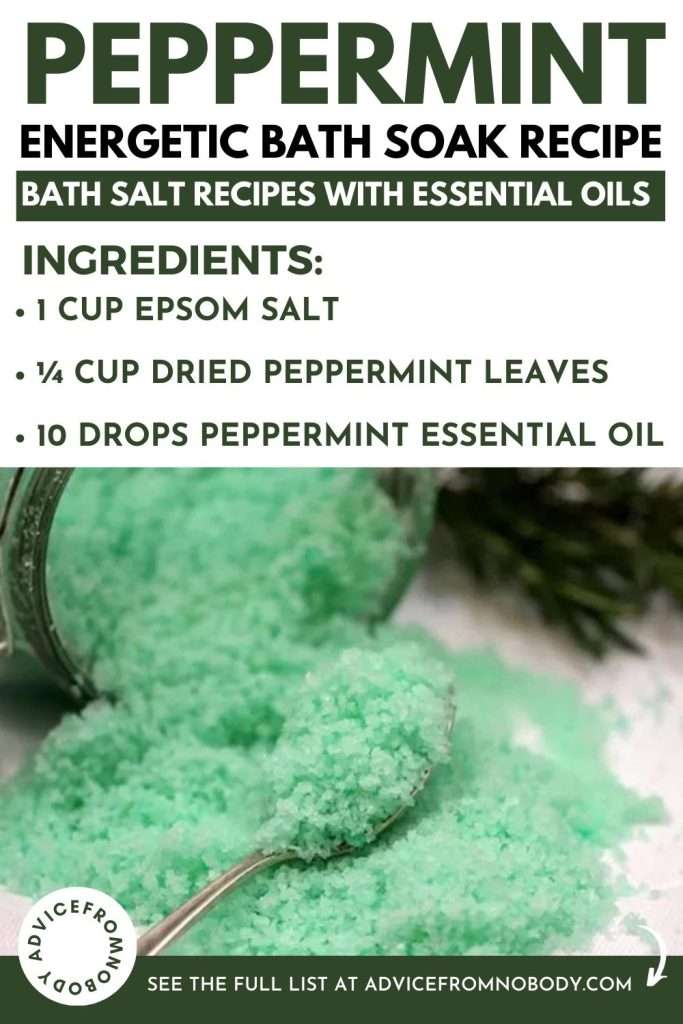
PEPPERMINT ENERGETIC SOAK

peppermint bath soak recipe

Kickstart your energy levels with the refreshing and invigorating scent of peppermint and spearmint. Invigorate your senses with the minty freshness of peppermint for an energetic bath.

INGREDIENTS:

  • 1 cup Epsom salt
  • ¼ cup dried peppermint leaves
  • 10 drops peppermint essential oil

DIRECTIONS:

  1. Combine Epsom salt and dried peppermint leaves.
  2. Add peppermint essential oil.
  3. Stir and store in a dry container.

BEST TIME TO USE: In the morning to awaken your mind.

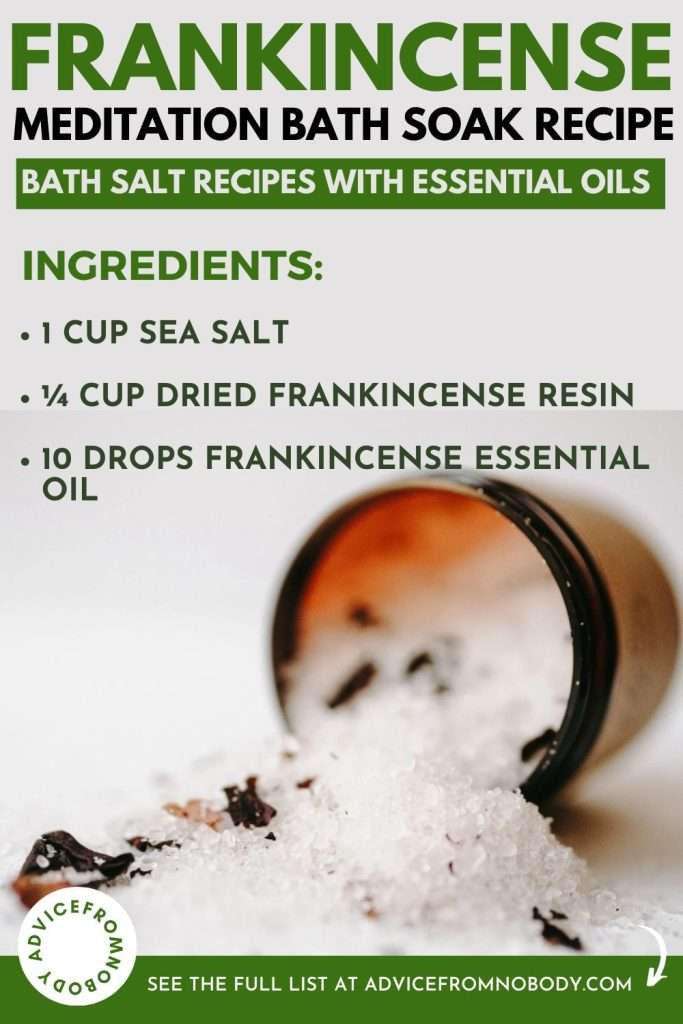
FRANKINCENSE SOAK

frankincense bath salt recipe

Enhance your meditation practice with the grounding scents of frankincense.

INGREDIENTS:

  • 1 cup sea salt
  • ¼ cup dried frankincense resin
  • 10 drops of frankincense essential oil

DIRECTIONS:

  1. Mix sea salt and dried frankincense resin.
  2. Add frankincense essential oil.
  3. Mix thoroughly and store in an airtight container.

BEST TIME TO USE: Before meditation or moments of reflection. I like to meditate in the bath as well.

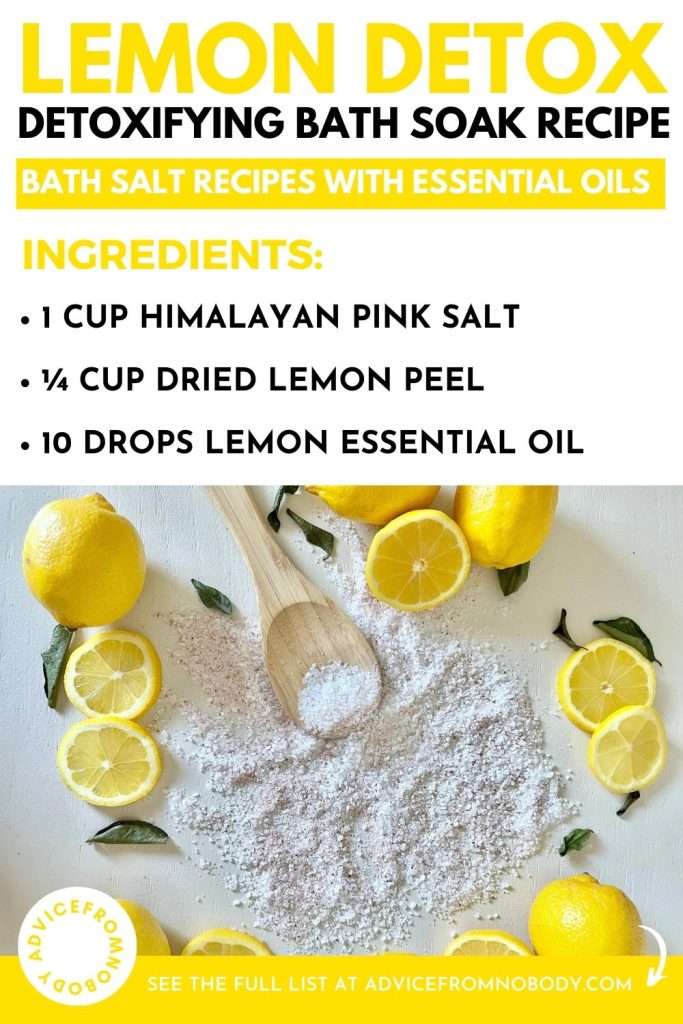
LEMON DETOX SOAK

lemon detox bath salt recipe

Detoxify your body and rejuvenate your mind with the zesty blend of lemon and Himalayan pink salt. Refresh and detoxify your body with the zesty scent of lemon.

INGREDIENTS:

  • 1 Cup Himalayan pink salt
  • ¼ Cup dried lemon peel
  • 10 Drops lemon essential oil

DIRECTIONS:

  1. Combine Himalayan pink salt and dried lemon peel.
  2. Add lemon essential oil.
  3. Mix well and store in a glass jar.

BEST TIME TO USE: When you want to cleanse your body or have a detox bath.

COCONUT SOAK

coconut tropical bath salt recipe

Transport yourself to a tropical paradise with the exotic combination of coconut and jasmine.

INGREDIENTS:

  • 1 Cup Dead Sea salt
  • ¼ Cup coconut oil (melted)
  • 10 Drops of coconut essential oil

DIRECTIONS:

  1. Mix Dead Sea salt and melted coconut oil.
  2. Add coconut essential oil.
  3. Stir and store in a container with a lid.

BEST TIME TO USE: Anytime you crave a mini vacation, or just want to relax and unwind.

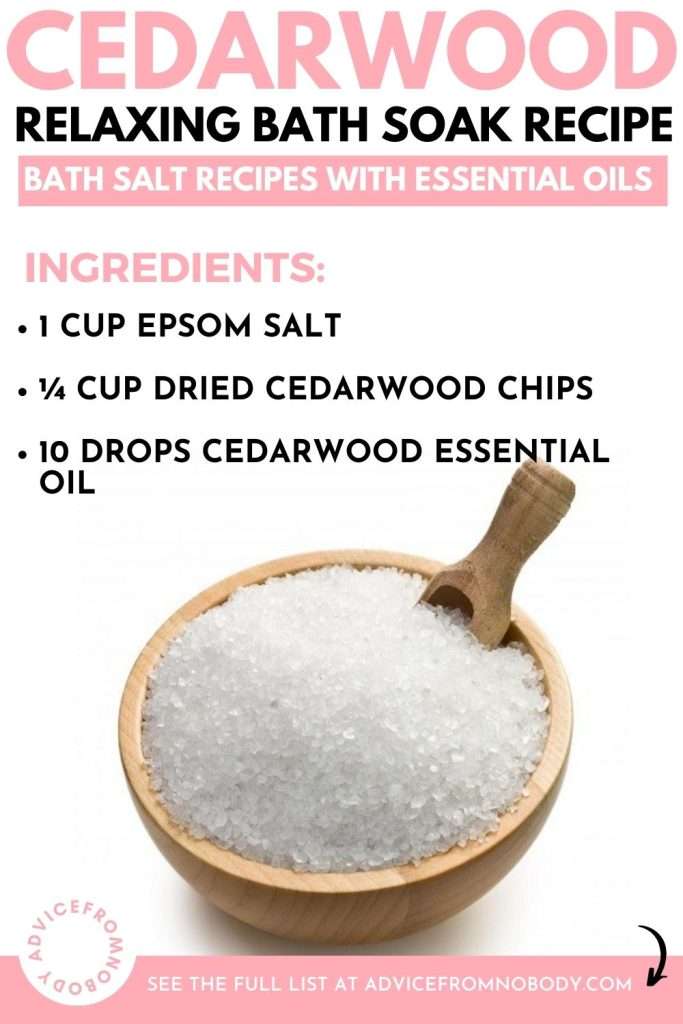
CEDARWOOD BATH SALT

cedarwood bath soak recipe

Find balance and grounding with the earthy and woody scents of cedarwood and vetiver.

INGREDIENTS:

  • 1 Cup Epsom salt
  • ¼ Cup dried cedarwood chips
  • 10 Drops cedarwood essential oil

DIRECTIONS:

  1. Combine Epsom salt and dried cedar wood chips.
  2. Add cedarwood essential oil.
  3. Mix thoroughly and store in a dry container.

BEST TIME TO USE: When you need to reconnect with yourself.

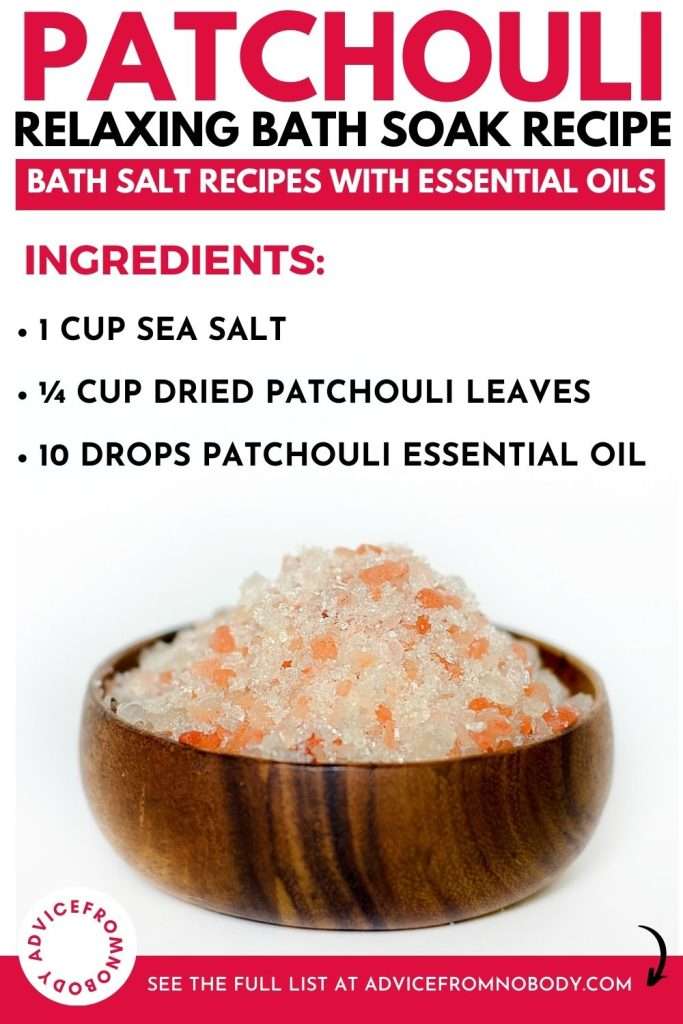
PATCHOULI BATH SALT

patchouli bath salt recipe

Achieve inner harmony and relaxation with the rich, earthy notes of patchouli and the calming effects of lavender.

INGREDIENTS:

  • 1 Cup sea salt
  • ¼ Cup dried patchouli leaves
  • 10 Drops patchouli essential oil

DIRECTIONS:

  1. Mix sea salt and dried patchouli leaves.
  2. Add patchouli essential oil.
  3. Mix well and store in an airtight container.

BEST TIME TO USE: During moments of self-reflection.

GERANIUM BATH SOAK

geranium bath salt recipe

Escape to a blooming garden with the floral and herbaceous blend of geranium and rosemary.

INGREDIENTS:

  • 1 Cup Epsom salt
  • ¼ Cup dried rose petals
  • 10 Drops geranium essential oil
  • 5 Drops of rosemary essential oil

DIRECTIONS:

  1. Combine Epsom salt and dried rose petals.
  2. Add geranium essential oil.
  3. Stir and store in a glass jar.

BEST TIME TO USE: When you seek a fragrant escape.

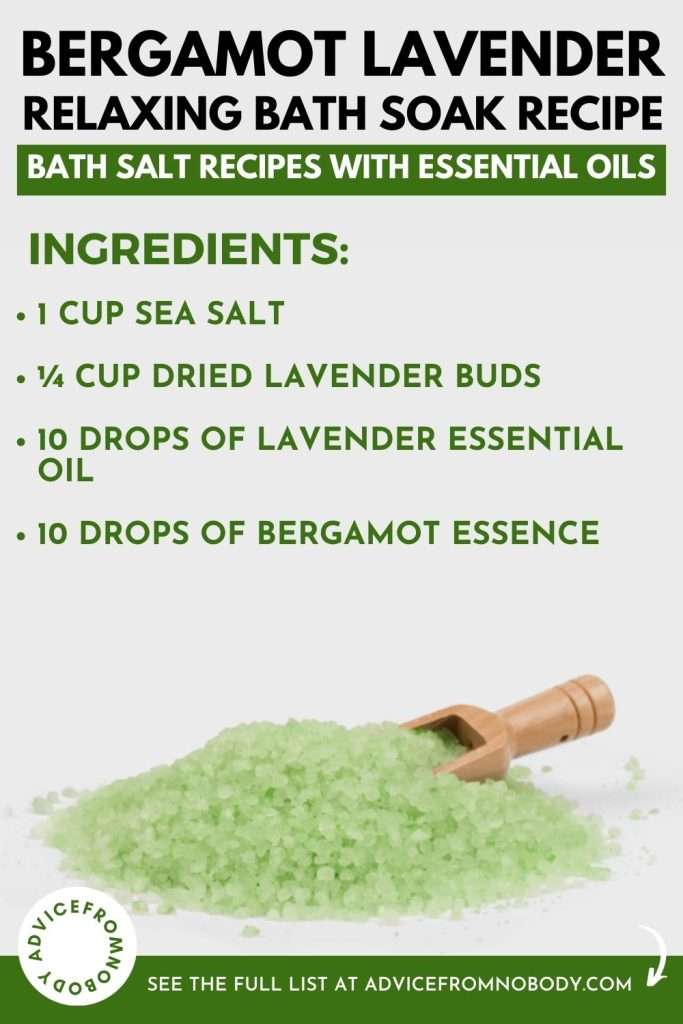
STRESS RELIEF LAVENDER BATH SOAK

bergamot lavender bath soak

Ease away stress and tension with the soothing combination of lavender and bergamot. Melt away stress and tension with the timeless relaxation of lavender.

INGREDIENTS:

  • 1 Cup sea salt
  • ¼ Cup dried lavender buds
  • 10 Drops of lavender essential oil
  • 10 Drops of bergamot essence

DIRECTIONS:

  1. Mix sea salt and dried lavender buds.
  2. Add lavender essential oil.
  3. Mix thoroughly and store in a sealed container.

BEST TIME TO USE: After a long and demanding day.

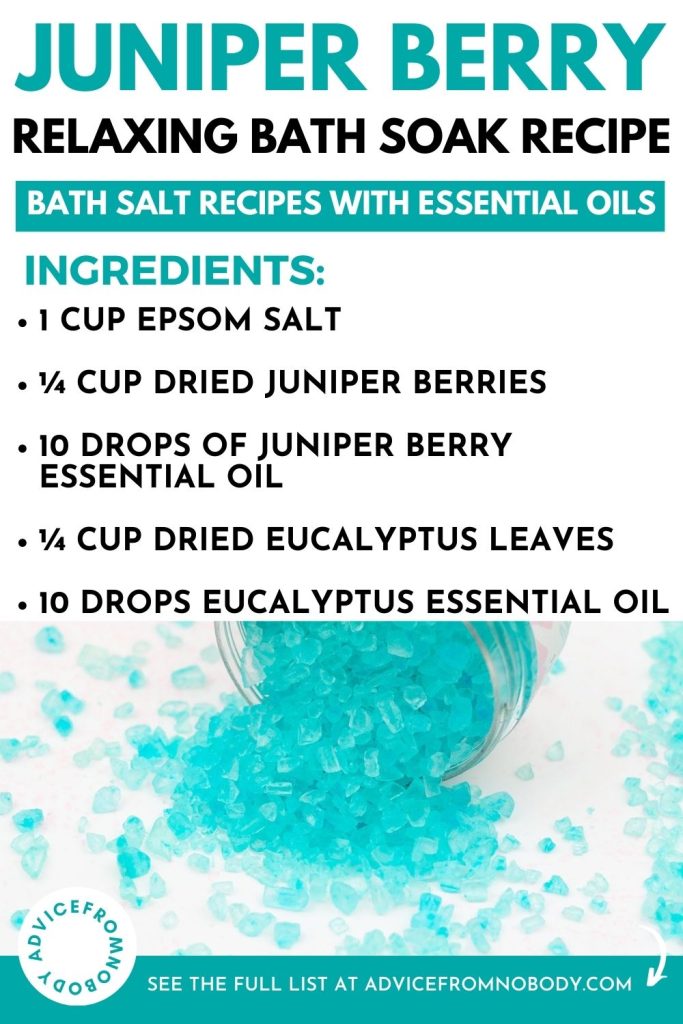
JUNIPER BERRY BATH SOAK

juniper bath salt recipe

Indulge in a rejuvenating bath experience with the invigorating blend of juniper berry and eucalyptus. This bath soak will refresh your senses, clear your mind, and leave you feeling revitalized.

INGREDIENTS:

  • 1 Cup Epsom salt
  • ¼ Cup dried juniper berries
  • 10 Drops of juniper berry essential oil
  • ¼ cup dried eucalyptus leaves
  • 10 drops eucalyptus essential oil

DIRECTIONS:

  1. In a bowl, mix Epsom salt, dried juniper berries, and dried eucalyptus leaves.
  2. Add juniper berry and eucalyptus essential oils to the mixture.
  3. Stir well to distribute the oils evenly and ensure they infuse the salts and botanicals.
  4. Transfer the blend to a clean, airtight container or jar.

BEST TIME TO USE: During a cold, eucalyptus can help ease congestion, making this bath perfect for when you’re feeling under the weather.

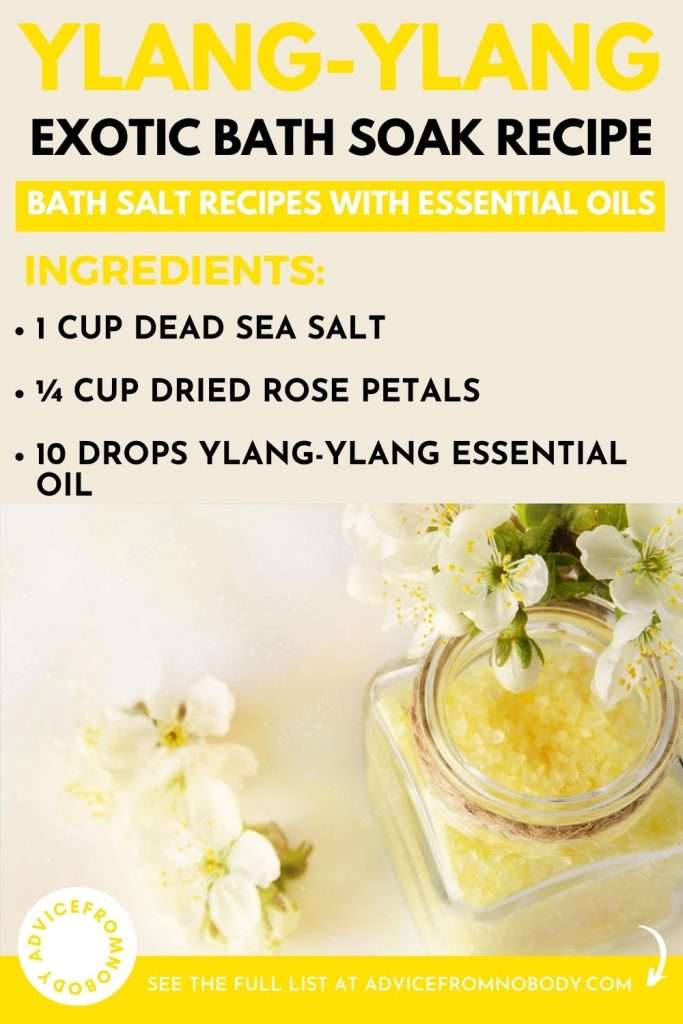
YLANG-YLANG BATH SOAK

ylang-ylang bath salt recipe

Ignite your senses with the sensual and exotic blend of ylang-ylang and jasmine.

INGREDIENTS:

  • 1 Cup Dead Sea salt
  • ¼ Cup dried rose petals
  • 10 Drops ylang-ylang essential oil

DIRECTIONS:

  1. Mix Dead Sea salt and dried rose petals.
  2. Add ylang-ylang essential oil.
  3. Blend gently and store in a decorative jar.

BEST TIME TO USE: For a romantic and indulgent bath.

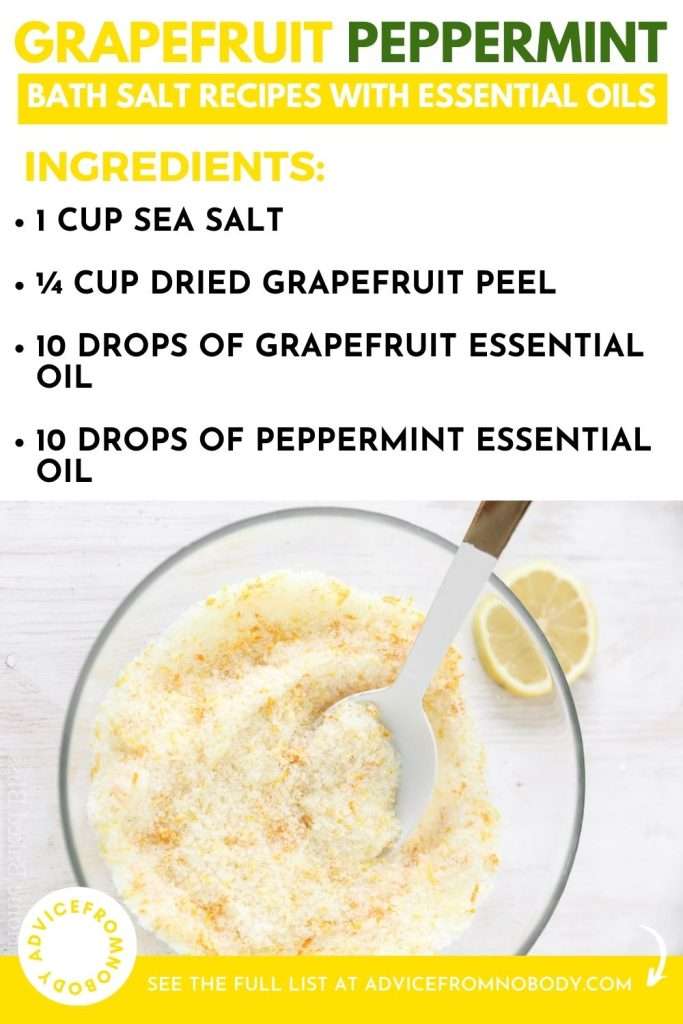
GRAPEFRUIT BATH SOAK

grapefruit peppermint bath salt recipes

Invigorate your senses and boost your mood with the zesty and refreshing scent of grapefruit and peppermint.

INGREDIENTS:

  • 1 Cup sea salt
  • ¼ Cup dried grapefruit peel
  • 10 Drops of grapefruit essential oil
  • 10 Drops of peppermint essential oil

DIRECTIONS:

  1. Combine sea salt and dried grapefruit peel.
  2. Add grapefruit and peppermint essential oil.
  3. Stir and store.

BEST TIME TO USE: In the morning to start your day with positivity.

LAVENDER MINT BATH SOAK

Sink into relaxation mode with the calming combination of lavender and spearmint.

INGREDIENTS:

  • 1 Cup Himalayan pink salt
  • ¼ Cup Epsom salt
  • 10 Drops of lavender essential oil
  • 5 Drops peppermint essential oil

DIRECTIONS:

  1. Combine Himalayan pink salt and Epsom salt.
  2. Add the lavender and peppermint essential oils.
  3. Mix well and store in a container with a lid.

BEST TIME TO USE: Whenever you need to de-stress and unwind.

BERGAMOT JOY BATH SOAK

Infuse your bath with happiness and joy using the uplifting scents of bergamot and orange.

Immerse yourself in a fragrant oasis of relaxation with this rejuvenating Bergamot and Orange Bliss Bath Soak. The harmonious blend of citrusy bergamot and uplifting orange essential oils will envelop you in a sense of tranquility and joy.

INGREDIENTS:

  • 1 cup Epsom salt
  • ¼ cup dried orange peel
  • 10 drops bergamot essential oil
  • 5 drops sweet orange essential oil

DIRECTIONS:

  1. In a mixing bowl, combine the Epsom salt and dried orange peel. The dried orange peel will release its natural citrus fragrance into the bath soak.
  2. Add 10 drops of bergamot essential oil and 5 drops of sweet orange essential oil to the mixture. These essential oils will enhance the aroma and therapeutic benefits of the bath soak.
  3. Stir the ingredients thoroughly to evenly distribute the oils and incorporate the dried orange peel.
  4. Transfer the blend to a clean, airtight container for storage. Make sure the container is tightly sealed to preserve the scent and prevent moisture from affecting the mixture.

BEST TIME TO USE: This Bergamot and Orange Bliss Bath Soak is perfect for those times when you need a mood boost, relaxation, or a little bit of both.

CLARY SAGE TRANQUIL BATH SOAK

Immerse yourself in a serene bath experience with the calming blend of clary sage and cedarwood essential oils. This soothing bath soak is designed to melt away stress, promote relaxation, and envelop you in a sense of tranquility.

INGREDIENTS:

  • 1 cup Epsom salt
  • ¼ cup dried clary sage leaves
  • ¼ cup dried cedarwood chips
  • 10 drops clary sage essential oil
  • 10 drops cedarwood essential oil

DIRECTIONS:

  1. In a mixing bowl, combine the Epsom salt, dried clary sage leaves, and dried cedar wood chips. Mix well to evenly distribute the ingredients.
  2. Add the clary sage and cedarwood essential oils to the mixture. Stir thoroughly to ensure that the essential oils are well incorporated.
  3. Transfer the blend to an airtight container or a glass jar with a lid, preserving the aromatic potency of the essential oils.
  4. When you’re ready to use the bath soak, add about ½ to 1 cup of the mixture to a warm bath as the tub is filling. Swirl the water to help the salts dissolve.

BEST TIME TO USE: This Clary Sage and Cedarwood Tranquility Bath Soak is ideal for moments when you need to unwind, destress, and find a moment of calm in your day. It’s perfect for evenings, allowing you to transition into a peaceful night’s sleep.

Whether you’ve had a long day or simply want to treat yourself to a serene escape, this bath soak will transport you to a realm of tranquility.

TEA TREE BATH SOAK

Indulge in the ultimate relaxation experience with this soothing bath soak infused with the powerful trio of tea tree, eucalyptus, and lavender. Let the harmonious blend of these essential oils calm your mind, invigorate your senses, and rejuvenate your body.

INGREDIENTS:

  • 1 cup Epsom salt
  • ¼ cup dried lavender buds
  • 10 drops tea tree essential oil
  • 5 drops eucalyptus essential oil
  • 5 drops lavender essential oil

DIRECTIONS:

  1. In a mixing bowl, combine the Epsom salt and dried lavender buds.
  2. Add the tea tree, eucalyptus, and lavender essential oils to the mixture.
  3. Gently stir the ingredients until the oils are evenly distributed and the fragrance is infused into the salts.
  4. Carefully transfer the blend into an airtight container or glass jar for storage.’

BEST TIME TO USE: This bath soak is versatile and can be enjoyed at different times for various benefits.

Conclusion: Elevate your bath time into a luxurious ritual by creating these homemade bath salts infused with the magic of essential oils. Whether you’re seeking relaxation, energy, detoxification, or simply a delightful aroma, these DIY bath salt recipes offer a natural and personalized solution for every mood. Treat yourself to the soothing embrace of aromatherapy and self-care, and transform your bath into a haven of well-being.

Elevate your self-care routine by indulging in the luxury of these homemade bath salt recipes infused with essential oils. Whether you’re looking to relax, rejuvenate, or simply treat yourself to a fragrant soak, these bath salts are versatile and tailored to your needs. Create your oasis of tranquility and pampering with these easy-to-make recipes, transforming your bath into a haven of relaxation and rejuvenation.

[jetpack-related-posts]

The Best After-Shower Body Care Routine For Glowing Skin

Filed Under: Body, Self Care // 07/18/2024

After-Shower Body Care Routine For Glowing Skin

Your shower might be your daily oasis, but what you do after stepping out plays a crucial role in maintaining healthy, radiant skin.

An effective after-shower body care routine can lock in moisture, promote skin elasticity, and leave you feeling refreshed throughout the day.

Today we’ll walk you through the steps of a post-shower regimen that will pamper your skin and elevate your self-care game.

  • When Can You Shower After Laser Hair Removal?

The Ultimate Post-Shower Body Care Routine

Step 1: Towel Off Gently

As you step out of the shower, resist the temptation to rub your skin vigorously with a towel.

Instead, pat yourself dry gently. Excessive rubbing can lead to skin irritation and compromise your skin’s natural barrier. Remember, your skin is most absorbent when slightly damp.

Step 2: Hydrate Immediately

Sealing in moisture is the cornerstone of an effective after-shower routine.

While your skin is still slightly damp, apply a nourishing body lotion or body oil. Look for ingredients like shea butter, hyaluronic acid, or glycerin. These humectants attract and lock in moisture, ensuring your skin stays hydrated throughout the day.

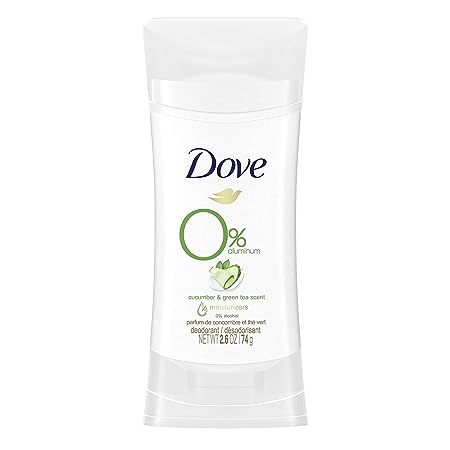
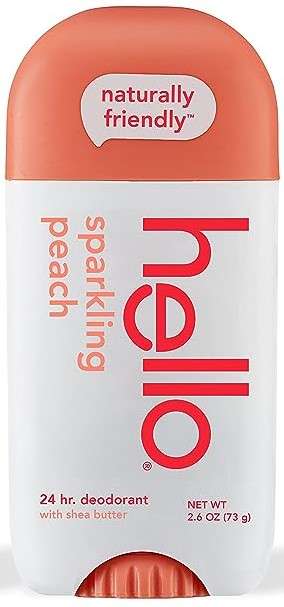
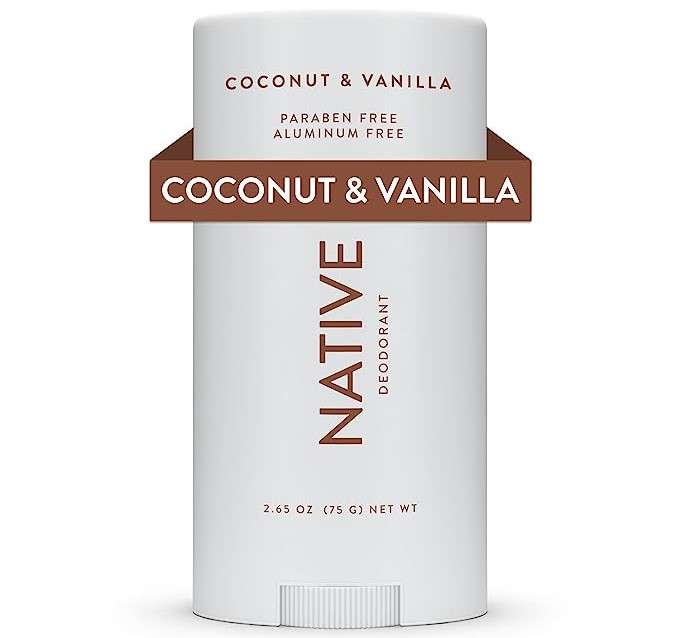
Step 3: Use Alcohol-Free Deodorant

Deodorant not only helps combat body odor but also provides a sense of comfort and assurance.

The absence of alcohol in the formula is a significant advantage, as it reduces the risk of potential allergic reactions or skin irritation – making it suitable for even the most sensitive skin types.

By incorporating deodorant into your post-shower regimen, you’re ensuring that your skin feels cared for, protected, and pleasantly scented.

This final step completes your routine on a positive note, leaving you with the confidence to face your day feeling clean, comfortable, and ready to embrace whatever comes your way.

Step 4: Pay Attention To Problem Areas

Focus on specific areas that may need extra care.

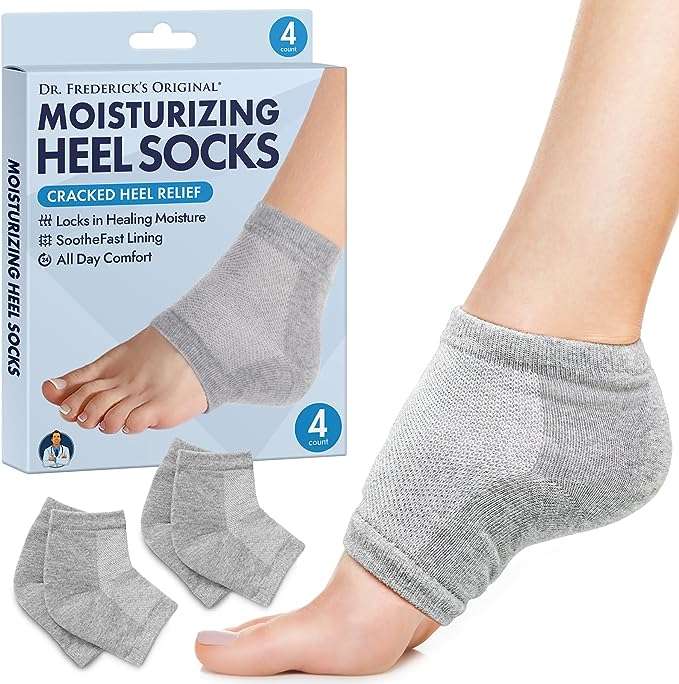
For rough patches like elbows, knees, and heels, opt for thicker creams or balms. If you have sensitive skin, choose fragrance-free products to avoid potential irritation.

Step 5: Treat Your Feet

Don’t neglect your feet!

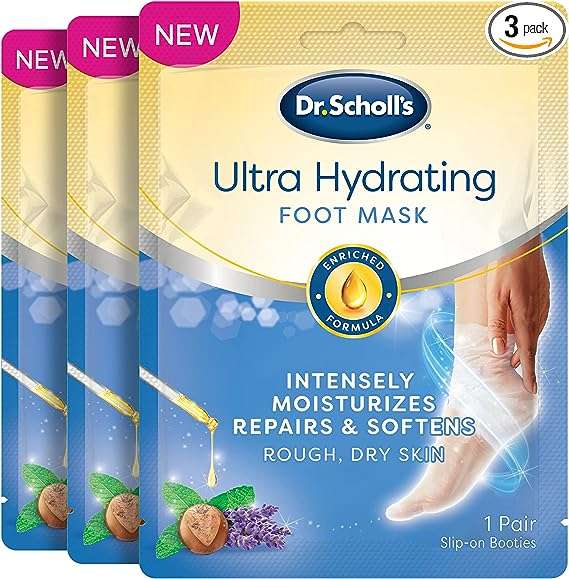
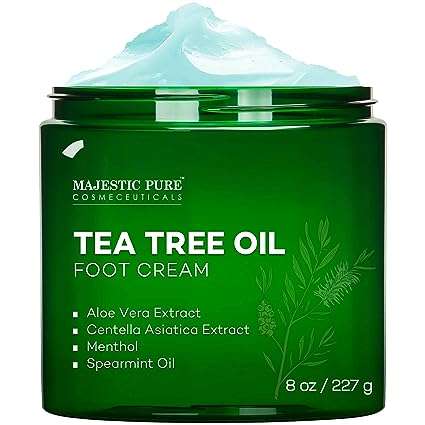
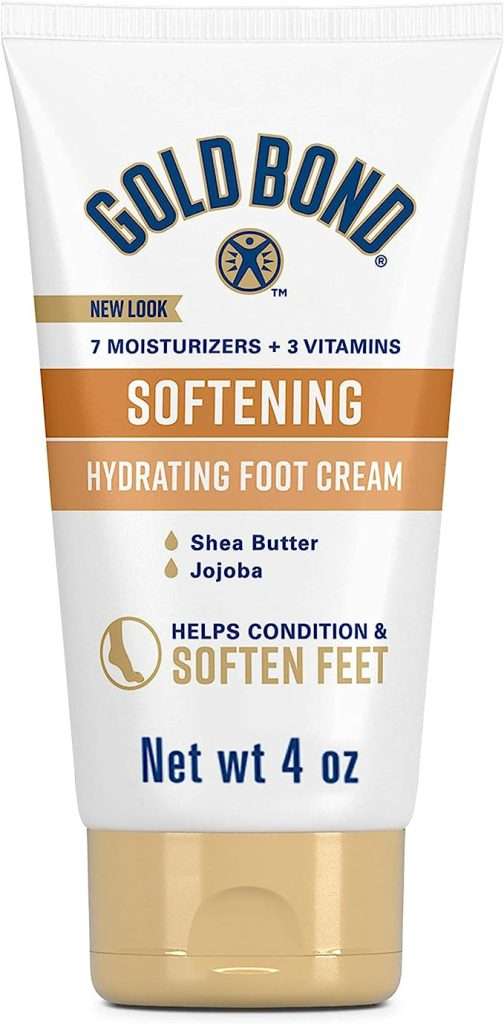
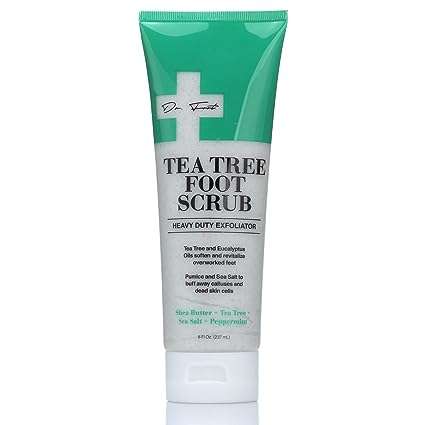
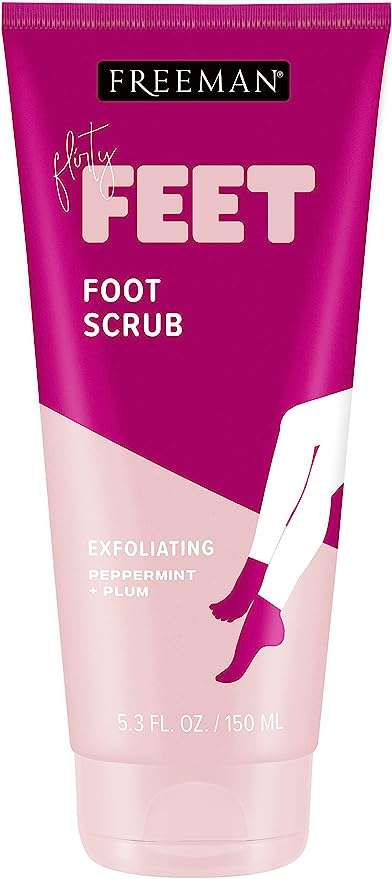
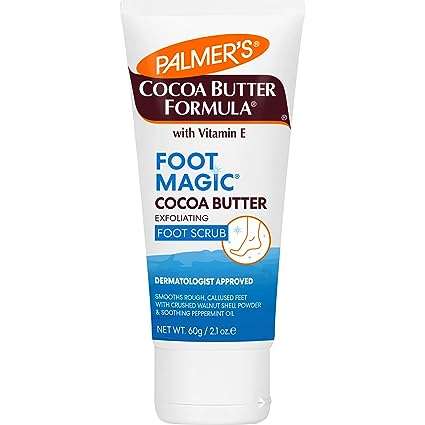
After showering, use a foot scrub to exfoliate and remove dead skin cells. Follow up with a rich foot cream to keep your feet soft and smooth. Massaging your feet can also improve blood circulation and promote relaxation.

Step 6: Mind Your Hands

Just like your feet, your hands deserve attention too.

After a warm and relaxing shower, your skin becomes more receptive to treatments. This is the perfect time to show some love to your nails and cuticles.

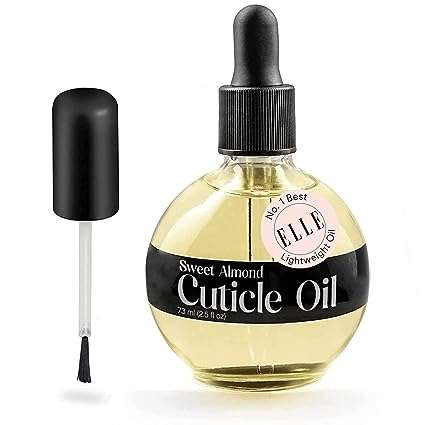
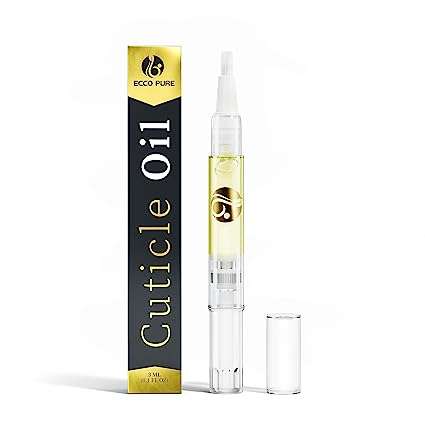
Apply a moisturizing hand cream to keep your hands soft and supple. If you’re dealing with dry cuticles, consider using a cuticle oil to promote healthy nail growth. Cuticle oil, enriched with nourishing ingredients like vitamins, minerals, and essential oils, provides the hydration and nutrients that your nails and the surrounding skin need.

By gently massaging cuticle oil onto each nail and the surrounding cuticle area, you’re not only promoting healthy nail growth but also preventing dryness, hangnails, and potential nail damage. The soothing massage also improves blood circulation, which can contribute to stronger and healthier nails over time.

Step 7: Lock In Moisture With Body Butter

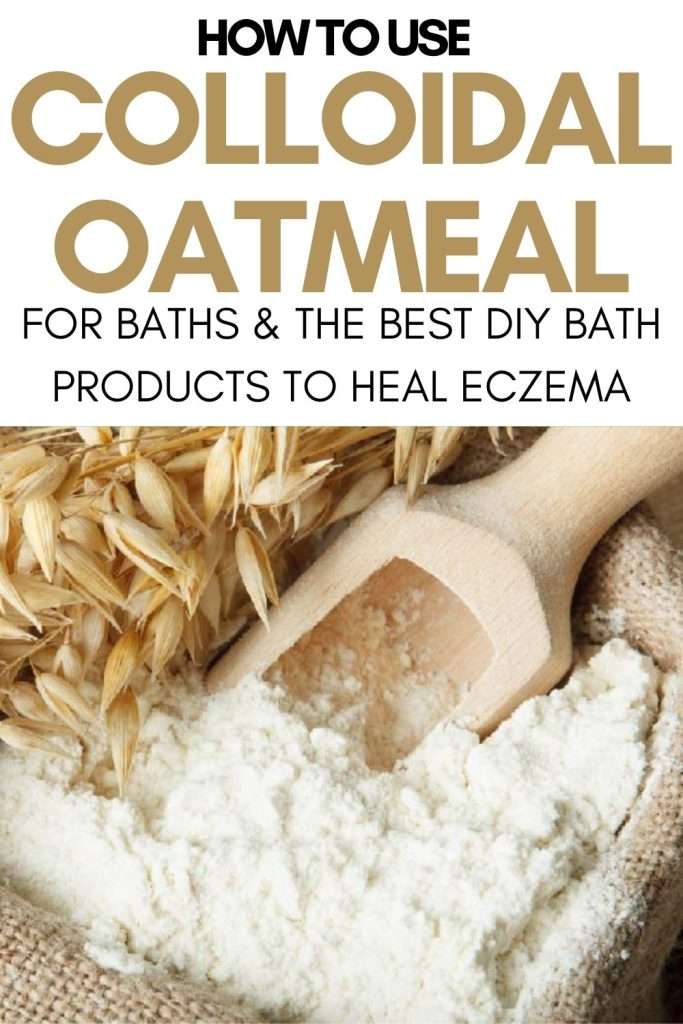
For an extra dose of hydration, consider incorporating a luxurious body butter into your routine a few times a week. Body butters are thicker than regular lotions, providing intense hydration and a lavish, spa-like experience. If you have dry skin or suffer from eczema, I suggest trying our DIY colloidal oatmeal body butter.

Related Post: The Best DIY Moisturizing Body Butter

Step 8: Protect Your Skin

Applying sunblock all over your body is a proactive measure to prevent sunburn, premature aging, and the risk of skin cancer. UV rays can penetrate the skin even on cloudy days, making consistent sun protection essential year-round.

When you’ve completed your shower and body care routine, make sure to generously apply a broad-spectrum sunscreen with at least SPF 30 or higher.

This will protect your skin against both UVA and UVB rays, which can cause sunburn, skin damage, and contribute to the development of skin cancer.

Remember, sun protection is not limited to just the face; your entire body needs defense against the sun’s harmful effects. Don’t forget to cover often overlooked areas like your neck, ears, hands, and feet. Apply the sunblock evenly and take your time to ensure thorough coverage.

By incorporating sunblock into your post-shower routine, you’re taking a proactive step towards maintaining youthful, healthy skin in the long run.

Related Post: The Best Sunscreens For Daily Use

Step 9: Choose the Right Fragrance

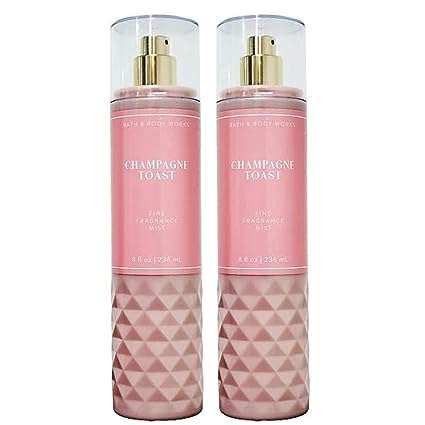
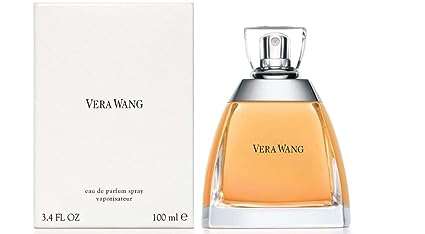
After taking care of your skin, you can enhance your after-shower routine with a carefully selected fragrance. Opt for a light body mist, scented lotion, or your favorite perfume. Just ensure it doesn’t clash with your body care products.

Step 10: Dress Comfortably

Give your skin a chance to absorb the moisturizing goodness by wearing loose, breathable clothing after your shower. Tight clothing can trap moisture and cause friction, potentially leading to skin irritation.

Related Post: The Best Affordable Loungewear on Amazon

Step 11: Hydrate from Within

Remember, glowing skin starts from within. After your shower, make sure to hydrate by drinking enough water throughout the day. This will further support your skin’s health and radiance.

Related Post: How Lemon Water Makes You Drink More Water

An after-shower body care routine is more than just slathering on lotion – it’s an opportunity to connect with your body, indulge in self-care, and enhance your skin’s natural beauty. By following these steps, you’ll be well on your way to achieving that coveted healthy, glowing skin that makes you feel confident and ready to take on the world.

[jetpack-related-posts]

Your Must-Have Pedicure Kit For The Perfect At-Home Pedicure

Filed Under: Self Care, BEAUTY // 07/18/2024

An at-home pedicure is a wonderful way to treat yourself to some well-deserved self-care and relaxation.

With the right tools and techniques, you can achieve salon-quality results without leaving the comfort of your home.

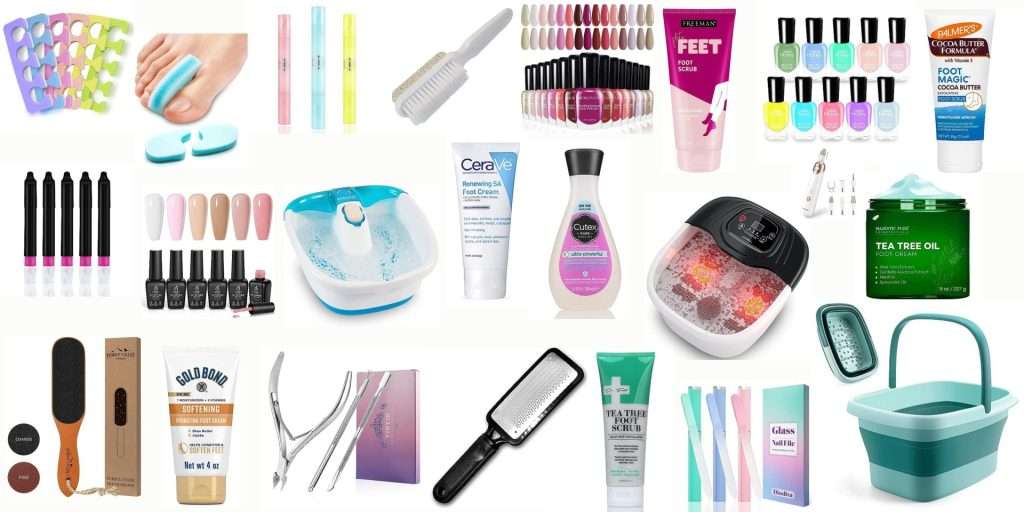
Must-Have Essentials For An At-Home Pedicure:

Foot Soak or Basin

Begin your pedicure with a relaxing foot soak. Choose a foot soak solution or add Epsom salts to warm water in a basin to soften your skin and prepare your feet for exfoliation.

1

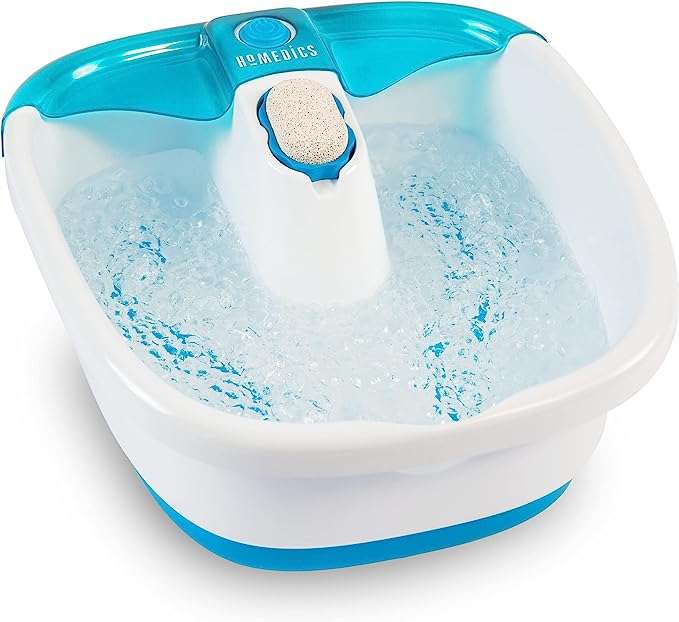
HoMedics Bubble Mate Foot Spa

$30 AT AMAZON

The HoMedics Bubble Mate Foot Spa is your go-to solution for an invigorating and revitalizing foot bath.

This toe-touch-controlled foot bath is designed to provide an indulgent experience with its invigorating bubbles and raised massage nodes. The splash-proof feature ensures a mess-free session, while the removable pumice stone offers an additional level of convenience.

Immerse your feet in a sea of bubbles, let the massage nodes work their magic, and relish the delightful sensation that leaves your feet refreshed and your spirits lifted.

The HoMedics Bubble Mate Foot Spa transforms a simple pedicure into a spa-worthy treat right at your fingertips.

2

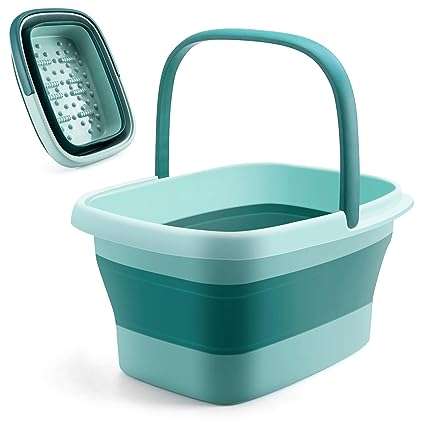
Collapsible Foot Bath Basin for Soaking Feet

$20 AT AMAZON

Experience the advantages of portability with the Collapsible Foot Bath Basin.

Crafted for both functionality and space-saving design, this foot soak tub offers a generous 15L/4 gallons capacity while being collapsible for easy storage. Its sturdy and durable plastic construction ensures longevity, while the built-in massage nodes elevate your pedicure experience.

The portable foot tub comes complete with a convenient handle, making it a perfect companion for those seeking a foot soak on-the-go.

Whether you’re unwinding at home or embarking on a weekend getaway, this collapsible foot bath basin provides the ultimate relaxation for your feet, allowing you to enjoy the benefits of a pedicure soak wherever you are.

3

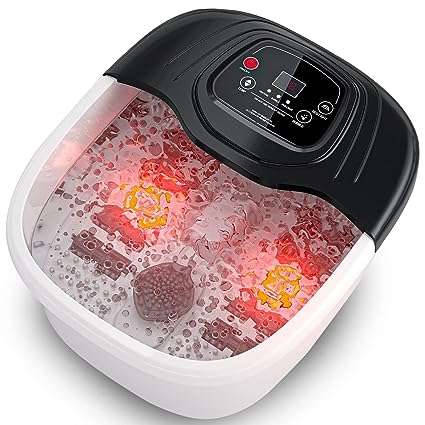
RIGHTMELL Foot Spa Bath Massager

$60 AT AMAZON

This innovative pedicure foot soaker offers a trifecta of soothing elements – heat, bubbles, and vibration.

With a digital temperature control feature, you can tailor the water temperature to your preference, creating the ideal spa-like environment.

Whether you’re seeking relief from a long day or preparing for a pedicure, this foot spa massager helps soothe, relax, and invigorate your feet, ensuring you step out feeling rejuvenated and ready to take on the world.

Nail Polish Remover & Cotton Pads

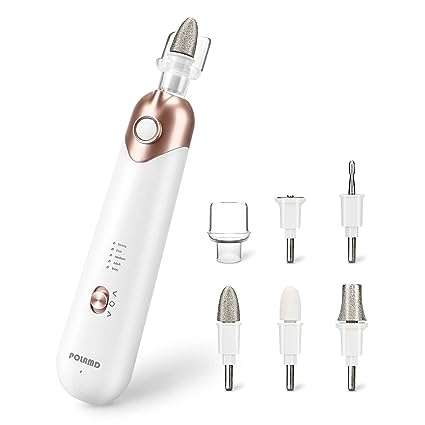
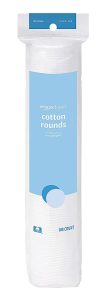
If you have existing nail polish, make sure to remove it using acetone-free nail polish remover and lint-free cotton pads. If you have a manicure with gel or acrylic, I recommend using an electric nail file to help this process along.

Nail Clippers

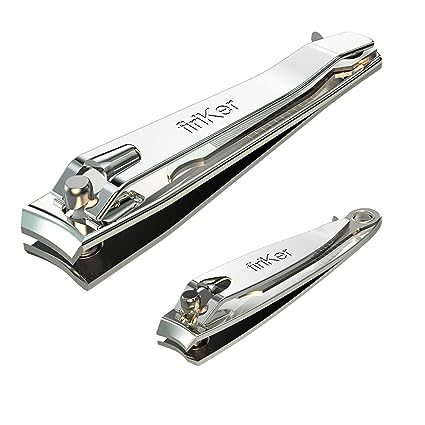
Trim your nails to your desired length, cutting straight across to prevent ingrown nails.

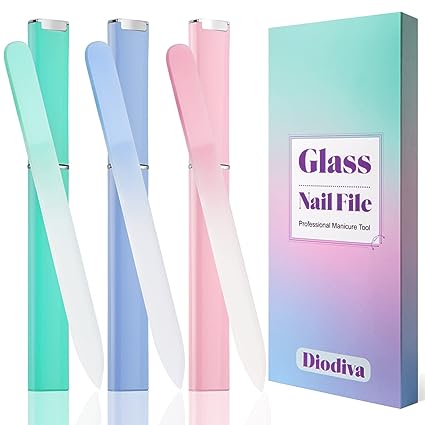
Nail File

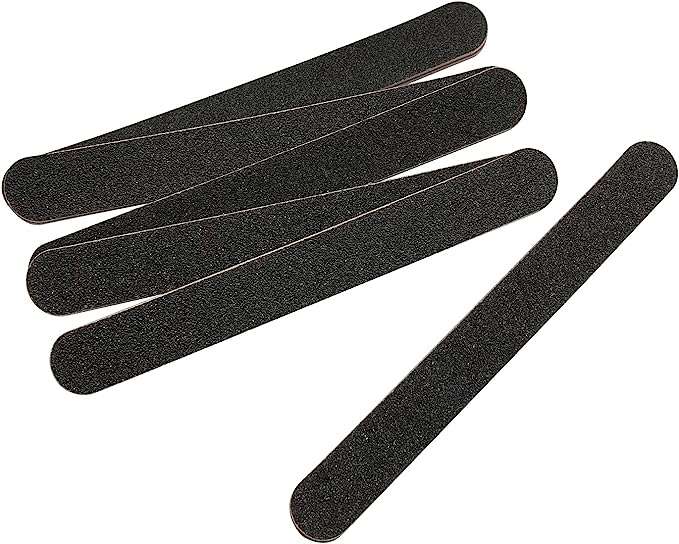
Shape your nails gently using a nail file. Opt for a glass or crystal nail file for smoother edges.

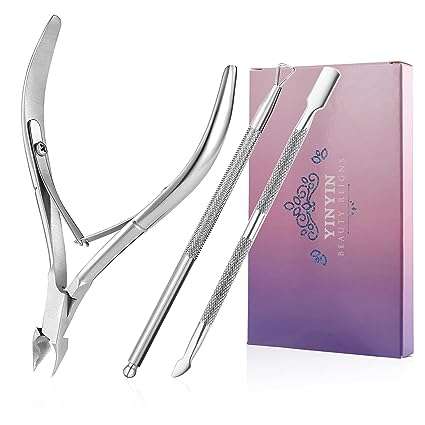
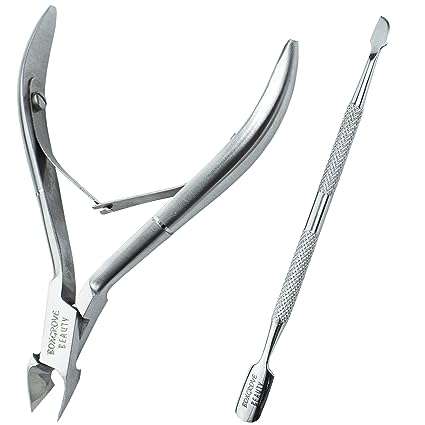
Cuticle Pusher & Nippers

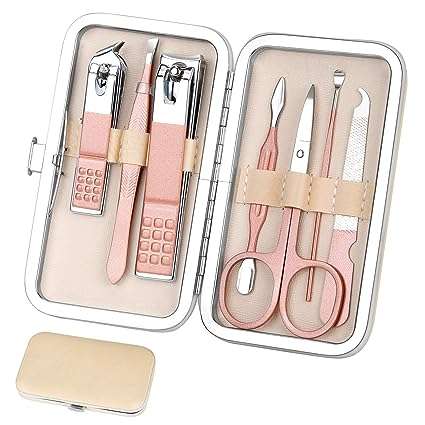
Gently push back your cuticles using a cuticle pusher, and trim any excess skin with nippers.

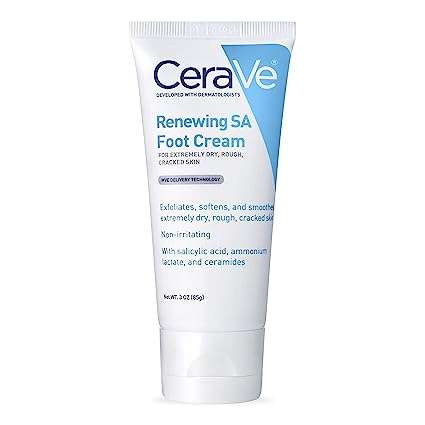
Moisturizing Lotion or Cream

Hydrate your skin with a rich foot cream or lotion to lock in moisture and keep your feet soft.

Exfoliating Scrub

Use an exfoliating scrub to remove dead skin cells and reveal softer feet. Pay special attention to rough areas like heels and the balls of your feet.

Base Coat, Nail Polish, & Top Coat

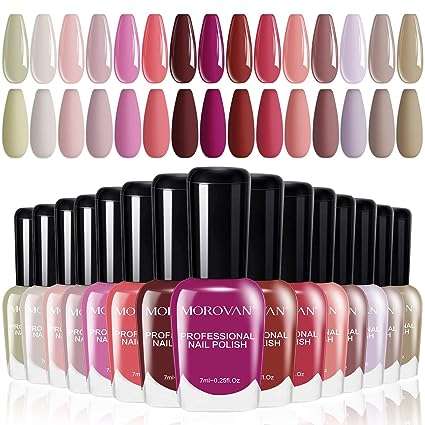
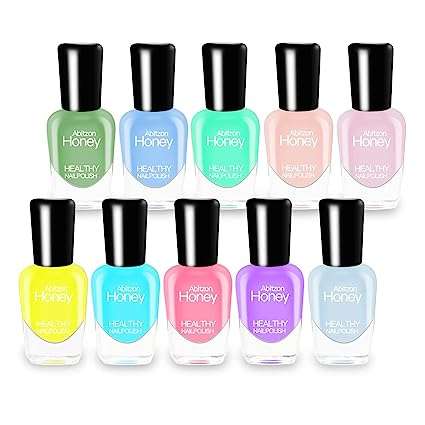
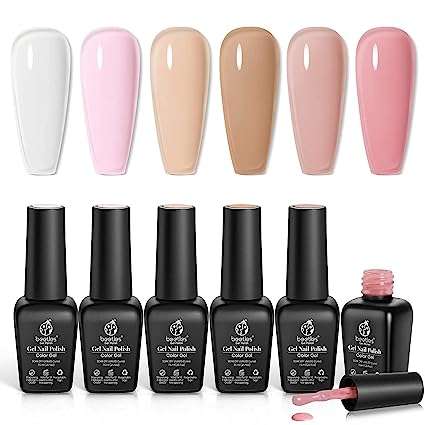
Choose your favorite nail polish colors and ensure you have a base coat and top coat for a polished finish.

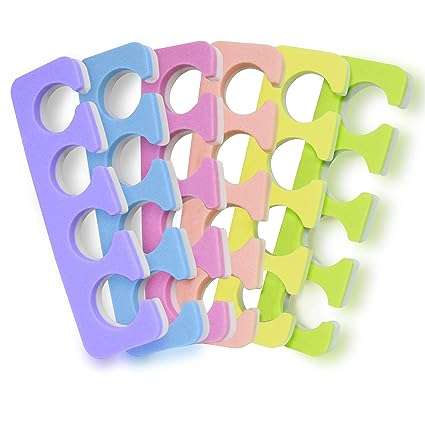
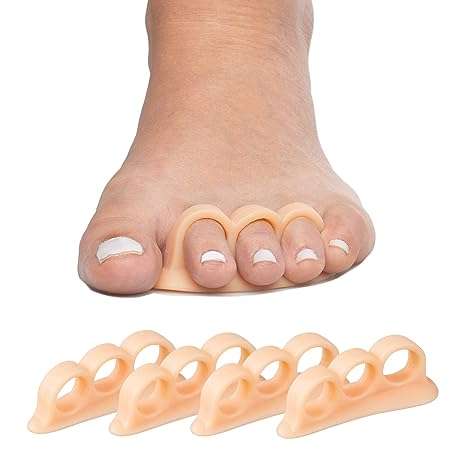
Toe Separators

Use toe separators to prevent smudging while painting your nails.

Nail Polish Corrector Pen

A nail polish corrector pen can help clean up any mistakes around your nails for a professional look. I also like to use a toothpick for this, just in case you don’t have a pen on you.

Pumice Stone or Foot File

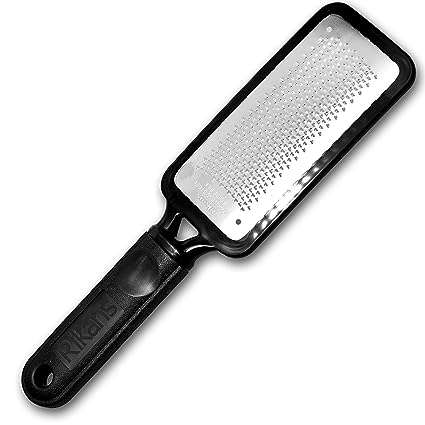
For extra smoothness, use a pumice stone or foot file to gently remove calluses and rough skin.

Quick Guide To An At-Home Pedicure:

  1. Prepare Your Space: Set up a comfortable area with all your pedicure essentials. Make sure you have a cozy seat, good lighting, and relaxing music.
  2. Soak Your Feet: Fill a basin with warm water and add your chosen foot soak solution. Soak your feet for about 10-15 minutes to soften the skin.
  3. Exfoliate: Gently scrub your feet with an exfoliating scrub, paying attention to areas with rough skin. Rinse and pat dry.
  4. Nail Care: Trim and shape your nails, then gently push back your cuticles. Use a nail brush to clean under your nails.
  5. Moisturize: Apply a generous amount of moisturizing lotion or cream to your feet and lower legs, massaging in circular motions.
  6. Paint Your Nails: Apply a base coat, followed by your chosen nail polish color. Use thin coats for even application and allow each layer to dry before applying the next. Finish with a top coat for shine and longevity.
  7. Finishing Touches: Once your nails are dry, use a nail polish corrector pen to clean up any smudges or mistakes.
  8. Relax and Enjoy: Sit back, relax, and let your nails dry completely. Enjoy the feeling of your refreshed and pampered feet.

Related Post: The Step-By-Step Guide On The Perfect At-Home Pedicure

With these must-have essentials and a step-by-step guide, you’re well-equipped to create a spa-worthy pedicure experience in the comfort of your own home. Treat yourself to the luxury of a well-deserved pedicure, and revel in the results of your beautifully polished and pampered toes.

[jetpack-related-posts]

The Ultimate Colloidal Oatmeal Bath Routine For Super Sensitive Skin

Filed Under: Body, Healthy Living // 07/18/2024

Welcome to the world of pure relaxation and indulgence – the Colloidal Oatmeal Bath Routine.

In today’s fast-paced world, taking a moment for ourselves is essential, and what better way to unwind than with a luxurious bath infused with the goodness of colloidal oatmeal?

Whether you’re looking for some relief from dry and irritated skin, a moment of peace while treating your skin, or simply an opportunity to pamper yourself, the colloidal oatmeal bath routine offers a spa-like experience right in the comfort of your own home.

Colloidal oatmeal has been treasured for centuries for its skin-soothing properties.

Its natural emollients and anti-inflammatory agents make it an excellent choice for addressing a variety of skin concerns, including eczema, dryness, itching, and redness.

In this bath routine, we’ll explore how to harness the benefits of colloidal oatmeal to create a rejuvenating and nourishing experience for your skin and senses.

Prepare to indulge yourself in a relaxing journey of self-care and relaxation. Be prepared to leave behind the stresses of the day and emerge with soft, supple, and rejuvenated skin.

So, light some candles, play soft music, and prepare to embark on a journey of blissful self-indulgence. And get ready to discover the magic of the colloidal oatmeal bath routine.

What Is Colloidal Oatmeal

Colloidal oatmeal is a finely ground form of oats that has been processed into a fine powder or flour.

It is created by grinding whole oats into tiny particles to create a colloidal suspension when added to water.

The term “colloidal” refers to the state of the particles being evenly dispersed in a liquid medium, which in this case is water.

Colloidal oatmeal is different from regular oatmeal or rolled oats, which are typically used for cooking or as breakfast cereals.

The grinding process breaks down the oat grains into much smaller particles, allowing them to remain suspended in water rather than sinking or clumping together.

This makes colloidal oatmeal an ideal ingredient for various body and skin care products and therapeutic baths.

When colloidal oatmeal is added to water, it forms a milky and creamy texture that can be easily applied to the skin. This creates a soothing and calming effect on the skin, making it particularly beneficial for individuals with sensitive, dry, or irritated skin conditions.

The skin-friendly properties of colloidal oatmeal can be attributed to its high content of lipids, proteins, beta-glucans, and other bioactive compounds.

These components have anti-inflammatory, moisturizing, and antioxidant properties that make colloidal oatmeal an effective natural remedy for conditions such as eczema, psoriasis, insect bites, sunburn, and dry skin.

Colloidal oatmeal is commonly used in skincare products like lotions, creams, soaps, and bath products. It acts as a gentle exfoliator, skin protectant, and hydrating agent, promoting healthier and more radiant skin.

Due to its versatility and beneficial properties, colloidal oatmeal has gained popularity in the beauty and skincare industry, with many people incorporating it into their daily skincare routines to experience its soothing and nourishing effects.

Benefits Of Colloidal Oatmeal

Before we indulge in the best bath routine of your life, let’s take a moment to explore why colloidal oatmeal is such a fantastic addition to your body care routine:

Soothes and Calms Irritated Skin: Colloidal oatmeal is renowned for its ability to soothe and calm irritated and inflamed skin. It forms a protective barrier on the skin’s surface, reducing itching and discomfort caused by conditions like eczema, psoriasis, and allergic reactions.

Its anti-inflammatory properties help to ease redness and promote a sense of relief.

Moisturizes Dry Skin: Dry and dehydrated skin can be a common struggle, especially during harsh weather conditions. Colloidal oatmeal acts as a humectant, attracting and retaining moisture in the skin, making it an excellent natural moisturizer.

It helps maintain the skin’s natural moisture barrier, leaving it soft, supple and well-hydrated.

Gently Exfoliates and Softens Skin: The fine particles in colloidal oatmeal work as a gentle exfoliator, sloughing away dead skin cells and impurities.

Regular use of colloidal oatmeal can lead to softer and smoother skin, promoting a radiant complexion.

Anti-Aging Properties: Rich in antioxidants, colloidal oatmeal helps combat free radicals that contribute to premature aging. Regular use of colloidal oatmeal can aid in reducing the appearance of fine lines and wrinkles, promoting a youthful and vibrant complexion.

Relieves Sunburn and Insect Bites: Colloidal oatmeal can provide relief from sunburn and insect bites due to its anti-inflammatory properties. When applied topically, it helps soothe and cool irritated skin, offering instant comfort.

Suitable for Sensitive Skin: One of the most remarkable qualities of colloidal oatmeal is its suitability for sensitive skin types. It is hypoallergenic and has a gentle cleansing action, making it an ideal choice for those with delicate or reactive skin.

Balances pH Levels: Colloidal oatmeal helps balance the skin’s pH levels, maintaining an optimal environment for healthy skin. This balance supports the skin’s natural defenses and prevents excessive dryness or oiliness.

Improves Skin Texture: Regular use of colloidal oatmeal can lead to an improvement in skin texture and tone. It can reduce roughness and enhance the overall appearance of the skin.

Incorporating colloidal oatmeal into your body care routine, particularly in a luxurious bath, allows you to experience the full range of benefits it offers.

From calming irritated skin to providing deep hydration, this natural wonder is a treasure for achieving beautiful and healthy skin. So, let’s dive into the perfect colloidal oatmeal bath routine and indulge in a spa-like experience that will leave your skin glowing and your senses rejuvenated:

The Perfect Bath Routine

Colloidal Oatmeal Shower Gel:

Start your bath routine with a gentle and moisturizing colloidal oatmeal shower gel.

This soothing cleanser will wash away impurities without stripping your skin’s natural oils, leaving it soft and hydrated. The colloidal oatmeal in the shower gel helps soothe any irritation and promotes healthy skin.

Related Post: How To Make Colloidal Oatmeal Shower Gel

Dry Brushing (Optional):

For an extra step of exfoliation, consider dry brushing your skin before hopping in the shower.

Dry brushing helps remove dead skin cells, improves circulation, and allows the colloidal oatmeal products to better penetrate your skin during the bath.

Related Post: The Benefits Of Dry Brushing

Exfoliating Oatmeal Body Scrub:

Treat your body to a rejuvenating and exfoliating oatmeal scrub to reveal smoother, more radiant skin. The gentle abrasiveness of this scrub will buff away dullness and dead skin cells, leaving your skin soft and supple.

Related Post: How To Make Colloidal Oatmeal Body Scrub

Oatmeal & Honey Bath Soak:

Step into a blissful bath filled with oatmeal and honey concoction. This bath soak combines the skin-soothing properties of colloidal oatmeal with the nourishing effects of honey, providing a luxurious and hydrating bathing experience.

Related Post: How To Make An Oatmeal & Honey Bath Soak

Oatmeal Face Mask:

While you soak in the bath, treat your face to a soothing oatmeal face mask. This mask will gently cleanse, nourish, and revitalize your skin, promoting a radiant complexion.

Colloidal Oatmeal Body Butter (or Body Oil or Body Lotion):

After your bath, indulge in a luxurious colloidal oatmeal body butter, body oil, or body lotion. This final touch will lock in moisture and leave your skin feeling velvety soft and deeply hydrated.

Related Post: How to Make Colloidal Oatmeal Body Butter

The perfect colloidal oatmeal bath routine is a symphony of homemade body care products designed to pamper your body and soul.

From the colloidal oatmeal shower gel to the oatmeal face mask, each step of this routine delivers natural and nourishing benefits to your skin and hair.

Embrace the art of self-care by creating these delightful products at home and elevate your bath time into a spa-like experience. Indulge in the goodness of colloidal oatmeal and embrace the relaxation and rejuvenation it brings to your body and mind.

[jetpack-related-posts]

The Soothing Solution For Healing Eczema Using Colloidal Oatmeal

Filed Under: Body, Healthy Living // 07/18/2024

Eczema is a chronic skin condition that affects millions of people worldwide.

Its symptoms, including redness, itching, inflammation, and dryness, can be both physically uncomfortable and emotionally distressing. While there’s no definitive cure for eczema, there are various ways to manage and alleviate its symptoms.

One such natural remedy is colloidal oatmeal. In this article, we will explore the scientific basis of colloidal oatmeal’s efficacy and furnish a detailed manual on its application for calming and treating skin susceptible to eczema.

Understanding Colloidal Oatmeal

Colloidal oatmeal is not your typical breakfast oats; it’s finely ground oatmeal that has been boiled down and processed into a fine powder.

This unique form of oatmeal contains compounds like beta-glucans, polysaccharides, and avenanthramides that contribute to its skin-soothing properties.

These components work synergistically to moisturize, protect, and restore the skin’s natural barrier, making it an excellent choice for individuals with eczema.

The Benefits of Colloidal Oatmeal for Eczema

Moisturization: The proteins and lipids present in colloidal oatmeal help to lock in moisture, preventing the skin from becoming dry and itchy.

Anti-Inflammatory Properties: Avenanthramides, antioxidants found in oats, have anti-inflammatory and anti-irritant effects on the skin, reducing redness and irritation.

Skin Barrier Repair: Colloidal oatmeal forms a protective barrier on the skin’s surface, aiding in repairing the skin’s natural barrier function that is often compromised in eczema.

Itch Relief: The starches in oatmeal create a soothing film when mixed with water, which helps alleviate itching and discomfort.

Using Colloidal Oatmeal to Heal Eczema

Preparing Colloidal Oatmeal Baths:

  • Fill your bathtub with lukewarm water.
  • Gradually add the colloidal oatmeal powder while stirring to ensure even distribution.
  • Soak in the bath for about 15-20 minutes, gently patting your skin with the oatmeal water.
  • Rinse your body with clean water afterward and gently pat dry with a soft towel.

For a full recipe, here is my favorite colloidal oatmeal bath soak recipe, and if you want a more relaxing bath soak, try this colloidal oatmeal honey bath soak.

Creating Colloidal Oatmeal Paste:

  • Mix a small amount of colloidal oatmeal with water to create a thick paste.
  • Apply the paste to the affected areas and leave it on for around 20-30 minutes.
  • Gently rinse off with lukewarm water and pat your skin dry.

Selecting The Right Product:

I recommend making your own colloidal oatmeal products at home, as you can control what you put in them and how to make them best suit your skin.

But, if you are going to purchase body care products, purchase high-quality colloidal oatmeal products from your local pharmacy or health store. Make sure it’s specifically labeled for skincare or body care use.

Here is a list of our favorite colloidal oatmeal body care products to make at home:

  • DIY Honey Oatmeal Soap Recipe: For Healthy and Hydrated Skin
  • Soothing Oatmeal Shower Gel Recipe for Eczema-Prone Skin
  • DIY Colloidal Oatmeal Body Scrub Recipe
  • Colloidal Oatmeal Whipped Body Butter Recipe – Light, Fluffy, and Nourishing
  • The Ultimate Colloidal Oatmeal Bath Routine
  • How To Make An Oatmeal And Honey Soothing Bath
  • DIY Oatmeal Bath To Help You Unwind and Ease Inflammation

Using Oatmeal-Based Products:

Look for skincare products containing colloidal oatmeal, such as creams, lotions, and balms.

Apply these products to your skin as directed, focusing on areas prone to eczema flare-ups.

Consistency is Key:

For optimal results, incorporate colloidal oatmeal treatments into your skincare routine regularly, even when you’re not experiencing active flare-ups.

Colloidal oatmeal can be a gentle and effective natural remedy to alleviate the discomfort of eczema and support the healing process.

Its ability to moisturize, reduce inflammation, and repair the skin barrier makes it a valuable addition to your skincare routine.

However, if your eczema is severe or persistent, it’s crucial to consult a dermatologist for a comprehensive treatment plan.

With consistent care and the soothing properties of colloidal oatmeal, you can take significant steps toward managing your eczema and enjoying healthier skin.

[jetpack-related-posts]

How To Get Rid Of Product Buildup On Your Scalp Health

Filed Under: Hair // 07/16/2024

If you’re anything like me, you probably keep protective styles in for longer than you have to.

This also means that you probably go a month or two without washing your hair. Ever feel like you need to remove months of product build-up from your scalp but just feel like your regular shampoo isn’t quite cutting it? 

That’s why I created a complete guide on how to get rid of product buildup on your scalp!

While our hair may be tucked away in a protective style, or stowed under a wig, we still need to make sure we are keeping our scalp happy and healthy!

I hate when I have an itchy scalp and I go to scratch it and it begins to snow old product.

Let’s deep dive into the world of scalp care together, making sure your scalp is healthy and clean is the only way to have healthy hair growth.

What Is Product Buildup?

Product buildup happens when the products you love to use accumulates on the hair near the scalp. 

Even some of the shampoos and conditioners we love so much can leave product behind on our scalp! Especially when not rinsed out properly during your showers.

You can also tell if you have product buildup when you have a white cast on your hair closest to the scalp. The buildup is especially bad near the hairline. This is caused by wig glue and edge control mostly.

Your regular washday routine isn’t enough to fix or get rid of product buildup. While it may look like it gets rid of all the buildup, your scalp wont be thoroughly clean unless you truly clarify it.

Getting Rid Of Product Buildup With Clarifying Shampoo

A clarifying shampoo is an absolute necessity for every natural to have!

A clarifying shampoo is like your regular shampoo, times ten. They can cut through oils and products leaving your scalp squeaky clean!

Don’t plan on using a clarifying shampoo every day, this will cause your hair to be dry. Typically, only use it when you feel like you need it or after you haven’t washed your hair in a while!

Here are some of my favorite clarifying shampoos:

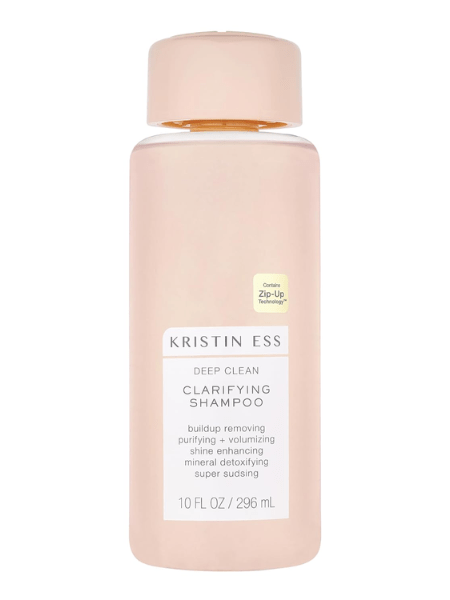
Kristin Ess Hair Deep Clean Clarifying Shampoo

The Kristin Ess Hair Deep Clean Clarifying Shampoo is an ideal choice for removing build-up due to its powerful yet gentle formula.

It effectively cleanses the hair, removing excess oils, product residues, and impurities, leaving your hair refreshed, revitalized, and ready for styling.

Buy On Amazon

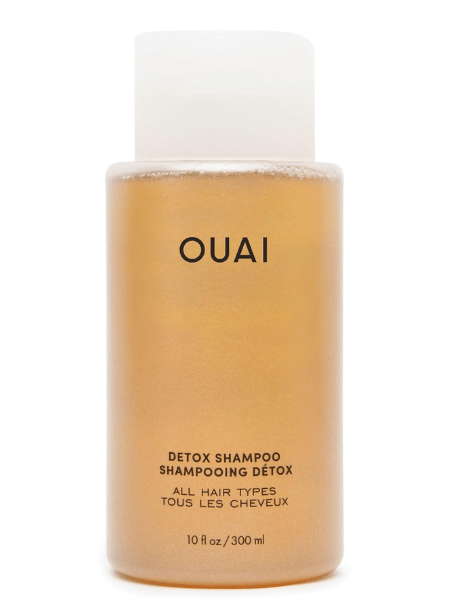
OUAI Detox Shampoo

The OUAI Detox Shampoo is a worthwhile investment for scalp cleansing as its high-quality formulation delivers exceptional results every time.

It effectively removes buildup and leaves your scalp refreshed and rejuvenated, making it well worth the price.

Buy On Amazon

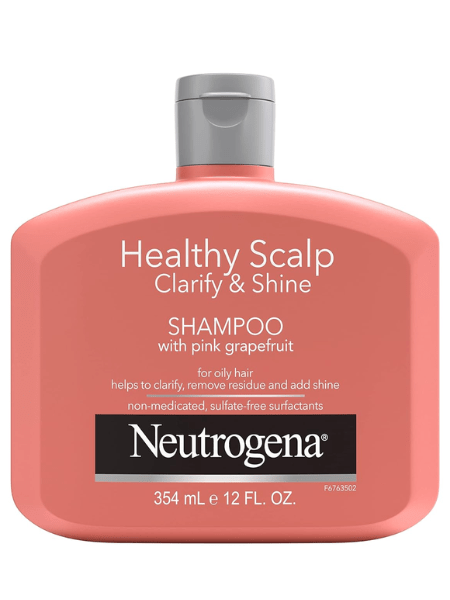
Neutrogena Exfoliating Healthy Scalp Clarify & Shine Shampoo

The Neutrogena Exfoliating Healthy Scalp Clarify & Shine Shampoo is an excellent budget-friendly choice for clarifying hair.

Offering a gentle yet effective formula that removes buildup and impurities while promoting scalp health and enhancing shine, making it an affordable option for those who cannot splurge on pricier alternatives.

Buy On Amazon

Getting Rid Of Product Buildup With Home Remedies

If you want to go the more natural route, there are several home remedies that can be used to remove product buildup from hair. Some that I have tried and love are:

Apple Cider Vinegar For Product Buildup

Apple Cider Vinegar is a great way to get rid of product buildup on your scalp.

To use apple cider vinegar for product buildup, you can mix equal parts vinegar and water in a spray bottle.

Spray the mixture onto your hair and scalp, focusing on the roots and areas with the most buildup. Massage it into your scalp and leave it on for 5-10 minutes, then rinse it out thoroughly.

Now continue with your regular washday routine.

The acidity in the vinegar helps to break down and dissolve buildup, leaving your hair looking and feeling clean and refreshed.

It’s important to note that apple cider vinegar can be drying for some hair types, so you may want to use a moisturizing conditioner afterward as well as a good deep conditioner.

Baking Soda For Product Buildup

Baking soda is another popular home remedy for removing product buildup from hair.

It is a gentle abrasive that can effectively break down and remove buildup, leaving your hair looking and feeling clean and refreshed.

To use baking soda for product buildup, you can mix a small amount of baking soda with water to create a paste.

Massage the paste into your hair, focusing on the roots and scalp. Leave it on for a few minutes before rinsing it out thoroughly.

Alternatively, you can add a tablespoon of baking soda to your shampoo and wash your hair as usual.

It’s important to note that baking soda can be drying for some hair types, so you may want to use a moisturizing conditioner after using it.

Also, it’s best to use baking soda in moderation, as using it too often can strip your hair of its natural oils.

It’s also important to do a patch test before applying it to your hair as it can cause irritation or dryness for some people.

Lemon Juice For Product Buildup

The acidity in the lemon juice helps to break down and dissolve buildup, leaving your hair looking and feeling clean and refreshed.

To use lemon juice for product buildup, you can mix equal parts lemon juice and water in a spray bottle.

Spray the mixture onto your hair and scalp, focusing on the roots and areas with the most buildup. Leave it on for 5-10 minutes, then rinse it out thoroughly.

You can also use it as a final rinse after shampooing.

Alternatively, you can mix a tablespoon of lemon juice with a cup of water and use it as a final rinse after shampooing.

There are several ways to remove product buildup from hair, such as apple cider vinegar, clarifying shampoo, baking soda, and lemon juice.

These are all effective in breaking down and dissolving buildup, leaving your hair looking and feeling clean and refreshed.

[jetpack-related-posts]

These Easy Haircare Tips Will Revive Your Dry Hair And Give You Ultimate Shine

Filed Under: Hair // 07/16/2024

When your hair is dry, it can feel brittle and hay-like to the touch. Physically your hair looks dull and lifeless which can also be a sign of biotin deficiency.

Whether you have damaged hair, dry hair, or simply want to improve the overall health of your hair, these following inexpensive tips will help keep your hair conditioned and leave you with gorgeous, healthy hair.

What is dry hair?

Dry hair is hair that doesn’t produce or retain enough moisture and oil for it to maintain its texture and sheen.

Dry hair has a coarse and rough texture. Some visible signs that your hair is dry can be that it looks dull, is brittle, and is constantly frizzy.

This can be a result of low nutritional value of Ferritin, Vitamin B 12, Vitamin D, or minerals like zinc & magnesium in your diet. Which in turn means your hair lacks these nutrients.

Or it could simply be from overexposure to pollution in the air, heat damage from styling tools or humidity, and even smoking.

How To Treat Dry Hair

Incorporating these simple tips into your haircare regime can over time help your hair retain more moisture and become healthier;

1. Stop The Daily Shampooing

Skipping a few days between shampooing lets your scalp relax, and it stops working overtime to produce protective oils. Your strands have time to breathe and don’t have to work overtime to produce natural oils.

The less you’re washing your hair, the more time your hair has to produce and retain these natural oils.

These oils need time to work their way down the hair shaft and moisturize your locks. Washing your hair less can also prevent itching and flaking, and keep the hair soft and shiny.

If you have hair that gets greasy, try skipping a few more days and using a good dry shampoo.

Dry shampoo is used to absorb excess oil and dirt from the hair, giving the appearance of freshly washed hair without the need for water. It can also add volume and texture to hair.

2. Invest In A Good Shampoo, Conditioner Combo

Now that you’re washing your hair less, make sure that your wash days are the best they can be, one of the ways to do that is to find the best shampoo and conditioner for you and your hair type.

Choose a keratin shampoo if you’re able to. Also look for vitamins D3, E, and B5, which all serve different functions but help support your hair and scalp health.

3. Cut Back on The Heat

Using heat on hair can cause damage over time, such as dryness, breakage, split ends, and a loss of shine.

The high temperatures can also strip hair of its natural oils, making it more susceptible to damage.

While using heat protection products can help reduce the damage, it is best to limit the use of heat styling tools and to let hair dry naturally as much as possible.

4. Trim Your Dry Ends

Trimming hair regularly can help prevent split ends and breakage, which can make hair look and feel healthier.

This is because split ends can travel up the hair shaft, causing damage to the hair. Regular trims can also help hair grow faster and stronger, as it removes damaged and dead ends that can inhibit your hair growth.

Additionally, regular trims help maintain the shape of a haircut and make it look more polished.

5. Protect Your Hair From The Sun

Sunscreen for hair is a product that is designed to protect the hair from the damaging effects of UV rays.

Exposure to the sun can cause damage to the hair, such as dryness, discoloration, and fading. Sunscreen for hair can help prevent this damage by creating a barrier that shields the hair from the sun’s rays.

Some hair care products, such as leave-in conditioners and hair oils, contain UV filters and can be used as sunscreen for hair. Sun hats or head scarves also can help protect hair from the sun.

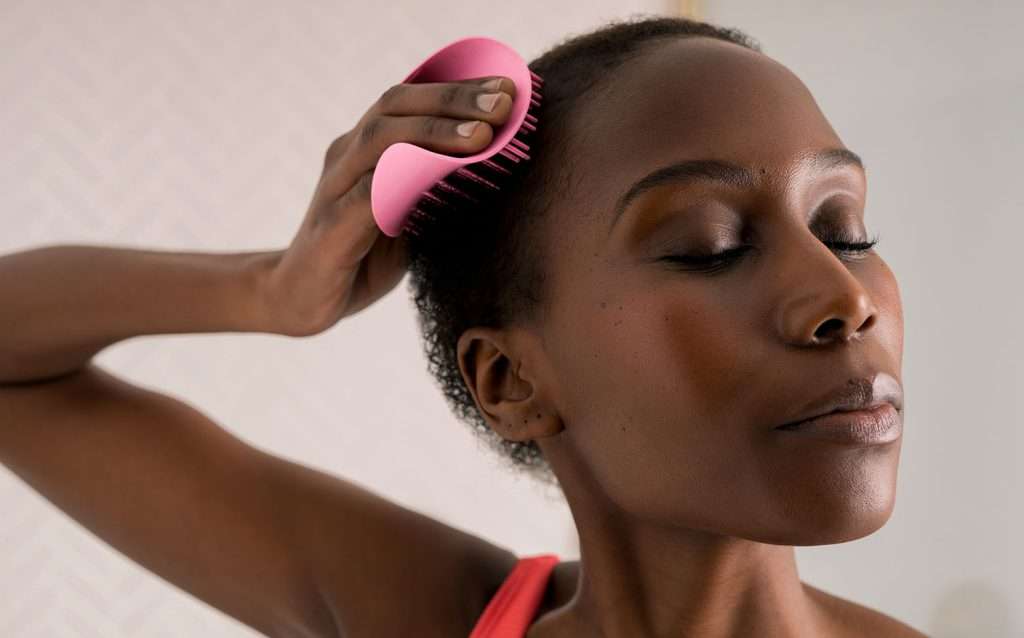
6. Brush Your Hair With Care

To avoid damage when brushing your hair, and allow dry hair to heal, it’s important to use the right type of brush and to be gentle when brushing. Here are some tips to follow:

1. Use a detangling brush: These types of brushes are less likely to snag or pull on tangles, which can cause breakage. They are designed to work with tangles and gently detangle your hair.

2. Start at your ends: When detangling, start at the ends of your hair and work your way up to the roots. This will help prevent pulling and tugging on tangles.

3. Don’t brush dry hair: Dry hair is more susceptible to damage than wet hair, so it’s best to detangle your hair in the shower or with conditioner on your hair.

Dry hair will easily snag on your brush and this can cause damage to your hair.

4. Brush gently: Avoid tugging or pulling on your hair when brushing. Instead, use gentle strokes to work through tangles and knots.

By following these tips, you can help avoid damaging your already dry hair while brushing and maintaining healthy hair.

7. Hot Oil Treatments

Hot oil treatments tend to work wonders for hair that’s dry, brittle, or damaged.

These treatments can also protect and moisturize your hair. It’s very effective and is simple to incorporate into your routine.

It involves soaking your hair in warm oils helping them penetrate into the hair strand and moisturize from within.

8. Deep Condition Your Dry Hair

Opt for an at-home treatment with keratin. Use it once a week with special attention to your hair in the colder months.

This helps to restore your hair and bring it back to life. I like to use it just after rinsing off my hot oil treatment.

They help to add back any moisture lost during the week and seal it in too. Deep conditioners are your best friend!

9. LOC In The Moisture

Liquid, oil, and cream. This is the holy trinity for hair moisturizing. The order in which you apply them, however, will depend on your hair’s porosity.

In general, low-porosity hair will find better results from the LCO method. While high porosity hair will find better results from the LOC method.

Make sure to test out these methods and see how your hair responds to each one and see what works best for you.

Mastering your hair moisturizing routine will be the final step in sealing the deal for healthier and stronger hair.

[jetpack-related-posts]

Here’s Exactly What to Wear During & After a Spray Tan

Filed Under: BEAUTY // 07/15/2024

should you wear a bra to get a spray tan

What You Wear to a Spray Tan Matters

It’s winter, you’re as pale as can be, you need to book a spray tan appointment ASAP, and wonder, what on earth should I wear for this spray tan?

What you wear to get a spray tan plays a bigger role than you’d think in the quest for a natural-looking tan.

But what do you wear when getting a spray tan? And what do you wear after a spray tan to protect your sunkissed skin?

Tight clothes, like leggings, are your enemy here, they can ruin a freshly applied tan faster than you can say “streaky mess.”

Loose and dark clothing will be your best friends during and after your session.

They help avoid those dreaded tan lines and protect your skin from rubbing the tan off prematurely.

I learned this the hard way, showing up in leggings once and leaving with a less-than-stellar tan.

You don’t want to make the same mistake. Trust me, opting for that baggy t-shirt and loose-fitting shorts will make all the difference.

After the session, the same rules apply. Patience and the right clothes ensure your tan develops into that even, golden hue that makes it look like you just came from vacation.

And here’s a hot tip, ditch the bra during your spray tan. Going without wearing your bra when you go get a spray tan helps avoid unsightly tan lines around your shoulders and back.

Also, hold off on wearing those tight leggings right after your spray tan or anything that clings too much. Giving your skin ample room to breathe and your tan time to set is crucial.

What you wear before, during, and after your spray tan significantly impacts not just your comfort but the quality of your tan. Go for roomy, dark outfits to come out looking and feeling your best.

  • Should You Shave Before Or After You Fake Tan
  • Everything You Need To Know About Tanning & Laser Hair Removal
  • Does Self-Tanning Lotion Expire? +How To Make It Last Long

How To Prepare For A Spray Tan

Getting your skin ready for a spray tan isn’t just about the tan itself; it’s about maximizing the results.

First off, exfoliating is key. Grab a gentle scrub and work away the dead skin.

This smooth canvas helps the tan apply evenly, giving you that flawless glow.

Next up, shower with cold water before your appointment. It sounds chilly, but this step closes your pores, preventing them from getting clogged with tanning solutions.

Now, let’s talk about what to wear.

Loose-fitting clothes are your best friends here.

Tight clothing can rub against your freshly tanned skin, leading to uneven spots or streaks – not what you signed up for.

Also, opt for darker colors. They’re less likely to show any solution that might transfer from your skin.

Remember, your choices in preparing your skin and selecting your outfit can make a huge difference in your tanning experience.

  • Self-Tanning Lotion Vs. Sunless Spray Tan: Which Is Best?
  • Can You Use Indoor Tanning Lotion Outside?

What to Wear to a Spray Tan Session

Walking into a spray tan appointment, you might wonder about the best outfit choice.

Loose clothing takes center stage here.

Tight outfits can lead to uneven lines and streaks, disrupting that flawless tan you’re aiming for. Dark colors are your allies since the tanning solution might stain light fabrics.

It’s a simple choice but crucial for a stress-free session.

As for the burning question, “Do I wear a bra for a spray tan?” the answer leans towards no. Going braless during the session ensures an even tan across your chest, without the risk of unwanted lines.

If not wearing one makes you uneasy, opt for an old, dark one ready to sacrifice for the cause.

Footwear is another detail you can’t overlook. Leave behind those tight sneakers or heels.

Flip-flops serve as the perfect option, keeping your feet comfortable and free from pressure-induced tanning mishaps.

You step into that room, and it’s just you, your flip-flops, and the promise of emerging with a beautifully even tan.

After all, planning what to wear to a spray tan session is about getting the best results while keeping accidents at a minimum.

  • The Best Way to Tan Legs in a Tanning Bed or Sun Fast
  • What’s The Best Time To Tan Before or After My Workout?
  • Will Spray Tanning Protect You From a Sunburn?

What to Wear After A Spray Tan Session

You just walked out of your spray tan session, looking like a sun-kissed goddess. The next step? Keeping that glow perfect.

Clothes can make or break a fresh tan.

Did I mention that loose clothing is your best friend? Tight clothes? Not so much.

They rub against your skin, risking your tan. Imagine putting effort into getting that natural-looking tan, only to spoil it by tight jeans or leggings.

Not worth it, right? Opt for oversized shirts, flowy dresses, or anything that doesn’t cling to your body. Your tan will thank you.

Now, about leggings. Can you wear them after a spray tan? Short answer: it’s better not to. Leggings, though comfy, tend to be snug. They can leave marks and, worse, strip your tan off where it’s tightest.

If you must slip into something leg-hugging, wait a day at least. By then, your tan has set, and the risk is lower.

Color choice matters too. Dark colors are the way to go. They’re less likely to show any tan that might rub off.

While you might love your white yoga pants, they’re not the best choice right now. Imagine those turning a lovely shade of bronze—on the outside. Stick to blacks, navies, or deep greens.

Footwear is another crucial choice. Flip-flops or sandals are ideal. They allow your feet to breathe and don’t rub against your ankles or toes.

Even a slight rub can lighten a tan. That’s what we’re avoiding here.

Countless loose, chic options complement your tan. This post-tan period is a great time to experiment with styles you might not usually consider. Flowy doesn’t mean frumpy. It’s all in how you wear it.

Choosing the right clothes after a spray tan isn’t just about maintaining your tan; it’s about comfort too. Tight clothes can feel restrictive on freshly tanned skin.

Looser options feel like a soft hug—a perfect end to your spray tan experience.

[jetpack-related-posts]

Here’s How To Grow Insanely Long Hair Using Hot Oil Treatments, Plus The Best Oils To Use

Filed Under: Hair // 07/15/2024

recommended oils for hot oil treatments

If you’re a part of the natural hair community, you’ve heard about or tried hot oil treatments.

The oils, like olive, almond, and coconut, when used in hot oil treatments work by sealing the hair cuticle.

This helps strengthen and protect your locks.

If your hair is dry, brittle, frizzy, color-treated, or prone to split ends, a hot oil treatment may be beneficial, or if you’re just looking to add some shine to your hair.

Benefits Of Hot Oil Treatments

Hot oil treatments are also useful for helping to stimulate blood flow, as well as helping with hair growth. Hot oil treatments for hair provide many benefits to help your mane flourish such as:

-Moisturizes dry and brittle hair

-Revives your curls

-Helps with dry scalp

-Increases the blood circulation in your scalp

-Strengthens the hair

-Adds shine to your hair

-Helps prevent split ends and frizz

-Help with dandruff relief

-Reduces frizz

Benefits of hot oil treatments

Safety Measures Before Doing a Hot Oil Treatment

Hot oil treatments involve applying heated oil to your hair and scalp. It is important to take safety measures when performing a hot oil treatment to prevent burns or injury.

-Always ensure the oil is not too hot before applying it to the hair and scalp, apply a small amount to your wrist to test it out.

-Never leave the heated oil unattended, especially if you have any children or pets around.

-Start with a small amount of oil and apply it to a small section of hair to test the temperature before applying it to the entire head. Yes, even after you’ve tested it on your wrist.

-Never heat oil that is in a plastic container as it can melt.

-To reduce the risk of a reaction, look for oils that aren’t combined with any synthetic ingredients.

-If you experience any burning or discomfort during the treatment, rinse the oil out immediately and seek medical attention if necessary.

What Oil Is Best For An At-Home Hot Oil Treatment

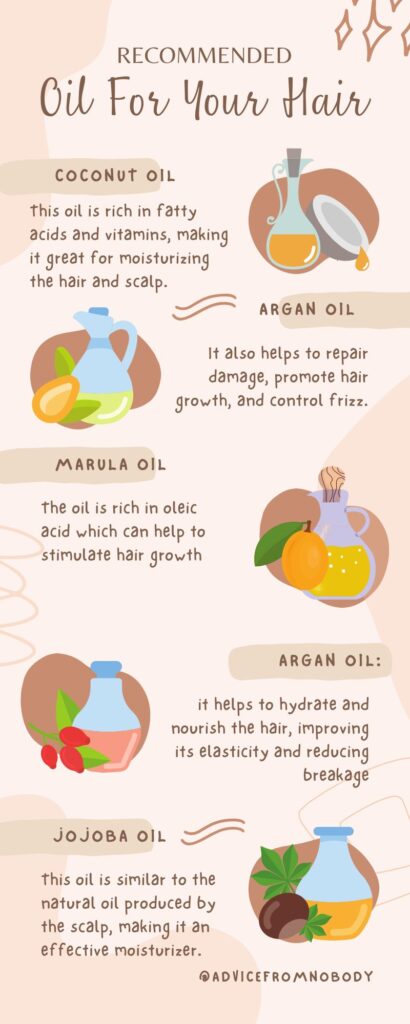
There are many different oils that can be used for hot oil treatments, each with its own unique benefits for the hair and scalp. It’s important to find the right blend for you. Some of the most popular oils used for hot oil treatments include:

-Coconut oil: This oil is rich in fatty acids and vitamins, making it great for moisturizing the hair and scalp. It also helps to strengthen hair and prevent breakage. This leaves the hair soft and shiny.

-Olive oil: This oil is rich in antioxidants and fatty acids, making it great for moisturizing the hair and scalp. This oil tends to be on the heavier side, so it’s best for drier hair that really needs that moisture retention. Be careful not to be too heavy-handed as it can weigh down your hair. It also helps to strengthen hair and prevent breakage. This oil is great for damaged hair and can help combat frizz and flyaways.

-Jojoba oil: This oil is similar to the natural oil produced by the scalp, making it an effective moisturizer. It also helps to balance the scalp’s natural oil production, and it can help to improve hair growth. It is a light oil that is easily absorbed by the hair and scalp. It helps to moisturize and nourish the hair and scalp, leaving it feeling soft and smooth.

-Argan oil: Argan oil is rich in antioxidants and essential fatty acids, it helps to hydrate and nourish the hair, improving its elasticity and reducing breakage. It also helps to repair damage, promote hair growth, and control frizz.

-Castor oil: This oil is rich in fatty acids and has antibacterial properties that make it great for promoting hair growth. It also helps to moisturize the hair and scalp. Castor oil is also known for its ability to promote hair thickness and helps treat dry and itchy scalp.

-Almond oil: This oil is rich in vitamins E and D, which makes it great for moisturizing the hair and scalp. It also helps to strengthen hair and prevent breakage. It is known for its ability to nourish the hair and scalp, it also works as a detangler making hair more manageable.

-Avocado oil: Avocado oil is high in vitamins A, D, and E, and is also rich in fatty acids. It is known to penetrate the hair shaft to nourish and moisturize the hair.

These are a few of our favorites, always make sure to pick the oil best suited for your need at that time. Additionally, you can always create your own blend of oils or use a premade oil treatment.

Use the oil that best suits your hair type, also it is best to use pure, cold-pressed, organic oils for the best results.

How To Do a DIY Hot Oil Treatment

Now that you’ve decided on which oil to use, let’s get into the process of hot oiling by following these simple steps,

-Work on clean hair: Hot oil tends to work best on clean hair. This allows the oil to deeply penetrate the hair cuticle. However, if you do want to do a hot oil treatment before your washday, this is also fine.

-Heat the oil: Place your oil in an applicator bottle or in a bowl that is safe for heating. Then, put your oil in hot water if you are using an applicator bottle or the microwave for around 10 seconds if you are using a bowl.

-Test the heat: Before applying the oil to your hair and scalp, test a small amount of the oil on your wrist to make sure it’s not too hot, this will prevent you from burning your scalp.

-Detangle: Run a brush through your hair to get rid of any knots, this will help make the application process all that much easier and help ensure smooth styling afterward.

-Apply: Apply the oil evenly throughout your hair and massage it into your scalp. Cover your head with a shower cap and your bonnet for more insulation. And wait for 20 minutes to an hour. Ideally, you can leave it in overnight.

Rinse: After a minimum of 20 minutes, completely rinse out the oil from your hair, and follow up with your normal conditioner.

And that’s it, You now know how to do an at-home hot oil treatment, you can now use your favorite products and continue to style your hair as desired.

[jetpack-related-posts]
  • « Previous Page
  • 1
  • …
  • 8
  • 9
  • 10
  • 11
  • 12
  • …
  • 18
  • Next Page »

Copyright © 2026 · Theme by Marketing Templates Co.

We use cookies on our website to give you the most relevant experience by remembering your preferences and repeat visits.Read More By clicking “Accept All”, you consent to the use of ALL the cookies. However, you may visit "Cookie Settings" to provide a controlled consent.
Cookie SettingsAccept All
Manage consent

Privacy Overview

This website uses cookies to improve your experience while you navigate through the website. Out of these, the cookies that are categorized as necessary are stored on your browser as they are essential for the working of basic functionalities of the website. We also use third-party cookies that help us analyze and understand how you use this website. These cookies will be stored in your browser only with your consent. You also have the option to opt-out of these cookies. But opting out of some of these cookies may affect your browsing experience.
Necessary
Always Enabled
Necessary cookies are absolutely essential for the website to function properly. These cookies ensure basic functionalities and security features of the website, anonymously.
CookieDurationDescription
cookielawinfo-checkbox-analytics11 monthsThis cookie is set by GDPR Cookie Consent plugin. The cookie is used to store the user consent for the cookies in the category "Analytics".
cookielawinfo-checkbox-functional11 monthsThe cookie is set by GDPR cookie consent to record the user consent for the cookies in the category "Functional".
cookielawinfo-checkbox-necessary11 monthsThis cookie is set by GDPR Cookie Consent plugin. The cookies is used to store the user consent for the cookies in the category "Necessary".
cookielawinfo-checkbox-others11 monthsThis cookie is set by GDPR Cookie Consent plugin. The cookie is used to store the user consent for the cookies in the category "Other.
cookielawinfo-checkbox-performance11 monthsThis cookie is set by GDPR Cookie Consent plugin. The cookie is used to store the user consent for the cookies in the category "Performance".
viewed_cookie_policy11 monthsThe cookie is set by the GDPR Cookie Consent plugin and is used to store whether or not user has consented to the use of cookies. It does not store any personal data.
Functional
Functional cookies help to perform certain functionalities like sharing the content of the website on social media platforms, collect feedbacks, and other third-party features.
Performance
Performance cookies are used to understand and analyze the key performance indexes of the website which helps in delivering a better user experience for the visitors.
Analytics
Analytical cookies are used to understand how visitors interact with the website. These cookies help provide information on metrics the number of visitors, bounce rate, traffic source, etc.
Advertisement
Advertisement cookies are used to provide visitors with relevant ads and marketing campaigns. These cookies track visitors across websites and collect information to provide customized ads.
Others
Other uncategorized cookies are those that are being analyzed and have not been classified into a category as yet.
SAVE & ACCEPT